
Dino Melaye calls it a "free ticket," but we call it a Social Contract. While the establishment spends billions to buy their own party's loyalty, Obi is invited by parties because of his competence. Nigeria is in a mess precisely because of these "professional primary winners" who are experts at winning internal party wars but failures at winning the war against poverty. 🦅
#PeterObi #NewNigeria #ValueOverVolume
2
22
677

Mar 5
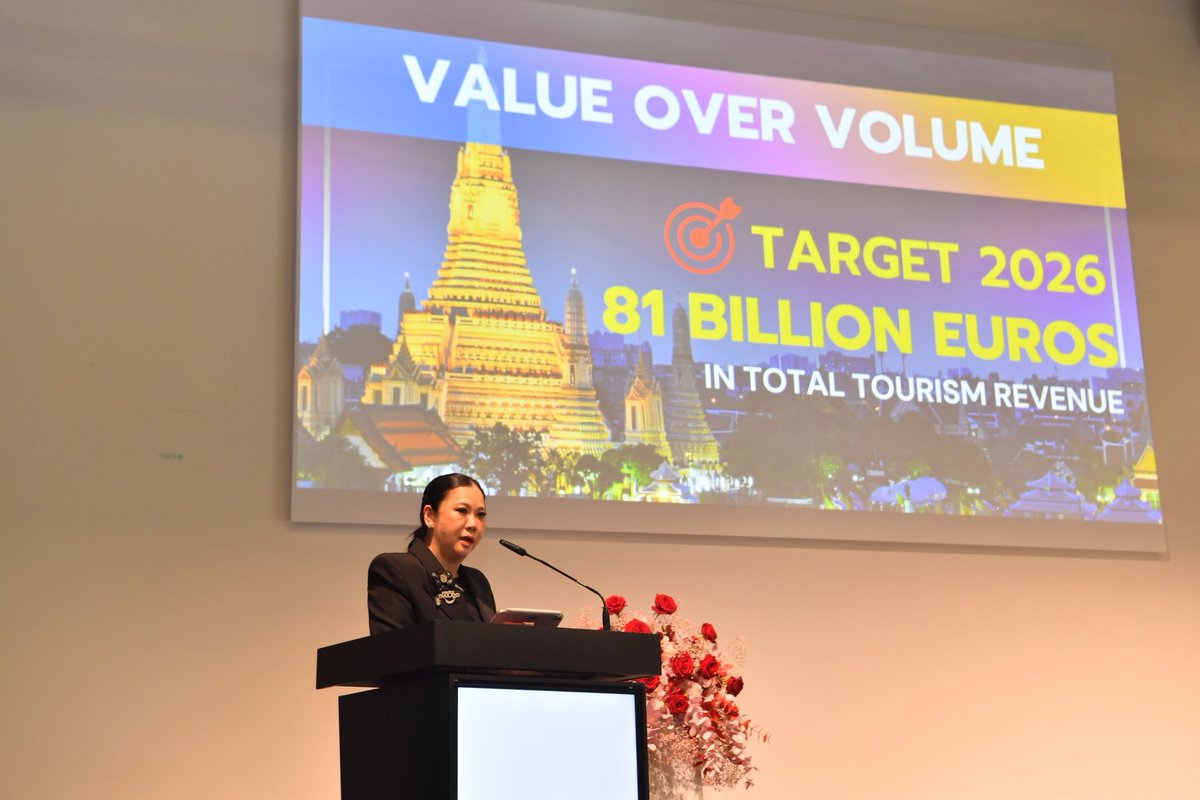
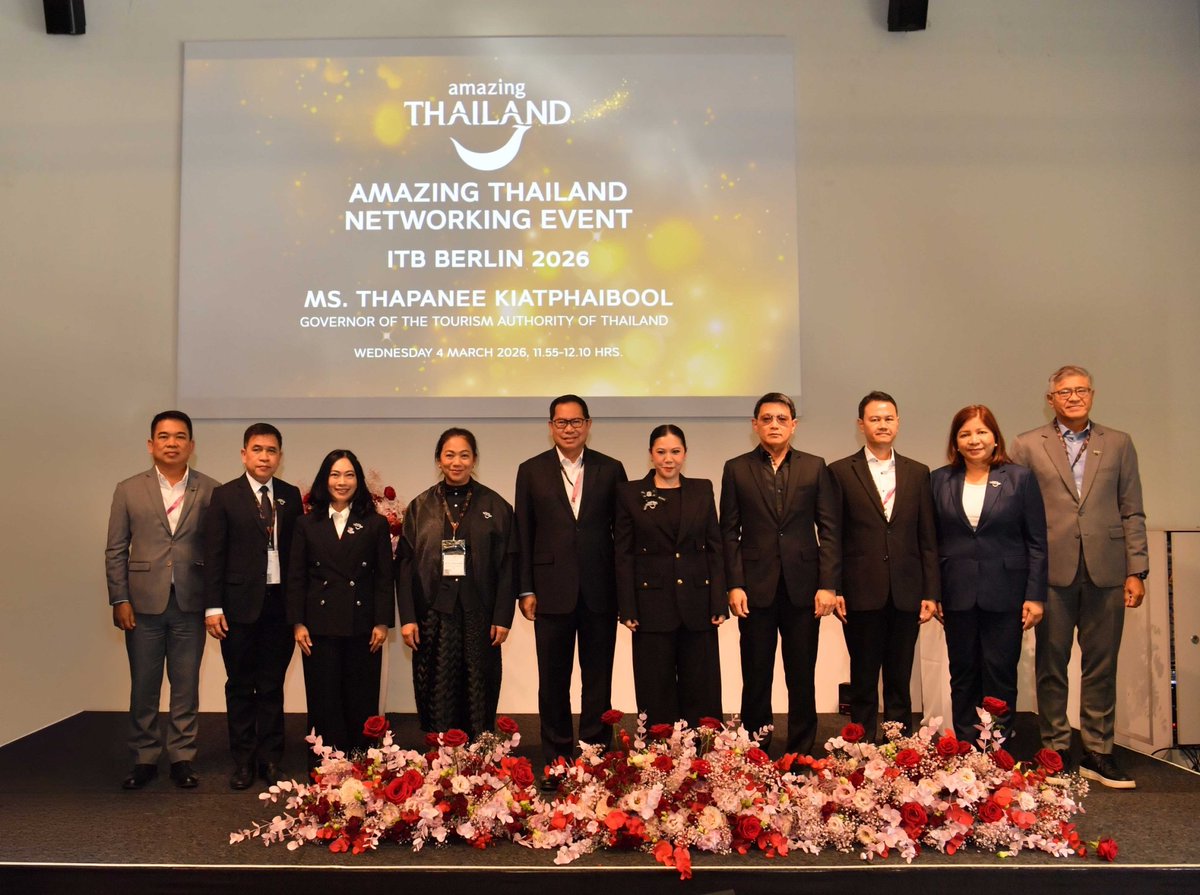
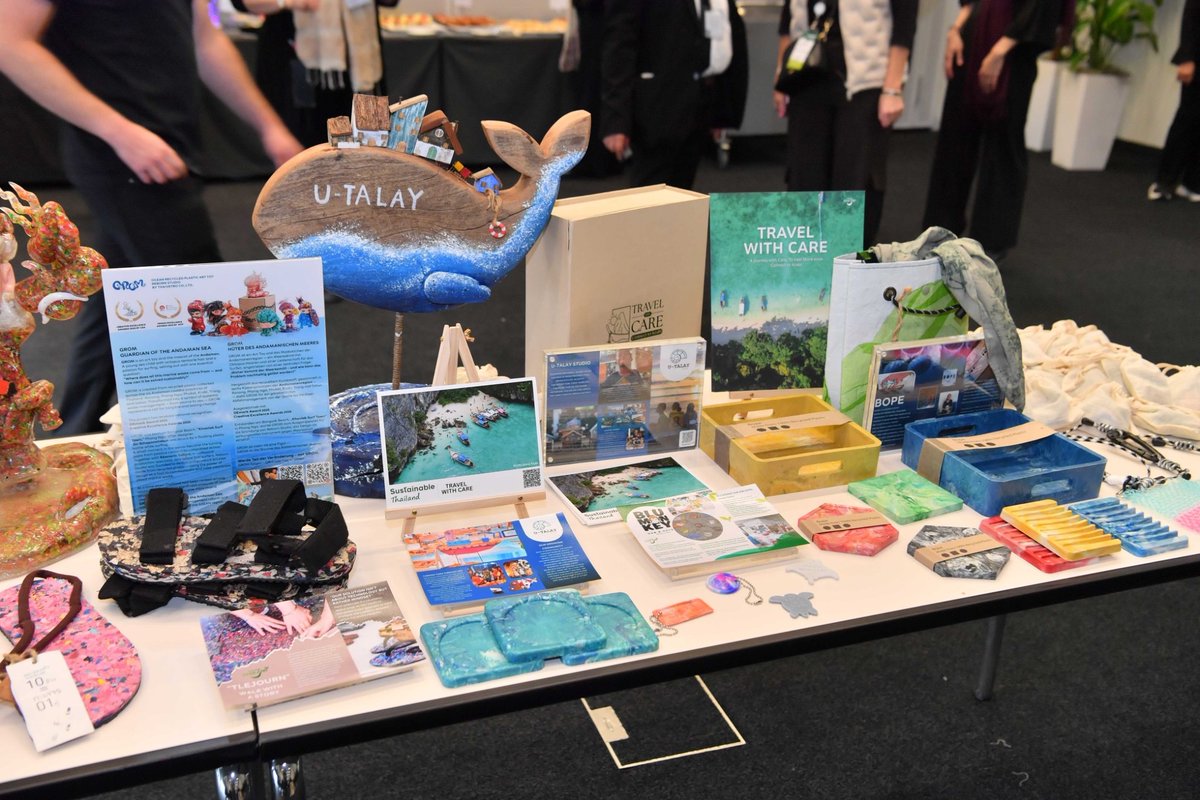
🤝🌏 TAT reinforces its Value over Volume strategy at the Amazing Thailand Networking Event in Berlin, strengthening global travel partnerships 🇹🇭
👉 PRESS RELEASE: tatnews.org/2026/03/tat-rein…
#Thailand #TATNews #ThaiTravelNews #AmazingThailand #ValueOverVolume #TravelTrade

1
3
844

The floor is set at $2.3K. 🍳 The ingredients are marinating. While others chase junk food spikes, $SPIT is building a gallery that lasts. 🖼️🔥
We aren't here for a quick snack; we are here to change the menu of Solana forever. Grab your portion before the chef closes the doors. 🌶️
#GetSPIT #SolanaArt #ValueOverVolume
10
8
169

Feb 12
▶️ In a market chasing discounts, Mercedes-Benz India is choosing a different lane.
Santosh Iyer explains why the brand is stepping away from entry-level price wars — refusing to decontent cars or slash prices at the cost of residual value and customer experience.
More insights in the latest episode of Fortune India: In Conversation.
Watch now 🔗 youtu.be/bx7m4prvtjQ
#FortuneIndia #InConversation #SantoshIyer #MercedesBenzIndia #LuxuryCars #ValueOverVolume #AutoIndustry #EVs @MercedesBenzInd @santiyer
1
2
129

Feb 7
ศูนย์วิจัย Krungthai COMPASS ประเมินว่า ภาคการท่องเที่ยวไทยในช่วงปี 2568–2569 ยังไม่สามารถกลับไปสู่ระดับก่อนเกิดโควิด-19 ได้ ทั้งในแง่จำนวนและรายได้จากนักท่องเที่ยวต่างชาติ โดยปัจจัยหลักยังมาจากการหายไปของนักท่องเที่ยวจีน ขณะที่การแข่งขันจากประเทศคู่แข่งในภูมิภาคทวีความรุนแรงมากขึ้น
.
Krungthai COMPASS คาดว่าในปี 2568–2569 ไทยจะมีนักท่องเที่ยวต่างชาติราว 32.8–34.5 ล้านคน ฟื้นตัวเพียง 82%–86% เมื่อเทียบกับปี 2562 ขณะที่รายได้จากนักท่องเที่ยวต่างชาติอยู่ที่ประมาณ 1.52–1.64 ล้านล้านบาท หรือคิดเป็น 79%–86% ของระดับก่อนโควิด
.
Krungthai COMPASS มองว่า ในปี 2569 การท่องเที่ยวไทยยังไม่กลับสู่ระดับก่อนโควิด จากนักท่องเที่ยวจีนที่คาดว่าจะฟื้นตัวได้เพียงราว 50% ของปี 2562 และยังต้องติดตามผลกระทบจากน้ำท่วมในภาคใต้ โดยเฉพาะ อ.หาดใหญ่ จ.สงขลา ที่อาจกระทบตลาดมาเลเซียในช่วงต้นปี 2569
.
ภายใต้บริบทการแข่งขันที่รุนแรง ไทยควรเร่งดำเนิน 3 แนวทางหลัก ได้แก่
1.ขยายตลาดนักท่องเที่ยวกลุ่ม High Spending เช่น ยุโรปและตะวันออกกลาง
2.ฟื้นความเชื่อมั่นตลาดจีน โดยเน้นกลุ่มคุณภาพ เช่น FIT และครอบครัว
3.ยกระดับความสดใหม่ของแหล่งท่องเที่ยว ด้วย Man Made Destination ใหม่ ๆ
.
.
อ่านต่อ pptv36.news/1N0h
.
#ท่องเที่ยวไทย #นักท่องเที่ยวจีน #เศรษฐกิจไทย #ท่องเที่ยว #ValueOverVolume #KrungthaiCOMPASS #Wealth #PPTVWealth

1
1
5
425

Jan 30
What If Unlimited Streaming Is the Real Reason Music Is Losing Its Value?
Have you ever scrolled through a playlist, heard dozens of songs in an hour, and wondered why nobody seems to be making real money from this anymore?
We live in the era of unlimited access - all you can listen to for one subscription fee. But underneath that convenience is a problem most people don’t talk about: music is slowly losing its economic value because of the very system designed to spread it far and wide.
That feels backwards like we fixed access but broke the economics.
The Invisible Problem Everyone Feels
Let’s be honest: music consumption has never been easier. Every song you ever wanted is a tap away. But ask any artist how much they make per stream, and the answer usually comes with frustration.
How can music be more accessible than ever and less financially rewarding at the same time?
This isn’t about taste or marketing. It’s structural.
Unlimited streaming turned music - once a product you paid for into a utility you consume.
In traditional sales, every purchase had clear value. With subscriptions, revenue is pooled and divided across millions of songs. The bigger the catalog, the thinner the slice. Even if total revenue grows, individual payouts shrink.
That’s #inflation applied to music.
How Streaming Created a Value Leak
Economics 101:
More supply than demand drives down unit value.
In currency, excessive printing weakens purchasing power. In music, unlimited supply plus fixed payouts collapses value per play.
What’s happening is simple:
🔹Catalogs grow exponentially
🔹Listener subscriptions stay mostly flat
🔹Revenue is distributed by total stream share
So the top tracks take most of the value. The rest split dust.
The deeper issue isn’t just low payouts. It’s that listening no longer feeds value back into the system. Music is abundant but not valuable.
What Most People Miss: Scarcity Matters
In money markets, scarcity preserves value. Bitcoin works because supply is fixed and predictable.
Music today runs on the opposite logic: unlimited availability with diluted economics.
But what if that logic changed?
What if listening itself contributed to economic impact?
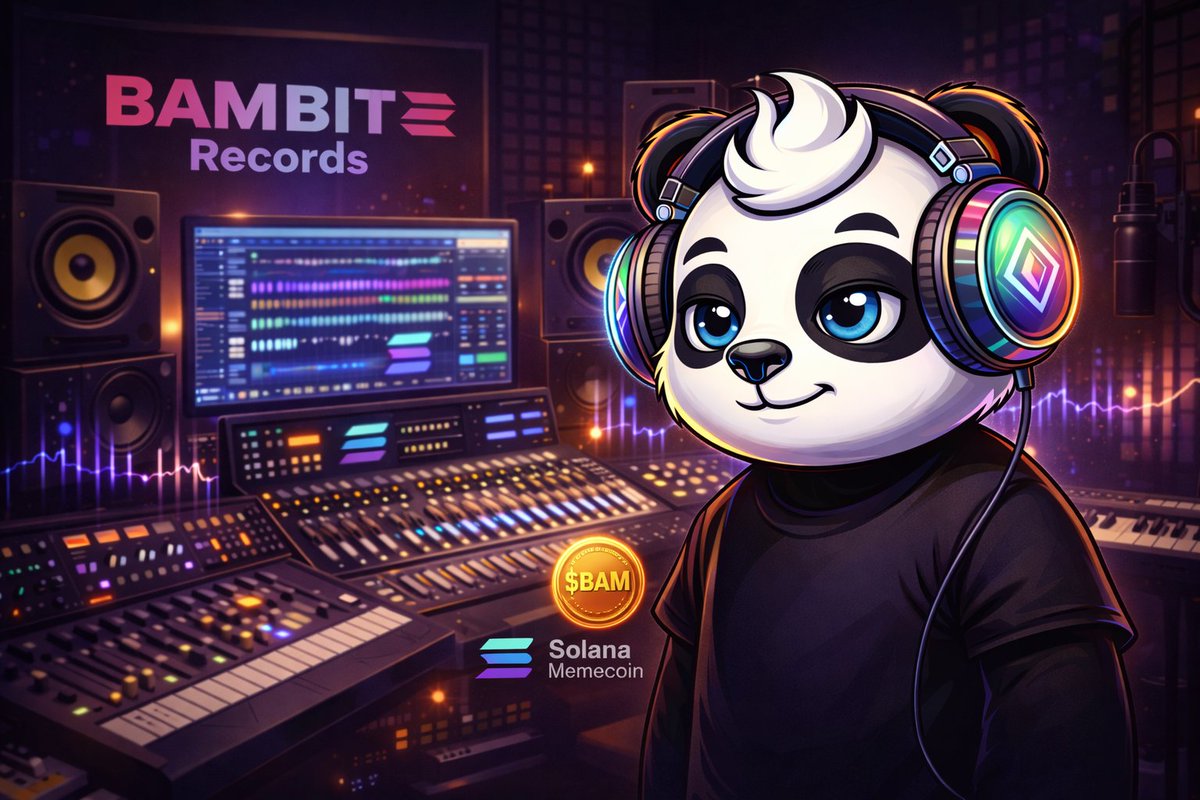
That’s where @BambitzRecords enters the picture.
Introducing Bambitz: Rethinking Music Economics
Bambitz Records isn’t just another music or crypto project.
It’s an attempt to fix how music captures and distributes value digitally.
At its core is $BAM & a mechanism called #Listen2Burn, designed to reverse value dilution.
Instead of: play more → value weakens
@BambitzRecords aims for: play more → value tightens
Listen2Burn introduces deflationary pressure through engagement. As activity increases, scarcity builds instead of disappearing. Listening becomes part of a feedback loop that rewards value concentration, not dilution.
Why This Matters in Web3 and Culture
Crypto is ultimately about economic design - how value flows and incentives last.
Music was disrupted early by technology, but its value system never recovered. If streaming turned music into a disposable commodity, scarcity-driven models like Bambitz could restore it as an economic asset.
Artists gain alignment between engagement and value.
Listeners gain meaningful participation, not passive consumption.
The Bigger Vision
Unlimited streaming fixed convenience but broke economic signaling. Music became easier to access and harder to value.
Scarcity - engineered properly - restores balance. Music becomes an asset again, not just a playlist.
This isn’t hype. It’s structural thinking.
My Thought
Music doesn’t need more streams.
It needs better economics.
Unlimited access disconnected listening from value. If music is to survive as more than background noise, its economic design must change starting with scarcity, not just access.
Explore: bambitzrecords.com/
Start Streaming: open.spotify.com/playlist/2E…
#Bambitz #SolanaMeme #MusicFi #ValueOverVolume
8
6
45
781

Jan 16
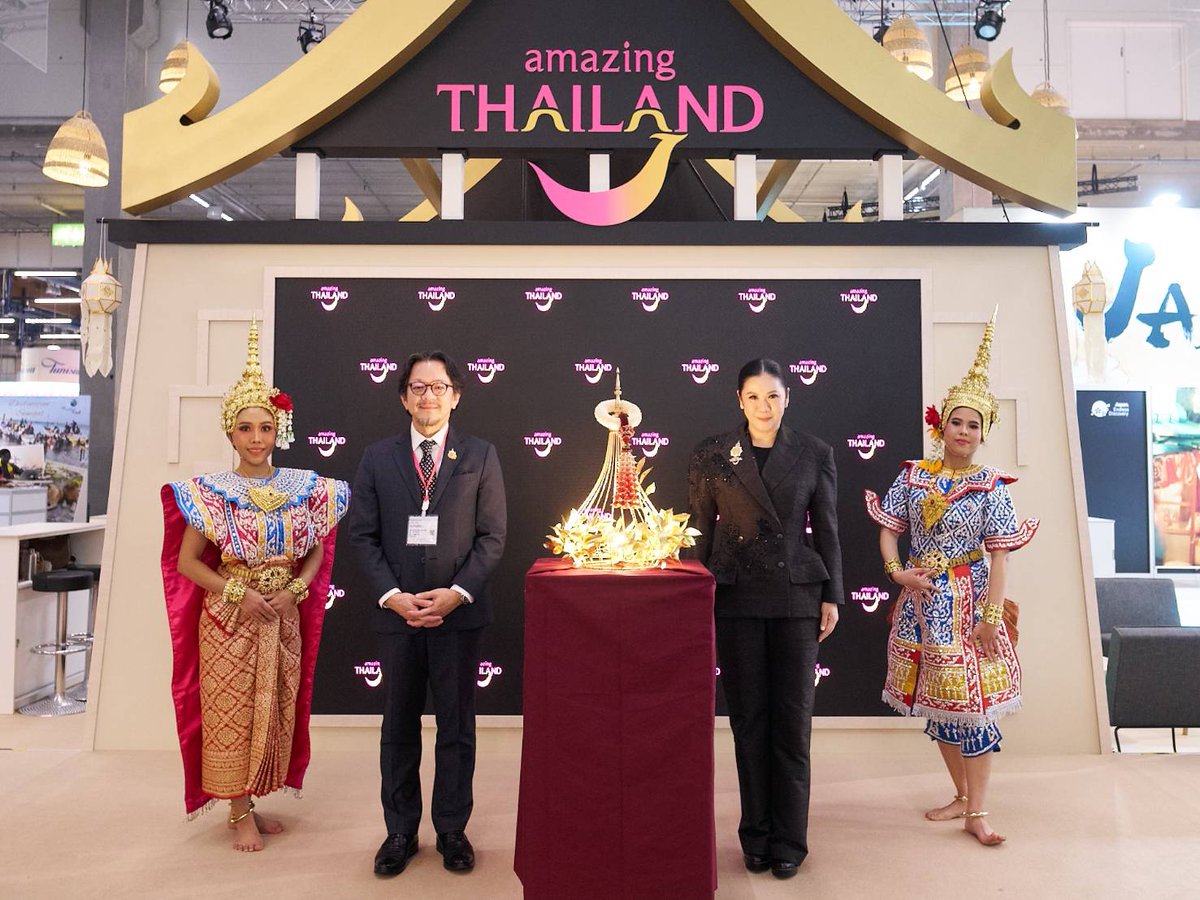
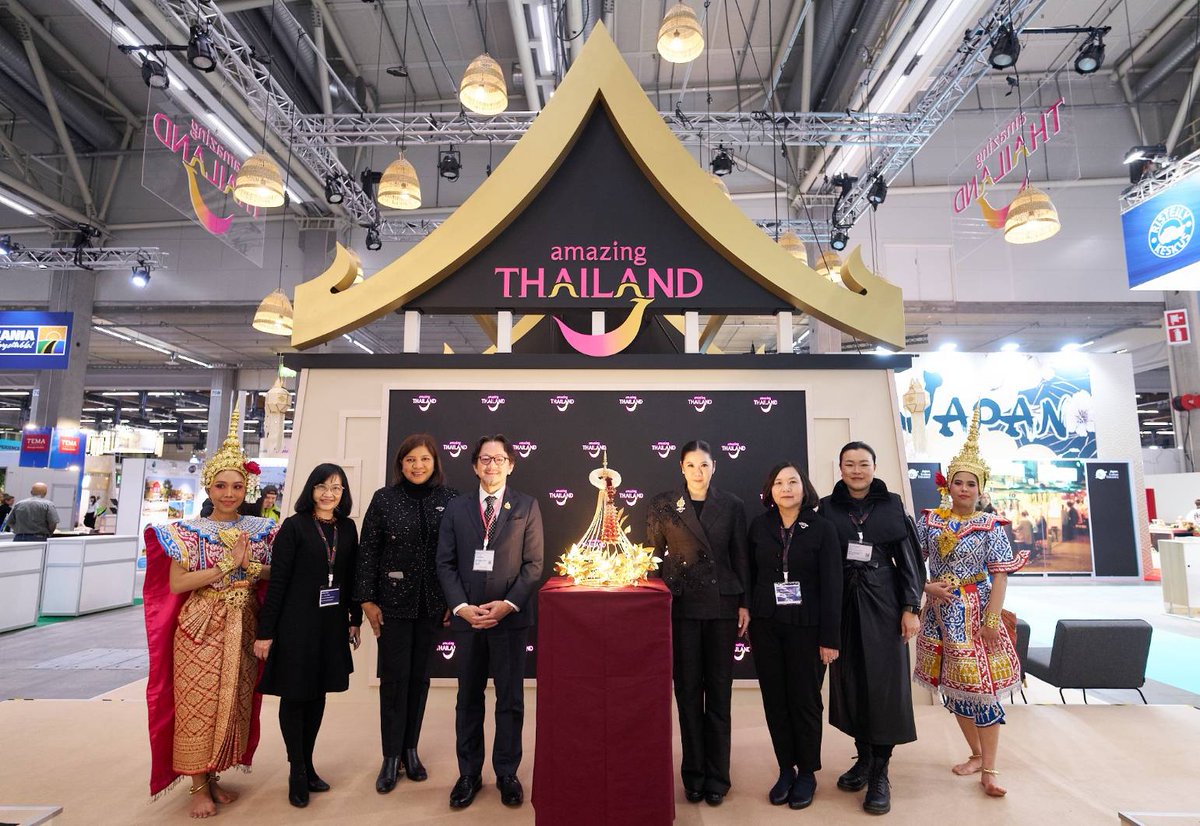
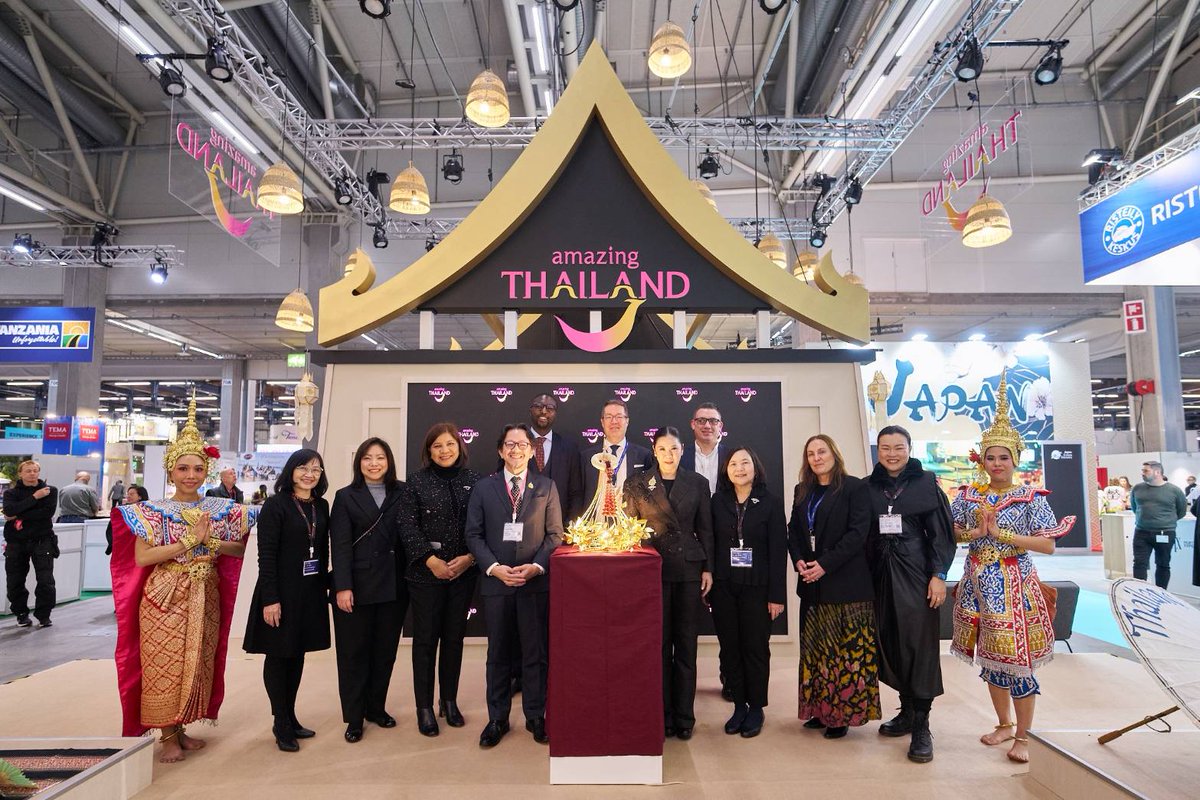
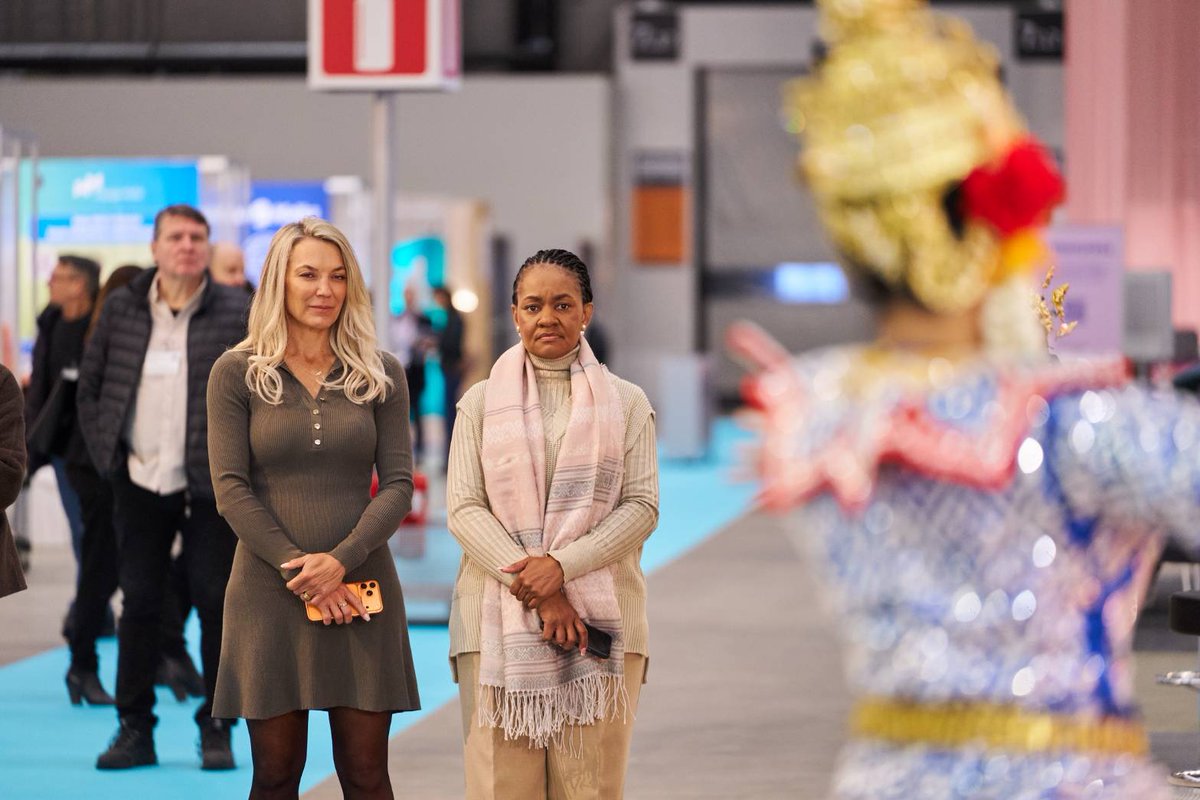
ททท. บุกตลาดนอร์ดิกบนเวที MATKA Travel Fair 2026 เดินเกม Airline Focus และ SANEH THAI ขับเคลื่อน “Healing is the New Luxury” ดันนักท่องเที่ยวคุณภาพสู่ไทยอย่างยั่งยืน
อ่านข่าวเพิ่มเติมได้ที่ : tatnewsthai.org/index.php/ar…
#Amazingthailand #MATKATravelFair2026 #Airlinefocus #SANEHTHAI #ValueOverVolume
1
9
42
3,297

Jan 11
Locked in the GB–CHI card 🔥🏈
• GB ML (20U)
• GB-CHI 46under (10U)
• GB 46U parlay (5U)
Cold weather, divisional game, pace matters. Not forcing sides when the total tells the story.
Like & follow if you’re tailing!
#NFL #BetPulseX #UnitDiscipline #ValueOverVolume #ATS
1
1
2
131

31 Dec 2025
Epoch Ω strategy shift:
Focus on threads about idOS real-world apps – DeFi onboarding, AI agent proofs.
Depth drives replies = sustained rank climb.
Planning my next one now.
#idOS #ValueOverVolume @idOS_network @grok”
3
3
26

each deposit writes a sentence.
each choice shapes the paragraph.
@almanak reads between the lines
where commitment becomes continuity.
in silence, awareness learns.
in stillness, alignment speaks.
what’s your signal saying tonight?
#DeFi #ValueOverVolume
3
21

A reminder:
Not everything that’s big holds value,
Sometimes, the smallest things shine the brightest.
.
#ValueOverVolume #deepthoughts #LifePerspective #motivationalpost #inspirationdaily #ModernPhilosophy #zoumaraiquotes

5
4
95

6 Oct 2025
“กรุงเทพฯ อันดับ 1 ของโลกสำหรับ Gen Z
เสียงสะท้อนจากอนาคตที่เลือกประเทศไทย”
โดย ฐาปนีย์ เกียรติไพบูลย์ ผู้ว่าการการท่องเที่ยวแห่งประเทศไทย
เมื่อ นิตยสาร Time Out ประกาศผลสำรวจว่า กรุงเทพมหานครครองอันดับ 1 เมืองที่ดีที่สุดในโลกสำหรับคนรุ่น Gen Z จากเสียงของคนอายุต่ำกว่า 30 ปี กว่า 18,500 คนทั่วโลก นั่นไม่ใช่เพียง “รางวัลแห่งความภาคภูมิใจ” ของคนไทย แต่คือ “สัญญาณแห่งอนาคต” ที่บอกกับโลกว่า ประเทศไทยกำลังเติบโตในใจของคนรุ่นใหม่ทั่วโลก
นี่คือช่วงเวลาที่คนรุ่นใหม่จากทุกมุมโลกมองเห็นประเทศไทย ไม่เพียงเป็นจุดหมายปลายทางของการพักผ่อน แต่คือ “พื้นที่ของการใช้ชีวิตอย่างมีความหมาย” พื้นที่ที่พวกเขารู้สึกเป็นตัวของตัวเองได้อย่างแท้จริง
กรุงเทพฯ เมืองที่คนรุ่นใหม่เลือก เพราะเข้าใจ “จิตวิญญาณของอิสรภาพ”
ผลสำรวจของ Time Out ไม่ได้เกิดจากภาพลักษณ์ที่สร้างขึ้นด้วยคำโฆษณา แต่เกิดจาก “ประสบการณ์จริง” ของคนรุ่นใหม่ที่ใช้ชีวิตอยู่ในกรุงเทพฯ
พวกเขามองเห็นความหลากหลายที่อยู่ร่วมกันอย่างกลมกลืน จากสตรีทฟู้ดริมทางสู่รูฟท็อปบาร์ระดับโลก
จากความเก่าแก่ของวัดวาอารามสู่ความร่วมสมัยของคาเฟ่และคอนเทนต์สเปซ จากวิถีดั้งเดิมสู่จิตวิญญาณของการสร้างสรรค์
กรุงเทพฯ คือเมืองที่ไม่ตัดสินใคร แต่เปิดรับทุกความต่างอย่างมีศิลปะ
และนั่นคือสิ่งที่คนรุ่นใหม่ให้คุณค่า อิสรภาพในการเป็นตัวเองโดยไม่ต้องขอโทษใคร
Soft Power ของไทย คือพลังที่ “ไม่ต้องสร้างเพิ่ม” แต่ “ต้องสื่อสารให้โลกเห็น”
อันดับ 1 ครั้งนี้ยืนยันว่า “เสน่ห์ของไทย” ไม่ได้เกิดจากสิ่งใหม่ที่เราพยายามสร้างขึ้น แต่เกิดจากสิ่งที่เรามีอยู่แล้ว รอยยิ้ม วัฒนธรรม ความมีน้ำใจ ความคิดสร้างสรรค์ และการใช้ชีวิตอย่างมีสมดุล
สิ่งเหล่านี้คือ Soft Power ที่ฝังอยู่ใน DNA ของคนไทย
หน้าที่ของ ททท. จึงไม่ใช่การสร้างสิ่งใหม่เพื่อแข่งขัน แต่คือการ “ถอดรหัสสิ่งที่เป็นไทย” แล้วสื่อสารออกไปในแบบที่คนรุ่นใหม่ทั่วโลกเข้าใจและอยากเข้ามามีส่วนร่วม
เรากำลังผลักดันแนวทาง Value-Based Tourism จากการขายจำนวน มาสู่การขายคุณค่า จากการท่องเที่ยวเพื่อพักผ่อน มาสู่การท่องเที่ยวเพื่อเติบโต ทั้งทางจิตใจและทางประสบการณ์ชีวิต
กรุงเทพฯ ในฐานะ “เมืองต้นแบบของ Future Tourism”
กรุงเทพฯ ไม่เพียงเป็นเมืองหลวงของประเทศไทย แต่กำลังกลายเป็น “ต้นแบบของการท่องเที่ยวแห่งอนาคต” ที่ผสาน เทคโนโลยี วัฒนธรรม ความคิดสร้างสรรค์ อย่างสมดุล
ไม่ว่าจะเป็นการเกิดขึ้นของคาเฟ่และอาร์ตสเปซของคนรุ่นใหม่
ชุมชนเมืองที่ปรับตัวสู่ Creative Neighborhood
หรือ Startup สายท่องเที่ยวที่เชื่อมโลกดิจิทัลเข้ากับการเดินทางอย่างยั่งยืน
สิ่งเหล่านี้คือ “ภาพใหม่ของกรุงเทพฯ” ที่เราในฐานะ ททท. ภูมิใจนำเสนอ เมืองที่เติบโตจากคนในท้องถิ่น และเป็นแรงบันดาลใจให้คนทั่วโลก
และการท่องเที่ยวแห่งอนาคต ต้องเติบโตไปพร้อมกับความยั่งยืน
เพราะสำหรับคนรุ่นใหม่ “การท่องเที่ยว” ไม่ได้หมายถึงการเดินทางไกล แต่หมายถึง การค้นพบตัวเองในสถานที่ที่มีความหมาย และประเทศไทยคือหนึ่งในสถานที่นั้น
กรุงเทพฯ คือ “เมืองแห่งความเชื่อมั่น” ของคนรุ่นใหม่ทั่วโลก
สำหรับ ททท. การที่กรุงเทพฯ ได้รับการจัดอันดับเป็นเมืองที่ดีที่สุดในโลกสำหรับ Gen Z คือสัญญาณที่ชัดเจนที่สุดว่า ประเทศไทยกำลังได้รับความเชื่อมั่นใหม่ในระดับโลก
เรากำลังถูกมองไม่ใช่แค่เมืองท่องเที่ยว แต่เป็น “ศูนย์กลางของความคิดสร้างสรรค์ ความหลากหลาย และความสุขแบบไทย”
กรุงเทพฯ อาจได้อันดับ 1 ในปีนี้ แต่ภารกิจของเราไม่ได้จบที่เรตติ้ง
ภารกิจของ ททท. คือการรักษา “ความเป็นไทย” ไว้อย่างงดงาม และผลักดันให้โลกได้สัมผัสถึงคุณค่านั้นด้วยหัวใจ
ฐาปนีย์ เกียรติไพบูลย์
ผู้ว่าการการท่องเที่ยวแห่งประเทศไทย
#AmazingThailand #GenZDestination #ValueOverVolume #SoftPowerThailand
instagram.com/p/DPdnCkVkdjH/…

11
15
564

24 Sep 2025
Yes. ⚖️
Lack of value and goal alignment is one of the biggest barriers in humans.
You can crank output all day, but if it’s not aligned with who you are or where you’re going, it’s just burnout with a bow on it.
Live intentional. That’s where life > productivity.
#Mindset #LiveIntentional #ValueOverVolume
2
11


31 Aug 2025
It's so true that meaningful content fosters real connections. Quality will always outweigh numbers in the long run. 📈 #ValueOverVolume
1
1
34

GM! 🌞💡 Love the energy! You're absolutely right, @billions_ntwk is shaping the future with value-driven innovation. It's not about being loud. It's about bringing real worth to the table. Let's keep building and growing with gBillions! 🚀💪 #gBillions #ValueOverVolume
17 Aug 2025

GM @billions_ntwk
BILLIONS is not just a network, it’s a movement. The future doesn’t belong to the loudest voices, it belongs to the most valuable ones.
gBillions

1
2
122

6 Aug 2025
Absolutely agree. Numbers without strategic targeting = vanity metrics.
We need:
• 🧠 Value per tourist > Volume
• 📍 Geo-targeted campaigns (Europe, Gulf, Asia)
• 🚀 High-spend segments: wellness, digital nomads, heritage
• 🤝 Real partnerships with airlines OTAs
• 💡 Data-led content, not brochure clichés
The season could be a billion-dollar reset — if we stop playing small.
#SriLankaTourism #ValueOverVolume #StrategicExecution
3
222

9 Jun 2025
One Bitcoin outweighs mountains of fiat.
Truth, scarcity, and freedom don’t need printing presses.
💰⚖️🧠 #Bitcoin #SoundMoney #FiatVsBitcoin #HardMoney #BTC #CryptoTruth #DigitalGold #ValueOverVolume #DecentralizedFuture

1
1
32

#THURSDAYNUGGET 🔔
MUST I PLAY IT ALL?
Absolutely NO!
Just because multiple betting codes are posted by punters or experts doesn’t mean you should play them all. Betting should be strategic, not emotional.
Here’s what to remember:
•Quality over quantity – One well-researched ticket is better than five random ones.
•Stick to your budget – Only play what you can afford to lose.
•Avoid FOMO (Fear of Missing Out) – Not every tip must be yours to play.
•You’re in control – Betting is a tool, not a trap.
Stay sharp. Bet responsibly.
Your wallet and peace of mind matter more than any odds.
Take a break. Breathe. We’re with you.
betwizad.com #18
Gamble Responsibly | Use Betwizad.com | Kick out addiction.
#KickOutAddiction #GambleResponsibly #Betwizad #PlayWise #BetwizadTips #GambleAware #SayNoToAddiction #PuntersWisdom #PlaySafe #BettingEducation #ValueOverVolume
Watch out for more of this nuggets every Thursday
Retweet and like; you could help someone on your timeline.
✌️

7
16
17
1,262

22 Mar 2025
Why choose Direct Pay Care over Insurance-Based Care? 🤔💡
When it comes to injury recovery, performance optimization, and long-term health—quality matters.
In a Direct Pay private practice, you’re not just a number in the system.
You’re an individual with specific needs, goals, and challenges.
Here’s the difference:
⏰ Direct Pay = More Time with Your Clinician
No rushed visits. No cookie-cutter treatments. Just focused, personalized care.
🥇Freedom to Use the Best Methods
No insurance red tape means clinicians can use cutting-edge, evidence-based approaches that actually work—not just what gets reimbursed.
💰Better Value
When you’re recovering faster, staying healthier, and preventing future injuries, that’s an investment—not just an expense.
Whether you’re an athlete, parent, coach, or someone trying to stay active, the goal is the same: keep performing at your best and recover better/stronger than ever.
Choose care that works for YOU—not your insurance company.
#Athletes #ParentsOfAthletes #Coaches #AthleticTrainers #AthleticTrainingMonth #InjuryPrevention #InjuryRecovery #BetterQualityCare #SmallBusinessSupport #supportsmallbusiness #DirectPayCare #PrivatePracticeStrong #ValueOverVolume #CareThatWorks #athlete #sports #sport #ballislife #qualitycare
2
124