
Jun 12
Why Modern Games Give Us Protagonists Nobody Remembers
Subtitle: From Lara Croft to Evie — how “safe” aesthetics killed iconic characters
Clarice Starling already understood everything
“We begin by coveting what we see every day.”
It’s Hannibal Lecter who first plants that truth in Clarice’s mind during one of their tense conversations:
“He covets. How do we begin to covet?
We begin by coveting what we see every day.”
But it’s Clarice — together with her roommate Ardelia Mapp — who truly claims that idea.
Late at night, surrounded by case files and newspaper clippings about Buffalo Bill, the two of them repeat the line back and forth like a sudden revelation:
“We covet what we see… every day.”
That exchange hits harder than any lecture.
Because the mechanism of desire isn’t some monster’s secret — it’s a basic human truth that two sharp young women recognize and weaponize together.
For twenty years, video games understood this instinctively.
They created icons.
Lara Croft defying gravity with twin pistols and an impossible pair of shorts.
Dante dancing among demons in a red coat that seemed alive.
Bayonetta turning sensuality into a lethal weapon.
Kratos, fury carved from stone and ash.
Solid Snake smoking in the shadows like an armed ghost.
They weren’t just characters.
They were images.
And images generate desire, emulation, and lasting memory.
Today, that visual power is treated like an original sin.
The great aesthetic purge
After the often justified criticism of the cheap, carnival‑like sexualization of the ’90s and 2000s, the industry didn’t course‑correct.
It committed aesthetic suicide.
The problem back then wasn’t the presence of bodies — it was the absence of imagination.
When the only appeal a character had was a pair of breasts bouncing on PS2 physics, that wasn’t empowerment.
It was low‑effort pornography disguised as design.
Instead of evolving, the industry chose the easiest, most cowardly path: turning everything off.
Average faces.
Average bodies.
Outfits straight from a fast‑fashion catalog.
“Realistic” proportions that are, in practice, just anonymous.
The fear of a Kotaku hit piece, an angry thread on X, or being accused of “objectification” completely overrode artistic courage.
The result?
Protagonists that look like they were generated by an AI set to “offend absolutely no one.”
Heroes who, after 20 hours of gameplay, leave behind zero visual imprint.
They fade long before the credits roll.
Just look at the new Fable protagonist, Bungie’s faceless Marathon silhouettes, or the latest sanded‑down versions of once‑bold characters.
The great deception of relatability
Modern narrative designers repeat the mantra like a prayer:
“The player needs to be able to see themselves in the character.”
False.
Radically false.
We connect with the exceptional, not the mundane.
We want to be bigger, stronger, more beautiful, and far wilder than we are in real life.
Neutrality can work — some indie titles prove it, and even Aloy in the first Horizon had a strong visual identity despite a grounded design.
But these are exceptions, not the rule.
Lara wasn’t “relatable.”
Kratos wasn’t “relatable.”
Bayonetta wasn’t “relatable.”
They were pure desire.
Escape.
Power.
A neutral, “inclusive,” edge‑free character takes you nowhere.
It’s just an avatar carrying a script.
After a few hours, you can’t even picture their face.
You played — but you saw nothing.
The convention floor effect — proof that doesn’t lie
Want raw, empirical evidence?
Just a few days ago, the reveal trailer for Stellar Blade: Blood Rain dropped.
The moment Evie appeared, social media exploded with cosplay tests, fan art, and replicated poses within 24 to 48 hours.
Visual magnetism works.
It always works.
The audience sees something powerful and immediately wants to embody it.
Now make the ruthless comparison:
How many cosplay tests have you seen of the new Fable protagonist?
Or of Bungie’s Marathon — a game so visually “safe” that it doesn’t even give you a face to remember?
How many Faye from the brand‑new God of War?
Exactly.
The silence is deafening.
The public doesn’t want a bathroom‑mirror reflection.
They want to aspire.
They want to desire a character they could never be in real life.
When you give them only a neutral, “safe” avatar, you’re handing them something they already own.
And nothing is less exciting than what you already possess.
The Eastern exception
There’s another detail the industry pretends not to notice:
Eastern studios have quietly gone back to scanning their actors 1:1.
Not “inspired by.”
Not “loosely based on.”
Not “adjusted for tone.”
No.
One‑to‑one.
If they hire a beautiful actor, the character looks exactly like that actor.
If they hire someone with striking features, those features stay.
And honestly?
If I were an actor/actress stepping into a mo‑cap suit, I’d expect nothing less.
If a studio hired me for my face, my body, my presence — and then deliberately downgraded my appearance to make the final character more “neutral,” I wouldn’t feel protected.
I’d feel insulted.
Because what is the point of bringing in real human talent if the end result must be visually flattened to avoid standing out?
It’s a strange paradox:
the industry claims to care about authenticity, yet it’s terrified of showing the authentic beauty of the people it hires.
Meanwhile, Eastern studios — from Capcom to Eclipse Glow Games to Shift Up — treat their actors’ faces as assets, not liabilities.
They understand that a memorable character begins with a memorable human being.
And that’s why their protagonists still look like icons, not placeholders.
Reclaiming the right to excess
Video games are a visual medium above all else.
They thrive on exaggerated style, boundless imagination, and charisma that punches through the screen.
We are not asking for a return to mandatory bikini armor or voyeuristic gags.
We are asking for the right to visual art.
To charisma.
To stylized excess.
To beauty that divides, provokes, and burns itself into the retina for years.
Demanding that protagonists pass through ideological checklists of “non‑problematization” means amputating the very soul of the medium.
Because Clarice and Ardelia were right:
We covet what we see every day.
And if we stop seeing anything worth coveting… we will eventually stop playing.
#CharacterDesign #GameAesthetics #IconicCharacters #VideoGameDesign #StellarBlade #GamingCulture #EasternGaming
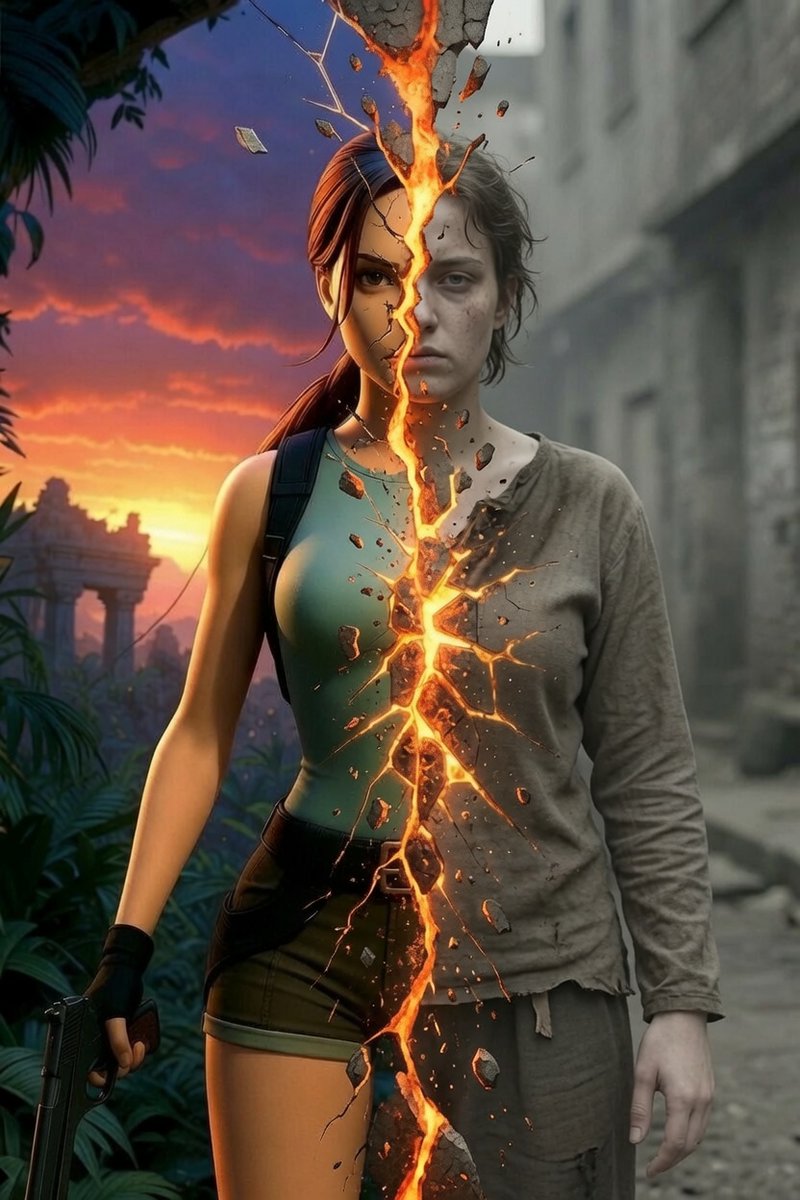
ALT Generated by Grok Imagine
384

Switch 2 Zelda: Ocarina of Time remake has some fans regretting what they wished for
#3D #VideoGameDesign
Link > creativebloq.com/3d/video-ga…
25

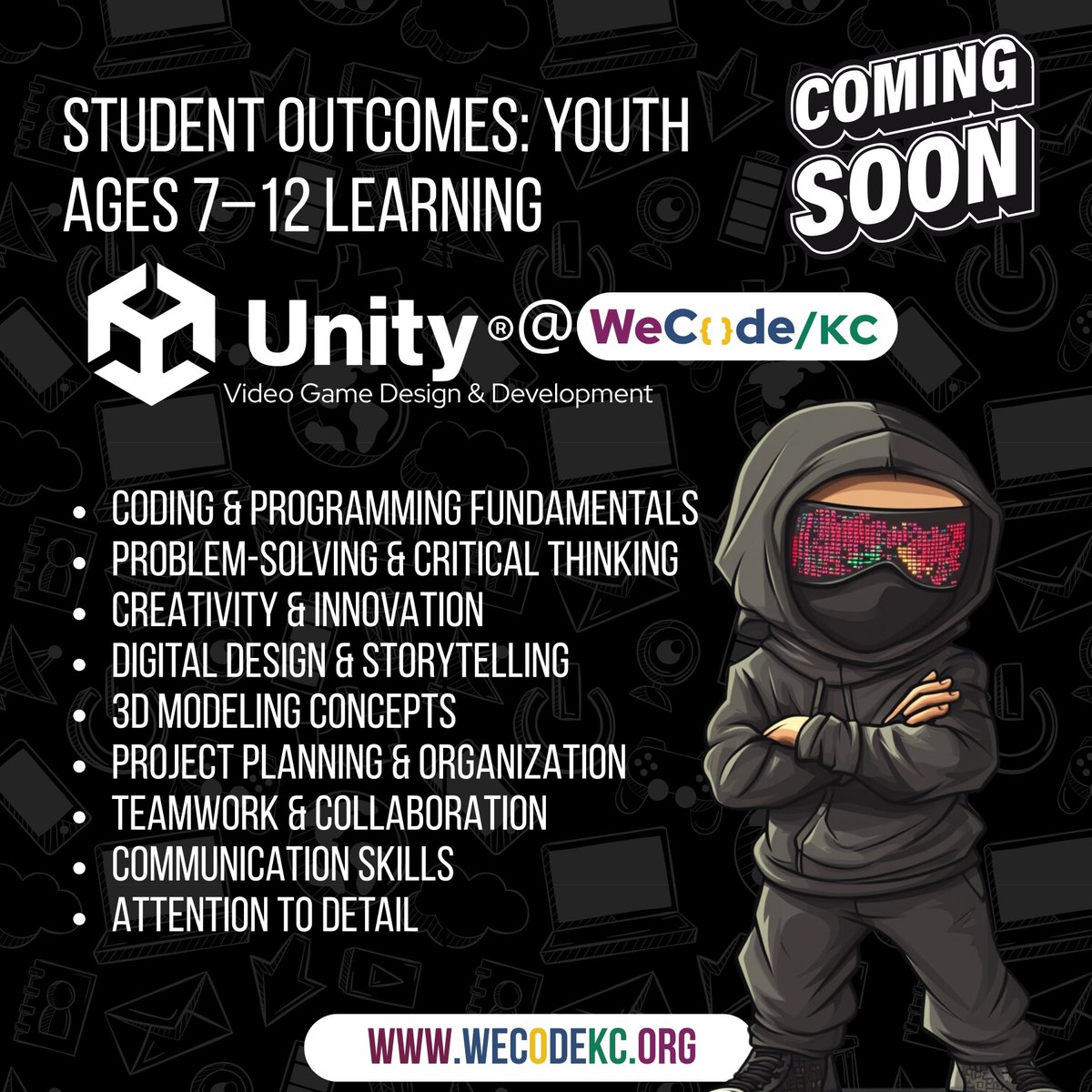
🎮 COMING SOON: Unity Video Game Design & Development
Students won’t just play games—they’ll learn how to create them.
Learn more at wecodekc.org
#Unity3D #GameDevelopment #WeCodeKC #STEMEducation #CodingForKids #FutureCreators #YouthTech #VideoGameDesign
1
6
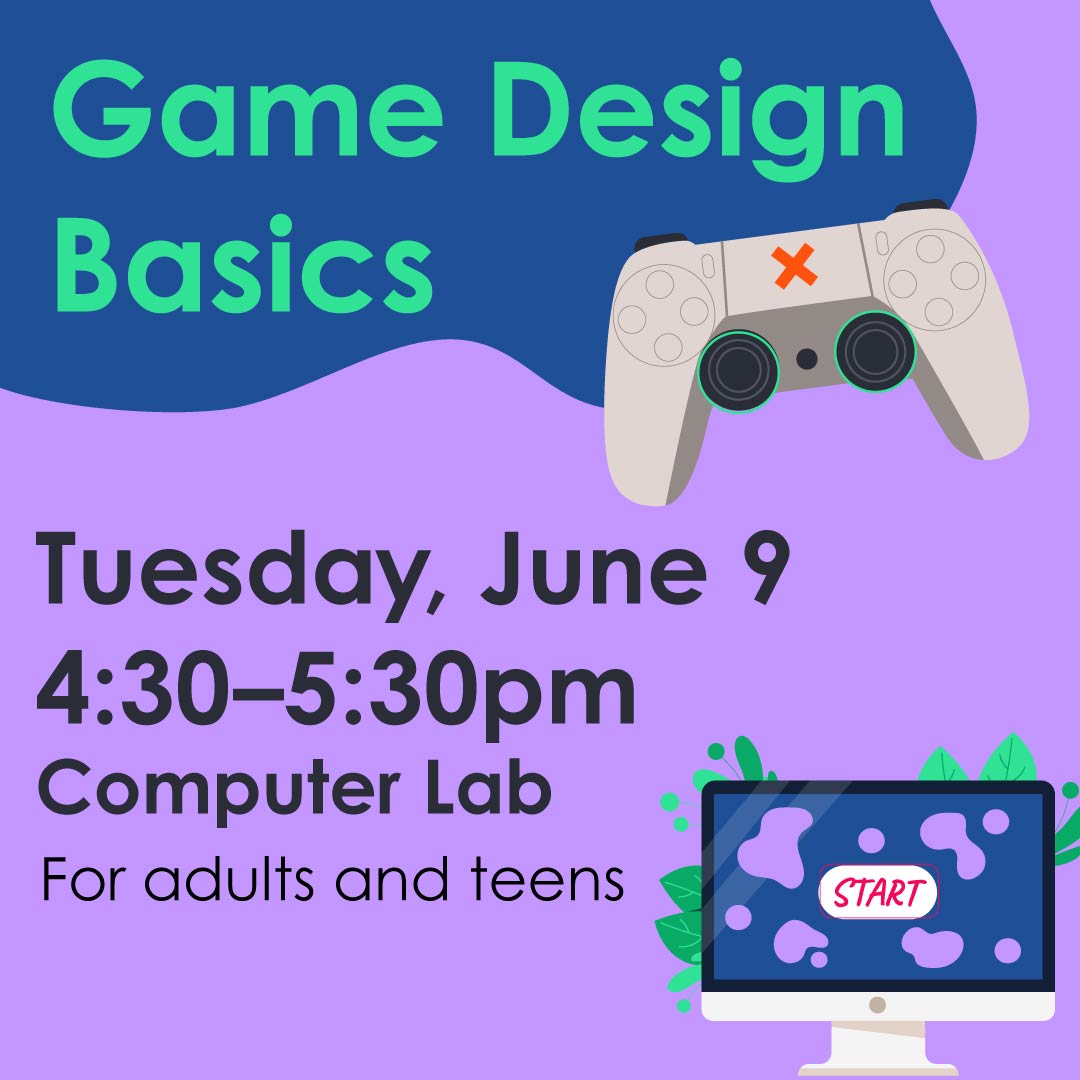
Learn the basics of game design, from tabletop strategy to video game concepts, on Tuesday, June 9, from 4:30-5:30pm in the Computer Lab.
bit.ly/4wXGNTg
#GameDesign #LevelUp #TabletopGames #FriscoLibrary #CreateAndPlay #FPL #VideoGameDesign #SummerAtTheLibrary
1
50

May 31
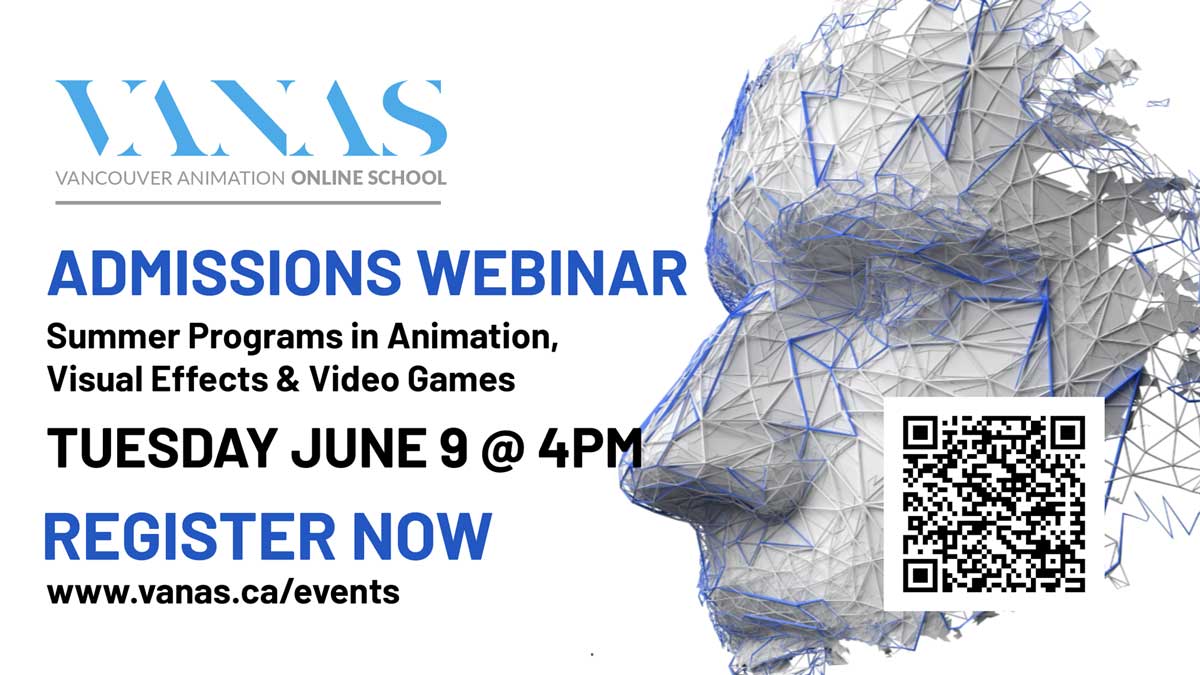
🌟 Your creative future starts now! Don’t miss our LIVE Admissions Webinar on June 9 🎨🎮
vanas.ca/en/events/admission…
#AnimationStudents #VFXLife #VideoGameDesign #CreativeJourney
10

May 21
يتحدث أرنو ماير، منسّق برنامج بكالوريوس تصميم ألعاب الفيديو في جامعة أبوظبي، عن دور البرنامج في تمكين الطلبة من مواكبة تحديات صناعة الألعاب العالمية بثقة وكفاءة. يُقدَّم البرنامج بالتعاون مع كلية روبيكا في فرنسا، ويمنح الطلبة تجربة تعليمية عملية متكاملة، تُنمّي مهارات التصميم والتقنيات المتقدمة باستخدام أدوات ومعايير معتمدة في القطاع. انطلق في رحلتك نحو عالم تصميم الألعاب، وتميز بالريادة مع جامعة أبوظبي. اتصل على600 550003 أو تفضل بزيارة adu.ac.ae
Arnaud Meyer, Program Coordinator for ADU’s BA in Video Game Design, shares how the program equips students to meet the real challenges of the gaming industry. Delivered in partnership with Rubika School in France, the program develops strong design and technical skills through hands-on learning with industry-standard tools. Call 600 550003 or visit adu.ac.ae to start your journey in video game design and be extraordinary.
#BeExtraordinary #VideoGameDesign #GameDevelopment #MYADU #FutureGameDesigners
1
1
122
May 19
🌎 Imagine it. Design it. Play it.
🎮 Your future in gaming starts here.
👉 Enroll today!
vanas.ca/en/
#VideoGameDesign #GameCreators #DigitalCareers #CreativeFuture #Games
11
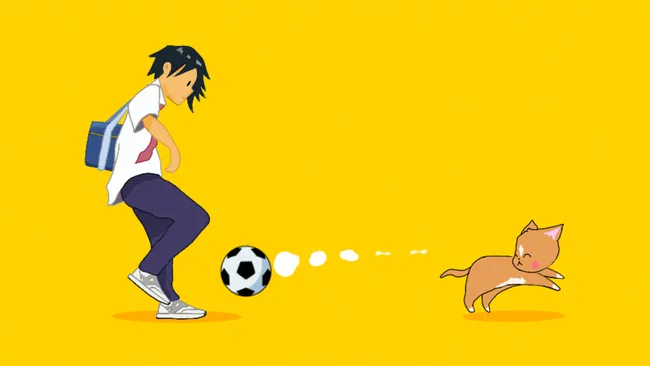
How Cyberpunk 2077 accidentally inspired this gorgeous anime football platformer.
#3D #VideoGameDesign
Link >
creativebloq.com/3d/video-ga…
2
22

Apr 28
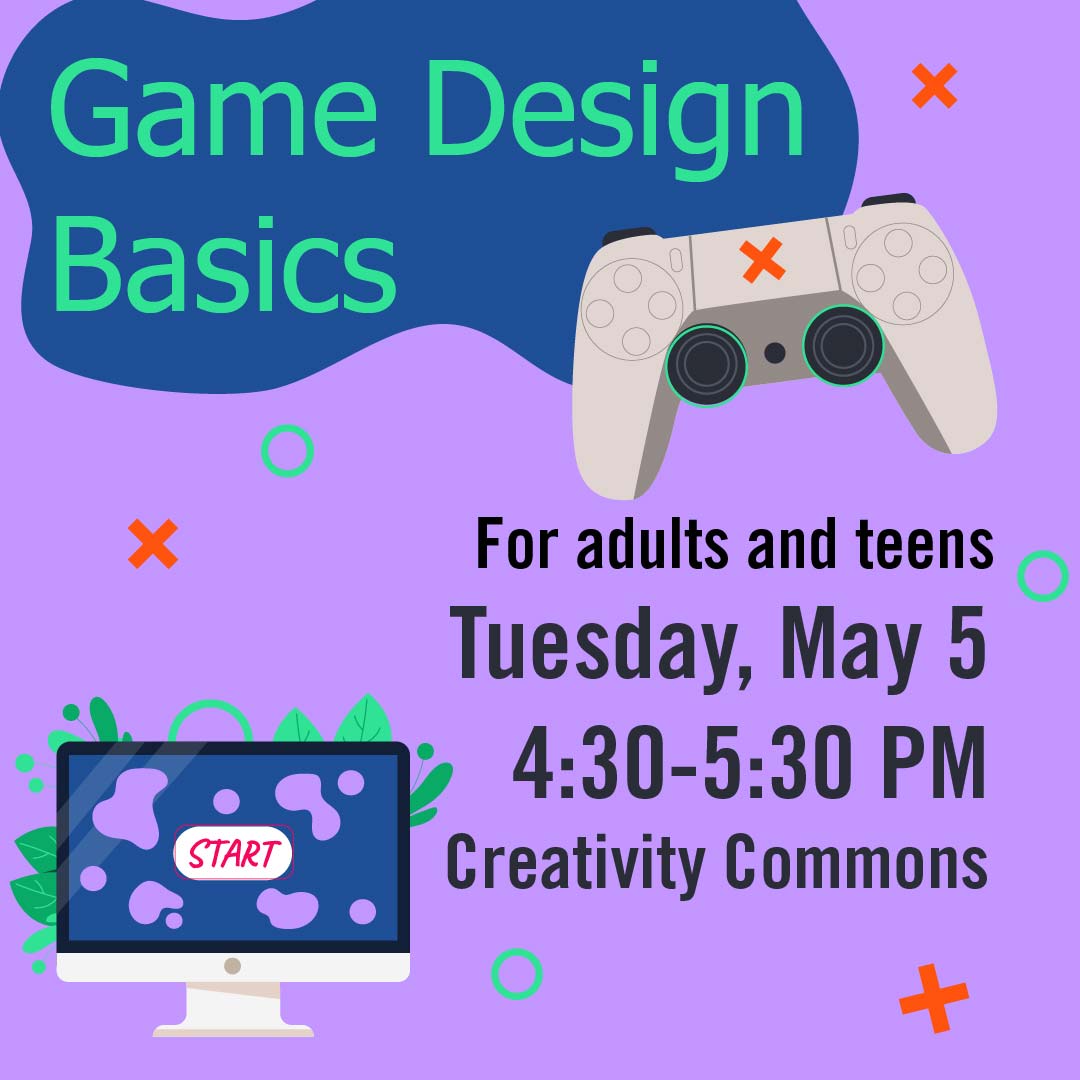
Join us Tuesday, May 5, from 4:30-5:30pm to learn about basic game design concepts used to create table top and video games!
bit.ly/4tbZu2I
#GameDesign #VideoGameDesign #LevelUpLearning #CreativeCoding #TabletopGames #LibraryPrograms #FriscoLibrary
48

Apr 26
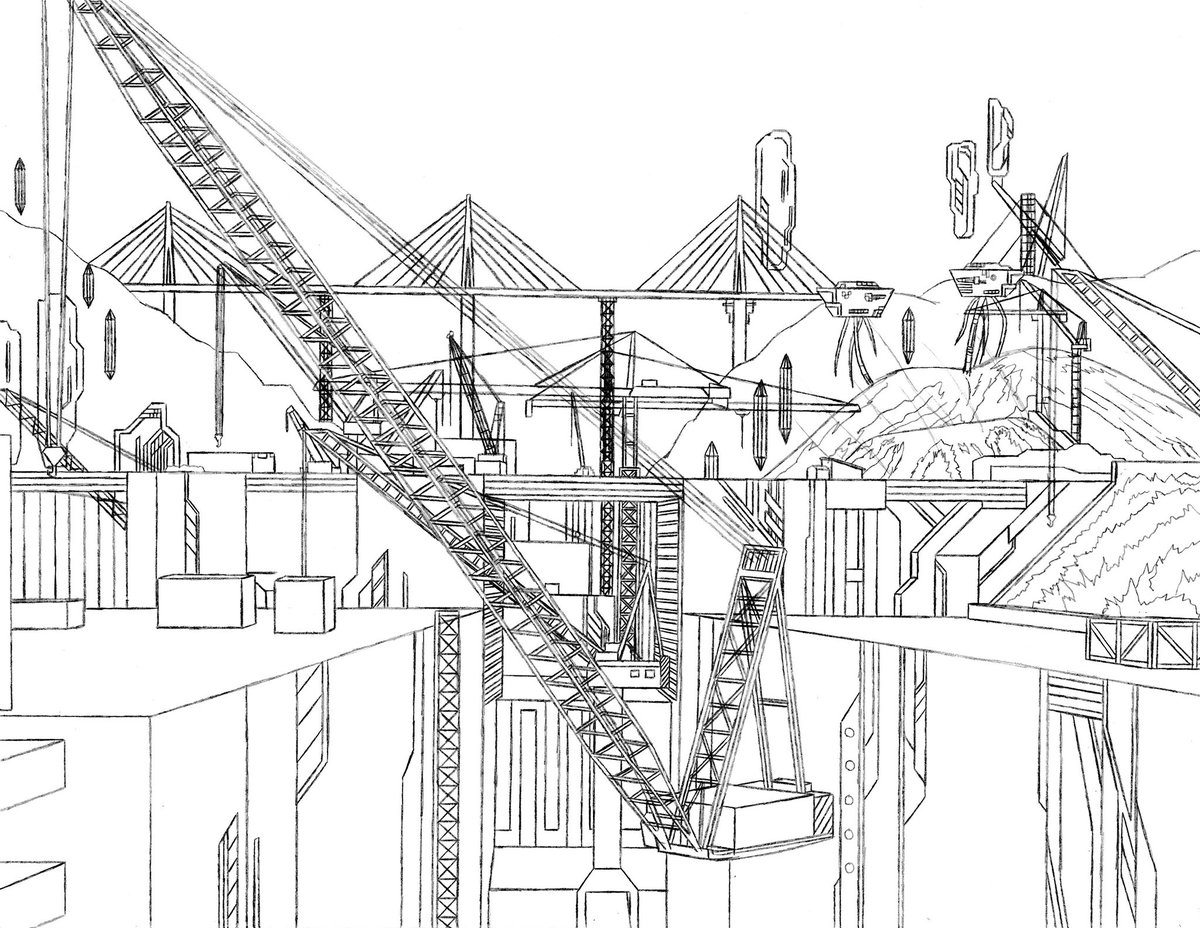
Starting from the very bottom.
#drawing #architecture #construction #city #urban #conceptart #skyline #gameart #videogameart #videogamedesign #gamedesign #lineart #draw #structure #superpower #cranes #bridge #sketch #halo4 #haloarchitecture #progress
36

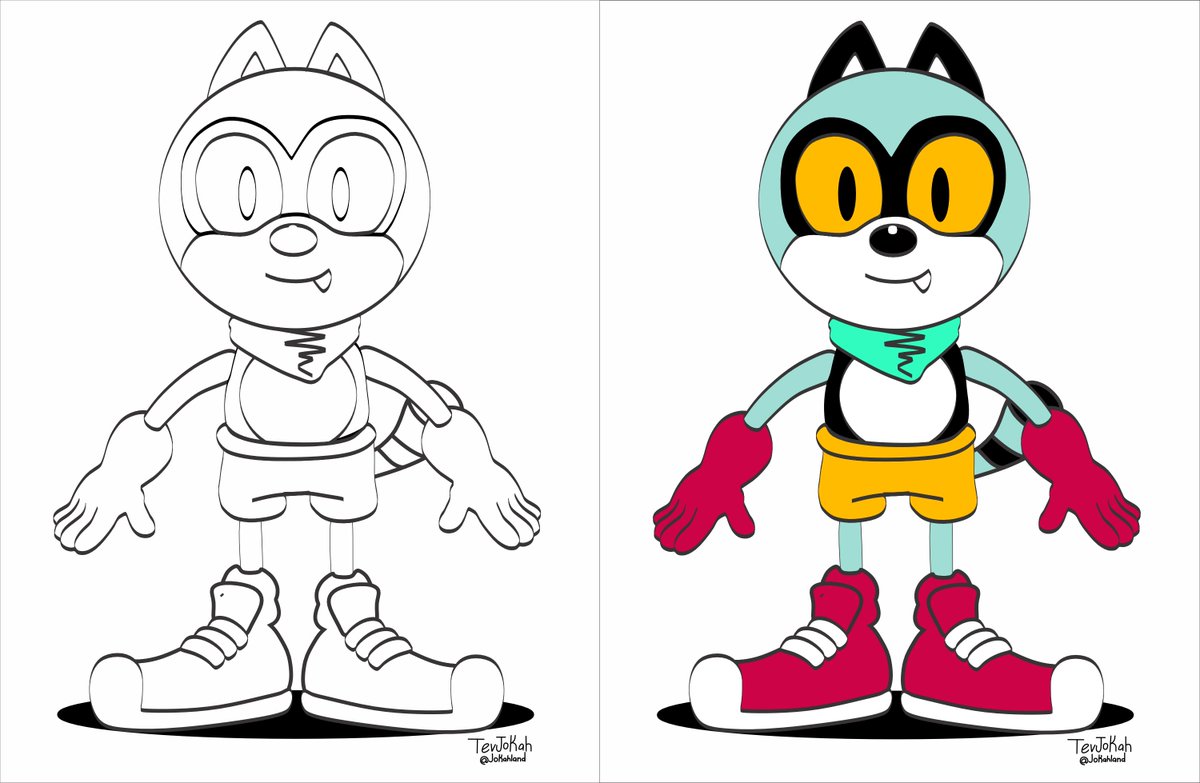
AEOTEP THE RACCOON
#CHARACTERDESIGN #CARTOONCHARACATER
#INDIEGAMES #VIDEOGAME #VIDEOGAMEDESIGN #CONCEPTART
1
21
What will it mean if Disney buys Unreal Engine?.
#3D #VideoGameDesign #Tech #Disney #UnrealEngine
Link >
creativebloq.com/3d/video-ga…
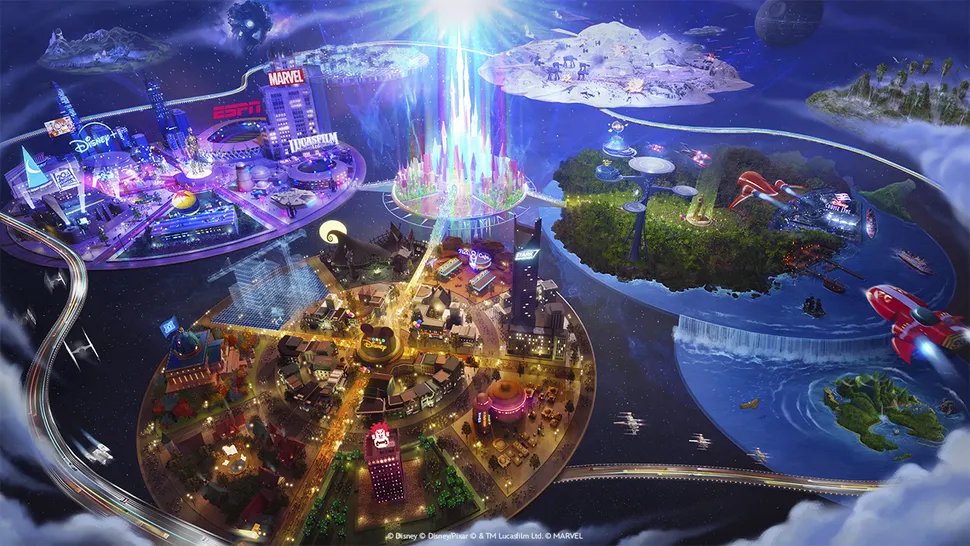
3
15

This painterly indie game turns a children’s book into a playable illustration.
#3D #VideoGameDesign
Link >
creativebloq.com/3d/video-ga…
18
Mar 8
🎮 Ready to turn your passion for gaming into a career?
👉 Learn how to become a Video Game Designer today!
vanas.ca
#VideoGameDesign #GameDesigner #GameDevelopment #GamingCareer #GameDev #CreativeCareers #StudyGameDesign #FutureGameDesigner 🎮🕹️
1
12

Did you know we offer Video Game Design classes? Sign up TODAY on our website 🤩 🎮
#artscenter #arteducation #videogamedesign #design #videogame #digital #learning #artclasses #northcarolina #apex #hollysprings #chapelhill #raleigh



26

Dream of building games players love? 🎮
Learn design, 3D modeling, Unreal & scripting online with Trillium College’s Video Game Designer program!
• 18 months
• 💻 100% online
• 2026 enrollments open
👉 trilliumcollege.ca/technolog…
#GameDev #VideoGameDesign #TrilliumCollege

1
21

Feb 25
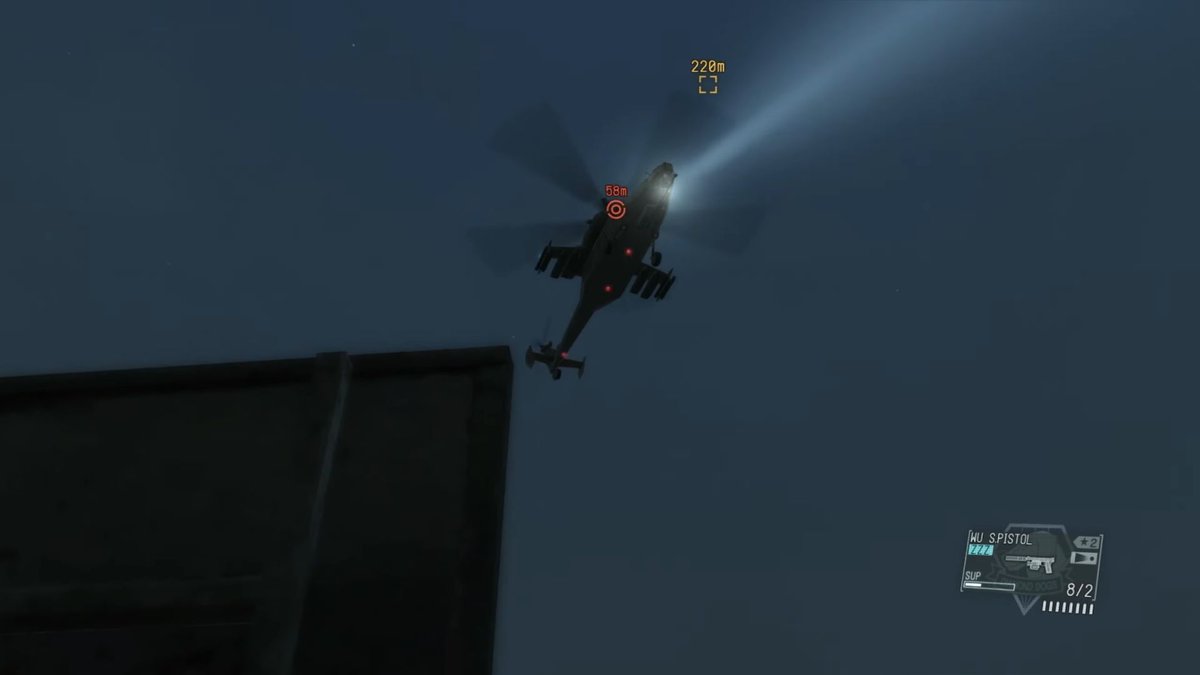
To set up this dynamic you need to make the more powerful enemy visible
Perhaps they patrol around or it's know that they'll be called in
You don't need to make better AI, you just need to make the escalation clear
#videogamedesign
6
Feb 25
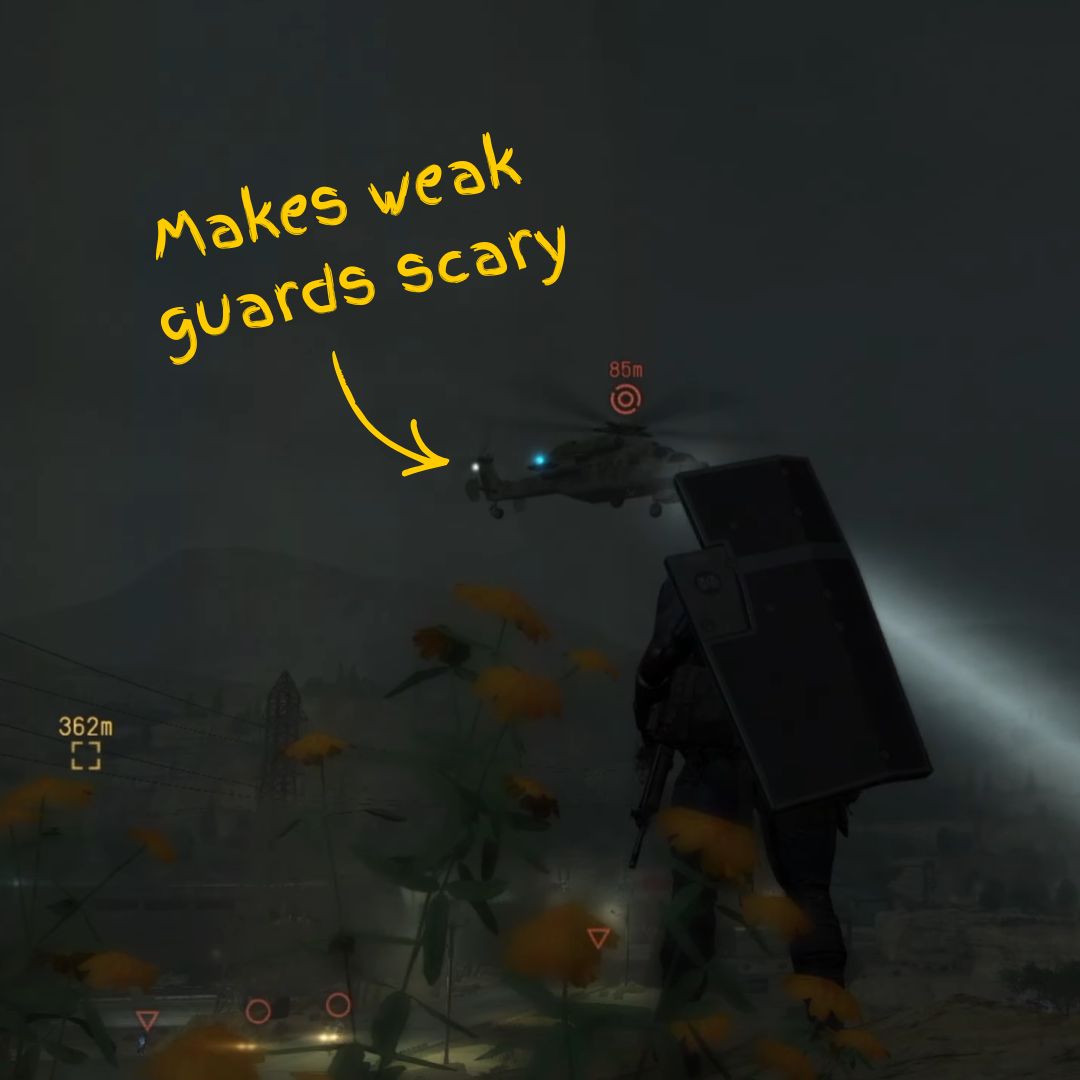
Want to increase the threat of your weakest guards?
Metal gear Solid V The Phantom Pain does this masterfully by introducing vehicles
It's a simple yet genius way to increase threat, so lets break it down 👇
#gamedev #indiegamedev #videogamedesign
1
7
105
Fans react to Sony's closure of Bluepoint Games.
#Gaming #Games #Videogames #3D
#VideoGameDesign
creativebloq.com/3d/video-ga…
1
2
21