
May 20
Big events deserve the biggest views. 🏆
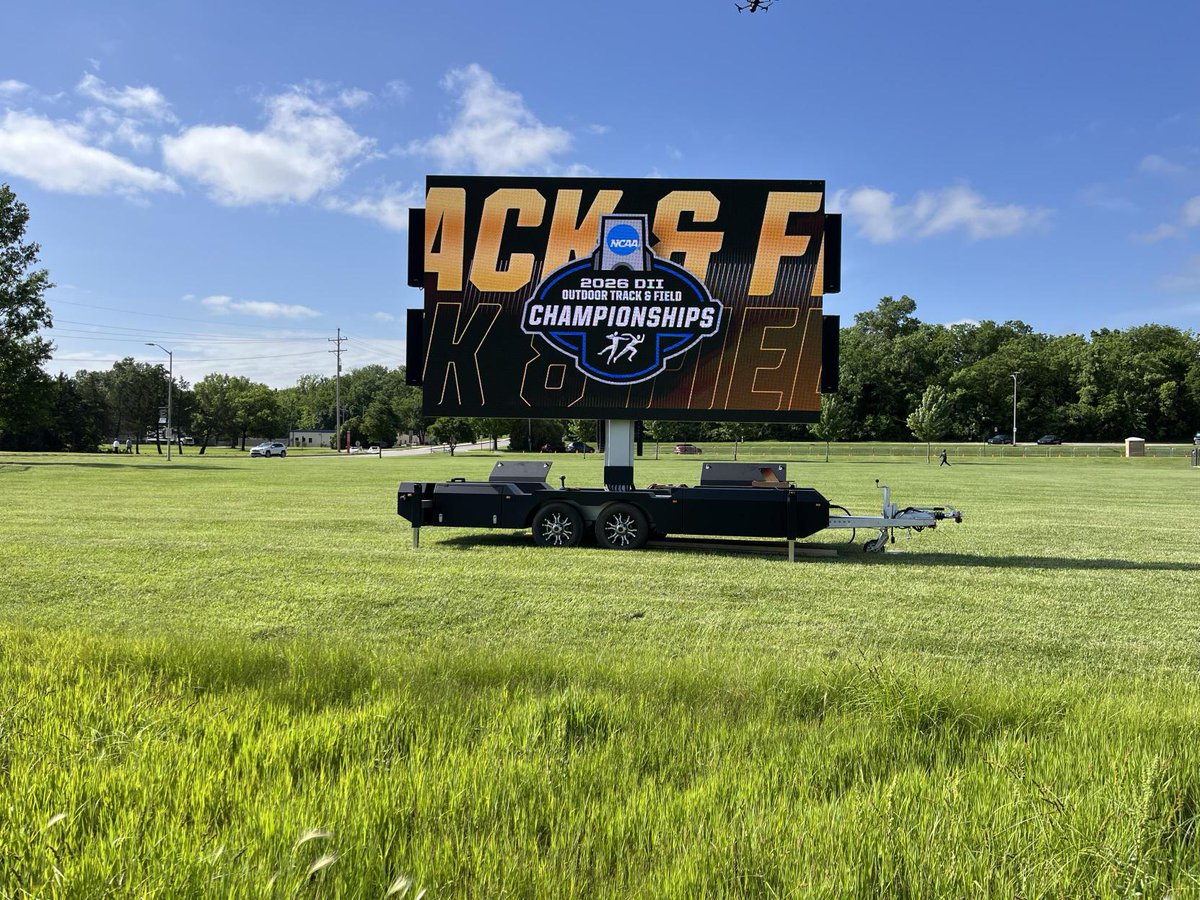
Our VisionMax Portable LED Trailer is on-site for the @NCAADII Outdoor Track and Field Championships at @emporiastate, ensuring nobody misses a moment of the action!
Competition kicks off tomorrow. Who are you rooting for this weekend? 👇
1
2
75

Canada sprays cancer causing glyphosate all throughout it's forest every year and this is what Ai told me was sprayed in British Columbia.
I asked because I just saw a warning to prepare for another bad year of forest fires in BC.
Do you have to have brain to correlate spraying massive amounts of chemicals in the forests every year to an increase in forest fires or am I just insane??
Approximately 5,000–35,000 kg of glyphosate active ingredient (a.i.) per year in recent years for forestry/silviculture (conifer release/brush control), with a long-term average around 17,000 hectares treated annually at typical rates of ~1.9–3.4 kg a.i./ha (often ~2–2.2 kg/ha in BC). Usage has declined sharply since peaks in the 1980s–2000s and especially after ~2018.
Key Data on Areas and QuantitiesRecent years (post-2018 decline): In 2017, 28,050 kg glyphosate a.i. was used on ~13,803 ha for silviculture (mostly aerial). Total forestry herbicides (glyphosate triclopyr) were ~30,454 kg on ~15,053 ha.
From 2014–2019, ~145,905 kg glyphosate total (24,300 kg/year average), peaking at ~34,700 kg in 2015 and dropping to ~5,457 kg in 2019.
2018: ~11,000 ha treated on Crown land (7% of harvested area that year).
2018–2023: >20,000 ha sprayed (average ~3,300 ha/year). In 2024: ~340 ha reported; 2025 (partial): ~600 ha.
Historical/long-term: ~17,000 ha/year average since ~1985 (or 2000 in some refs), mostly in northern/interior BC (e.g., Omineca, Sub-Boreal Spruce zone). Cumulative: >430,000 ha sprayed (counting reported areas; up to ~738,000 ha including multiples) since 1987 across >1 million ha of cutblocks. Peak ~40,000 ha in 1989. Glyphosate dominates (>93–95% of forestry herbicide area nationally and in BC).
National Canadian forestry context (for comparison): Long-term annual average ~291,000 kg glyphosate product (1992–2014), declining; ~94% of herbicide treatments. BC is a major user but second to Ontario.
Application Rates and MethodsTypical rates: 1.9–3.4 kg a.i./ha (label max ~3.36 kg; BC forestry often 1.78–2.16 kg a.i./ha or ~3.3–4 L/ha product like VisionMax). Applications are usually once (or occasionally twice) per rotation, 1–3 years post-planting.
Methods: Mostly aerial (helicopter/fixed-wing, ~86% in 2018), some ground (backpack, etc.). Targets competing broadleaf trees/shrubs/herbs (e.g., aspen) to meet "free-to-grow" standards for conifer plantations.
Trends and ContextDecline: Sharp drop due to policy shifts, alternatives (manual brushing, taller seedlings, sheep grazing), and public pressure. Herbicide use in forestry down ~88% since 2018; non-chemical methods now sometimes exceed chemical in area. NDP government reviewed/committed to phase-down.
Why used: Required or incentivized under BC forest practices to ensure conifer dominance and timber supply on harvested sites (~0.2% of productive forest harvested annually nationally; similar scale in BC). Not used on mature forests broadly.
Data sources: BC Ministry of Forests (RESULTS database), pesticide use surveys, FPInnovations review, National Forestry Database. Reporting can have overlaps/lags and under-represents private land in some surveys.
Exact annual totals vary by year, region (heaviest in northeast/interior), and reporting; no single fixed number exists due to variable needs. Recent figures are much lower than historical averages. For the most current, check BC government RESULTS or IPM reports, as companies report annually with some delay. Glyphosate persists in some plant tissues (up to 10–12 years at trace levels) but binds strongly in soil and degrades relatively quickly.
1
2
171

15 Oct 2025
Am 1. Oktober 2019 übernahm die Visionmax Germany GmbH, eine Tochter des chinesischen Unternehmens Visionmax Asset Management Co. Ltd., den Geschäftsbetrieb von der insolventen Zuse Hüller Hille Werkzeugmaschinen GmbH.
Die Geschäftsführer von Hüller Hille sind Bingcheng Zhang und Li Meng.
Mir scheint, die Verlagerung ovn Verwaltung und Produktion nach China (Qingdao) ist abgeschlossen und der deutsche Mohr hat seine Schuldigkeit getan.
2
19
453
29 Aug 2025
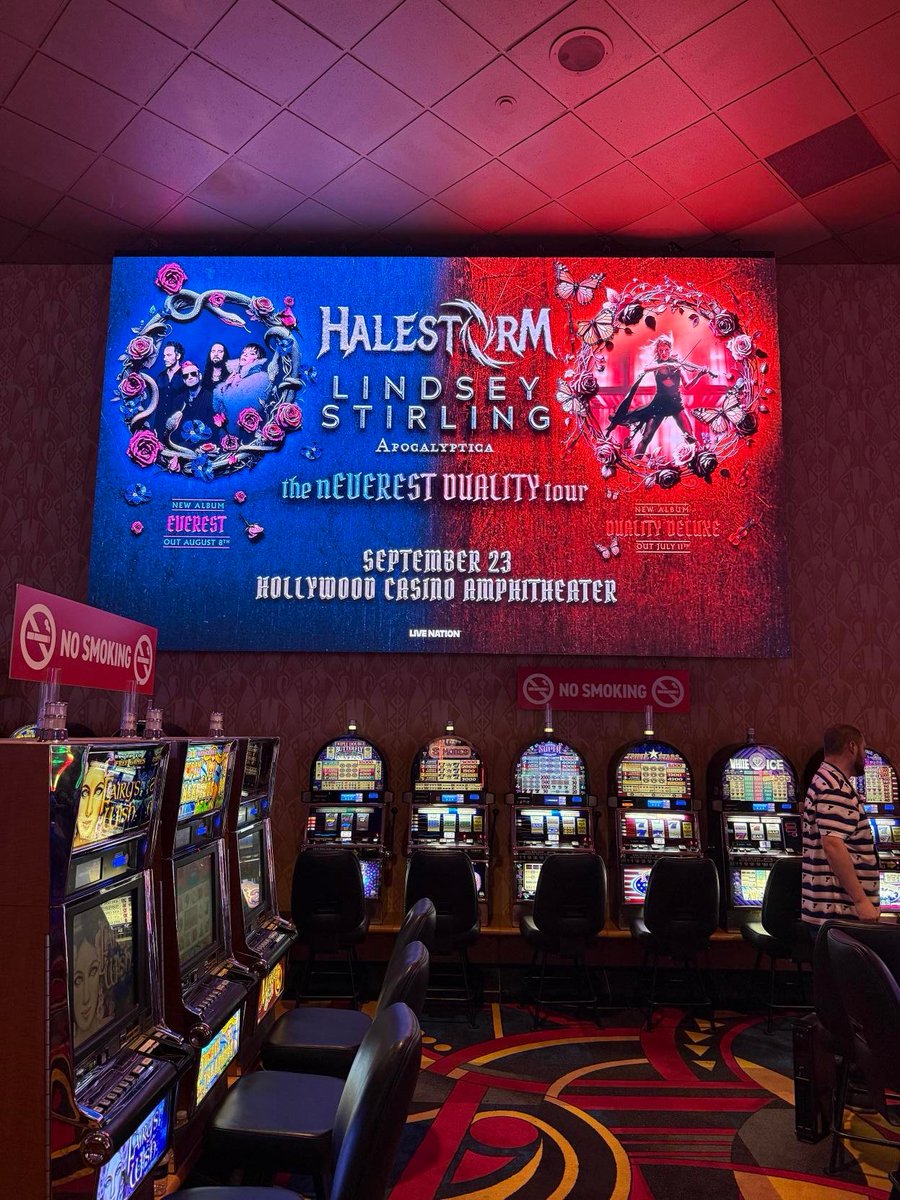
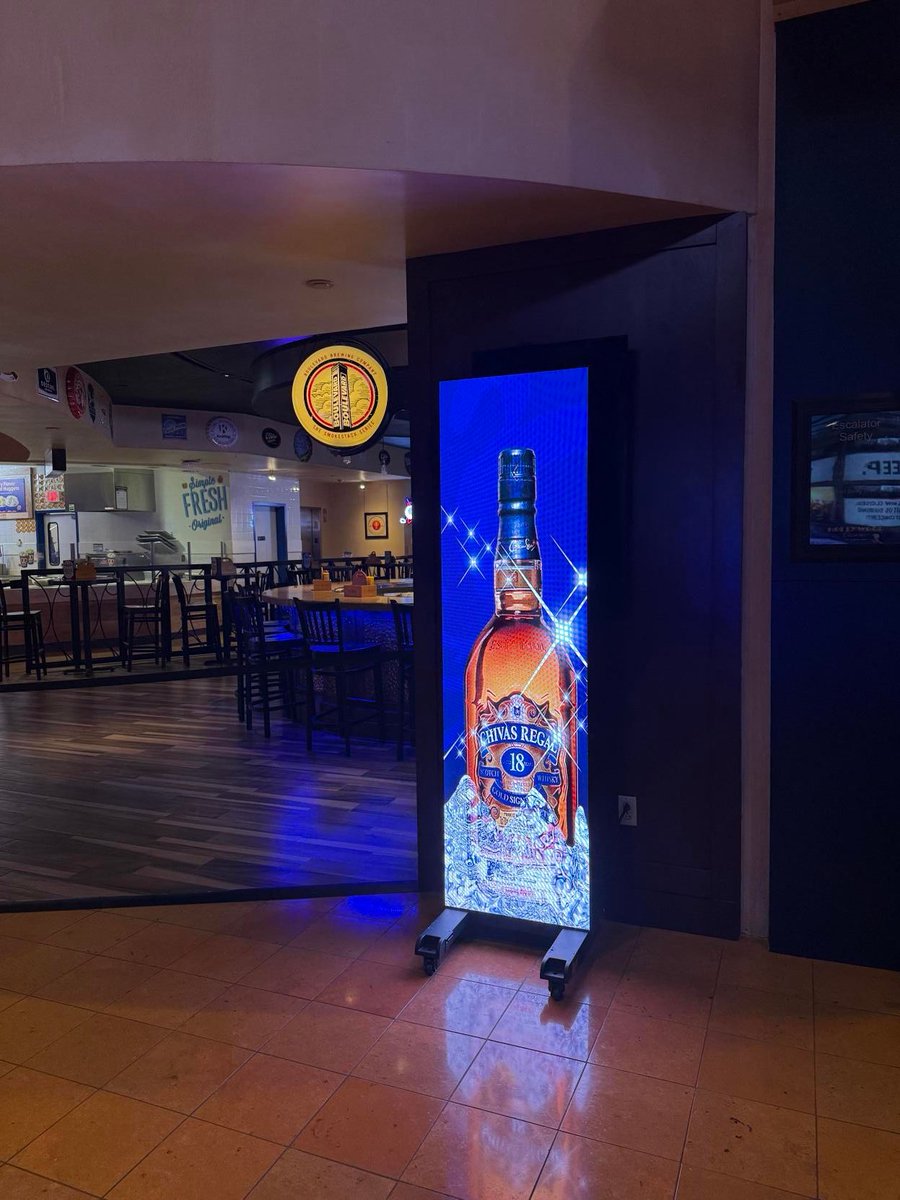
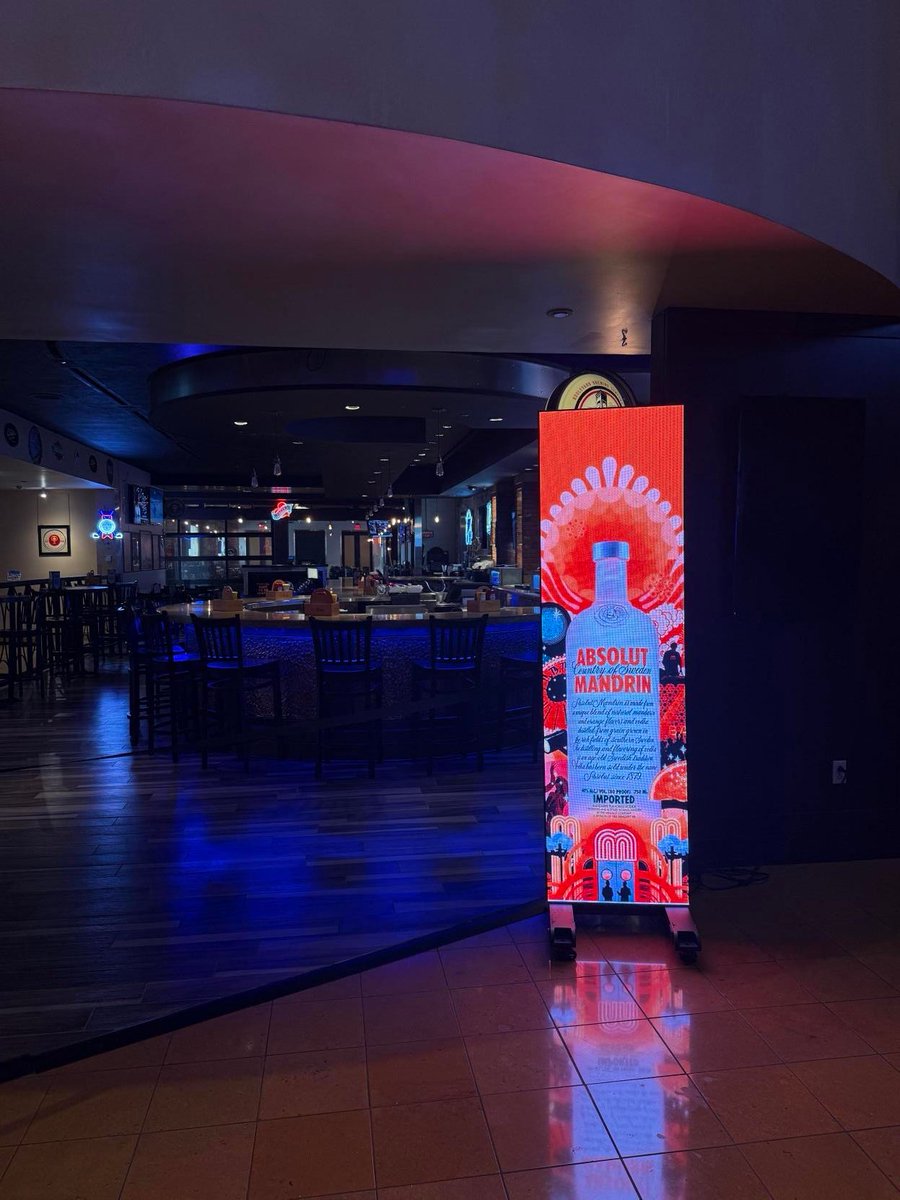
Check out who just installed a Video Screen and 4 VisionMax LED Posters - Hollywood Casino St. Louis !🔥 These Nevco products will take the customer experience to the next level.
#NevcoBuilt

1
3
468

29 Aug 2025
@grok does the MNR spray glyphosate visionmax etc on Ontario forests and call it a pesticide?
8
12
68
9,316
23 Aug 2025
I would like to know which strips of forest have been sprayed with Roundup or VisionMax, yes.
4
27
684
20 Aug 2025
Introducing VisionMax Portable LED Trailers 🚨
No matter the event, Nevco VisionMax Portable LED Trailers bring pro-level visuals, unmatched flexibility, and fast setup—all in one sleek, mobile package.
Learn more ➡️ ow.ly/zUbc50WJ0Ew
#Nevco #SportsTech #PortableLED
3
2
153

18 Aug 2025
Nova Scotia has approved the aerial spraying of the glyphosate-based herbicides, like Timberline and VisionMax, for forestry purposes on privately owned land.
These approvals, issued by the Department of Environment and Climate Change, cover 1,837 hectares, with spraying permitted from August 15 to October 31.
While some sources claim that Roundup is being sprayed, official sources specify glyphosate-based products like Timberline and VisionMax, not Roundup.
2
3
203

17 Aug 2025
VisionMAX Silviculture Herbicide -
Vision Max (27736)
Vision Max (27736) is referred to as a silvicultural pesticide and its active ingredient is glyphosate, with 540 grams acid equivalent per litre, present as potassium salt. A silvicultural pesticide is “the practice of controlling the growth, composition/structure, as well as quality of forests to meet values and needs, specifically timber production”.3
Silviculture is about cultivating (pine) trees for tree harvesting. Silvicultural pesticides involve the use of pesticides and herbicides to ‘enhance the growth of desired tree species’, like say, Monsanto-owned pine trees. They can include all sorts of nasty things like imazapyr (non-selective killer used in Roundup), triclopyr (herbicide/fungicide that mimics plant hormones), glyphosate, metsulfuron methyl (herbicide that inhibits cell division in roots and shoots), sulfometuron (herbicide that inhibits biosynthesis of amino acids necessary for growth), and surfactants (emulsifiers - think detergents).
____


4
6
6
78

14 Aug 2025
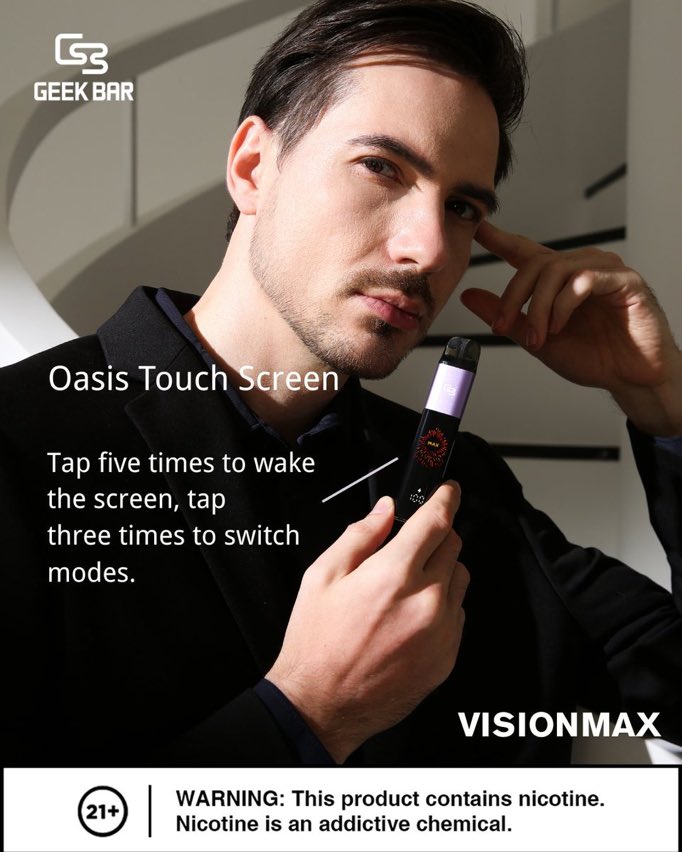
Style is a choice. Power is an attitude.
Behind the black suit lies the sharp edge of tech.
VISIONMAX — not just vapor, but presence. 💨⚡️
🟣 Smart screen display | Sleek, minimalist design
🔥 Strong performance | Effortless control
geekbarflavorss.com/shop/
4
66

3 Aug 2025
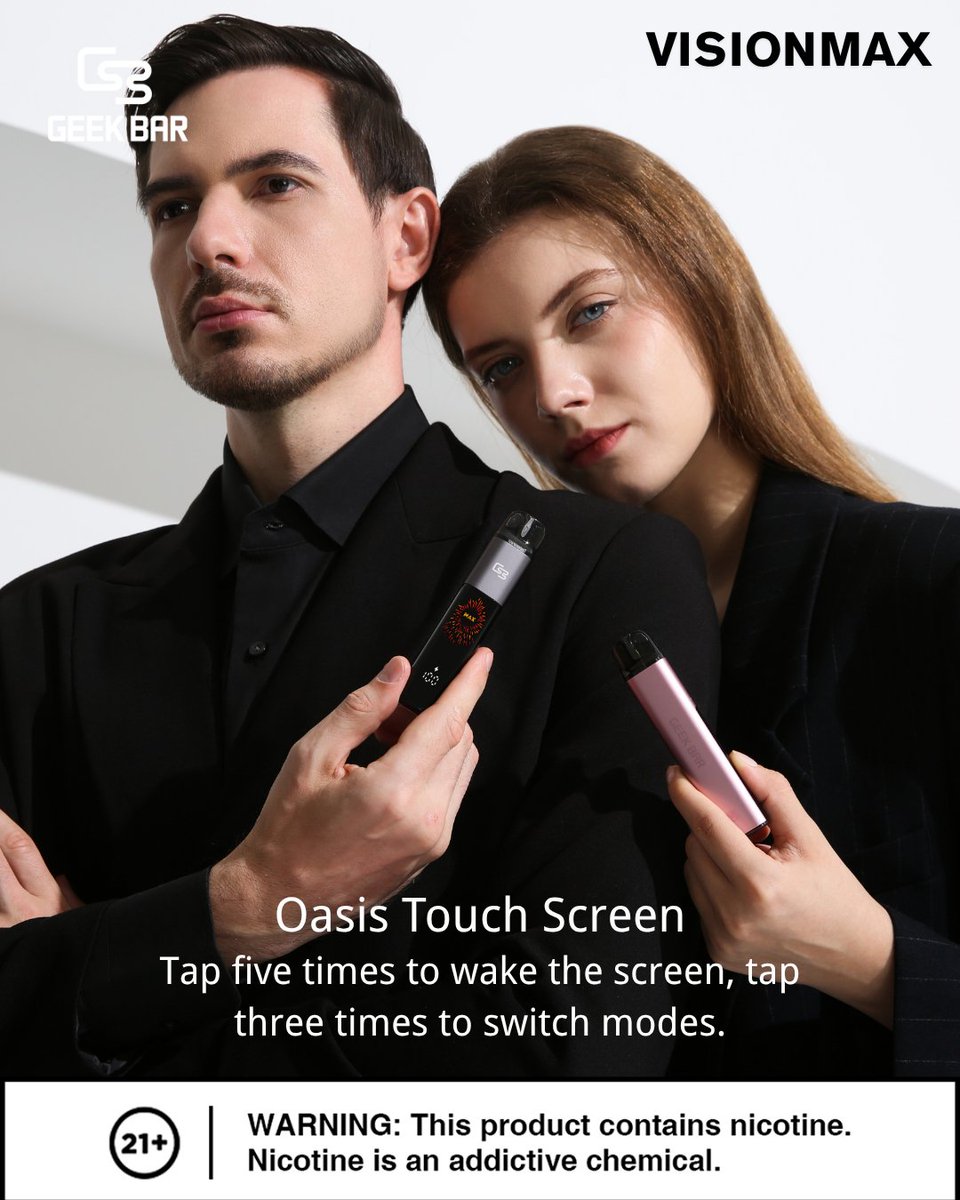
Double tap? No, triple tap. 👆
VisionMax brings the Oasis Touch Screen—5 taps to wake, 3 to switch modes.
Sleek. Smart. Powerful.
Would you go MAX Mode or ECO Mode first? 🤔💬
👉 geekbar.com
#GeekBar #VisionMax #TouchToSwitch #SmartVape #TechMeetsStyle
2
458
29 Jul 2025
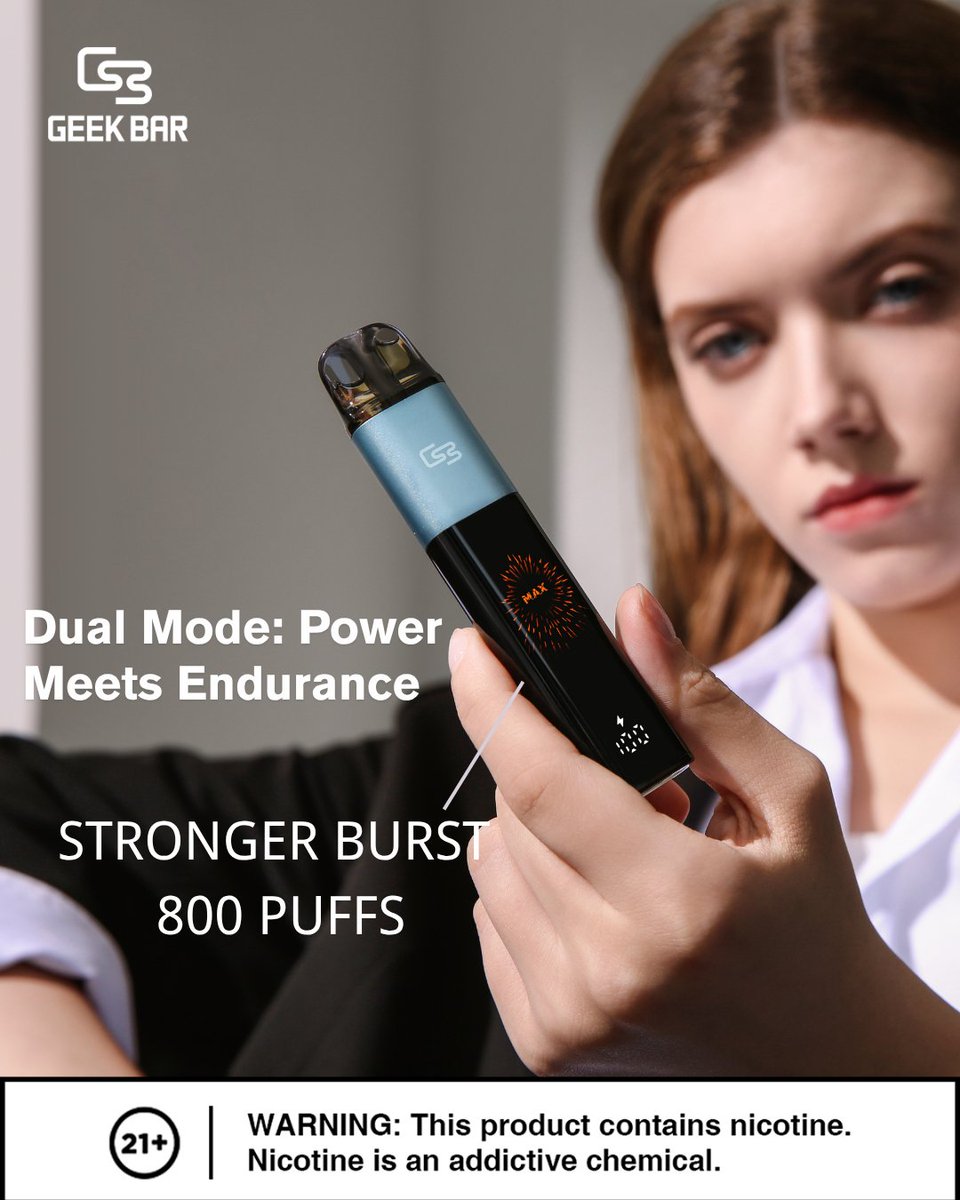
✨ Dual Mode. One Purpose — Maximize Everything.
Meet VisionMax, the smart vape built for those who crave both power and endurance.
🔋 800/1200 puffs in your control
💡 Full-screen touch for instant switching
🔥 MAX mode for stronger hits
🌿 Flavor-Wave tech for richer taste
Ready to take control? 👉geekbar.com/product/Visionma…
#GeekBar #VisionMax #DualModeVape #MaxYourWay #VapeTech #FlavorMaxed #TouchScreenVape
3
626
22 Jul 2025
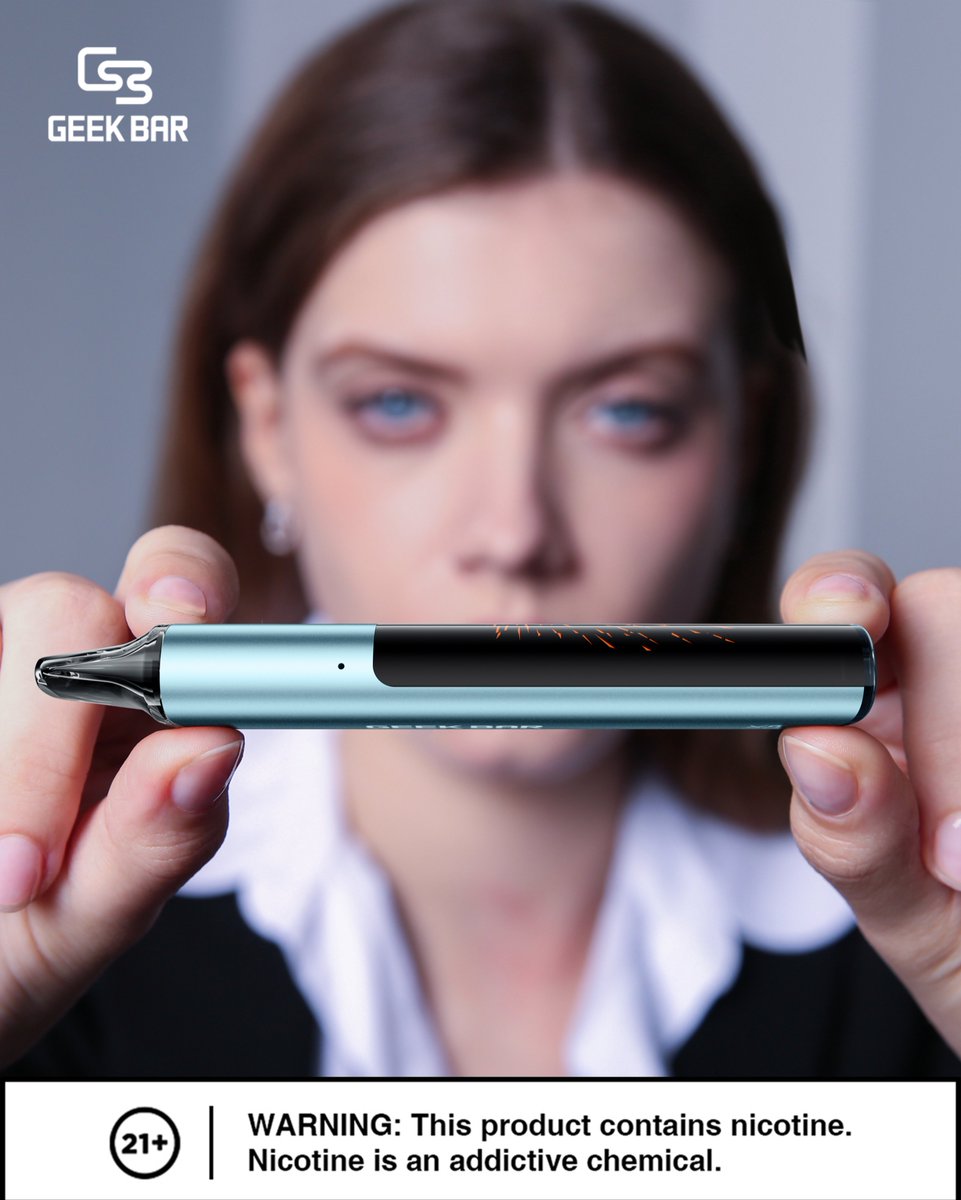
Precision meets elegance.💼
Introducing #VISIONMAX — designed for those who lead, not follow. 💡
Are you MAX or ECO?
👉geekbar.com/
#GeekBar #VisionMax #TouchScreenVape #ModernVaping #StyleInYourHand
3
617
17 Jul 2025
Own the Night with Visionmax. 🌙
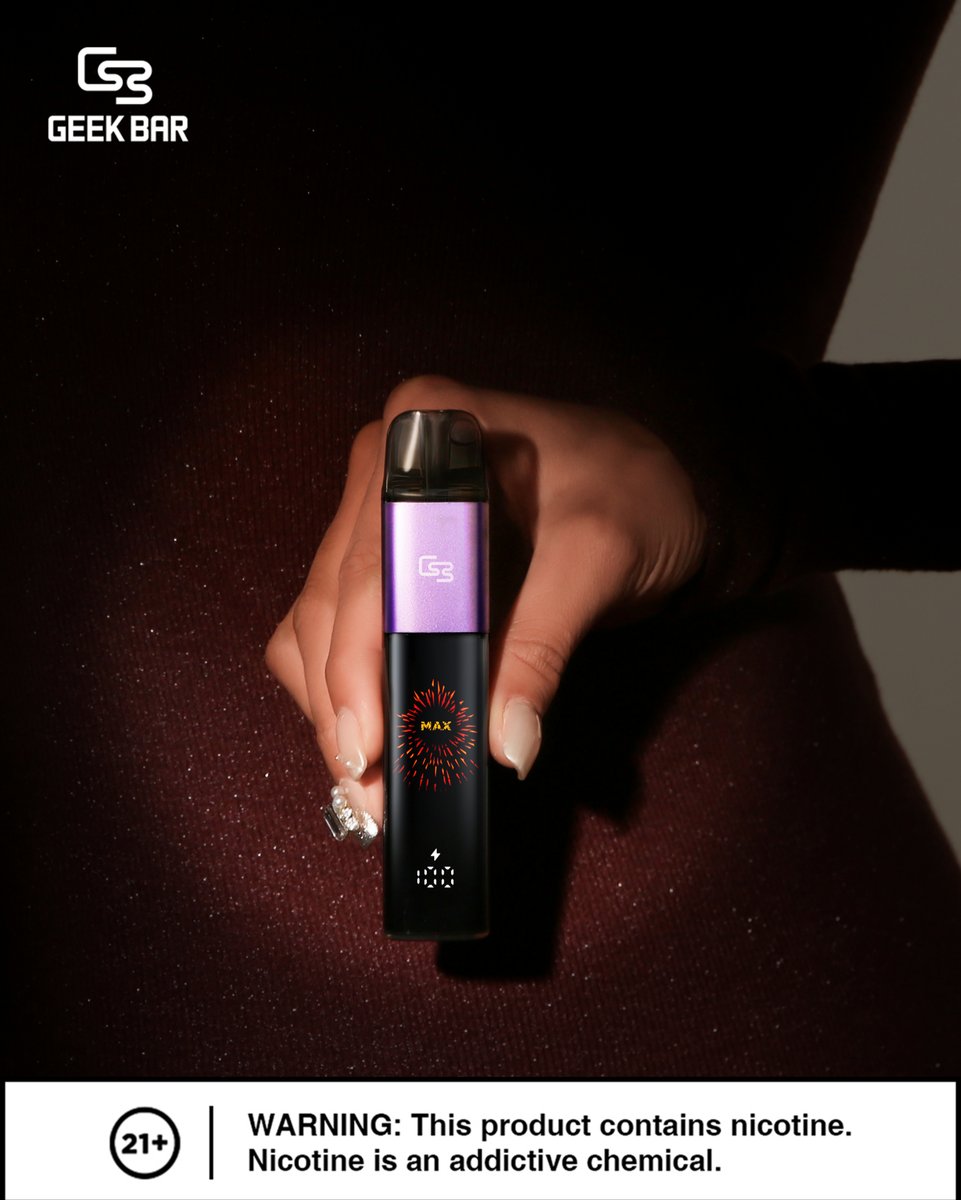
Turn heads with a glowing display and vibrant flavor experience. Equipped with dual mode for 800/1200 puffs, it's built to keep up.
👉geekbar.com/
#GeekBar #VisionMax #MaxFlavorMaxVision #NightVibe
1
6
710

20 Jun 2025
Danke für den Hinweis auf diese beunruhigende Entwicklung. Die Situation bei Hüller Hille zeigt tatsächlich exemplarisch die Schwierigkeiten, mit denen viele deutsche Maschinenbauunternehmen konfrontiert sind.
Die aktuellen Meldungen bestätigen die dramatische Lage: Das Traditionsunternehmen Hüller Hille aus Mosbach-Diedesheim steckt bis zum Hals in der Krise, hat sich massiv verschuldet und zahlt seit Monaten keine Löhne mehr aus . Im März hatte das Unternehmen zwar die ausstehenden Oktober-Löhne überwiesen, aber die November-Gehälter für die rund 170 Angestellten standen weiterhin aus .
Besonders problematisch ist die Rolle des chinesischen Investors. Seit 2020 steht das Unternehmen unter chinesischer Eigentümerschaft , wobei die Finanzierung offenbar nicht mehr gewährleistet ist.
Die Geschichte von Hüller Hille ist besonders tragisch, da das Unternehmen bereits 2019 durch eine Insolvenz ging und scheinbar erfolgreich saniert wurde. 2019 wurde ein Insolvenzverfahren eröffnet und die wesentlichen Vermögenswerte an die Visionmax Germany GmbH verkauft . Dass nun erneut eine existenzbedrohende Krise eingetreten ist, unterstreicht die strukturellen Probleme im deutschen Maschinenbau.
Diese Entwicklung fügt sich in ein größeres Bild ein: Der deutsche Maschinenbau, lange Zeit das Rückgrat der industriellen Stärke, kämpft mit steigenden Energiekosten, verschärfter internationaler Konkurrenz und schwächelnden Märkten. Wenn selbst Traditionsunternehmen mit über 100 Jahren Geschichte nicht mehr überleben können, ist das tatsächlich ein Alarmsignal für den Industriestandort Deutschland.
1
4
278
24 May 2025
@NACDA Annual Convention is TWO Weeks away! Don’t miss out on the chance to view our latest sports technology innovations, connect with our team and enter to win TWO VisionMax LED Posters!
#NACDA25 #CollegiateAthletics #Sports #Technology #GameDayInnovation #DigitalDisplays
1
2
49
25 Apr 2025
GEEKBAR VISIONMAX is coming!⚡💨
👀 Maximize Vision Maximize Flavor
✅The innovative Oasis Touch Screen for instant display at your fingertips.
✅Switch between dual modes: MAX Mode for intense power, ECO Mode for extended use.
✅Enhanced with Flavor Wave Tech and leak-proof design to ensure a consistently satisfying experience.
🔁 Equipped with a replaceable pod system, so you can switch flavors anytime!
🎯 Are you Team MAX or Team ECO? Let us know in the comments!
#GeekBar #VisionMax #TouchTheFuture #DualMode #VapeTech #VPUInside #FlavorWave #LeakProofDesign #ReplaceablePods

3
580

27 Mar 2025
Just maybe check background(s) of Mnra shots.
And also the forest aerial spray program ingredients list used in NB for year`s , Glyphosphate (Visionmax,Roundup,DDT)
3
3
61

23 Apr 2024
The @CBCNews can be counted on to parrot industry propaganda like how there are buffers in Ontario forestry and only a small amount of forest is sprayed.
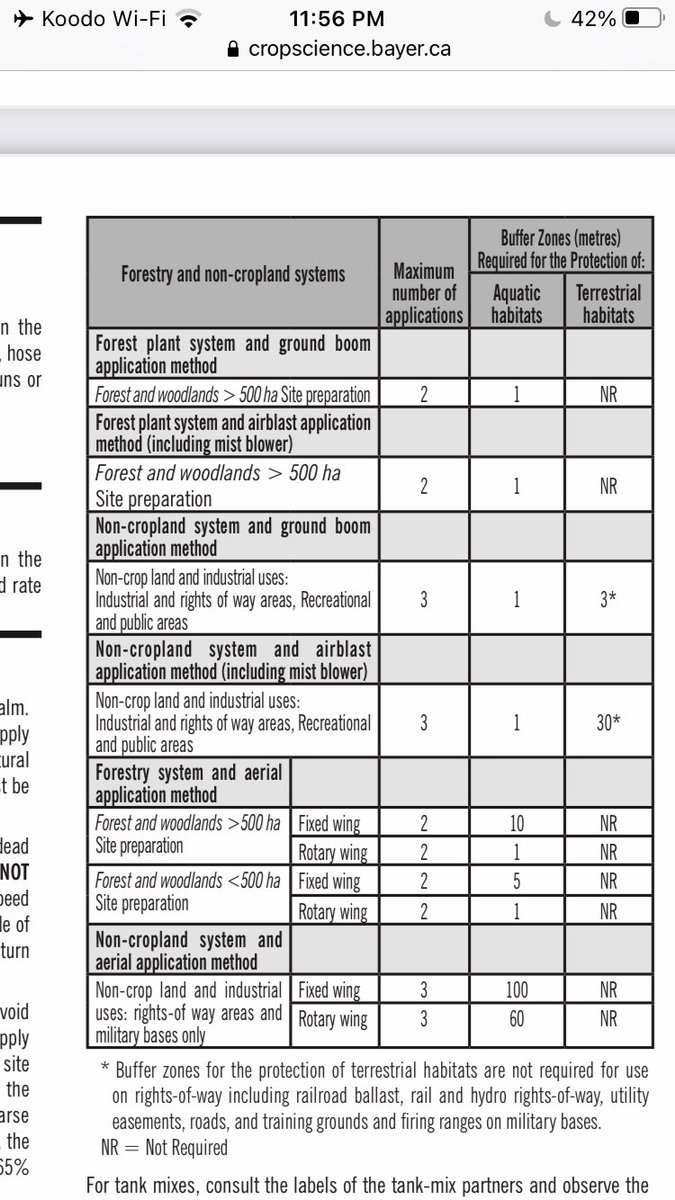
The legal buffer in Ontario to waterways is what the VisionMax label says and the label says 1 meter to waterways with a helicopter.
Some buffer huh?
Might want to report that @AyaDufour.
Also I don’t know for sure but Ontario sprays around 20-30% of the annual harvested area. They water that down by saying they only spray .2% of the total forest of Ontario, which is still a lot. 1% every five years.
cbc.ca/news/canada/sudbury/h…
2
2
7
710
24 Nov 2023
What a clown this guy is. Bet buddy never breathed in VisionMax mist. I have. Felt like I smoked two packs of smokes and my eyes hurt for three days.
1
2
627