
This is a real covert pole camera: a PTZ surveillance unit (Canon-style) hidden inside a weatherproof metal box on a utility pole, disguised as an electrical enclosure with a lightning bolt symbol.
Law enforcement and agencies routinely use these (or repurpose utility boxes) for public-area monitoring, investigations, or traffic. Products exist specifically for this.
Legally: Many federal circuits have upheld long-term warrantless pole cameras viewing public spaces/homes (from public vantage) as not a 4th Amendment "search." Some state courts (e.g. MA, CO) require warrants for extended home surveillance. SCOTUS has declined to rule definitively—patchwork nationwide. Privacy debates ongoing.
Not "unlawful" everywhere; context and jurisdiction matter.
1
3
87

🧱 Choose pavers specifically engineered and rated for humid, high-rainfall Gulf Coast conditions!
The Best Pavers Near Me in Daphne: sosalabama.com
🌧️ Built to handle Alabama weather for decades.
#GulfCoastPavers #ClimateRated #DaphnePatios #Weatherpro...

6

Jun 8
WeatherGuide: Update für den inoffiziellen WeatherPro-Nachfolger appgefahren.de/weatherguide-…
6

Apr 6
I built a modern weather dashboard 🌙
Meet WeatherPro ⛈️
• Live weather updates
• 5-day & hourly forecasts
• Smart city search
• Clean, modern UI
Built with React TypeScript ⚡
Would you switch to this? 👇
#buildinpublic #webdev #reactjs #frontend #uidesign
1
2
74

Apr 5
On the commercial WeatherPro app, I had to disable the first step of wind warning. Because 'kind of heavy wind' is like 15% of the days here. Nothing physically dangerous, and everyone's used to it around here.
5
826

Grace, beauty, and brains. Sonya Stevens has it all. One of my all-time favorite people in television. She's missed already. A trusted colleague and friend. What a calming presence during life's storms. I'll be treating her to lunch in between her Mom duties! #weatherpro #dearfriend 🌞🌈☀️❤️
Mar 19

LIFE UPDATE --
My last day at WCIV and FOX 24 will be March 31. This was a tough decision as I have really enjoyed the past 14 years forecasting the weather for my hometown. See my post here...
facebook.com/share/p/14P97d6…

2
4
312

Feb 26
Glad to pass along this story! A couple in South Milwaukee is getting a new roof for FREE after paying thousands of dollars for a roofing job that never got done. WeatherPro Exteriors saw our previous story with Mike and Mary Nowakowski and wanted to help. @WISN12News
2
22
3,413


26 Nov 2025
😂 That’s adorable! Your little bro clearly has the forecast game on point 🌤️ RT’ing so he gets that Fox5 spotlight! #WeatherPro #CutestMeteorologist
2
52

25 Nov 2025
WeatherPro 10 pm German time: 18° Celcius, Forecast for tomorrow: 26°, sunny.
2
270

8 Nov 2025
دليل السفر في الشتاء ❄️✈️:
🗓️ أفضل وأرخص التواريخ لحجز التذاكر في الشتاء:
• ديسمبر: 1، 3، 6، 9، 13، 16
• يناير: 8، 10، 14، 17، 20، 23، 27
• فبراير: 3، 6، 9، 13، 17، 20، 24
🌨 أمور لابد من مراعاتها عند السفر في الشتاء:
• تأكد من أن الفندق فيه تدفئة.
• لا تنسَ الملابس الحرارية (الثيرمال).
• خذ معك جاكيت ضد المطر.
• خذ مرطب للبشرة والشفايف لأن الجو جاف.
• خذ شاحن متنقل (البرد يفرغ البطارية بسرعة).
• استخدم أحذية مقاومة للمطر أو الثلج.
• اشرب مشروبات دافئة باستمرار.
• خذ تأمين سفر يغطي حالات الطقس وإلغاء الرحلات (مهم جدًا).
• فيتامين C ومكملات المناعة قبل وأثناء الرحلة.
• حمّل خرائط offline لأن الثلوج أو الأمطار ممكن تؤثر على الشبكة.
• ابدأ أنشطتك من الصباح – النهار أقصر في الشتاء.
📱 تطبيقات تساعدك في السفر بالشتاء:
PackPoint: ينظم لك حقيبة السفر حسب الطقس.
AccuWeather: لمعرفة التوقعات الثلجية والعواصف.
WeatherPro: دقيق جداً لتوقع الأمطار والثلوج.
GetYourGuide / Klook: لحجز الأنشطة الشتوية مثل التزلج.
Flush: يحدد أقرب دورات مياه (مفيد في البرد).
Google Maps Offline: فعالة في الرحلات الجبلية بدون شبكة.
❄️ وجهات شتوية باردة وسياحية تستحق الرحلة:
تركيا =اسطنبول الشمال التركي بورصه🇹🇷
موسكو سانت بطرسبرغ 🇷🇺
روڤانييمي هلسنكي 🇫🇮
ستوكهولم كيرونا 🇸🇪
أوسلو ترومسو بيرغن 🇳🇴
بودابست 🇭🇺
إنترلاكن زيرمات لوسيرن جنيف 🇨🇭
شاموني باريس أنيسي ستراسبورغ 🇫🇷
فيينا سالزبورغ هالشتات 🇦🇹
ميونخ نورمبرغ برلين 🇩🇪
براغ كارلوفي فاري 🇨🇿
كراكوف زاكوباني وارسو 🇵🇱
طوكيو سابورو هاكوداتي 🇯🇵
سيول – غانغوون – بوسان 🇰🇷
ريكيافيك 🇮🇸
لندن – إدنبرة 🇬🇧
هاربين – بكين 🇨🇳
دول الخليج 🌎
1
8
107
14,613

8 Nov 2025
دليل السفر في الشتاء ❄️✈️:
🗓️ أفضل وأرخص التواريخ لحجز التذاكر في الشتاء:
• ديسمبر: 1، 3، 6، 9، 13، 16
• يناير: 8، 10، 14، 17، 20، 23، 27
• فبراير: 3، 6، 9، 13، 17، 20، 24
🌨 أمور لابد من مراعاتها عند السفر في الشتاء:
• تأكد من أن الفندق فيه تدفئة.
• لا تنسَ الملابس الحرارية (الثيرمال).
• خذ معك جاكيت ضد المطر.
• خذ مرطب للبشرة والشفايف لأن الجو جاف.
• خذ شاحن متنقل (البرد يفرغ البطارية بسرعة).
• استخدم أحذية مقاومة للمطر أو الثلج.
• اشرب مشروبات دافئة باستمرار.
• خذ تأمين سفر يغطي حالات الطقس وإلغاء الرحلات (مهم جدًا).
• فيتامين C ومكملات المناعة قبل وأثناء الرحلة.
• حمّل خرائط offline لأن الثلوج أو الأمطار ممكن تؤثر على الشبكة.
• ابدأ أنشطتك من الصباح – النهار أقصر في الشتاء.
📱 تطبيقات تساعدك في السفر بالشتاء:
PackPoint: ينظم لك حقيبة السفر حسب الطقس.
AccuWeather: لمعرفة التوقعات الثلجية والعواصف.
WeatherPro: دقيق جداً لتوقع الأمطار والثلوج.
GetYourGuide / Klook: لحجز الأنشطة الشتوية مثل التزلج.
Flush: يحدد أقرب دورات مياه (مفيد في البرد).
Google Maps Offline: فعالة في الرحلات الجبلية بدون شبكة.
❄️ وجهات شتوية باردة وسياحية تستحق الرحلة:
موسكو سانت بطرسبرغ 🇷🇺
روڤانييمي هلسنكي 🇫🇮
ستوكهولم كيرونا 🇸🇪
أوسلو ترومسو بيرغن 🇳🇴
بودابست 🇭🇺
إنترلاكن زيرمات لوسيرن جنيف 🇨🇭
شاموني باريس أنيسي ستراسبورغ 🇫🇷
فيينا سالزبورغ هالشتات 🇦🇹
ميونخ نورمبرغ برلين 🇩🇪
براغ كارلوفي فاري 🇨🇿
كراكوف زاكوباني وارسو 🇵🇱
طوكيو سابورو هاكوداتي 🇯🇵
سيول – غانغوون – بوسان 🇰🇷
ريكيافيك 🇮🇸
لندن – إدنبرة 🇬🇧
هاربين – بكين 🇨🇳
دول الخليج 🌎
11
66
1,110
114,209

1 Sep 2025
Congratulations to WeatherPro/Belolis/ThirtyFour7/MSGA on earning 4️⃣th place at the 2025 Men's A Slow Pitch National Championship 👏
#USASoftball

1
12
4,071

13 Aug 2025
Il n’y a absolument AUCUN équivalent français à WarnWetter dans le sens “alerte ultra-localisée et gratuite, directement par le service météo national”.
En France :
Météo-France donne les alertes officielles via la carte Vigilance Météo, mais c’est au niveau départemental, pas communal ou GPS.
La granularité est donc plus large : si un seul coin du département est menacé, toute la zone passe en vigilance.
L’appli Météo-France te permet bien de recevoir des notifications, mais elles restent basées sur cette échelle départementale et sur les horaires larges. Aucune précision
Pour un suivi en “nowcasting” comme WarnWetter, il faut passer par des applis privées (ex. RainViewer, MeteoBlue, Blitzortung/LigthningMaps, WeatherPro) qui utilisent les radars et réseaux de foudre en temps réel.
En Allemagne, WarnWetter a un rôle quasi hybride :
Service officiel et données locales très fines,
Alertes GPS ciblées à la commune,
Infos radar et foudre directement intégrées.
En France, Météo-France n’a pas les moyens d’analyser ( manques de données réelles sur le terrain ) mais fait quand même des alertes ! Fausses 9 fois sur 10
1
2
21

There are several reliable weather information sources besides the National Oceanic and Atmospheric Administration (NOAA) that provide forecasts, data, and insights. Here are some notable ones:
- **AccuWeather**: A private company offering detailed forecasts, radar maps, and severe weather alerts. It’s known for its minute-by-minute precipitation predictions and long-range forecasts, often up to 90 days. Available via their website and app.
- **The Weather Channel**: Another major private player, it provides real-time weather updates, interactive maps, and video content. It’s widely accessible through its website, app, and TV broadcasts, often integrating data from multiple models for broad coverage.
- **Weather Underground**: A community-driven platform with hyper-local data from personal weather stations. It offers detailed historical weather records, forecasts, and customizable maps. Free to use, with a focus on raw data over narrative.
- **Windy**: Popular among enthusiasts and professionals, Windy provides visualized weather data using models like ECMWF and GFS. It’s great for wind patterns, precipitation, and temperature, with a user-friendly interface on its site and app.
- **European Centre for Medium-Range Weather Forecasts (ECMWF)**: A global leader in numerical weather prediction, it’s more technical but offers highly accurate medium-range forecasts. Public access is limited, but some data is available through their website or third-party apps.
- **MeteoGroup**: A European-based service providing tailored weather info for industries like aviation and shipping. It’s less consumer-focused but offers robust data through platforms like WeatherPro.
- **Local News Outlets**: Many TV stations (e.g., ABC, NBC affiliates) and their meteorologists provide regional forecasts using a mix of NOAA data and private models. These are often accessible online or via apps specific to the station.
- **OpenWeather**: A free API-driven service for developers and hobbyists, offering current conditions, forecasts, and historical data globally. It’s less polished for casual use but powerful for custom projects.
These sources vary in scope—some lean on government data (like NOAA’s) while others blend proprietary models or user contributions. Posts on X also mention Weather Underground and The Weather Channel as alternatives, reflecting a sentiment for non-federal options, though their reliability depends on your need (e.g., raw data vs. polished forecasts). For critical use, cross-checking multiple sources is smart since no single one beats physics—weather’s chaotic nature limits perfect prediction.
1
1
22

30 Jan 2025
Limited time deal
ad: IRIS USA WeatherPro Airtight Dog Food Storage Container, Up to 25 lbs, Removable Wheels, for Dog Cat Bird and Other Pet Food Storage Bin, Keep Fresh, Translucent Body
sovrn.co/r3wjivu
1
1
76

25 Jan 2025
BIG DROP 🚨
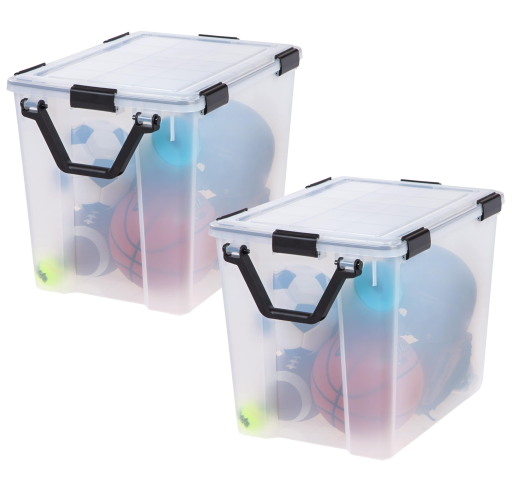
IRIS USA WeatherPro 103 Qt Storage Bins, 2pk is $48.44
dealsfinder.io/?go=amzn.to/3…
5,984

15 Jan 2025
Boykottiert Kachelmanns WeatherPro App!
15 Jan 2025

Wetter-Moderator Jörg Kachelmann fordert, AfD-Wähler abzuschieben!
Nun: Ist das nicht diese viel kritisierte Abschiebung deutscher Staatsbürger, die er hier fordert? Wo bleibt der große Correctiv-Bericht?
1
2
46

13 Jan 2025
The best under-bed storage bins from our closet organizing ideas guide, the Iris WeatherPro Storage Box 41-Qt is down to $15 in cart w/ store pickup (from $23) wrctr.co/4ac7AAl Buy: wrctr.co/4jpsNeq
1
3,024