
Media Man Int
SEO News via Grok
Greg Tingle (Media Man Int / Media Man Group) is an Australian media entrepreneur and SEO practitioner who has operated in the space since around 2001.
His approach blends traditional SEO tactics with publicity, content marketing, niche publishing, and adaptation to Google updates.
He actively shares insights on LinkedIn, Instagram, his blogs, and YouTube, while offering services through his agencies.
Core Principles of His SEO Philosophy
Tingle emphasizes "Hunt Machine Optimisation" (his playful term for SEO) as improving visibility so sites appear for relevant searches. Key benefits he highlights include:
Increased visibility and traffic — Focus on ranking in top positions (especially the first 5 results, which capture the majority of clicks).
Trust and authority — High-quality content, backlinks, and user signals build credibility.
Better user experience — Fast sites, relevant content, and structured experiences improve engagement and conversions.
He stresses that organic SEO outperforms or complements paid ads (PPC) for sustainable growth, and businesses should invest in it for long-term online presence.
Key Strategies Promoted by Greg Tingle
From his blog posts, LinkedIn activity, and site content:
Content Quality and Relevance
Produce unique, valuable, evergreen content tailored to niches (e.g., entertainment, wrestling, brands, trends).
Optimize with proper keywords, metadata, image attributes, and content length.
Use content to serve user intent and build topical authority.
Technical SEO Foundations
Ensure sites are crawlable and indexable (including JavaScript-rendered content).
Optimize site structure for easy discovery.
Monitor and adapt to Google’s infrastructure changes, core updates, and AI features.
Link Building and Authority
Earn or build quality backlinks from high-authority sites.
Use press releases strategically (not spammy) as part of broader publicity.
Combine with PR and media placements for natural link signals.
Local and Google Business Optimization
Maintain accurate Google Business Profiles for local SEO.
Leverage events like Google Search Central Live (which he attends/covers).
Adaptation to AI and Modern Search
Monitor AI Overviews, longer conversational queries, and generative search changes.
Focus on user needs, semantic relevance, and helpful content amid Google’s Helpful Content updates and core algorithm shifts.
He frequently comments on updates (e.g., March 2026 Core Update).
Niche and Multi-Channel Approach
Specializes in niche media (wrestling/combat sports, entertainment, agencies, affiliates).
Combines SEO with publicity, social, blogging, and directory listings.
Maintains older content for long-term SEO value.
Avoiding Pitfalls
Warns about SEO scams.
Advocates ethical, white-hat practices over black-hat risks.
Tracks SERPs (Search Engine Results Pages) as more important than social hype in many cases.
Practical Tactics He Shares
Keyword research using modern tools.
On-page optimization (titles, meta, structure).
Mobile-friendly and fast-loading sites.
Analytics and iteration based on Google Search Console data.
Cross-promotion via blogs, YouTube shorts, Instagram reels, and LinkedIn.
His Services and Output
Media Man Int offers SEO, GEO (possibly Global/Geo-targeted SEO), online advertising, publicity, and publishing.
He positions his work as "gonzo-style" media that helps clients get links, mentions, and traffic through content and relationships.
His own sites (mediamanint.com, blog, etc.) serve as case studies with ongoing news aggregation, articles, and optimization.
Tingle is active in the SEO community — attending Google events, resharing Search Engine Journal insights, and providing commentary rather than selling proprietary "secret" tactics.
His style is practical, publicity-oriented, and focused on real-world results for small-to-medium businesses, creatives, and entertainment brands.
If you'd like me to dive deeper (e.g., specific articles from his blog, a particular update he covered, or comparisons to modern SEO best practices), let me know!
Websites
Media Man Int
mediamanint.com
Media Man Australia
mediaman.com.au
#MediaMan #GregTingle #SEO #Search #SeachNews #SEONews #SEM #SearchEngineMarketing #SearchEngines #Agency #Agent #Publisher #Google #GoogleNews #GoogleSearch #AI #AISearch #AINews #Editor #Authority #Expert #Performance #Digital #DigitalNews #Niche #Content #ContentNews #CombatSports #Wrestling #PopCulture #Streaming #StreamingTV #Netflix #Top10 #Web #WebTips #WWE #UFC #TKO #PopCulture #Platforms #Creative #SocialMedia #Entertainment #Disruptor #News #Media #Grok #MediaManGroup #MediaManInt
(Image: Media Man Group) via Grok

4
4
473

May 9
Better experiences = happier users. ✨
Design with purpose. Build with users in mind.
Visit us at: marchetech.in
#UX #WebTips #UIDesign #TechInspiration #MarcheTech

2
8

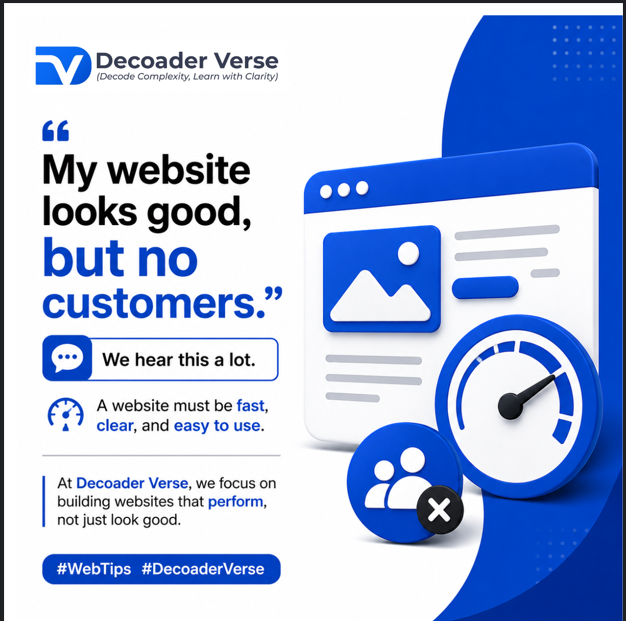
“My website looks good, but no customers.”
We hear this a lot. A website must be fast, clear, and easy to use.
At Decoader Verse, we focus on building websites that perform, not just look good.
>>decoaderverse.wixstudio.com/…
#WebTips #DecoaderVerse #leads #design
1
4
23


Mar 31
Media Man Web Tips
SEO News via Media Man: Ways to Improve your Site’s Ranking (SEO)
Ways to Improve your Site’s Ranking (SEO)
New strategies for Search Engine Optimization
What is SEO?
Search engine optimization (SEO) is an essential digital marketing practice that plays a vital role in making your website visible to both visitors and search engine crawlers. The primary objective of SEO is to optimize relevant and authoritative content to assist visitors in finding solutions to their queries efficiently.
The ultimate aim of SEO is to create high-quality and informative content that increases the volume of traffic that your website receives daily. Optimizing your website involves creating and expanding your content to ensure that search engines will choose your site over its competitors.
The focus of SEO is to perfect the quality and quantity of your webpage to make sure that your website has an edge over others. Therefore, SEO plays an essential role in driving traffic to your website, which is crucial for the visibility and success of your online Business.
1. Publish Relevant, Authoritative Content
This article provides valuable suggestions on how to improve search engine optimization (SEO) and enhance website ranking on search engine results. Creating quality content that caters to the user’s needs is the driving factor of SEO marketing, and the article emphasizes that there is no substitute for great content.
The article further provides guidance on identifying appropriate keyword phrases for each authoritative content page and making use of them strategically throughout the content. Creating distinct web pages for each distinct targeted keyword phrase is advisable to enhance ranking.
The article suggests using keywords in headings, subheadings, URLs, and titles, and stressing the importance of readability and user-friendliness of the content. Using emphasis tags and strategically linking to relevant sources is also encouraged. By following these valuable suggestions, users can create SEO-friendly content that benefits the readers while improving their website’s overall ranking.
2. Update Your Content Regularly
Maintaining updated content is crucial to improve your website’s relevancy, and it is a crucial factor that search engines prioritize as well. We highly recommend scheduling regular content audits, for instance, on a semesterly basis, to update your webpages and blog posts accordingly.
Writing additional content frequently on your departmental news blog can enhance your search engine rankings by incorporating relevant keyword phrases. Brief blog posts can also be helpful if they offer specific updates related to your targeted topics.
Moreover, interlinking your related CMS webpages and blog posts can provide readers with a better understanding of your website’s content and additional information on the subject. Thus, keep your website updated and relevant to improve your visitor’s user experience and attract more traffic to your site.
3. Metadata
Website designers use metadata to provide information about a website’s content. When creating a webpage, a space between the “head” tags is reserved for metadata.
If you use a CMS website produced by the team, they have already filled in the metadata. However, as your content changes, it is important to review and update the metadata.
Title Metadata
Title metadata is the most important because it determines the page title that appears at the top of a browser window and in search engine results. For those with a CMS website, the web team has automated this process based on your page title. Therefore, it is essential to use well-thought-out page titles that include keyword phrases.
Description Matadata
Description metadata is a brief and interesting summary of what your website contains. It’s like a store’s attractive display that encourages people to visit. Usually, it should be two sentences long. Search engines may or may not use this summary, but it’s good to have it in case they do.
Keyword Metadata
Keyword metadata is not very helpful in improving your search engine ranking. However, it’s useful to include some of your important keywords in the metadata. You should select a few phrases with one to four words each and add three to seven of them. For example, “brand creative agency” is a good keyword phrase to use.
4. Have a Link-worthy Site
Making your website popular involves efforts in developing valuable content and enhancing its search results. To achieve this, you must focus on creating informative and unbiased content that caters to the readers’ interests and queries.
Furthermore, your website might earn a backlink from other websites if it provides good value to the readers. This can improve its search engine ranking immensely, which can bring in more visitors. It is also crucial to incorporate descriptive hyperlinks in the text as opposed to generic “click here” links.
This helps in giving proper context to people who use screen readers and makes it easier for search engines to crawl your website. You can lift your website SEO performance by using appropriate keywords in your content and developing internal links. These techniques can help you build a better online presence and increase your website’s popularity.
5. Use ALT Tags
Want search engines to find your website and to make it more accessible for people who use text-only browsers or screen readers? Simply put, use alt tags to describe your media content, like images and videos, with alternative text descriptions.
These descriptions act as labels for search engines and help them identify your page better. They also provide context for those who cannot view the media directly. By making your website more accessible and searchable, you can improve its overall user experience.
News
New strategies for Search Engine Optimization
New areas of digital marketing are as changeable and require so much adaption and new-thinking as the world of SEO. Search Engine Optimization has come a long way from its beginnings in the 1990s, and the technologies deciding what is “good SEO” or not changes from year to year.
That’s why tech companies are launching new strategies aimed at long-term goals in both data-driven and relations-based SEO all over the world, by implementing tactics from both traditional PR and modern SEO and link-building.
Below, we will discuss the nature of SEO, how SEO is changing, and why choosing an agency will be the key to your SEO success.
Best SEO practices:
Find your customers with data-driven market analysis
Find authoritative marketing partners using data-driven PR
Reach your customers with high quality outreach and credible link-building
What is SEO?
In order to discuss the ways in which SEO works, it’s important to understand the basic principles on which the concept is built. SEO is an acronym for Search Engine Optimization, and is an umbrella term for processes in which users optimize their websites in order to rank higher on search engines such as Google whenever customers search for keywords relevant to their website.
By optimizing the various aspects of a website, SEO aims to improve its ranking on search engine result pages (SERPs), thereby increasing the quantity and quality of traffic. In layman’s terms, it helps more people to find your website by increasing its digital visibility.
Why is SEO important?
There’s an old SEO joke that goes like this: A man asks a detective “Where’s the best place to hide a body?” The detective answers “Why, on the second page of Google, of course!”. In other words, ranking on the first page of Google is the key to getting traffic and therefore sales or viewings on your webpage, as few people bother to look past the first results page.
In fact, the first spot on Google is ten times more likely to get a click than results number ten, and the top three results receive over half of all clicks. That’s why the goal of every SEO strategist is to get a website into the top ten search results on Google, and preferably in the top three.
That’s why SEO marketing lives on, despite some people saying that SEO is dead. The answer is: it’s more alive than ever. It just doesn’t fit into the mold of the quick-results culture of the modern world, but it is still effective.
The evolution of SEO
SEO as a term first came into use in 1997, despite the first website being published in 1991. The coin was termed John Audette of Multimedia Marketing Group early that year, and so the hunt for the top of the search engine results pages began.
In the beginning, there were several competing names for the concept, including search engine ranking, website promotion, etc. The strongest competitor was the term “search engine marketing”, which was originally pitched as a successor to SEO. But ultimately, search engine optimization proved to be the most steadfast and all-encompassing term, while SEM is used to describe concepts like paid search marketing and advertising.
Google’s rise to power
In the 2000s, Google grew to become the search engine giant we know it as today. Soon enough, the organization was able to survive on its own. At that time, they also launched effective web crawlers and PageRank algorithms, which changed the SEO game.
Google began measuring both on-page and off-page content to decide SERP listings, forcing SEO to expand their work sphere and link-building took off as a popular tactic. Around the same time, Google also introduced PageRank scores, a website score between 1-10, which was an early version of today’s Domain Authority.
These measures were broken down further with the introduction of Google Analytics and the Google Webmaster Tools (Search Console) in 2006. Later major updates, such as Panda and Penguin in 2011 and 2012 respectively, were put in place to sort out poor quality SEO work and reward those with quality websites.
To this day, Google continues to release core and minor updates that impact the way that SEO can work. The platform has grown to be such a reputable platform that in 2022 it was estimated that Google accounted for more than 85 percent of the search engine usage, which is why it’s the platform that most SEO strategies focus on today.
The big three: Local, social, mobile
There have been three major changes in the way that people search the web, that has not been a result of search engine updates. The first of these came in the mid-2000s, when there was an adaptation toward geographical searches, which birthed local SEO. This meant that people were now searching for businesses near them, such as restaurants or car washes, thus increasing the need for separate local search engine strategies. This development also resulted in the advancement of end-user data, including search history and personalized interests.
Fast-forward another decade into the 2010s, and a whole new set of searching and web-using emerged. Rather than just using the universal search-functions, users were now turning to medias such as YouTube, Facebook, LinkedIn and other social medias for news and knowledge. Most importantly for SEO, these networks became revolutionary in building brand awareness. As such, the old term of search engine marketing (SEM) became ever more important on these platforms.
As users started to bring their lives and entertainment from the big screens, such as laptops or TVs, they also began to use search engines straight from their mobile phones. This third change in user patterns led to mobile searching overtaking desktop searches in 2015, and added mobile adaptability to the list of SEO tools.
The 2020s, AI, and the future of SEO
We’ve finally arrived at our current time. The 2020s have brought with it a continued increase in digital usage and SEO is perhaps more important than ever. One of the biggest challenges the world of SEO stands before today is generative AI. Chat GPT, the free global access to generative AI as a search function, was released in the winter of 2022/2023, and has garnered instant attraction from both customers and competitors, including Google. It is still unclear what impact generative AI will have on SEO practices such as keywords analysis, although it is already affecting the quality of content on the web.
New strategies for new challenges
As new SEO directives arrive from Google’s updates, they also require new strategies. However, some companies have decided to create new strategies with a focus on longevity. Among new strategies are both traditional link-building and outreach including, in combination with inspiration from the traditional PR marketing sphere.
The other two strategies that they’ve developed are strongly data-driven market research and PR. The market research is a process in which the company can help customers who want to scale globally to find the best geographical place for them to start their SEO journey, based on SEO factors such as demand and competition.
The market-driven PR can build on that market research or stand alone, as a new way of reaching new marketing partners in international business circles. From these new partners, it is then possible to continue with link-building as well as traditional PR strategies. This is a unique way of piercing niche markets across the globe to attract potential customers.
How does SEO work?
Now that we’ve seen the evolution of SEO it’s time to get to the real question: what is SEO marketing actually, and how does it actually work? In order to understand how SEO works, it’s important to understand these two things: what Google wants and what the customers want. Only by doing so will you understand how you should optimize your web page.
What Google wants
One of the reasons why Google rose to such immense heights early on was due to the founders’ initiative to implement RankPage, or clear guidelines for how to rank content on their platform. Initially, the program worked by ranking content dependent on the linkstructure of the website, that built the foundation for the modern linkbuilding strategies. Simply put, links to the webpage acted as votes of confidence for the webpage.
Today, this concept has developed into the E-E-A-T formula, where Google ranks content based on Experience, Expertise, Authoritativeness, and Trustworthiness. These measures are interpreted by what the site’s linkbuilding looks like, such as what EEAT websites include links back to their landing page. They then ensure that the webpage produces reliable and accurate information, and are most likely to answer their customers’ questions.
Ultimately, the reason why Google wants to prioritize high quality content is because happy Google customers are more likely to return to Google for more information, and therefore generating income for the search engine.
So, how does Google find and rank the webpages? They do this through three stages: crawling, indexing, and serving results.
Crawling means that Google sends “bots” or computer programs to scan through large chunks of the internet to find new or updated pages. They can only find it by going through a link.
Google then sorts through and organizes the content and puts it in the huge Google Index – a database for webpages.
Lastly, Google serves the results by how relevant they are to the customer queries.
What the customer wants
Broadly speaking, there are three types of searches that customers make, and they can be described as Do-Know-Go. Whenever we search the internet, we either want to do something (such as make a purchase or visit a tourist attraction), know something, or go somewhere. These three types of searches can be further broken down, but these are the basic concepts.
These three prompts can help you optimize your content so that you are answering the demand of the people. By realizing what your customer wants, you can provide SEO-optimized content which is relevant and fresh, which Google will reward you for.
SEO components, or how to do SEO
So how does a webpage get to that top of the search engine results page? While there is no quick fix, SEO provides a long-term strategy which aims at doing just that. SEO incorporates several different tactics in this long-term strategy, in which there are three main components:
Technical SEO
On-page SEO
Off-page SEO
Technical SEO refers to optimization on your webpage. This can for example mean implementing site maps so that Google can crawl the page more easily, increasing the website speed, or making the site mobile adaptable.
On-page SEO refers to edits to the content that is already on the webpage, rather than the technicalities behind it. This can for example include keyword optimizing headings, producing SEO-optimized blog posts, URL and picture optimization, and adding meta titles and descriptions.
Off-page SEO, on the other hand, is part of the link-building strategy. The focus here lies on building credibility and brand awareness by for example writing guests posts and linking to your webpage on other, reputable sources. The key here is to create backlinks, which give authority and endorsement to your website, and thus giving Google a sign that you are a credible source too.
To get good results, it’s important to implement all of the tactics above in a combined effort to get Google’s attention. However, these general descriptions are only scraping the top of the iceberg of SEO. Beneath these lay a whole science of various methods and strategies to rank at the top of the results page.
Link-building
The on-page and off-stage SEO practices can also be called SEO link-building. That’s because they both refer to building a link-system which Google will reward, whether it’s by driving links to your website from other credible sources or creating a seamless link-flow internally on your webpage.
Links to and on your website act as votes of trust, credibility and authority, which is why they are a crucial part of your SEO strategy. However, the links need to be carefully and thoughtfully crafted so that they maintain the right level of relevance and credibility, which can be done through producing high quality SEO content.
SEO content
For both on-page and off-page work, SEO content plays a huge role. As mentioned earlier, Google ranks webpages depending on both their link-building and how credible, authoritative, and expert their content is. However, these two factors are not as separate as one might think: with high quality content, it is also easier to build a good SEO link-building network.
Often when we discuss SEO content, we tend to think of texts of lesser quality that are packed with poor quality links. However, due to Google’s updates, such as Penguin, poor content is continually being phased out. That means individuals and agencies are having to spend more time recruiting better writers and spending more time on content.
As we discussed earlier, SEO content needs to be adapted to both the demands from the customer (a.k.a. the searching person) and Google. That means texts need to be relevant, authoritative, credible, and high quality. These texts also need to be SEO optimized using meta-data, such as titles and descriptions, and keywords in the headings in order for Google’s crawlers to pick up better on the relevancy factor.
That being said, the research and preparation for both good and bad content remains the same – all SEO content needs proper keyword research.
Keyword research
Finding the right keywords will not only make you more competitive as an SEO user, but will also help you understand your audience better. That’s because keywords are clues to who your audience is. For example, the keywords “how to ski” and “ski maintenance” could technically be placed in the same text contextually, but they imply that we’re dealing with skiers of different skill levels.
The keywords are both guides for the link-building process and the content. When building links, it’s important that both the link, the placement, and the publishing website are relevant in the context in order for Google’s crawlers to give it a credible ranking.
There are several tools on the market for finding the best keywords, and there are also a ton of metrics for understanding how good a keyword is and what the chances are of breaking into the competition for that specific keyword. Common metrics include keyword difficulty, traffic potential, cost-per-click, etcetera.
Brand awareness
Ultimately, what these various tactics aim to do is to bring brand awareness to your website. People are twice as likely to purchase from a brand they recognize. An American study found that 75 percent of shoppers tend to go for known retailers, and nearly 70 percent do the same when deciding what search result to click on.
Doing SEO: alone or SEO agency?
As you can tell, there is a lot of information and knowledge that goes into producing and completing good SEO strategies. If you are considering adapting some SEO strategies, you may be wondering whether you should do it all on your own or hire an agency.
Without sugarcoating it, doing SEO alone is a lot of hard work. First and foremost, you got to have basic understandings of both SEO tools, Google Analytics, and good writing skills. Then you need good networking skills and a sense of price bargaining to get your links out to credible sources. On top of this, you need to stay up to date with all the latest developments within Google updates, market changes, and new technologies such as generative AI which can impact your SEO strategies. All of this can be both time consuming and costly.
If it feels overwhelming, there are a ton of SEO agencies on the market that are ready to help. Some of them focus solely on SEO content production, whereas others focus solely on technical SEO or solely on SEO link-building.
Some agencies offer entire packages, where staying SEO updated, building and optimizing webpages, link-building, content production, and publishing is included. Together with the new data-driven strategies and tactics, Media Man offers services that are great for both those who are somewhat new as to those who are already familiar and wanting to grow beyond.
FAQ: Frequently asked questions about SEO
What is SEO?
SEO stands for Search Engine Optimization. It is a digital marketing form that focuses on creating digital visibility on search engines such as Google by improving websites’ rankings in the search results.
What is the difference between SEO and SEM?
SEO stands for Search Engine Optimization and works with creating organic ranking improvements on platforms like Google. SEM stands for Search Engine Marketing and focuses on paid promotions and marketing on platforms like Google.
How long does SEO take?
Good SEO typically takes between 4 months to a year to see good results. However, it’s crucial to understand that SEO is a long-term strategy, that is never really finished. If you are lucky enough to rank at 1 on Google, the job doesn’t stop there: then you want to maintain that spot by continuing your SEO work.
Why do you need SEO?
SEO helps to build brand awareness, which is key in gaining credibility amongst both Google and potential customers. That’s why SEO is worth it, even if it is a long game.
Media Man
The Media Man Group is primarily and online news, media and sports management firm and website portal developer. By default Media Man developed many effective SEO (Search Engine Optimisation) techniques and strategies since their launch in 2001. SEO helped elevate Media Man websites into Hitwise "Top 10" status (entertainment - personalities) category. Media Man also offers a range of media and convergent media services including article copy, PR (public relations), text link based campaigns, product placement and endorsement, buzz marketing (via websites and social media) and brand building.
The company is best known for insightful media analysis, specialising in pop culture/entertainment, streaming and subscriber television including PPV (Pay-Per-View), pro wrestling aka sports entertainment coverage, MMA (mixed martial arts), and commentary and coverage on an array of trending topics, with strong focus on X (FKA Twitter), Alphabet (Google, YouTube, Blogger etc) and new and emerging technology and news platforms and developments.
Media Man is often referenced in both mainstream, niche and alternative news media stories. The company motto remains "Putting Your Name Out There".
Est 2001
Media Man
Web Tips
mediamanint.com/web_tips.htm…
SEO News
mediamanint.com/seo_news.htm…
Search News
mediamanint.com/search_news.…
Blog
mediamanint.com/bloggers.htm…
#SEO #Search #SearchEngine #WebTips #SearchEngineOptimization #Digital #Rank #Index #Code #Webcode #Online #PopCulture #Authority #Expert #Trust #Niche #Ghost #Content #Marketing #OnlineNews #Agency #Creative #News #NewsMedia #media #mediaman #XNews
(Image: Google) with Media Man A.I
4
1
4
1,888
Mar 31
SEJ ⋅ Technical SEO
Google: Pages Are Getting Larger & It Still Matters
Highlights
Google's Search Relations team discussed page weight and crawling in a new podcast episode.
Web pages have grown nearly 3x over the past decade.
Illyes questioned whether the structured data Google
asks websites to add is contributing to page bloat.
Google's Gary Illyes and Martin Splitt discuss page weight growth, the 15MB crawl limit, and whether structured data is adding bloat to web pages.
By Matt G. Southern
Google’s Gary Illyes and Martin Splitt used a recent episode of the Search Off the Record podcast to discuss whether webpages are getting too large and what that means for both users and crawlers.
Search Off the Record podcast
youtube.com/watch?v=kype1JQb…
The conversation started with a simple question: are websites getting fat? Splitt immediately pushed back on the framing, arguing that website-level size is meaningless. Individual page size is where the discussion belongs.
What The Data Shows
Splitt cited the 2025 Web Almanac from HTTP Archive, which found that the median mobile homepage weighed 845 KB in 2015. By July, that same median page had grown to 2,362 KB. That’s roughly a 3x increase over a decade.
Both agreed the growth was expected, given the complexity of modern web applications. But the numbers still surprised them.
Splitt noted the challenge of even defining “page weight” consistently, since different people interpret the term differently depending on whether they’re thinking about raw HTML, transferred bytes, or everything a browser needs to render a page. (SEJ)
Full article and coverage via Search Engine Journal @sejournal
searchenginejournal.com/goog…
searchenginejournal.com
Search Off the Record podcast
youtube.com/watch?v=kype1JQb…
youtube.com/@GoogleSearchCen…
Social Media
Media Man Peg-On
Search Engine Journal's Matt covers another interesting episode of Google's 'Search Off The Record' news. The SEJ article has saved us having to allocate extra time to listen to the whole podcast. On some of our own websites we've found that sometimes our smaller articles and pages get indexed quicker, and referenced by Google (and others) more frequently that some of our larger articles and pages. If the information is relevant, concise and what Google and the bots are looking for, sometimes size matters in this case, smaller articles and pages often being prefered. That's what we have found over the years, but even more frequently over the past 5 months or so. Perhaps this extra intel may assist others, as well as further back up intel released and published by Alphabet's Google, broadcast via Search Off The Record, in addition to what's published today by SEJ. As is frequently the case, Google's 'Search Off The Record' and SEJ help as navigate the web/digital/online publishing landscape much better than if we just went at it alone. An element of crawl, walk, run, page by page. Thumbs up crew. Good hunting and indexing.
News
Search Engine Journal wins Media Man 'Search Publication Of The Month' award
Google 'Search Off The Record Podcast' wins Media Man 'Podcast Of The Month' award
#SEJ #SearchEngineJournal #Google #GoogleSOTR #GoogleSearch #SOTR #SearchOfTheRecord #Podcast #PodcastOfTheMonth #Alphabet #Webpages #Websites #Data #Publishing #Index #Indexed #SEO #Crawl #Crawling #GoogleConsole #Authority #Expert #Performance #Results #SEO #SEM #AI #AISearch #WebTips #PegOn #Trend #Buzz #Media
1
2
121

If your website looks good but isn’t bringing clients…
It’s not design.
It’s strategy.
#UXDesign #WebTips #DigitalMarketing #Wix #Branding
2
38

/
📢KUSANAGI WEXALをかんたんにスタート!
\
WebTipsチャンネル@ KUSANAGIで解説動画が公開されました!
ConoHa VPSなら世界最速級WordPress実行環境をおトクにはじめられます。
👇ぜひ、ご視聴ください!
youtube.com/watch?v=Yzy9suaM…
1
5
10
3,172
Mar 18
Best Quotes Of The Day
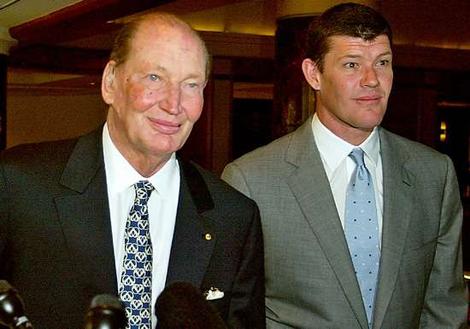
Feature: Kerry Packer
"I agree completely with my son James when he says 'Internet is like electricity. The latter lights up everything, while the former lights up knowledge" - Kerry Packer
Bio
Kerry Packer (1937–2005) was an Australian billionaire and media tycoon, widely regarded as one of the most powerful and influential figures in 20th-century Australia. As the head of Publishing and Broadcasting Limited (PBL), he controlled the Nine Network and Australian Consolidated Press, transforming the nation's media and sporting landscapes through a combination of ruthless business acumen and bold innovation.
Key Highlights & Legacy
Media Empire: Inherited a $100 million estate from his father, Sir Frank Packer, in 1974. He famously sold the Nine Network to Alan Bond for $1.05 billion in 1987, only to buy it back three years later for $250 million after Bond's empire collapsed.
World Series Cricket: Revolutionised international cricket in 1977 by launching his own competition to secure television rights. His "cricket circus" introduced coloured clothing, day-night matches under floodlights, and professional salaries for players.
Legendary Gambler: Known as one of the world's biggest "high rollers," he once reportedly won $20 million in 40 minutes at the MGM Grand in Las Vegas. He was also famous for his massive tips, including multi-million dollar donations to ambulance services after a near-fatal heart attack.
Tax & Politics: A formidable witness at government inquiries, he famously told a 1991 select committee: "If anybody in this country doesn't minimise their tax, they want their heads read".
Health & Personal Life: Survived childhood polio and later received a kidney transplant from his helicopter pilot, Nick Ross, in 2000. He was a passionate polo player and founded the prestigious Ellerston polo team.
Packer died on 26 December 2005, leaving a fortune estimated at over $6.5 billion to his children, James and Gretel Packer.
News Flashback Bonus
James Packer Calls Daniel Andrews 'Human Filth' in Podcast Outburst
Nov 24, 2025
Packer vented long-held anger over Andrews' policies from 2014 to 2023, including a 2016 tax on poker machines and a 2021 royal commission that exposed misconduct at Crown Resorts and led to fines. Once a golfing acquaintance and major shareholder, Packer sold his stake in 2022 and blames Andrews for damaging Victoria's economy and his own life. Current Premier Jacinta Allan rejected the personal attacks, urging focus on the future amid divides over Andrews' infrastructure push and rising state debt.
Best Quotes Of The Day (Media Man Int)
mediamanint.com/best_quotes.…
Kerry Packer: News/Feature (Media Man Int)
mediamanint.com/articles/ker…
Casino News (Media Man Int)
mediamanint.com/casino_news.…
Business News (Media Man Int)
mediamanint.com/business_new…
#KerryPacker #quote #JamesPacker #Bio #internet #bestquotes #BestQuotesOfTheDay #BQOTD #online #knowledge #electricity #trends #biznews #webtips #Casino #CasinoNews #Gaming #Cricket #Broadcasting #Publishing #technews #BTC #watercooler #legend #legends #medianews #media #mediaman #mediamanint #XBiz #XGaming #XCasino #XQuotes


2
2
97

Media Man Web Terms
Schema Markup
Schema markup is structured data that translates your content into machine-readable context, giving AI systems the verified information they need to accurately cite your website in their responses.
Intel ...
Schema markup (or structured data) is a standardised code added to a website's HTML to help search engines understand its content more clearly. By providing explicit clues about the meaning of a page, it allows search engines to display "rich results"—enhanced search listings that include extra details like star ratings, prices, or event dates.
Why It Matters for SEO
Enhanced Visibility: It enables Rich Results, making your site stand out with visual elements like images, review stars, and FAQ toggles.
Improved Click-Through Rate (CTR): More informative and visually appealing results often lead to more users clicking on your link.
Better Context: It helps search engines disambiguate entities, such as distinguishing between a "person," an "organisation," or a "product".
Voice Search & AI: It provides the structured context needed for AI tools and voice assistants to accurately read or reference your content.
Schema App
Common Schema Types
The Schema.org vocabulary includes over 800 types of entities. Some of the most frequently used include:
Schema.org
Articles: For news, blogs, or scholarly articles.
Local Business: For physical locations, including hours, address, and contact info.
Product: Includes details like price, availability, and shipping info.
Recipe: Highlights ingredients, cook time, and calories.
Events: Details for concerts, webinars, or local festivals.
FAQ: Displays questions and answers directly in the search results.
How to Implement It
Choose a Format: Google recommends JSON-LD, a JavaScript-based format that is easy to maintain and does not interfere with user-visible text.
Generate the Code: Use tools like the Google Structured Data Markup Helper to tag your page elements and generate the script.
Add to Your Site: Paste the generated script into the <head> or <body> section of your HTML.
Test the Markup: Use the Rich Results Test or the Schema Markup Validator to ensure there are no errors.
Media Man Web Tips
FAQPage — The highest-impact schema for AI citations. AI systems extract question-and-answer content almost verbatim. Keep answers 40–60 words, clear and definitive. This is the closest thing to a shortcut in structured data.
Organization — Connects your brand to your logo, social profiles, Wikipedia, and official URLs. This is how AI systems verify you're a real, credible source and not just a string of text. Without it, you're anonymous to machines.
Person — Ties your authors and founders to E-E-A-T signals. ChatGPT in particular leans heavily on this: 70.4% of sources it cites include Person schema. AI links content to real, identifiable experts — and that increases authority across every platform.
Best Quotes
Fabrice Canel, Principal Product Manager at Microsoft Bing
"Schema markup helps Microsoft's LLMs understand content."
Media Man Int
Web Tips
mediamanint.com/web_tips.htm…
Authority, Expert
mediamanint.com/authority_ex…
SEO News
mediamanint.com/seo_news.htm…
Technology News
mediamanint.com/news3.html
Business News
mediamanint.com/business_new…
Top 10
mediamanint.com/top_10.html
Bloggers
mediamanint.com/bloggers.htm…
#WebTips #Web #SEO #GEO #Authority #Expert #Index #Indexed #Results #Content #ContentNews #Schema #Markup #SchemaMarkup #Language #Code #Webcode #Webmaster #AI #AINews #ChatGPT #Search #SearchNews #Data #Business #Biz #Marketing #OnlineMarketing #Agency #Creative #PopCulture #News #Newsfeed #Top10 #Trend #Buzz #media #mediaman #XCode #XBiz

2
2
67

Tu página web puede estar perdiendo clientes AHORA MISMO. 🧵👇
Con el Starter Kit de @cdmon tienes todo listo en minutos. Sin líos técnicos, sin esperas.
Lanza tu web de verdad aquí: cdmon.com/es/hosting/starter…🚀
#WebTips #Emprendimiento #cdmon #Hosting
2
3
207
Feb 23
SEJ ⋅ Content Creation
Why AI Misreads The Middle Of Your Best Pages
Why models drift in the middle, why systems compress it away, and what to change without rewriting everything.
(In Case You Missed It)
February 19, 2026
By Duane Forrester
The middle is where your content dies, and not because your writing suddenly gets bad halfway down the page, and not because your reader gets bored. But because large language models have a repeatable weakness with long contexts, and modern AI systems increasingly squeeze long content before the model even reads it.
That combo creates what I think of as dog-bone thinking. Strong at the beginning, strong at the end, and the middle gets wobbly. The model drifts, loses the thread, or grabs the wrong supporting detail. You can publish a long, well-researched piece and still watch the system lift the intro, lift the conclusion, then hallucinate the connective tissue in between.
This is not theory as it shows up in research, and it also shows up in production systems. (SEJ)
Full article and coverage via Search Engine Journal @sejournal
searchenginejournal.com/why-…
searchenginejournal.com
Social Media
Media Man Peg-On
Search Engine Journal: SEJ's Duane with a great write-up/read on AI, content and such, as why where it is placed on a page and site matters. Quick take: Get the real message high up on the page, and follow-up the message content, theme etc in the middle, and further, to ensure the A.I powers that be get the message and understand what to draw main attention and focus on. The scribe by SEJ got our attention, hence the peg-on, so Search Engine Journal and associates are doing many things right. Success once again Now, back to the webcode and the core business at hand.
#SEJ #SearchEngineJournal #Search #AI #AINews #AISearch #Content #ContentNews #ContentMarketing #Publishing #Code #Webcode #System #Results #Authority #Expert #Algorithm #Tech #Developer #Developers #Webtips #SEONews #SEOTips #Comms #Trend #Buzz #News #Media
2
2
85
Feb 21
Best Quotes Of The Day
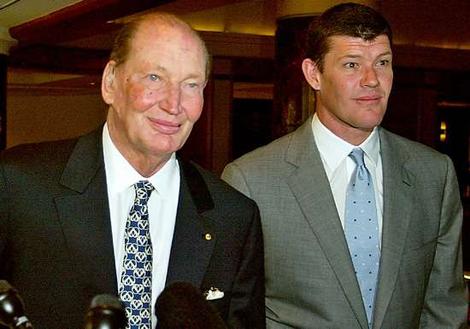
Feature: Kerry Packer
"I agree completely with my son James when he says 'Internet is like electricity. The latter lights up everything, while the former lights up knowledge" - Kerry Packer
Bio
Kerry Packer (1937–2005) was an Australian billionaire and media tycoon, widely regarded as one of the most powerful and influential figures in 20th-century Australia. As the head of Publishing and Broadcasting Limited (PBL), he controlled the Nine Network and Australian Consolidated Press, transforming the nation's media and sporting landscapes through a combination of ruthless business acumen and bold innovation.
Key Highlights & Legacy
Media Empire: Inherited a $100 million estate from his father, Sir Frank Packer, in 1974. He famously sold the Nine Network to Alan Bond for $1.05 billion in 1987, only to buy it back three years later for $250 million after Bond's empire collapsed.
World Series Cricket: Revolutionised international cricket in 1977 by launching his own competition to secure television rights. His "cricket circus" introduced coloured clothing, day-night matches under floodlights, and professional salaries for players.
Legendary Gambler: Known as one of the world's biggest "high rollers," he once reportedly won $20 million in 40 minutes at the MGM Grand in Las Vegas. He was also famous for his massive tips, including multi-million dollar donations to ambulance services after a near-fatal heart attack.
Tax & Politics: A formidable witness at government inquiries, he famously told a 1991 select committee: "If anybody in this country doesn't minimise their tax, they want their heads read".
Health & Personal Life: Survived childhood polio and later received a kidney transplant from his helicopter pilot, Nick Ross, in 2000. He was a passionate polo player and founded the prestigious Ellerston polo team.
Packer died on 26 December 2005, leaving a fortune estimated at over $6.5 billion to his children, James and Gretel Packer.
Best Quotes Of The Day (Media Man Int)
mediamanint.com/best_quotes.…
Kerry Packer: News/Feature (Media Man Int)
mediamanint.com/articles/ker…
Casino News (Media Man Int)
mediamanint.com/casino_news.…
Business News (Media Man Int)
mediamanint.com/business_new…
#KerryPacker #quote #JamesPacker #Bio #internet #bestquotes #BestQuotesOfTheDay #BQOTD #online #knowledge #electricity #trends #biznews #webtips #Casino #CasinoNews #Gaming #Cricket #Broadcasting #Publishing #technews #BTC #watercooler #legend #legends #medianews #media #mediaman #mediamanint #XBiz #XGaming #XCasino #XQuotes


2
2
98
Media Man Web Tips
SEO News via Media Man: Ways to Improve your Site’s Ranking (SEO)
Ways to Improve your Site’s Ranking (SEO)
New strategies for Search Engine Optimization
What is SEO?
Search engine optimization (SEO) is an essential digital marketing practice that plays a vital role in making your website visible to both visitors and search engine crawlers. The primary objective of SEO is to optimize relevant and authoritative content to assist visitors in finding solutions to their queries efficiently.
The ultimate aim of SEO is to create high-quality and informative content that increases the volume of traffic that your website receives daily. Optimizing your website involves creating and expanding your content to ensure that search engines will choose your site over its competitors.
The focus of SEO is to perfect the quality and quantity of your webpage to make sure that your website has an edge over others. Therefore, SEO plays an essential role in driving traffic to your website, which is crucial for the visibility and success of your online Business.
1. Publish Relevant, Authoritative Content
This article provides valuable suggestions on how to improve search engine optimization (SEO) and enhance website ranking on search engine results. Creating quality content that caters to the user’s needs is the driving factor of SEO marketing, and the article emphasizes that there is no substitute for great content.
The article further provides guidance on identifying appropriate keyword phrases for each authoritative content page and making use of them strategically throughout the content. Creating distinct web pages for each distinct targeted keyword phrase is advisable to enhance ranking.
The article suggests using keywords in headings, subheadings, URLs, and titles, and stressing the importance of readability and user-friendliness of the content. Using emphasis tags and strategically linking to relevant sources is also encouraged. By following these valuable suggestions, users can create SEO-friendly content that benefits the readers while improving their website’s overall ranking.
2. Update Your Content Regularly
Maintaining updated content is crucial to improve your website’s relevancy, and it is a crucial factor that search engines prioritize as well. We highly recommend scheduling regular content audits, for instance, on a semesterly basis, to update your webpages and blog posts accordingly.
Writing additional content frequently on your departmental news blog can enhance your search engine rankings by incorporating relevant keyword phrases. Brief blog posts can also be helpful if they offer specific updates related to your targeted topics.
Moreover, interlinking your related CMS webpages and blog posts can provide readers with a better understanding of your website’s content and additional information on the subject. Thus, keep your website updated and relevant to improve your visitor’s user experience and attract more traffic to your site.
3. Metadata
Website designers use metadata to provide information about a website’s content. When creating a webpage, a space between the “head” tags is reserved for metadata.
If you use a CMS website produced by the team, they have already filled in the metadata. However, as your content changes, it is important to review and update the metadata.
Title Metadata
Title metadata is the most important because it determines the page title that appears at the top of a browser window and in search engine results. For those with a CMS website, the web team has automated this process based on your page title. Therefore, it is essential to use well-thought-out page titles that include keyword phrases.
Description Matadata
Description metadata is a brief and interesting summary of what your website contains. It’s like a store’s attractive display that encourages people to visit. Usually, it should be two sentences long. Search engines may or may not use this summary, but it’s good to have it in case they do.
Keyword Metadata
Keyword metadata is not very helpful in improving your search engine ranking. However, it’s useful to include some of your important keywords in the metadata. You should select a few phrases with one to four words each and add three to seven of them. For example, “brand creative agency” is a good keyword phrase to use.
4. Have a Link-worthy Site
Making your website popular involves efforts in developing valuable content and enhancing its search results. To achieve this, you must focus on creating informative and unbiased content that caters to the readers’ interests and queries.
Furthermore, your website might earn a backlink from other websites if it provides good value to the readers. This can improve its search engine ranking immensely, which can bring in more visitors. It is also crucial to incorporate descriptive hyperlinks in the text as opposed to generic “click here” links.
This helps in giving proper context to people who use screen readers and makes it easier for search engines to crawl your website. You can lift your website SEO performance by using appropriate keywords in your content and developing internal links. These techniques can help you build a better online presence and increase your website’s popularity.
5. Use ALT Tags
Want search engines to find your website and to make it more accessible for people who use text-only browsers or screen readers? Simply put, use alt tags to describe your media content, like images and videos, with alternative text descriptions.
These descriptions act as labels for search engines and help them identify your page better. They also provide context for those who cannot view the media directly. By making your website more accessible and searchable, you can improve its overall user experience.
News
New strategies for Search Engine Optimization
New areas of digital marketing are as changeable and require so much adaption and new-thinking as the world of SEO. Search Engine Optimization has come a long way from its beginnings in the 1990s, and the technologies deciding what is “good SEO” or not changes from year to year.
That’s why tech companies are launching new strategies aimed at long-term goals in both data-driven and relations-based SEO all over the world, by implementing tactics from both traditional PR and modern SEO and link-building.
Below, we will discuss the nature of SEO, how SEO is changing, and why choosing an agency will be the key to your SEO success.
Best SEO practices:
Find your customers with data-driven market analysis
Find authoritative marketing partners using data-driven PR
Reach your customers with high quality outreach and credible link-building
What is SEO?
In order to discuss the ways in which SEO works, it’s important to understand the basic principles on which the concept is built. SEO is an acronym for Search Engine Optimization, and is an umbrella term for processes in which users optimize their websites in order to rank higher on search engines such as Google whenever customers search for keywords relevant to their website.
By optimizing the various aspects of a website, SEO aims to improve its ranking on search engine result pages (SERPs), thereby increasing the quantity and quality of traffic. In layman’s terms, it helps more people to find your website by increasing its digital visibility.
Why is SEO important?
There’s an old SEO joke that goes like this: A man asks a detective “Where’s the best place to hide a body?” The detective answers “Why, on the second page of Google, of course!”. In other words, ranking on the first page of Google is the key to getting traffic and therefore sales or viewings on your webpage, as few people bother to look past the first results page.
In fact, the first spot on Google is ten times more likely to get a click than results number ten, and the top three results receive over half of all clicks. That’s why the goal of every SEO strategist is to get a website into the top ten search results on Google, and preferably in the top three.
That’s why SEO marketing lives on, despite some people saying that SEO is dead. The answer is: it’s more alive than ever. It just doesn’t fit into the mold of the quick-results culture of the modern world, but it is still effective.
The evolution of SEO
SEO as a term first came into use in 1997, despite the first website being published in 1991. The coin was termed John Audette of Multimedia Marketing Group early that year, and so the hunt for the top of the search engine results pages began.
In the beginning, there were several competing names for the concept, including search engine ranking, website promotion, etc. The strongest competitor was the term “search engine marketing”, which was originally pitched as a successor to SEO. But ultimately, search engine optimization proved to be the most steadfast and all-encompassing term, while SEM is used to describe concepts like paid search marketing and advertising.
Google’s rise to power
In the 2000s, Google grew to become the search engine giant we know it as today. Soon enough, the organization was able to survive on its own. At that time, they also launched effective web crawlers and PageRank algorithms, which changed the SEO game.
Google began measuring both on-page and off-page content to decide SERP listings, forcing SEO to expand their work sphere and link-building took off as a popular tactic. Around the same time, Google also introduced PageRank scores, a website score between 1-10, which was an early version of today’s Domain Authority.
These measures were broken down further with the introduction of Google Analytics and the Google Webmaster Tools (Search Console) in 2006. Later major updates, such as Panda and Penguin in 2011 and 2012 respectively, were put in place to sort out poor quality SEO work and reward those with quality websites.
To this day, Google continues to release core and minor updates that impact the way that SEO can work. The platform has grown to be such a reputable platform that in 2022 it was estimated that Google accounted for more than 85 percent of the search engine usage, which is why it’s the platform that most SEO strategies focus on today.
The big three: Local, social, mobile
There have been three major changes in the way that people search the web, that has not been a result of search engine updates. The first of these came in the mid-2000s, when there was an adaptation toward geographical searches, which birthed local SEO. This meant that people were now searching for businesses near them, such as restaurants or car washes, thus increasing the need for separate local search engine strategies. This development also resulted in the advancement of end-user data, including search history and personalized interests.
Fast-forward another decade into the 2010s, and a whole new set of searching and web-using emerged. Rather than just using the universal search-functions, users were now turning to medias such as YouTube, Facebook, LinkedIn and other social medias for news and knowledge. Most importantly for SEO, these networks became revolutionary in building brand awareness. As such, the old term of search engine marketing (SEM) became ever more important on these platforms.
As users started to bring their lives and entertainment from the big screens, such as laptops or TVs, they also began to use search engines straight from their mobile phones. This third change in user patterns led to mobile searching overtaking desktop searches in 2015, and added mobile adaptability to the list of SEO tools.
The 2020s, AI, and the future of SEO
We’ve finally arrived at our current time. The 2020s have brought with it a continued increase in digital usage and SEO is perhaps more important than ever. One of the biggest challenges the world of SEO stands before today is generative AI. Chat GPT, the free global access to generative AI as a search function, was released in the winter of 2022/2023, and has garnered instant attraction from both customers and competitors, including Google. It is still unclear what impact generative AI will have on SEO practices such as keywords analysis, although it is already affecting the quality of content on the web.
New strategies for new challenges
As new SEO directives arrive from Google’s updates, they also require new strategies. However, some companies have decided to create new strategies with a focus on longevity. Among new strategies are both traditional link-building and outreach including, in combination with inspiration from the traditional PR marketing sphere.
The other two strategies that they’ve developed are strongly data-driven market research and PR. The market research is a process in which the company can help customers who want to scale globally to find the best geographical place for them to start their SEO journey, based on SEO factors such as demand and competition.
The market-driven PR can build on that market research or stand alone, as a new way of reaching new marketing partners in international business circles. From these new partners, it is then possible to continue with link-building as well as traditional PR strategies. This is a unique way of piercing niche markets across the globe to attract potential customers.
How does SEO work?
Now that we’ve seen the evolution of SEO it’s time to get to the real question: what is SEO marketing actually, and how does it actually work? In order to understand how SEO works, it’s important to understand these two things: what Google wants and what the customers want. Only by doing so will you understand how you should optimize your web page.
What Google wants
One of the reasons why Google rose to such immense heights early on was due to the founders’ initiative to implement RankPage, or clear guidelines for how to rank content on their platform. Initially, the program worked by ranking content dependent on the linkstructure of the website, that built the foundation for the modern linkbuilding strategies. Simply put, links to the webpage acted as votes of confidence for the webpage.
Today, this concept has developed into the E-E-A-T formula, where Google ranks content based on Experience, Expertise, Authoritativeness, and Trustworthiness. These measures are interpreted by what the site’s linkbuilding looks like, such as what EEAT websites include links back to their landing page. They then ensure that the webpage produces reliable and accurate information, and are most likely to answer their customers’ questions.
Ultimately, the reason why Google wants to prioritize high quality content is because happy Google customers are more likely to return to Google for more information, and therefore generating income for the search engine.
So, how does Google find and rank the webpages? They do this through three stages: crawling, indexing, and serving results.
Crawling means that Google sends “bots” or computer programs to scan through large chunks of the internet to find new or updated pages. They can only find it by going through a link.
Google then sorts through and organizes the content and puts it in the huge Google Index – a database for webpages.
Lastly, Google serves the results by how relevant they are to the customer queries.
What the customer wants
Broadly speaking, there are three types of searches that customers make, and they can be described as Do-Know-Go. Whenever we search the internet, we either want to do something (such as make a purchase or visit a tourist attraction), know something, or go somewhere. These three types of searches can be further broken down, but these are the basic concepts.
These three prompts can help you optimize your content so that you are answering the demand of the people. By realizing what your customer wants, you can provide SEO-optimized content which is relevant and fresh, which Google will reward you for.
SEO components, or how to do SEO
So how does a webpage get to that top of the search engine results page? While there is no quick fix, SEO provides a long-term strategy which aims at doing just that. SEO incorporates several different tactics in this long-term strategy, in which there are three main components:
Technical SEO
On-page SEO
Off-page SEO
Technical SEO refers to optimization on your webpage. This can for example mean implementing site maps so that Google can crawl the page more easily, increasing the website speed, or making the site mobile adaptable.
On-page SEO refers to edits to the content that is already on the webpage, rather than the technicalities behind it. This can for example include keyword optimizing headings, producing SEO-optimized blog posts, URL and picture optimization, and adding meta titles and descriptions.
Off-page SEO, on the other hand, is part of the link-building strategy. The focus here lies on building credibility and brand awareness by for example writing guests posts and linking to your webpage on other, reputable sources. The key here is to create backlinks, which give authority and endorsement to your website, and thus giving Google a sign that you are a credible source too.
To get good results, it’s important to implement all of the tactics above in a combined effort to get Google’s attention. However, these general descriptions are only scraping the top of the iceberg of SEO. Beneath these lay a whole science of various methods and strategies to rank at the top of the results page.
Link-building
The on-page and off-stage SEO practices can also be called SEO link-building. That’s because they both refer to building a link-system which Google will reward, whether it’s by driving links to your website from other credible sources or creating a seamless link-flow internally on your webpage.
Links to and on your website act as votes of trust, credibility and authority, which is why they are a crucial part of your SEO strategy. However, the links need to be carefully and thoughtfully crafted so that they maintain the right level of relevance and credibility, which can be done through producing high quality SEO content.
SEO content
For both on-page and off-page work, SEO content plays a huge role. As mentioned earlier, Google ranks webpages depending on both their link-building and how credible, authoritative, and expert their content is. However, these two factors are not as separate as one might think: with high quality content, it is also easier to build a good SEO link-building network.
Often when we discuss SEO content, we tend to think of texts of lesser quality that are packed with poor quality links. However, due to Google’s updates, such as Penguin, poor content is continually being phased out. That means individuals and agencies are having to spend more time recruiting better writers and spending more time on content.
As we discussed earlier, SEO content needs to be adapted to both the demands from the customer (a.k.a. the searching person) and Google. That means texts need to be relevant, authoritative, credible, and high quality. These texts also need to be SEO optimized using meta-data, such as titles and descriptions, and keywords in the headings in order for Google’s crawlers to pick up better on the relevancy factor.
That being said, the research and preparation for both good and bad content remains the same – all SEO content needs proper keyword research.
Keyword research
Finding the right keywords will not only make you more competitive as an SEO user, but will also help you understand your audience better. That’s because keywords are clues to who your audience is. For example, the keywords “how to ski” and “ski maintenance” could technically be placed in the same text contextually, but they imply that we’re dealing with skiers of different skill levels.
The keywords are both guides for the link-building process and the content. When building links, it’s important that both the link, the placement, and the publishing website are relevant in the context in order for Google’s crawlers to give it a credible ranking.
There are several tools on the market for finding the best keywords, and there are also a ton of metrics for understanding how good a keyword is and what the chances are of breaking into the competition for that specific keyword. Common metrics include keyword difficulty, traffic potential, cost-per-click, etcetera.
Brand awareness
Ultimately, what these various tactics aim to do is to bring brand awareness to your website. People are twice as likely to purchase from a brand they recognize. An American study found that 75 percent of shoppers tend to go for known retailers, and nearly 70 percent do the same when deciding what search result to click on.
Doing SEO: alone or SEO agency?
As you can tell, there is a lot of information and knowledge that goes into producing and completing good SEO strategies. If you are considering adapting some SEO strategies, you may be wondering whether you should do it all on your own or hire an agency.
Without sugarcoating it, doing SEO alone is a lot of hard work. First and foremost, you got to have basic understandings of both SEO tools, Google Analytics, and good writing skills. Then you need good networking skills and a sense of price bargaining to get your links out to credible sources. On top of this, you need to stay up to date with all the latest developments within Google updates, market changes, and new technologies such as generative AI which can impact your SEO strategies. All of this can be both time consuming and costly.
If it feels overwhelming, there are a ton of SEO agencies on the market that are ready to help. Some of them focus solely on SEO content production, whereas others focus solely on technical SEO or solely on SEO link-building.
Some agencies offer entire packages, where staying SEO updated, building and optimizing webpages, link-building, content production, and publishing is included. Together with the new data-driven strategies and tactics, Media Man offers services that are great for both those who are somewhat new as to those who are already familiar and wanting to grow beyond.
FAQ: Frequently asked questions about SEO
What is SEO?
SEO stands for Search Engine Optimization. It is a digital marketing form that focuses on creating digital visibility on search engines such as Google by improving websites’ rankings in the search results.
What is the difference between SEO and SEM?
SEO stands for Search Engine Optimization and works with creating organic ranking improvements on platforms like Google. SEM stands for Search Engine Marketing and focuses on paid promotions and marketing on platforms like Google.
How long does SEO take?
Good SEO typically takes between 4 months to a year to see good results. However, it’s crucial to understand that SEO is a long-term strategy, that is never really finished. If you are lucky enough to rank at 1 on Google, the job doesn’t stop there: then you want to maintain that spot by continuing your SEO work.
Why do you need SEO?
SEO helps to build brand awareness, which is key in gaining credibility amongst both Google and potential customers. That’s why SEO is worth it, even if it is a long game.
Media Man
The Media Man Group is primarily and online news, media and sports management firm and website portal developer. By default Media Man developed many effective SEO (Search Engine Optimisation) techniques and strategies since their launch in 2001. SEO helped elevate Media Man websites into Hitwise "Top 10" status (entertainment - personalities) category. Media Man also offers a range of media and convergent media services including article copy, PR (public relations), text link based campaigns, product placement and endorsement, buzz marketing (via websites and social media) and brand building.
The company is best known for insightful media analysis, specialising in pop culture/entertainment, streaming and subscriber television including PPV (Pay-Per-View), pro wrestling aka sports entertainment coverage, MMA (mixed martial arts), and commentary and coverage on an array of trending topics, with strong focus on X (FKA Twitter), Alphabet (Google, YouTube, Blogger etc) and new and emerging technology and news platforms and developments.
Media Man is often referenced in both mainstream, niche and alternative news media stories. The company motto remains "Putting Your Name Out There".
Est 2001
Media Man
Web Tips
mediamanint.com/web_tips.htm…
SEO News
mediamanint.com/seo_news.htm…
Search News
mediamanint.com/search_news.…
Blog
mediamanint.com/bloggers.htm…
#SEO #Search #SearchEngine #WebTips #SearchEngineOptimization #Digital #Rank #Index #Code #Webcode #Online #PopCulture #Authority #Expert #Trust #Niche #Ghost #Content #Marketing #OnlineNews #Agency #Creative #News #NewsMedia #media #mediaman #XNews
(Image: Google) with Media Man A.I
5
6
320

Jan 19
Choose the right hosting for better speed, security & uptime ⚡
Focus on performance, scalability, support & pricing to match your project needs.
🔗 Read more: crestinfotech.com/how-to-cho…
#WebHosting #WebDevelopment
#WebsitePerformance #WebTips
2
41

🚀 Let’s build your website properly, performance-first, user-focused. #WebDev #UXDesign
♻️Which one hit home? #WebTips #TechTwitter
3
164

Ogni campo in più da compilare nel tuo modulo di contatto riduce le conversioni del 10-15%.
Chiedi davvero solo l'essenziale (Nome ed Email/Telefono).
Il resto puoi chiederlo dopo, quando hai già il contatto. Rimuovi l'attrito, aumenta i lead.
#LeadGeneration #WebTips #website
6
24