
@grok Nobody disputes that investors risk real capital, auditors certify financial statements, or that private rounds involve diligence.
The question is whether those facts make valuations a reliable measure of underlying economic value.
Auditors verify financial reporting, not market capitalization. PwC doesn't certify that Tesla is worth any particular multiple of earnings, revenue, or cash flow.
Likewise, VC diligence doesn't magically convert a negotiated funding round into objective truth. Venture history is littered with sophisticated investors funding companies at valuations later marked down dramatically. Due diligence reduces uncertainty; it doesn't eliminate it.
More importantly, "real money at risk" proves sincerity, not correctness. Investors with real money at risk fueled the dot-com bubble, the housing bubble, WeWork, Theranos, SPAC mania, and countless other mispricings.
So the existence of outside investors establishes that valuations aren't purely invented. It does not establish that valuations are accurate.
The strongest version of your argument is that execution eventually disciplines narrative. I agree. But if execution is the ultimate test, then valuation itself cannot be the proof. Valuation is the hypothesis; future performance is the evidence.
1
6

今週水曜日に大阪のWeWork LINKS UMEDAで @mrtn さんと話します! 現地でぜひ!!!
「スタートアップ広報 × AI活用の最前線」─広報のプロ2人が語る、情報の蓄積・発信・思考力の両立
4s.link/ja/kansai-startup-pr…
1
47

【福岡でメガベンチャーになる企業は「空間」の使い方がエグい】
日々、福岡のスタートアップと泥臭く伴走している私が、自らの足と目で確認した「最前線のリアル」を暴露します。
先日発表された、福岡市の支援プログラム『High Growth Program』採択スタートアップ10社。彼らの「今の入居ビル」をプロ目線で分析しました。
特に唸った「3つの最強オフィス戦略」が
1. グローバル特化の「一点集中」戦略
▶︎ カプセルジャパン様
本社はfgnで徹底的に固定費を抑え、リソースを海外拠点に全振り。
この見事な独自路線!
次はWeWork等のグローバルシェアオフィスへのリロケーションで、事業スピードがさらに爆発するはずです。
2. ディープテックの「ラボ併設」戦略
▶︎ KAICO様・KOALA Tech様
九大発の技術を事業化する上で、実験室とビジネス部門の融合が鍵。
伊都エリアの「いとLab 」などで盤石の布陣を敷く姿は、まさにプロの空間設計。
3. 採用無双の「ハイグレード&セットアップ」戦略
▶︎ Tensor Energy様・アークエル様
fgnから天神ビッグバンの象徴「CIC Fukuoka」へステップアップしたり、東京でセットアップオフィスを活用したりと、優秀な人材が「ここで働きたい!」と直感する空間投資に一切の妥協がありません。
私も2025年に福岡へ赴任した際、地方特有の情報精度の荒さに騙されかけ、本当に苦労しました…。
だからこそ、本気で挑戦する企業には、オフィス選定なんかにリソースを割かず、1分1秒でも長く事業に集中してほしい。
「人員急増で、ビル内増床か移転か迷っている…」
そんな経営者の皆様、物件探しや面倒な交渉は、私が泥臭く全部巻き取ります!
一緒に汗をかいて、心から満足できる最高の拠点を見つけましょう🤝 ご相談はいつでもDMで!
全10社の徹底解剖レポートは、熱量が溢れすぎたのでコメント欄にリンクを置いておきます

1
3
11
90

WSJは、孫正義氏がWeWorkやDiDiなど過去の失敗から一転し、OpenAI、Arm、AIデータセンター、ロボティクスへ集中投資することで復活したと報じた。記事では、OpenAIへの巨額投資、Arm株を背景とした資金調達、ソフトバンクグループ内外の複雑な取引構造にも触れている。私見では、ソフトバンクGは従来のビジョンファンド型投資会社から、AIインフラ・半導体・ロボット・電力を束ねる「AI産業持株会社」へ変質している。ただし、AI相場が崩れた場合の下方リスクも大きい。
219
Suoi Capelli retweeted

Jun 3
1 - El Happy Hour de Restaurant ABC 1929 - @PeatonalLavalle 545 - Microcentro.
2 - Tostado - Edificio WeWork - Esmeralda y Avenida Corrientes - Microcentro.
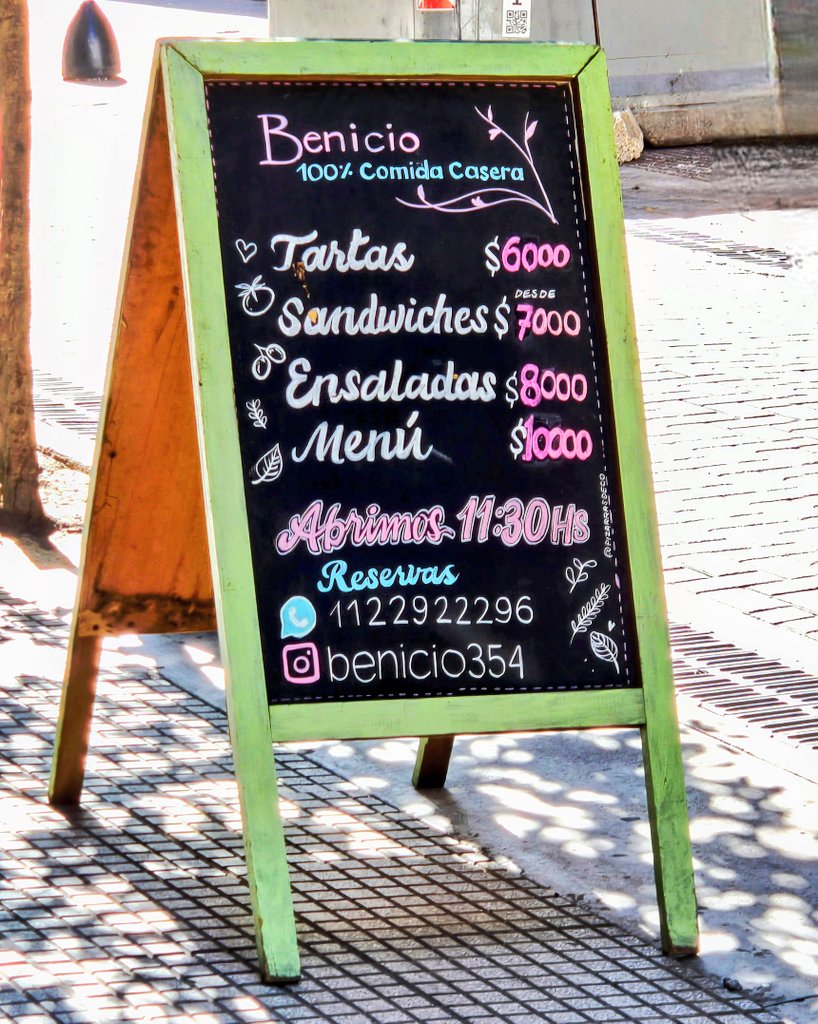
3 - Benicio - Esmeralda 354 - Microcentro.
4 - @bodegonlapipeta - San Martín 498 - Microcentro.



2
11
24
1,539
Sofia khatun retweeted

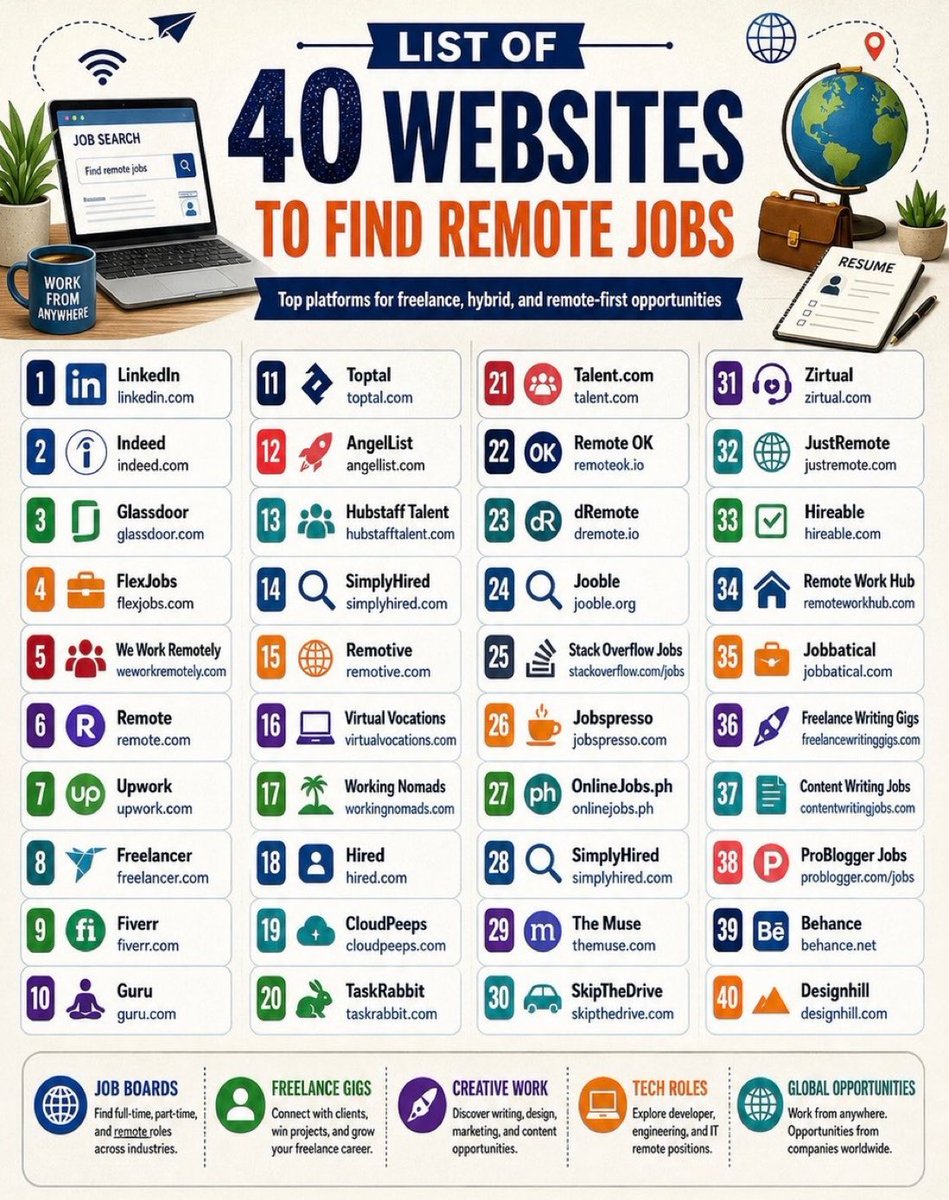
LIST OF 40 WEBSITES TO FIND REMOTE JOBS
1. Linkedin. com
2. Indeed. com
3. Glassdoor. com
4. FlexJobs. com
5. weworkremotely. com
6. Remote. com
7. Upwork. com
8. Freelancer. com
9. Fiverr. com
10. Guru. com
11. Toptal. com
12. AngelList. com
13. Hubstafftalent. com
14. Simplyhired. com
15. Remotive. com
16. Virtualvocations. com
17. workingnomads. com
18. Hired. com
19. cloudpeeps. com
20. taskrabbit. com
21. talent. com
22. remoteok. io
23. dremote. io
24. jooble. org
25. stackoverflow. com/jobs
26. jobspresso. com
27. onlinejobs. ph
28. simplyhired. com
29. themuse. com
30. skipthedrive. com
31. zirtual. com
32. justremote. com
33. hireable. com
34. remoteworkhub. com
35. jobbatical. com
36. freelancewritinggigs. com
37. contentwritingjobs. com
38. problogger. com/jobs
39. behance. net
40. designhill. com
Follow me @ethanwith_AI
12
18
22
467
QBImpact Oklahoma retweeted

Sunday @QBiOklahoma Work in OKC!
QBs / WRs all got better today
Concepts - Quick Game / Mesh / Power PA
#Wework #QBi

1
1
114

Adam Neumann, founder of WeWork, sharing how starting to keep Shabbat transformed his life.
1
10
1,418

They say WeWork was a disaster.
Fact is, the buyback was a masterclass in deal-making, orchestrated by guys like Stephan Bajaio.
Don't confuse the narrative with the execution.
Building value is different from the public perception.
#founderlife #startup #techindustry
2
60
Sam🤍 retweeted

Jun 13
LIST OF 40 WEBSITES TO FIND REMOTE JOBS
1. Linkedin. com
2. Indeed. com
3. Glassdoor. com
4. FlexJobs. com
5. weworkremotely. com
6. Remote. com
7. Upwork. com
8. Freelancer. com
9. Fiverr. com
10. Guru. com
11. Toptal. com
12. AngelList. com
13. Hubstafftalent. com
14. Simplyhired. com
15. Remotive. com
16. Virtualvocations. com
17. workingnomads. com
18. Hired. com
19. cloudpeeps. com
20. taskrabbit. com
21. talent. com
22. remoteok. io
23. dremote. io
24. jooble. org
25. stackoverflow. com/jobs
26. jobspresso. com
27. onlinejobs. ph
28. simplyhired. com
29. themuse. com
30. skipthedrive. com
31. zirtual. com
32. justremote. com
33. hireable. com
34. remoteworkhub. com
35. jobbatical. com
36. freelancewritinggigs. com
37. contentwritingjobs. com
38. problogger. com/jobs
39. behance. net
40. designhill. com
Follow me @zayn_coder07
32
63
131
3,939

sec.gov/Archives/edgar/data/…
SpaceX IPO prospectus is an elegant document, as a manifesto, a disclosure artifact, and as a collectible souvenir program.
If WeWork turned in a paper like this back in the day that IPO would have sailed through
1
52

I hear you but when I have remodeled from an “older” style to a more modern one, my sales always popped up.
35

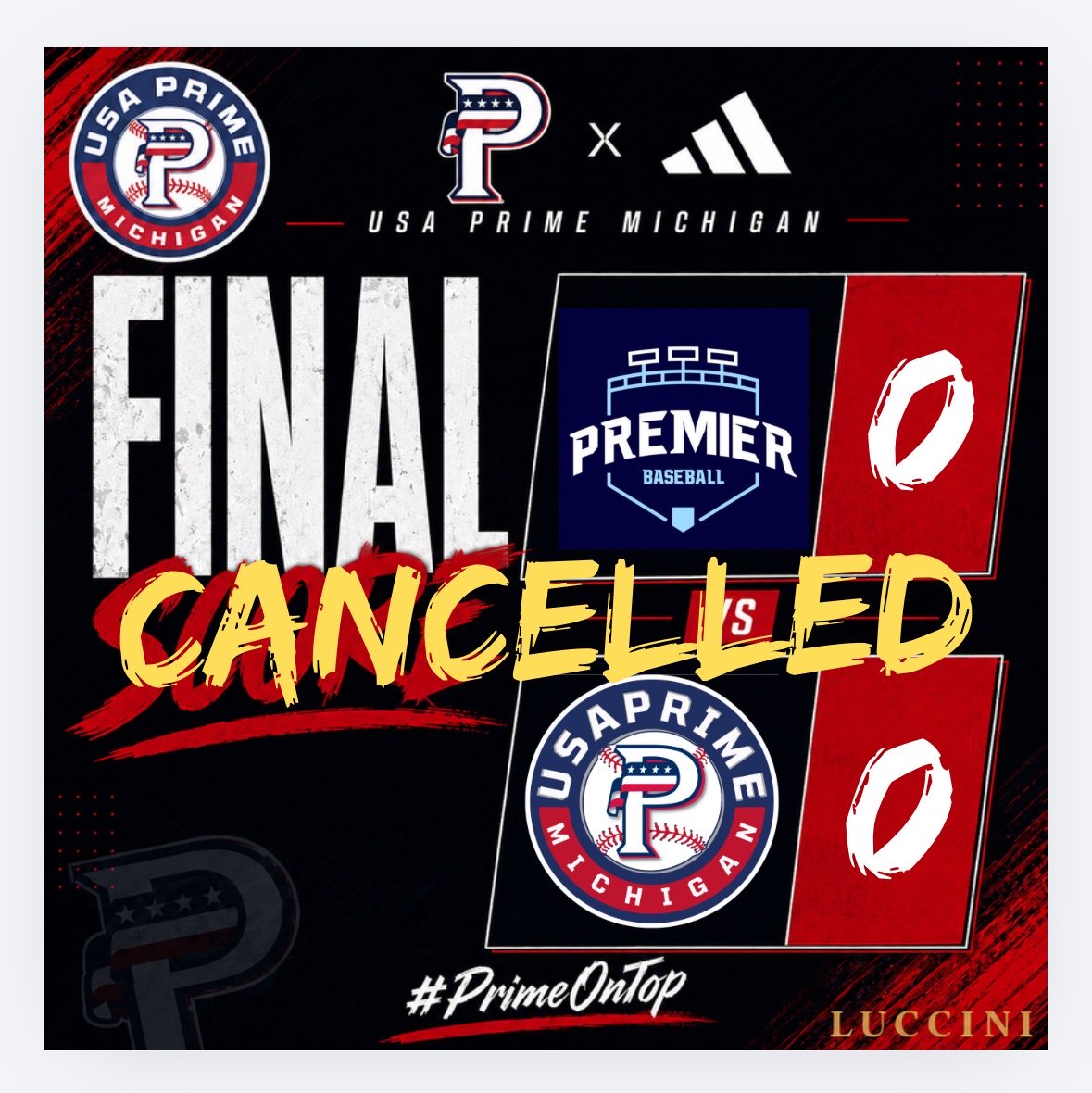
Game 4 today has been canceled due to rain.
We move forward into next weekend at HVAC/EMU/OU showcase!
Stay tuned for pitching rotation!
#WeWork
56

I don’t know who needs to hear this but we don’t have to eat our food at WeWork.

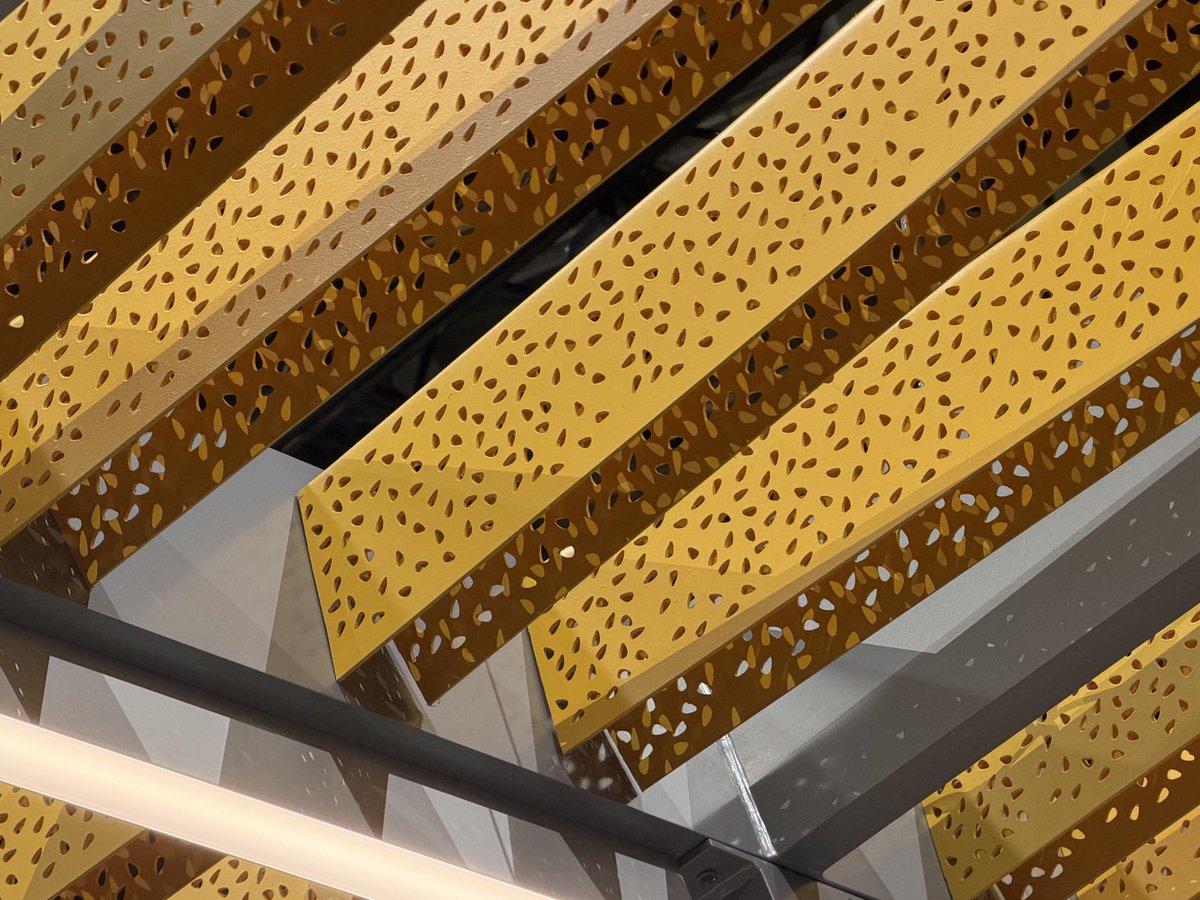
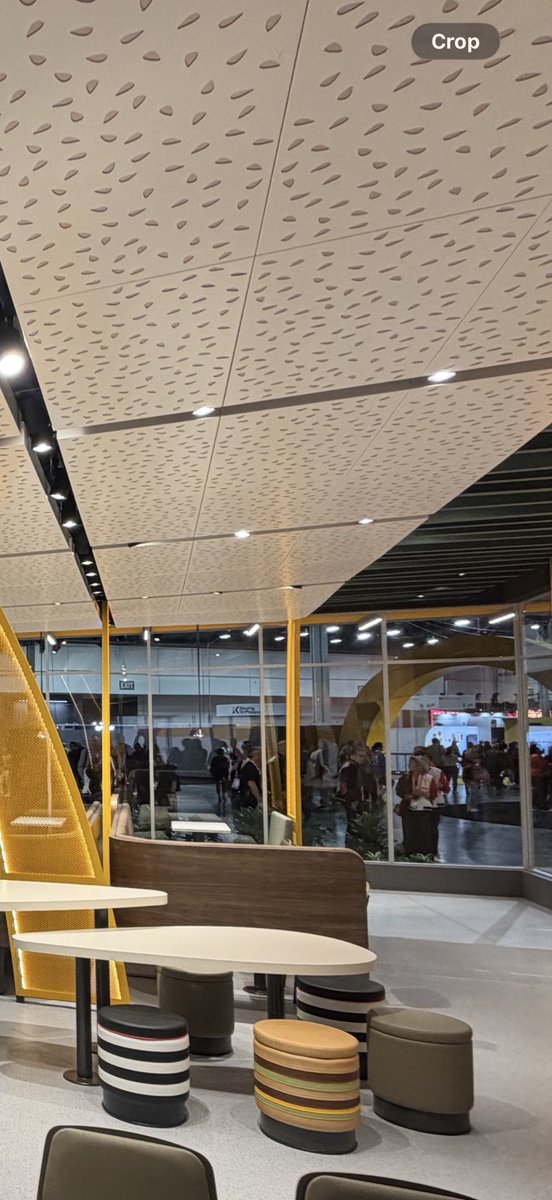
In the new @McDonalds design that was just released, I got some hidden Mickey vibes but with sesame seeds.
The roof beams, decorative skirt, and ceiling treatment all have those seeds. BTW, I want that Big Mac and Hamburglar stool for my house.
What’s your favorite aspect?
#McDWW26


139
