






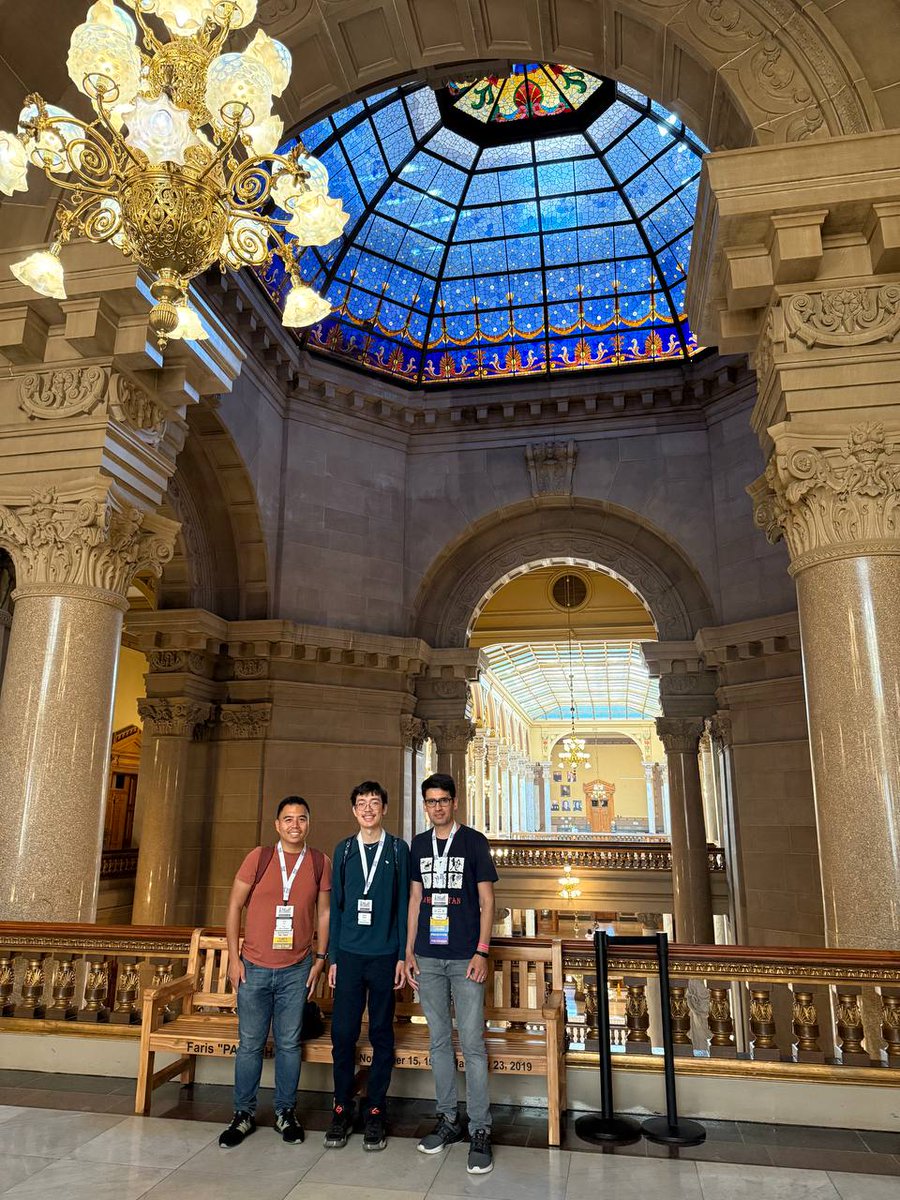
ALT Three individuals stand smiling inside the ornate Indiana Statehouse. Above them is a grand stained-glass dome with blue and gold accents. Large columns and decorative arches frame the background, with a golden chandelier hanging on the left. The interior features a blend of detailed stonework and golden railings.



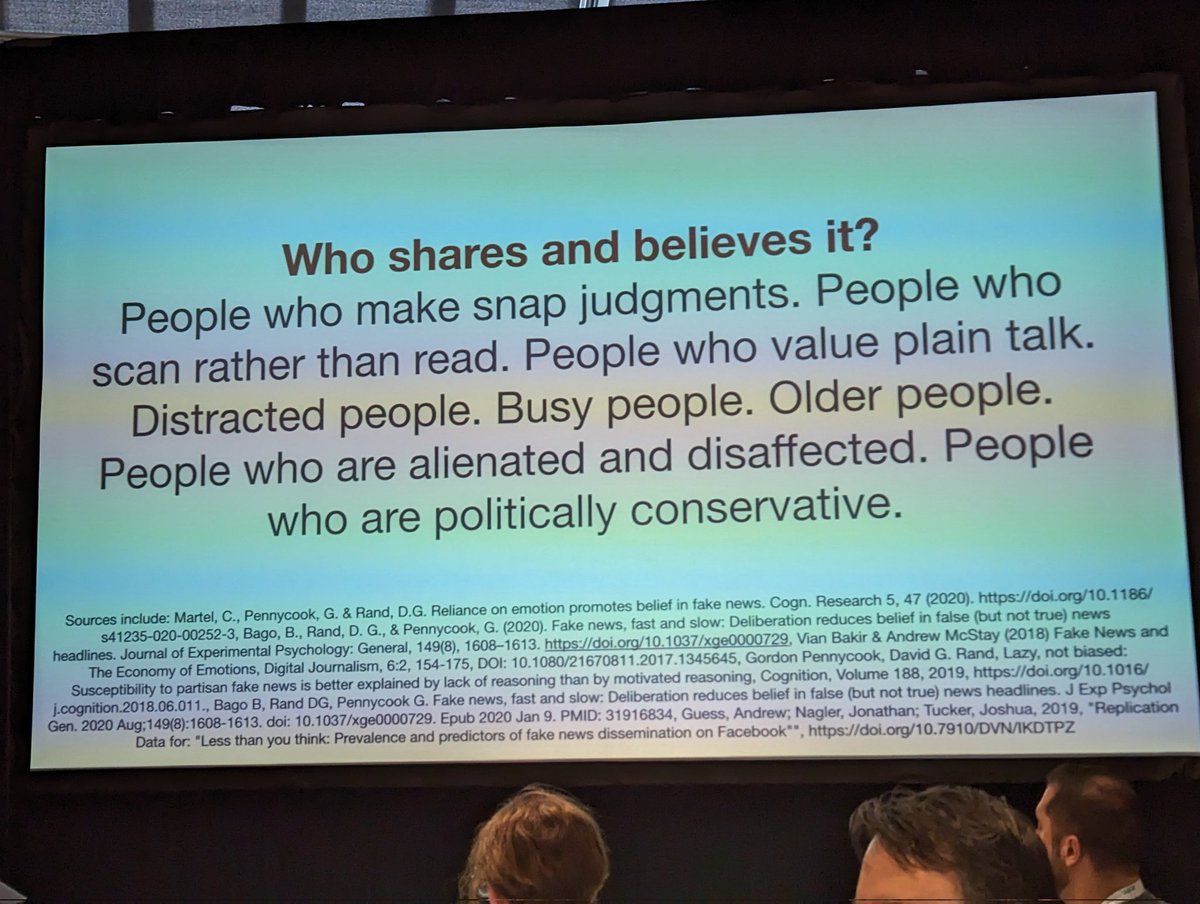
ALT Slide with the text: Who shares and believes it? People who make snap judgments. People who scan rather than read. People who value plain talk. Distracted people. Busy people. Older people. People who are alienated and disaffected. People who are politically conservative. Sources include: Martel, C., Pennycook, G. & Rand, D.G. Reliance on emotion promotes belief in fake news. Cogn. Research 5, 47 (2020). https://doi.org/10.1186/ $41235-020-00252-3, Bago, B., Rand, D. G., & Pennycook, G. (2020). Fake news, fast and slow: Deliberation reduces belief in false (but not true) news headlines. Journal of Experimental Psychology: General, 149(8), 1608-1613. https://doi.org/10.1037/xge0000729, Vian Bakir & Andrew McStay (2018) Fake News and The Economy of Emotions, Digital Journalism, 6:2, 154-175, DOI: 10.1080/21670811.2017.1345645, Gordon Pennycook, David G. Rand, Lazy, not biased
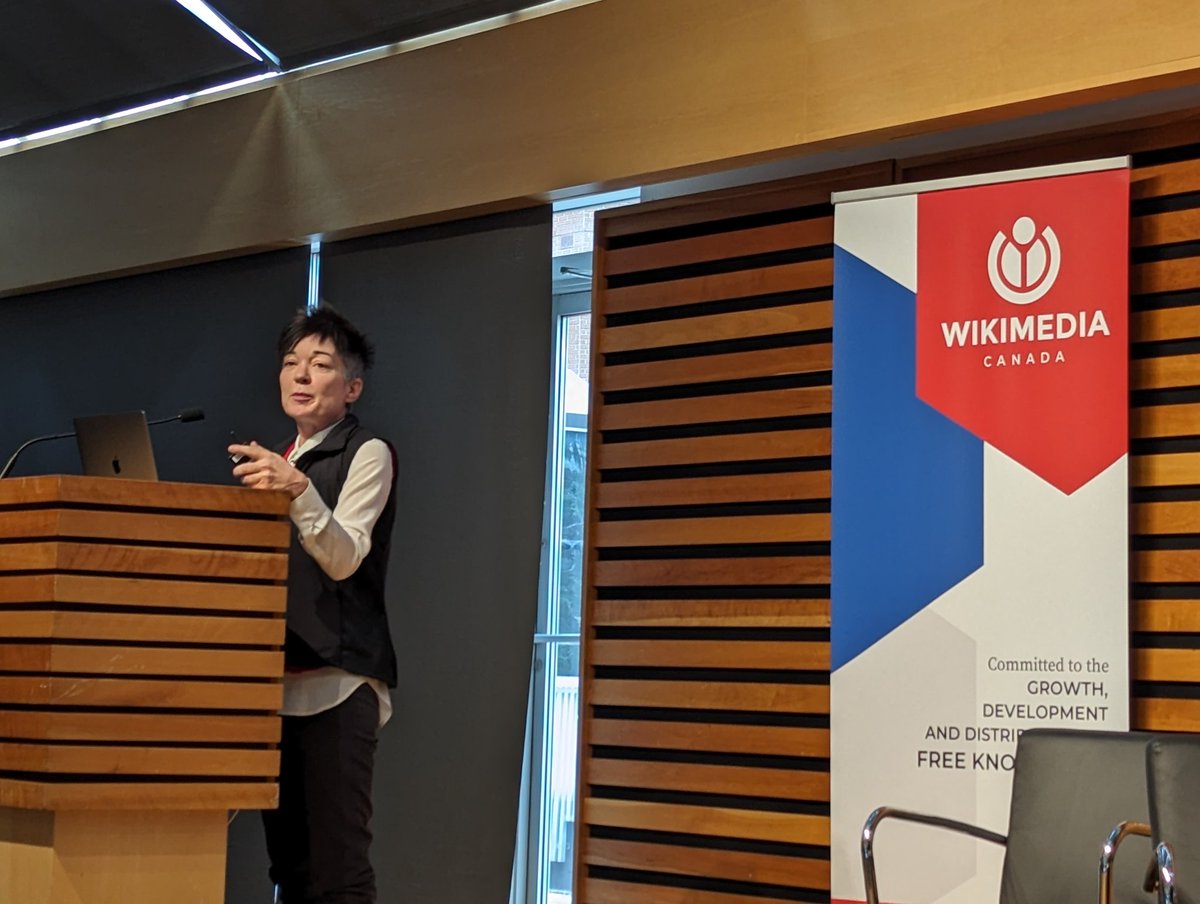
ALT Sue Gardner speaks at a podium
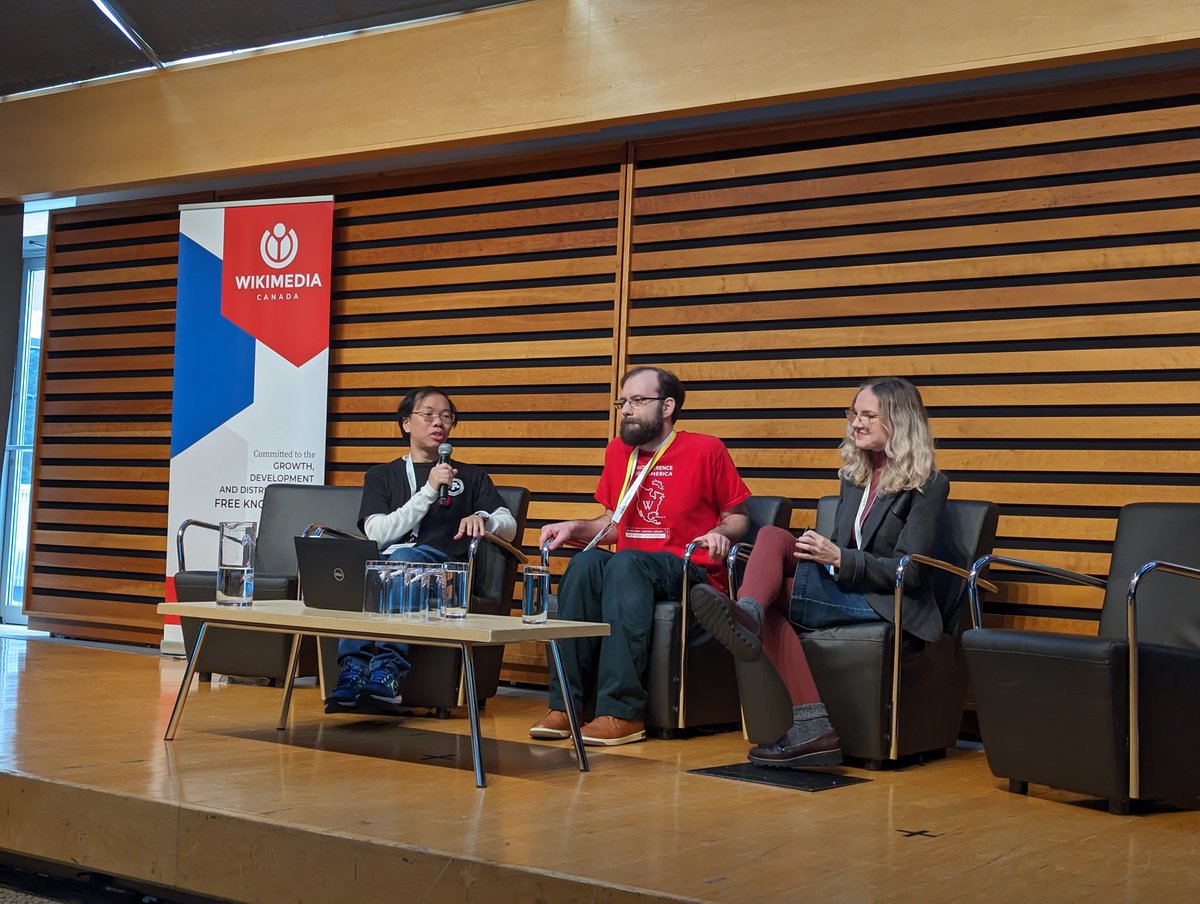
ALT User:OhanaUnited, User:Pharos, and Maryana Pinchuk sit on a conference panel.
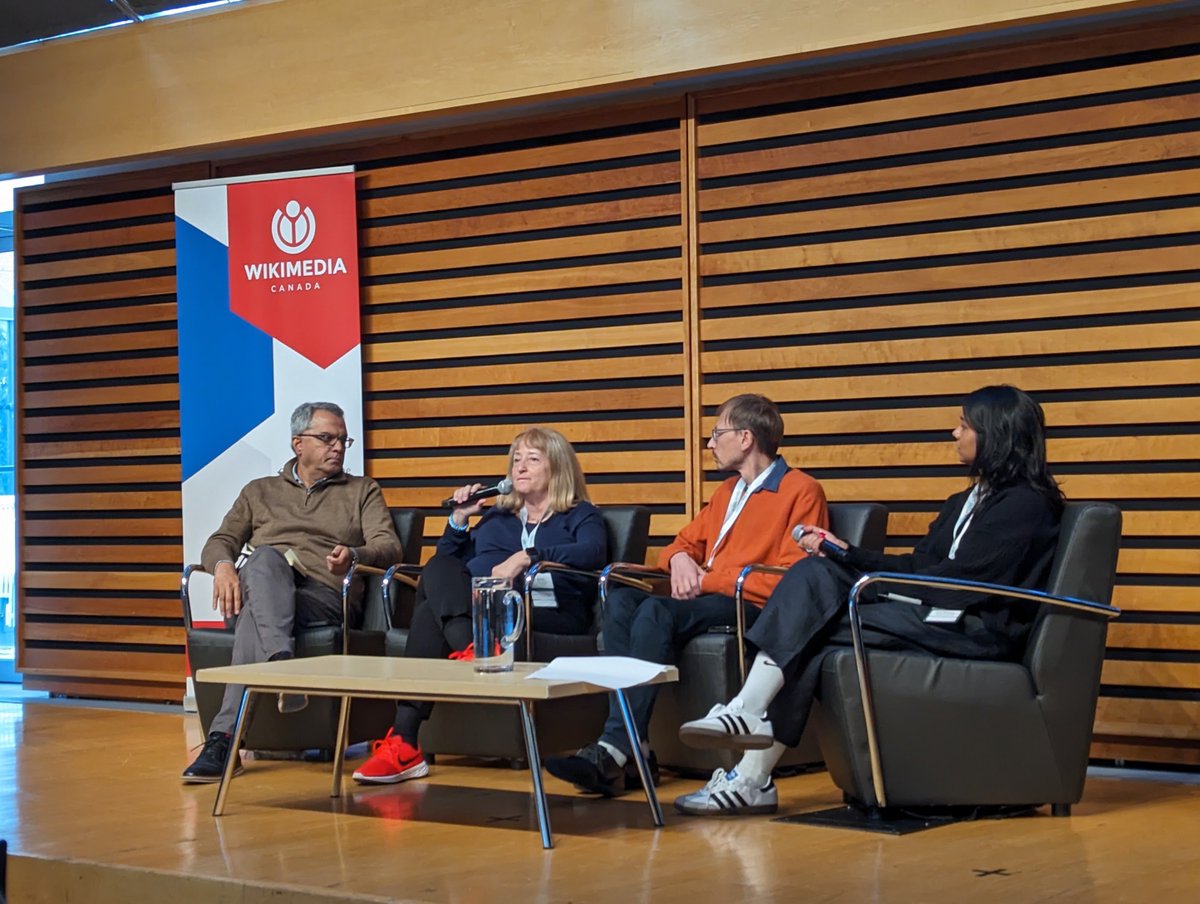
ALT Wikimedia Foundation trustees Lorenzo Losa, Raju Narisetti, and Rosie Stephenson-Goodknight sit in a panel discussion.
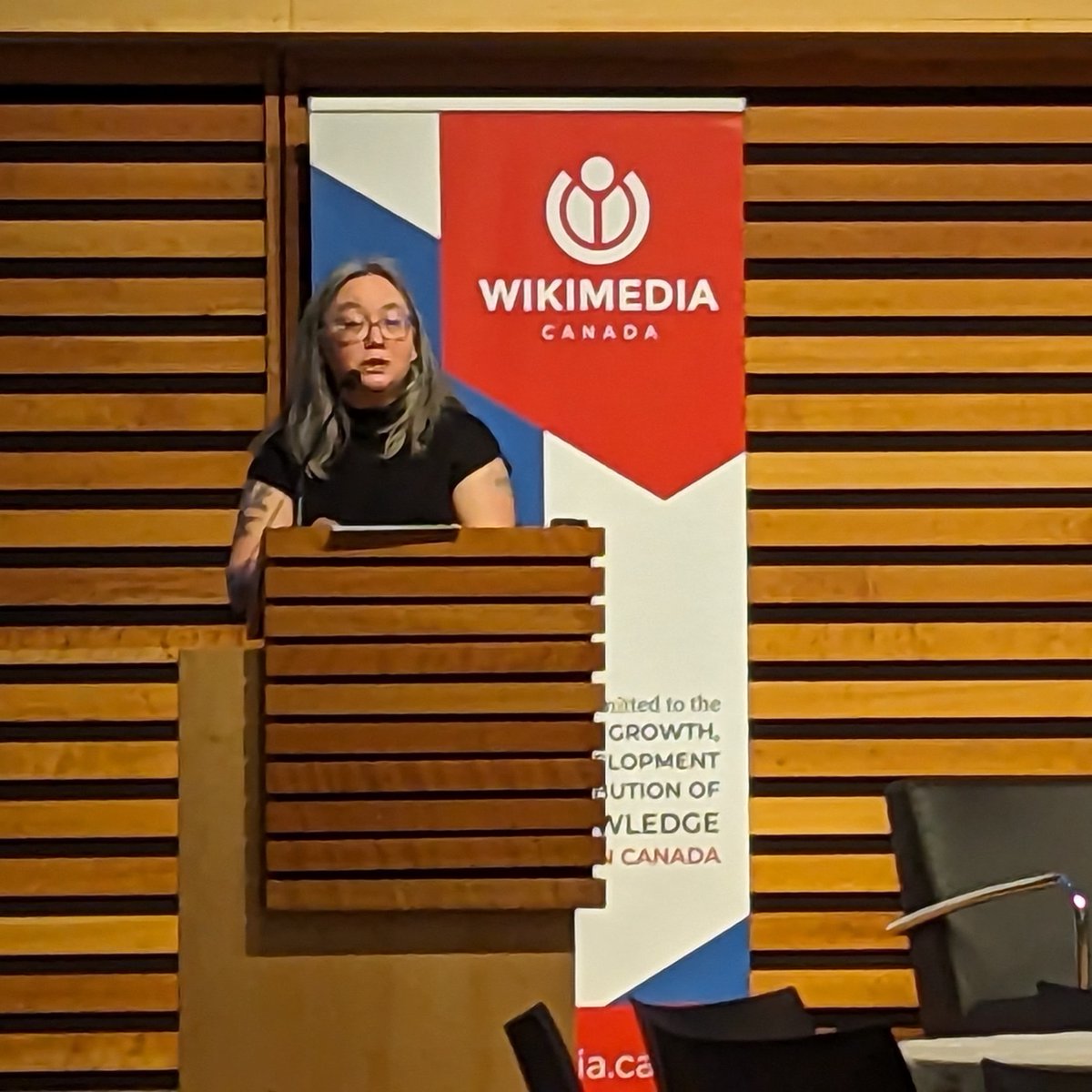
ALT Selena Deckelmann speaks at a podium in front of a Wikimedia Canada banner.
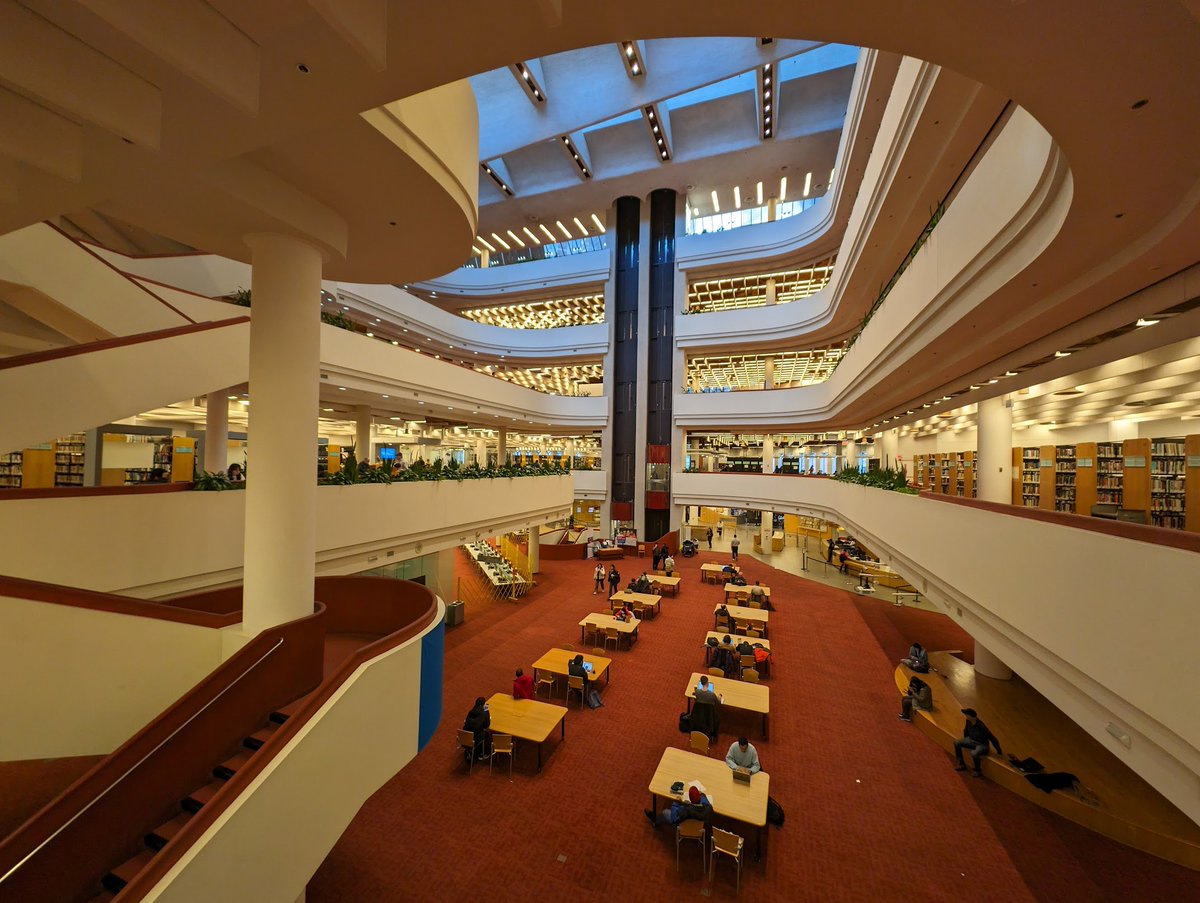
ALT A photo of the interior of the Toronto Reference Library, showing multiple floors of tables and shelves of books.