
Apr 6
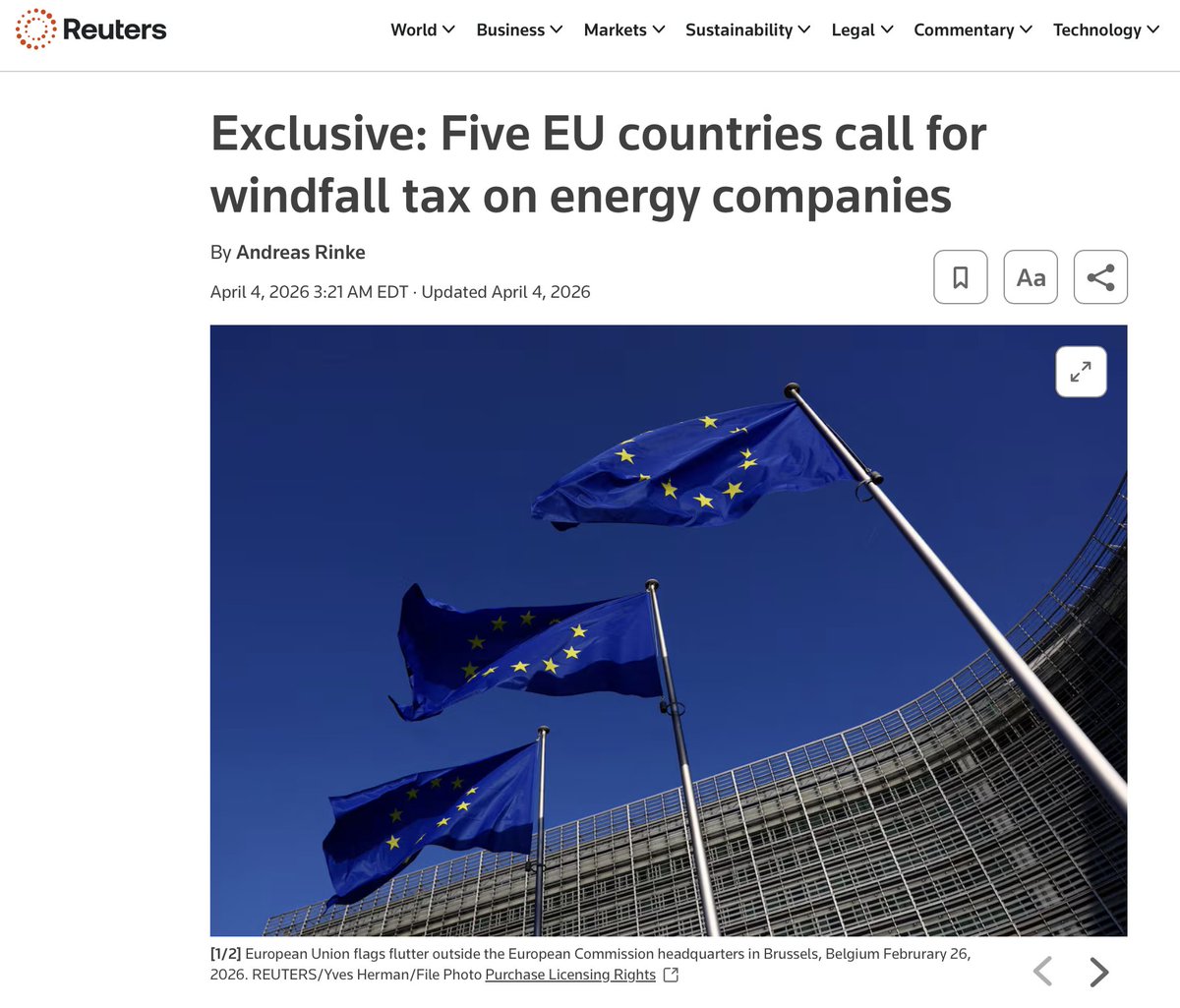
Windfail tax: Europe wants to punish the oil and gas industry for making the correct energy bet. A culture that penalizes being right is bound to get less of it.
reuters.com/sustainability/b…
10
23
1,508

Apr 2
"UK's windmill obsession: the slow-burn disaster. Skybus axes flights over surging jet fuel, yet ministers double down on intermittent wind farms that need gas backups, rack up £billions in curtailment payouts & grid fixes, while subsidies inflate bills. Reliable energy > green virtue signals. Time to rethink net zero dogma. #EnergyCrisis #WindFail"
2
6
12,552

Jan 29
Spot on—this weekend's cold snap exposed the harsh truth about wind in Canadian winters. Nova Scotia's turbines cratered from 350 MW to just 75 MW due to blade icing at -21°C (wind chill -35°C), nearly forcing conservation alerts and risking outages when demand hit a record 2,481 MW. (SaltWire/Chronicle Herald reporting)Icing isn't rare here—it's a known killer of output (up to 80% losses in severe events), plus added wear that jacks up maintenance.
While onshore wind can be cheap in good spots (~5-7¢/kWh levelized), cold-climate extras like de-icing gear, frequent inspections, and repairs push O&M costs higher—often 20-35% of lifetime expenses. Many turbines lack robust anti-icing, leading to shutdowns exactly when we need heat most.Yet federal Liberals (and provincial plans) keep doubling down: pushing offshore "Wind West" megaprojects aiming for 5 GW by 2030, massive exports, tax credits, and net-zero grid dreams by 2035.
Why? Climate targets, "clean energy superpower" branding, jobs, and phasing out coal/gas—even if intermittency demands backups (gas, hydro, batteries) that drive real costs up for ratepayers.
This isn't "proven not viable" everywhere—tech like electrothermal de-icing exists and pays back in bad icing zones—but forcing more without mandating cold-proof designs and reliable backups is reckless. Events like this scream for pragmatic fixes, not blind green ideology.
Time to demand engineering-first policy over virtue-signaling subsidies? 🤔🤫🫣#WindFail #NovaScotiaPower #ColdReality #EnergySecurity
2
109

9 Jul 2025
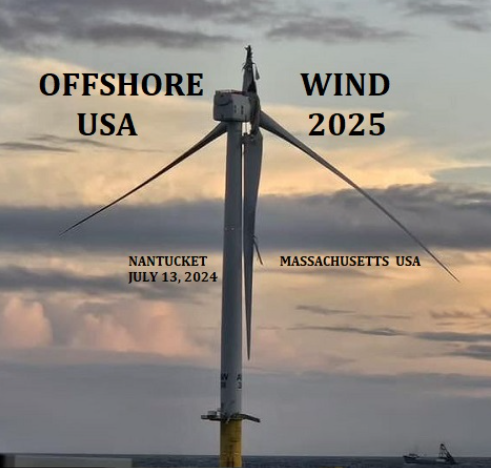
💰 How do you spend HALF A BILLION DOLLARS on an offshore wind project without having all the permits? Ask OSW companies. The answer starts with subsidies and ends with politics. #FollowTheMoney #WindFail

3
35
59
2,222

12 Feb 2025
Windfail in that they pay when they aren't producing?
1
1
3
202

12 Feb 2025
Major panic in Labour tonight as poll leaders Reform announce they will impose a Windfail Tax on all the windmills
And so bring the gravy train to a grinding halt
20 Nov 2024

Stinker!
Labour's big donor is Dale Vince
He owns renewable co. Ecotricity
Which owns 1/4 of 'Good Energy'
Where CEO is Nigel Pocklington
Whose bro. Jeremy is top dog at the Dept for Net Zero.
Where the Minister is Labour's Ed Miliband
Who dishes out renewable energy cash!




52
555
1,659
17,769
23 Oct 2024
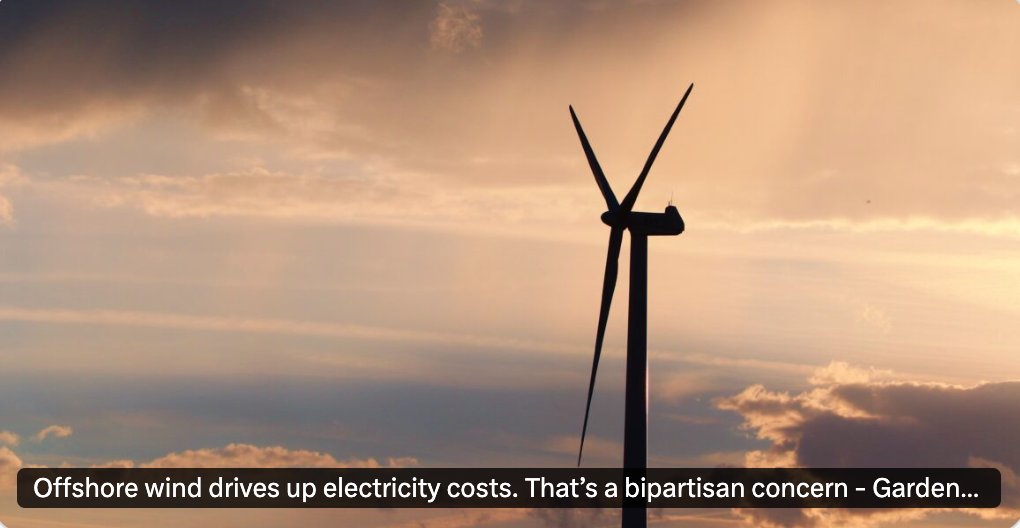
Offshore wind isn't Edison-level innovation. Edison’s inventions worked; NJ’s offshore wind projects? Costly, canceled, & leaving residents with higher bills. #WindFail #NJEnergyCrisis

1
22
36
831

23 Jun 2024
You're not answering the question. Can you name a time that the entire nuclear fleet went offline in Ontario like the wind fleet does many times every year? #WindFail
2
21
yet same parents are effectively paying taxes which fund school places also paying private school fees
This supposed tax windfail is going to be subsumed by the number of parents moving to state sector - will cost Labour a few billion pounds instead! Unintended consequences?
1
3
37

5 Jan 2024
Wind power flatlined in Saskatchewan on Jan. 2, after days of strong winds #wind #windpower #windfail #saskatchewan @SaskPower.
pipelineonline.ca/wind-power…
2
210

1 Jan 2024
Motor City Detroit trying their best at spinning and subterfuge- to gain an unlevel playing field advantage - "a windfall" yet it became a WindFail!!
They need to rip that second rate play right out of the playbook.Yeah I know number 70 didn't even need to report eligible.
1
84
23 Nov 2023
Alberta now has 44 wind farms, and Wednesday night they collectively produced next to no power. Oh yeah, and the sun wasn't shining, either. Imagine that. #windpower #wind #alberta #renewables #windfail
pipelineonline.ca/alberta-no…
3
2
10
2,279

24 Sep 2023
Australia is trying this stupidity with a whole country - having already demonstrated failure in South Australia (slipped in a new gas plant at Olympic Dam to prop up Uranium sales....) gaslighting - and two months of "windfail"......
2
39

25 Aug 2023
Windfail Tax the premium when the turbines won’t turn on a still day
2
92
22 Aug 2023
Low wind output results in grid alert for Great Plains states. Imagine that. Hot, with no #wind. #gridalert #windfail
pipelineonline.ca/low-wind-o…
1
4
319


8 Jun 2023
Electrical grid alert for #Alberta issued Wednesday afternoon due to low wind, high temps and an outage. #electricalgrid #electricity #windpower #wind #windfail #gridalert @theAESO
pipelineonline.ca/electrical…
2
7,600


13 Jan 2023
SaskPower’s wind generation flatlined on Wednesday, Jan. 11. Wind averaged 1.3% of nameplate capacity throughout the day.
pipelineonline.ca/saskpowers…
#renewables #windpower #wind #windfail #saskatchewan
3
1
2
855