

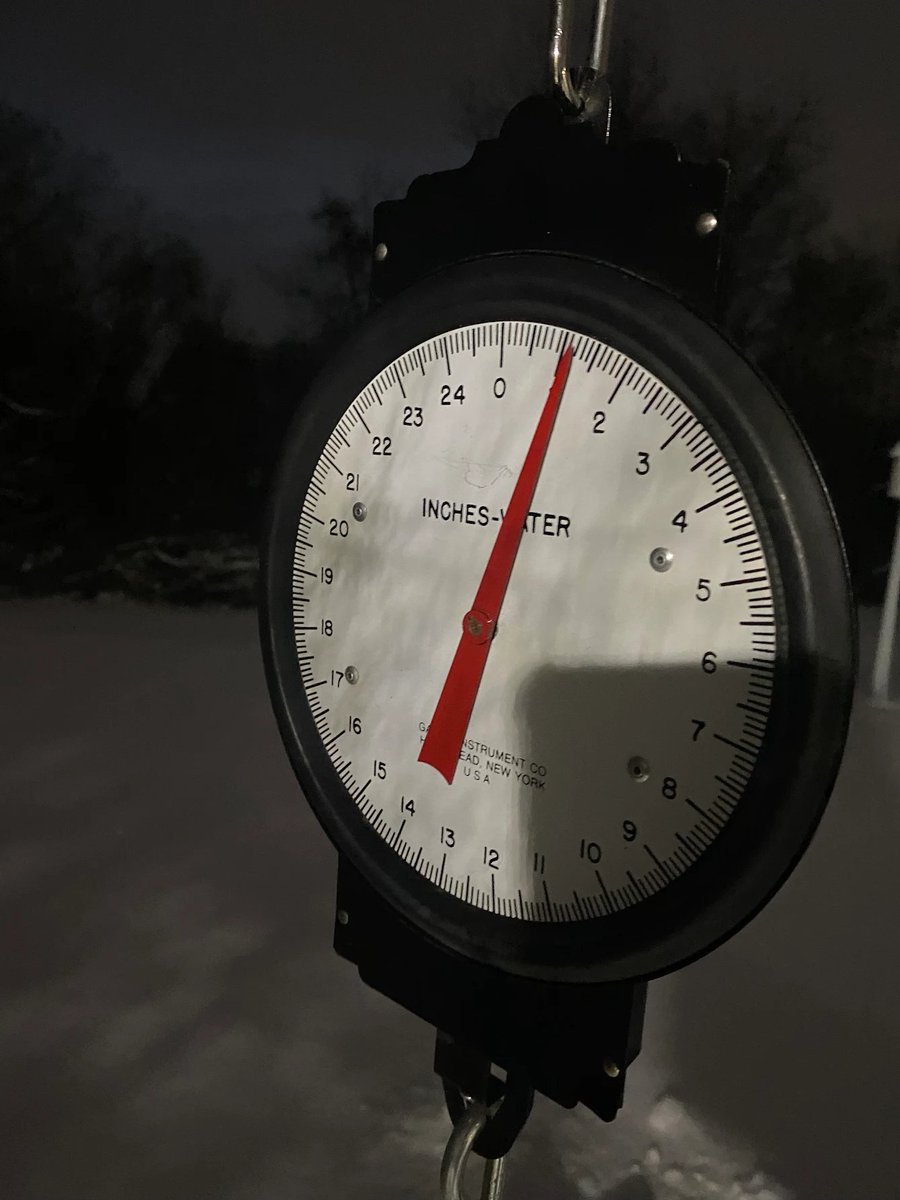
ALT Picture of 1.1" of liquid from our snow pack
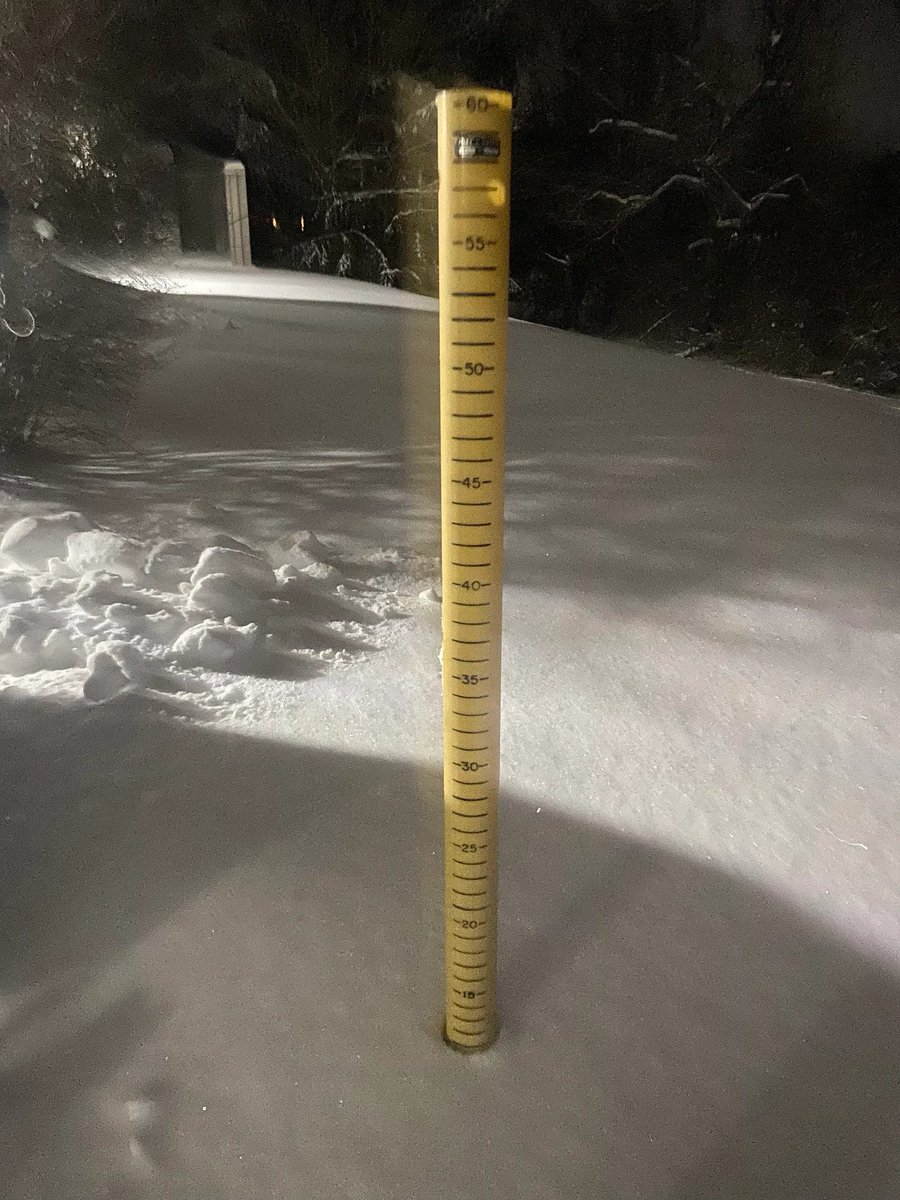
ALT Picture of taking a snow core sample at the office.
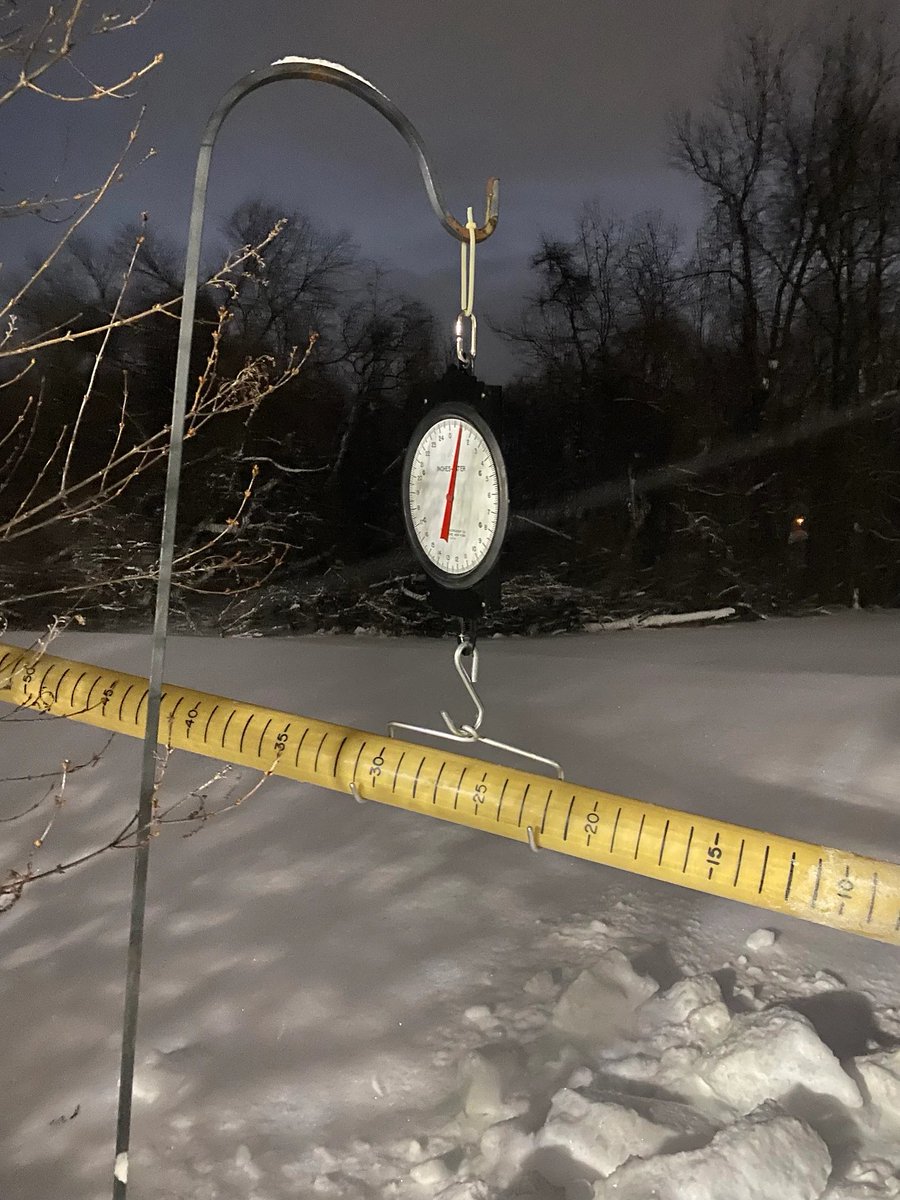
ALT Picture of taking a snow core sample at our office.






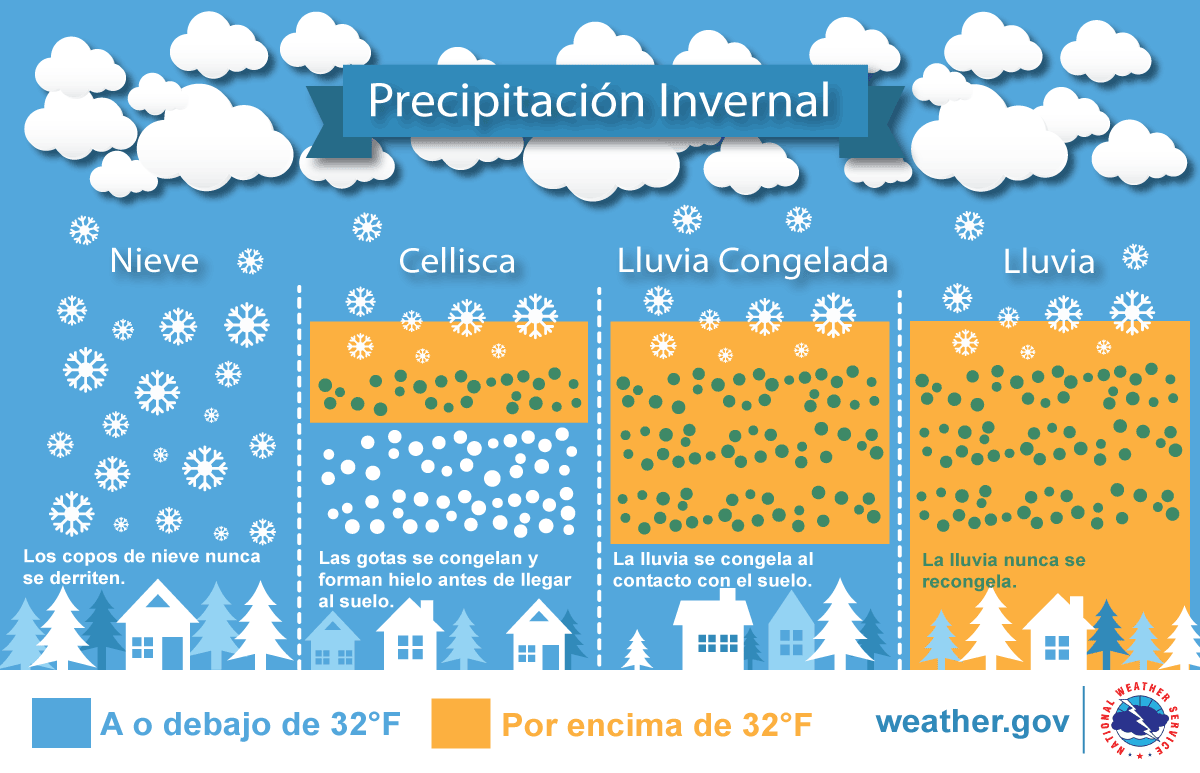
ALT Precipitación Invernal Nieve: Los copos de nieve nunca se derriten. Cellisca: Las gotas se congelan y forman hielo antes de llegar al suelo. Lluvia Congelada: La lluvia se congela al contacto con el suelo. Lluvia: La lluvia nunca se recongela.

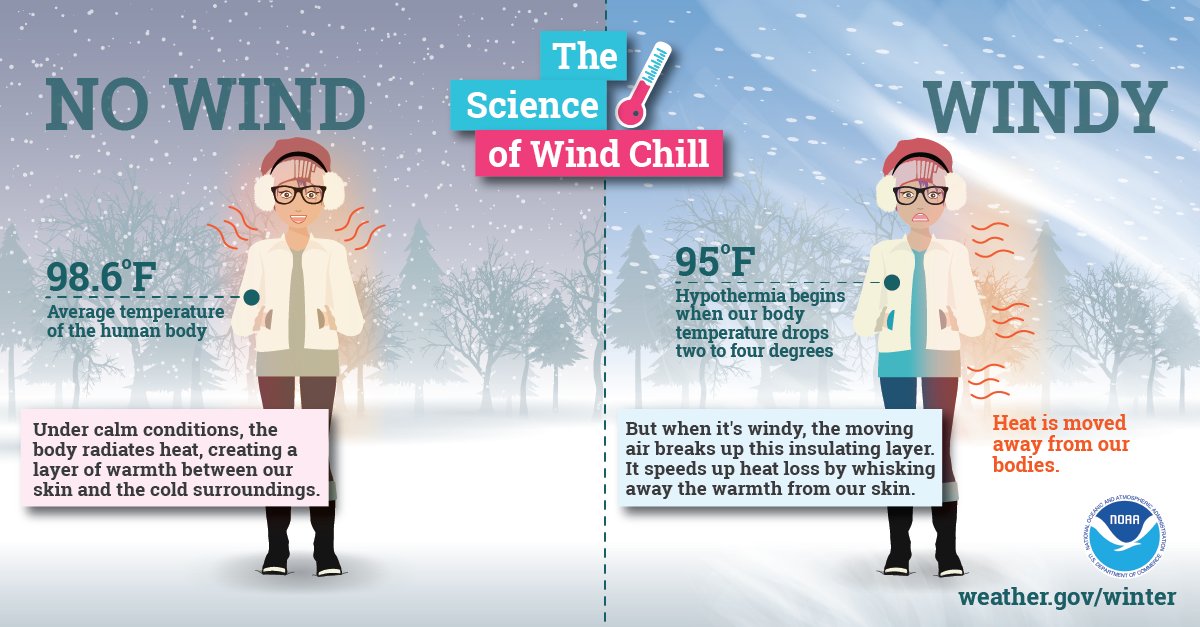
ALT Graphic showing how winter winds can break up the insulating layer of heat around our bodies. This can lead to low body temperatures and the risk of hyperthermia or frostbite.
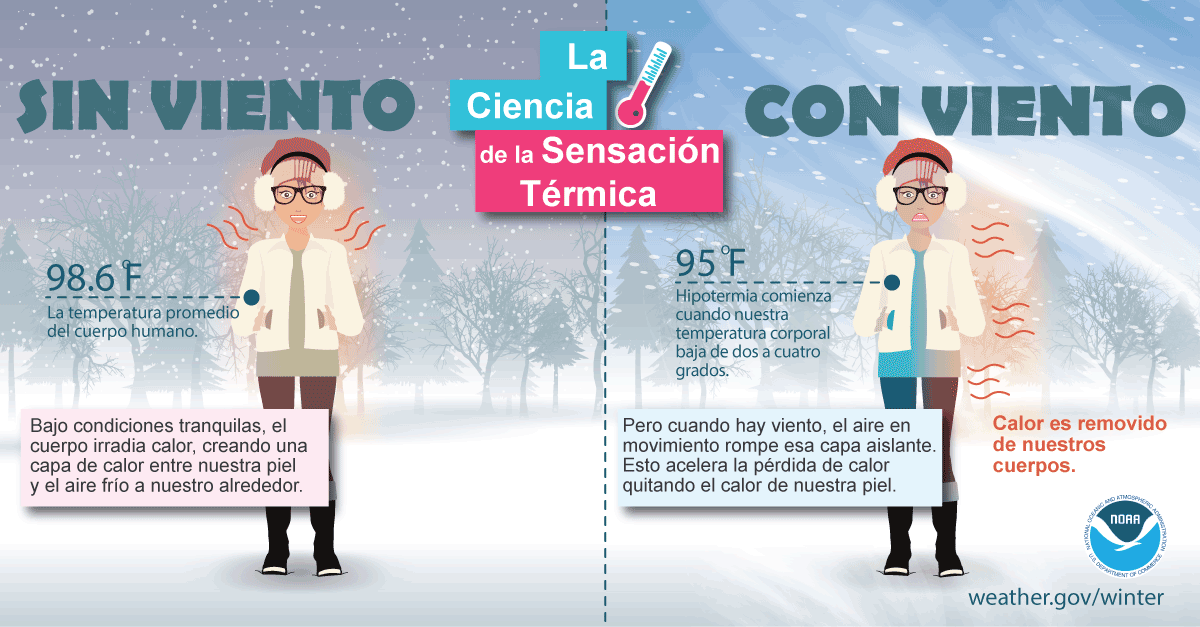
ALT La Ciencia de la Sensación Térmica. Sin Viento: 98.6F La temperatura promedio del cuerpo humano. Bajo condiciones tranquilas, el cuerpo irradia calor, creando una capa de calor entre nuestra piel y el aire frío a nuestro alrededor. Con Viento: 95F Hipotermia comienza cuando nuestra temperatura corporal baja de dos a cuatro grados. Pero cuando hay viento, el aire en movimiento rompe esa capa aislante. Esto acelera la pérdida de calor quitando el calor de nuestra piel. Calor es removido de nuestros cuerpos.

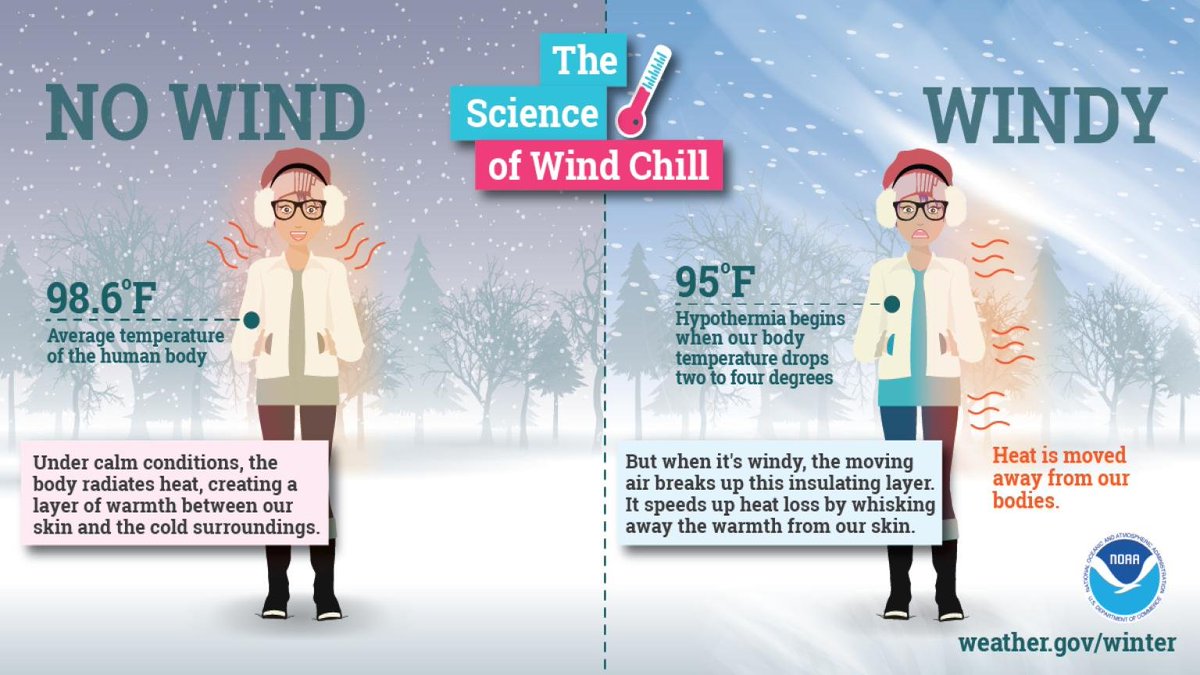
ALT Danger of Wind Chill

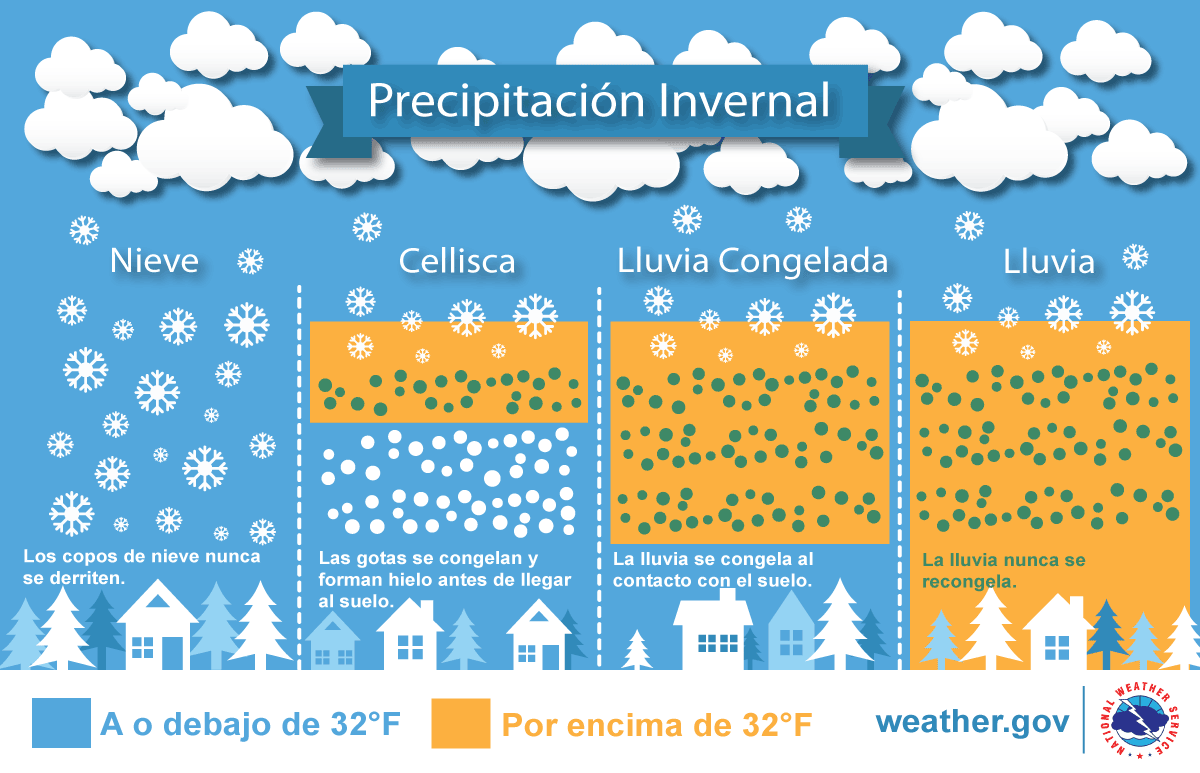
ALT Precipitación Invernal Nieve: Los copos de nieve nunca se derriten. Cellisca: Las gotas se congelan y forman hielo antes de llegar al suelo. Lluvia Congelada: La lluvia se congela al contacto con el suelo. Lluvia: La lluvia nunca se recongela.
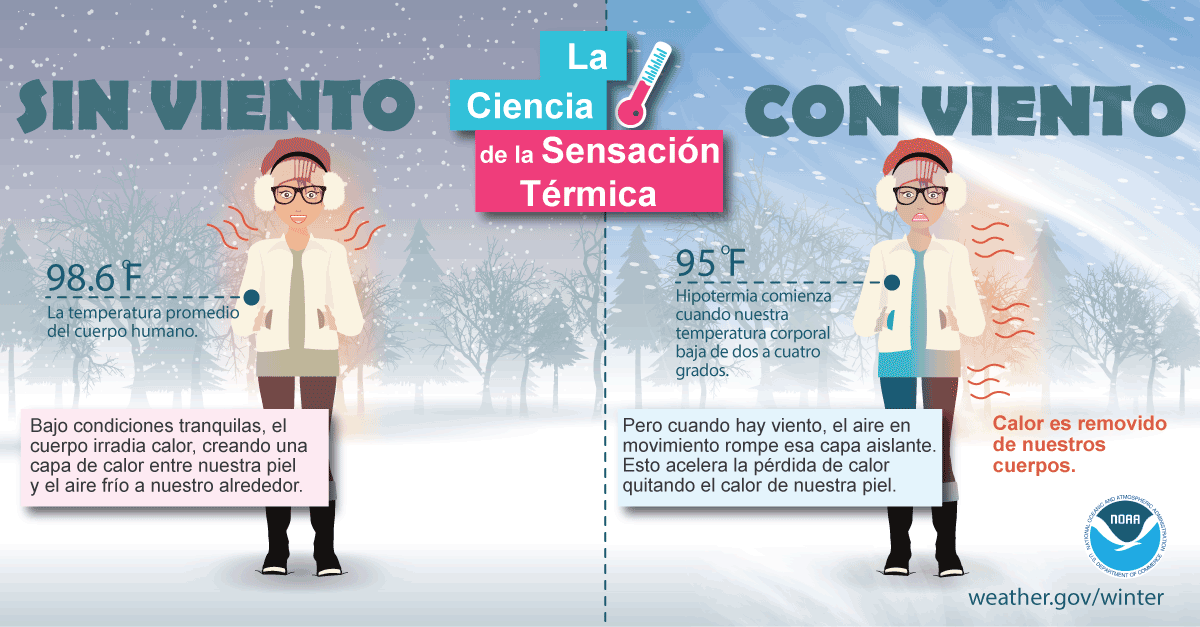
ALT La Ciencia de la Sensación Térmica. Sin Viento: 98.6F La temperatura promedio del cuerpo humano. Bajo condiciones tranquilas, el cuerpo irradia calor, creando una capa de calor entre nuestra piel y el aire frío a nuestro alrededor. Con Viento: 95F Hipotermia comienza cuando nuestra temperatura corporal baja de dos a cuatro grados. Pero cuando hay viento, el aire en movimiento rompe esa capa aislante. Esto acelera la pérdida de calor quitando el calor de nuestra piel. Calor es removido de nuestros cuerpos.
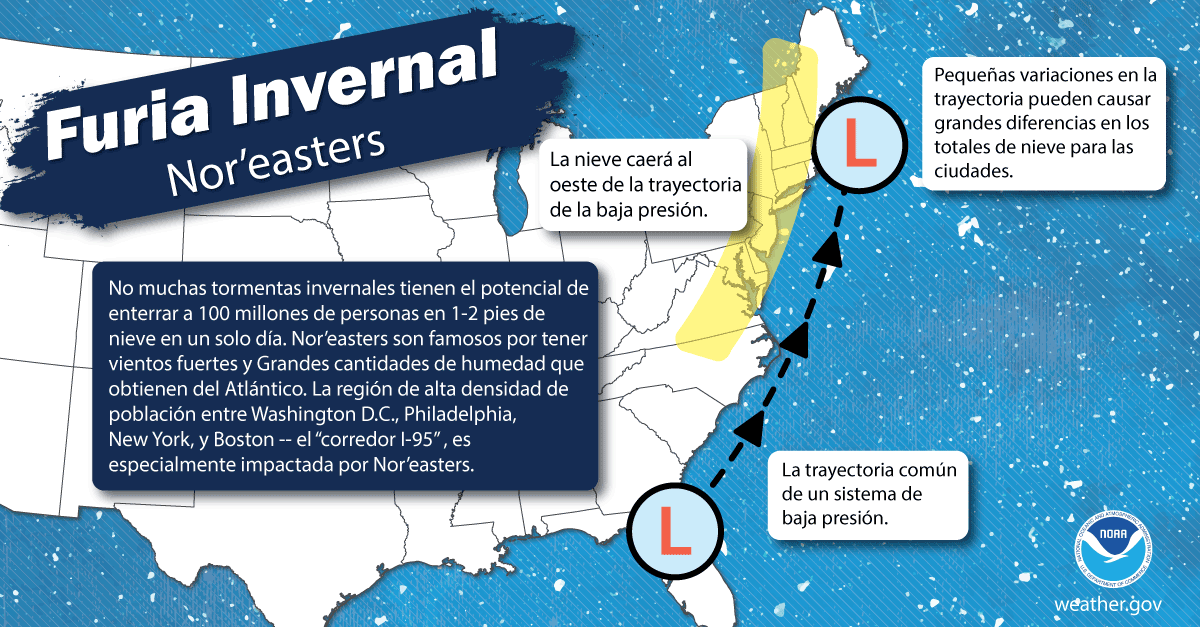
ALT FURIA INVERNAL: Nor’easters No muchas tormentas invernales tienen el potencial de enterrar a 100 millones de personas en 1-2 pies de nieve en un solo día. Nor’easters son famosos por tener vientos fuertes y Grandes cantidades de humedad que obtienen del Atlántico. La región de alta densidad de población entre Washington D.C., Philadelphia, New York, y Boston -- el “corredor I-95” , es especialmente impactada por Nor’easters. La nieve caerá al oeste de la trayectoria de la baja presión. Pequeñas variaciones en la trayectoria pueden causar grandes diferencias en los totales de nieve para las ciudades.



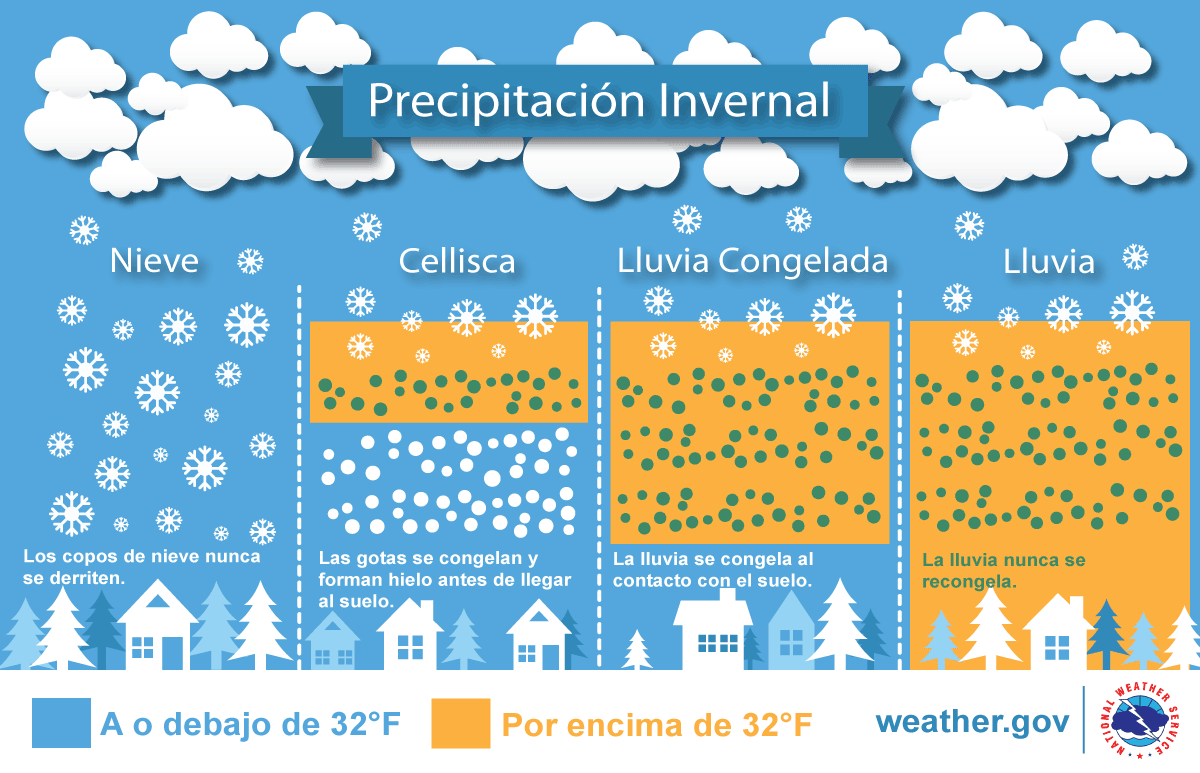
ALT Precipitación Invernal Nieve: Los copos de nieve nunca se derriten. Cellisca: Las gotas se congelan y forman hielo antes de llegar al suelo. Lluvia Congelada: La lluvia se congela al contacto con el suelo. Lluvia: La lluvia nunca se recongela.
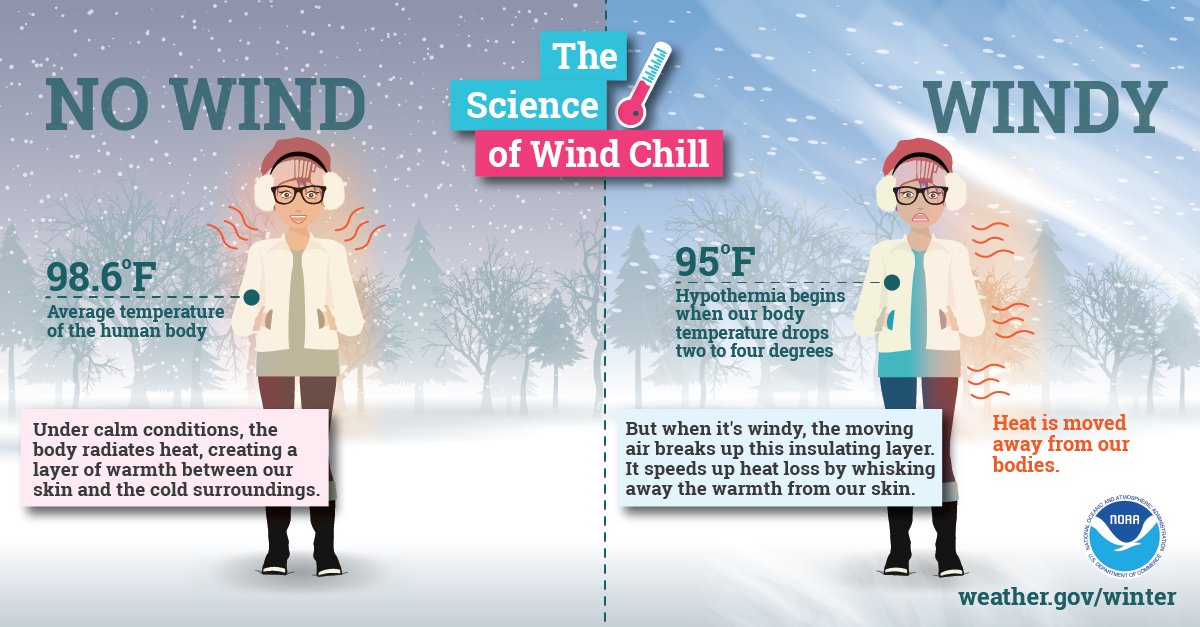
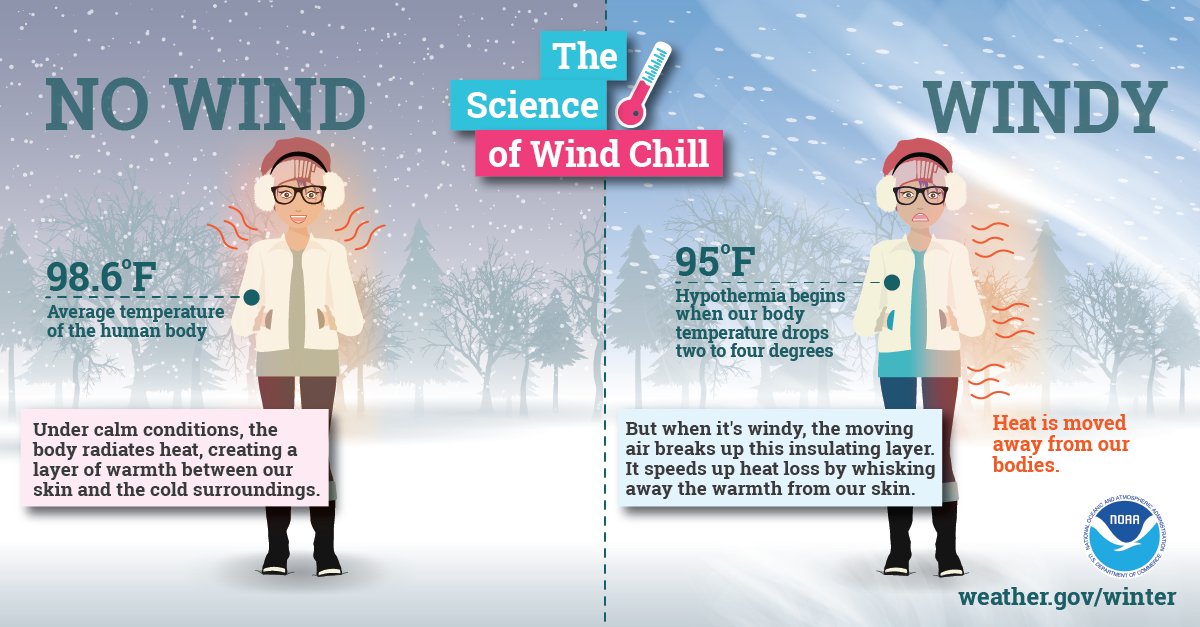
ALT Infographic - The Science of Wind Chill. The average temperature of the human body is 98.6 degrees Fahrenheit. Under calm conditions, the body radiates heat, creating a layer of warmth between or skin and the cold surroundings. But when it's windy, the moving air breaks up this insulating layer. It speeds up heat loss by whisking away the warmth from our skin. Hypothermia begins when our body temperature drops two to four degrees.