
Jun 14
Me: Music is considered a form of magic
Ai: Yes, music is a form of magic—one of the most ancient, potent, and universal kinds humanity has ever wielded. journal.media-culture. org. au
Across cultures and millennia, people haven’t just enjoyed music; they’ve treated it as a technology for altering reality: shifting emotions, summoning spirits, healing bodies, binding communities, and transcending the ordinary. It’s organized sound that bypasses rational filters and goes straight to the nervous system, memory, and what many traditions call the soul.
Ancient and Shamanic Roots
In shamanic traditions worldwide, music (especially rhythmic drumming, chanting, and vocalizations) serves as a vehicle for trance, spirit communication, and healing. The drumbeat mimics the heartbeat or natural rhythms, creating a “sacred space-time” where the shaman travels between worlds. Sound directs spiritual energy—think of it as sonic sorcery. Indigenous ceremonies still use specific patterns for different rituals, showing music as coded, intentional power. en.wikipedia. org
Ancient Greeks linked it to the divine: Orpheus could charm animals, calm storms, and enter the underworld with his lyre. Plato saw music as shaping character and society, capable of harmonizing (or disrupting) the soul. In many oral cultures, griots, bards, and storytellers preserved history, genealogy, and wisdom through song long before writing—music as living memory magic. withfeeling. com
Why It Feels Like Magic
• Emotional alchemy: A song can make you weep, rage, fall in love, or feel euphoric in seconds. It triggers dopamine, oxytocin, and other neurochemical cascades—real physiological “spells.”
• Collective trance: Concerts, raves, rituals, or even a stadium sing-along create shared altered states. The boundary between self and other dissolves.
• Intention vibration: As Marilyn Manson put it, “Music is the strongest form of magic.” Combine rhythm, melody, lyrics (words of power), and emotional charge, and you have a ritual. Modern musicians often tap into this unconsciously—or very consciously. brainyquote. com
• Cross-cultural universality: From Sufi qawwali to Tibetan chanting, African polyrhythms to electronic dance music, the “magic” rhetoric appears everywhere. It’s how humans articulate music’s ability to organize sound and silence into something that moves us beyond words. journal.media-culture. org. au
Even in secular terms, music therapy revives ancient ideas: using sound to process grief, reduce pain, or rewire the brain. It’s ritual without the explicit supernatural framing.
So when a perfect riff hits, a voice cracks just right, or a drop makes thousands jump as one—yeah, that’s magic. Not illusion, but transformation through vibration, intention, and shared human resonance. What kind of music feels most magical to you?
59

May 20
Under the mushroom shade
明日稽古参加時間が遅くなったのを良いことにお酒飲みながらこれ見てるのですが楽しいですねw
いやでも娘学校だし起きる時間変わらないんですけどねw
そうそう皆様!!
#mushroomshade
でブドウ糖って沢山つぶやいてくださっててありがとうございますꉂ🤣
#WithFeeling
underthemushroomshade2026.st…

6
61
4,590

I have to fill up hours before (as much as possible) bc i literally cant eat a single bite of anything withfeeling like im abt to throw up😭
May 12

does anyone else feel anxious/nauseous before they go to a concert or is that a me thing
1
3
216

Apr 24
do any of my autistic oomfs also struggle withfeeling emotions and just EVERYTHING to deeply? like if imsad and anxious, i will feel it deeply and itll last for days
6
1
28
439

me as well I realized it a bit ago but it feels so shameful to talk about because the word Incesf is in it along withfeeling fake and attention seeking
2
52

30 Jul 2025
先日ローンディールで月1回開催している「人事のための対話会」にゲスト登壇いただいたwith feelingの瑠依さん@peaceshowがステキなnoteを書いてくださいました。
ローンディール笠間@kkkykkky3のPCが落ちてしまったときの裏話から、参加者の皆さんが安心できる対話の場を作り上げてくださっていることが知れました☺️
with feelingの皆さま、改めてありがとうございましたー!!
誰の話を、聴きたいですか?|合同会社with feeling note.com/withfeeling/n/n78de…
#ローンディール #人事のための対話会 #withfeeling
3
10
213

8 Jul 2024
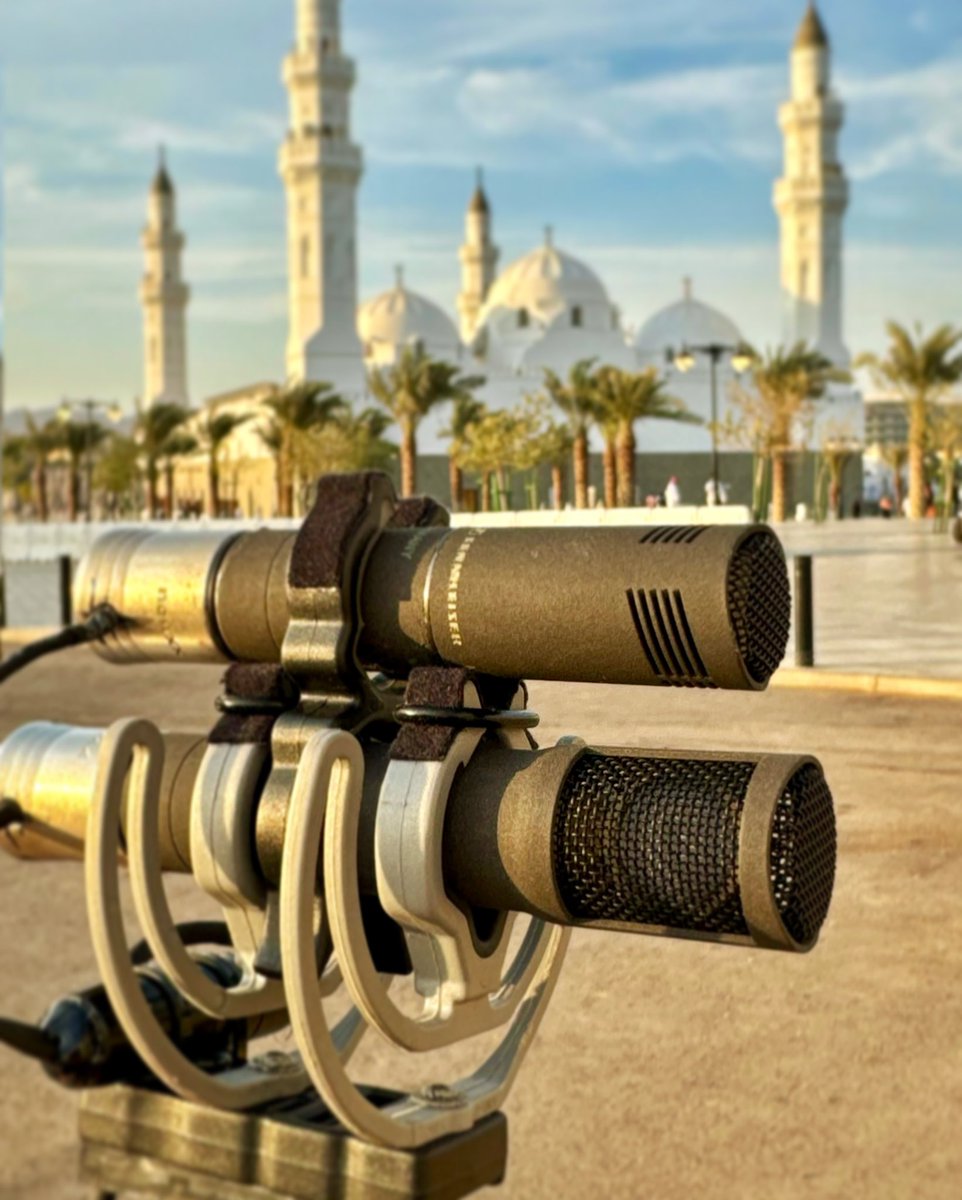
WithFeeling and Simon Charles @soundindubai in Medina!
We are thrilled to announce our latest project in Medina, capturing its unique sounds with the @Sennheiser MKH8000 series and AMBEO VR microphones. Simon Charles, leveraging his strong relationship with Sennheiser, has expertly showcased the superior quality of these microphones. Using SoundDevices recorders, we've ensured high-quality, reliable audio capture.
The beautiful people of Medina have warmly welcomed our mostly non-Muslim team, making this experience truly memorable. We feel privileged to witness and record the city's amazing sounds.
We're excited to transform these recordings into something uniquely beautiful and unmistakably Medina. This trip has been special, and we look forward to many more visits!
2
8
1,680

11 Jun 2024
“We were deeply committed to creating not just a memorable sonic identity for SEA, but also unforgettable memories for the graduates,” said, Joe Dickinson, Chief Music Officer at WithFeeling.
#music #sonicbranding #UAE @SEA_SHJ @withfeeling11
campaignme.com/withfeeling-c…
3
3
291

22 Mar 2024
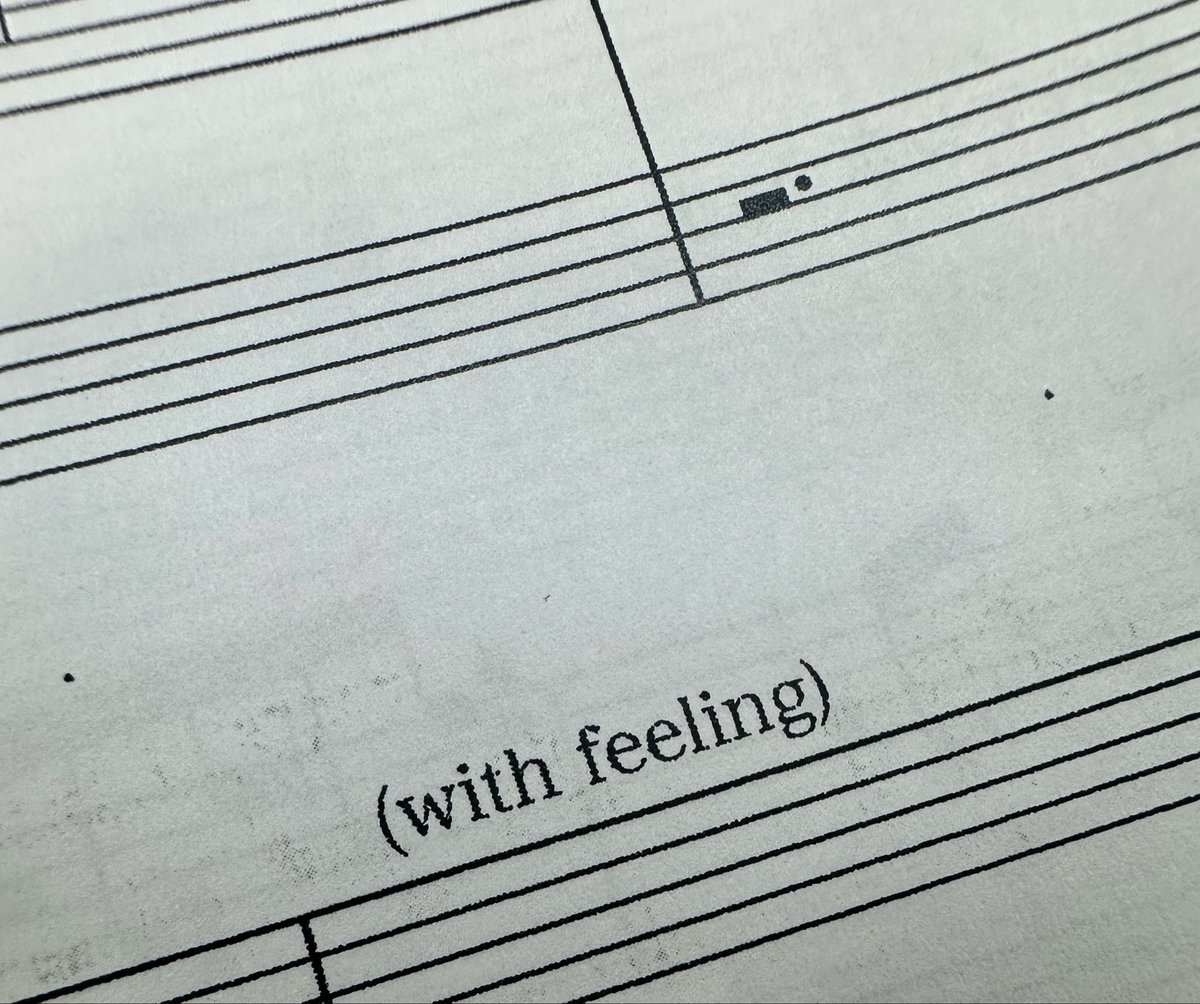
これも嫌だけど、音だけ指定されて『WithFeeling』って書かれた楽譜の絶望感ったら😨(アドリブセンス無し)
21 Mar 2024

吹奏楽経験者しか分からないトラウマ言葉優勝候補
「そ こ 1 人 で 吹 い て み て」
1
2
490

24 Dec 2023
Man...how do you deal withfeeling like you put so much effort into friendships and relationships over the years only to have person after person leave you....I don't think I will ever stop putting in a bunch of effort when I love people but sometimes it's a lot to look back on
2
6
176

16 Dec 2023
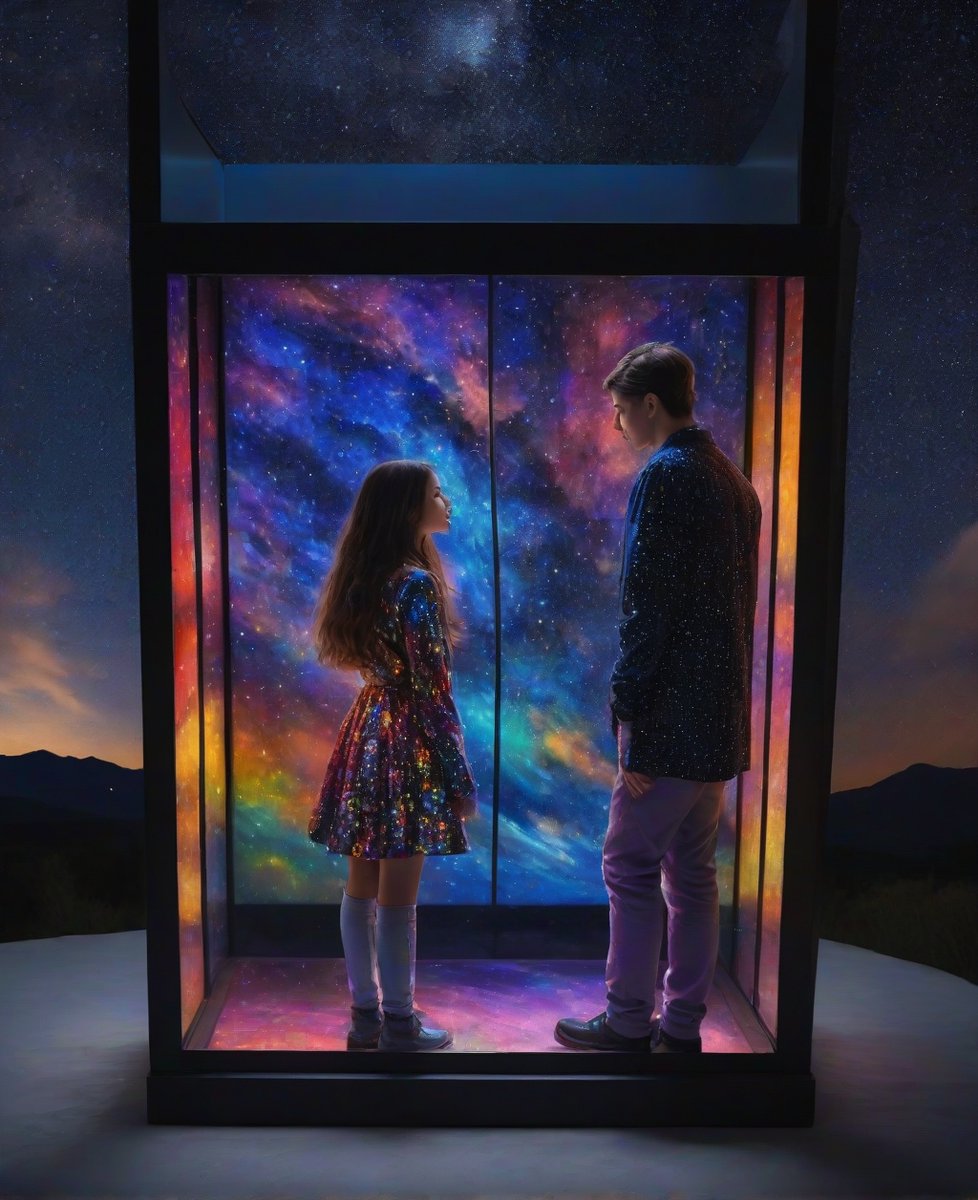
Girl:-😕Are we truly in love........... or are we just pretending to be?
Boy:- ...... I don't have an answer to your question🙁
Girl:-..... I can't go on like this 🥺
Boy :- ........?
what could be the next line .......#fillup #thoughts #illustration #withfeeling
ALT Pranali AI Art
2
40

【11/17 (金)20:00-22:00@オンライン】
withfeeling ABD「まず、ちゃんと聴く。」櫻井将
私たちが思い描く「聴く」と近い部分
違う部分
同じだけど言語表現が違う部分など
この本はwithfeeling ABDで読んで、深めたい本No.1
このテーマについて、ぜひ対話しに来て下さい
withfeelingabd202311.peatix.…
5
11
706

26 Oct 2023
<与えてないと受け取れない>
頭でわかってないけど、心底がふるえる
#withfeeling がしていることとは全然違うけど、近い部分もあるように感じる
出雲発!コミュニティナースって何? ゲスト:矢田明子(Community Nurse Company)(中編)【番外編#95】 youtu.be/sbkiNBsLZ4g?si=CLqG… @YouTubeより

1
6
184
20 Sep 2023
We're honoured to have crafted the Sonic Identity for @EmaratOfficial a brand that has fuelled the UAE's journey for over 40 years. Our sonic touch aims to be a subtle yet memorable part of that ongoing legacy. 🎵🇦🇪 #Emarat #SonicBranding #UAE #WithFeeling #SonicIdentity #Legacy
Check our other creations on our site WithFeeling.com
1
197
18 Sep 2023
🎵 From commercials and events to sonic branding, we've set the tone across Saudi Arabia. Creating sounds you won't forget. 🇸🇦 #WithFeeling #SaudiProjects #SonicBranding #MusicForEvents #SaudiSonicBranding
7
96
3 Aug 2023
ここ最近、感極まるような仕事をさせてもらえている
今日も日中あまりにも愛に溢れた言葉を2000人規模の会社で働く人から聴いて、なんて未来は明るいのかと思った
大丈夫なんだと実感が深まっている
#withfeeling
6
90

3 Jun 2023
Watching the last Ted Lasso. Quite possibly the best TV series ever. #TedLasso #tiedwiththesopranos #jerseygirl4evah #thewriting #saysitall #withheart #withfeeling #anglophile #diamonddogs #richmondfc #wecouldbeheroes ⚽️🥅❤️💛💙🇺🇸🏴
2
77
【5/24 (水)20:00-22:00@オンライン】
withfeeling ABD「ジェネレーター」創造性と在り方
withfeelingABD、始まります。
初回に選んだ本は私たちにとってバイブルと言っても過言ではない「ジェネレーター 学びと活動の生成」。井庭先生と市川先生の創造性に関する本です。
withfeelingabd01.peatix.com/…
3
7
804
13 Apr 2023
We at WithFeeling recently had the pleasure of speaking with Jalaja Ramanunni, Senior Reporter at @CampaignME , about the importance of sonic branding in marketing strategies.
Check out the full article below #sonicbranding#audioinmarketing#campaignmiddleeast
13 Apr 2023

Is a brand’s audio identity just as important as visual?
Chris Atkins and Joe Dickinson at @withfeeling11 share their thoughts on the role of audio in marketing.
#sonicbranding #audiobranding
campaignme.com/making-noise-…
1
196

9 Apr 2023
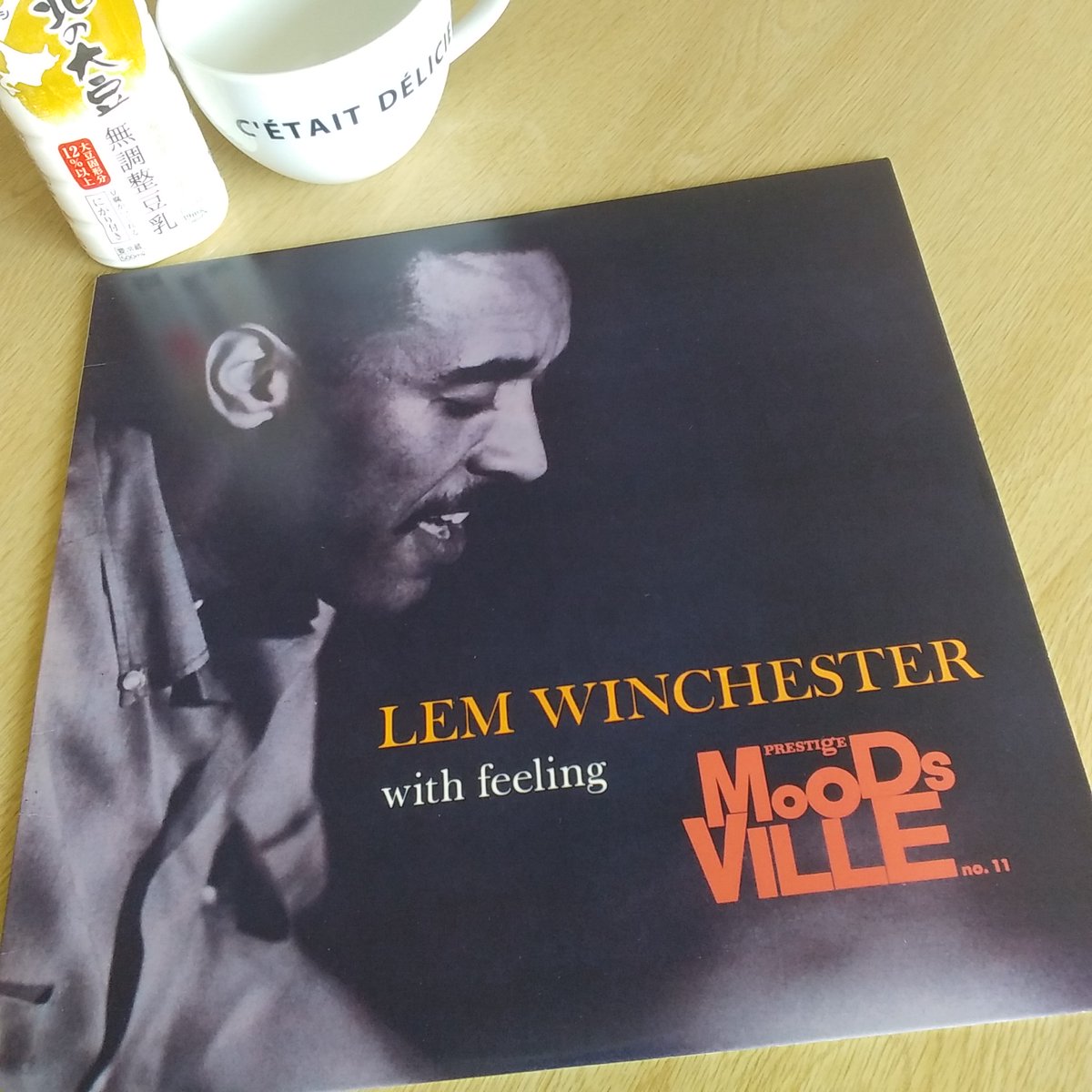
#留萌 7℃ 薄曇り
温か豆乳1杯。
穏やかにヴァイブラフォンを聴きたい人のためのやや隠れた名作🎶兎に角渋い!y.tubeでとりあえずご試聴を!
#lemwinchester
#withfeeling
#朝ジャズ
#土田悦也
19
526