
7 Sep 2025
Dear Jamie,
While I appreciate your concern for workers, raising the minimum wage might feel good but actually HURTS the very people you're trying to help. Let me explain the economic reality that politicians don't want you to understand.
Here's a revolutionary concept: wages are set through voluntary agreement between employer and employee. A person agrees to accept certain wages the business is willing to pay. If no one accepts those wages, the business will fail, so the business raises wages to attract more or better employees. It's called market dynamics, not exploitation.
But here's where your economic wisdom gets really interesting: that "rich CEO" you mentioned? They're taking their money to build the company, buy equipment, advertise, and pay workers. The CEO is shouldering all the risk while providing all the jobs. When a business fails, employees simply find new jobs, but the CEO loses all their invested money. Those really wealthy people often have multiple business failures precisely because higher risk leads to higher reward - they're willing to lose everything to create something valuable.
Raising minimum wage to seventeen dollars per hour means employers pay approximately forty-two thousand dollars annually when including wages, benefits, and taxes for a full-time worker. Since many young and less educated workers simply aren't capable of producing that much value right out of the gate, they get priced out of the job market entirely. The Congressional Budget Office estimated that a seventeen-dollar minimum wage would cause three hundred fifty thousand disproportionately younger and less educated individuals to drop out of the labor force entirely.¹
McDonald's advertising campaign boasts that one in eight Americans has worked at the fast-food chain, and these jobs serve as important stepping stones into the workforce. Fewer than one out of every one thousand workers earns the minimum wage, and sixty percent of those who do are under age twenty-five. These aren't career destinations - they're entry points that teach work skills, punctuality, customer service, and responsibility.²
When California imposed a twenty-dollar minimum wage for fast-food workers, scores of businesses shut down before the law even took effect. The Wall Street Journal reported that establishments began laying off staff and scaling back hours preemptively. In South Carolina, researchers found that recent minimum wage hikes reduced employment by eight point nine percent for teens and fifteen point five percent for workers without high school diplomas.³
Consider McDonald's, which pays well over minimum wage and recognizes that crew positions are stepping stones while management jobs could be career paths. Their comprehensive benefits package includes major medical insurance, prescription drug coverage, dental and vision insurance, life insurance, disability coverage, generous holiday and PTO plans, and flexible spending accounts for managers. Similarly, Walmart, which also pays above minimum wage, offers clear advancement opportunities where employees can work their way up to store manager positions earning six figures without paying for college - more than some people with Master's degrees make.
The unintended consequences of artificial wage floors include reduced employment opportunities for less-skilled workers, accelerated automation adoption (hello, self-service kiosks), reduced hours for existing workers, elimination of employee benefits, and higher prices for consumers. Since lower-income families spend a higher percentage of their income at grocery stores and fast-food restaurants with thin profit margins, they're disproportionately hurt by minimum-wage-induced price increases.
Want to help workers achieve real income gains? Expand apprenticeship programs, reduce regulatory burdens that subtract from workers' wages, and eliminate unnecessary occupational licensing standards that create barriers to employment. Create more opportunities, not fewer.
The real tragedy is that high minimum wage laws cut off the bottom rung of the career ladder, effectively pricing the least-advantaged workers out of employment entirely. Instead of helping people climb the economic ladder, you're removing the first step.
But you mentioned foreign spending, and you're absolutely right that we spend too much overseas while ignoring American workers. However, the solution isn't artificial wage mandates that eliminate jobs - it's policies that create more opportunities for Americans to build valuable skills and advance their careers naturally.
Every McDonald's manager started somewhere. Every successful entrepreneur began with basic work experience. When you eliminate entry-level jobs through wage mandates, you're not helping workers - you're denying them the chance to start their journey toward prosperity.
#MinimumWageReality #EconomicLadder #JobOpportunities #MarketWages #CareerProgression #UnintendedConsequences #WorkforceEntry #SkillBuilding #EconomicMobility #AmericanDream
References:
Congressional Budget Office analysis of the Raise the Wage Act of 2023
Bureau of Labor Statistics data on minimum wage worker demographics
South Carolina employment impact study on minimum wage increases
1
1
6
445
24 Jul 2025
Dear Rep. Balint,
How refreshing to see another politician championing policies that will eliminate the very jobs they claim to protect! Such compassionate concern for workers while advocating for legislation that prices them out of employment entirely. Truly masterful.
Here's a revolutionary concept that apparently escaped your economic education: wages are set through voluntary agreement between employer and employee. A person agrees to accept wages the business is willing to pay. If no one accepts those wages, the business fails or raises wages to attract better employees. It's called market dynamics, not government micromanagement – though I understand such concepts might complicate your vote-buying narrative.
But let's examine your "livable wage" crusade more closely. You're advocating for policies that have consistently harmed the very people you claim to champion. A 2006 review of more than 100 minimum wage studies by David Neumark and William Wascher found that about two-thirds found negative employment effects¹. The literature has "largely solidified the conventional view that minimum wages reduce employment among low-skilled workers"².
Your concern for people "living off" minimum wage is particularly touching, considering fewer than one out of every 1,000 workers actually earns the minimum wage, and 60% of those who do are under age 25³. These are stepping-stone jobs for young people building work experience, not career destinations designed to support families. But apparently destroying those first-rung opportunities is your idea of helping workers climb the economic ladder.
Let's look at your preferred policy in action, shall we? In South Carolina, recent minimum wage hikes reduced employment by 8.9% for teens and by 15.5% for workers with less than a high school diploma⁴. California's $20 fast-food minimum wage resulted in a loss of 18,000 jobs⁵. The Congressional Budget Office estimated that a $17 minimum wage would cause 350,000 disproportionately younger and less educated individuals to drop out of the labor force entirely⁶.
Meanwhile, that evil free market you're trying to override? McDonald's already pays well over minimum wage voluntarily, and Walmart employees can climb to six-figure management positions without college degrees. Businesses pay what they need to attract workers – when government doesn't price those workers out of jobs.
Your "livable wage" mandate would mean employers pay about $42,000 per year for a full-time worker when including all mandatory wages, benefits, and taxes⁷. Since many young and less educated workers aren't capable of producing that much value right out of the gate, they'll be priced out entirely. High minimum-wage laws cut off the bottom rung of the career ladder, effectively pricing the least-advantaged workers out of employment⁸.
But here's the real irony: your minimum wage increases don't even reduce poverty. In the previous federal increase from $5.15 to $7.25, only 15% of workers who gained lived in poor households⁹. Since 1995, eight studies have examined poverty effects of minimum wage increases, and all but one found past minimum wage hikes had no effect on poverty¹⁰.
Perhaps between your virtue-signaling press releases and economic fantasy legislation, you could explain why you're fighting so hard to eliminate entry-level opportunities for the very demographic groups with already high unemployment rates.
Instead of wage mandates that destroy jobs, maybe focus on expanding apprenticeships, reducing occupational licensing barriers, and eliminating government-imposed obstacles to employment. But that would require actually helping workers instead of just appearing to help them.
Keep fighting for policies that eliminate the jobs you claim to protect! Those young people trying to enter the workforce will surely appreciate having their opportunities legislated away by someone who's never had to worry about being priced out of employment.
#MinimumWageHurtsWorkers #MarketDynamicsWork #SteppingStoneJobs #EconomicReality #JobsNotSlogans #YouthEmployment #EntryLevelOpportunities #VoluntaryAgreement #NeumarkWascherStudies #CaliforniaJobLosses #EconomicLiteracy #WorkforceEntry #EmploymentBasics
¹ Heritage Foundation, "Four Reasons Not to Raise the Minimum Wage" ² Neumark, David, and William Wascher, 2006 review ³ Heritage Foundation, "Increasing the Minimum Wage Comes at Too High a Price for Workers," 2024 ⁴ Ibid. ⁵ National Bureau of Economic Research study on California's fast food minimum wage, 2025 ⁶ Heritage Foundation, "Increasing the Minimum Wage Comes at Too High a Price for Workers," 2024 ⁷ Ibid. ⁸ Ibid. ⁹ Heritage Foundation, "Four Reasons Not to Raise the Minimum Wage" ¹⁰ Mark Wilson, 2012 review cited in Heritage Foundation materials
9
18
99
1,307

30 Jun 2025
WorkforceEntry!!! Fantastic! What a great thing to have on her resume!
2
50
29 May 2025
Dear Nina,
How absolutely fascinating to watch you champion policies that will eliminate the very jobs you claim to be helping! Your minimum wage crusade is like advocating for ladder removal while promising to help people climb higher – economically illiterate but politically convenient.
Let me educate you on basic economics since your Harvard degree apparently skipped that requirement. When you artificially inflate entry-level wages, employers respond predictably: they cut positions, reduce hours, accelerate automation, and pass costs to consumers. The Congressional Budget Office consistently finds that significant minimum wage increases eliminate jobs among the least-skilled workers – precisely the demographic you claim to champion.
Those "stepping stone" jobs aren't designed to support families; they're meant to build work histories and skills. Most minimum wage workers aren't primary breadwinners, and your policy primarily hurts young people trying to enter the workforce. But hey, why let data interfere with your virtue signaling?
Here's my question: How exactly do we pay for forcing small businesses to absorb these increased labor costs? Oh wait, let me guess – they should "just eat the cost" like your other brilliant economic proposals. While we're at it, why don't we mandate that everyone gets free ice cream on Mondays? It's just common sense that happiness improves productivity!
I notice almost every one of your posts involves spending other people's money. Here's a wild idea: maybe focus on policies that actually create economic mobility instead of eliminating the first rung on the economic ladder.
Which of these three describes your minimum wage advocacy: you didn't read the economic research and are just following party talking points despite your constituents' interests, you're not smart enough to understand basic supply and demand, or you're fine deceiving working families about policies that will eliminate their job opportunities?
#EconomicsEducation #MinimumWageMyth #JobKiller #SmallBusinessReality #WorkforceEntry #CBOData #EconomicMobility #PolicyConsequences
1
26
19 Jun 2024
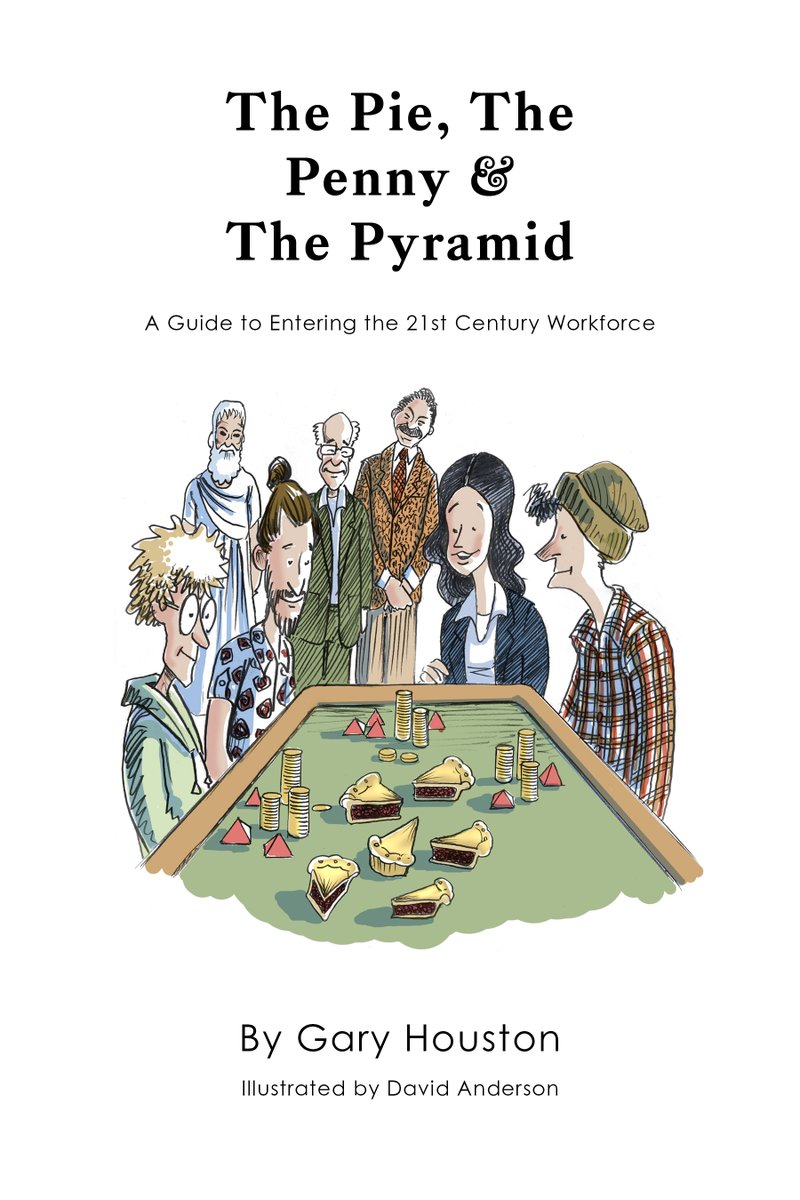
Started in Calgary at 15 for $ 4.40 an hour working in a warehouse. 40 years later, now work to help young people join the WorkForce. #WorkforceEntry, #Workforce, #WorkFamily
1
2
308
11 Mar 2024
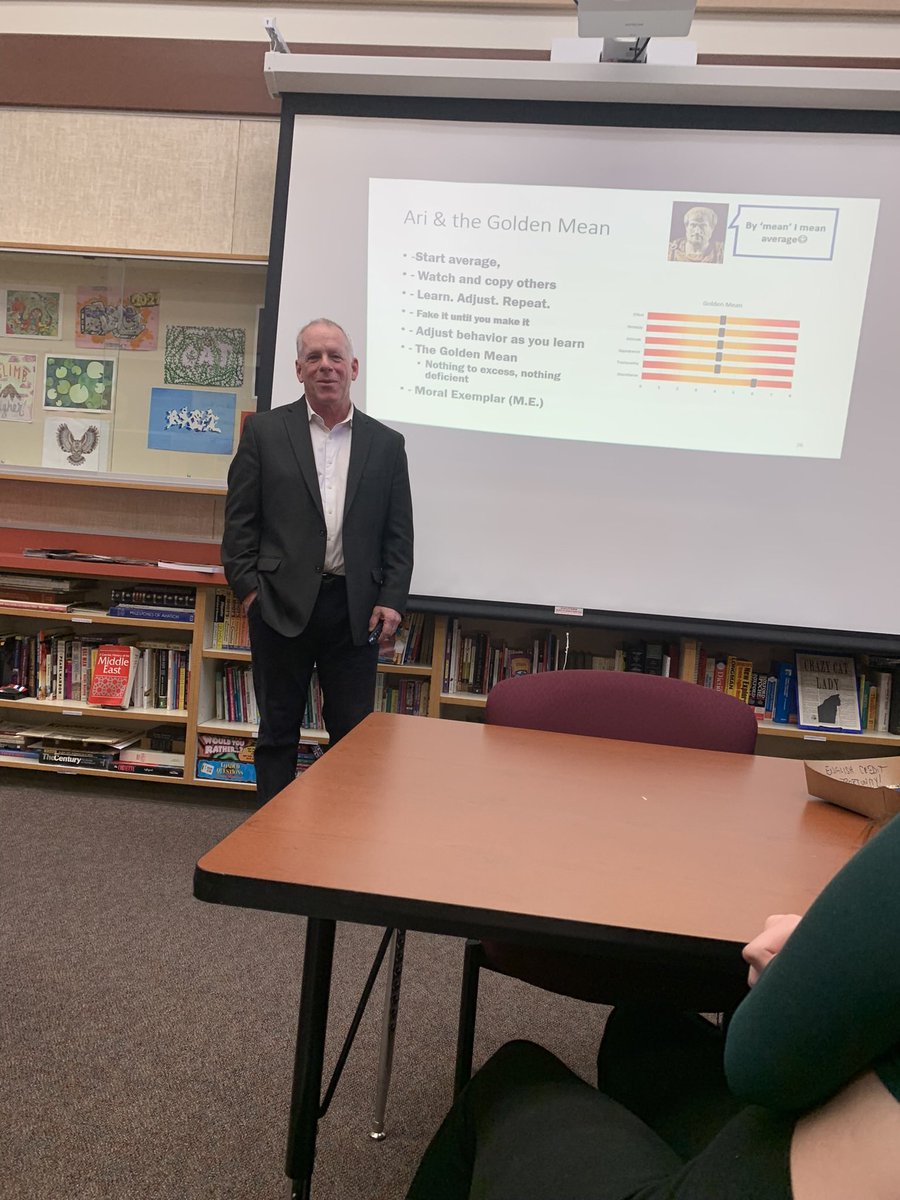
Speaking to high school students about getting jobs… a little different perspective on living a good life. Always nice to get invited back to speak to schools. Can’t be that bad… #WorkforceEntry
3
158
21 Feb 2024
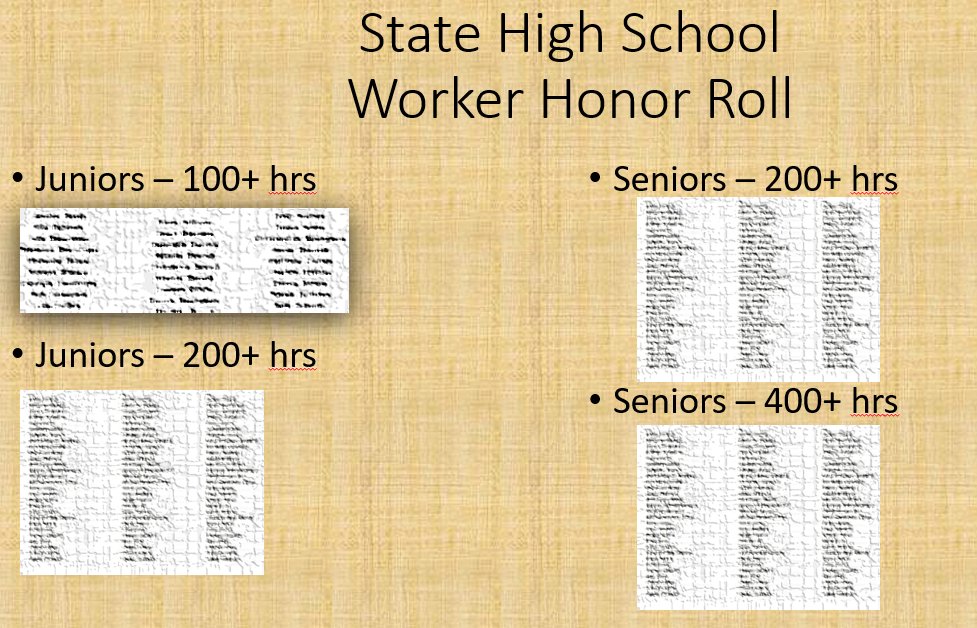
And what if we recognized workers in the school, like we do for academics and sports. Think of the kids who cannot participate because of their family situation. #WorkforceEntry.
3
16

21 Feb 2024
We need to bring that back or at least make it more readily available!
1
2
37

20 Feb 2024
You are so right. I hadnt thought about giving them high school credit. So many are hungry to see what real life is like. we should give em that opportunity!
1
3
448
20 Feb 2024
Great post! I speak at high schools, and often hear the same thing. Wouldn't it be great if kids could at least get high school credit for working part time. Think of the learning that goes on, and maybe more would stick around to get a diploma. #WorkforceEntry, #WorkFamily
3
5
595
22 Jan 2024
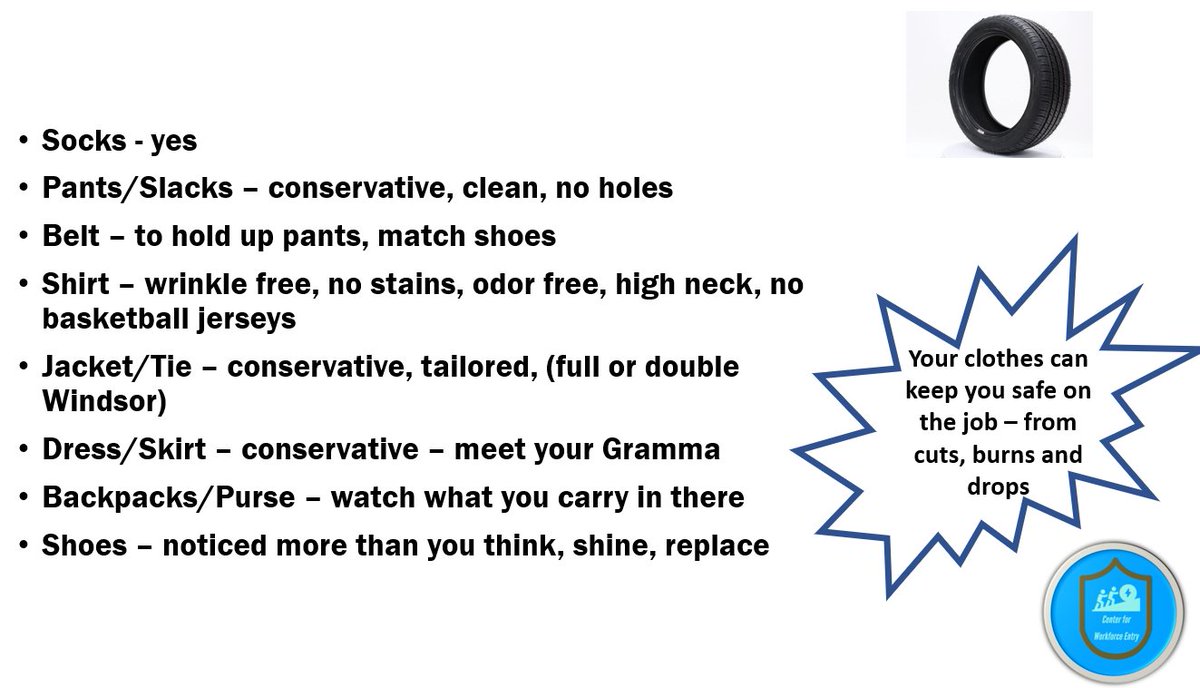
Whenever I speak to young people, I always include a tire... sometimes it takes a bit... #WorkforceEntry #ThePieThePennyThePyramid #LiveaGreatLife
1
2
72


29 Nov 2023
Even if, and arguably especially if. Love this message. ❤️
1
21


12 Oct 2023
Heartbreaking when they go back. We had a set of brothers, 7, 4, 3 and 2 who went back after almost 2 years. Mom had 2 more children and all 6 were pulled from the home again. I’m so glad to hear about your other two!!
1
6
1,729
28 Sep 2023
Excited to announce I have been asked back for a third year in a row to speak at Vallejo High School about #WorkforceEntry. Third Year!! Do you know of anyone who would be interested in having me speak?
6
524
27 Sep 2023
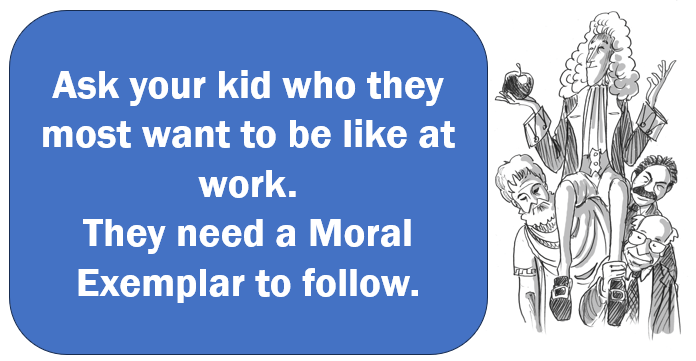
Ask your kids who they most want to be like at work. They need a Moral Exemplar to follow. #WorkforceEntry, #ThePieThePennyThePyramid
2
126

7 Sep 2023
Is I could add a little more, the book uses characters like Aristotle, Maslow and Kahneman to provide some wisdom. It is intended to be purchased as a gift, and hopefully says things parents would like to say to their kids. Sometimes it is best coming from others.🤓
1
2
46