
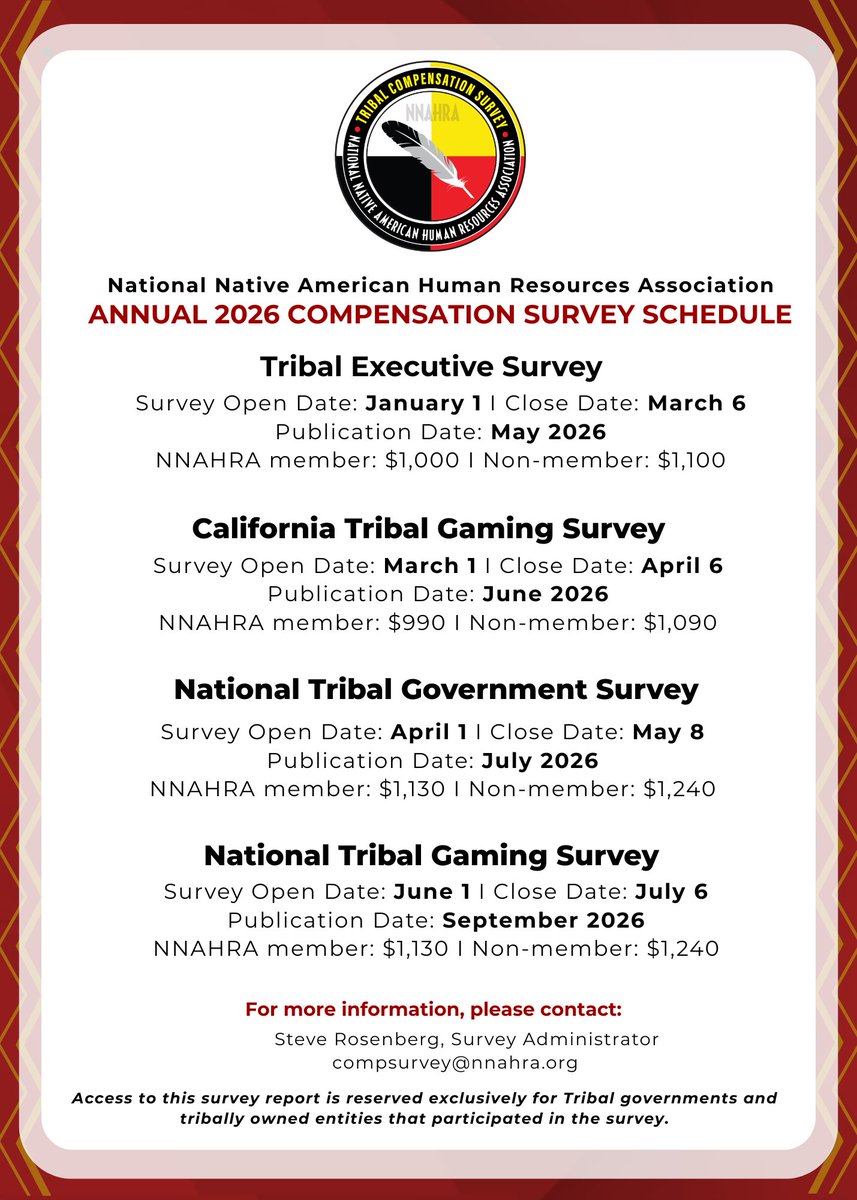
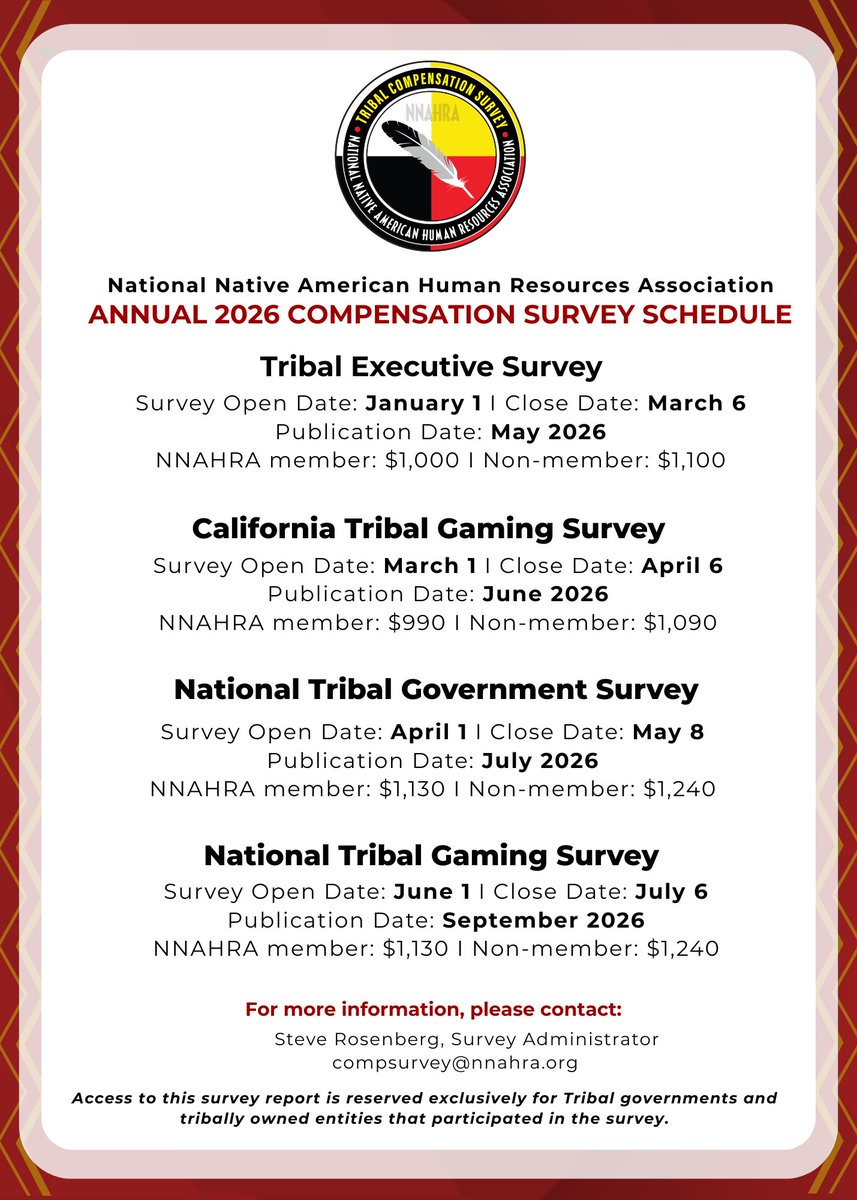
📊 2026 NNAHRA Compensation Surveys guide pay, workforce strategy, and planning across Tribal government and gaming. 🫱🏽🫲🏽 Stay informed. 👉 nnahra.org/compensation-surv… #NNAHRA #TribalHR #IndigenousLeadership #WorkforceStrategy #Compensation #DataDriven

Jun 12
Supplier certifications like MBE, WBE, and WOSB are not just branding. They directly impact federal contract eligibility and compliance. Timing matters.
Full breakdown in the comments.
#RegulatedEngineering #FederalContracting #WorkforceStrategy #RCSInsights

ALT A smiling woman in a hard hat holds documents, symbolizing confidence in the workplace. The image includes the RCS staffing logo.
1
8

Report from Global Banking & Finance Review Exploring cloud governance, global employment trends, and ODD strategies? Optimize operations with scalable cloud solutions and compliant workforce planning. #CloudComputing #GlobalBanking #WorkforceStrategy #O… globalbankingandfinance.com/…
6

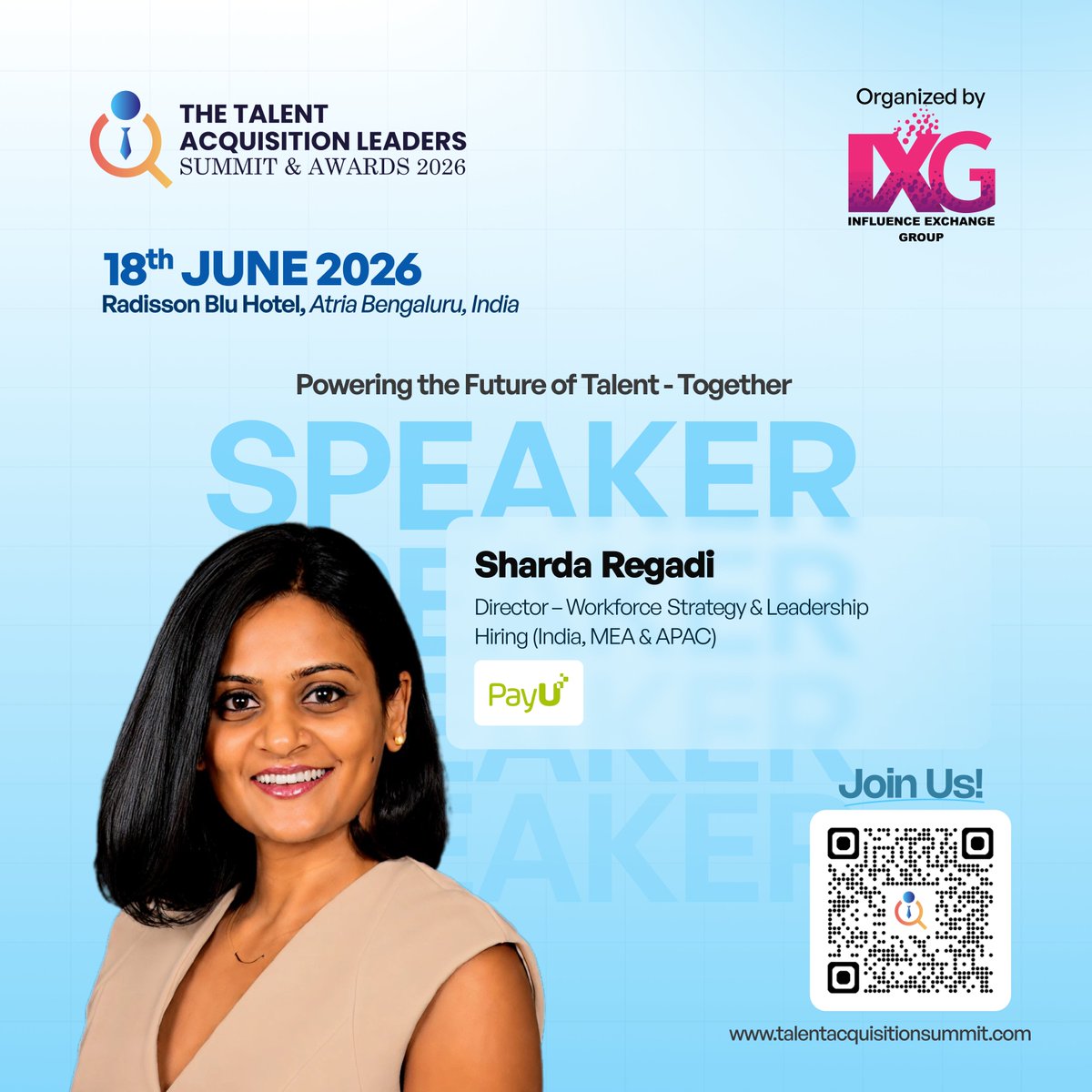
“Leadership hiring is about shaping the future, not filling a seat” - Sharda Regadi, PayU at our #ixgtalent2026
🎟️You're Invited: lnkd.in/dAxiv5b5
#italentseries #WorkforceStrategy #LeadershipHiring #TalentPlanning #FintechHR #TAStrategy #TASummit2026 #FutureOfWork
1
32
41
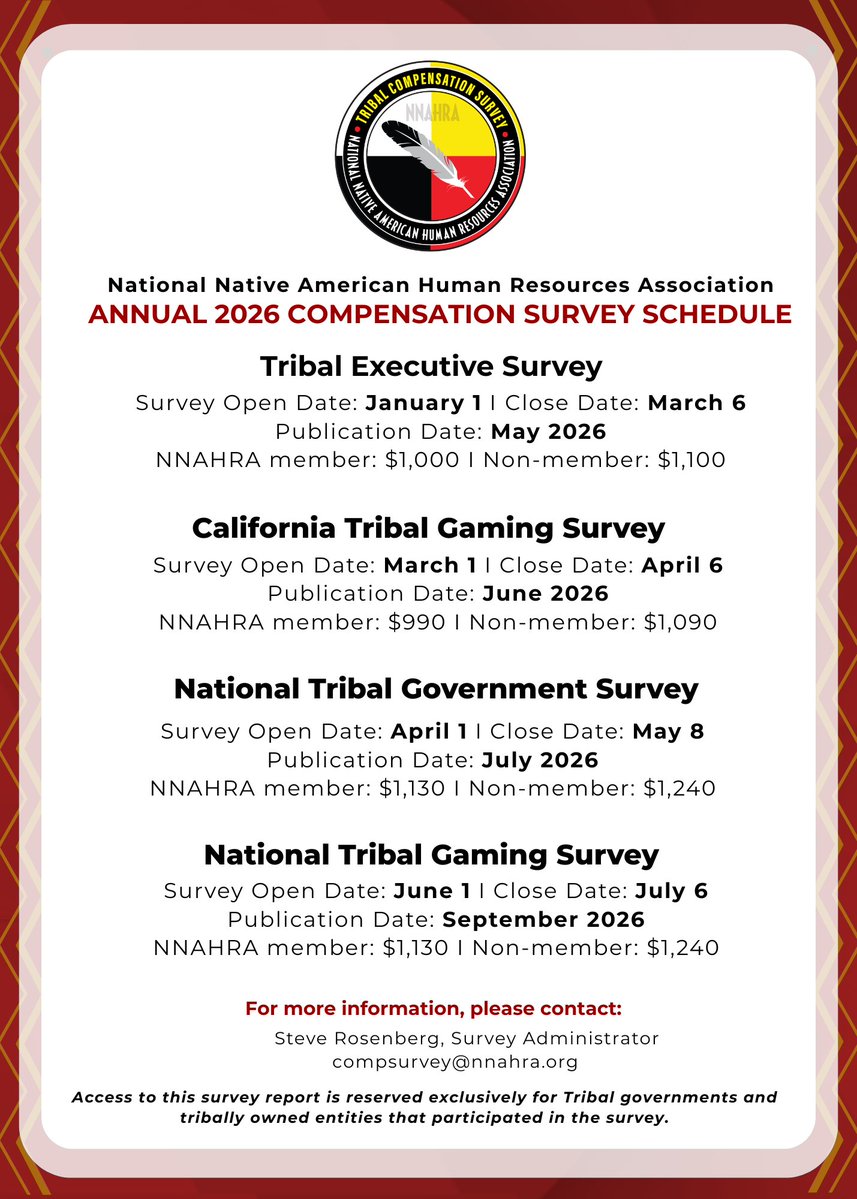
📊 2026 NNAHRA Compensation Surveys guide pay, workforce strategy, and planning across Tribal government and gaming. 🫱🏽🫲🏽 Stay informed. 👉 nnahra.org/compensation-surv… #NNAHRA #TribalHR #IndigenousLeadership #WorkforceStrategy #Compensation #DataDriven
2

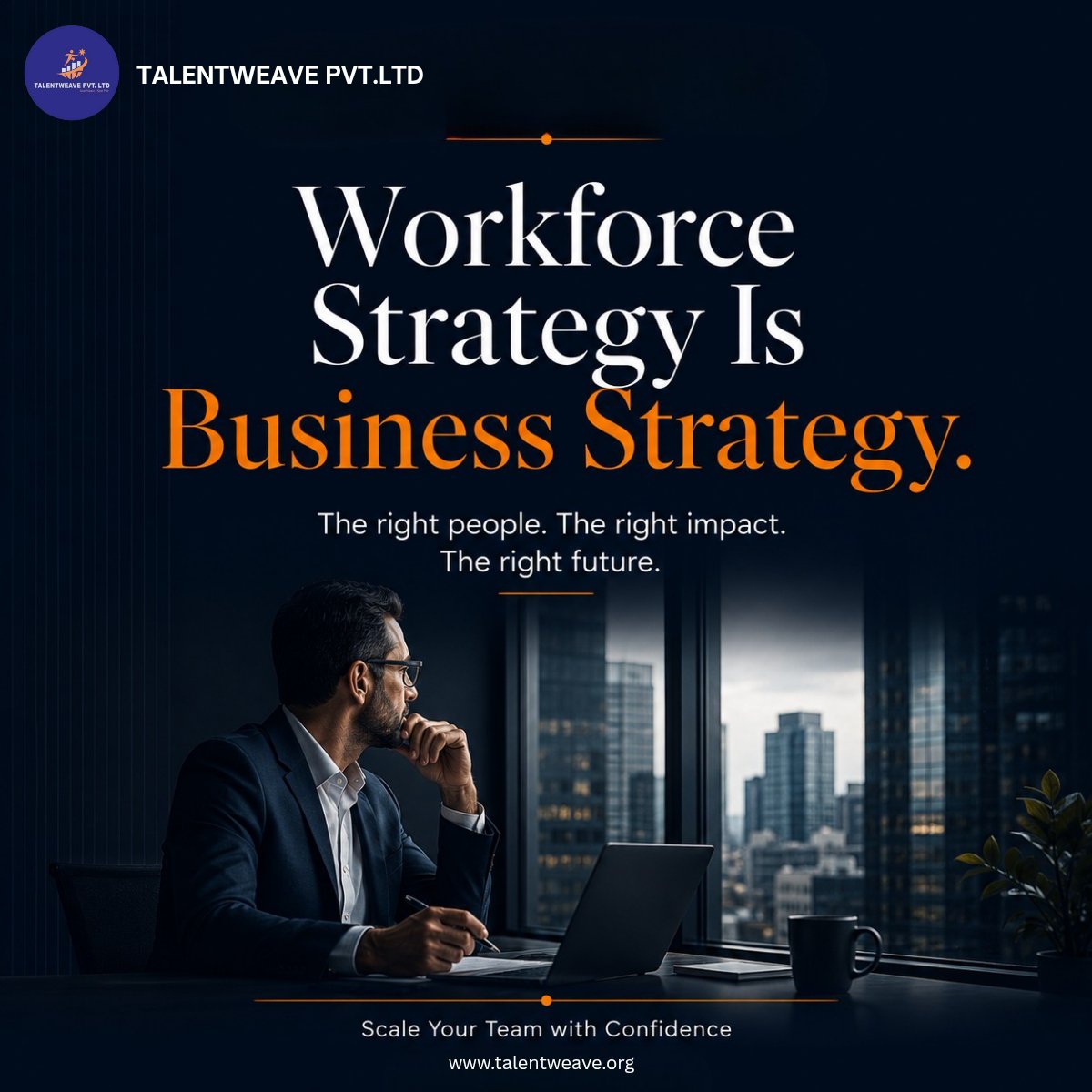
Workforce strategy is business strategy.
The organizations that align talent with business goals are better positioned to grow and compete.
Hr@talentweave.org | talentweave.org
#WorkforceStrategy #BusinessGrowth #TalentWeave
3

Jun 11
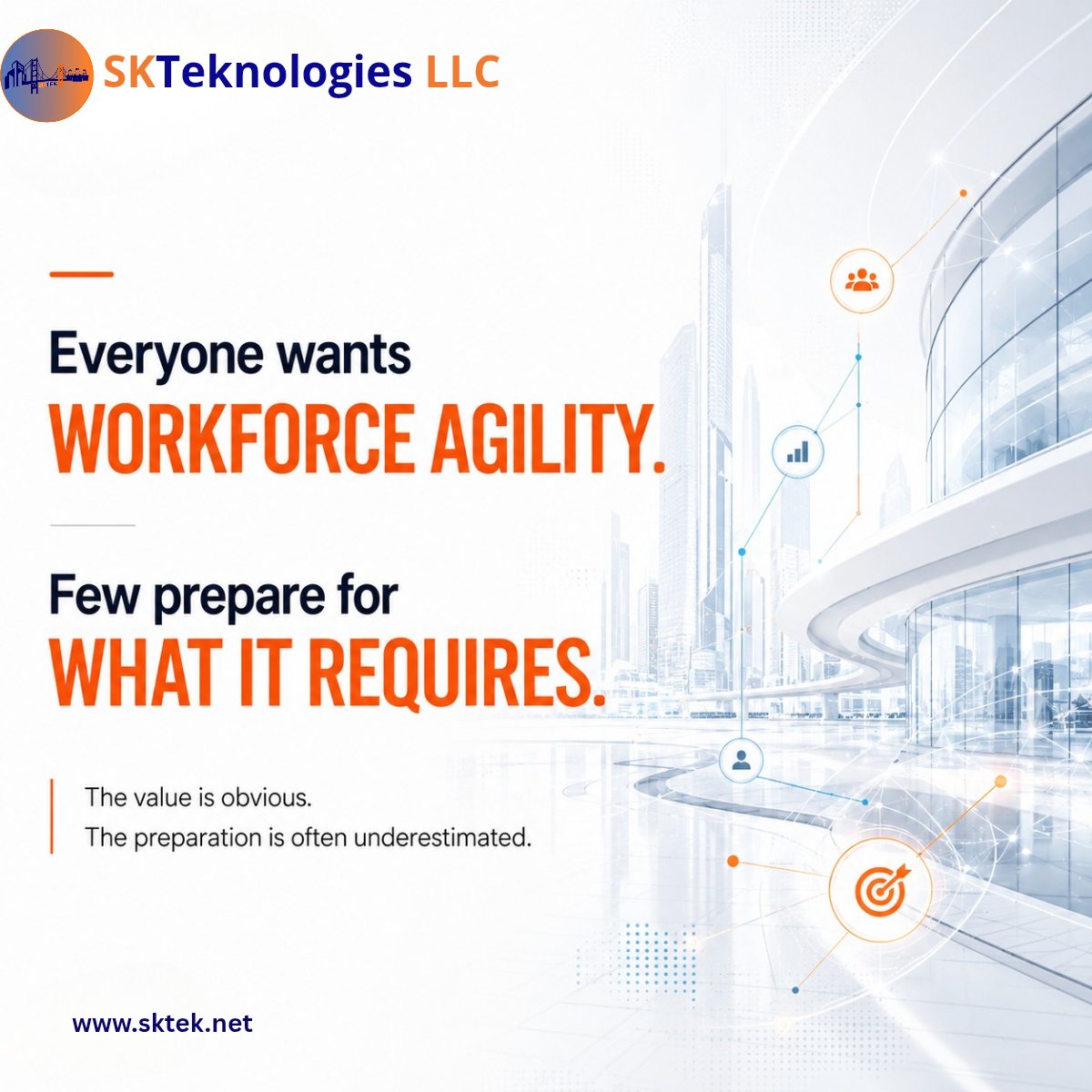
Workforce agility is not a workforce model.
It's the outcome of preparation.
Most organizations want it.
Few build for it.
What does workforce agility mean in your organization?
ceo@sktek.net | sktek.net
#WorkforceAgility #WorkforceStrategy
1
4

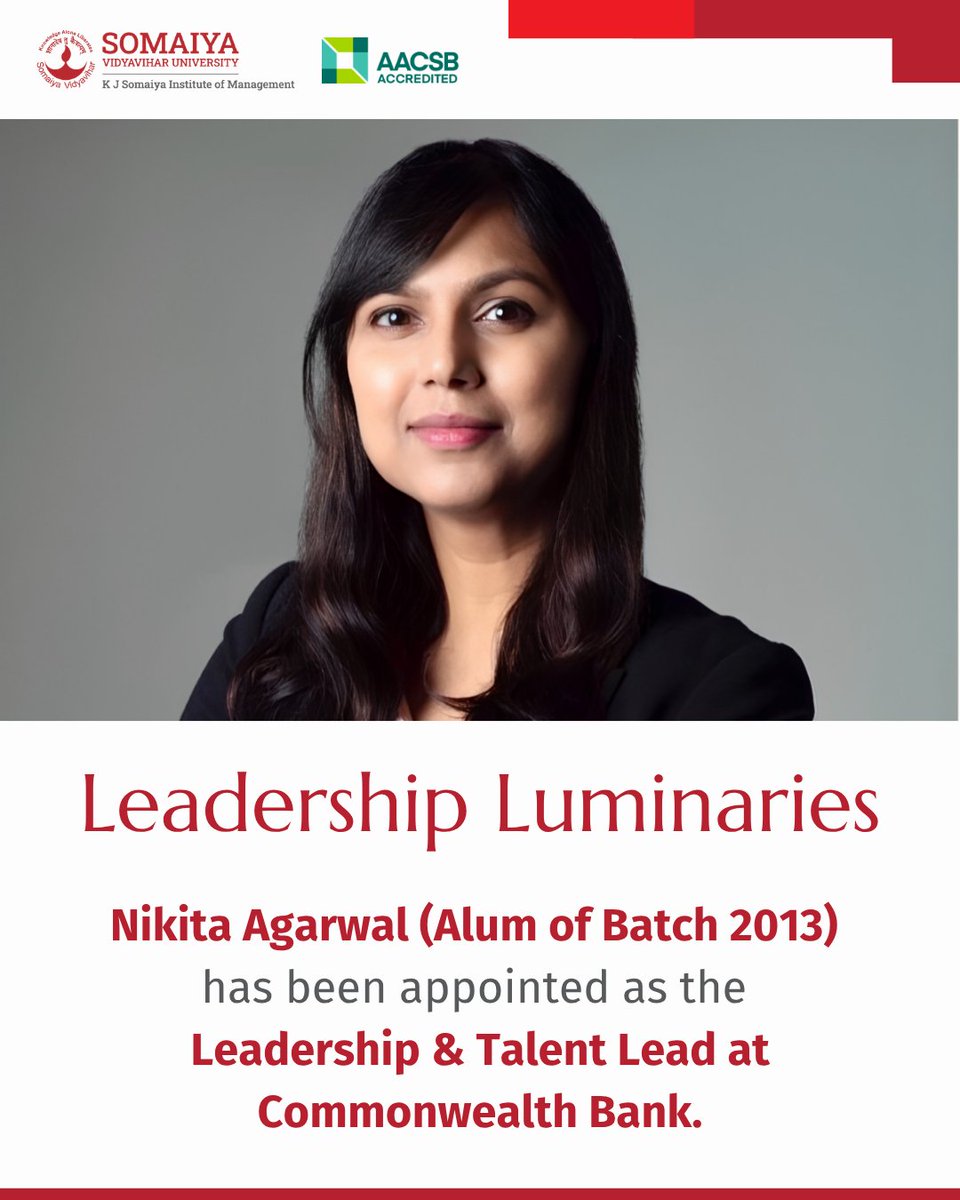
Nikita Agarwal, Alum of Batch 2013, has been recently appointed as Leadership and Talent Lead at Commonwealth Bank. 🎉
With over 15 years of experience across human capital consulting, people analytics, talent strategy and HR leadership, Nikita has held key roles at Commonwealth Bank, IBM (@IBM), KPMG Australia (@kpmgaustralia) and Deloitte Consulting (@DeloitteIndia). The Institute congratulates her on this milestone and celebrates her continued contribution to shaping talent and leadership excellence. ✨
(@Somaiya_SVU)
#KJSIM #KJSomaiyaInstituteofManagement #MBA #TSchool #LeadershipLuminaries #TalentStrategy #PeopleAnalytics #HRLeadership #OrganisationalTransformation #WorkforceStrategy
28

Jun 10
MSP programs demand alignment without delays. Lexitas delivers legal and interim talent that integrates seamlessly into MSP environments—keeping projects moving at every stage.
lexitaslegal.com/solutions/l…
#LegalStaffing #MSP #LegalOperations #WorkforceStrategy #Lexitas
11
📊 2026 NNAHRA Compensation Surveys guide pay, workforce strategy, and planning across Tribal government and gaming. 🫱🏽🫲🏽 Stay informed. 👉 nnahra.org/compensation-surv… #NNAHRA #TribalHR #IndigenousLeadership #WorkforceStrategy #Compensation #DataDriven
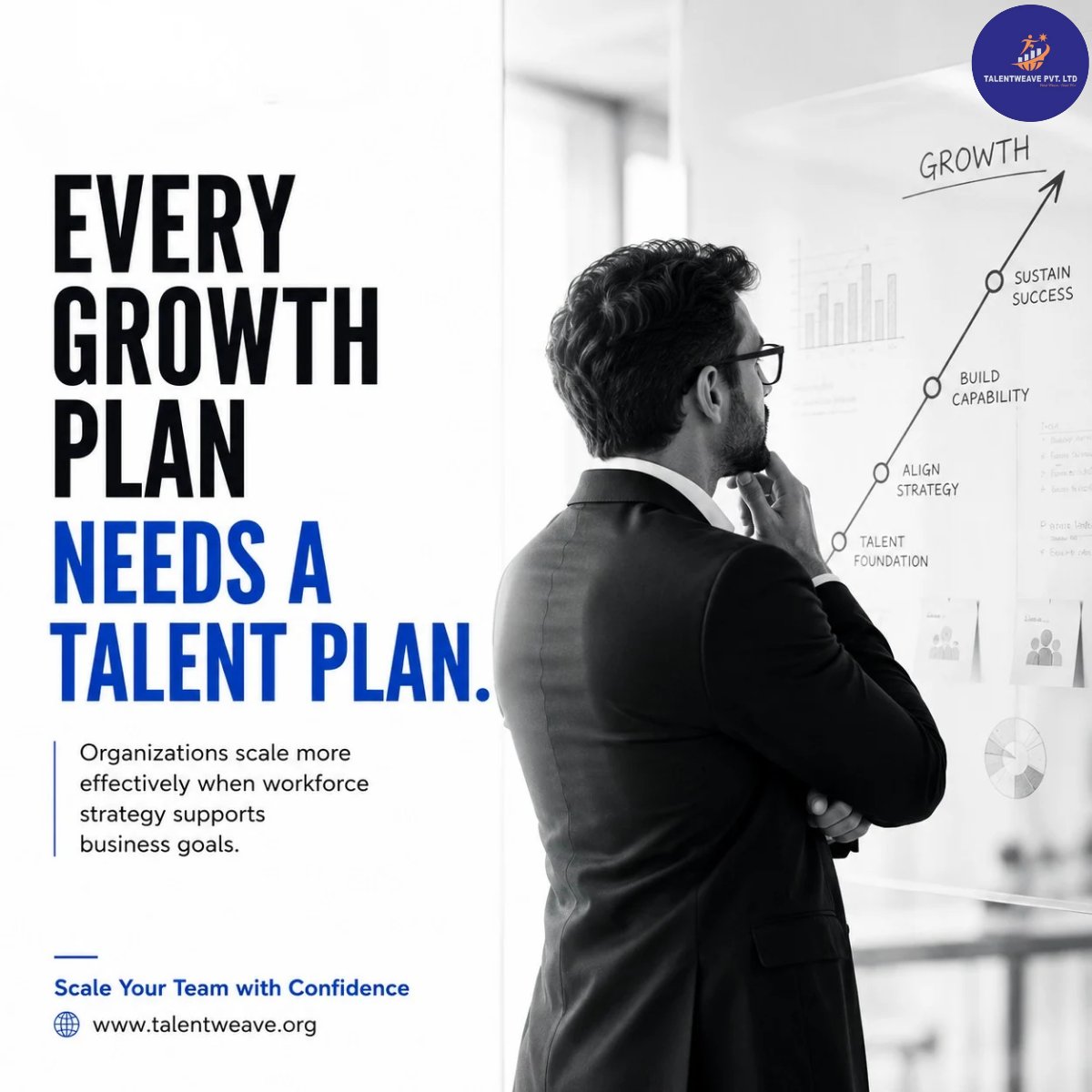
Every growth plan needs a talent plan.
Sustainable growth starts with the right people, skills, and strategy.
talentweave.org
#BusinessGrowth #WorkforceStrategy #TalentWeave
2

AI isn’t removing people from the future of work. It’s changing the skills businesses need from them.
As AI becomes embedded across more functions, the strongest teams won’t be built around fixed job titles alone.
They’ll be built around capability.
That means hiring leaders need to rethink how they assess, develop and structure talent across cloud, data, AI, security and enterprise technology teams.
The most valuable professionals will be those who can combine technical expertise with business context, governance, judgment and adaptability.
For employers, this creates a clear priority: build workforce models that can evolve as quickly as technology does.
That may mean skills-based hiring.
It may mean structured reskilling.
It may mean blending permanent teams with specialist contract talent.
It may mean creating stronger pipelines for future leaders.
What matters most is having the right skills in place before delivery slows, risk increases or growth opportunities are missed.
Read the full blog: eu1.hubs.ly/H0w2Stn0
#FutureOfWork #AI #TechTalent #WorkforceStrategy
1
10
Jun 9
Associate attrition is changing how law firms approach staffing.
A more strategic, flexible model helps maintain continuity and keep work moving forward.
Learn more: lexitaslegal.com/resources/s…
#LitigationSupport #LegalTalent #WorkforceStrategy #LegalOperations
2

Jun 9
Workforce issues aren't always easy to spot.
A vacancy problem may actually be ➡️ a workforce planning issue.
High turnover could indicate ➡️ leadership or team stability challenges.
Rising labor costs may be tied to ➡️ organizational structure or staffing decisions that were never intended to become long-term solutions.
That's why MGT's Workforce Pressure and Risk Assessment focuses on four specific areas that often have the greatest impact on organizational effectiveness. Together, these areas can help leaders pinpoint where workforce pressures may be affecting costs, capacity, and service delivery.
Download the assessment and see where your organization may need a closer look: discover.mgt.us/workforceass…
#WorkforceStrategy #RiskAssessment #HumanCapital #MGTinsights
8

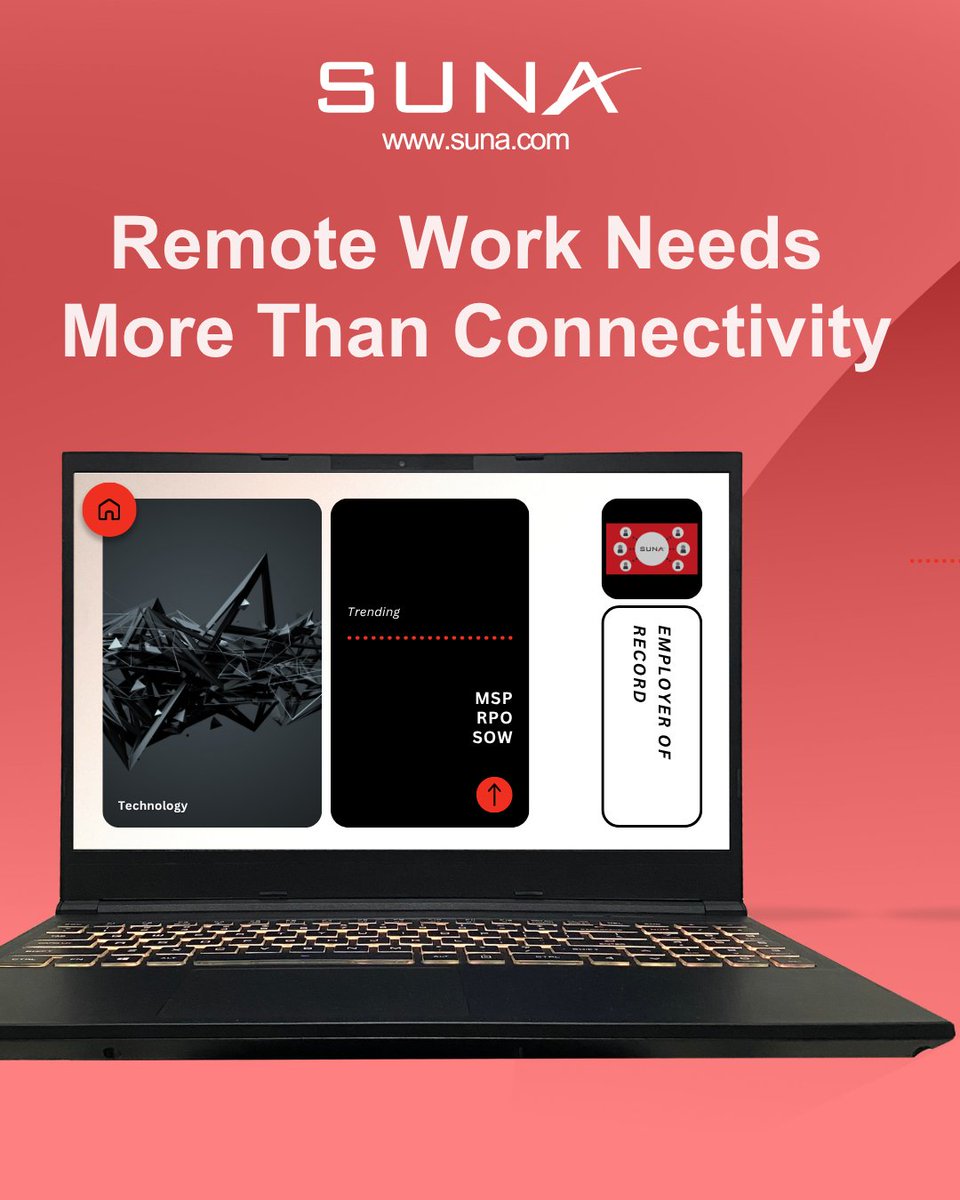
Remote work is flexible, but managing it can get complicated.
An EOR helps you:
🌍 Hire globally
📄 Manage payroll
⚖️ Stay compliant
⏱ Simplify onboarding
Because remote teams still need strong structure.
#EOR #RemoteWork #WorkforceStrategy
8
The challenge isn't hiring.
It's building workforce capacity before it's needed.
Organizations that plan ahead are better positioned to scale, adapt, and grow.
Scale Your Team with Confidence.
ceo@sktek.net | sktek.net
#WorkforceStrategy #BusinessGrowth #SKTek
1
3
Top contractors know their value.
And if your offer doesn’t match what they expect, someone else’s will.
Our Careers and Hiring Guide explores what contractors prioritize when choosing their next role, from competitive rates and flexible working to project quality, speed of process and clear expectations.
For employers, this matters.
Contractors are often brought in to deliver at pace, close urgent skills gaps and protect project timelines. But attracting the right people takes more than moving quickly. It takes a clear view of what top talent expects from the market.
Download the Careers and Hiring Guide to understand what contractors want in 2026:
eu1.hubs.ly/H0v_-6K0
#TechHiring #ContractTalent #WorkforceStrategy #TenthRevolutionGroup
2

Jun 9
New Chief Revenue Officer at GoGlobal
Full Story: nfne.ws/300521
#GlobalExpansion #GlobalGrowth #GoGlobal #InternationalBusiness #WorkforceStrategy ##BusinessExpansion #Banking #FinancialServices #InvestmentBanking
19

Jun 8
All told, the U.S. alone could be looking at an 11.7 billion price tag. Instead of pretending it isn’t happening, smart teams plan around it...
#WorldCup2026 #WorkforceStrategy #DedicatedOffshoreTeams #PhilippinesTalent #FutureOfWork
bit.ly/3SpkQws
6

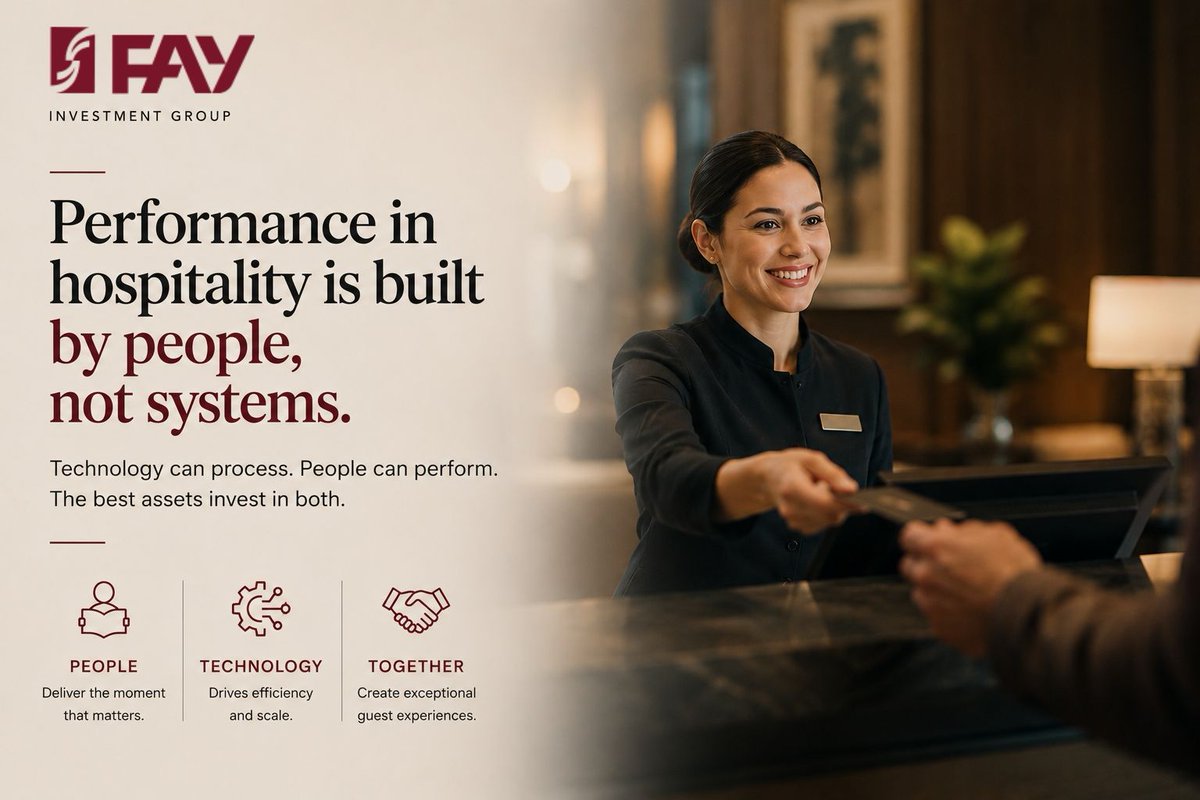
In hospitality assets, performance is determined less by technology or demand, and more by the continuity and capability of the workforce executing the model.
That gap is not a technology problem. It is a people problem wearing a technology mask.
Automation handles the transaction. It does not handle the moment a guest is frustrated, confused, or needs someone who knows the property well enough to solve a problem on the spot. That still comes down to a person.
And right now the industry is systematically underinvesting in that person while overindexing on the system sitting next to them.
US hospitality turnover runs at 70 to 80 percent annually. We treat that as a cost of doing business. I think it is the single most underreported drag on asset performance in the sector.
The operators who outperform over the next decade will not be the ones with the best technology stack. They will be the ones who figured out how people and technology work together inside the same operation.
That is the question the industry is not asking clearly enough. Do you agree?
#HospitalityInvestment #AssetManagement #HospitalityTech #WorkforceStrategy #FAY
1
12