
𝗘𝗺𝗽𝗼𝘄𝗲𝗿𝗶𝗻𝗴 𝗹𝗲𝗮𝗱𝗲𝗿𝘀𝗵𝗶𝗽 𝗰𝗮𝗻 𝗶𝗺𝗽𝗿𝗼𝘃𝗲 𝗽𝗲𝗿𝗳𝗼𝗿𝗺𝗮𝗻𝗰𝗲 𝗯𝘂𝘁 𝘁𝗵𝗲 𝗽𝗮𝘁𝗵𝘄𝗮𝘆 𝗺𝗮𝘆 𝗯𝗲 𝗺𝗼𝗿𝗲 𝗰𝗼𝗺𝗽𝗹𝗲𝘅 𝘁𝗵𝗮𝗻 𝘀𝗶𝗺𝗽𝗹𝘆 𝗴𝗶𝘃𝗶𝗻𝗴 𝗽𝗲𝗼𝗽𝗹𝗲 𝗴𝗿𝗲𝗮𝘁𝗲𝗿 𝗮𝘂𝘁𝗼𝗻𝗼𝗺𝘆.
A 2026 study published in 𝘗𝘓𝘖𝘚 𝘖𝘕𝘌 examined relationships between empowering leadership, structural empowerment, team cohesion, and job performance among 483 secondary school teachers in Hong Kong.
Key findings:
• Empowering leadership was positively associated with job performance
• Structural empowerment – access to information, resources, support, and opportunities for growth – played an important role in explaining this relationship
• Team cohesion was also examined as a mediator, although the findings were more nuanced than many leadership theories would predict
• The results suggest that leadership behaviours operate within a broader organisational context rather than in isolation
From a performance psychology perspective, this highlights an important principle: leadership practices are often most effective when supported by systems, structures, and team environments that enable people to perform at their best.
Practical implications:
• Pair autonomy with adequate resources and support
• Create conditions that help employees access the information they need to succeed
• Recognise that leadership effectiveness is influenced by the wider organisational environment
• Avoid assuming that leadership style alone is sufficient to drive performance outcomes
The findings remind us that sustainable performance is rarely the product of a single leadership behaviour. It emerges from the interaction between leadership, organisational structures, and team dynamics.
What organisational factor do you believe most strongly influences whether empowering leadership succeeds or fails?
#PerformancePsychology
#Leadership
#OrganisationalPsychology
#Management
#WorkplacePerformance
3

Today, Yellow Oak Consultancy LTD is privileged to facilitate an Executive Personal Assistants Training for the dedicated team at Motrex Limited, Mombasa.
Book a session for your team today.
Call/WhatsApp: 0722 865 321
#yellowoakconsultancy #Workplaceperformance
1
6

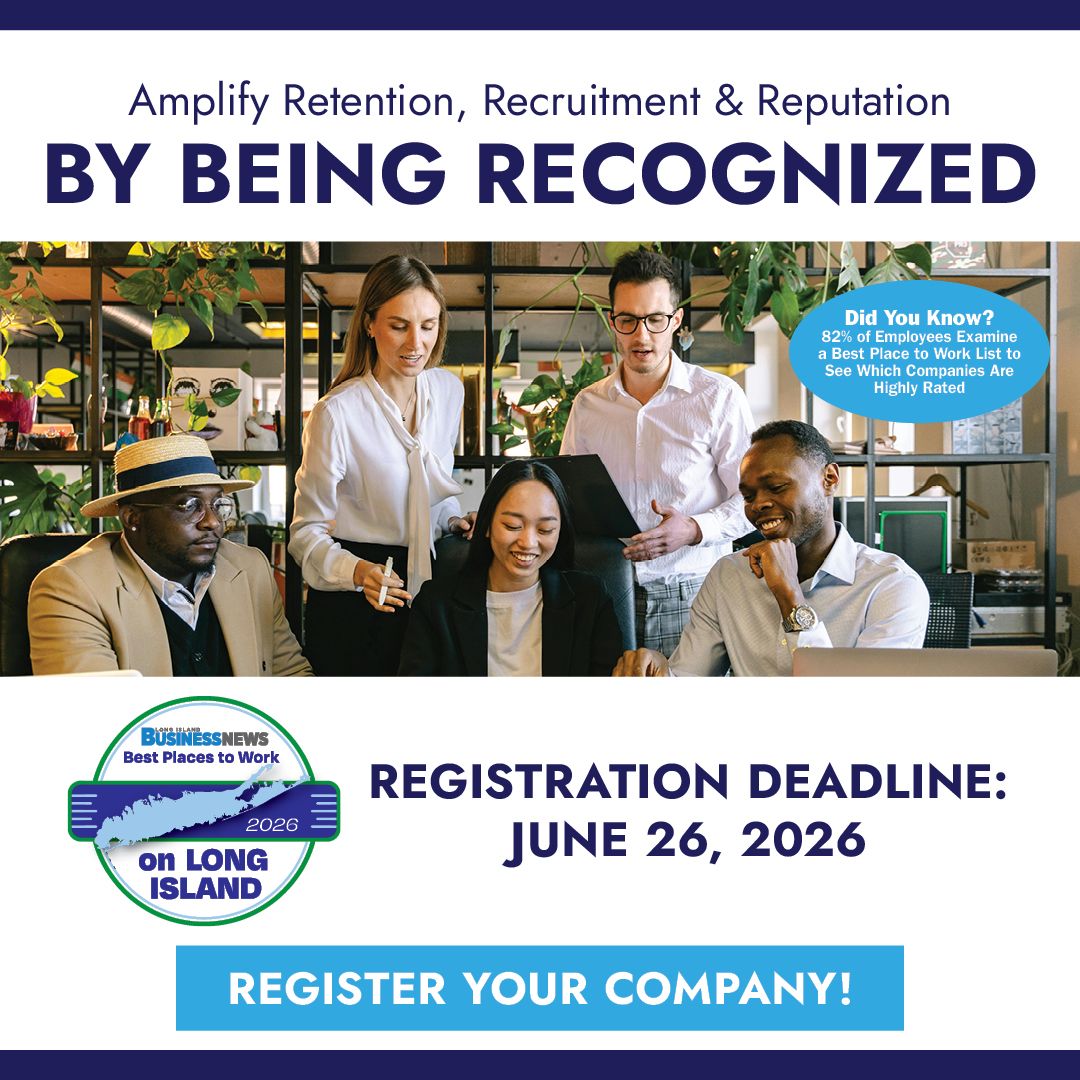
Best Places to Work on Long Island offers a chance to stand alongside the companies setting the benchmark for excellence.
Don’t let your competitors be the only ones on the list.
Register here: bit.ly/4433F6z
#BestPlacesToWork #CompanyCulture #WorkplacePerformance
58

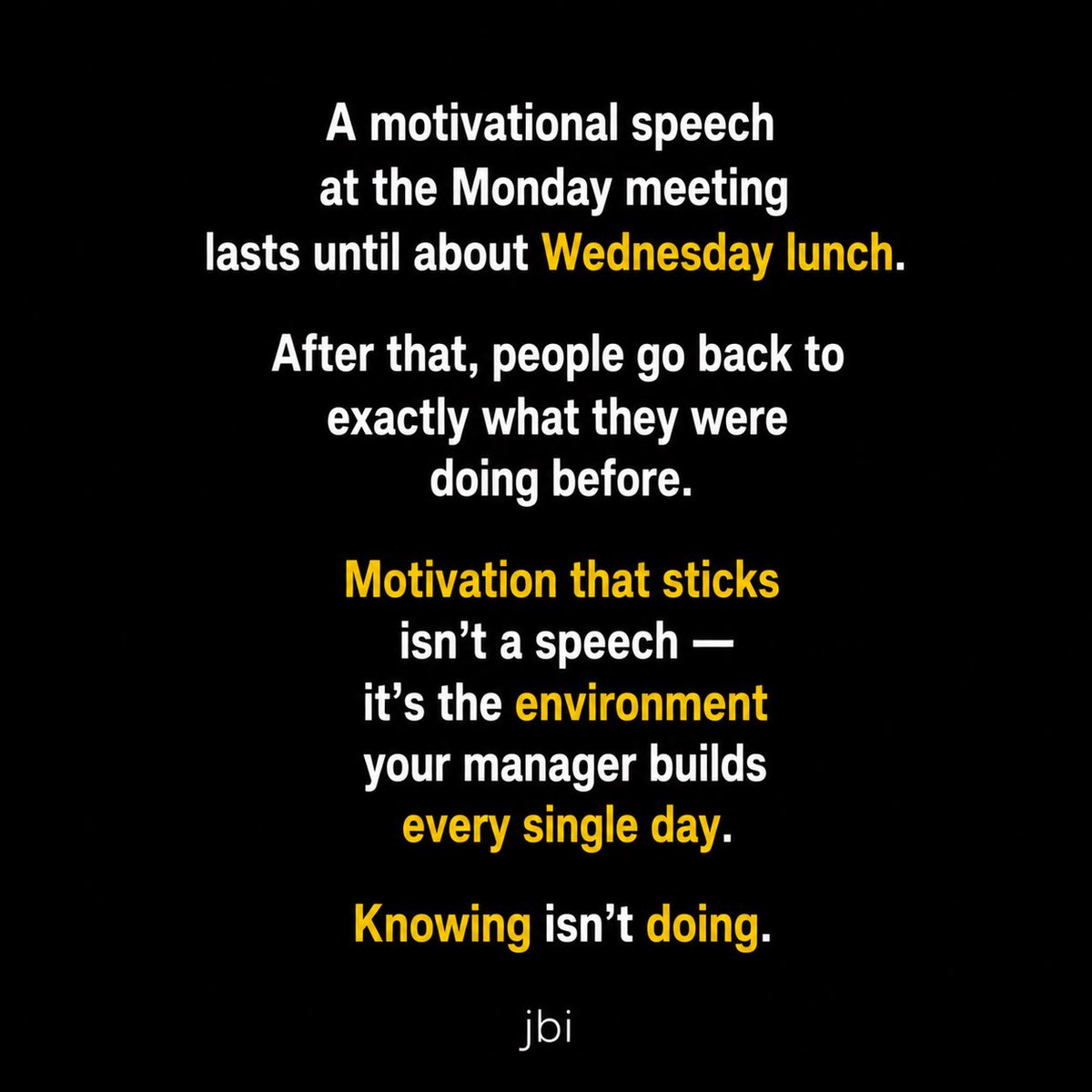
Most managers know motivation matters. Very few know how to build the daily conditions that sustain it — the right recognition, the right challenge, the right conversations at the right time. The REAL Leadership Development Framework identifies the specific manager behaviors that drive consistent team motivation and ties them directly to performance outcomes your business can measure. Not morale surveys. Not pizza Fridays. Real engagement that shows up in results. What would your team’s output look like if your managers knew exactly which behaviors kept people performing at their best?
#TeamMotivation #LeadershipDevelopment #ManagerTraining #BehaviorChange #REALLeadershipDevelopmentFramework #EmployeeEngagement #ManagementSkills #WorkplacePerformance #KnowingIsntDoing #PeopleLeadership
5
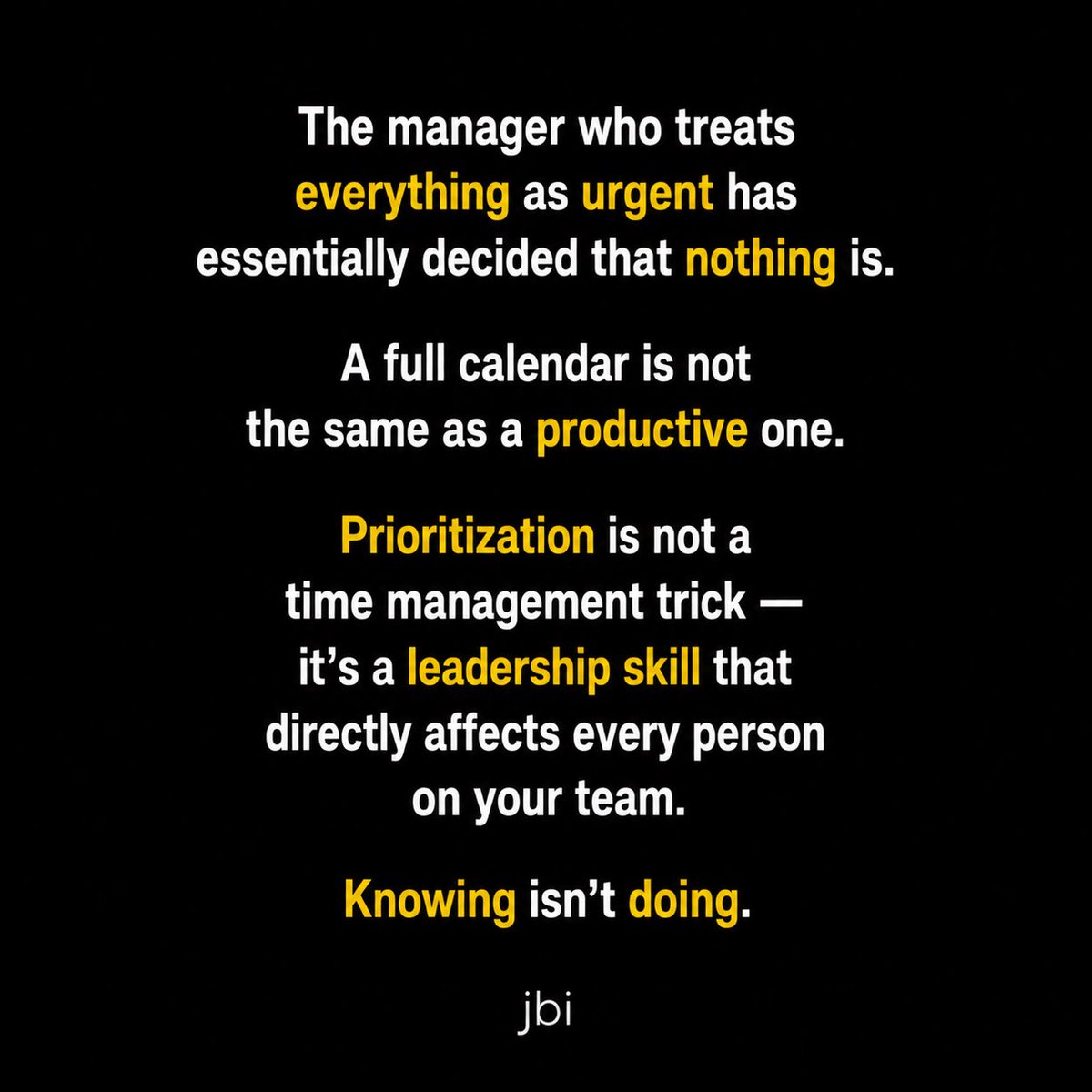
Busy and effective are not the same thing — and most organizations are full of managers who prove that every day. Prioritization isn’t about working harder. It’s about making deliberate decisions on where attention goes and protecting that decision when everything else is screaming for it. The REAL Leadership Development Framework builds that discipline as a practiced behavior — not a productivity hack from a book. Because when a manager can’t prioritize, neither can their team. And that costs your business more than you think. What would your team accomplish next week if your managers focused on the right three things instead of every single thing?
#Prioritization #LeadershipDevelopment #ManagerTraining #BehaviorChange #REALLeadershipDevelopmentFramework #TimeManagement #ManagementSkills #WorkplacePerformance #KnowingIsntDoing #BusinessResults
2

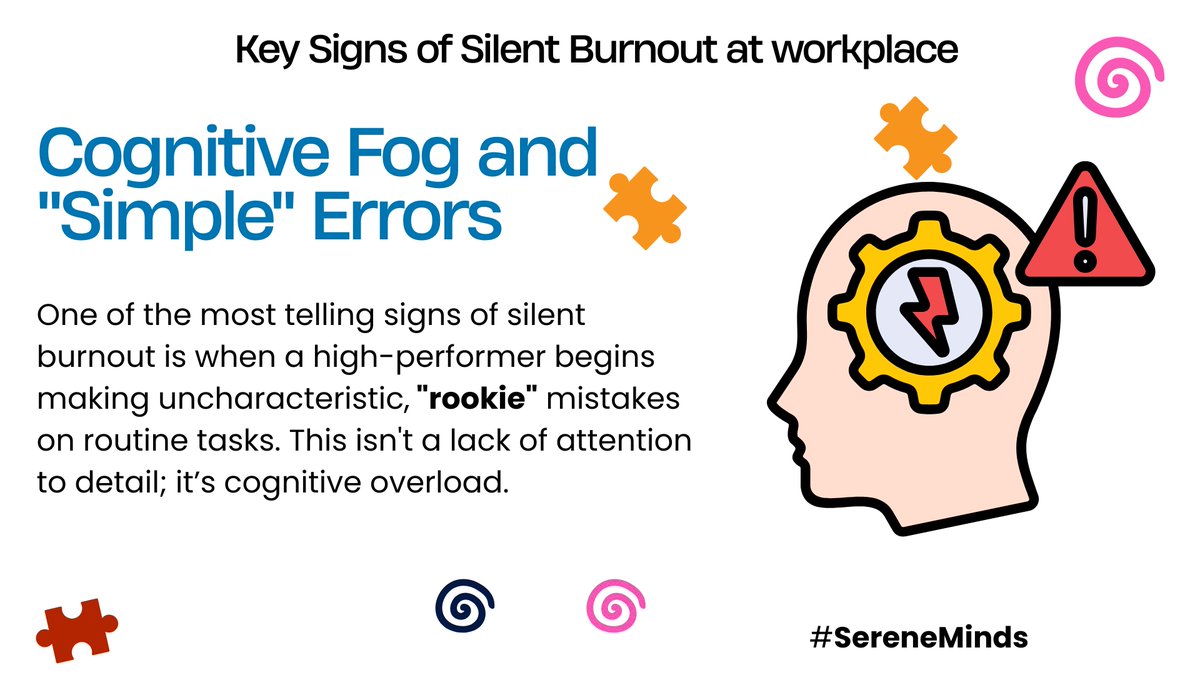
Is a high-performer suddenly making "rookie" mistakes?
It’s likely not a lack of attention to detail—it’s Cognitive Fog. When the brain is under chronic stress, the prefrontal cortex (the area responsible for focus and decision-making) actually begins to struggle.
What you see as "carelessness" is often:
1⃣Analysis Paralysis: Taking an hour for a 10-minute task.
2⃣Forgetfulness: Missing deadlines they used to hit with ease.
3⃣Brain Fog: Struggling to process simple instructions.
They haven't lost their skills; they’ve lost their mental bandwidth. 📉
Clear the fog. Give your employees the professional mental health tools they need to regain their sharp edge.
Reach out to Serene Mindcare for tailored wellness programs.
📧 serenemindcare5@gmail.com
🌐 serenemindcare.com
📲 0750383478
#CognitiveFog #WorkplacePerformance #BurnoutSigns #SereneMindcare #MentalHealthAtWork
2
11
103

Most knowledge workers aren't high-performing. 90% believe they are, but data shows they're sleepwalking through tasks. This 'performance delusion' is a costly lie. Focus on replicating success from your top teams, #WorkplacePerformance #Leadership #Productivity
1
344

10 Oct 2025
*Wellness at Work: The Secret to Sustained High Performance*
In today’s fast-paced corporate world, success isn’t just about working harder, it’s about working smarter, and that begins with wellness.
Our upcoming Health and Wellness Webinar will explore how nutrition, rest, and mindfulness serve as powerful drivers of focus, productivity, and long-term performance in the workplace.
When you fuel your body with the right nutrients, prioritize adequate rest, and practice mindfulness, you create the foundation for clarity, creativity, and resilience, all essential ingredients for high performance.
You should know that your greatest professional asset is your health.
Register via this link - bit.ly/3VVwmhR
#MooreBishopAndRooks #HealthAndWellness #MooreBR
#CorporateWellness #Nutrition #WorkplacePerformance
1
2
43

18 Sep 2025
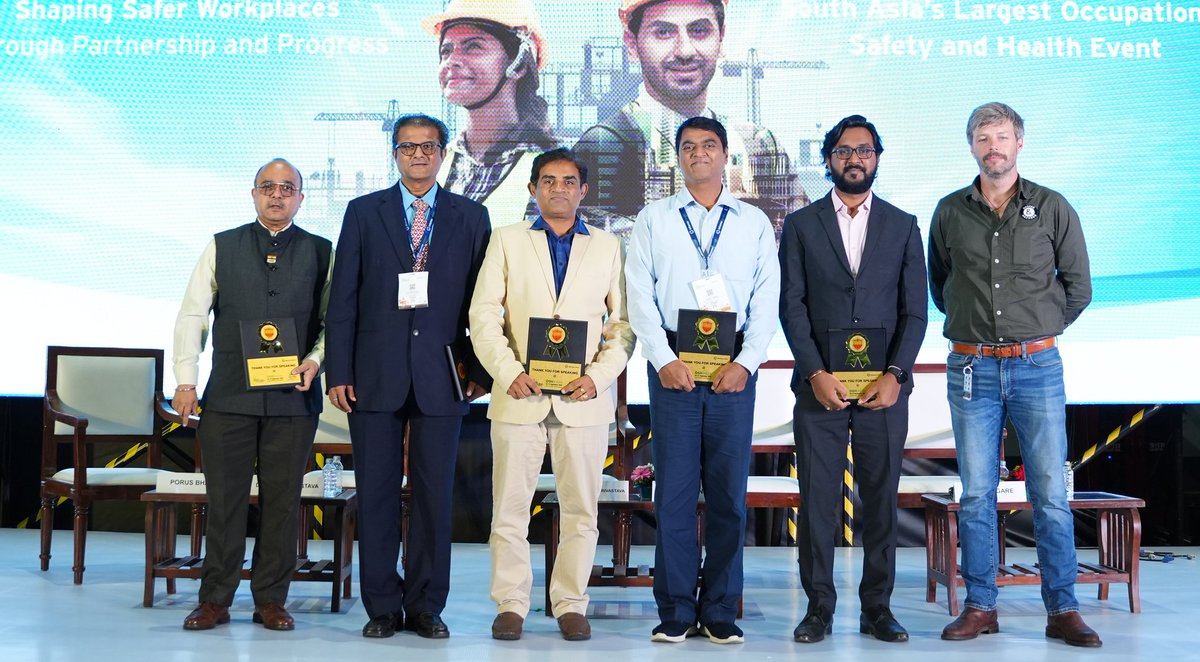
Moderated #OSHIndia2025 Session 8 on transforming #SafetyCulture and driving #Leadership in #WorkplacePerformance, in collaboration with Builders Association of India! Proud to share insights with top HSE thought leaders. Elevate your organization’s safety standards.
1
2
3
28

10 Apr 2025
Dosen @dosen Secures $2.3M in Pre-Seed Round
#B2B #SaaS #AI #EmployeeAlignment #EmployeeEngagement #WorkplacePerformance #TeamAlignment #EmployeeDevelopment #PreSeed #Funding
thesaasnews.com/news/dosen-s…
1
2
53

11 Nov 2024
What can workplaces learn from the gym and the football pitch in creating environments that inspire workers to stretch, develop, and achieve their goals? ➡️ gensler.com/blog/how-workpla…
#Workplace #WorkplacePerformance
4
7
614

11 Oct 2024
🚀 Boost workplace productivity by implementing the right digital systems.
Read more here!
amazingworkplaces.co/optimiz…
#DigitalTransformation #WorkplaceEfficiency #Productivity #FutureOfWork #Leadership #DigitalSystems #WorkplacePerformance #Innovation #BusinessGrowth
1
4
9

3 Oct 2024
Blinded by The Office
How In-Office #Bias Hides the Truth About #WorkplacePerformance
christopherlind.substack.com…

1
3
48

9 Aug 2024
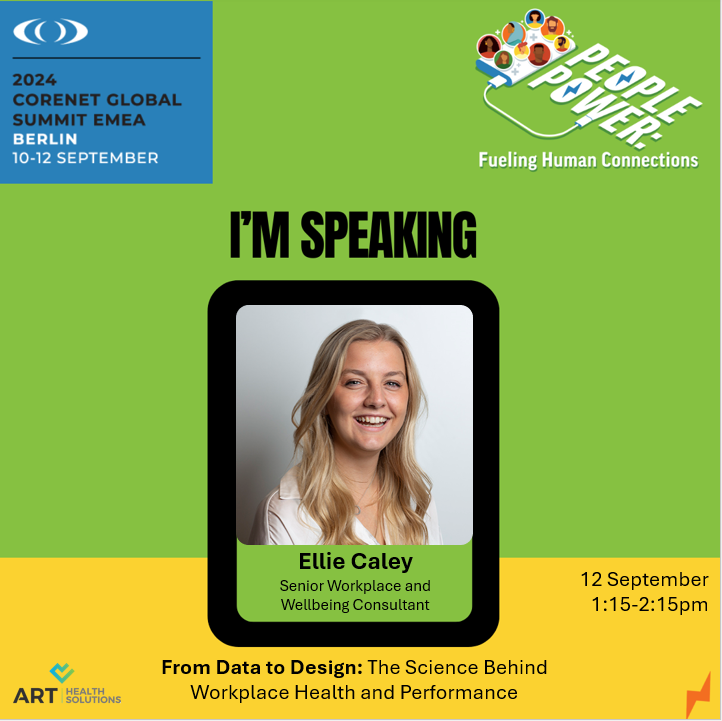
1 Month to CoreNET!🎉We're delighted to share that our very own Ellie Caley will be co-presenting at #CNG24BERLIN this September discussing our partnership with #GSK to develop their future-ready workplace design standards. #Data #NewOffice #HealthyWorkplace #WorkplacePerformance
2
48

30 Jan 2024
Are you looking to boost workplace performance, empower your team, and drive organizational growth?
Learn how to unlock workplace success and discover the power of coaching—with a special showcase from @Schoox! ow.ly/SnBg50QvR7n
#workplacesuccess #workplaceperformance
1
1
341

22 Nov 2023
🚀 Unveiling the critical role of energy management in workplace performance!
⚖️ Join us for the enlightening CASE STUDY: "Striking the Balance: Energy, Recovery, and Support in Workplace Performance."
Speaker: Luc Van der Hofstadt, Executive Business Coach & Country Director, Mentally Fit South Africa
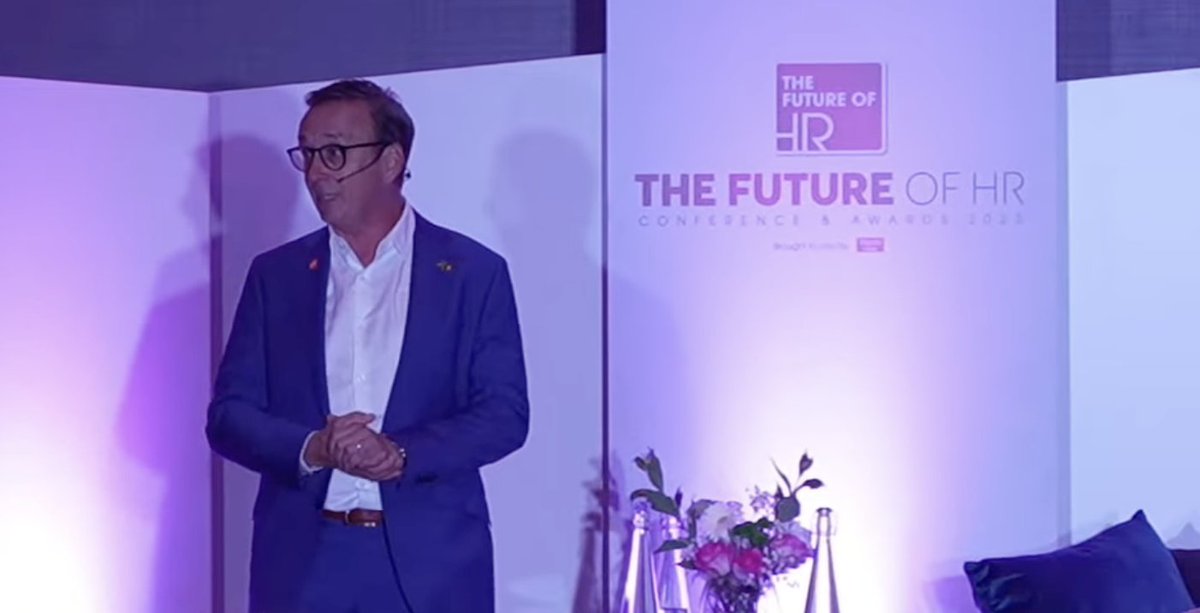
🌟 Explore real-life examples from the sports arena, drawing parallels to the workplace, and discover the impact of proper energy balance on employee well-being and organizational success. 🏋️♂️💡 Don't miss this insightful journey into the fine line between challenge and burnout! #WorkplacePerformance #EnergyManagement #HRStrategies #FOHR #FOHR2023 🌐✨
1
2
52

20 Feb 2023
Following recent findings that we need more sleep in the Winter months, in our latest blog, we thought that we'd explore the link between sleep and workplace performance!
#sleepwell #benefitsofsleep #workplaceperformance
trans2performance.com/blog/t…
1
2
328
1 Feb 2023
New eBook release by @brainiersol!
Discover how a holistic upskilling strategy can help your organization retain talent and improve workplace performance. ow.ly/rqSG50MC4N7
#upskilling #reskilling #workplaceperformance
1
1
356
24 Jan 2023
In this T2 Hubcast episode, Tracy and James discuss how to use parallel thinking to unlock possibilities and separate ego from performance in your teams.
Give it a listen!
#parallelthinking #ego #workplaceperformance
spotifyanchor-web.app.link/e…
2
2
275
12 Dec 2022
New release! 🚀
This eBook by @EIDesignLearn showcases how to use emotional intelligence as a common thread in designing learner-centered approaches to training that drive deeper #employeeengagement and better #workplaceperformance.
Download it now: ow.ly/buvz50LYkf2

1
1