
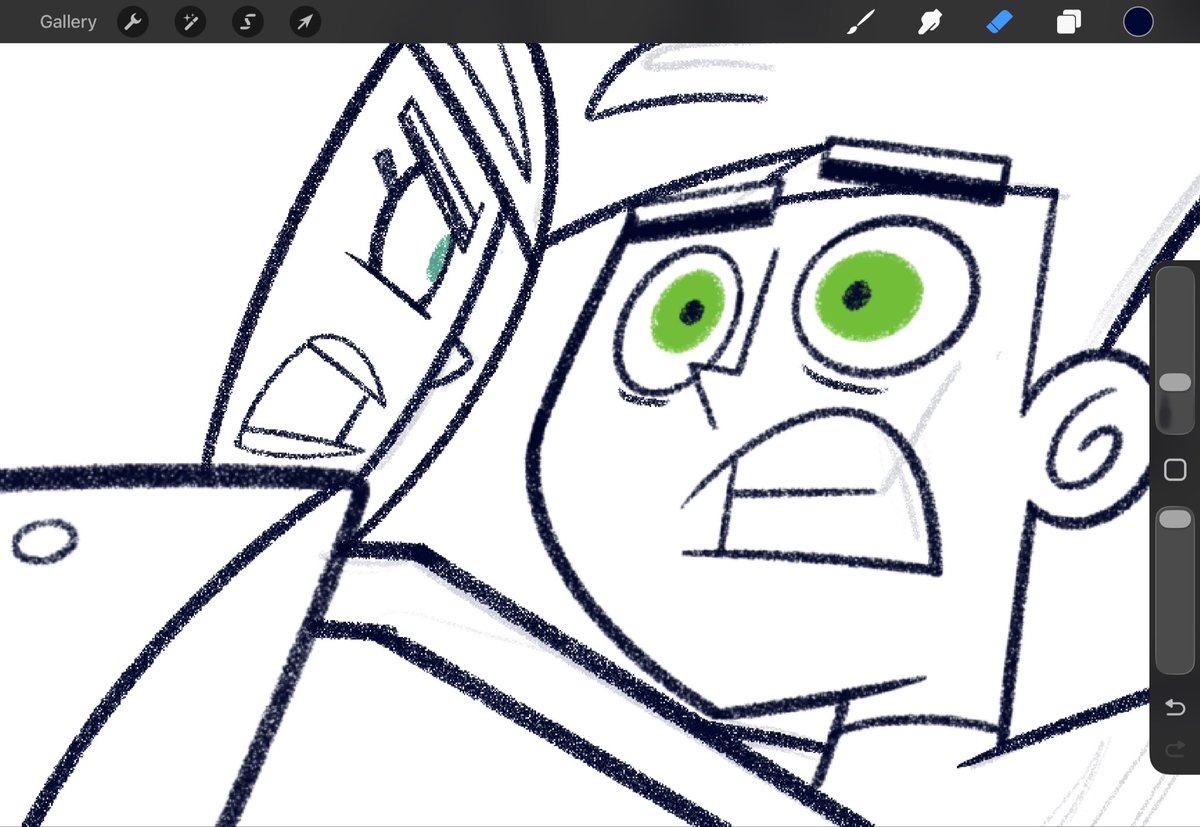
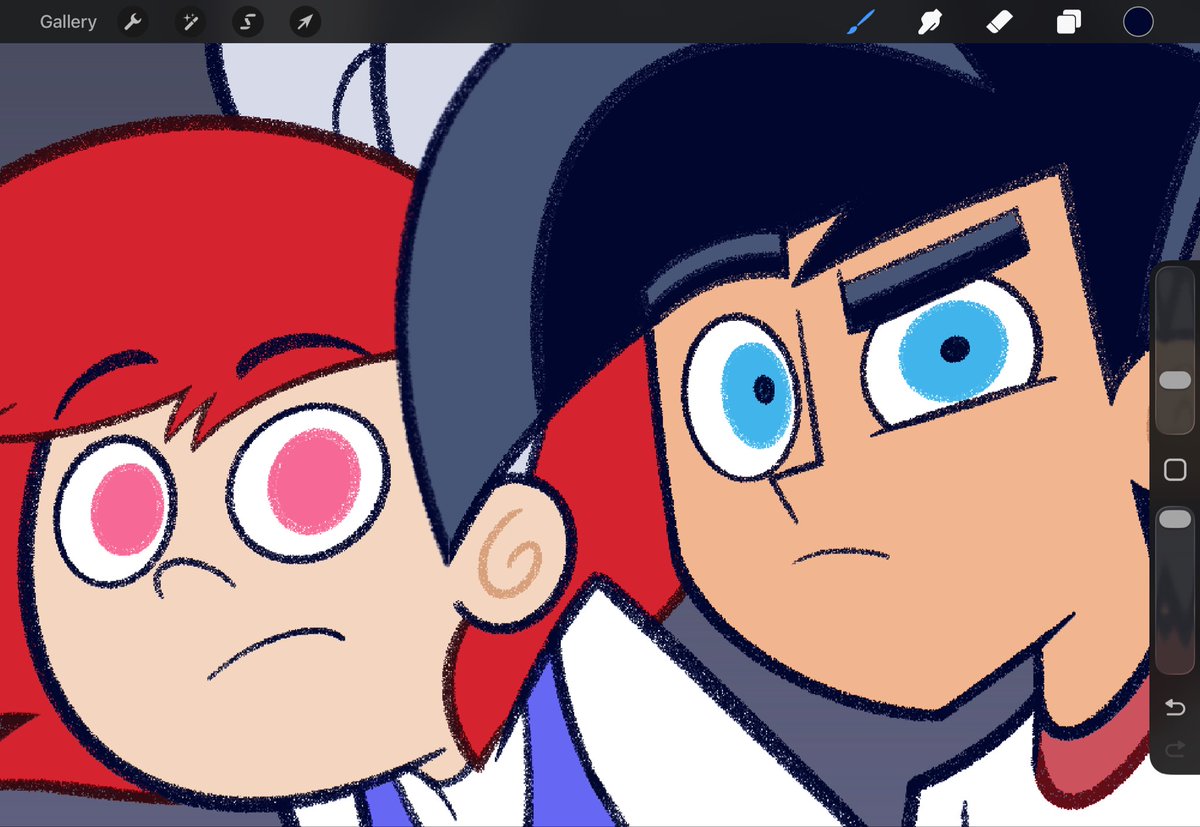
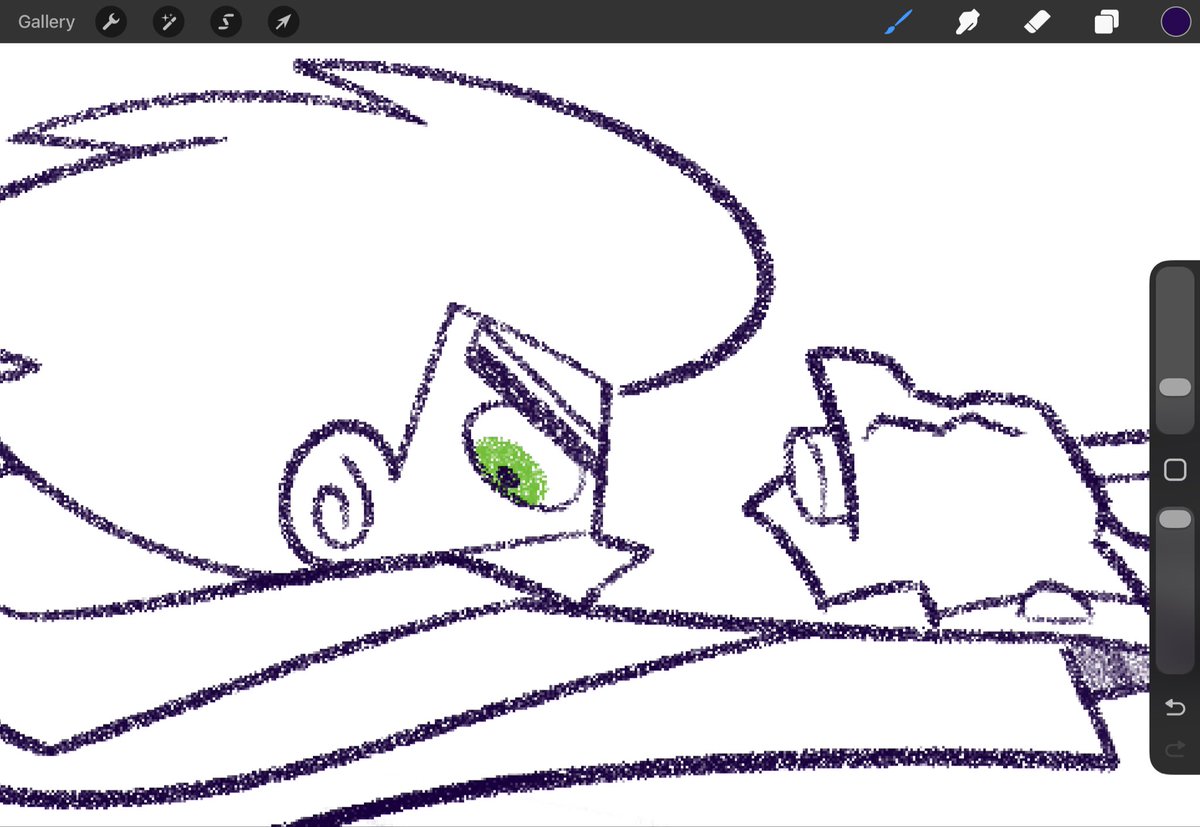
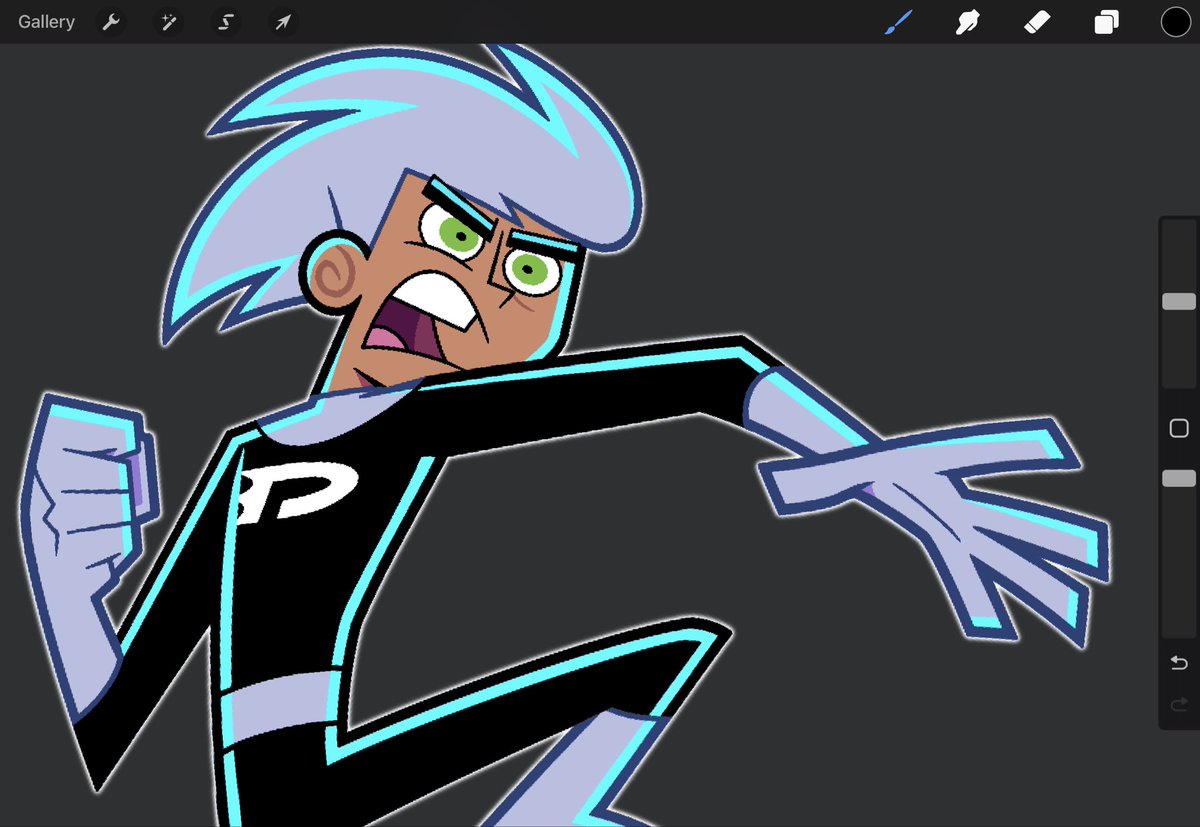
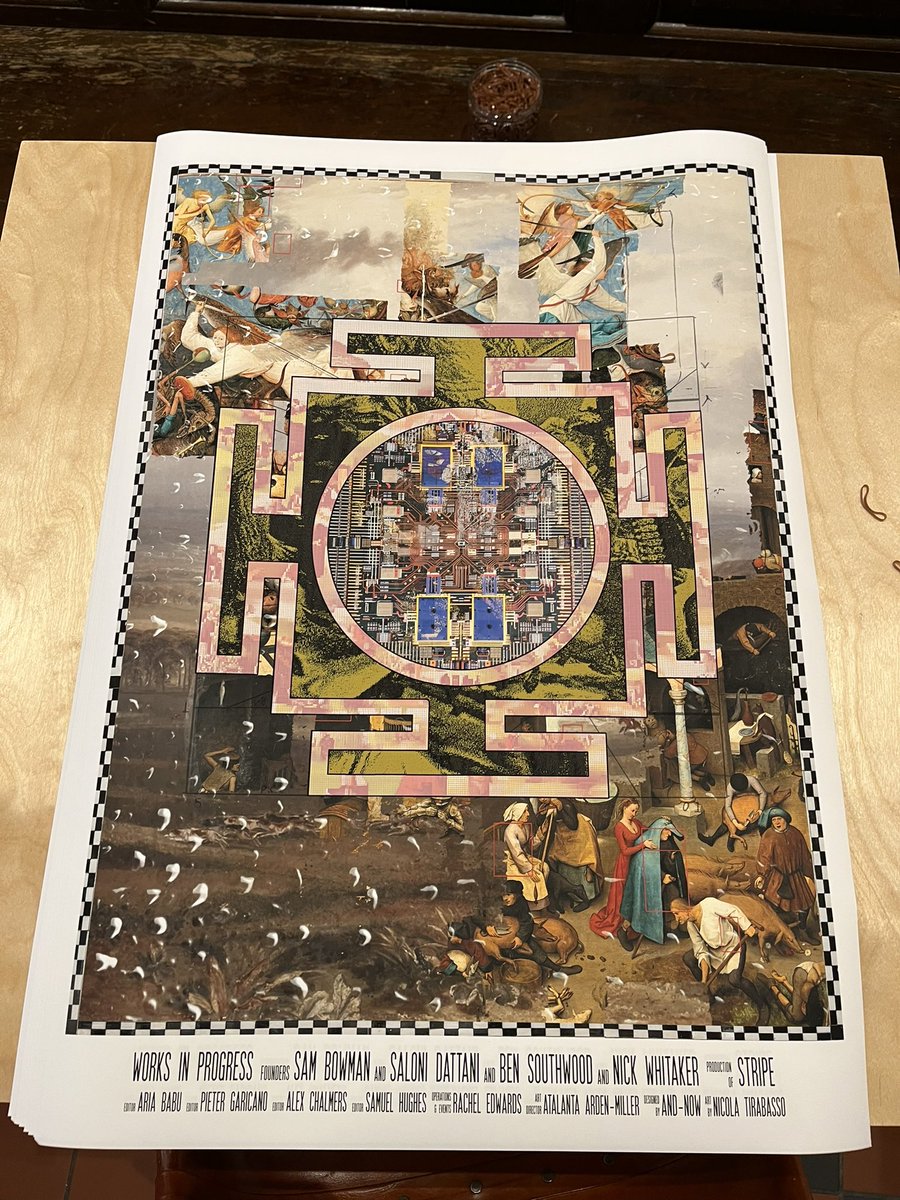
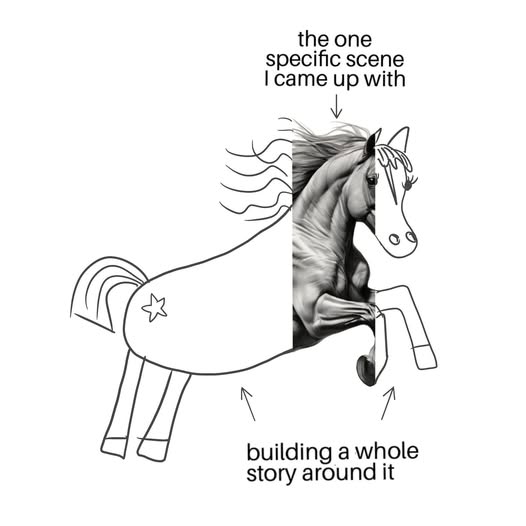
I am 1.5 days into a vacation from my worksinprogress
I made a blockchain where
1. only agents excel at it
2. any agent can play
AMA
@MacMD247_
2
1
5
528

May 1
11
96
1,917


29 Dec 2025
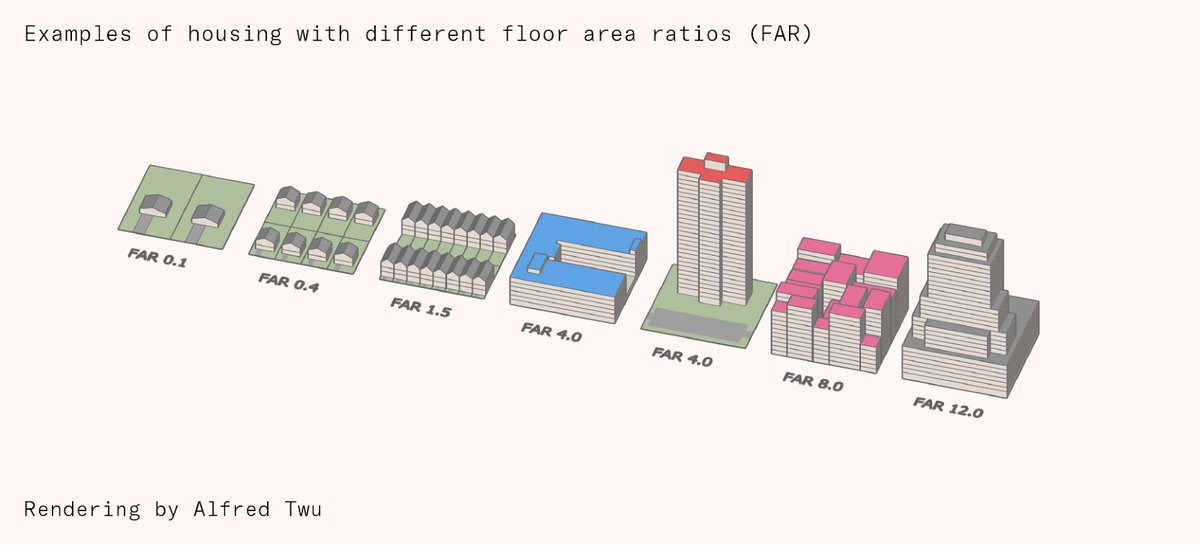
Fascinating @WorksInProgress piece on why Chinese cities look so different from American ones.
It’s easy to default to "culture" as an explanation, but it turns out the divergence is almost entirely a function of sunlight regulations and floor area ratio (FAR) math.
We often underestimate how much our built environment is just an decoded version of our building codes.
worksinprogress.co/issue/chi…
2
93

23 Dec 2025
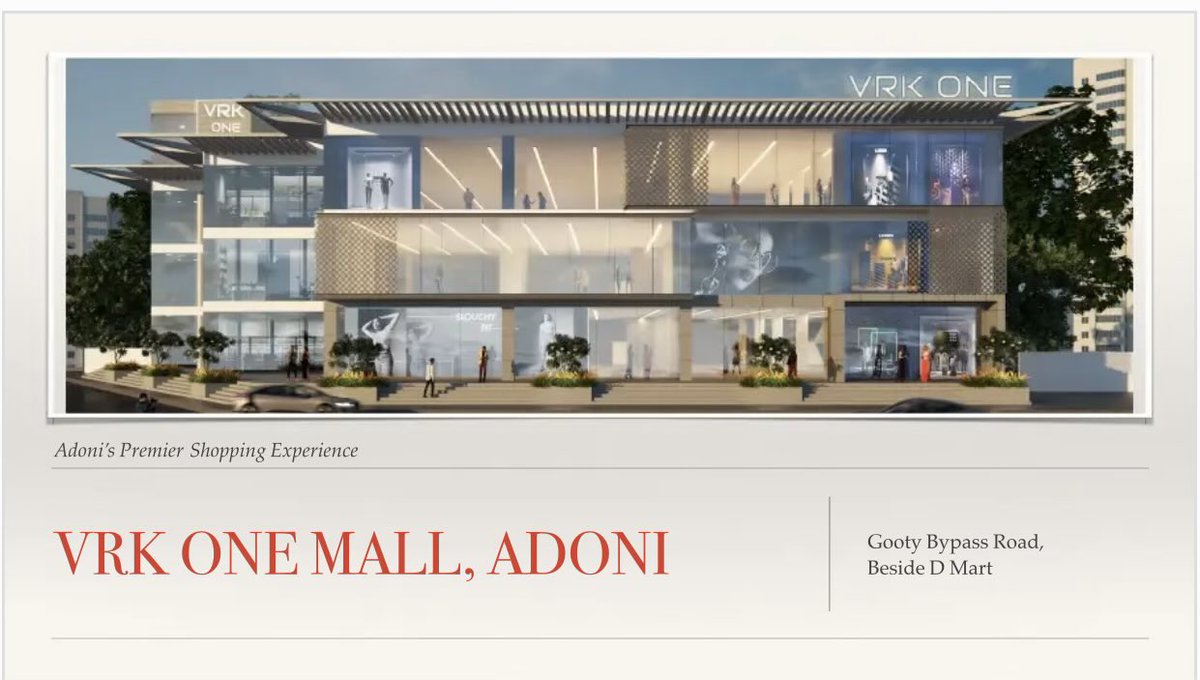
😍🔥 ఎక్కడో కాదు… మన ఆదోనీలోనే!
VRK One Mall construction works in full swing 🏗️⚡
🏗️ VRK Mall – Key Highlights:
🛍️ 45,000 sqft retail space
👕 Zudio confirmed మరిన్ని top brands coming soon
🍽️ Dining options:
🍴 Fine dining restaurants
🍔 Fast food outlets
🍕 Food court
🎮 Entertainment:
👧 Kids gaming zone
🏀 Sports facilities
🚗 Ample parking
🛗 Premium Schindler lifts
#Adoni #Kurnool #Rayalaseema #FormAdoniDistrict #UnderConstruction
#WorksInProgress #AndhraPradesh #InfrastructureDevelopment #UrbanIndia
5
55
2,836



15 Oct 2025
In 2016, Geoffrey Hinton, Turing Award winner Computer Scientist said that ‘people should stop training radiologists now’.
And its going in that direction.
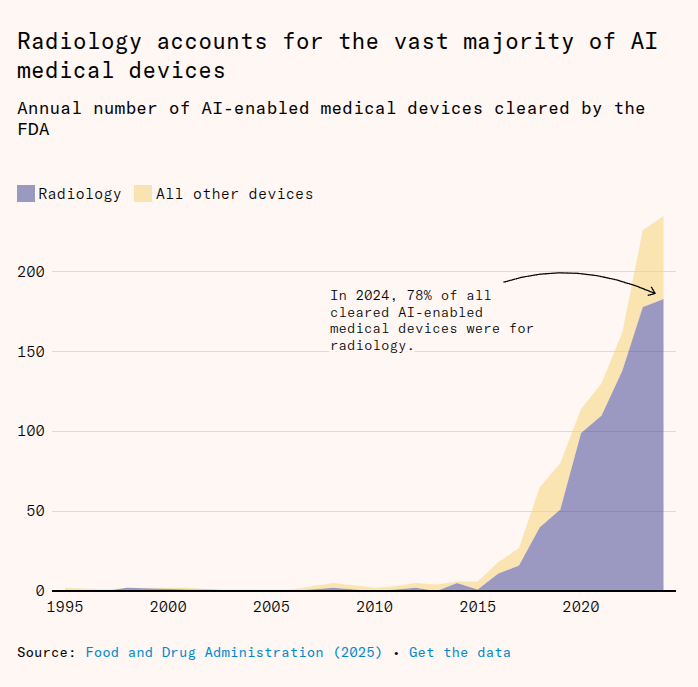
Radiology accounts for the vast majority of AI medical devices.
Radiology has >700 FDA cleared AI models that beat doctors on tests.
AI tools like CheXNet, trained on 100,000 chest X-rays, can diagnose pneumonia faster and more accurately than many doctors, taking less than a second per scan.
Despite this, hospitals still hire more radiologists, not fewer. In 2025, U.S. radiology residencies hit 1,208 openings, up 4% from the year before, and average pay jumped to $520,000, the second highest of any specialty.
This could be a classic example of Jevons paradox.
Jevons paradox means that when a process becomes cheaper, faster, or more efficient, people end up using more of it instead of less.
In radiology, AI and digital imaging made scanning faster and cheaper to process. Once turnaround times dropped from days to hours, hospitals started ordering more scans for more patients, since imaging became a low-friction diagnostic tool. So even though each radiologist could handle more cases, the overall number of scans ballooned, which created more work overall.
Why AI hasn’t replaced radiologists
Three main problems hold AI back. First, models that look great on benchmark datasets often collapse in real hospitals. Many are trained and tested on data from only one site, and their accuracy can drop 20% when moved elsewhere. Second, each tool only handles one condition, like a stroke or lung nodule, so doctors would need to juggle dozens of them to cover a typical day. Third, regulation and insurance rules still demand a human in the loop.
---
worksinprogress. co/issue/the-algorithm-will-see-you-now/
6
17
108
16,114

8 Oct 2025
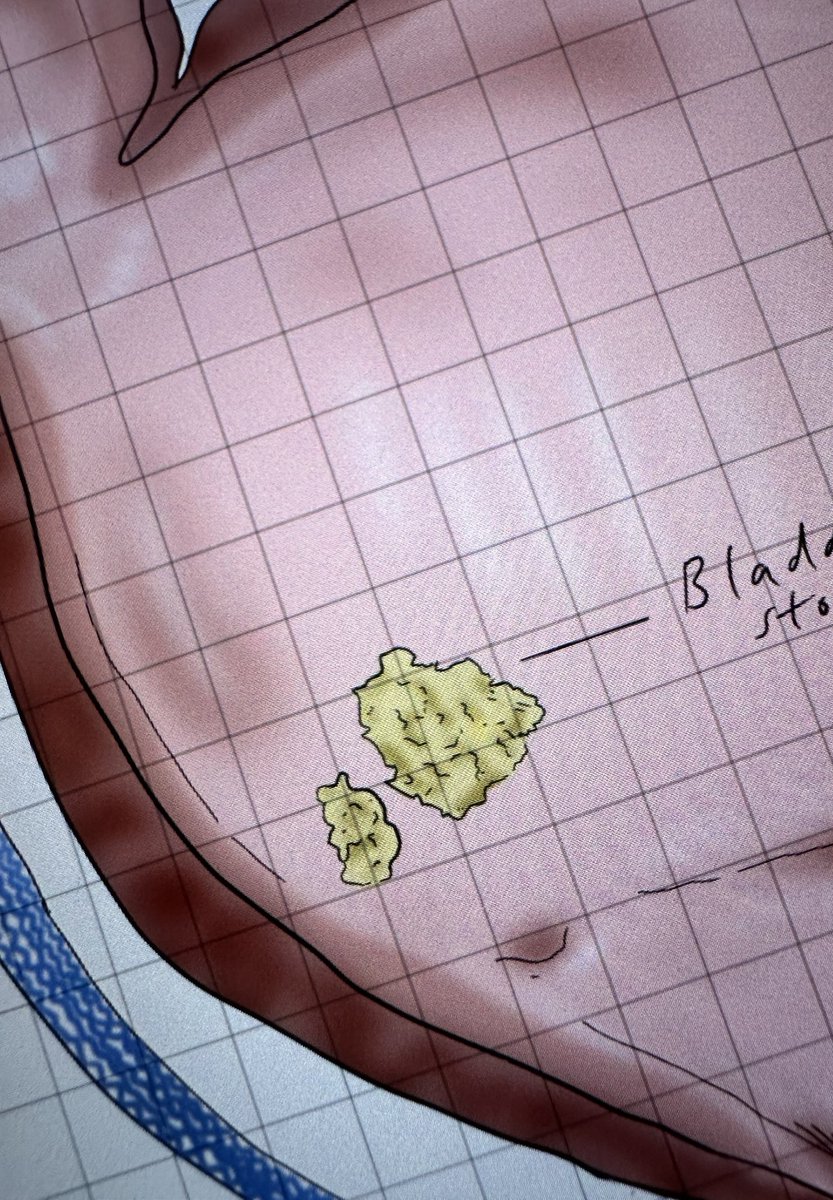
Been off of my medical illustration game for a minute. But getting to work on some #worksinprogress after a day in the OR. Happy #Inktober?
2
3
23
2,030


3 Sep 2025
📝 End-of-summer update on all the different writing projects I have in the works!
#writerwednesday #wip #worksinprogress #authorslife #amwriting #update #roughdraft #duet #womensfiction #trilogy #newadult #fiction #endofsummer #writerwednesday
29

9 Aug 2025
The road to hell is paved with works-in-progress.
Philip Roth
#hell #worksinprogress
3
7
450

11 Jun 2025
Downzoning and rent caps don’t stop gentrification—they force it. @AnyaM8_'s piece in @WorksInProgress nails it: scarcity is the villain.
Legalize more homes, protect residents. Build abundance. #YIMBY #AffordableHousing #HousingCrisis
link.upforgrowth.org/XlhRTK
3
85

15 May 2025
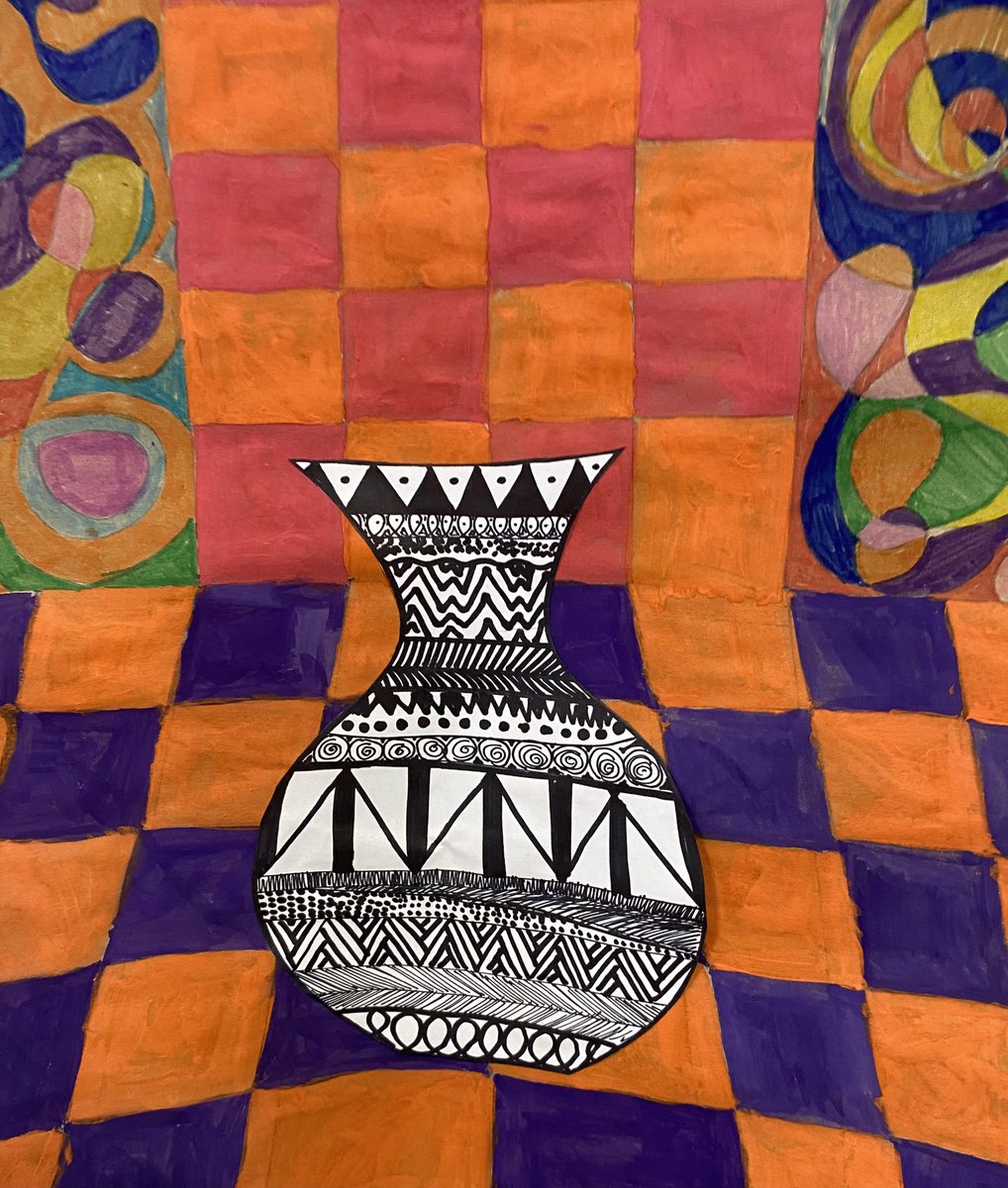
🎨Well done to S2 Pupil Miah who Mrs H has selected as Studio 58’s Work of the Week🎨#worksinprogress #creativeskills
#skillsdevelopment #celebratingsuccess
3
212

24 Apr 2025
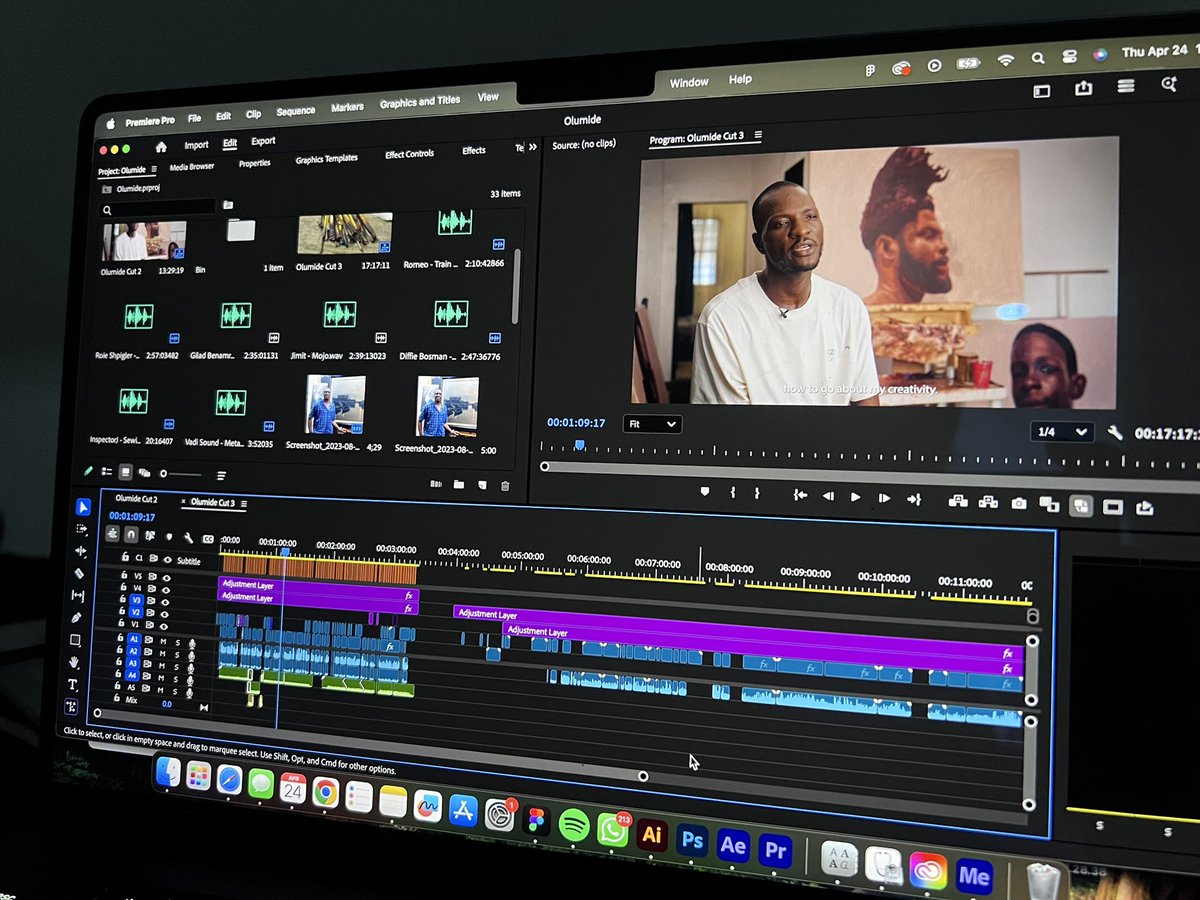
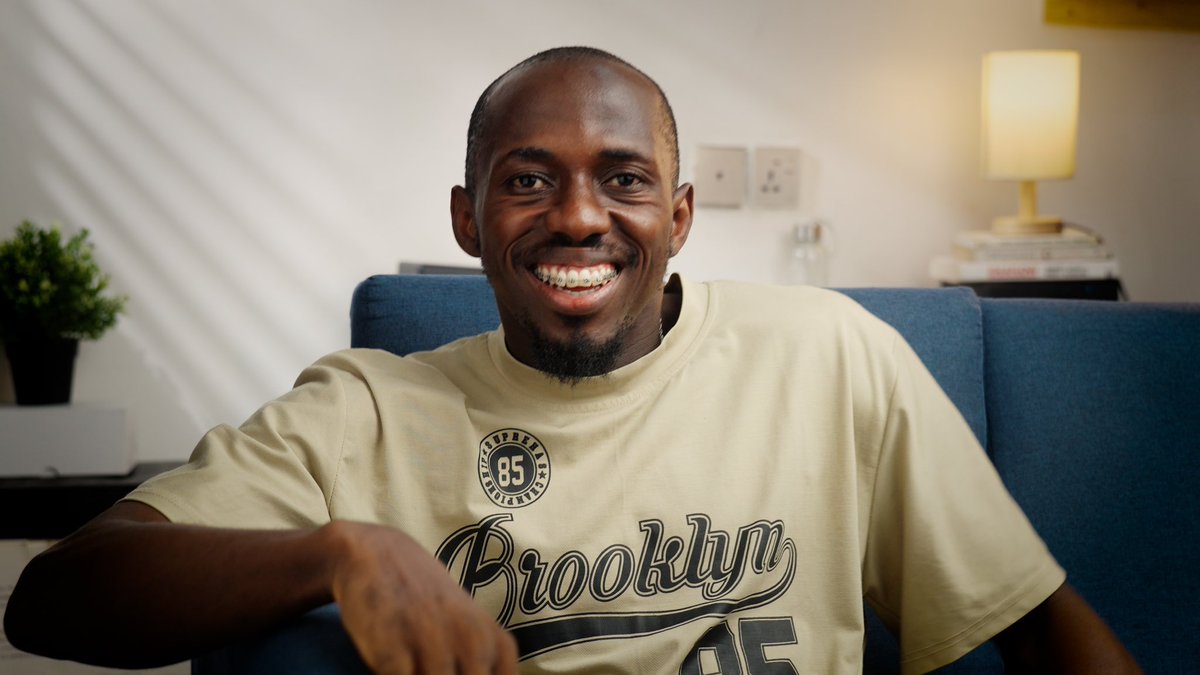
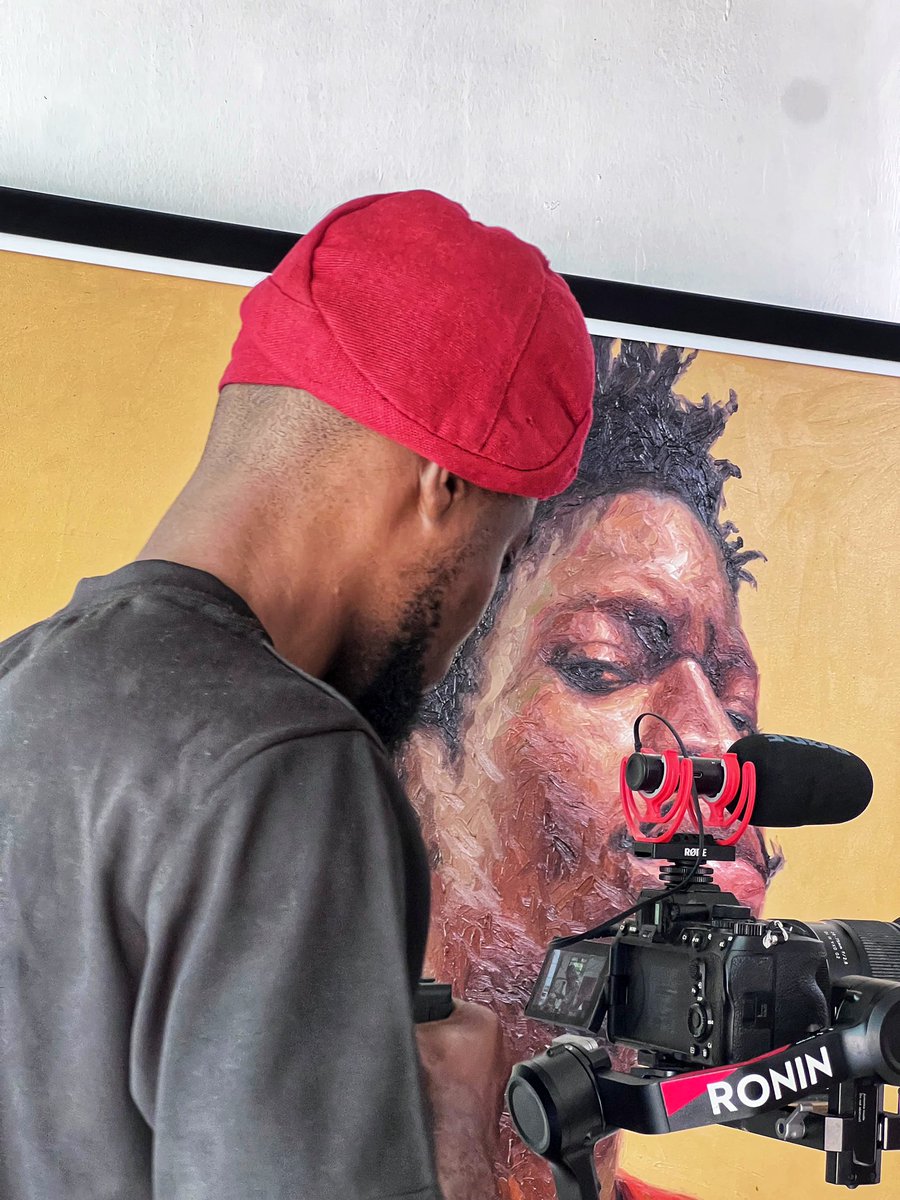
Lately, I’ve been creating personal video projects. No client brief, no pay. Just me, making time for work that fulfills me, sharpens my voice, and reminds me I was an artist before I was a creative for hire.
Are they perfect? Never! 🤍🎬
#WorksInProgress #Creative #Jide
1
11
16
1,590

2
9

15 Mar 2025
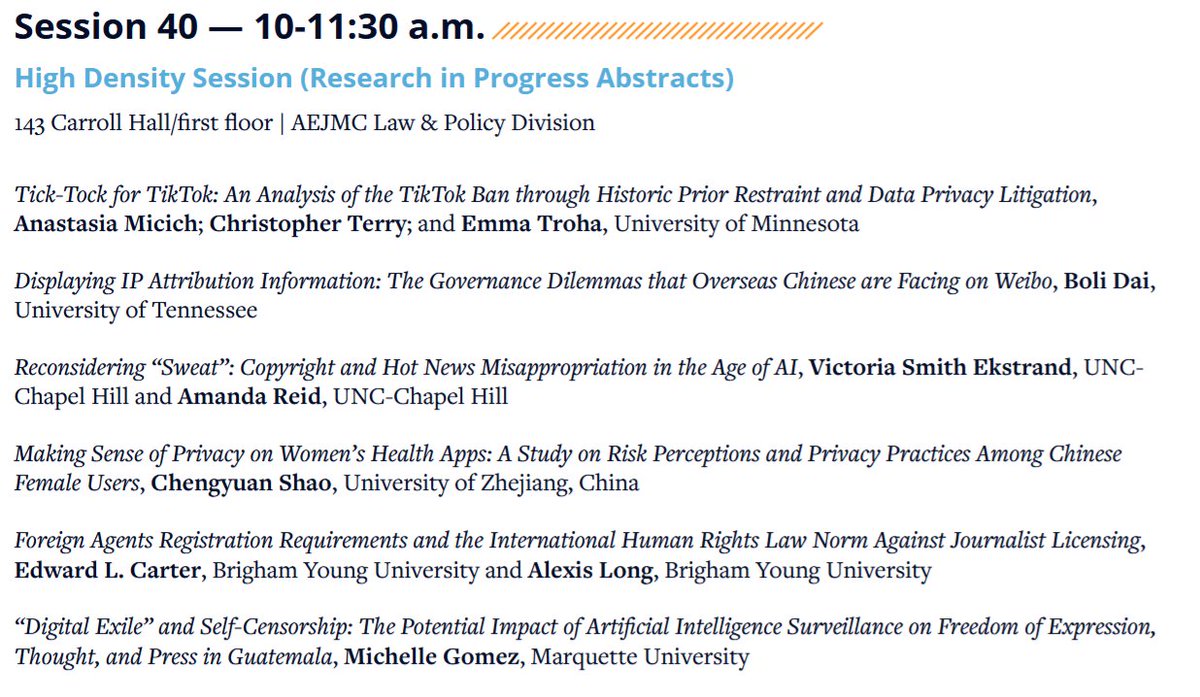
The final Law & Policy Division session at #AEJMCSC25 starts at 10 a.m. Help these scholars refine their #worksinprogress as we finish out our regional conference. @AEJMC @UNCHussman
1
1
3
289

26 Feb 2025
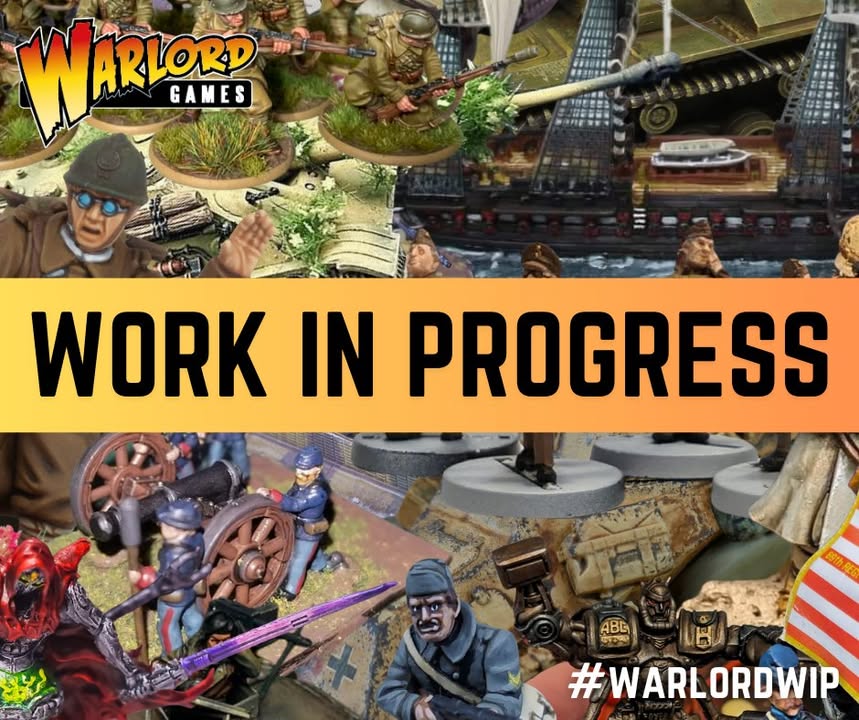
🎨 Show Us Your Work in Progress!🎨
What are you working on right now? Drop your pics below!👇✨
#hobby #hobbycommunity #warlordgames #warlord #warlordwip #wip #worksinprogress #paintingwarlord #warlordcommunity #wednesday #wipwednesday
3
16
1,140
