
Apr 12
The Nigerian Boss Problem — And Why I Write From Stockholm
Let me tell you something about a certain kind of Nigerian authority figure that I have encountered my entire adult life — and that I still encounter today, right here on social media, from people sitting in the dark cursing NEPA with a dodgy internet connection and a nagging wife.
During my National Service at the National Assembly, I worked under an Ambassador — a man who took visible, almost sensual pleasure in taking a red biro and drawing lines through every speech and report I submitted. Not because my work was poor. Because I was young, educated abroad, and he could not stand it. He did it in front of me. Repeatedly. As though I were illiterate. As though I were dirt.
One day I told him, calmly and clearly, that I had a return ticket to New York in my pocket, that I had no intention of working for the Nigerian government or any Nigerian company not owned by my father, and that if he destroyed my work one more time, I would walk to the airport and use it.
I was not the only one. Several of us serving our national service in that building were subjected to the same treatment by elected senators and so-called statesmen who believed that belittling young educated Nigerians made them look larger. It did not. One colleague was so fed up he nearly came to blows with Senate President Joseph Wayas — and Wayas’s own security detail refused to intervene, telling him to his face that his behaviour was unbecoming of a man in his office. He retreated to his suite to knock back his brandy.
Joe did love his brandy. And the more he drank, the harder it became for him to navigate the long, carefully crafted English words and phrases we had written into his speeches — words we knew, as we wrote them, that he would struggle to pronounce on camera. Watching him splutter through them on television, we his speechwriters would dissolve into laughter. Big men. Big trouble. Big fun.
I learned my lesson about Nigerian bosses the hard way, one final time, when I worked briefly for a man who began as one of the most reasonable, grounded human beings I had encountered — and transformed, within months, into something else entirely. The moment he felt comfortable, the contempt emerged. I endured it until I could no longer bear it, then went to the polo club, had a conversation with a military governor, secured a contract to supply his state with vehicles, made three million naira — at a time when the naira stood one to one with the dollar — walked back into my former boss’s office, placed the contract and the cheque on his desk, and told him precisely where he could go.
I made myself a promise that day. Never again.
And yet here I am — writing, for free, at a level that would not embarrass the pages of The New York Times, about a country I love enough to refuse to stop speaking about — and a certain kind of Nigerian finds me even in Stockholm. They begin their messages not with argument but with instruction. They tell me about my style. My attitude. My tone. They inform me, this arrogant Kio Amachree, this stupid Ijaw man who won’t stop writing about his father, that I need to be corrected.
I sit with my champagne. I play pool. I picture them clearly.
What I would say to anyone tempted to write to me in that register is this: I have been making that choice since I was twenty-three years old, and it has never ended well for the other party. I am not your subordinate. I am not your employee. I am not sitting in your National Assembly waiting for your red biro.
I write because I choose to. I stop when I choose to. And I am very, very far away.
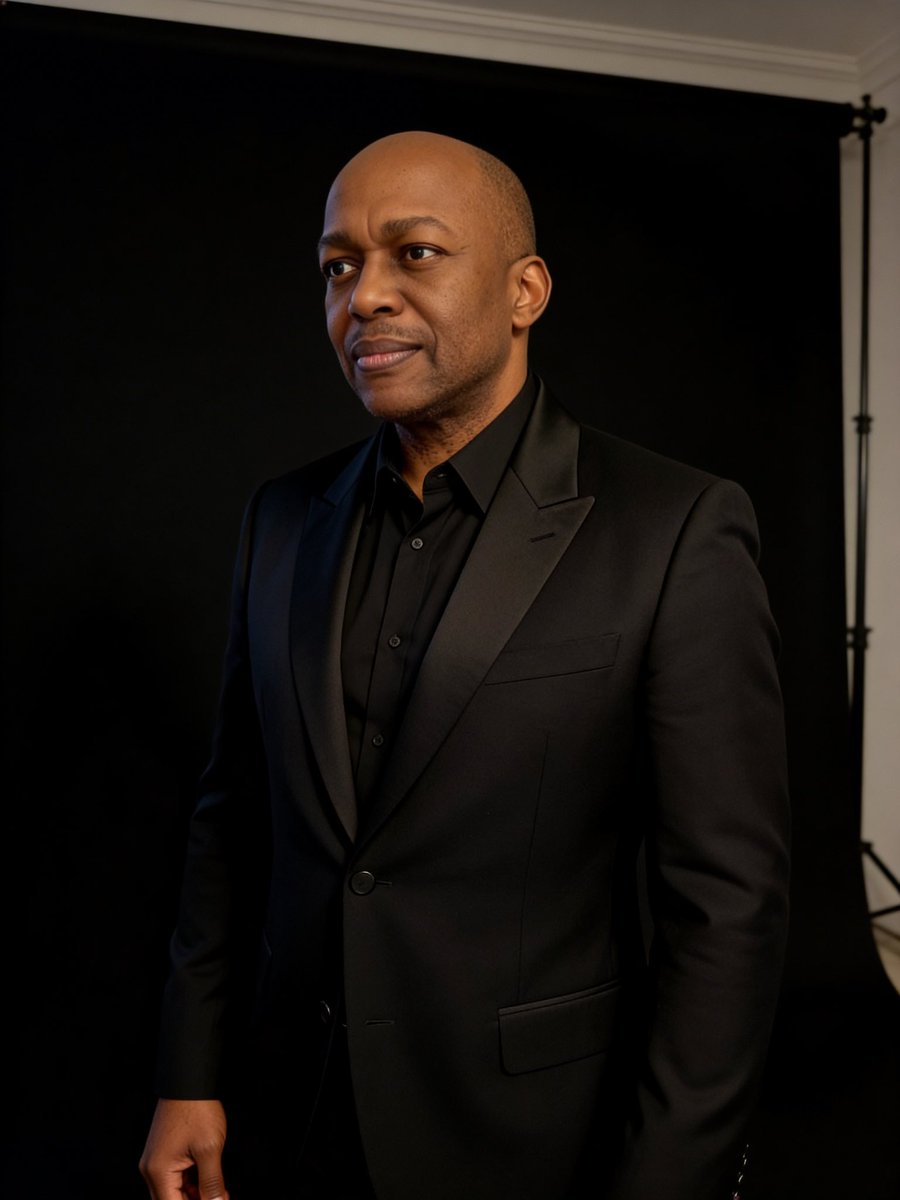
Kio Amachree | Stockholm, Sweden | President, Worldview International
#Nigeria #Diaspora #NationalService #NigerianPolitics #Leadership #Governance #AfricanDiaspora #NigerianHistory #WriteFromAnywhere #TheKioSolution #WorldviewInternational #NigerianLeadership #Accountability #SpeakingTruth
4
22
47
1,114

14 Jul 2025
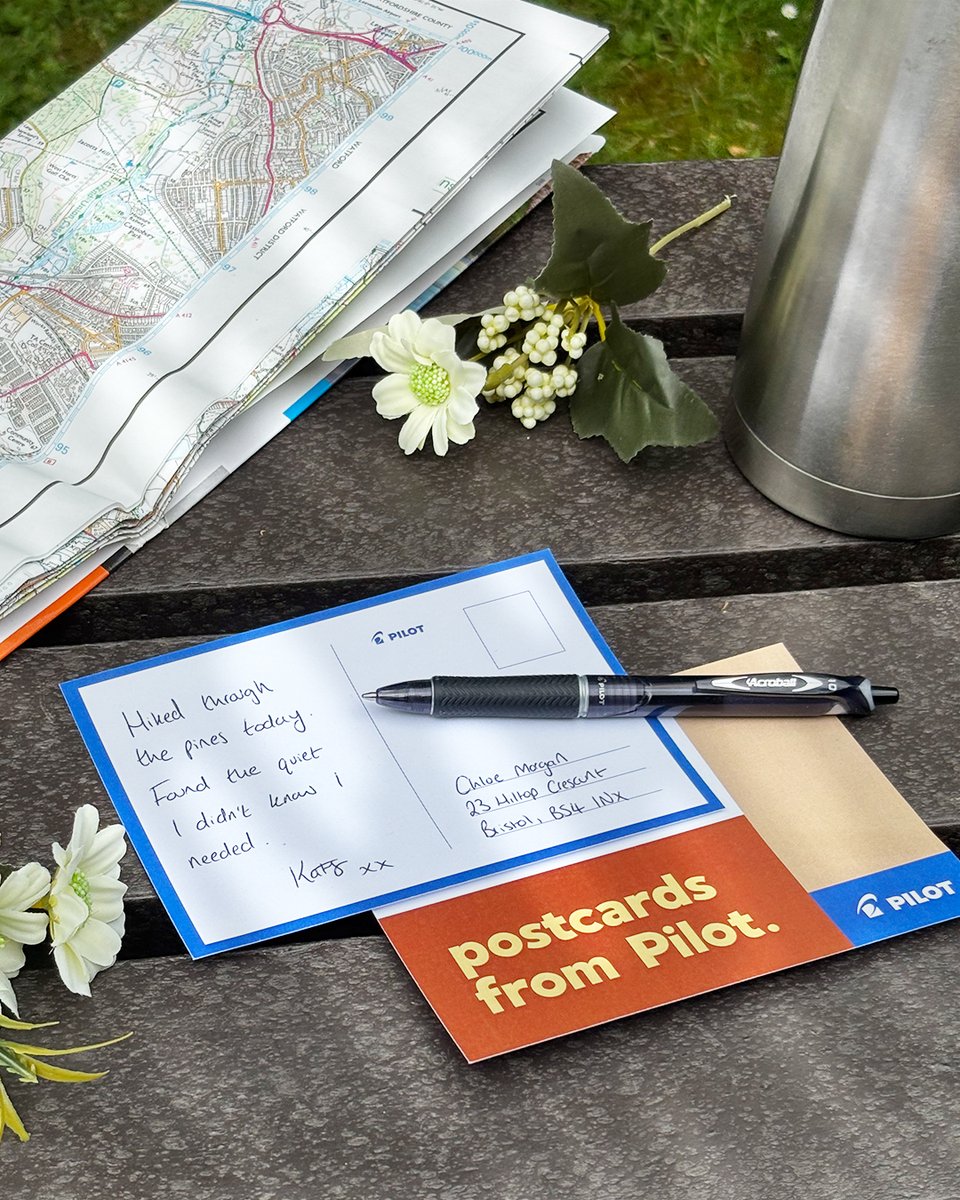
Postcards around the world 🌍💌
Whether you're by the beach, in the city, or up in the mountains, there's something special about sending a handwritten note from your travels ✍️
Share your moments 🗺️
#PilotPostcards #WriteFromAnywhere #PilotPenUK #TravelWithPilot #PilotPen


1
3
77

17 Jun 2024
Humble new beginnings. Welcome to my new little writing room. 📖
Rune reading table plus my late mom’s old painting kit plus The Women’s Encyclopedia of Myths and Secrets, and viola!
My co-worker is trouble, though. 🐈⬛
#AuthorsOfTwitter #WriteFromAnywhere
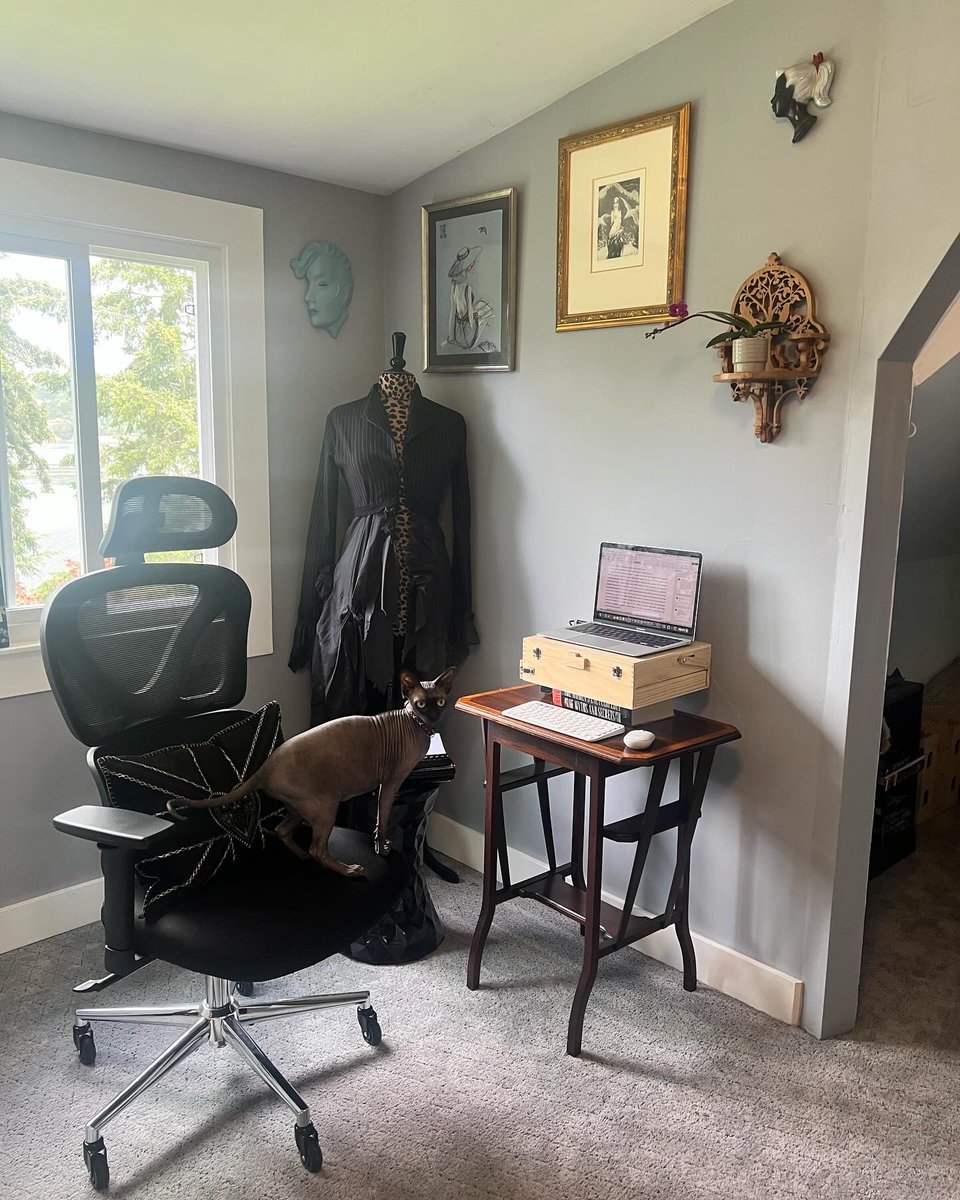
ALT We see Tara Rae’s alcove, with a chair and little table. Her hairless sphynx cat watches.
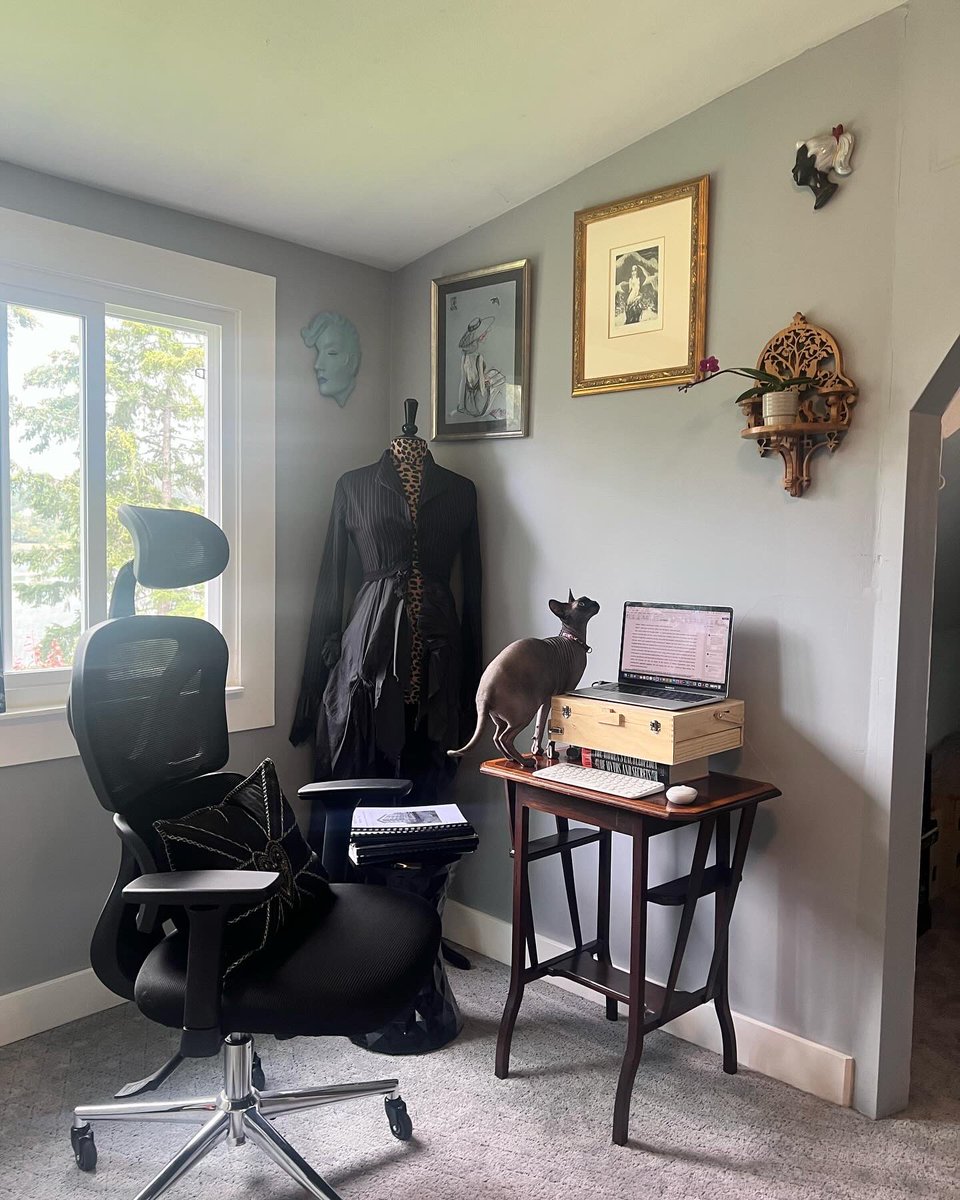
ALT We see Tara Rae’s alcove, with a chair and little table. Her hairless sphynx is practically on the keyboard.
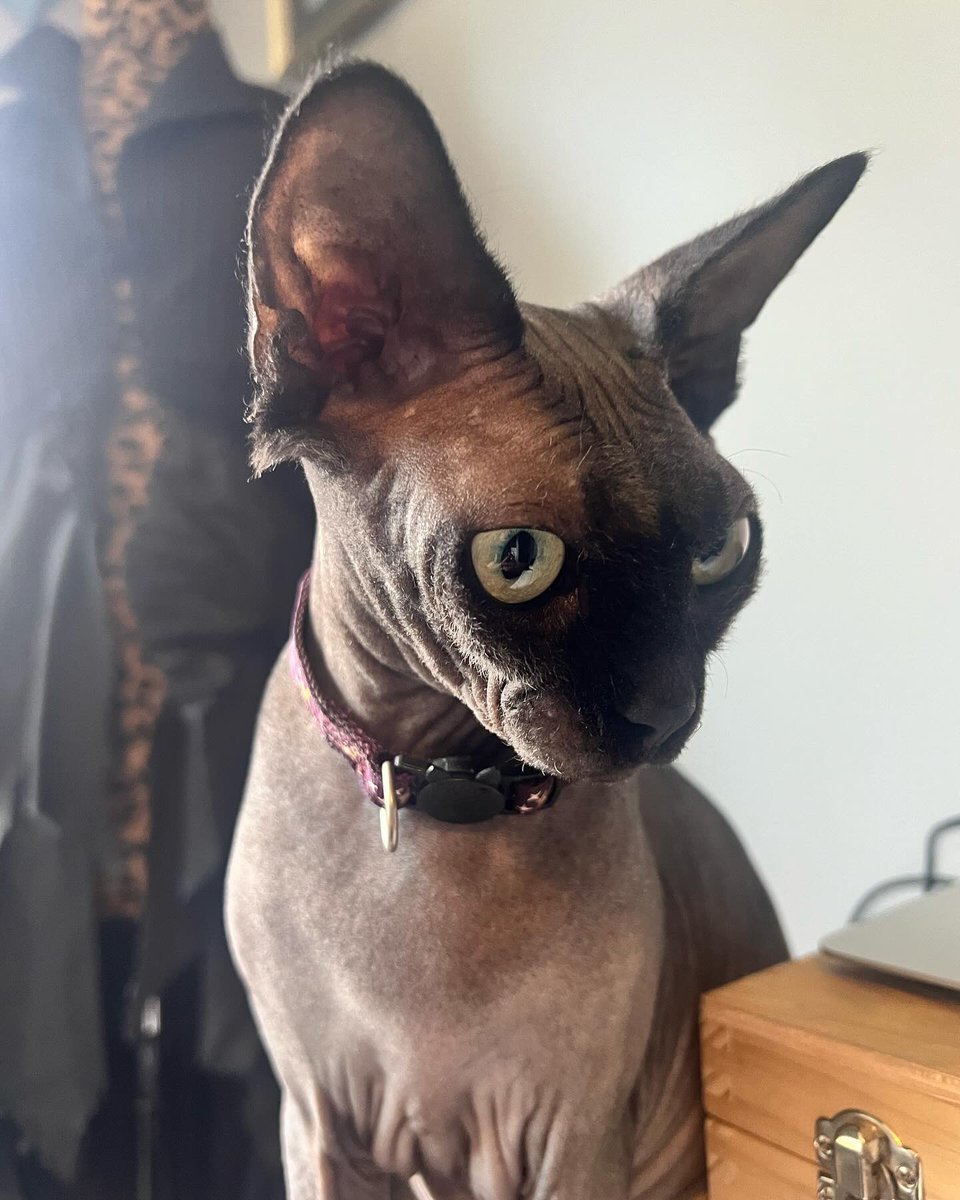
ALT Bastet is a black sphynx, looking like trouble.
11
5
91
3,085

8 Mar 2024
I want to build a community that empowers women scholars and writers. And I want to create spaces for women to just be.
So on this #InternationalWomensDay, I’ve decided my Write From Anywhere retreats will be women-only.
#WriteFromAnywhere #WritingRetreat #WomensWritingRetreat

1
1
2
273
16 Feb 2024
I often get questions about being a #DigitalNomad from #scholars interested in exploring this lifestyle.
So I wrote a bit about the life of a traveling scholarpreneur from my Mexico City base! 🇲🇽
🔗 cintronrevised.com/blog/rese…
#Scholarpreneur #WriteFromAnywhere #TravelingScholar

3
135
30 Jan 2024
🚨book writers🚨
What are some ways you wish your publisher would have better supported your book launch ?
#Writers #Scholars #WritingCommunity #BookWriting #BookPublishing #WriteFromAnywhere
📍Biblioteca Vasconcelos, México City

1
1
3
318
19 Dec 2023
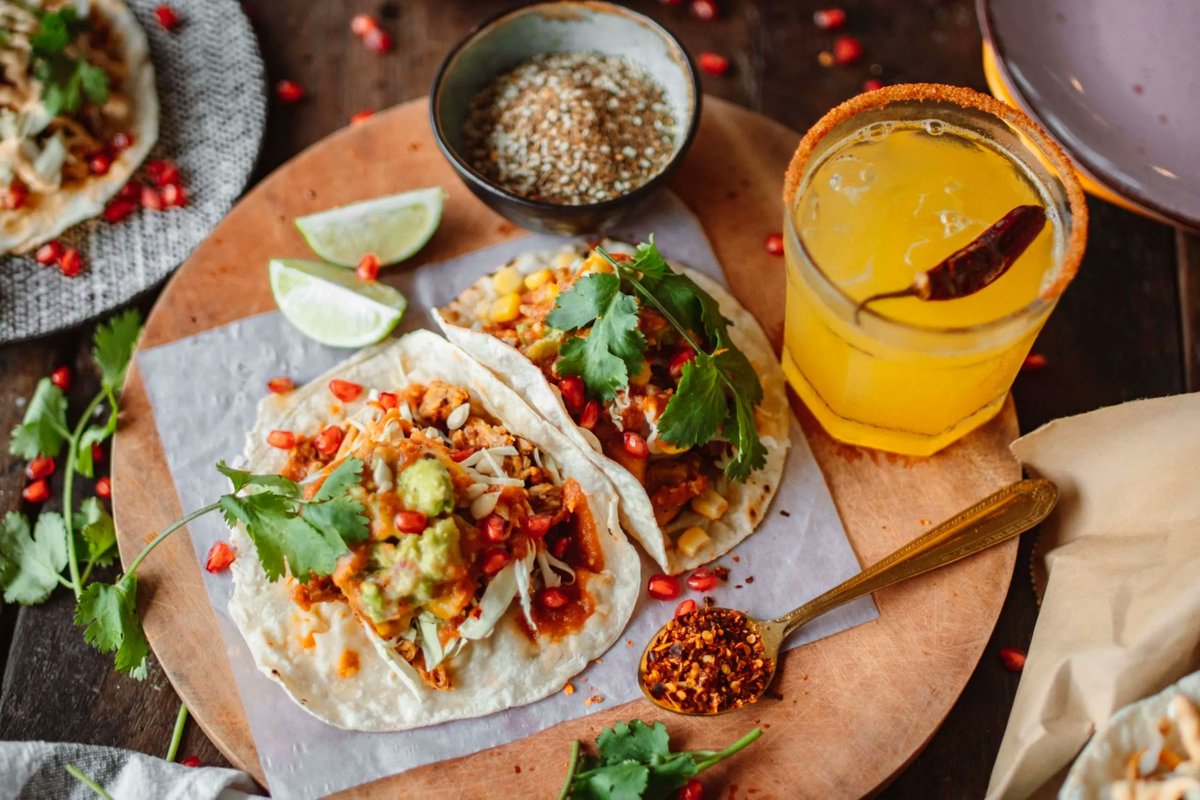
The Write From Anywhere: Mexico City🇲🇽 early bird window is closing soon!
🚨Register by 12/31 to secure your spot and save $600, lest you miss some of the best cuisine on the planet!
✍🏾cintronrevised.com/retreat-w…
#WriteFromAnywhere #WritingRetreats #AcademicWriting #Research
3
2
215
13 Nov 2023
🚨We're inching closer to announcing the details for Write From Anywhere!
Sign up for access to an✨exclusive early bird discount✨for the most productive (& FUN) writing retreat around!
✍🏾cintronrevised.com/retreat-w…
#WriteFromAnywhere #PhDChat #HigherEd #Research #WritingRetreat
1
3
197
5 Sep 2023
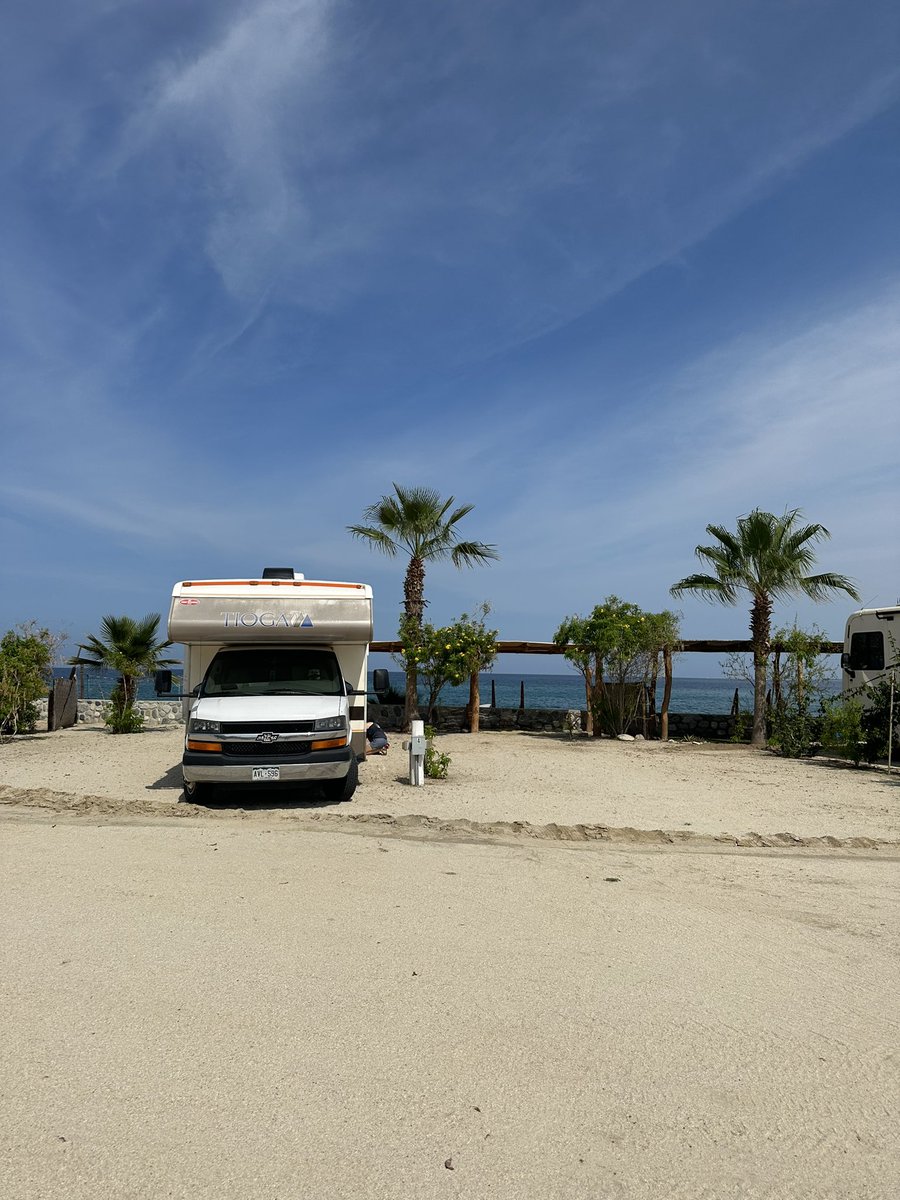
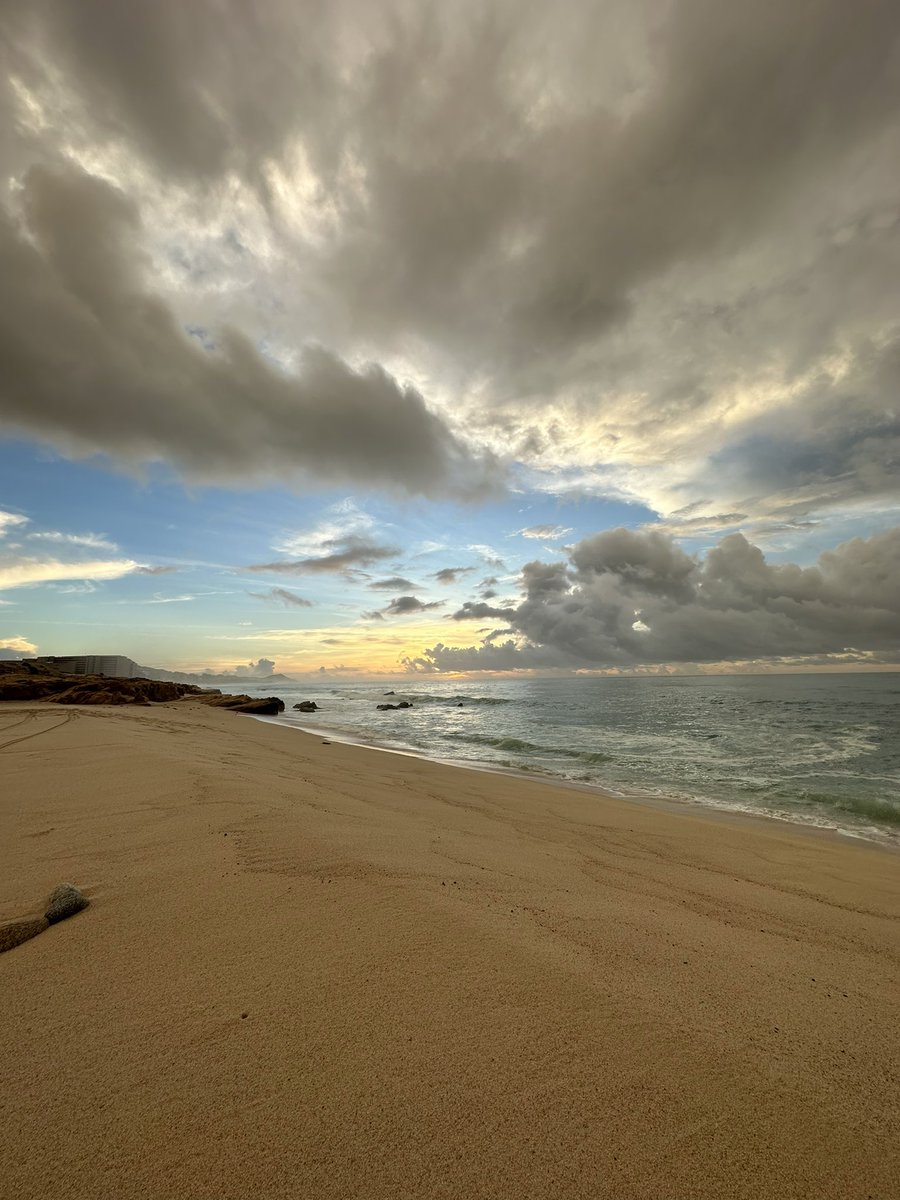
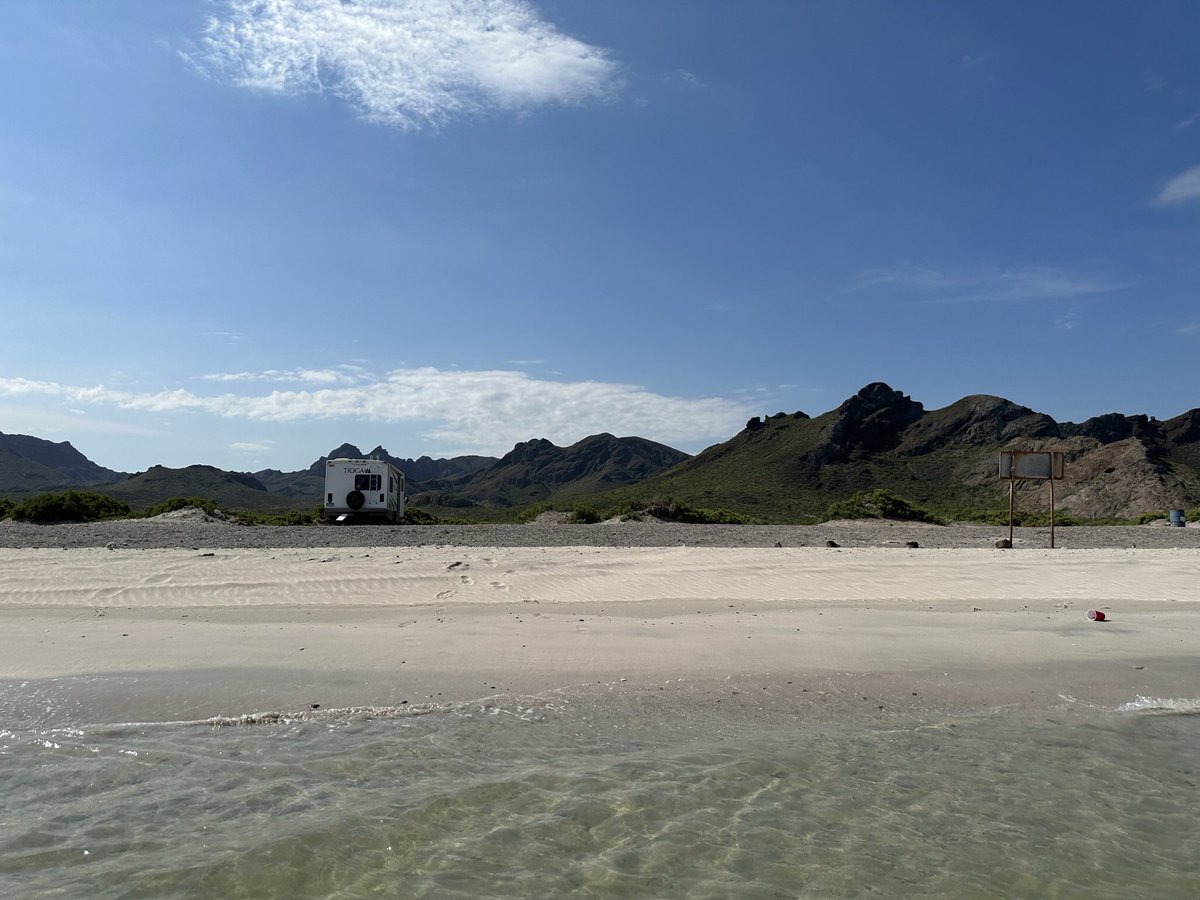
I spent a week living (and working!) in an RV with a #digitalnomad friend in Baja California Sur 🇲🇽 We managed our daily work commitments (shoutout to Starlink 📡 which made it possible to work from the RV) and toured the beautiful beach towns on the coast.
#writefromanywhere
1
4
233
23 May 2023
🚨There’s only a few more days left to apply to join Write From Anywhere, the international writing retreat, where meeting your writing goals is the only planning you’ll do!
📍Mexico City🇲🇽
🗓️July 7-21, 2023
🔗 tinyurl.com/writefromanywher…
#summerwritingretreat #writefromanywhere
2
3
307
23 May 2023
One of the best parts of slow travel as a #digitalnomad is not feeling the pressure to leave your apartment to do all things all the time.
And with coworking space like this, why would I leave!? 🤩
#CDMX #slowtravel #writefromanywhere
1
7
737

28 Mar 2023
Today's #RxWritingChallenge is brought to you by coffee, Cheetohs, and the Mazda service center waiting room...😆
#WFH #workfromanywhere #writefromanywhere
10
858

16 Jan 2023
Become your own boss and join the ever-growing freelance writing community! Unlock the freedom to work from anywhere, anytime. #freelance #writerslife #writefromanywhere #workforyourself #onlinejobs
bit.ly/3CN1WVV
2
237

22 Jun 2022
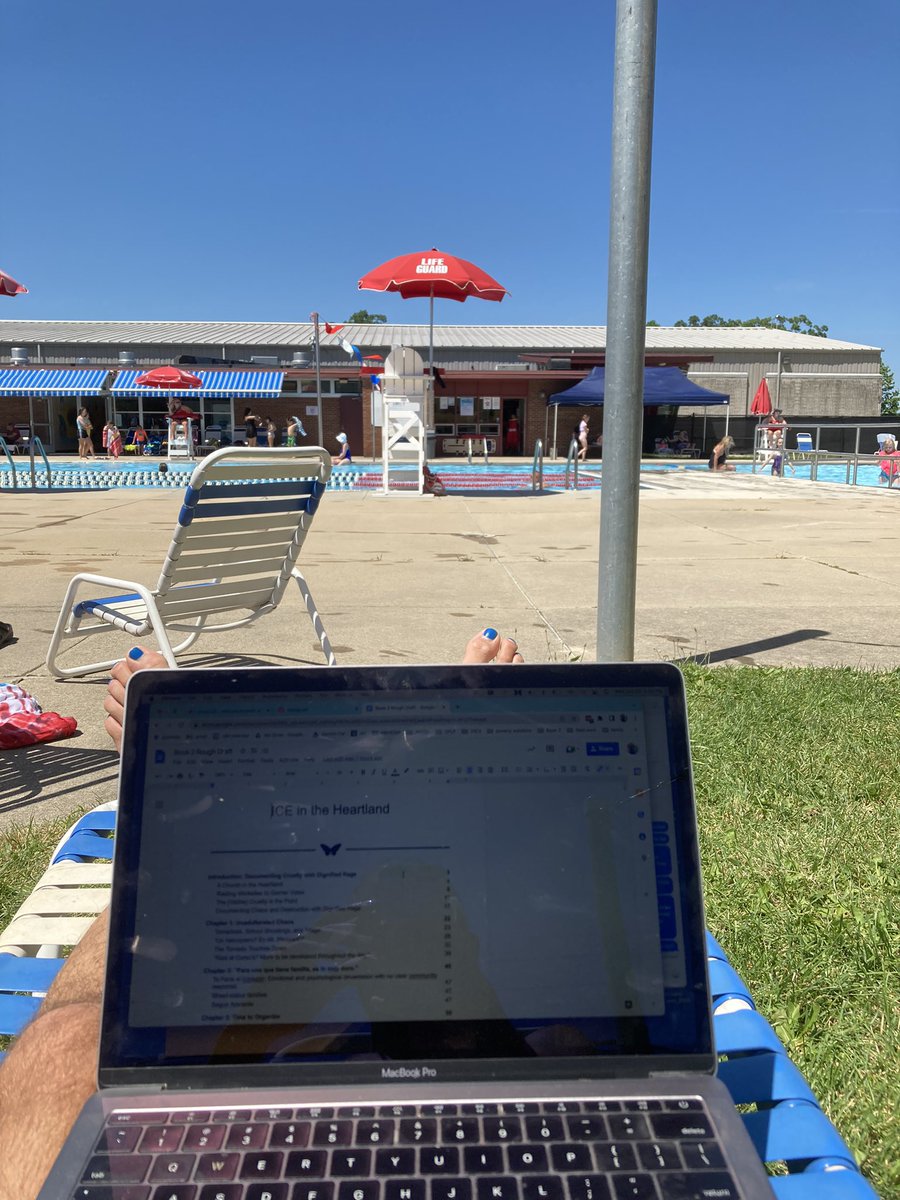
This writing sesh based on a very strategic “let me take the kids to the pool”
#writefromanywhere
1
10

8 Jul 2018
Our ONLINE WRITING GROUP starts on July 9! Get the motivation, deadlines, and feedback you need. Register at tinyurl.com/UCWSOnline.
#writefromanywhere #fiction #cnf #memoir #poetry #deadlines #community #creativepractice #amwriting

1
1
4 Jan 2018
Work on #CNF, #fiction or #poetry in the Online Writing Group at University of Chicago's Writer's Studio starting on January 22! Learn more at tinyurl.com/UChicagoWS.
#amwriting #writefromanywhere #thisishowyoudoit #feedthewriterwithin
@UChicagoGraham

2
2
1 Apr 2017
Our Online Writing Group starts on Monday! Learn more at tinyurl.com/OnlineWritingGro….
#amwriting #poetry #cnf #fiction #essay #writefromanywhere

1