犬 retweeted

.@globiance
I understand that the refunds (outgoing transactions) visible on XDCScan xdcscan.com/address/0x879d94… were sent to wallets owned by the respective users.
However, a significant number of these wallets appear to be linked through the same intermediary wallet, from which transfers to MEXC can also be observed.
Can you confirm that there have been no cases whatsoever in which a refund was sent to a wallet controlled by someone other than the user entitled to receive that refund?
Please provide a clear and unambiguous answer.
#AnswerForTheRecord
#ResponseOnRecord
#TransparencyRequested
#PublicResponseRequested
2
10
489


Jun 9
Blockchains are transparent.
Understanding them is the hard part.
That's where better analytics, decoding and visualization tools matter.
Explore: xdcscan.io
#blockchain #xdcscan #Web3
1
5
42
knarf 👑🏴☠️ | 🪝 retweeted
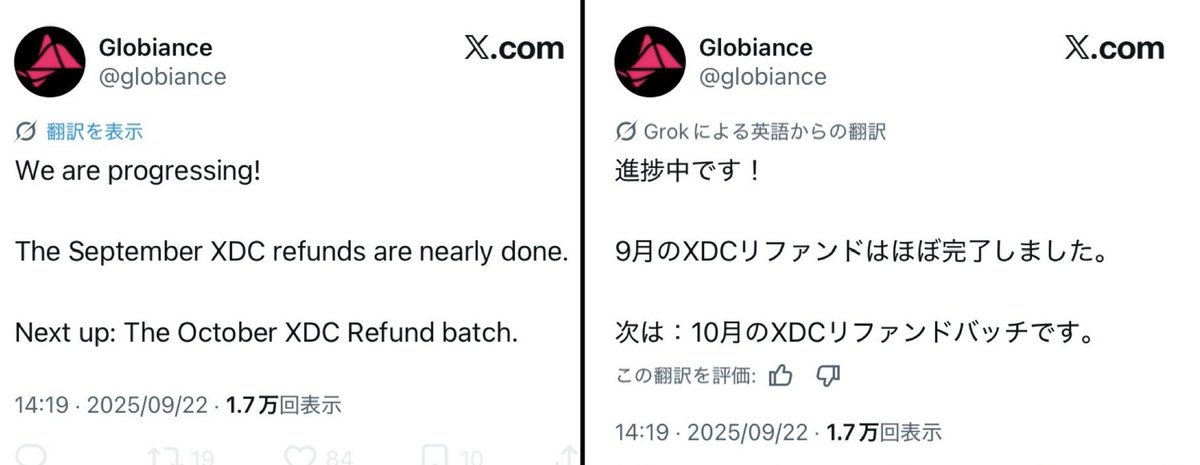
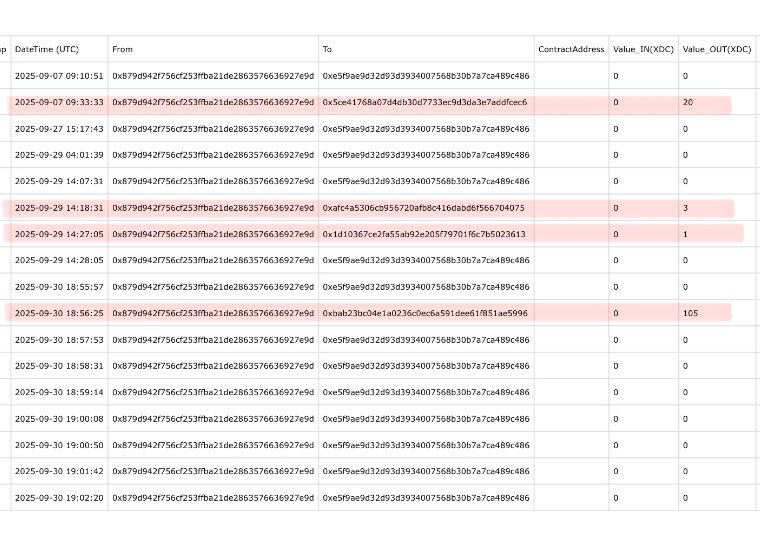
昨年9月の返金をXDCscanで今さら見てみたら、なんとその月の全トランザクション17件のうち、たったの4件、トータル129 XDCってまじかよ。
@globiance
【0x879D942f756CF253FFbA21DE2863576636927E9D】←このアドレスから返金したんですよね❓
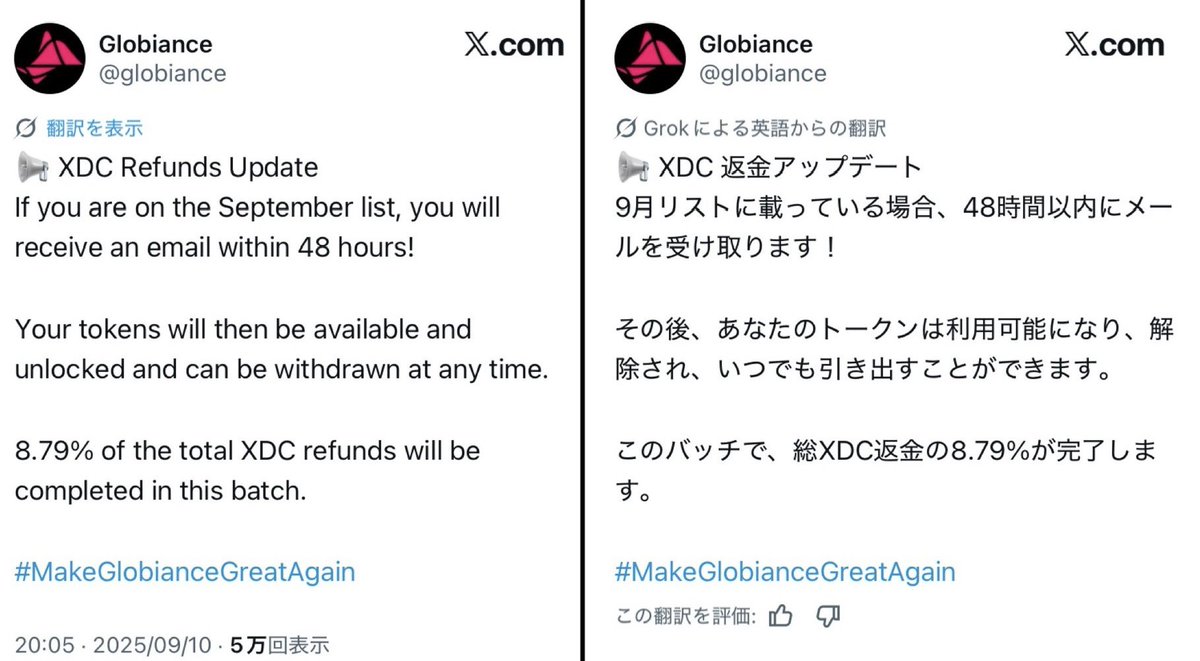
『このバッチで、総XDC返金の8.79%が完了します』ってどういう意味ですか???
2
4
15
691

Jun 8
#fleursdelys #api
Presentation Fleurs de Lys API
The Fleurs de Lys API resolves domain names minted on XDC Web3 Domains (XWD) contract — .xdc, .rwa, and .depin — to their associated wallet addresses and generates verifiable transaction receipts with embedded QR codes.
Domain Resolution
Resolves registered XWD domains (.xdc, .rwa, .depin) to their associated wallet addresses by querying the XWD smart contract.
Sender Verification
Before a transaction is submitted, the API verifies that the selected sender domain resolves to the connected wallet address. If the domain does not match the connected wallet, the transaction is blocked.
Multi-Token Transfers
Supported assets:
#XDC (native coin) @XDCNetwork
#USDC @circle
#CGO (Comtech Gold) @ComTechOfficial
#SRX (StorX) @StorXNetwork
#PLI (Plugin) @GoPlugin
#LBT (Law Blocks) @lawblockstoken
#FXD (Fathom Dollar) @Fathom_fi
Business Categorization
The API handles all domains of xdcdomains.xyz. The API's native networking has grouped the 400 domains belonging to Fleurs de Lys into 14 sectors:
-Agriculture & Food
-Energy & Resources
-Computing & AI
-Finance & Liquidity
-Identity & Governance
-Real Estate & Logistics
-Metals & Luxury
-Wine & Spirits
-Healthcare
-Culture & Languages
-Territories
-Media & Art
-Lore & Myths
-Hardware & Sensors
Receipts display the business categories assigned by the Fleurs de Lys directory to both sender and recipient domains. Subdomains inherit the category of their parent domain.
Transaction Receipt
For every confirmed transaction, the API generates a receipt containing:
-FDL receipt reference number
-Sender
-Recipient
-Business categories
-Amount and currency
-Blockchain timestamp (UTC)
-Transaction hash
-Direct link to XDCScan
-Verification QR code
Example:
FDL Receipt Reference
Each receipt receives a unique FDL reference derived from the underlying blockchain transaction.
Format:
FDL-YYYY-HASHPREFIX-NONCE
Example:
FDL-2026-97294f075433
Where: FDL = fixed receipt prefix 2026 = year of issuance, 97294f07 = first 8 characters of the transaction hash (excluding 0x), 5433 = sender transaction nonce.
The reference is designed to uniquely identify a specific blockchain transaction while remaining human-readable and easy to communicate.
QR Code Verification
Each receipt includes a QR code containing the receipt reference and transaction verification data.
The QR code allows any smartphone or device to instantly access the corresponding blockchain record without manually entering the transaction hash.
The QR code is not the proof itself. The blockchain transaction is the proof.
Can the QR Code Be Faked?
Someone could create a fake receipt using a fabricated transaction hash or by copying a real hash from an unrelated transaction.
However, verification is straightforward:
-If the hash does not exist on XDCScan, the receipt is invalid.
-If the hash exists but the transaction details do not match the receipt, the receipt has been altered.
-If the hash exists and all details match, the receipt accurately reflects the recorded blockchain transaction.
Because the transaction record is stored on-chain, a confirmed transaction cannot be modified retroactively.
The QR code simply provides a convenient way to access the verification record.
Traceability.
The FDL receipt reference provides a practical transaction identifier.
Using the receipt reference and associated transaction data, users can:
-Locate the corresponding blockchain transaction
-Verify the transaction on XDCScan
-Confirm sender and recipient addresses
-Confirm transferred amounts and assets
-Confirm transaction timestamps
The transaction hash remains the authoritative on-chain identifier, while the FDL reference provides a shorter, human-readable reference for receipts, customer support, record keeping, and transaction verification.
Hash Lookup
Enter any transaction hash to retrieve its details and generate a corresponding receipt.
Receipts can be:
-Copied as JSON
-Downloaded as standalone HTML files
-Shared with embedded QR codes
-Architecture
-Resolver and API hosted on Vercel
-Single-page browser interface
-Direct integration with XDC Web3 Domains
-Direct integration with XDC Network transactions
(Resolving via domain name semantics greatly reduces typos of the 0X address, as well as classic scams of the fake address looking almost identical to that of users.)
Use Cases :
-Payment confirmation
-Transaction verification
-Customer support and dispute resolution
-Product return verification
-Freelance payment records
-Franchise revenue monitoring
-Accounting support documentation
-Internal audit trails
-Digital record keeping
There may be bugs depending on your RPC configuration; never use an RPC whose reliability you are unsure of, and always use official RPCs. The API supports emojis, accessions "é", "è", etc. XDCPpay has a bug with names containing accessions. The QR code has been tested with QR & Barcode Scanner.
Fleurs de Lys is not a startup; the goal is to provide practical applications for #RWA and #DEPIN on #xdc, with functional tools available today. An SME could easily use the Fleurs de Lys API to manage its accounting, after-sales service, and returns of defective goods, and to issue a time-stamped "receipt" on-chain.
An on-chain or paper receipt is not a product warranty; it is simply proof of purchase of a good or service recorded on-chain. It does not constitute insurance. It is an indelible marker of a transaction with sender and receiver.
What's missing from many Web3 tools today?
A blockchain transaction typically looks like this:
0x97294f07c...
0.123 XDC
Block 12345678
For a developer, it's perfect. For an accountant, a franchisee, customer service, or a client, it's unusable.
It's missing:
-human verification
-a receipt
-an easy way to verify
-document retention
What the Fleurs de Lys API adds?
Let's take a payment:
compute.rwa
→ credits.bourse.xdc
0.123 XDC
The API generates:
FDL-2026-97294f075433
with:
-the amount
-the parties
-the categories
-the date
-the hash
-the QR code.
From there, the transaction becomes a document.
The QR Code: The Most Underestimated Part
Many Web 3.0 projects claim, "Everything is on the blockchain." Which is true. But in reality, nobody is going to copy:
0x97294f07a6f5f7d7b5f... into their phone.
The QR code transforms the blockchain hash into:
-scan → immediate verification.
This makes a huge difference in usability.
On-Chain Timestamping
Most SMEs use:
PDFs, emails, screenshots, Excel files.
All of these can be modified.
The Fleurs de Lys receipt is reconstructed from a transaction that is:
dated, confirmed, public, and immutable.
It's not just: "Here's a PDF," but: "Here's a document whose data comes from an event recorded on the blockchain on this date."
For Web3 SMEs:
"We make payments"
but:
"We transform a blockchain payment into a verifiable receipt."
An SME that sells:
services, tokenized products, freelance services, RWA assets, often needs to answer simple questions:
-Who paid?
-When?
-How much?
-Where is the proof?
-Can it be verified?
The Fleur de Lys API answers these questions precisely.
The API: fleurs-resolver-final.vercel… does not record any user data; everything is saved temporarily in your browser.
Built by @focalzero 2026
#iso20022 #tokenization #market #PME #entreprise #ticket #invoice #blockchain #tool #qr #QR #proof #DEV #dev #web3 #web3domain #xdcdomains #xrpdomains
4
2
7
499
情報のシェアありがとうございます😊
もう4日も経っているのにまだですか⁈
返金作業、XDCscanのタイムスタンプを見る限り、1日に1時間もやってないみたいです。何やってるんでしょうね🤦🏻🤷♂️🤷🏻♀️
1
50

Jun 4
【参考までに】
ちょっとGlockさんに聞いてみました🤔。
似たような「少額・分割返金をしながら時間を稼ぎ、幕引き(逃げ切りや責任回避)を図る」パターンは、暗号資産(仮想通貨)業界でいくつか前例があります。ただし、完全に逃げ切った成功例は稀で、多くの場合で法的追及・逮捕・一部返金命令が出ています(2026年現在)。
似た事例の主な例
Thodex(トルコの暗号資産取引所、2021年)
創業者Faruk Fatih Özerが突然出金停止 → 「ハック被害」と主張して逃亡。ユーザーファンド約$2B規模で消失。
一部被害者に対して後から一部返金(数百万ドル規模)をしていた記録あり(弁護士経由で一部和解)。しかし、結局逮捕・有罪(極めて長い懲役刑)、創業者は獄死。完全逃げ切り失敗。
Africrypt(南アフリカ、2021年)
兄弟経営の取引所が「ハック」を理由に出金停止。$3.6B相当消失とされる。
被害者対応で一部プロセス開始を匂わせつつ、運営側は逃亡。法的追及が続き、完全幕引きはできず。
pig butchering(豚の肥育)系投資詐欺プラットフォーム(現在も多発)
偽の投資アプリ/プラットフォームで最初に少額利益や一部出金を許可して信頼を築き、被害者を増額投資させる。
その後出金を停止・追加手数料を要求し、徐々に連絡を絶つ(少額返金で時間を稼ぐ典型)。
多くの場合、運営は海外(東南アジアなど)にいて逃げ切りやすいが、FBIなど国際捜査で一部逮捕例あり。
その他の類似
BitConnect(2018年): 高利回りで有名になったPonzi。突然プラットフォーム停止。一部早期投資家には利益を出していたが、崩壊後ほぼ全損。創業者らは起訴・一部資産没収。
多くのDeFi rug pullや偽取引所: 最初に少額出金を許可して「信頼」を演出し、残りを吸い上げて消失。
Globianceとの共通点・違い
Globianceの現在の64%前後返金進行中という状況は、上記の「少額返金で時間を稼ぐ」パターンに表面的には似ています。
ただ、XDCブロックチェーン上で返金がon-chainで追跡可能な点や、コミュニティの監視が活発な点は、過去の完全匿名rug pullより逃げにくい要素です。
現実的な見方(プロとしてシビアに):
少額返金を続けながら大口分を放置→徐々に連絡を薄くするのは、逃げ切りを狙った古典的手法。
しかし、2026年現在は規制当局(各国金融庁・FBIなど)の監視が厳しく、完全に逃げ切れる確率は低い。On-chain証拠が残るXDCの場合、特に追及されやすい。
多くの前例で、最終的に刑事事件化・資産凍結・一部強制返還になっています。
アドバイス:
返金進捗をxdcscanで継続監視。
被害者コミュニティ(blocksecさん含む)と連携。
並行して警察・弁護士・金融庁への相談を進める(時効や証拠集めのため早めに)。
#Globiance #GBEX #XDC
1
3
655
2月にglobianceの今回の返金の流れが本格的に(?)始まったのですが、では合計でどのくらいの数量のXDCが返金されたのか、XDCscanからファイルをダウンロードして計算してみました。
2月以降の総OUT約2,551万XDCのうち、少なくとも約809万XDCは返金とは考えにくいパススルー挙動として確認でき、総OUTの約31.71%を占めています。
これらはその後、全てMEXCに送金されており、ウォレットはそれぞれ全て、同日4月22日に作成されたもののようです。
ここで言うパススルーとは、2026-04-22 の一連の、0x879D942f756CF253FFbA21DE2863576636927E9D に着金後、40秒~2分程度でほぼ同額が別のウォレットに送金された8件の送金を指します。
よって、パススルー除外後のOUTは17,422,554.77 XDC(約1,742万 XDC)となり、これが2月から今日までの実質の返金額となるのではないかと思います。
4
10
31
4,603
May 30
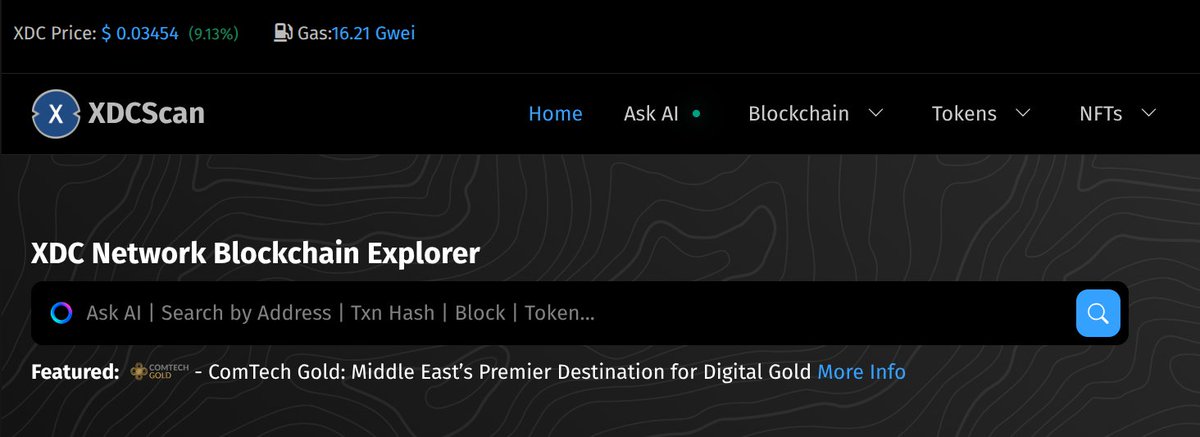
Blockchains are transparent. Understanding them is the hard part.
That's where better analytics, decoding, and visualization tools matter.
Checkout XDCScan powered by @OpenScan_Ai : xdcscan.io
#explorerpage #Web3 #xdcnetwork
5
16
352
実際の顧客への返金かどうかまではわかりません。判断も解釈もしていません。目安として投稿しています。
XDCscanで、1日ごとのXDCの動きをまとめているだけです。
1
1
6
375
May 19
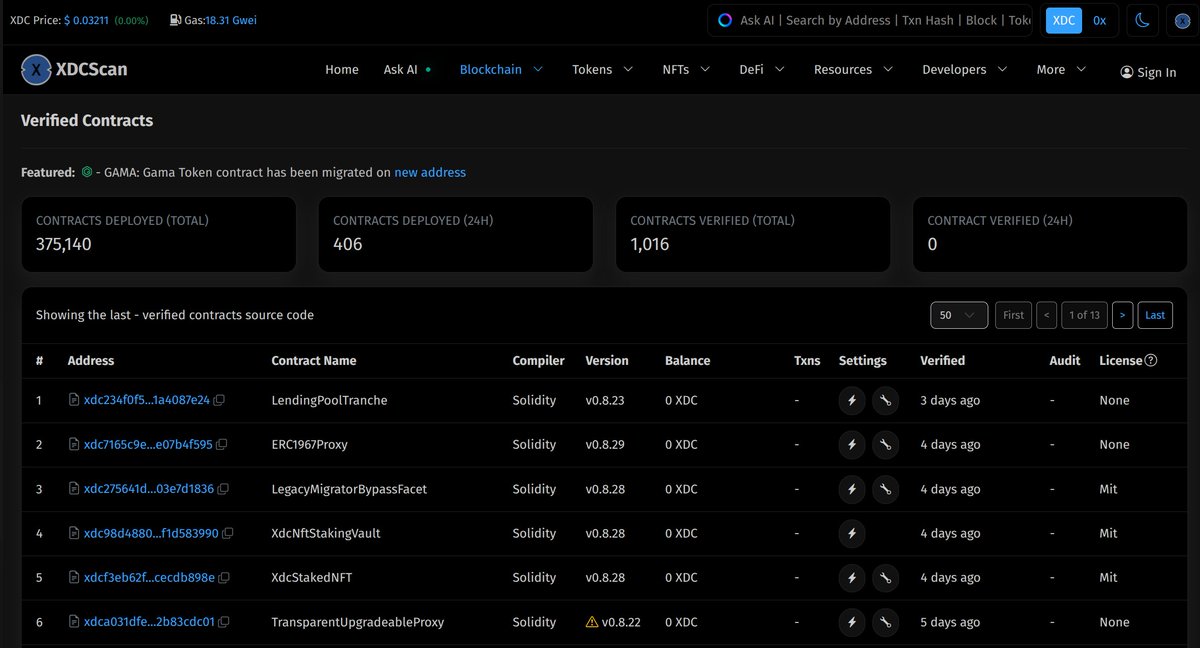
Before trusting a contract…
verify it. ✅
XDCScan explorer powered by @OpenScan_Ai, lets you inspect contract details, transactions & interactions — all in one place.
Explore smart contracts 👇
xdcscan.io/contracts
#Security #Blockchain #XDCNetwork
1
1
4
103
My guess is that the unlock and the email notification probably happen at the same time.
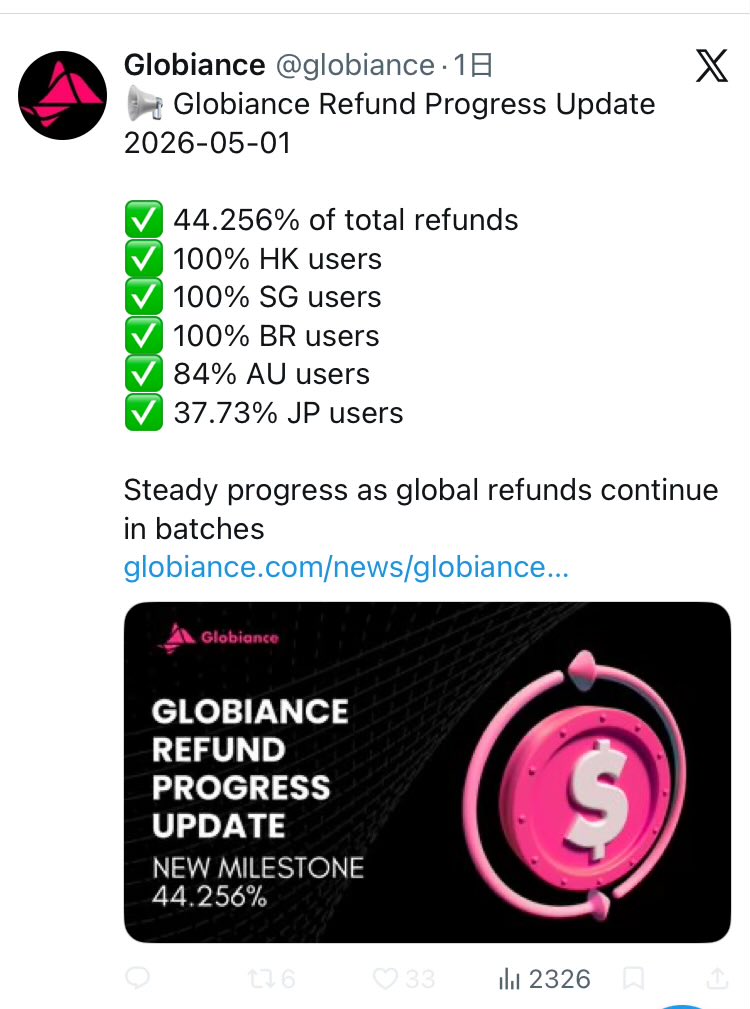
But judging from XDCscan, the number of actual visible payouts doesn’t really match the famous “progress percentages,” so it feels like unlocked accounts might already be counted as “refund progress.”
Then again, the wording of the overall progress metric (“50% of total refunds”) reads much more like an amount-based metric than a user-count metric anyway… so maybe country-by-country user numbers were never relevant to begin with 🤷
So after all this analysis, we have finally achieved transparency™️
“Nobody has any idea what the metric actually means” 🎉🎊👏
1
1
4
110
数百〜数千、あるいは一万レベルの返金が、今ごろになってようやく実施されているのであれば、「バッチグループによる返金」とは一体何だったのか、という強い疑問を抱かざるを得ません。
XDCscanで見る限り、プランの実施と考えられるような まとまった返金の形跡が見受けられません。
@globiance
9
24
776
May 6
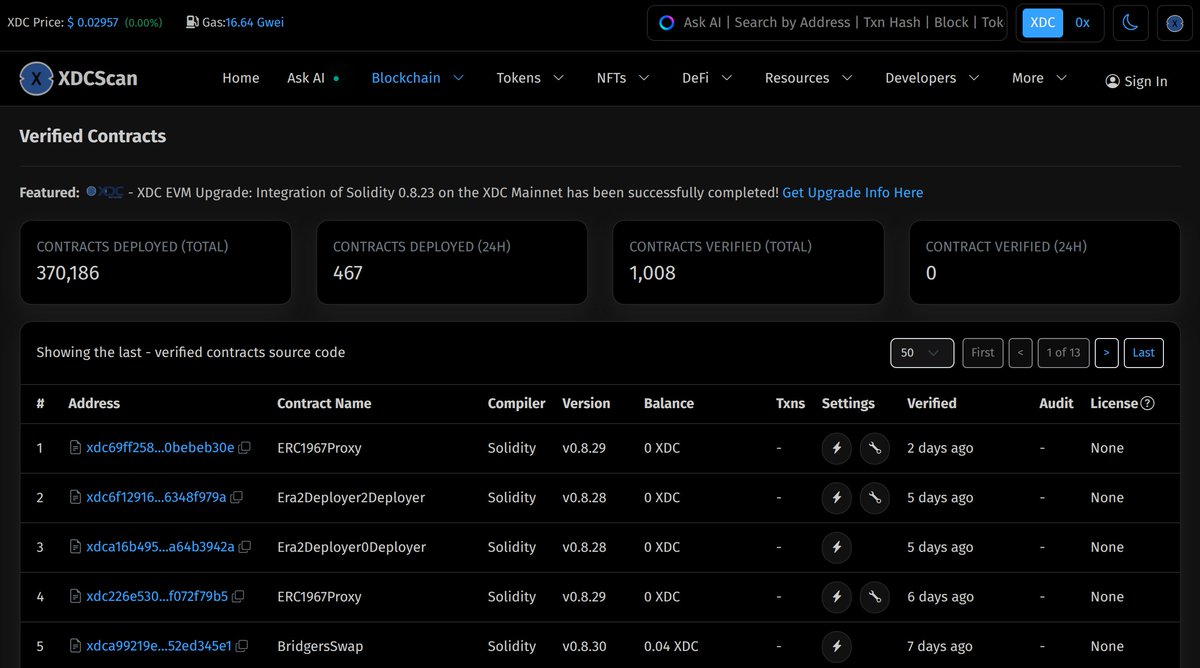
Smart contracts aren’t black boxes anymore. 🔍
Analyze, verify & interact directly with contracts on XDCScan powered by @OpenScan_Ai.
Clarity for developers. Transparency for users.
Try it 👇
xdcscan.io/contracts
#SmartContracts #XDC
1
8
155
May 4
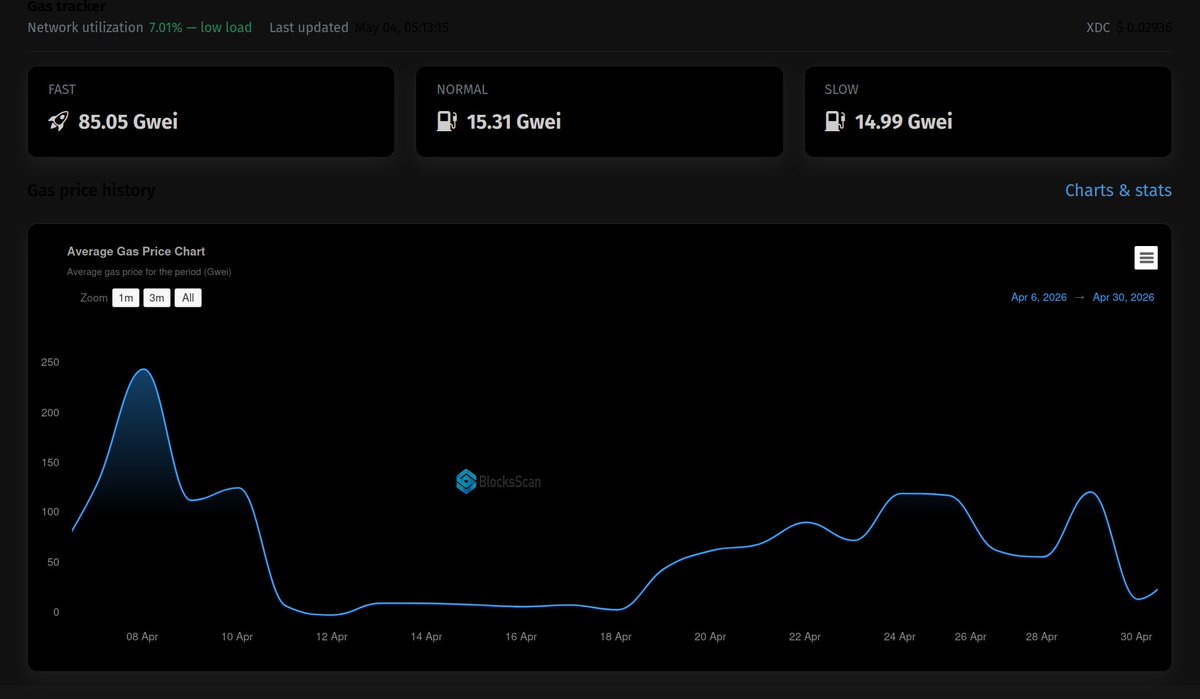
Every transaction leaves a footprint.
Block time. Gas used. Execution path.
XDCScan helps you explore all of it — making blockchain data actually understandable.
Start exploring 👇
xdcscan.io/gastracker
#BlockchainExplorer #XDCNetwork
3
7
443
XDCscanを見る限り、土曜日も返金は行われていたようですが、進捗報告はないのでしょうか。
金曜日の進捗率を見ると、すでに45%近くに達しているとのことですが、トランザクションを確認していると、この「45%」という数字は非常に空虚に感じられます。
現在返金されているXDCの金額レンジは、おそらく1人の中・大口ユーザーの保有量の何十分の一、あるいは何百分の一、場合によってはそれ以下に過ぎません。
例えば、1万XDCの返金があったとしても、100万XDCを保有するユーザーにとっては、それはわずか1%に過ぎません。
このようなユーザー数ベースの進捗率は、実態を正確に反映したものとは言えず、結果として目眩しのように見えます。実際の返金進捗を示す指標としては、不十分ではないでしょうか。
さらに、そのレンジから大きく乖離した多額の返金が時折見られますが、これらはどのような基準や優先順位に基づいて実行されているのでしょうか。
#globiance
1
9
31
1,369