
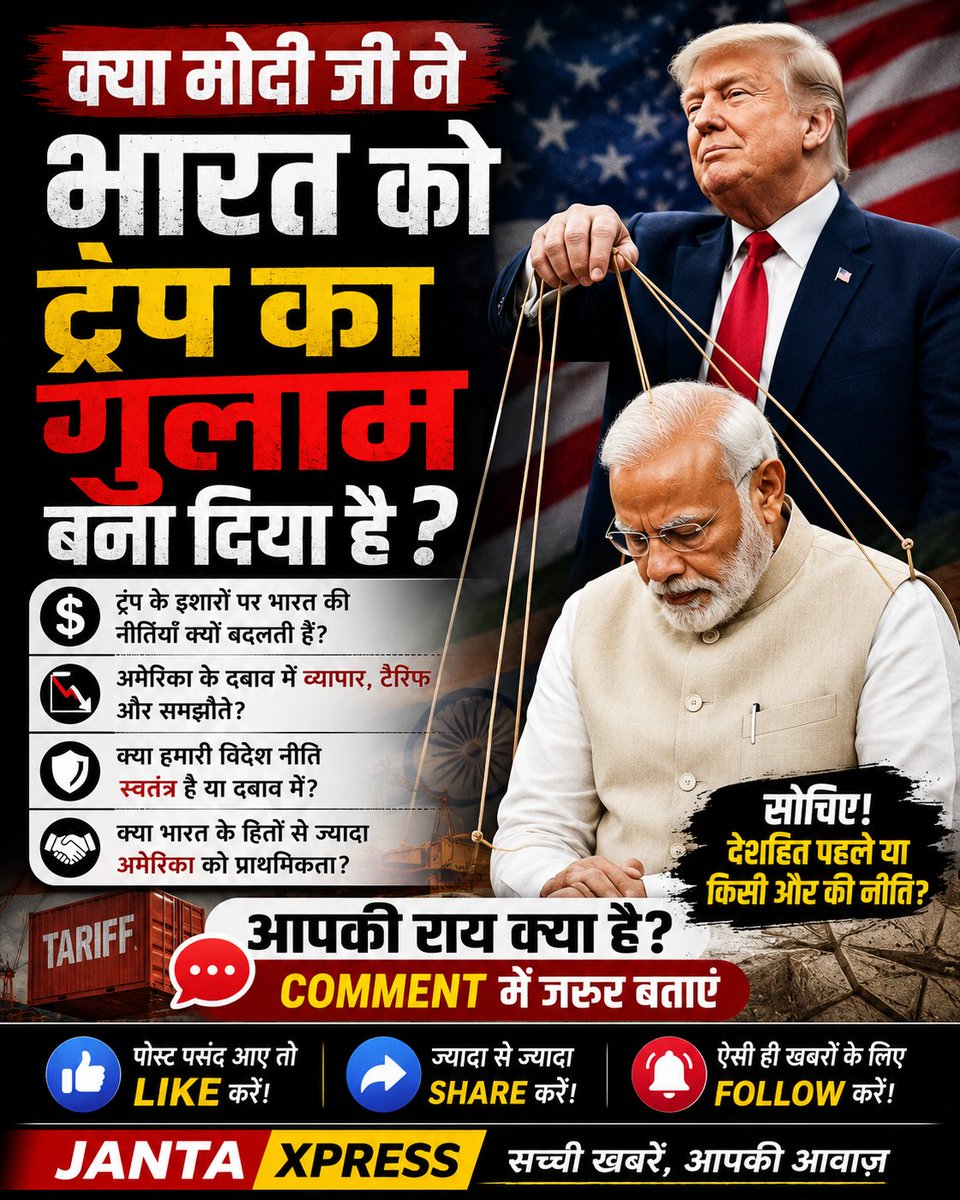
🇮🇳 भारत की विदेश नीति और राष्ट्रीय हितों को लेकर अलग-अलग मत सामने आते रहते हैं।
कुछ लोगों का मानना है कि भारत को वैश्विक मंच पर स्वतंत्र और संतुलित नीति अपनानी चाहिए, जबकि अन्य लोग वर्तमान कूटनीतिक संबंधों को देशहित में मानते हैं।
🤔 इस विषय पर आपकी क्या राय है?
💬 अपनी राय Comment में जरूर बताइए।
📢 ऐसी ही राजनीतिक चर्चाओं और खबरों के लिए Janta Xpress को Follow करें।
#JantaXpress #IndianPolitics #ForeignPolicy #PublicOpinion #India
3
AI Caption:
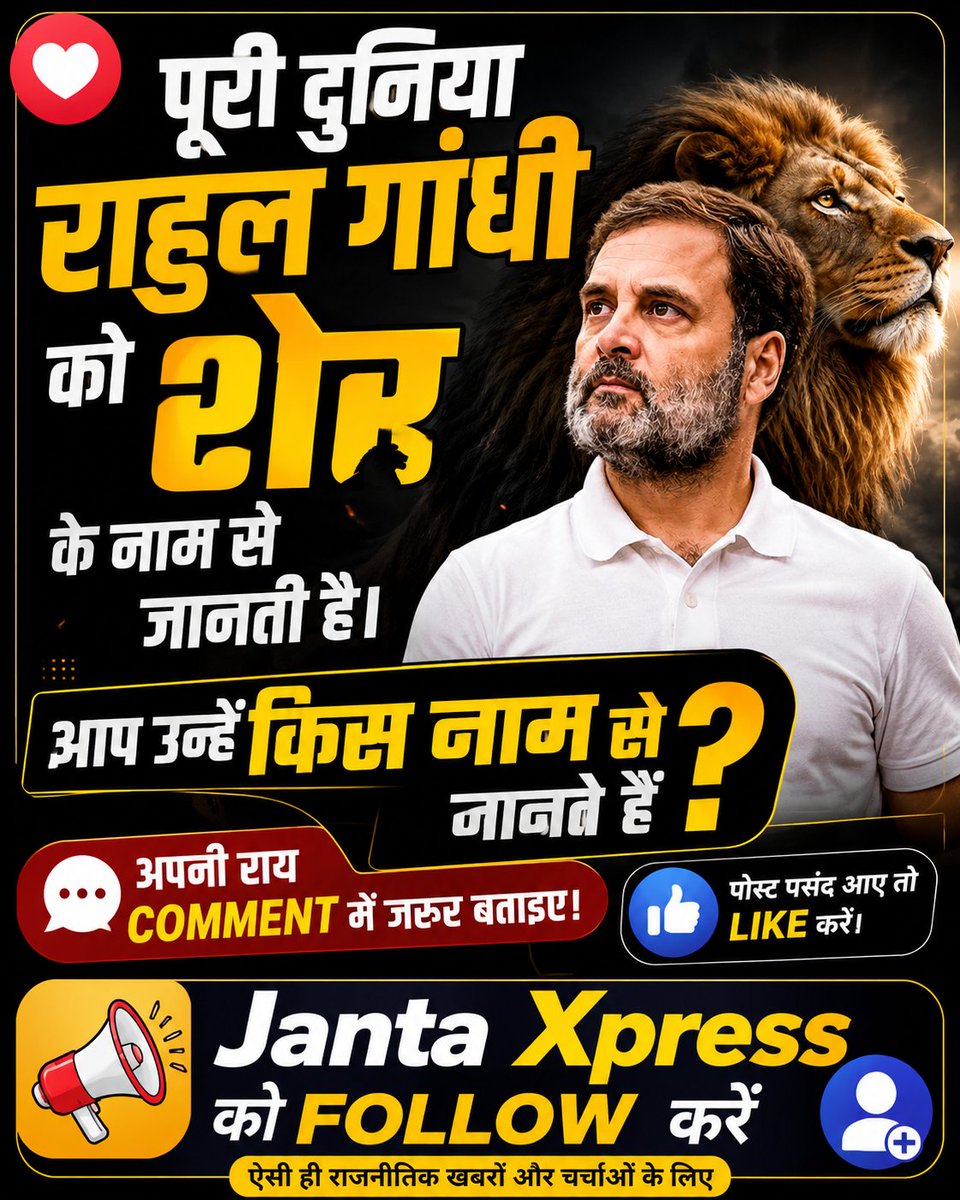
🦁 "पूरी दुनिया राहुल गांधी को शेर के नाम से जानती है।"
आप उन्हें किस नाम से जानते हैं? 🤔
💬 अपनी राय Comment में जरूर बताइए।
👍 पोस्ट पसंद आए तो Like करें।
📢 ऐसी ही राजनीतिक खबरों और चर्चाओं के लिए Janta Xpress को Follow करें।
#RahulGandhi #JantaXpress #Politics #India #CommentYourOpinion #TrendingNews
12

CM ಡಿ ಕೆ ಶಿವಕುಮಾರ್ ರಿಯಲ್ ಎಸ್ಟೇಟ್ ಪರ ಕೆಲಸ ಮಾಡುತ್ತಿದ್ದಾರೆ, ಗೃಹಲಕ್ಷ್ಮಿ ಯೋಜನೆ ಚುನಾವಣಾ ಲಕ್ಷ್ಮಿಯಾಗಿದೆ: ಬಿ ವೈ ವಿಜಯೇಂದ್ರ-Video kannadaprabha.com/karnataka/… @XpressBengaluru @DKShivakumar @INCKarnataka @siddaramaiah @hd_kumaraswamy @BYVijayendra
#BYVijayendra #BidadiTownshipscheme #BJP #Congress #jds #ಬಿಡದಿಟೌನ್ ಶಿಪ್ ಯೋಜನೆ #ಸಿಎಂಡಿಕೆಶಿವಕುಮಾರ್ #ಬಿಜೆಪಿ #ಜೆಡಿಎಸ್ #ಕಾಂಗ್ರೆಸ್ ಸರ್ಕಾರ #ಬಿವೈವಿಜಯೇಂದ್ರ
Xpress Bengaluru BJP Karnataka Chief Minister of Karnataka DK Shivakumar H D Kumaraswamy Indian National Congress - Karnataka Janata Dal Secular DK Suresh
1
1
29
Felix Kyebanakolanga retweeted

𝐌𝐄𝐄𝐓 𝐓𝐇𝐄 𝐄-𝐁𝐔𝐒 𝐗𝐏𝐑𝐄𝐒𝐒 𝐁𝐎𝐀𝐑𝐃 𝐎𝐅 𝐃𝐈𝐑𝐄𝐂𝐓𝐎𝐑𝐒
Mr. Moses Witta Mbubi, Independent Non -Executive Director
Welcome to the #ElectricExperience ⚡️
cc. @FMugung @EngJonard @IanJohnKavuma @PIMusasizi @thatcher_mpanga @mmbubi & #KarenNankwanga.

3
11
258
Siba Mohanty retweeted

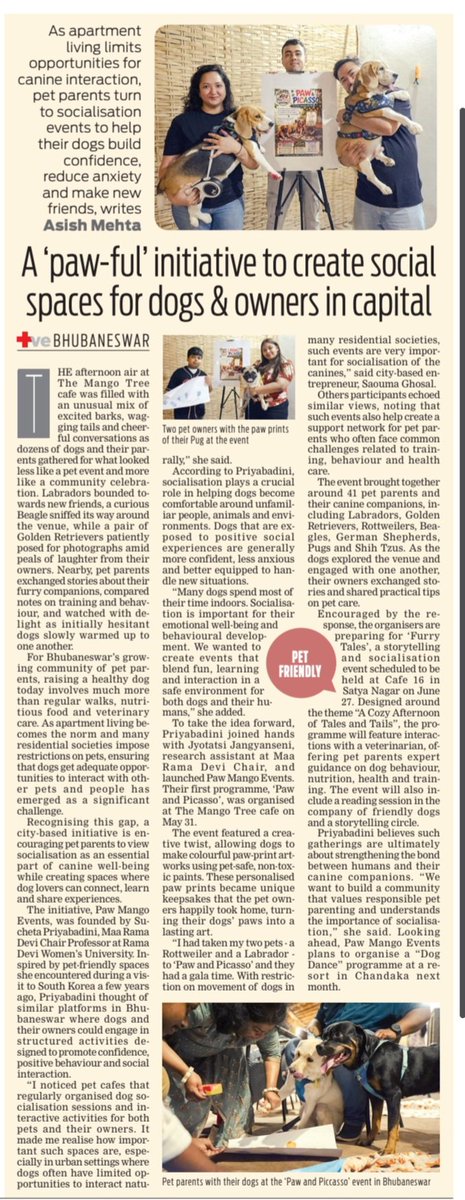
#BrightSide: A 'paw-ful' initiative to create social spaces for dogs and owners in Bhubaneswar
@NewIndianXpress
@XpressOdisha
1
2
25

Debunking Misconceptions: Nicotine, Vaping, and Public Health
By Dr. Tony Leachon
Nicotine and vaping products have become the subject of intense debate in global public health. While industry advocates and some experts argue that nicotine is “safe” and that vaping represents a viable harm reduction strategy, the World Health Organization (WHO) has consistently warned that these narratives are misleading and hazardous to health. To protect communities, especially the youth, it is essential to clarify the scientific evidence and dispel misconceptions that distort tobacco control policies.
WHO’s Evidence-Based Position
The WHO stresses that all nicotine products carry health risks. E‑cigarettes, heated tobacco, and nicotine pouches are addictive and harmful, particularly to the cardiovascular and respiratory systems. Nicotine itself is not benign—it drives dependence, alters brain development in adolescents, and contributes to cardiovascular strain.
WHO data reveals that over 15 million children aged 13–15 worldwide use e‑cigarettes, a figure that underscores how flavored vapes and sleek packaging deliberately target youth. Far from being a harmless alternative, these products risk creating a new generation of nicotine dependence.
Why “Nicotine is Safe” is a Dangerous Myth
• Addiction driver: Nicotine is the chemical that sustains dependence, making cessation harder and perpetuating tobacco use.
• Health impact: While nicotine may not directly cause cancer, WHO highlights its role in cardiovascular disease, insulin resistance, and adverse pregnancy outcomes.
• Industry distortion: Tobacco companies exploit harm reduction language to expand markets, echoing past tactics with “light” and “mild” cigarettes that falsely implied reduced harm.
Harm Reduction vs. Industry Narratives
True harm reduction must be science-driven and tightly regulated. WHO emphasizes that cessation remains the ideal outcome, and while nicotine replacement therapies (NRTs) can support quitting, unregulated vaping products are not equivalent.
The industry’s framing of harm reduction is profit-driven, using unregulated products to recruit new users under the guise of “safer alternatives.” WHO calls for strict regulation or outright bans on flavored vapes, nicotine pouches, and heated tobacco, treating them at least as strongly as conventional cigarettes.
Risks of Miscommunication
False claims that nicotine is harmless undermine cessation efforts and confuse the public. WHO warns that misinformation delays progress in reducing tobacco-related deaths—still over 8 million annually worldwide. Misleading narratives risk normalizing nicotine use and weakening global tobacco control strategies.
Conclusion
The narrative that nicotine and vaping products are safe is contradicted by WHO’s evidence-based position. These products are addictive, hazardous, and aggressively marketed to youth. Harm reduction must be rooted in science and regulation—not industry propaganda. Public health leaders, scientists, and the media must work together to ensure that truth prevails over ideology, and that communities are protected from the dangers of nicotine dependence.
References
• World Health Organization. WHO Position on Tobacco Control and Harm Reduction. November 2025.
• World Health Organization. Tobacco and Nicotine Products: Risks and Regulation.
• Medical Xpress. WHO Chief Urges Clampdown on Nicotine Products Aimed at Kids. November 2025.
@WHOWPRO
@WHO
54

Ur Twitter Feed reads like my closeted gay uncle's rants. U see, he hated himself but couldn't xpress it to the world in any real way. So he started spilling that hatred onto anyone & everyone. LIKE YOU ARE! Keep it up & u'll prob end up lobotomizing urself w/ booze like he did!
1

Xpress Payments Says Digital Transactions Will Power Nigeria’s Economic Growth thebusinesstimesng.com/xpres…
1
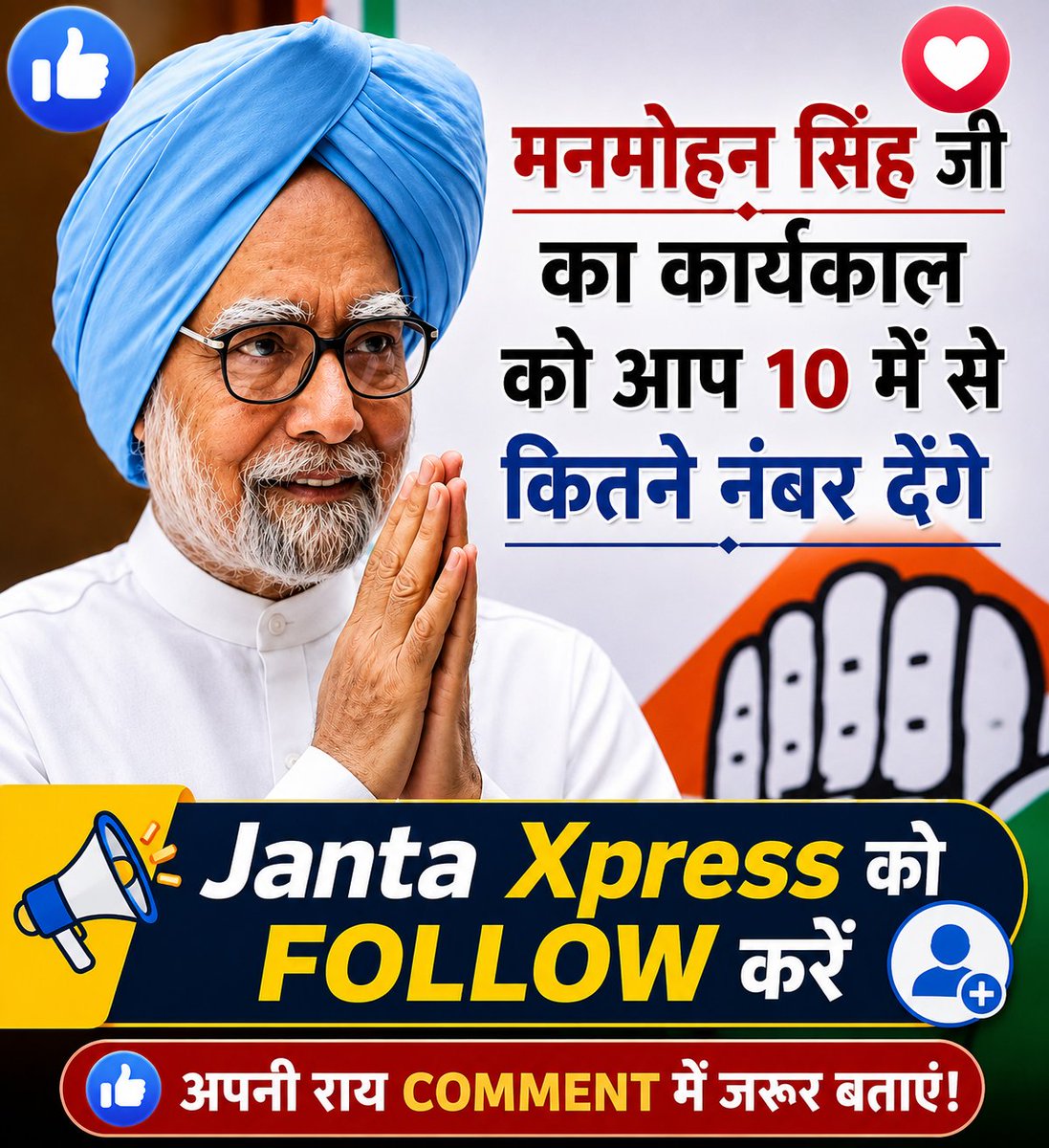
🇮🇳 पूर्व प्रधानमंत्री डॉ. मनमोहन सिंह जी के कार्यकाल को आप 10 में से कितने नंबर देंगे?
💬 अपनी राय Comment में जरूर बताइए।
👍 अगर आपको लगता है कि उनके नेतृत्व में देश ने विकास किया, तो इस पोस्ट को Like करें।
📢 ऐसी ही राजनीतिक खबरों और चर्चाओं के लिए Janta Xpress को Follow करें।
#ManmohanSingh #JantaXpress #IndianPolitics #PublicOpinion #NewsUpdate
23
6
14
217

चल बे, AAP के झाड़ू में छिपे तिलचट्टे....
झाड़ू साफ, तुमको चप्पल से मिटा देंगे....
अब तो सबको समझ आ ही गया होगा कि janta xpress, इंडी ठगबंधन का एक tool kit है....?🤣🤣🤣
सामने से तो हिम्मत है नहीं, कीड़े मकोड़े के भरोसे है ठगबंधन...
3
AI Caption:
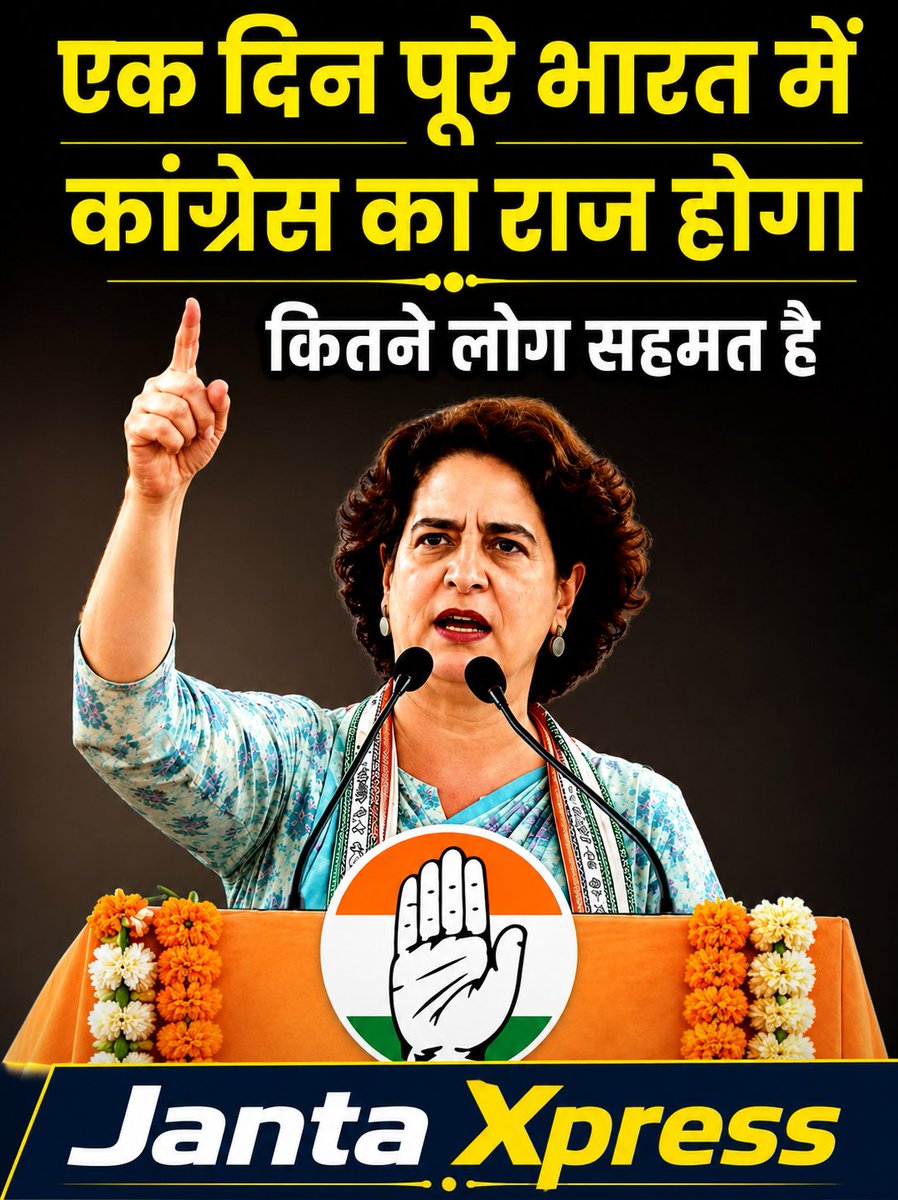
🚨 क्या आप सहमत हैं? 🇮🇳
"एक दिन पूरे भारत में कांग्रेस का राज होगा।"
अपनी राय जरूर बताइए –
✅ हाँ
❌ नहीं
💬 अपनी प्रतिक्रिया Comment में लिखें और ऐसी ही राजनीतिक खबरों व चर्चाओं के लिए Janta Xpress को Follow करें। 📢🗳️
#JantaXpress #Congress #Politics #India #PublicOpinion #TrendingNews
9
5
28
249

गत १२ वर्षांत, नरेंद्र मोदी सरकारने #DigitalTechnology अपनवली आहे.
फक्त २२ महिन्यांत 5G सेवा देशातील ९९.६% जिल्ह्यांपर्यंत पोहोचल्या आहेत. #Internet डेटा खर्च ९७.०७% नी कमी झाला आहे, ज्यामुळे इंटरनेट अधिक परवडणारे आणि उपलब्ध झाले आहे.
आकाशवाणी न्यूजशी बोलताना, Ethernet Xpress चे सीईओ महेंद्र तिवारी म्हणाले की भारत 6G तंत्रज्ञानात जागतिक नेते बनण्याच्या तयारीत आहे. उद्दिष्ट म्हणजे 6G शी संबंधित जागतिक पेटंट्समध्ये सुमारे १०% योगदान देणे.
#12YearsOfModiGovernment #12YearsOfSeva #DigitalIndia #6G #PMModi #DigitalEmpowerment
7

"Could the World Cup cause the next pandemic? Scientists mapped the risks" - Medical Xpress #SmartNews l.smartnews.com/p-7UJtz39u/3…
10

Over the past 12 years, the @narendramodi government has embraced #DigitalTechnology.
5G Services have reached 99.6% of the country's districts in just 22 months. The cost of #Internet data has dropped by 97.07%, making the internet more affordable and accessible.
Talking to Akashvani News, Mahendra Tiwari, CEO of Ethernet Xpress, said India is poised to become a global leader in 6G technology. The goal is to contribute approximately 10% to global patents related to 6G.
#12YearsOfModiGovernment #12YearsOfSeva #DigitalIndia #6G #PMModi #DigitalEmpowerment
5
6
655
ಗೃಹಲಕ್ಷ್ಮಿ, ಗೃಹಜ್ಯೋತಿ ಫಲಾನುಭವಿಗಳು ಮರು ಅರ್ಜಿ ಸಲ್ಲಿಸಬೇಕು: CM ಡಿ.ಕೆ. ಶಿವಕುಮಾರ್-Video kannadaprabha.com/karnataka/… @XpressBengaluru @NewIndianXpress @DKShivakumar @CMofKarnataka @BJP4Karnataka @JanataDal_S @INCKarnataka
#DKShivakumar #gruhalakshmiyojana #gruhajyotischeme #KarnatakaGovernment #ಗೃಹಜ್ಯೋತಿಯೋಜನೆ #ಗೃಹಲಕ್ಷ್ಮಿಯೋಜನೆ #ಡಿಕೆಶಿವಕುಮಾರ್
Xpress Bengaluru The New Indian Express Chief Minister of Karnataka DK Shivakumar DK Suresh H D Kumaraswamy Janata Dal Secular BJP Karnataka Indian National Congress - Karnataka
47

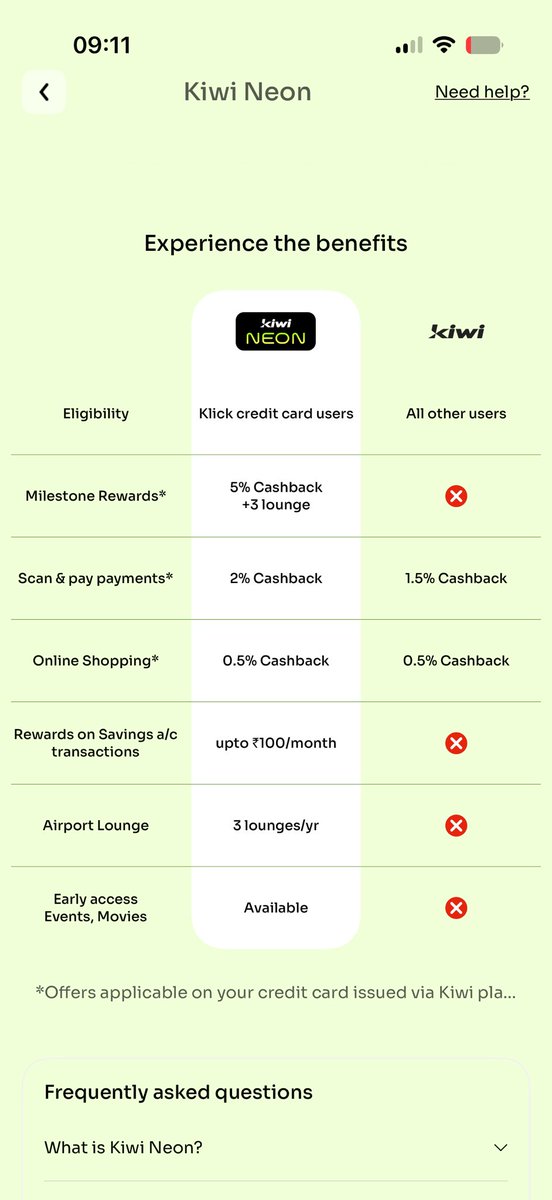
📲 Kiwi RuPay Credit Cards: One of the Most Underrated UPI Setups in India 💳🔥
If you’re serious about earning rewards on UPI spends, Kiwi has quietly built one of the strongest ecosystems in 2026.
✅ Instant virtual RuPay credit card
✅ Works with Kiwi, GPay & PhonePe
✅ Use credit limit for UPI QR payments
✅ Lifetime Free cards
🏦 Banking Partners:
🔹 YES Bank Klick – Best for international spends (2.75% forex markup) rewards on card transactions
🔹 AU Kosmo – Xpress EMI on spends above ₹500 AU partner offers
🔹 PNB Kiwi – Easy approvals, ideal for beginners building CIBIL
🔹 Axis Kwik – Great for existing Axis users wanting RuPay UPI rewards
💰 Base Rewards:
🟢 1.5% Cashback on UPI merchant payments
🔵 0.5% Cashback on online spends
⛽ 1% Fuel Surcharge Waiver
🎁 ₹100 Welcome Bonus on first transaction
(Cashback tracked as “Kiwis” and redeemed as direct cashback)
⚡ Kiwi Neon Membership (₹999 GST/year)
🔥 2% Base Cashback on UPI spends
🔥 Up to 5% Milestone Cashback
✈️ 3 Domestic Lounge Visits Per Year
• 1st at ₹50k spend
• 2nd at ₹1L spend
• 3rd at ₹1.5L spend
💡 My Take:
✅ Frequent UPI User → Kiwi Neon
✅ International Traveler → YES Bank Klick
✅ EMI Lover → AU Kosmo
✅ First Credit Card → PNB Kiwi
✅ Existing Axis Customer → Axis Kwik
For people who spend heavily via UPI, Kiwi remains one of the easiest ways to earn rewards on transactions that traditionally earned nothing.
Which Kiwi banking partner are you choosing? 👇
#CreditCardsIndia #KiwiCard #RuPay #UPI #PersonalFinance #Cashback #CreditCards #Fintech #ccgeek
43
ಬಿಡದಿ ಟೌನ್ಶಿಪ್ ಯೋಜನೆಗೆ ಪ್ರಧಾನಿ ಮೋದಿಯೇ ಬೆಂಬಲ ಸೂಚಿಸಿದ್ದಾರೆ: CM ಡಿ ಕೆ ಶಿವಕುಮಾರ್ kannadaprabha.com/karnataka/… @XpressBengaluru @NewIndianXpress @DKShivakumar @CMofKarnataka @hd_kumaraswamy @JanataDal_S
#bidaditownshipproject #DKShivakumar #DKSuresh #HDKumaraswamy #PMNarendraModi #ಪ್ರಧಾನಮಂತ್ರಿನರೇಂದ್ರಮೋದಿ #ಡಿಕೆಶಿವಕುಮಾರ್ #ಹೆಚ್ ಡಿಕುಮಾರಸ್ವಾಮಿ #ಬಿಡದಿಟೌನ್ ಶಿಪ್ ಯೋಜನೆ
Xpress Bengaluru The New Indian Express Chief Minister of Karnataka DK Shivakumar DK Suresh H D Kumaraswamy Janata Dal Secular BJP Karnataka Narendra Modi
3
125
Tom retweeted

⚡ 月兔雷霆 - Moontok Xpress
WAGMI ( $WAGMI )
moontok.io/coins/wagmi-7
5fKEjqWA7Gq13n4JjT96ks9Fofm1yn9JKidBSAcpump
#altcoin #memecoins
2
3
5
276
Toshinobu retweeted

Xpress XQ3Sハラエディションもパープルパーツを増やして更にドレスアップ!!
やっぱりラジコンカーはカッコよくないとね!😉
#広げようラジコンの輪
2
9
171
3,405

🚨 ANNOUNCEMENT REGARDING GOGO XPRESS 📦 🚨
Please be advised that GGX in LIPA, BATANGAS (Sabang) already ceased their operations last month. To those who opted for GGX in their order forms, we will contact you before delivery for shipping options.
Thank you. 🫶🏻
246