Filter
Exclude
Time range
-
Near
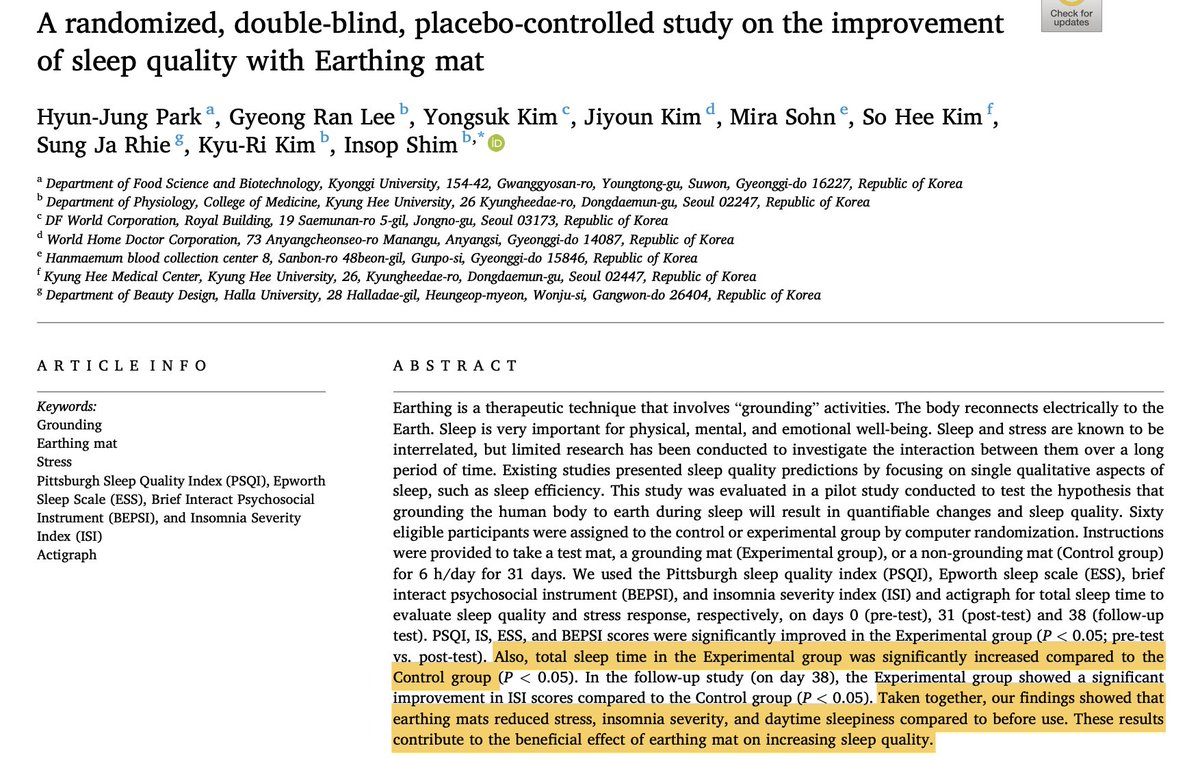
8/ A 2025 Korean double-blind grounding study found sleep improvements disappeared when grounding stopped. H.J. Park and colleagues at Kyung Hee University in Seoul ran a study: 60 subjects. 31 days. Half slept on grounding mats, half on visually identical sham mats. Neither the subjects nor the researchers knew which mats were real. Sleep was measured by ActiGraph accelerometers worn continuously — not questionnaires, not self-report. Device-measured actual sleep time. The grounded group showed significantly increased total sleep time compared to controls. The follow-up finding is the one that matters most: When grounding stopped for 7 days, insomnia scores began rising again. Meaning the benefit isn't a one-time fix — it requires continued grounding.
1
5
557
May 26
#Wristwatch-like #device enables #assessment of #healthrisks for #astronauts on #mission to the #moon NASA's Artemis 2 crew used an actigraph to track sleep-wake cycles & light exposure during their historic lunar orbit mission.... scitechupdates.com/wristwatc…
9
9
70
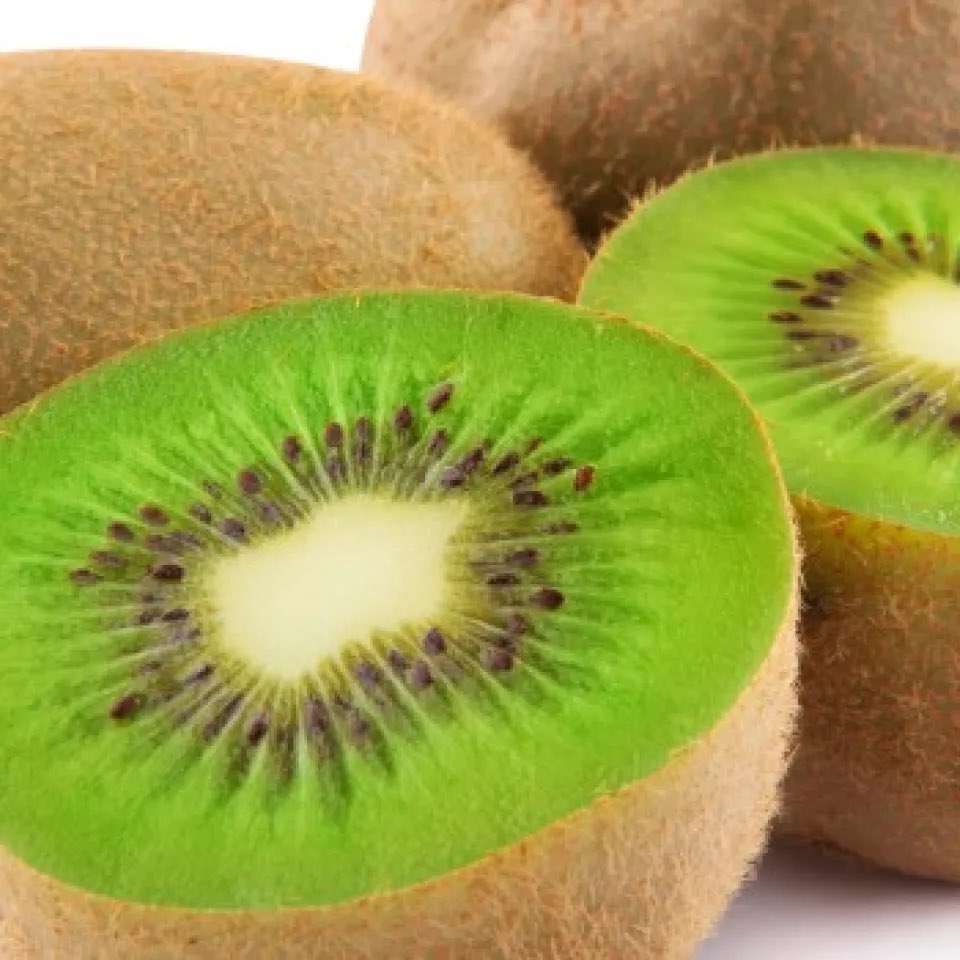
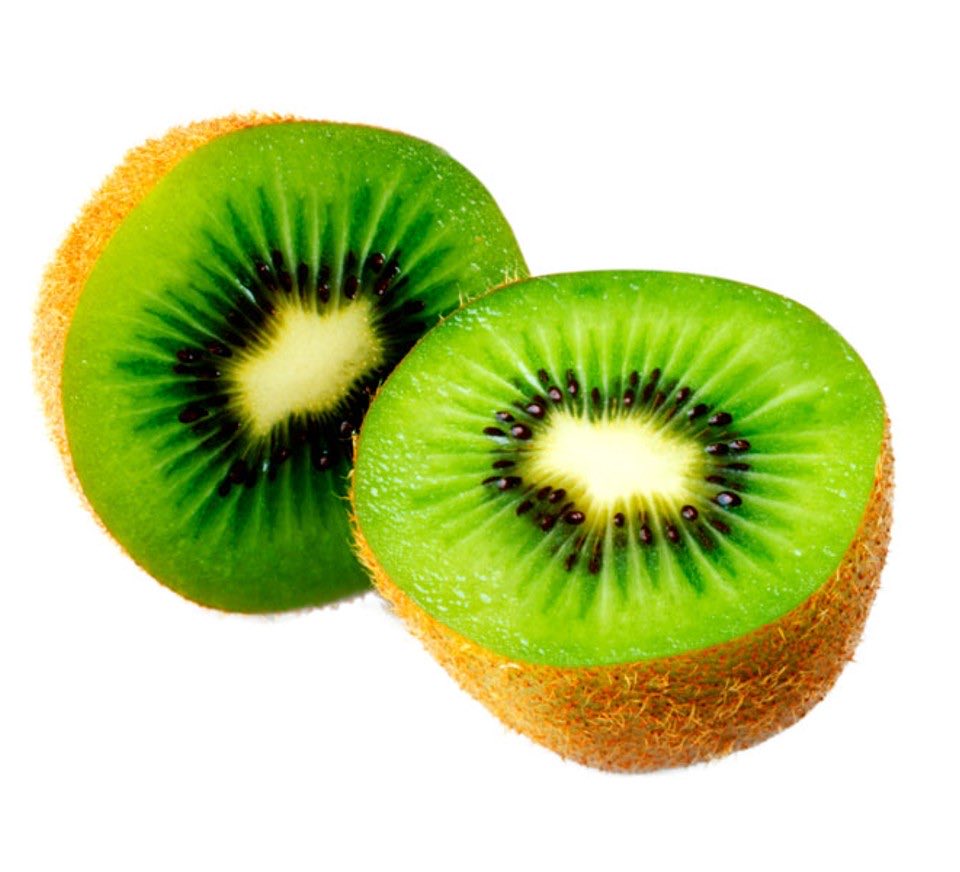
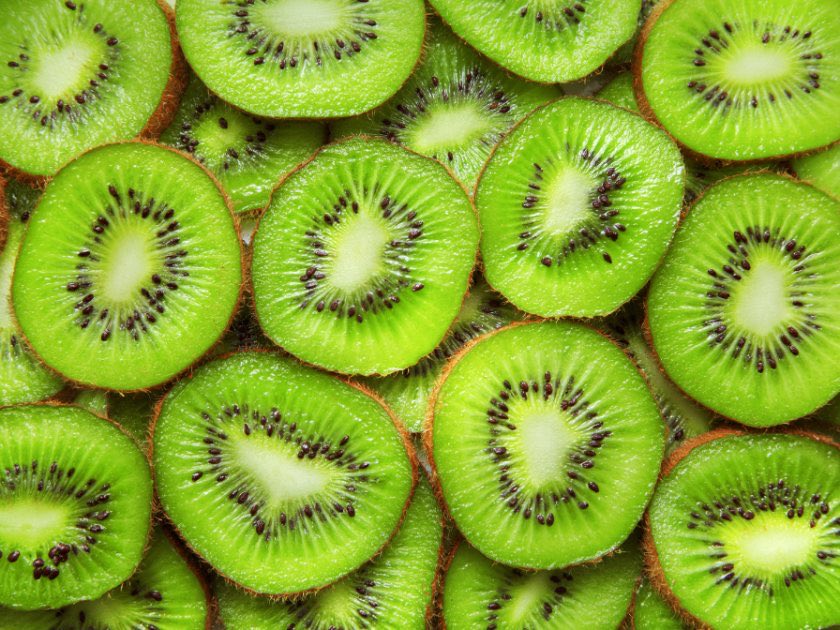
هناك دراسات علمية (رغم أنها محدودة العدد والحجم) تشير إلى أن تناول فاكهة الكيوي(خاصة قبل النوم بساعة) يمكن أن يحسن جودة النوم بشكل عام، بما في ذلك تقليل وقت الاستغراق في النوم، زيادة مدة النوم الكلية، وتحسين الكفاءة النومية، وقد يساهم في تعزيز مراحل النوم العميق بشكل غير مباشر من خلال تحسين النوم الكلي وتقليل الاستيقاظات الليلية. أبرز الدراسات الرئيسية: 1. الدراسة التايوانية الكلاسيكية (Lin et al., 2011) نُشرت في Asia Pacific Journal of Clinical Nutrition. شملت 24 شخصًا يعانون من مشاكل نوم (ذاتي الإبلاغ) تناولوا حبتين من الكيوي الأخضر كل ليلة قبل النوم بساعة لمدة 4 أسابيع. النتائج الرئيسية (باستخدام مذكرات نوم جهاز Actigraph للقياس الموضوعي): انخفاض وقت الاستيقاظ بعد بدء النوم (WASO) بنسبة ~29%. انخفاض وقت الاستغراق في النوم (SOL) بنسبة ~35%. زيادة إجمالي وقت النوم بنسبة 13.4%. تحسن كفاءة النوم بنسبة 5.4%. انخفاض درجة مؤشر جودة النوم في بيتسبرغ (PSQI) بنسبة كبيرة (من 10.4 إلى 6.0). هذه الدراسة هي الأكثر استشهادًا عند الحديث عن الكيوي والنوم. 2. دراسة الرياضيين المحترفين (Doherty et al., 2023) نُشرت في Nutrients (PMC).شملت 15 رياضيًا نخبة (عدائين وبحارة) تناولوا حبتين كيوي قبل النوم بساعة لمدة 4 أسابيع. النتائج: زيادة إجمالي وقت النوم بحوالي 60 دقيقة. انخفاض الاستيقاظات الليلية بنسبة 27%. انخفاض وقت اليقظة بعد بدء النوم بنسبة 47%. تحسن كفاءة النوم من 86% إلى 93%. تحسن ملحوظ في جودة النوم المُبلغ عنها ذاتيًا تقليل الإجهاد والتعب. هذه الدراسة تُظهر تأثيرًا قويًا، وغالبًا ما يُشار إليها بأن الكيوي يعزز "النوم الكيوي غني بمواد قد تساهم في تحسين النوم: السيروتونين (يوجد بكمية جيدة في الكيوي) يتحول جزء منه إلى ميلاتونين(هرمون النوم). يحتوي على مضادات الأكسدة قوية (فيتامين C، E، الكاروتينات) وهي تقلل الإجهاد التأكسدي الذي يرتبط باضطرابات النوم. يحتوى على حمض الفوليك ملاحظات مهمة: معظم الدراسات صغيرة الحجم (15–24 مشاركًا) لذا تحتاج إلى تأكيد بدراسات أكبر. التأثير يظهر غالبًا بعد 4 أسابيع منتظمة (وليس ليلة واحدة). لا يُعتبر الكيوي "علاجًا" للأرق الشديد، لكنه تدخل غذائي آمن وبسيط يستحق التجربة. الخلاصة العملية تناول 1–2 حبة كيوي (يفضل الأخضر) قبل النوم بساعة يوميًا لمدة 3–4 أسابيع قد يُحسن نومك بشكل ملحوظ، بما في ذلك زيادة احتمالية النوم العميق والمريح. جربها ولاحظ الفرق بنفسك
1
3
287
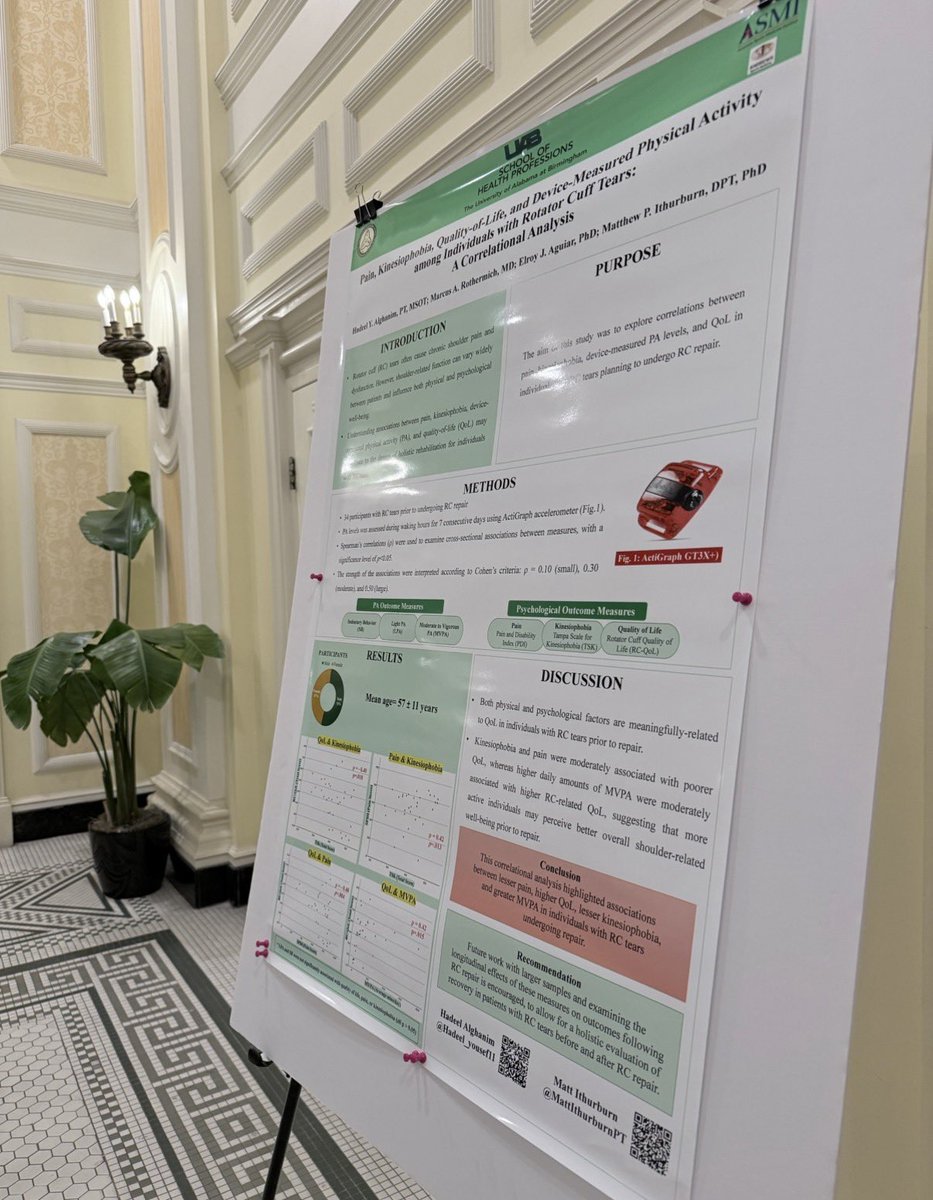
Last week, the Ametris (formerly ActiGraph) Digital Data Summit 2026 #ADDS2026 in Atlanta was a great venue to present my correlational analysis study exploring pain, kinesiophobia, quality of life, and device-measured physical activity among individuals with rotator cuff tears.
1
3
100
Amortized Bayesian inference for actigraph time sheet data from mobile devices Daniel Zhou, Sudipto Banerjee arxiv.org/abs/2602.20611 [𝚜𝚝𝚊𝚝.𝙼𝙻 𝚌𝚜.𝙻𝙶 𝚜𝚝𝚊𝚝.𝙼𝙴]
3
178
هناك دراسات علمية (رغم أنها محدودة العدد والحجم) تشير إلى أن تناول فاكهة الكيوي(خاصة قبل النوم بساعة) يمكن أن يحسن جودة النوم بشكل عام، بما في ذلك تقليل وقت الاستغراق في النوم، زيادة مدة النوم الكلية، وتحسين الكفاءة النومية، وقد يساهم في تعزيز مراحل النوم العميق بشكل غير مباشر من خلال تحسين النوم الكلي وتقليل الاستيقاظات الليلية. أبرز الدراسات الرئيسية: 1. الدراسة التايوانية الكلاسيكية (Lin et al., 2011) نُشرت في Asia Pacific Journal of Clinical Nutrition. شملت 24 شخصًا يعانون من مشاكل نوم (ذاتي الإبلاغ) تناولوا حبتين من الكيوي الأخضر كل ليلة قبل النوم بساعة لمدة 4 أسابيع. النتائج الرئيسية (باستخدام مذكرات نوم جهاز Actigraph للقياس الموضوعي): انخفاض وقت الاستيقاظ بعد بدء النوم (WASO) بنسبة ~29%. انخفاض وقت الاستغراق في النوم (SOL) بنسبة ~35%. زيادة إجمالي وقت النوم بنسبة 13.4%. تحسن كفاءة النوم بنسبة 5.4%. انخفاض درجة مؤشر جودة النوم في بيتسبرغ (PSQI) بنسبة كبيرة (من 10.4 إلى 6.0). هذه الدراسة هي الأكثر استشهادًا عند الحديث عن الكيوي والنوم. 2. دراسة الرياضيين المحترفين (Doherty et al., 2023) نُشرت في Nutrients (PMC).شملت 15 رياضيًا نخبة (عدائين وبحارة) تناولوا حبتين كيوي قبل النوم بساعة لمدة 4 أسابيع. النتائج: زيادة إجمالي وقت النوم بحوالي 60 دقيقة. انخفاض الاستيقاظات الليلية بنسبة 27%. انخفاض وقت اليقظة بعد بدء النوم بنسبة 47%. تحسن كفاءة النوم من 86% إلى 93%. تحسن ملحوظ في جودة النوم المُبلغ عنها ذاتيًا تقليل الإجهاد والتعب. هذه الدراسة تُظهر تأثيرًا قويًا، وغالبًا ما يُشار إليها بأن الكيوي يعزز "النوم الكيوي غني بمواد قد تساهم في تحسين النوم: السيروتونين (يوجد بكمية جيدة في الكيوي) يتحول جزء منه إلى ميلاتونين(هرمون النوم). يحتوي على مضادات الأكسدة قوية (فيتامين C، E، الكاروتينات) وهي تقلل الإجهاد التأكسدي الذي يرتبط باضطرابات النوم. يحتوى على حمض الفوليك ملاحظات مهمة: معظم الدراسات صغيرة الحجم (15–24 مشاركًا) لذا تحتاج إلى تأكيد بدراسات أكبر. التأثير يظهر غالبًا بعد 4 أسابيع منتظمة (وليس ليلة واحدة). لا يُعتبر الكيوي "علاجًا" للأرق الشديد، لكنه تدخل غذائي آمن وبسيط يستحق التجربة. الخلاصة العملية تناول 1–2 حبة كيوي (يفضل الأخضر) قبل النوم بساعة يوميًا لمدة 3–4 أسابيع قد يُحسن نومك بشكل ملحوظ، بما في ذلك زيادة احتمالية النوم العميق والمريح. جربها ولاحظ الفرق بنفسك
1
7
71
7,021
👩‍⚕️WOMEN IN PHARMA SUPPLEMENT👩‍⚕️ 💻Decoding digital endpoints: Christine Guo ✏️Christine Guo at @actigraph (now Ametris) Read here: tinyurl.com/78cfxxcz
1
110
🤔Fibion Flash simplifies data collection! ✅ ECG & HRV: Chest-worn for accuracy ✅ Sleep analysis: Wrist or chest insights ✅ Daily activity: Wrist-worn for movements ✅ Behavior patterns: Clip-on for postures #Research #Actigraph
5
5
117
Dr. Ying Gao explained in the podcast how her lab research used accelerometers like ActiGraph and Fibion, along with other posture detection devices, to analyze children's physical activity and sedentary behaviors 🧪 #Accelerometers
5
5
214
We urgently need data from parallel ECG and actigraph measurements lasting at least 24 hours to test our new algorithm for assessing the regularity of circadian rhythms. If anyone's got any of that data, I'd love to hear from you. If you've got any data that's been published, we can reciprocate by citing it or we can collaborate on an article. Please repost this or tag someone who can help 🙂
1
2
42
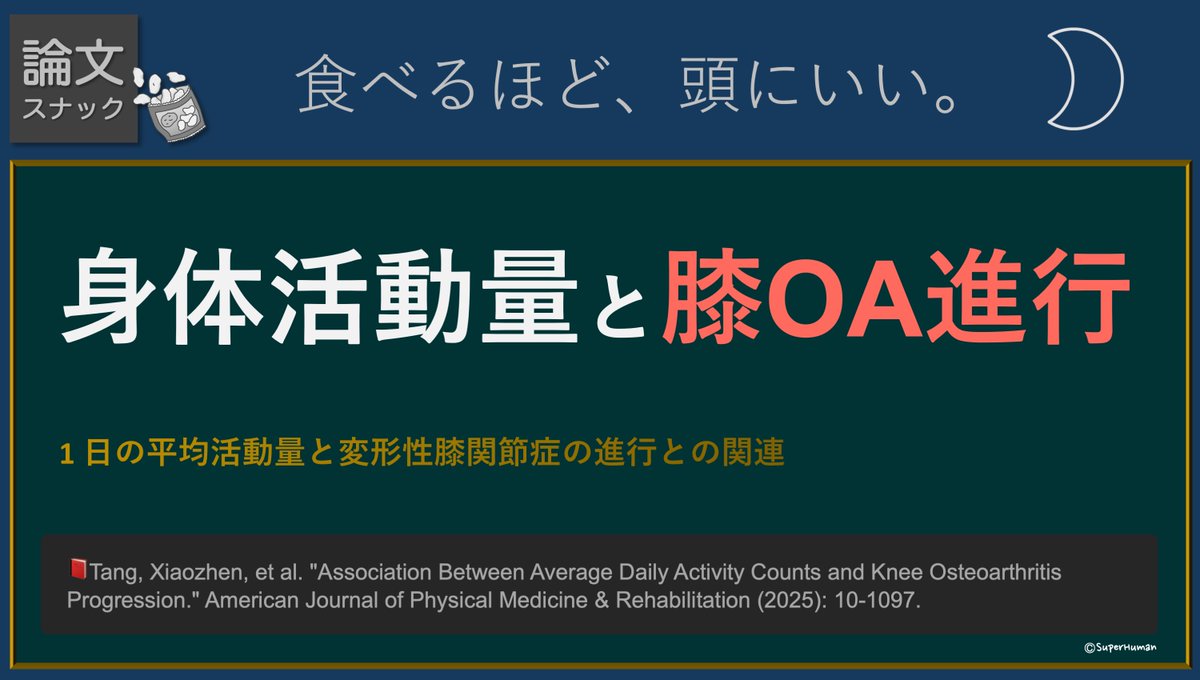
📖身体活動量と膝OA進行 ・45~79歳の610人 ・身体活動量:ActiGraph ・膝OA:KL-grade or 関節裂隙狭小化 🔹身体活動と膝OA進行にU字型関係 🔹中等度の活動量→OA進行リスク低下 🔹低い or 高い活動量→OA進行リスク増大 膝OA進行には適度な 身体活動量があるかもしれません😲 #変形性膝関節症
1
10
925
10 Nov 2025
NEW: an insider at IQVIA reports on how its reliance on Indian staffers is a MAJOR threat to patient safety. IQVIA is the leading contract research organization (CRO) for clinical trials and their vendors include Clario, CentrePoint Actigraph, Suvoda, iMedidata, CliniLabs, Q2 laboratories, and TrialMax. All of them are "staffed with Indians that do not comprehend English," which makes them unable to communicate in real-time on matters of patient safety, as they "struggle to comprehend any concerns from the clinic side." The insider says that the site they work for, which enrolls patients in clinical trials for pharma companies, entirely uses India-based vendors whose staffers cannot speak English. This means that if "a patient enrolled has a severe adverse event, we have to speak to Indians that lack English comprehension and places the patient at significant risk." @USDOL @CDCgov
4
20
87
8,046
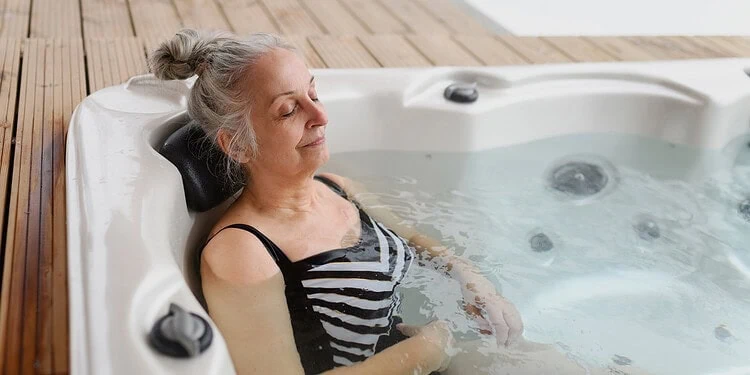
Older adults sleep better after a hot tub bath, particularly during winter | Vladimir Hedrih, PsyPost A study of older adults in Japan found that taking a hot-tub bath before bed was associated with better sleep quality. Participants not only felt their sleep was better, but objective actigraphy data also confirmed they slept more efficiently on average compared to their peers who did not bathe before bed. This effect was particularly strong during winter. The paper was published in Sleep Health: Journal of the National Sleep Foundation. Sleep quality refers to how well a person sleeps, including how long it takes to fall asleep, how often they wake during the night, and how rested they feel upon waking. It is not just the number of hours slept but the depth and continuity of sleep that determine its quality. High-quality sleep involves cycling smoothly through the stages of light, deep, and REM sleep without frequent interruptions. Poor sleep quality can result from stress, irregular schedules, caffeine, alcohol, or sleep disorders like insomnia or sleep apnea. Good sleep quality supports brain function, learning, and emotional stability. It also plays a key role in physical health, aiding immune function, tissue repair, and hormone balance. Chronic poor sleep increases the risk of heart disease, obesity, diabetes, and depression. People who sleep poorly often experience daytime fatigue, poor concentration, and irritability. Study author Yoshiaki Tai and his colleagues wanted to explore the effects of hot-tub bathing on sleep quality under real-life conditions, accounting for various factors such as bathing behaviors, environmental influences, and individual characteristics. Hot-tub bathing is a common evening or nighttime practice in Japan. It involves being immersed in a tub filled with water heated to 40–41°C for 10–30 minutes. The bathtub is usually designed to have a depth that allows the water level to reach the mid-thorax or neck. The researchers note that previous studies reported that hot-tub bathing before sleep was associated with lower nighttime blood pressure and a lower prevalence of nocturia (waking up from sleep to urinate). The study included 2,252 older adults from Nara, Japan. Their average age was 69 years, and 64% were women. Study participants wore an actigraph on the wrist of their non-dominant hand for seven consecutive 24-hour periods. An actigraph is a device that measures movement to estimate an individual’s sleep patterns, activity levels, and circadian rhythms. They also wore a wireless device that logged their skin temperature attached to the actigraph, and another temperature logger on their abdomen (however, the abdominal one was worn for 24 hours only). Participants completed an assessment of sleep quality (the Pittsburgh Sleep Quality Index) and kept a diary of their bathing behavior. They recorded whether they took a hot-tub bath, a shower, or did not bathe before bed, as well as the start and end times of bathing and the duration of immersion. For a majority of the participants, this diary was for one day only, but 945 of them recorded it for the full 7-day period. The study authors used these data to estimate the temperature of the water (using abdominal skin temperature as a surrogate) and the bath-to-bed interval. Baths taken more than 5 hours and 45 minutes before bedtime were classified as not having been taken before bedtime. The results showed that participants who took a hot-tub bath before going to bed slept better than their peers who did not. Their odds of reporting poor sleep quality were significantly lower than the odds for participants who did not bathe. The odds of poor sleep for participants who took a shower were not significantly different from those who did not bathe. Higher water temperature during bathing and longer immersion time were associated with more efficient sleep. However, there was a negative interaction between these two factors. If the water temperature went above 41.7°C or immersion lasted longer than 18.3 minutes, further increases were no longer beneficial and were associated with reduced sleep efficiency. Furthermore, the association between hot-tub bathing and more efficient sleep was strongest and most consistent for participants studied during the winter months. In general, subjective sleep assessments agreed with actigraphy measures, indicating better sleep for participants taking hot-tub baths. “Hot-tub bathing was associated with better self-reported sleep quality, higher SE [sleep efficiency], and shorter WASO [wake after sleep onset] in real-life settings among community-dwelling older adults. In hot-tub bathing sessions with a duration of immersion < 18.3 minutes and proximal skin temperature during bathing (used as a surrogate for water temperature in the bathtub) < 41.7°C, a longer duration of immersion and higher maximum proximal skin temperature during bathing were positively associated with higher SE [sleep efficiency]. Our results suggest that improvements in SE, WASO [wake after sleep onset], and SOL [sleep onset latency, how long it takes to fall asleep] can be maximized when hot-tub bathing is scheduled 61–120 minutes before bedtime during winter,” the study authors concluded. The study sheds light on the links between bathing behaviors and sleep quality. However, it should be noted that this was an observational study, and researchers did not direct participants’ bathing behaviors. Because of this, definitive causal inferences cannot be drawn from the results. Read more: psypost.org/older-adults-sle…
4
3
25
5,699
22 Oct 2025
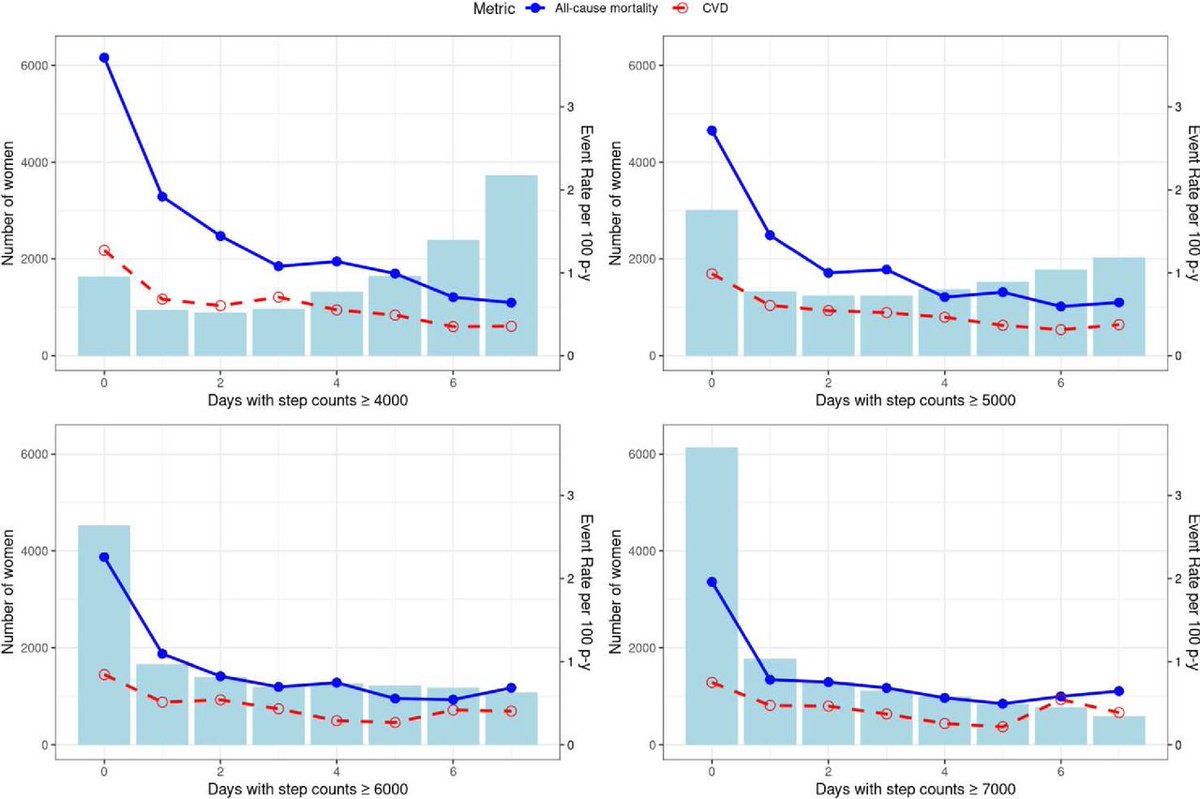
حتی چند روز در هفته پیاده‌روی سبک می‌تواند خطر مرگ و بیماری قلبی را در زنان سالمند کاهش دهد! پژوهشی جدید به بررسی رابطه‌ی میان تعداد قدم‌هایی که زنان سالمند در طول هفته برمی‌دارند و خطر مرگ یا بیماری‌های قلبی‌عروقی پرداخته است. هدف اصلی آن بود که مشخص شود آیا رسیدن به حد مشخصی از تعداد قدم‌ها در چند روز از هفته می‌تواند به کاهش احتمال مرگ یا بیماری قلبی کمک کند یا خیر. در این مطالعه بیش از ۱۳ هزار زن شرکت کردند که در زمان آغاز تحقیق هیچ‌کدام دچار بیماری قلبی یا سرطان نبودند و میانگین سنی آن‌ها حدود ۷۲ سال بود. هر شرکت‌کننده به مدت یک هفته، دستگاهی مخصوص شمارش حرکت (شتاب‌سنج ActiGraph) را روی بدن خود داشت تا تعداد قدم‌های روزانه‌اش به‌طور دقیق ثبت شود. سپس وضعیت سلامتی آن‌ها به‌مدت حدود ۱۱ سال پیگیری شد تا مشخص شود چه کسانی دچار بیماری‌های قلبی یا فوت شده‌اند. نتایج نشان داد زنانی که فقط در یکی دو روز از هفته دست‌کم چهار هزار قدم در روز راه می‌رفتند، حدود ۲۶ درصد کمتر از کسانی که اصلاً به این میزان نمی‌رسیدند، در خطر مرگ بودند. اگر آن‌ها در سه روز یا بیشتر از هفته به این حد می‌رسیدند، احتمال مرگ حدود ۴۰ درصد کمتر می‌شد. برای بیماری‌های قلبی‌عروقی نیز الگوی مشابهی دیده شد؛ یعنی حتی چند روز فعالیت سبک، می‌توانست خطر بروز بیماری قلبی را کاهش دهد. همچنین مشخص شد هرچه میانگین تعداد قدم‌ها در روز بیشتر باشد [مثلاً رسیدن به ۵۰۰۰، ۶۰۰۰ یا ۷۰۰۰ قدم در روز] احتمال مرگ کمتر می‌شود، هرچند کاهش خطر در این سطوح بالاتر کمتر محسوس بود. به‌عبارت دیگر، حتی قدم زدن‌های ساده و پراکنده هم می‌تواند برای سلامتی مفید باشد، ولی هر چه بیشتر حرکت کنیم، نتایج بهتری به‌دست می‌آید. در نهایت براساس این نتایج حتی فعالیت بدنی متوسط و منظم، به‌ویژه در سنین بالا، نقش مهمی در حفظ سلامت و پیشگیری از بیماری‌ها دارد. bjsm.bmj.com/content/early/2…
1
12
377
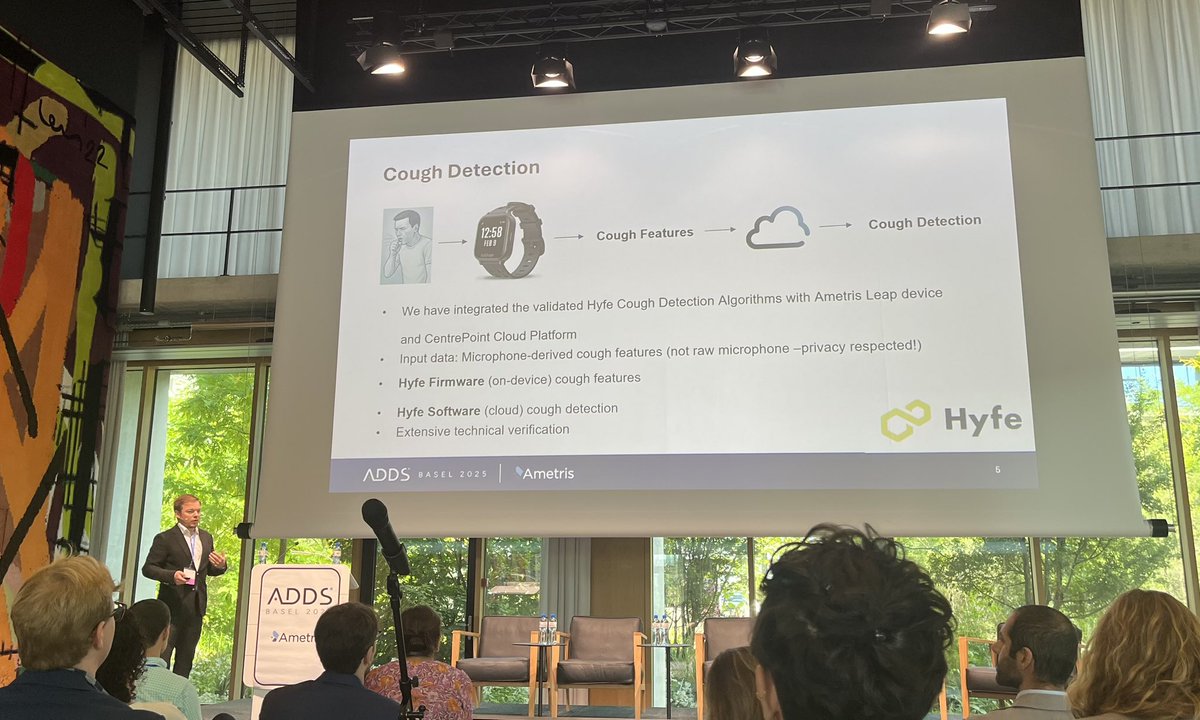
Packed room - digital health technology professionals, digital biomarker leads from pharma and academic institutions - at the Ametris (formerly ActiGraph) #ADDS event in Basel today!
1
1
4
162
20 Aug 2025
The third plenary at #ISOQOL 2025 features speakers from @ChildrensPhila, @GeorgeMasonU, and @actigraph. Read more at buff.ly/dvOvTga.
3
77
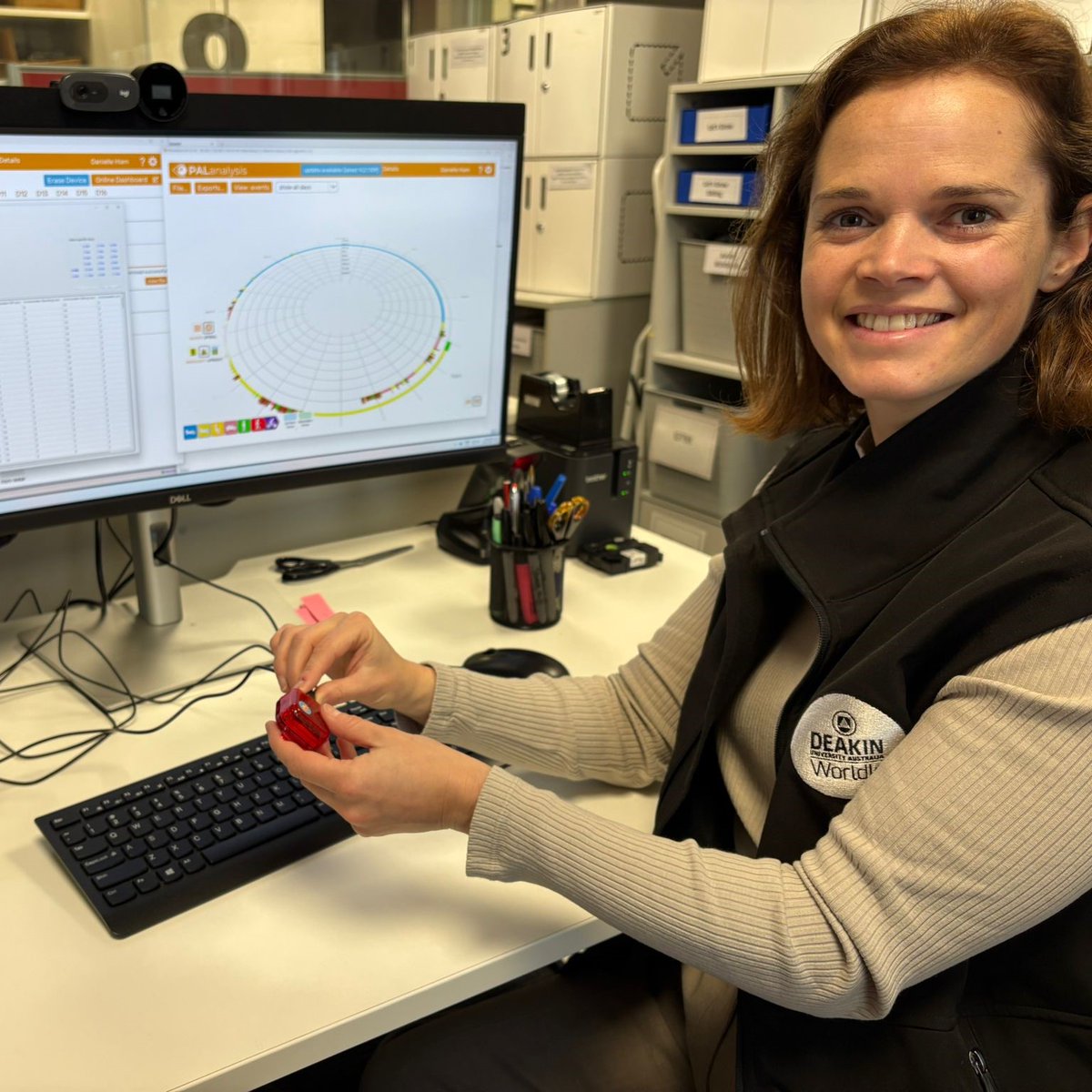
🌏 EOI: FREE ActiGraph/activPAL accelerometers, iPads & more from Deakin Uni’s IPAN for LMIC researchers in Asia-Pacific. Apply by 28 Sep 2025; handover at #ASPA2025 (26-28 Nov). Form: researchsurveys.deakin.edu.a… #PhysicalActivity #IPAN
3
180