Single retweeted

Adaptability is the secret of survival and success.❤️🙌8514
重庆成都上成都深圳门上海北京外 围上海重庆约武汉重庆炮杭州深圳
😋🎉
看主页选菜包真照
扣裙 711734757

2
1
1
9

The era of #AI is the age of free knowledge-change and adaptability is vital but some people fear change hence the hate on AI👉 #ethicalAI 🔏
#AI bubbles-bursting or blooming?

1
1
3

Ligue one is as fast as EPL, and has one of the best adaptability to EPL
1
5

13m
Financial systems evolve with or without belief adaptability is leverage in a changing world not resistance
1
1
8

25m
7 draws and 5 losses. After having a whole pre-season. Dismal performances. Very little improvement. Lack of adaptability in tactics/formation/personnel. He was a bum. Stop backing mediocrity.
3

Ty, we got to the finals and 62 wins *despite* Mitch, not because of. I had twitter deleted for a year so I wasn't there to say it when he became head coach but damn he is one of the worst coaches when it comes to x's and o's, adaptability and rotations. Has been the whole tenure
2
24

Leaders who win in 2026 won't chase every new tool. They'll combine adaptability with fundamentals: clear priorities, simple decision rules, strong values. That's what stabilizes organizations when volatility becomes the norm, not the exception.

43m
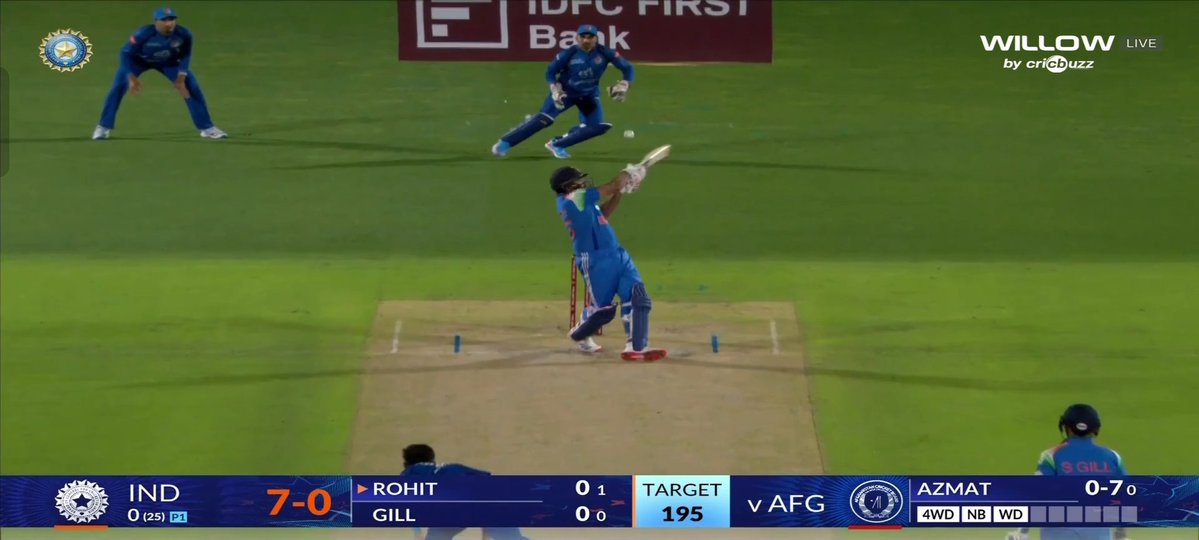
SUNIL GAVASKAR'S BIG CONCERN ABOUT ROHIT SHARMA
🗣️ Sunil Gavaskar:
"If Rohit Sharma can't handle the short ball consistently on Indian pitches, how is he going to manage it on South African pitches? The team management needs to think about this very carefully."
The Indian legend didn't hold back while discussing one of the biggest talking points surrounding Rohit's batting.
With the 2027 ODI World Cup set to be played in South Africa, conditions are expected to offer extra pace and bounce, making the short-ball challenge even tougher.
Gavaskar believes the team management must evaluate every aspect of the squad as they prepare for the tournament.
His comments are sure to spark debate among fans.
Some will argue that Rohit's experience and record in big tournaments make him indispensable.
Others will feel that form, fitness, and adaptability should be the deciding factors heading into a World Cup.
One thing is certain: every performance from now until 2027 will be closely watched as India build towards the biggest tournament in world cricket.
15
25
414

Her wisdom and adaptability allow her to navigate every situation with ease and confidence.
MILKLOVE ENCHANTED MOMENT
#BBFanFest2026D2
#MilkLove #มิ้ลค์เลิฟ

ผ้าตัวเองก็มี ไปซุกมือในผ้าน้องทำไม
MILKLOVE ENCHANTED MOMENT
#BBFanFest2026D2
#MilkLove #มิ้ลค์เลิฟ
316
Michael Kumar retweeted

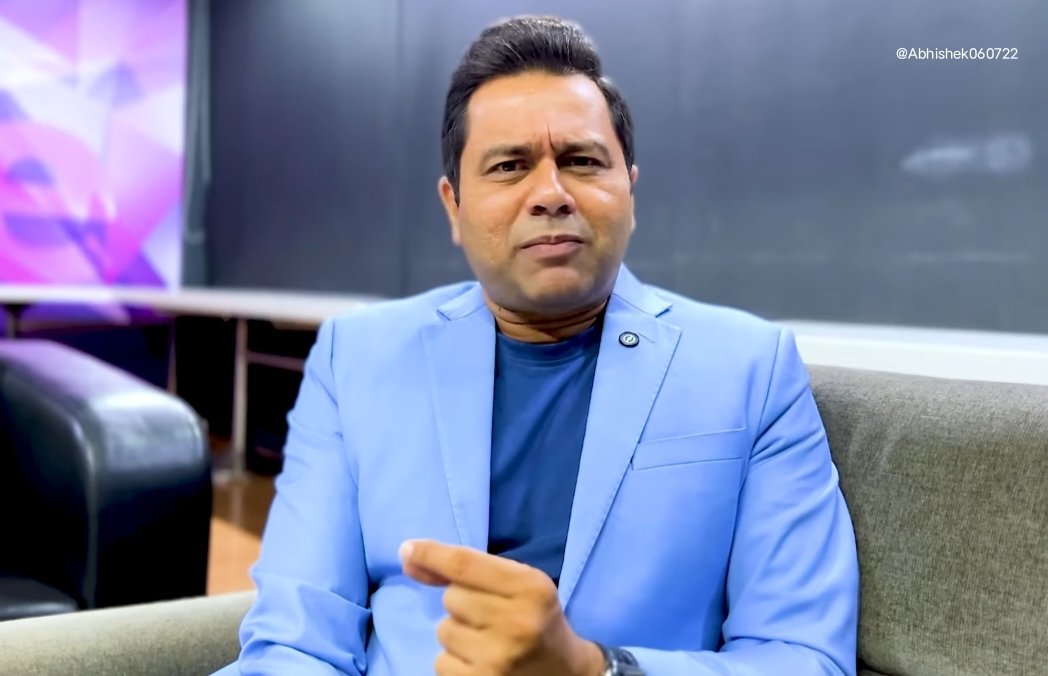
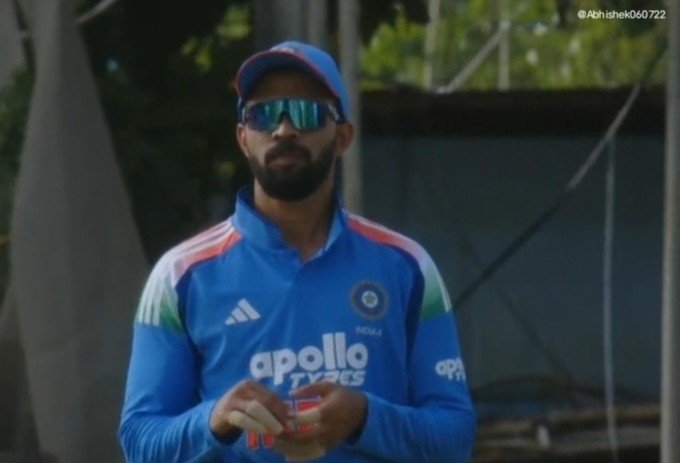
Aakash Chopra Praises Ruturaj Gaikwad's Adaptability 🏏
"Ruturaj is batting at No. 4 right now, even though he prefers batting at No. 1, 2, or 3. He faced a similar situation in the South Africa series, where he was batting out of position, and still managed to score a century.
Now, batting in the middle order again, he has scored 100 in the first match and 66 in the second. The way he has adapted to the role and delivered consistently has been very impressive."👊
1
15
302
5,699

Large, Small? கஷ்டமான
முடிவு. கற்பதில் மட்டும் அல்ல. உபயோகத்தில்
கூட. Language is important.
நமக்கு எது தேவையோ
(For applications) அதில் கவனம் செலுத்த வேண்டும்.
AI success depends upon its applications, adaptability, cost.
Cook, Servant maid, real issues.
7


strong adaptability and opportunity in finances, but lasting freedom comes when you stay consistent and avoid scattered decisions
7

The problem with comments such as Penny Mordaunt's is that they often treat defence as though it were simply a question of spending more money. The reality is far more complicated.
Modern warfare has changed dramatically. The conflict between Ukraine and Russia has shown that technological innovation, agility and adaptability can be just as important as conventional military strength. Ukraine entered the conflict at a significant disadvantage, yet through innovation, Western support and the rapid development of drone and electronic warfare capabilities, it has repeatedly challenged a much larger opponent.
What has perhaps surprised many military planners is the cost effectiveness of these new technologies. Drones costing a fraction of traditional military hardware are capable of destroying equipment worth millions. Artificial intelligence, electronic warfare and autonomous systems are increasingly shaping the battlefield of the future.
That does not mean conventional forces are no longer important. Strong armed services remain essential. However, it does mean that governments must think carefully about where resources are directed and whether procurement systems are capable of adapting quickly enough to technological change.
The challenge is particularly acute for the Royal Navy and other major platforms. The period from initial design and commissioning to full operational service can span decades. Technology can change several times over during that period. Equipment conceived for one era can find itself entering service in a completely different strategic environment.
It is also worth remembering that many of the procurement programmes and defence reviews inherited by later governments were altered, delayed or scaled back over time. Long term planning only works when successive administrations maintain strategic consistency. Frequent changes of direction inevitably increase costs, create delays and reduce effectiveness.
The debate therefore should not simply be about spending more. It should be about spending smarter, modernising procurement, embracing new technologies and ensuring that Britain's Armed Forces are prepared for the realities of twenty first century warfare rather than the assumptions of the twentieth.
That is a serious discussion worth having. Trading political slogans is not.
1
4
16
172

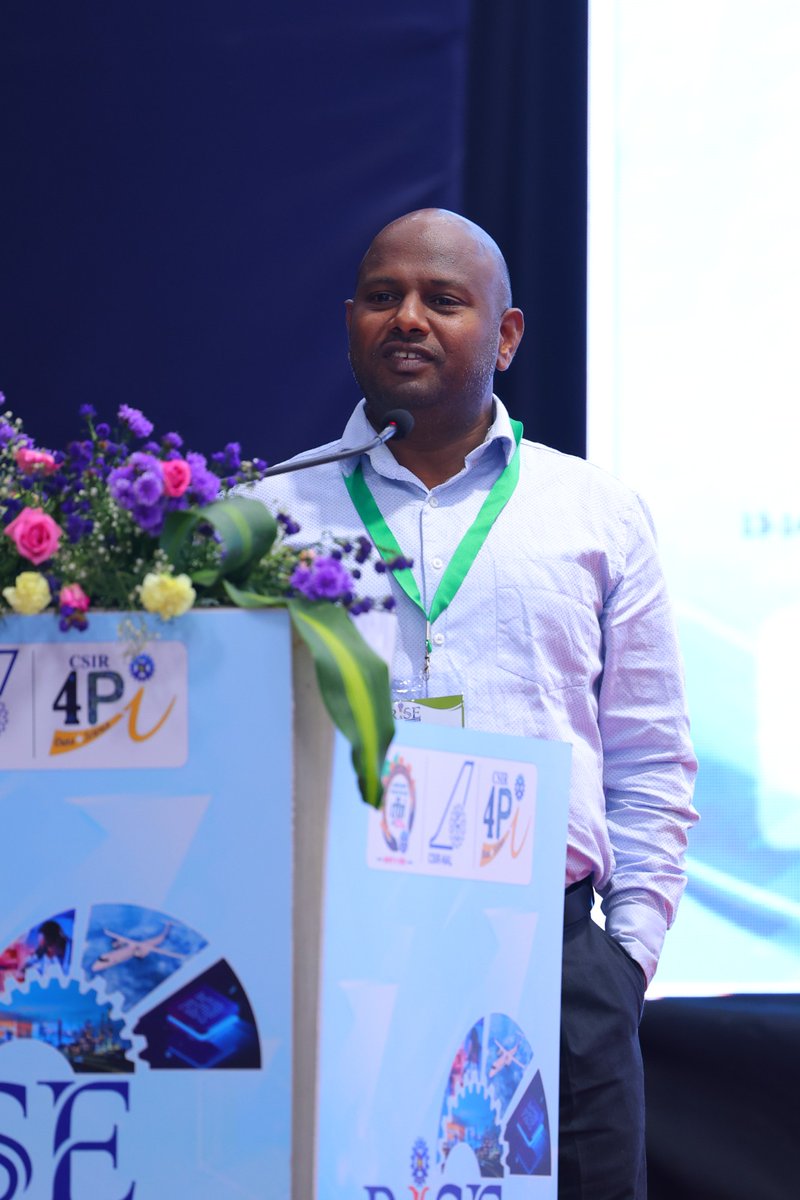
Mr. Nagarajan, Co-Founder, Inflection Point Ventures (IPV), shared insights into the relationship between start-ups and venture capital, explaining that fundraising is often driven by a combination of need and ambition. While early-stage funding may be required to transform a prototype into a market-ready product, growth-stage funding is often sought to accelerate market expansion and scale operations.
He highlighted why venture capitalists invest in start-ups, noting that investors seek opportunities with the potential for significant returns while backing innovative solutions capable of disrupting markets. According to him, successful start-ups typically share four key characteristics: strong growth potential, innovation, adaptability, and a focus on long-term value creation rather than immediate profits.
His session offered entrepreneurs a clear perspective on when to raise funds, why investors invest, and what makes a start-up attractive to the venture capital ecosystem..
@DrJitendraSingh @CSIR_IND @CSIRNALOFFICIAL @CSIR_4PI @csircftri @IndiaDST @DBTIndia @BIRAC_2012 @isro @GVRayasam @moesgoi
#RISEConclaveBengaluru #RISEConclave2026 #CSIRRISEConclave #ViksitBharat2047 #InnovationEcosystem #StartupIndia
2
1
21

More layers!! I've butted up against the layer cap SO often, especially when designing for print! It hurts to sacrifice adaptability for layer optimization... But, I often need to.
I've never run into this kind of issue on any other software.
1
4