Shahnaseeb Babar Bhatti retweeted

Things every man should know about sperm:
1. They take weeks to develop
2. Heat can affect sperm quality
3.Sleep affects reproductive hormones
4.Smoking damages sperm health
5.Exercise helps
6. Obesity hurts fertility
Your lifestyle determines your fertility.
3
3
32

Political leadership affects EVERYTHING!
Imagine a socioeconomic thriving Nigeria - and it’s time to gather players to represent the flag. Do you have any idea just how many proper world-class footballers are of Nigerian heritage?
Political leadership affects EVERYTHING
1

If you've ever wondered about the safety of your personal information floating around in the digital world, imagine this: You're on a crowded train, and everyone's phone is connected to some mysterious network. Suddenly, you hear whispers that this network could be at risk. Wait, that affects me because my bank account, health records, even my favorite shopping list—are all just data points floating out there.
What happened is NewCore, a company focused on security, just launched "security-first identities for AI agents" and raised $66 million in seed funding. This means they're creating a system to protect the digital identities of AI agents—basically, making sure your personal information stays secure when it's being processed by AI.
Think of it as putting a lock on your front door before you leave home. It's like NewCore is saying, "We'll make sure that only authorized 'agents' can access your data, and no one else."
Who should care? Let's start with parents—it means their kids' online activities are safer. For job seekers, it ensures their applications don't fall into the wrong hands. Office workers? They might not notice a difference today, but think about how much of their work is digital—this could lead to more secure file sharing and less data breaches.
What surprised me is that this is happening at all. I mean, we hear about data breaches all the time, so it's nice to see someone focusing on the front line of protection.
So, what do you think? If NewCore succeeds, will our digital lives feel a little more secure? #VentureCapital #AI
Read more: substack.com/@nowviralai


The UFC covered the cost of event, including restoration of the Lawn. Pilots must log a mandatory min # of flight hours to maintain their active proficiency & certs, the military counts flyovers as official training missions. This in no way affects the price of groceries.
espn.com/mma/story/_/id/4900…
2

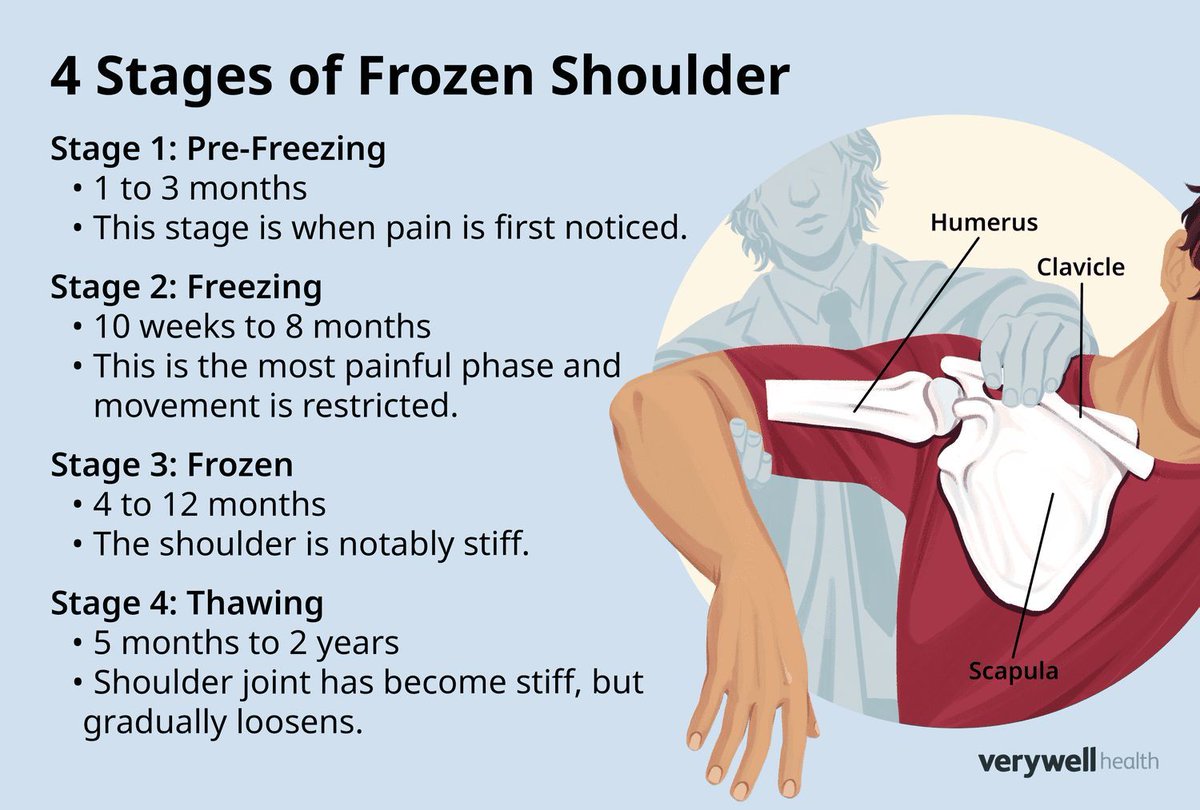
🩻 Frozen shoulder affects millions. It is one of the most frustrating conditions in musculoskeletal medicine.
Not because treatments are poor. Because the counselling is.
The most powerful intervention in frozen shoulder management is often the moment a patient genuinely understands what is happening in their joint.
What patients need to know:
🔹 This is a staged, biological condition — not a mechanical "locking"
🔹 Freezing phase: anti-inflammatory treatment, gentle movement, pain management
🔹 Frozen phase: physiotherapy, targeted injection, hydrodilatation where indicated
🔹 Thawing phase: active rehabilitation — this is where function returns
The systemic link too many clinicians miss:
→ New frozen shoulder, especially bilateral or in a younger patient = prompt for diabetes, thyroid, and cardiac assessment
What transforms patient experience:
The patient who understands the staged natural history — and knows that current intense pain IS the acute phase — engages with treatment completely differently. Knowledge here is genuinely therapeutic.
For the minority who fail 6 months of structured conservative management: arthroscopic capsular release produces reliable, impressive range of motion restoration in experienced hands.
The staged approach works. Explaining it clearly works better.
💬 What aspect of frozen shoulder counselling do you find most changes patient compliance and outcomes?
TheArmDoc.co.uk 🔗 #FrozenShoulder #AdhesiveCapsulitis #ShoulderPain #UpperLimbSurgery #TheArmDoc
20
84
1,934
Lait 🇦🇷 retweeted

It was actually a very informative video about this show, the person who made it, and the affects of sexual assault on ones mind. Not in defense of what the creator of alfreds playhouse did or supported.
Yall couldn't pay me to watch it cus i watched this good vid good for free


20
691
6,499
96,619
Scott Scalf retweeted

Elon being rich affects me in absolutely zero negative way.
Most SNAP recipients suck off taxpayers’ tit and provide nothing of value in return.
Sure, Elon’s companies have received significant government support through subsidies, but much of them have been repaid, earned through contracts, or structured as market mechanisms. The net fiscal and societal return has been strongly positive (though I personally do support eliminating subsidies for every and all industries).
SNAP, however, is a direct welfare transfer with no repayment or performance expectation.
Your comparison is baloney.
Jun 13

Elon Musk is a trillionaire but it’s def the people on SNAP ruining your life
34
126
1,093
18,147

Just because it affects non-children doesn't make it not about children.
1
K. Taylor retweeted

12h
Can an educated person explain to me how a Gay marriage directly affects your Straight marriage? ( negatively)
WITHOUT mentioning religion
482
275
8,042
429,080

Kᴇɴɴᴇᴛʜ Hᴏᴡᴀʀᴅ Cᴀʟʟᴏᴡᴀʏ Jʀ. retweeted

She’s not complaining on her own behalf. This affects every minority - employers don’t even want to appear as supporting DEI (even if something factually doesn’t) and they are taking this into account for their hiring decisions.
1
13
Nina Ledwinka retweeted

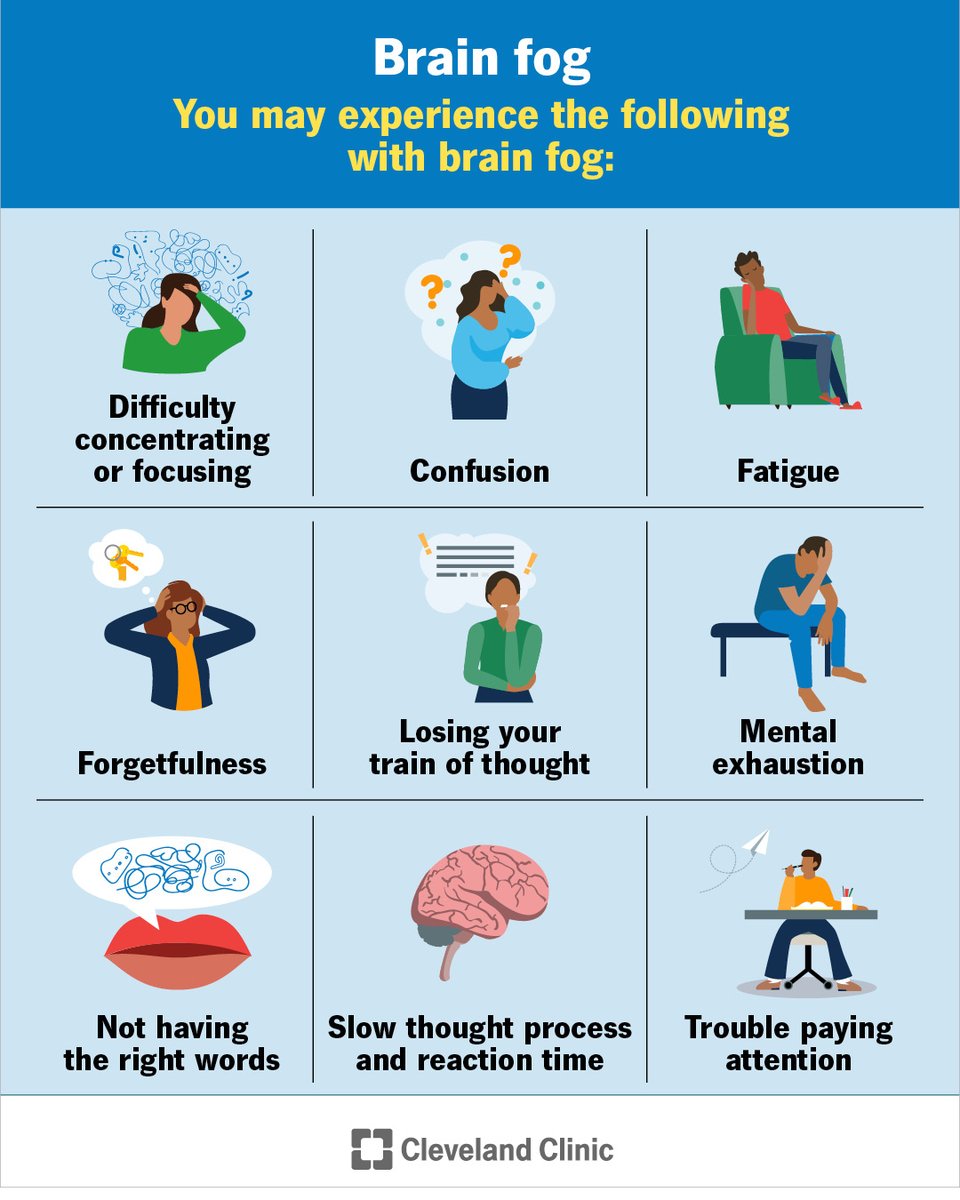
“Brain fog” is a term for a range of symptoms that cause cognitive impairment. This affects your ability to think clearly, focus, concentrate, remember and pay attention. Like its name, these symptoms cloud your mind and make it difficult to perform routine tasks like holding a conversation, listening to instructions or remembering the steps of something you’re doing.
Brain fog, also called mental fog, can happen after an illness, as a side effect of a medication (like chemotherapy) or as a symptom of an underlying condition. A healthcare provider can help you determine what’s causing brain fog to help you feel more like yourself.
Some common causes include:
-A lack of sleep.
-Autoimmune conditions like lupus, multiple sclerosis and fibromyalgia.
-Diabetes and low blood sugar levels (hypoglycemia).
-Mental health conditions like anxiety or depression.
-Neurodivergent conditions like ADHD and autism spectrum disorder.
-Hormonal changes like during pregnancy or menopause.
-Poor nutrition.
-Stress.
In addition, you may develop brain fog after:
-A COVID-19 infection (long COVID).
-Chemotherapy treatment for cancer.
-Long hospital stays.
Some research shows that your immune system could cause inflammation in your brain (neuroinflammation) that temporarily blocks or makes it more difficult for your body to process information.
1
3
525

“It doesn’t feel like the government affects my day to day life so it doesn’t” are you deadass?
1
5
