

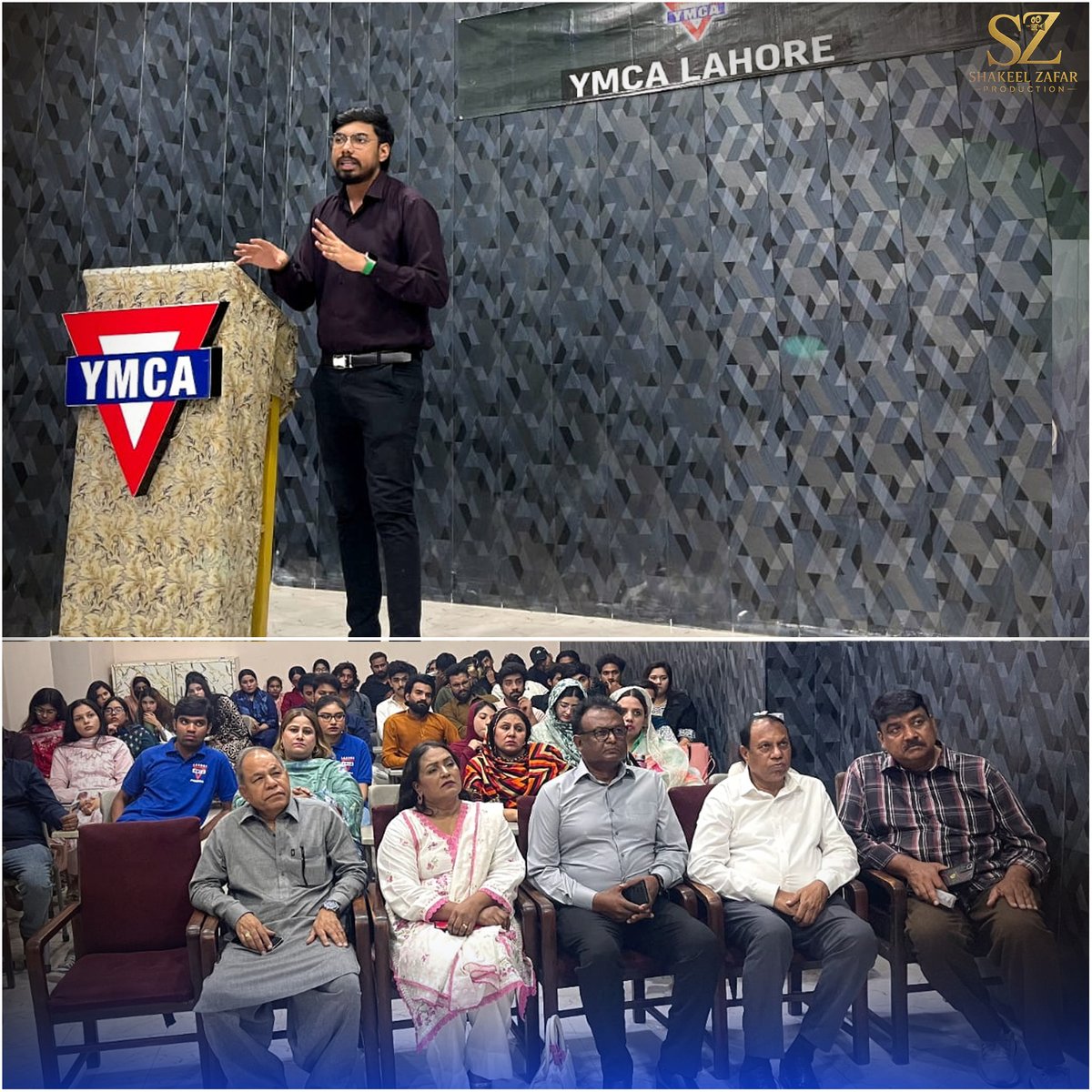
ALT Empowering the Next Generation Through Skills & Innovation The future belongs to those who are prepared for it. 🚀 It was a privilege to address students and introduce them to the exciting learning opportunities available at YMCA Lahore. From Artificial Intelligence (AI) to various professional and skill-based courses, YMCA continues to empower youth with the knowledge and tools they need to thrive in a rapidly changing world. I encouraged students to invest in themselves, explore new technologies, and take advantage of these opportunities for personal and professional growth. The journey towards a brighter future begins with a single decision to learn. Let's grow together. 💙 #AugustineShakeelZafar #YMCALahore #ArtificialIntelligence #AICourse #YouthEmpowerment #SkillDevelopment #FutureReady #DigitalTransformation #Education #Leadership #PublicSpeaking #CareerGrowth #YouthDevelopment #Technology #Innovation #Lahore #ShakeelZafarProduction
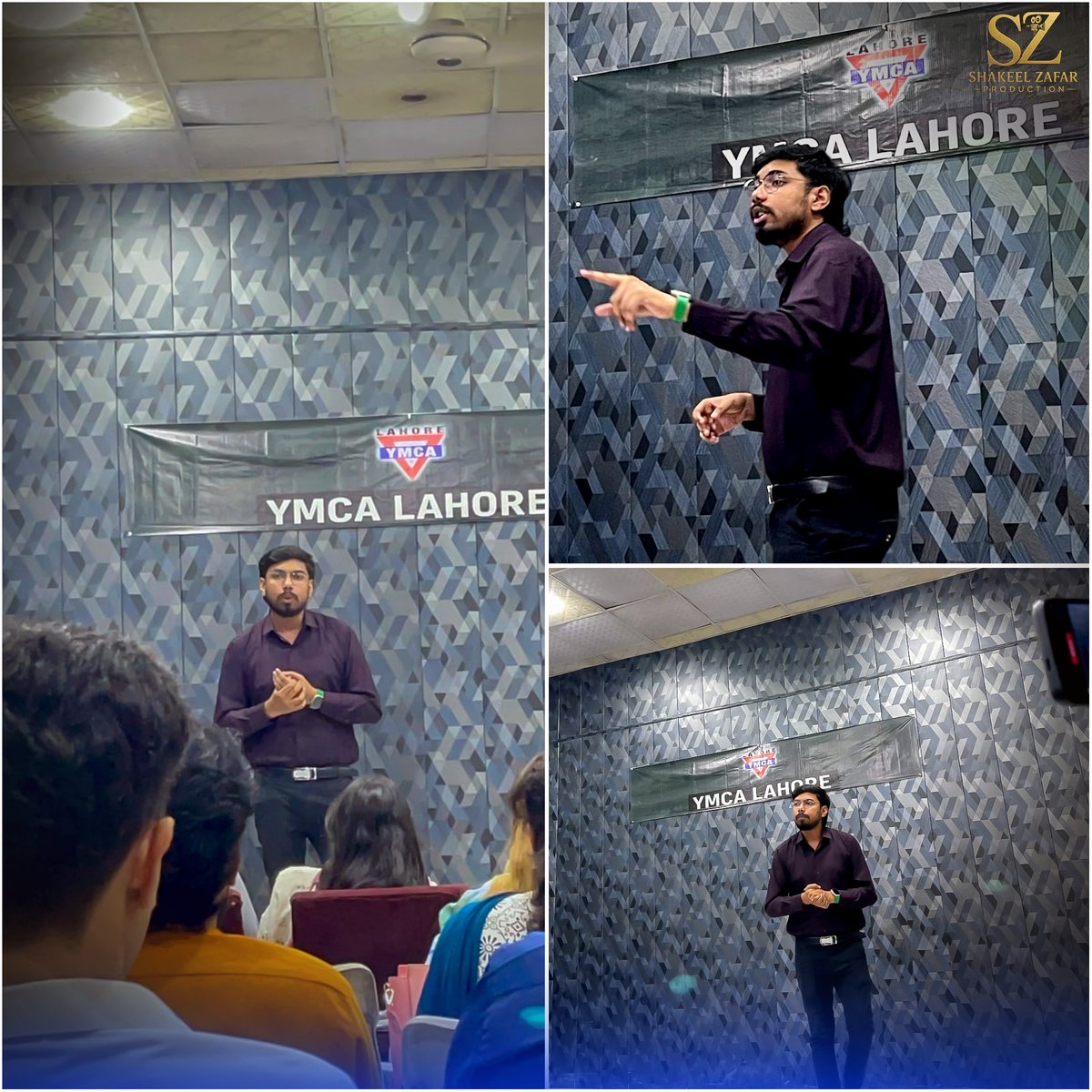
ALT Empowering the Next Generation Through Skills & Innovation The future belongs to those who are prepared for it. 🚀 It was a privilege to address students and introduce them to the exciting learning opportunities available at YMCA Lahore. From Artificial Intelligence (AI) to various professional and skill-based courses, YMCA continues to empower youth with the knowledge and tools they need to thrive in a rapidly changing world. I encouraged students to invest in themselves, explore new technologies, and take advantage of these opportunities for personal and professional growth. The journey towards a brighter future begins with a single decision to learn. Let's grow together. 💙 #AugustineShakeelZafar #YMCALahore #ArtificialIntelligence #AICourse #YouthEmpowerment #SkillDevelopment #FutureReady #DigitalTransformation #Education #Leadership #PublicSpeaking #CareerGrowth #YouthDevelopment #Technology #Innovation #Lahore #ShakeelZafarProduction
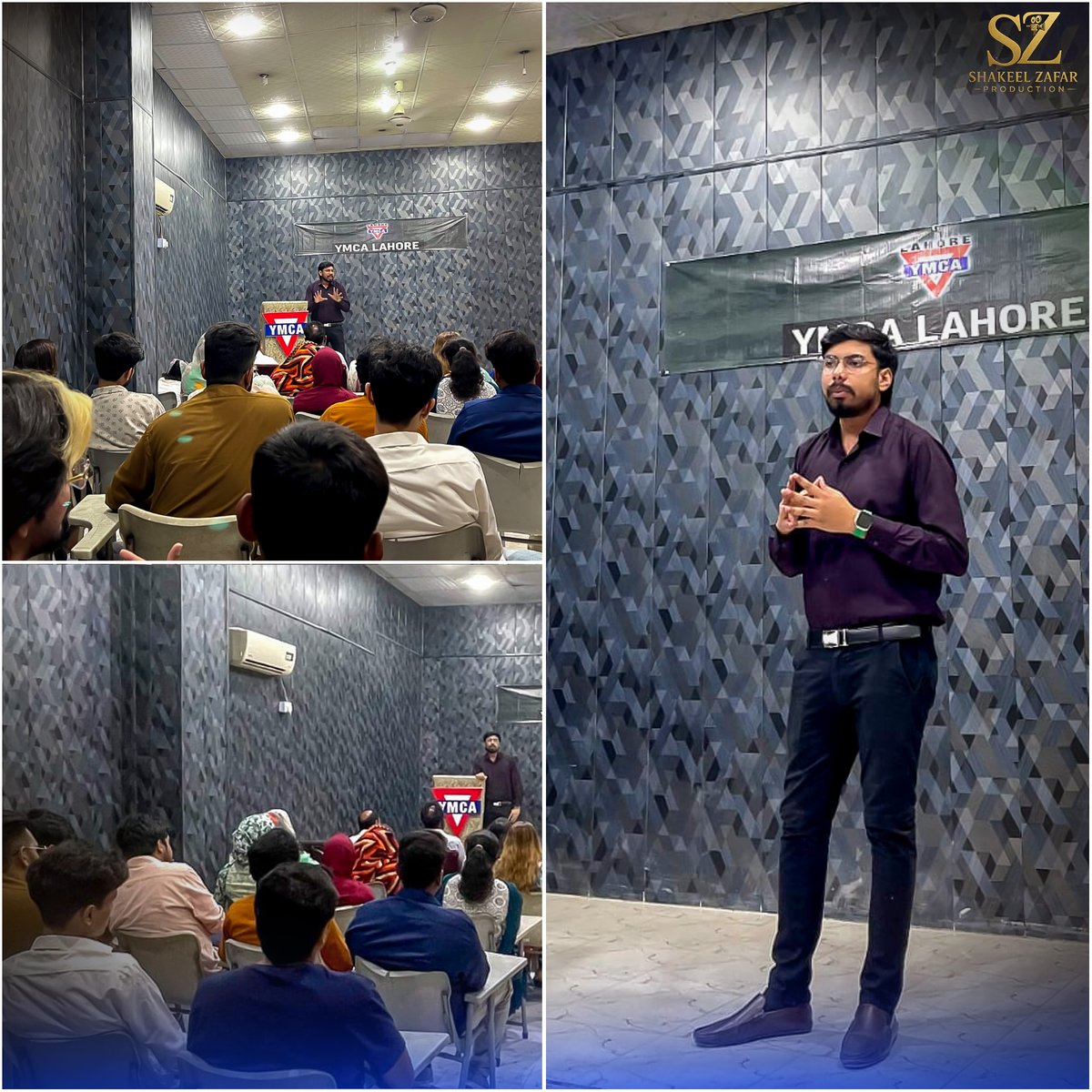
ALT Empowering the Next Generation Through Skills & Innovation The future belongs to those who are prepared for it. 🚀 It was a privilege to address students and introduce them to the exciting learning opportunities available at YMCA Lahore. From Artificial Intelligence (AI) to various professional and skill-based courses, YMCA continues to empower youth with the knowledge and tools they need to thrive in a rapidly changing world. I encouraged students to invest in themselves, explore new technologies, and take advantage of these opportunities for personal and professional growth. The journey towards a brighter future begins with a single decision to learn. Let's grow together. 💙 #AugustineShakeelZafar #YMCALahore #ArtificialIntelligence #AICourse #YouthEmpowerment #SkillDevelopment #FutureReady #DigitalTransformation #Education #Leadership #PublicSpeaking #CareerGrowth #YouthDevelopment #Technology #Innovation #Lahore #ShakeelZafarProduction