
14s
Equations without punctuation or groupings are lazy , sloppy and ambiguous

34s
#SSPX #Catholic
How Vatican Council II Changed the Church
Vatican Council II (1962 - 1965) represented a pragmatic attempt to adapt the Roman Catholic Church to changing times. At the time, the Vatican needed to "get real" and reconsider the Church's relationship with a rapidly changing world.
The Vatican did not want to part with Catholic tradition. The council members thought they could have their cake and eat it too: Adapt, but without changing anything.
They were wrong.
Pope John XXIII spoke of aggiornamento, which means "bringing up to date." But when the Church altered its language, liturgy, its attitude toward other religions, and its relationship to modern culture, the practical consequences inevitably reached the level of doctrine.
Vatican Council II was held at a particularly inauspicious time. Secular types in the 1960s, whose senses were hiked up in the search to attain radical cultural change, sensed the conciliatory pragmatism, the loosened attitude, in the decrees issued by the councilmen. It may not have been stated directly, but it was there, in between the lines of the various declarations, lines which stated that,
1. Islam believes in the one true God (although it wasn't a Trinitarian belief);
2. Jews were no longer held collectively responsible for the crucifixion of Christ;
3. Other religions contain "rays of truth" in them.
The Catholic Church thereby released all claim to authority and its monopoly over religious dogma and doctrine.
The Gaudium et Spes, released in 1965, declared that the Church will no longer point to the errors in the changes that were overwhelming societies at the time. It will, instead, commiserate with humanity during those trying times.
This was not intended to accommodate to those changes; it was supposed to be merely supportive in a spiritual sense. However, over time, this change in the Church's attitude from condemning to supporting served to enable, and in the long run, accommodate them.
Some would say that the Catholic church, between 1962 and 1965, compromised with evil. It held its collective arms out to the world in a group hug, and the world learned. It learned that it could, eventually, move from hugging to stabbing.
Any compromise with evil enables more evil. The SSPX is not the only group out there to know this. There are sedevacantavists and others who knew this at the time, and were opposed to the changes. They sensed, perhaps even knew, that while the changes were not doctrinal, they would eventually lead to doctrinal changes in the Church.
Society also adapted to the Church's declarations. Not only did several Church functions change, including those at Mass, Protestant belief gained ground in terms of membership and the numbers of various types of churches. They say that the Protestant church consists of 40,000 denominations, and while I think this is a highly exaggerated number, it reflects Vatican Council II's broader effect on society. Non-denominational churches also came into vogue. Catholic Church membership has been in slow decline ever since. Except for a few bright spots over the years where it temporarily increased, the trend is downward.
Apart from these changes, which are far too numerous to name here, was the disastrous 1983 Code of Canon Law promulgated by Pope John Paul II. This Canon Code, released in the "spirit" of Vatican Council II (which I take in the pragmatic, amoral, conciliatory and compromising sense), made crucial changes to the Catholic annulment process.
Changes to canon law, especially the 1983 Code of Canon Law, developed grounds such as psychological incapacity (Canon 1095) more explicitly than before.
Traditionalist critics sometimes argue that the post-Vatican 2 atmosphere encouraged tribunals to grant declarations of nullity too readily, effectively creating a "Catholic divorce." Defenders respond that tribunals became better at recognizing marriages that were invalid from the beginning and that many earlier cases simply would never have been examined.
The key canon is Canon 1095 (canonlaw.ninja/?nums=1095), which states that a person is incapable of contracting marriage if he or she:
1. Lacks sufficient use of reason.
2. Suffers from a grave defect of discretion of judgment concerning the essential rights and duties of marriage.
3. Is unable to assume the essential obligations of marriage because of causes of a psychic nature.
Due to its ambiguous nature, option 3 is almost a dead certainty to have the annulment confirmed by the marriage tribunal.
Thus, the annulment crisis of the early 1990s. In 1968, U.S. Catholic tribunals granted only a few hundred annulments. By 1991–1992, the number exceeded 59,000 annually, and the United States accounted for a huge majority of all annulments granted worldwide.
Many Catholic bishops, in their haste to follow the new Canon Code, apparently forgot about the Sacrament of Marriage, which states:
Marriage is a union of one man and one woman.
**It is intended to be lifelong and indissoluble.**
It is ordered toward the good of the spouses.
How many civil annulments are granted every year? That number in the US is probably in the low thousands. The Catholic Church in the US was granting 59,000 !
Vatican Council II is itself a crisis in mismanagement at the very top. And if something isn't done, eventually the walls of the Vatican itself are destined to crumble.
1

calling ppl colorist for liking sol like that island isn't full of racially ambiguous ppl #loveislandusa

27
119
1,626
15,139


Ethnically ambiguous fawncore is like the female equivalent of a Death in june leftist
1
3
Brian Quay retweeted

Jun 15
From @CrisisGroup statement on the US/Iran deal:
“Regardless of the memorandum’s contents, the war’s ambiguous end carries a clear lesson: wars of choice, launched based on inflated threats and wishful thinking, are far more likely to deepen than to solve the problems they purport to address.
The specific lesson regarding Iran is also difficult to escape. After years of deploying every available coercive tool, from suffocating sanctions to military force, diplomacy remains the only approach that has delivered positive results. That reality argues for taking it more seriously this time round, not less.”
crisisgroup.org/stm/middle-e…
1
78
187
44,792
Ash 🤍🎀📓 retweeted

Jun 17
racially ambiguous women have it so easy in today’s society. no personality, no storyline, just chakras & vibes & yall think she’s a contender for the finale lol
Jun 17

yall gotta realize we dont care that sincere didnt pick sol. we care about sol staying in the villa and making it to the finals with whomever 🙂↕️ she’s getting that 100k
114
561
7,929
304,580

Go and study. Or maybe you know the truth and intentionally hide it. Mine is the strongest stance: it is fully supported in every detail by the most authoritative sources. You cannot evade the truth by vague generalizations and ambiguous references.
3
Rekha retweeted

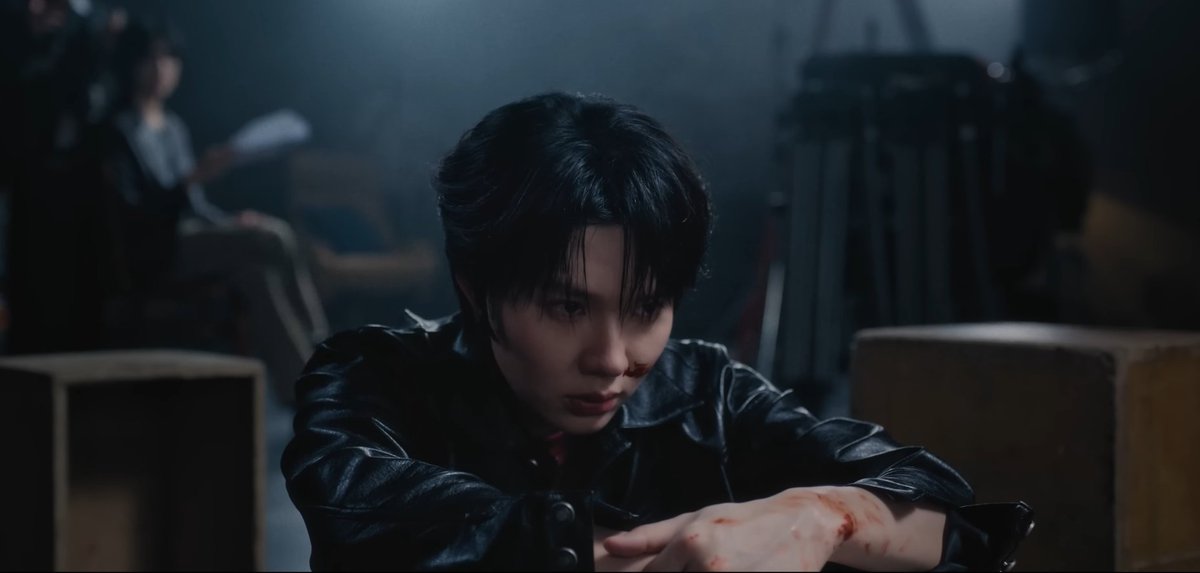
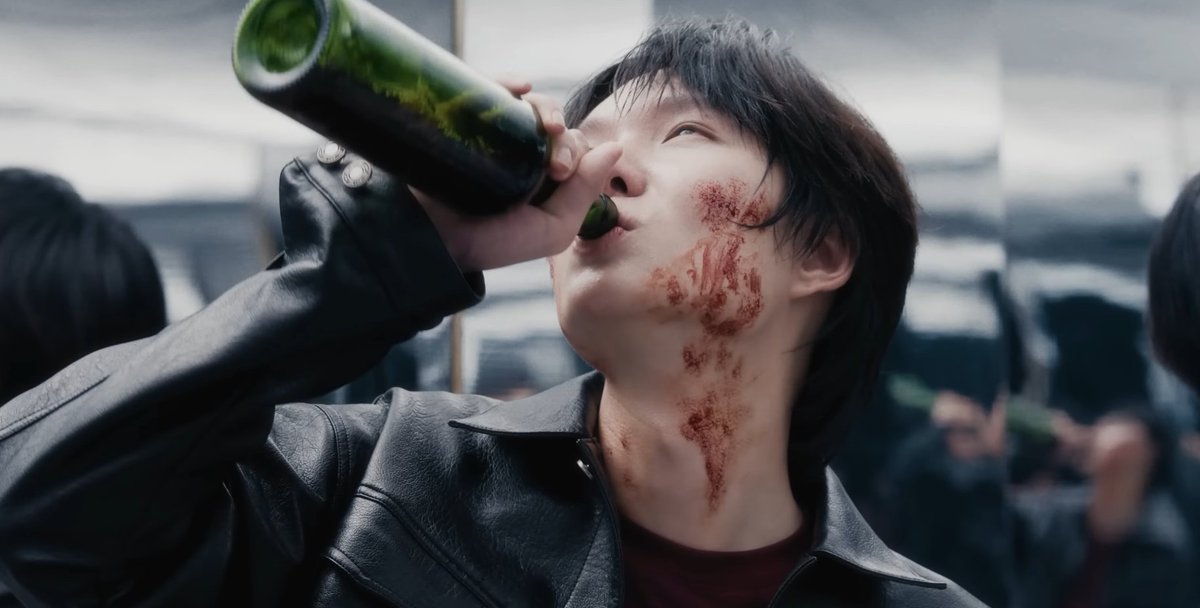
Namping wanted a morally ambiguous character to play, and he got it. We got a small glimpse of his haunted self in Khemjira, which was terrifying. I can't wait to see what type of role he plays. An entity? Or a scorned human exacting revenge? It's so interesting!
#เคะTheSeries


2
8
36
323

Gotta love ambiguous statements on a Thursday. Care to be more specific?
1
☀️ kayla semi ia retweeted

12 years ago today, MAMAMOO debuted with their 1st Mini Album ‘Hello’ with title track ‘Mr. Ambiguous’
 Hallyu Video
102
171
3,028

can’t even describe how proud of her i am in such scary political times. stanning someone that isn’t politically ambiguous is soooo precious

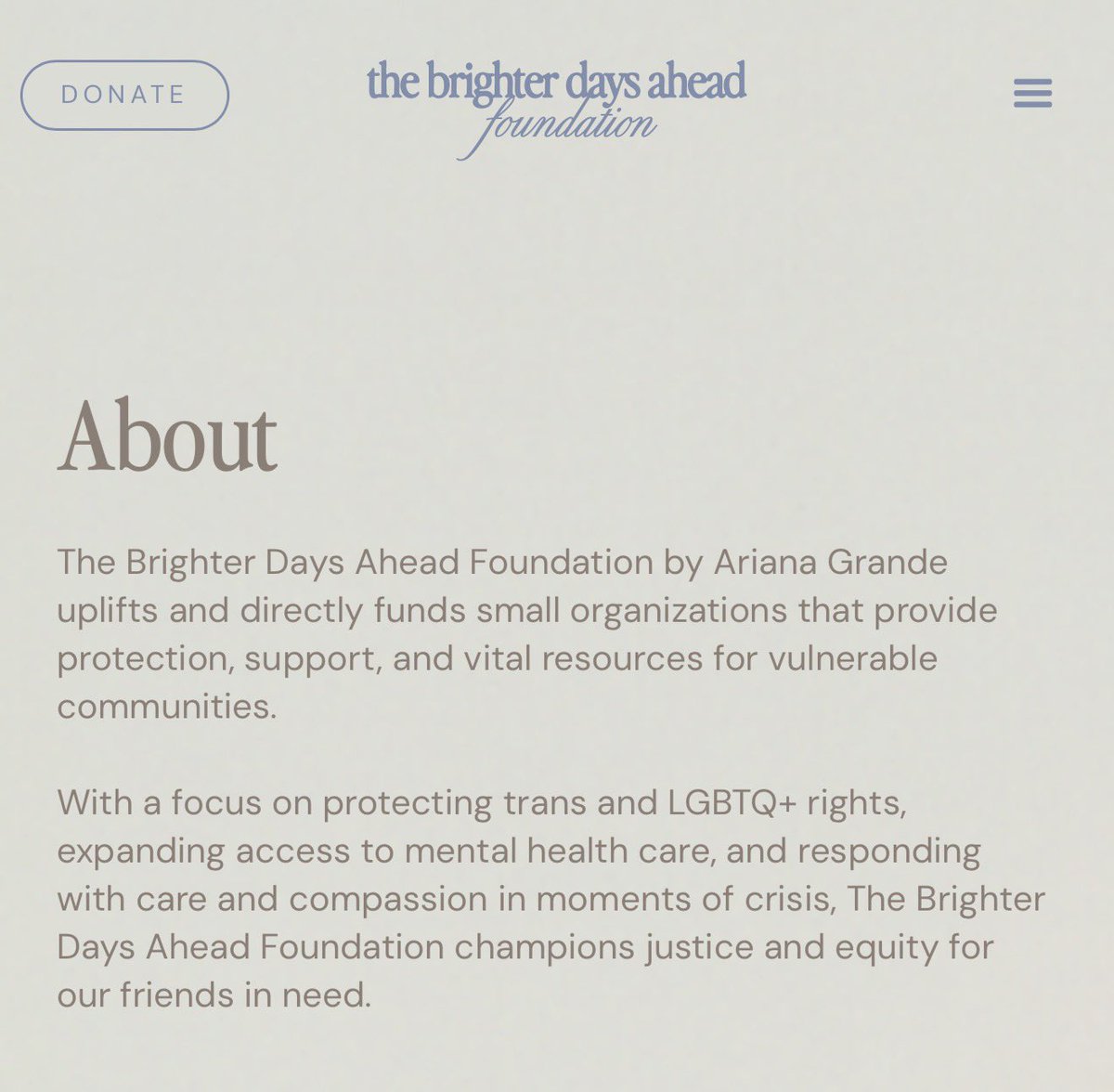
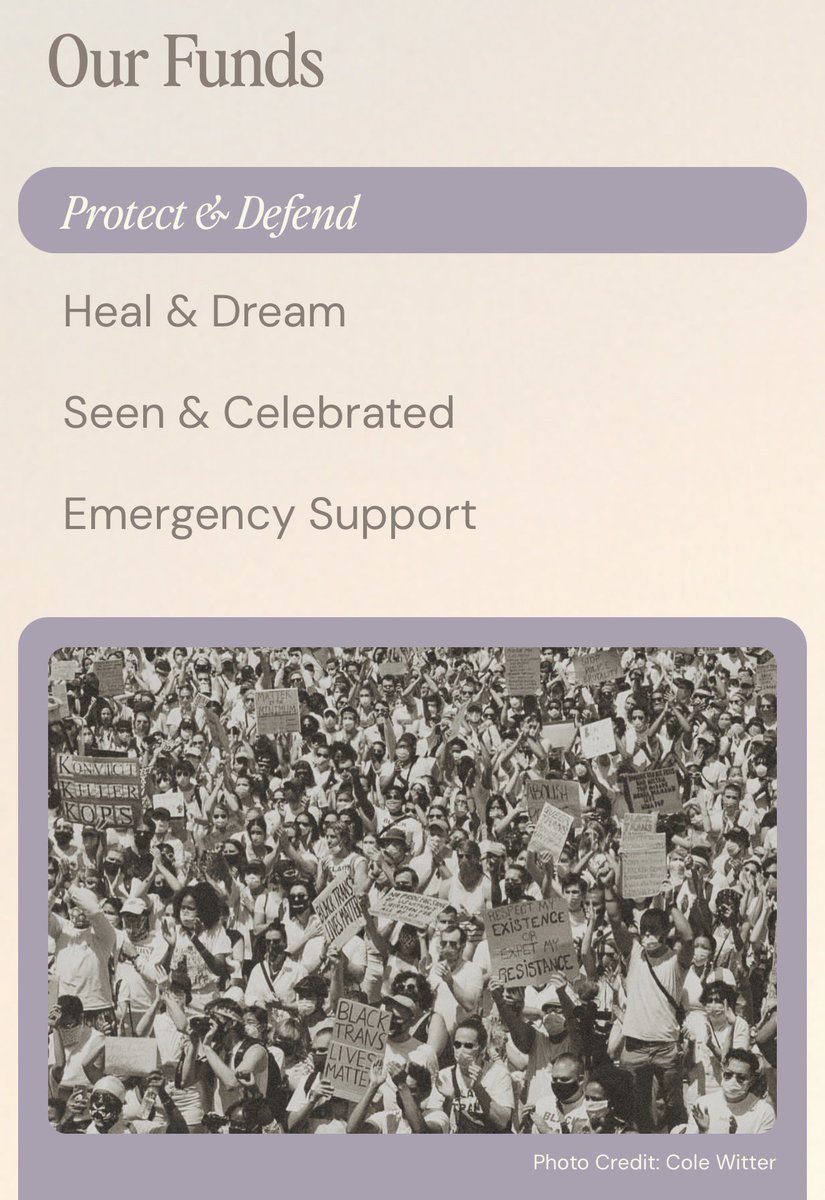
Ariana has launched the Brighter Days Ahead Foundation, a charity focused on protecting trans and LGBTQ rights, expanding access to mental health care, and responding with care and compassion in times of crisis 🤍

4

🚨 Shopify just dropped Spring 2026 Editions.
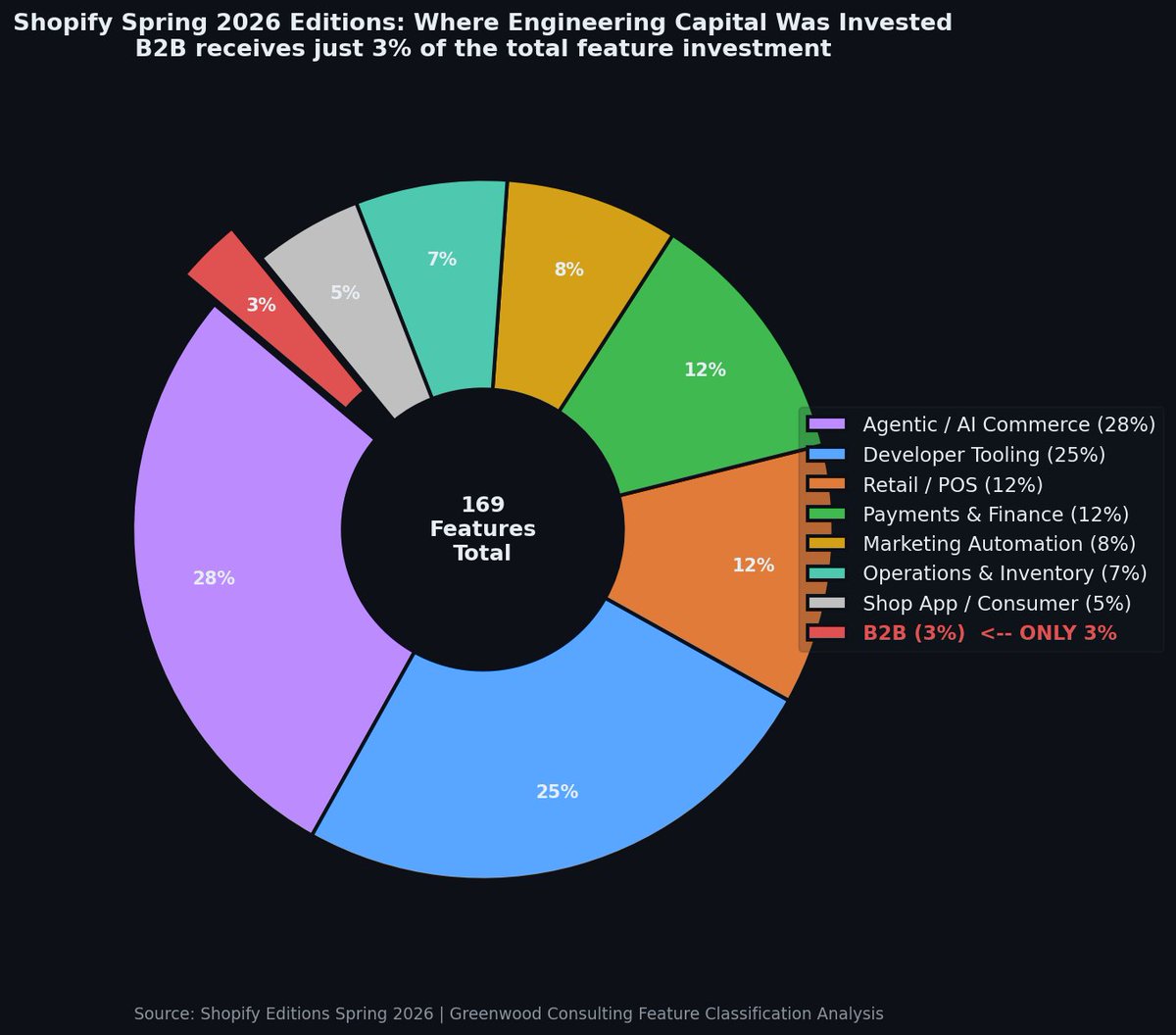
169 new features.
I counted the B2B ones.
There are 5.
That is 3% of the total release.
Meanwhile, Shopify invested:
✅ 28% of its engineering capital in AI and agentic commerce
✅ 25% in developer tooling
✅ 12% in physical retail
But the feature count is really only half the story.
A leaked Shopify B2B EMEA partner deck from April 2026, now circulating widely, explicitly instructs Shopify's own partners to disqualify enterprise B2B deals that involve:
✅ Complex ERP CRM PIM CPQ stacks
✅ Heavy EDI requirements
✅ Punchout / cXML
✅ Multi-tier account hierarchies
The reason?
Shopify's own words:
"B2B in 2025 brought too many complex integrations...Delayed launches. Less billed revenue than expected."
Read that again.
Shopify is telling its partners to walk away from the exact requirements that define enterprise B2B.
And yet agency partners are still selling enterprise manufacturers and distributors on the promise that Shopify will eventually build what they need.
Spring 2026 is the answer to "eventually."
Zero of the ten critical enterprise B2B capability gaps were addressed.
Not one.
🚫 No native contract pricing engine.
🚫 No multi-tier account hierarchies.
🚫 No native CPQ or quoting workflow.
🚫 No native Punchout / cXML.
🚫 No multi-step approval workflows.
And so much more has been completely ignored by Shopify!
The data is not ambiguous.
Shopify has shown us its roadmap.
Enterprise B2B ain't it.
I've written the full breakdown - complete with infographics, a feature investment analysis, and a complete dissection of the leaked partner deck in my latest Substack article.
"Shopify Spring 2026: B2B is Still Just a Side Quest"
If you are evaluating platforms for an enterprise B2B implementation right now, read this before you sign ANYTHING.
Link to full article: jasongreenwoodb2becomm.subst…
2

We need to get #LabourOut
Replacing Starmer with Andy Burnham isn’t going to improve things
He uses ambiguous language to con people into thinking he’s promised what they want, but which allows him to deny he ever made any such promise
#Makerfield #BurnhamIsACunt
48