
In the latest episode of Nothing But The Truth, @rajchengappa explores one of the most intriguing mysteries from the Apollo era.
During the Apollo 12 mission in 1969, astronauts Pete Conrad, Richard Gordon and Alan Bean reported witnessing unusual unidentified anomalous phenomena (UAPs). Shortly after launch, the crew observed a bright flashing object traveling alongside their spacecraft, matching its trajectory for an extended period.
Later, while on the Moon, Alan Bean reported seeing a swarm of mysterious glowing lights and flashes through the lunar module's viewing system. Archival Apollo 12 photographs reportedly captured strange bluish-white spots and hazy vertical columns suspended against the black lunar sky.
Watch the full episode for a fascinating exploration of Apollo 12's unexplained sightings and the mysteries that continue to puzzle space researchers today.
[Apollo 12, UFOs, UAPs, NASA, Moon mission, Alan Bean, Pete Conrad, Richard Gordon, space mystery, extraterrestrial life, lunar anomalies, Raj Chengappa]
#NothingButTheTruth #RajChengappa #Apollo12 #UFO #UAP #NASA #MoonMission #SpaceMystery #Aliens #LunarMystery #ApolloProgram #SpaceExploration
2
2
677

Astronaut-geologist Harrison “Jack” Schmitt reportedly got a “cold” (or coal miner’s-dust-like crud) after his amazing moonwalks during Apollo 17. Listen to his broadcasts, or on YouTube
#ApolloProgram #Space #Moon #Health #NASA
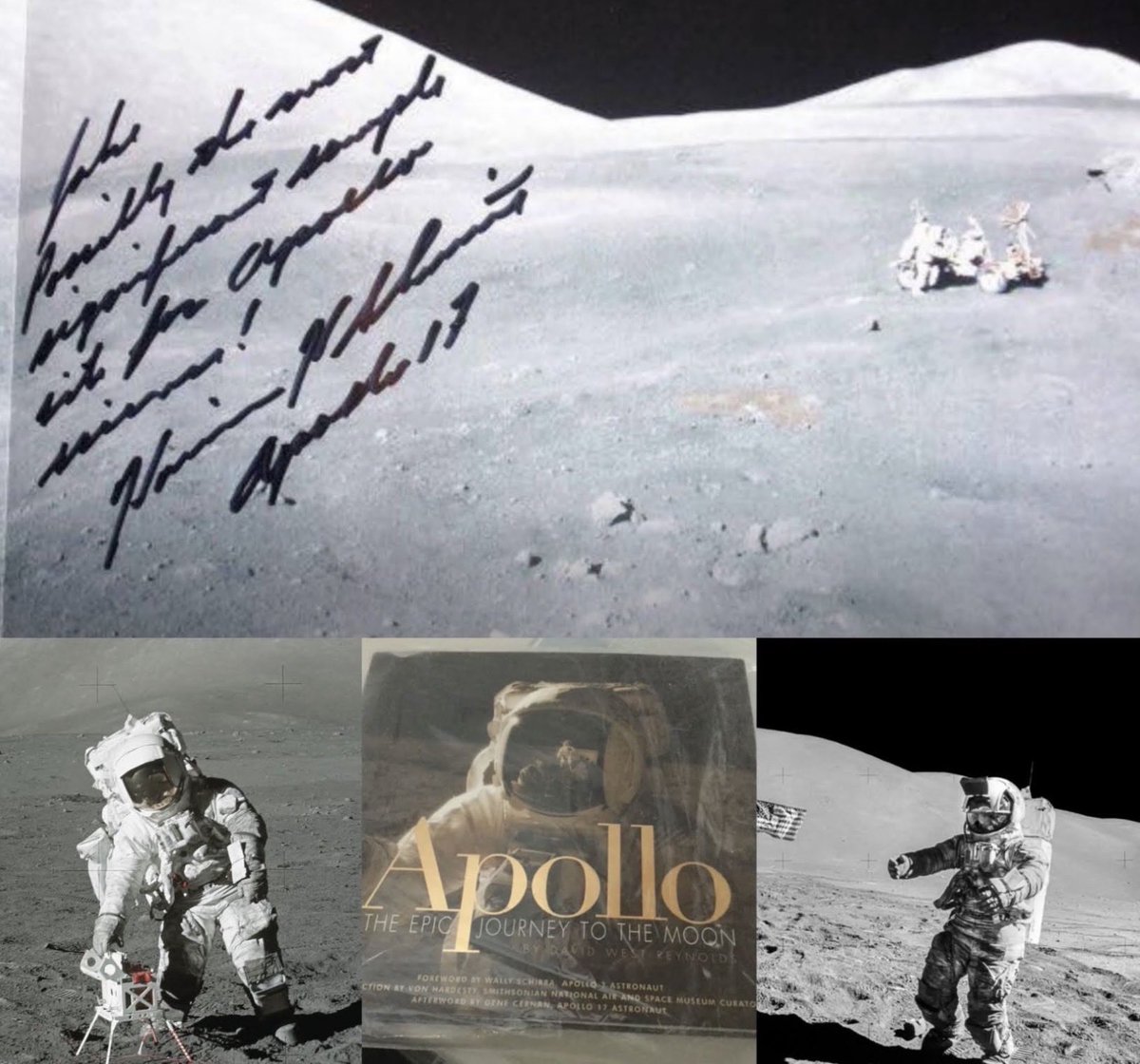

We've proven we can return to the Moon, but we still have more to figure out before we can stay for extended periods.
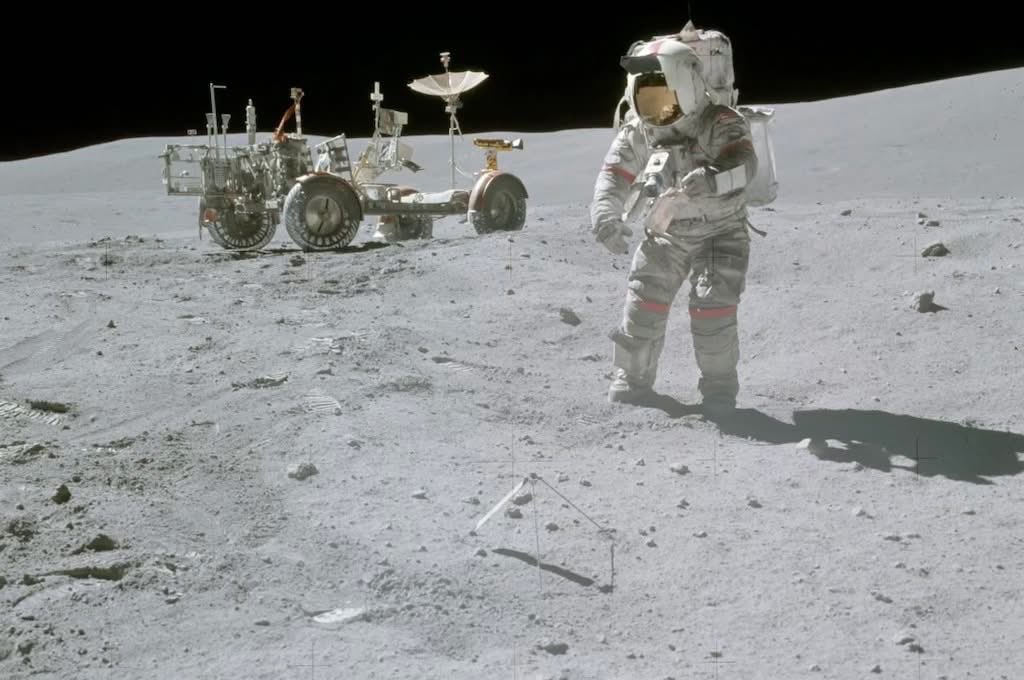
Lunar regolith (Moon dust) will be a huge obstacle to overcome. Every Apollo astronaut said that after a few days their suits were falling apart because of the Moon dust. With no atmosphere on the Moon, and thus no erosion, the regolith is very sharp, like tiny shards of glass. It's densely packed, often compared to snow or charcoal. It's also electrostatically charged, making it sticky and clingy. And so far, it can't be recreated on Earth. Puts us between a "regolith" (rock) and a hard place (see what I did there???)! By the way, we cannot just talk about spacesuits. We must also figure out how/where to place very expensive --and necessary for survival-- pieces of technology and machinery on the lunar surface. It must be protected from this environment which has the potential to destroy it within a matter of weeks. How do we protect solar panels from becoming covered in "dust," or our rover's wheels from shredding (see Mars Rovers!), and the electronics from shorting out? The Moon has never made it easy for us, and it never will..., but you can't find a solution until you've identified the problem. We are guaranteed to experience failures and missteps, but I have high confidence our space agencies and commercial partners will find a way. We always do!
1
311

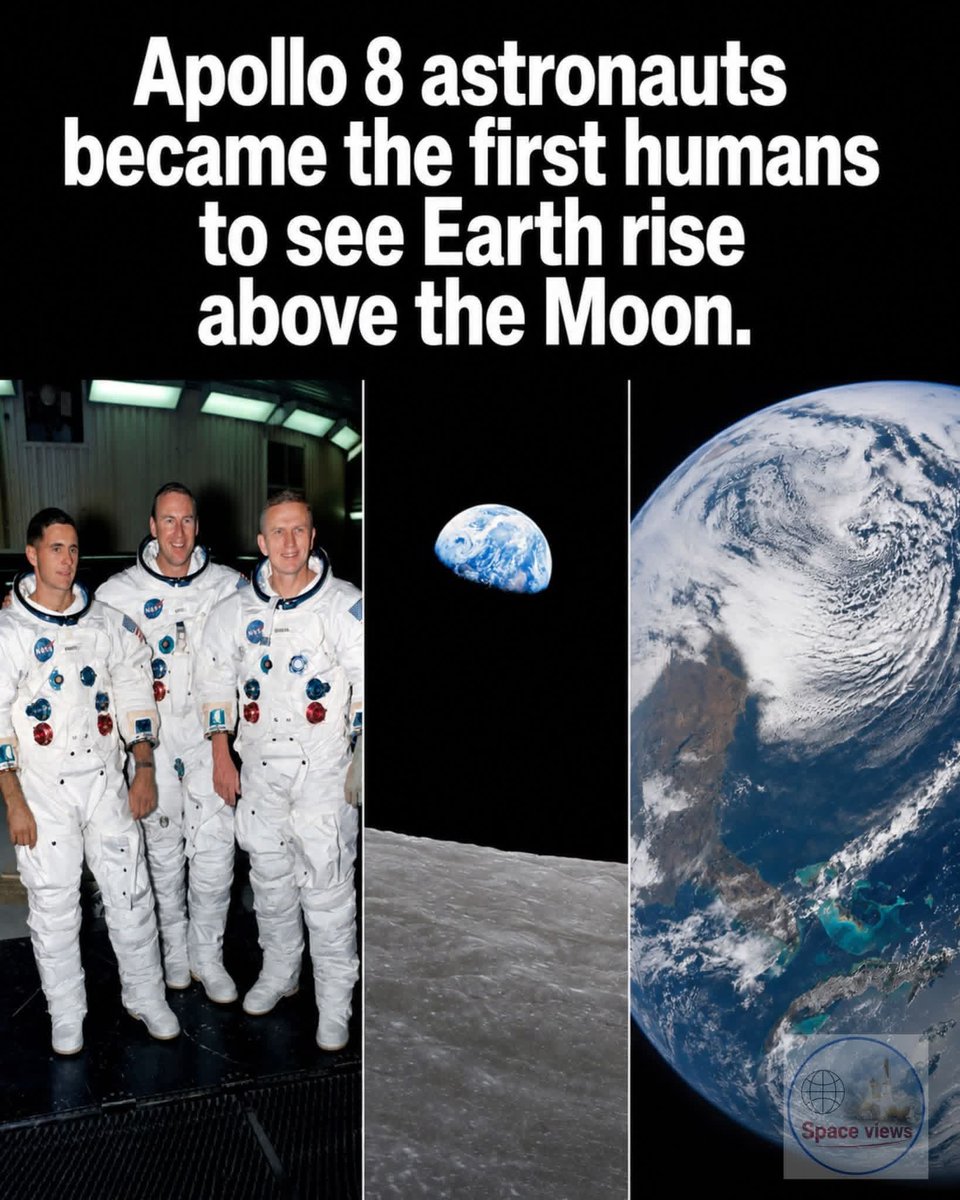
In December 1968, Apollo 8 astronauts became the first humans to travel to the Moon and witness Earth rising above the lunar horizon. The famous “Earthrise” image changed how humanity viewed our planet forever — a small blue world floating in the darkness of space.
That historic mission paved the way for future Moon landings and inspired generations to explore beyond Earth.
Image Credit: NASA
#Apollo8 #Earthrise #NASA #MoonMission #SpaceHistory #apolloprogram
9

Published on YouTube: 𝐌𝐚𝐲 𝟐𝟓 𝐢𝐧 𝐒𝐜𝐢𝐞𝐧𝐜𝐞 𝐇𝐢𝐬𝐭𝐨𝐫𝐲 #JFK #ApolloProgram #SpaceExploration #MoonLanding #STEM #ENTECH youtube.com/watch?v=I6TaxjvA…
35

May 22
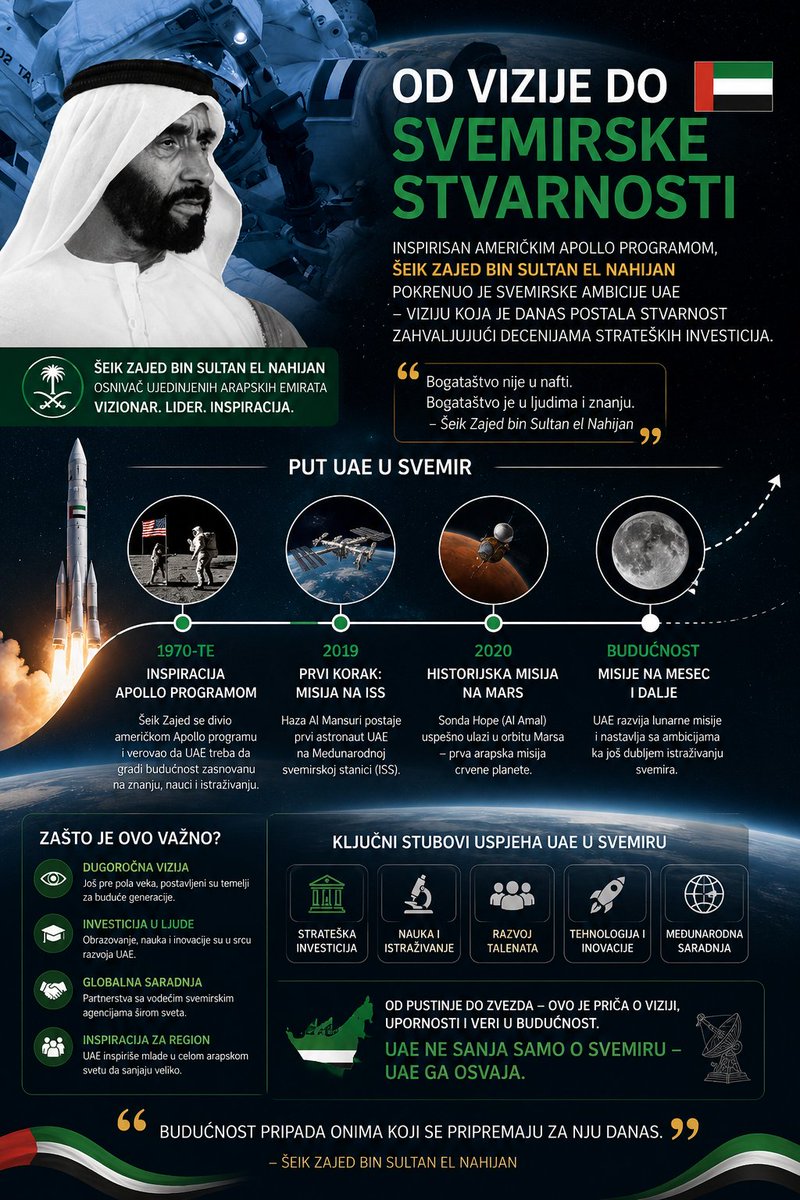
Vizija šeika Zajeda pokazala je kako zemlja može da pređe put od snova do svemirskih misija i globalnog uspeha. Od inspiracije Apolom do misija ka Marsu i Mesecu, UAE je postao ozbiljan igrač u istraživanju svemira. #UAE #SpaceExploration #caosvima #ApolloProgram #SheikhZayed
2
3,551

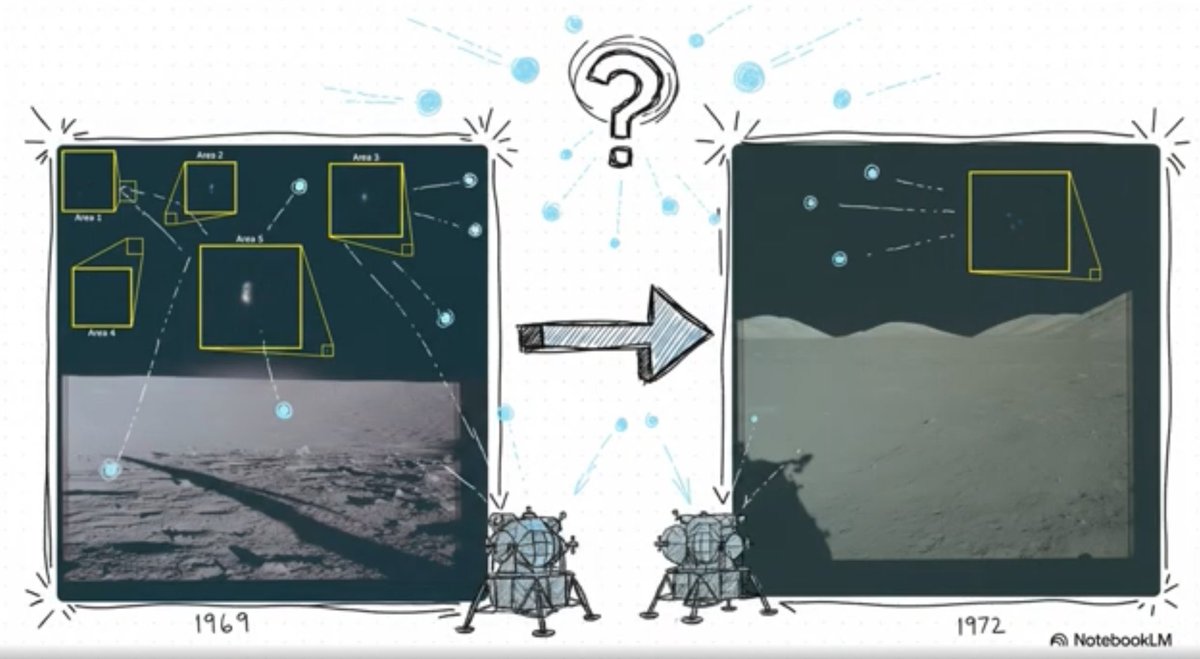
The Extraordinary UAP Incidents of the Apollo 11, 12, and 17 Missions. A deep dive into recently declassified UAP files. medium.com/@karlblomqvist/th… #UAP #UFO #UFOs #UAPs #Ufology #UAPDisclosure #Disclosure
#PentagonUFO #UFOFiles #Apollo #Apollo11 #Apollo12 #MoonLanding #NASA #ApolloProgram #LunarLanding
350


May 1
History - Launch of Apollo 11 by a Saturn V rocket. Kennedy Space Center, Florida. USA. 1969 #Apollo11 #TheMoon #ApolloProgram #NASA #ArtemisIII #ArtemisII #ArtemisIV jlaforums.com/viewtopic.php?…
39

Apr 21
On this day in 1972:
John Young & Charles Duke explores Moon (Apollo 16)
en.wikistoric.org/event/d76e…
#OnThisDay #ApolloProgram

Argonne National Lab's Rick Stevens says the #GenesisMission follows in the footsteps of great scientific endeavors, like #ManhattanProject and #ApolloProgram. "Think of it as phase three of the great eras of American science."
ow.ly/cbFJ50YK53W @Argonne @AIforSci

1
5
174

„Houston, van egy problémánk!” – Az Apollo 13 katasztrófája így lett a NASA legfényesebb kudarca #tech #urhajozas #urkutatas #urhajo #apolloprogram brnw.ch/21x1A5u
30

Apr 11
#Apollo13 lifted off from #CapeCanaveral #OnThisDay in 1970. Two days later, they were in trouble. In this #MackNugget, I explain why;
youtu.be/VN1Eb4vhqX0?si=q7Mg…
#SpaceHistory #MoonMission #NASA #ApolloProgram #SpaceExploration #Astronauts #HistoricLaunch
#YouTube #SpaceFacts

57

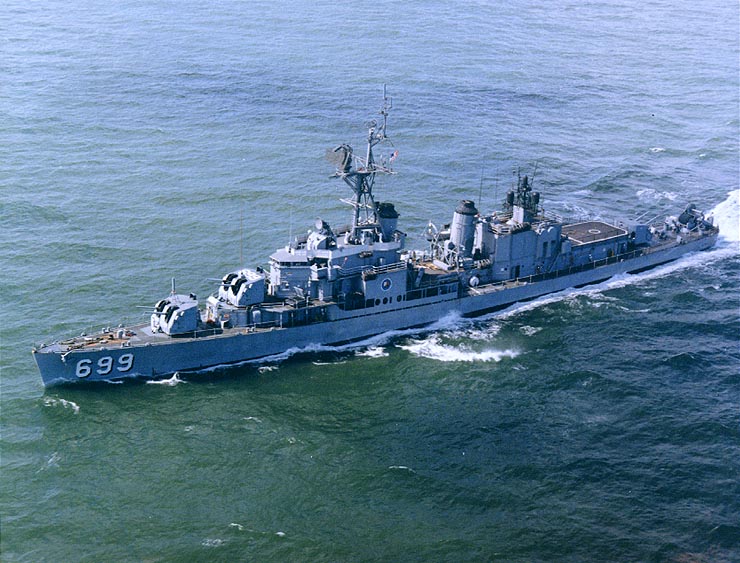
Last chapter of the cold war ASW vessels of the USN, and WW2 conversions: The Allen M. Sumner FRAM II conversions in 1960-64. naval-encyclopedia.com/cold-… #usnavy #unitedstatesnavy #aswdestroyer #allenmsumner #ussmoale #ussingraham #cubablockade #apolloprogram
2
12
278

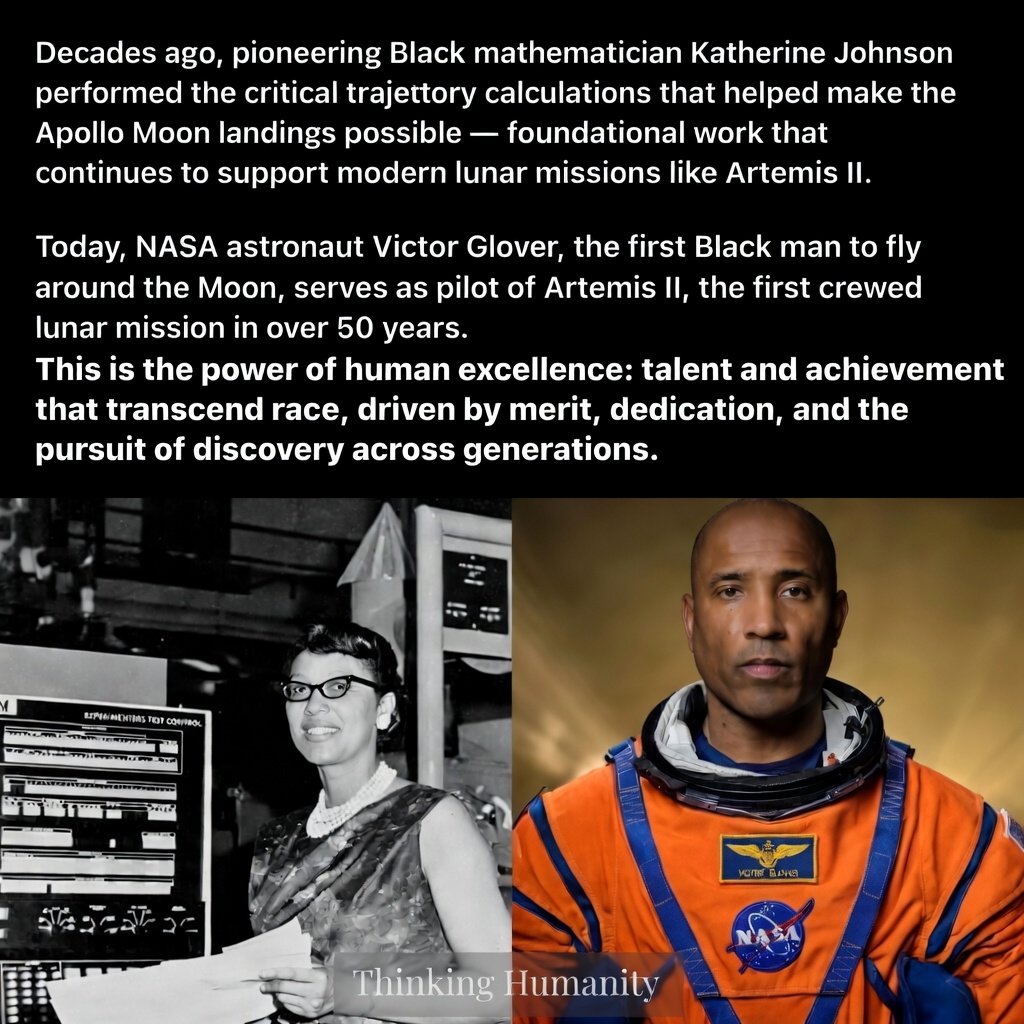
Decades ago, in an era of segregation and limited opportunities, pioneering Black mathematician Katherine Johnson (1928–2020) performed the critical hand-calculated trajectory equations that helped make the Apollo Moon landings possible.
She verified the flight paths for Alan Shepard’s historic first American spaceflight in 1961, double-checked John Glenn’s orbital mission in 1962 (at Glenn’s personal request — “Get the girl!”), plotted the course for Apollo 11’s 1969 Moon landing, and even contributed to the safe return of Apollo 13 during its crisis. Her foundational work on orbital mechanics, launch windows, and emergency navigation became part of NASA’s enduring legacy — work that continues to inform trajectory design for modern lunar missions like Artemis II.
Today, NASA astronaut Victor Glover, a U.S. Navy captain and the first Black man to fly around the Moon, serves as pilot of Artemis II — the first crewed lunar mission in over 50 years. Launched on April 1, 2026, this ~10-day flight sends four astronauts (Commander Reid Wiseman, Pilot Victor Glover, Mission Specialists Christina Koch and Jeremy Hansen) aboard the Orion spacecraft on a journey beyond low-Earth orbit, around the far side of the Moon, and back — testing systems for humanity’s sustained return to the lunar surface.
This is the power of human excellence: talent and achievement that transcend race, driven by merit, dedication, curiosity, and the relentless pursuit of discovery across generations. From “human computers” with pen and paper to today’s astronauts piloting deep-space missions — the stars belong to those who earn their place through skill and determination.
#KatherineJohnson #VictorGlover #ArtemisII #NASA #ApolloProgram #MoonLanding
49
Preserve their footsteps. #ApolloProgram moonwalkers, like Charlie Duke. Scared human history
#Artemis

“On the Moon is a photo of my family. I pray it reminds you that we and America and all of the world are cheering you on.”
Apollo 16 astronaut Charlie Duke recorded a message for the Artemis II crew. Fitting that they hear his words as they close in on their lunar destination.
99

Apr 6
apollo11space has a really great breakdown concerning the use of fins on the Saturn V booster stage vs. no fins on the SLS -
#ApolloProgram #NASA #SaturnV #Artemis
The Real Reason Saturn V Had Fins youtu.be/FsOdoa49ZUE?si=L3Q_… via @YouTube
78

Apr 5
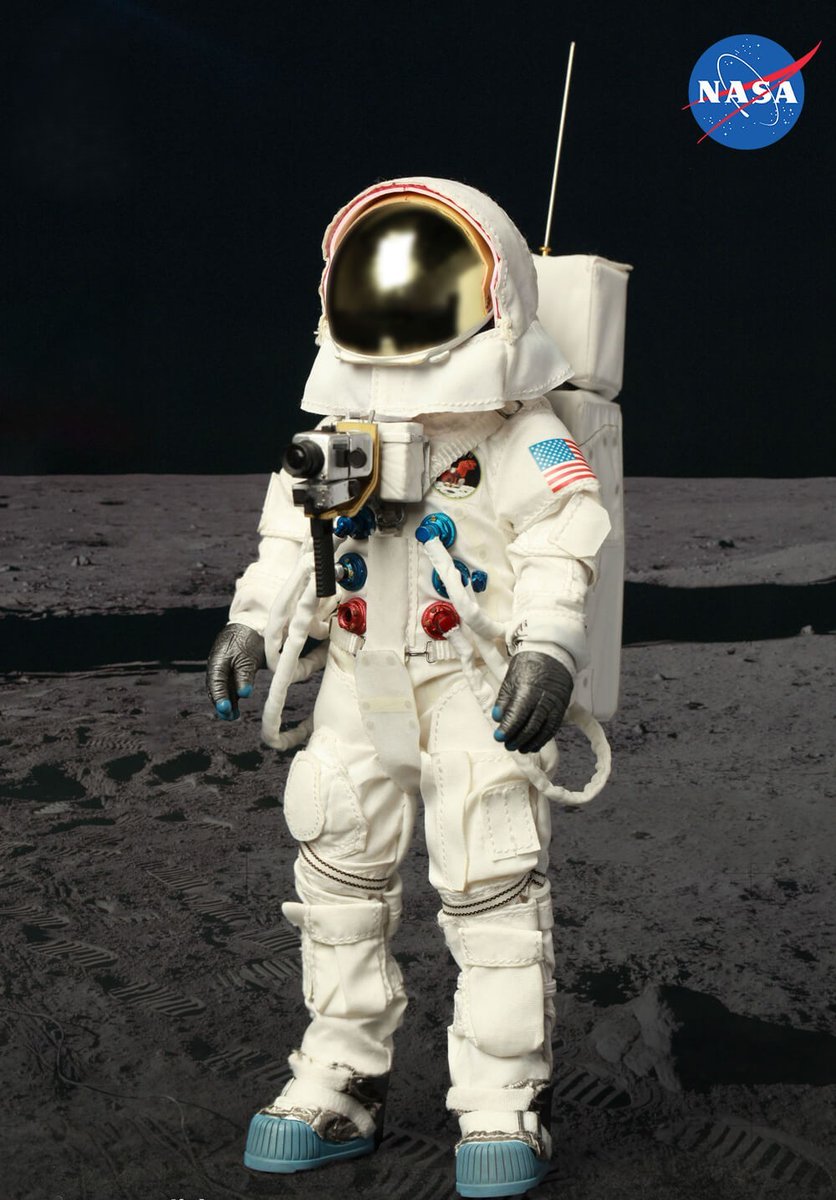
Het is moeilijk communiceren via een touwtje.
Wat er glinstert in het zonlicht, is een antenne.
#Apolloprogram
30

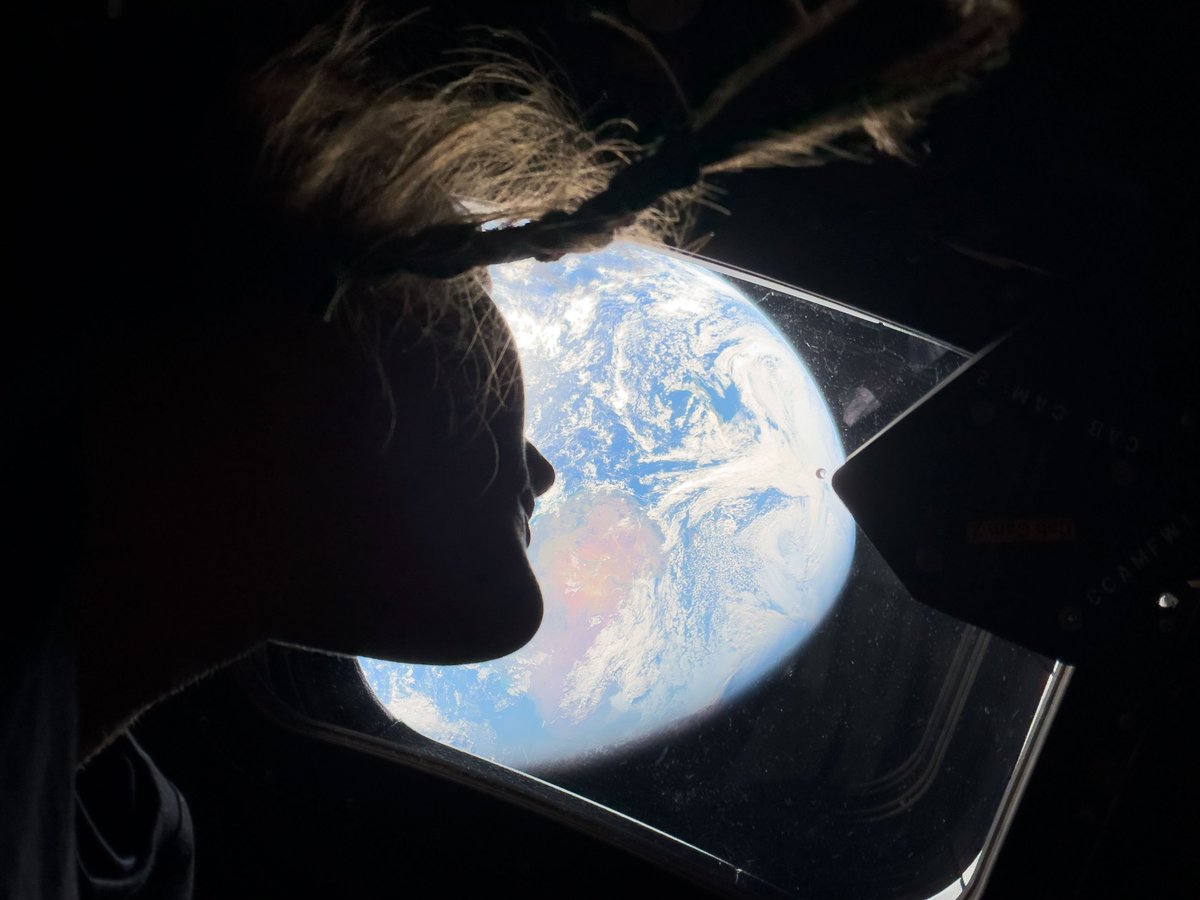
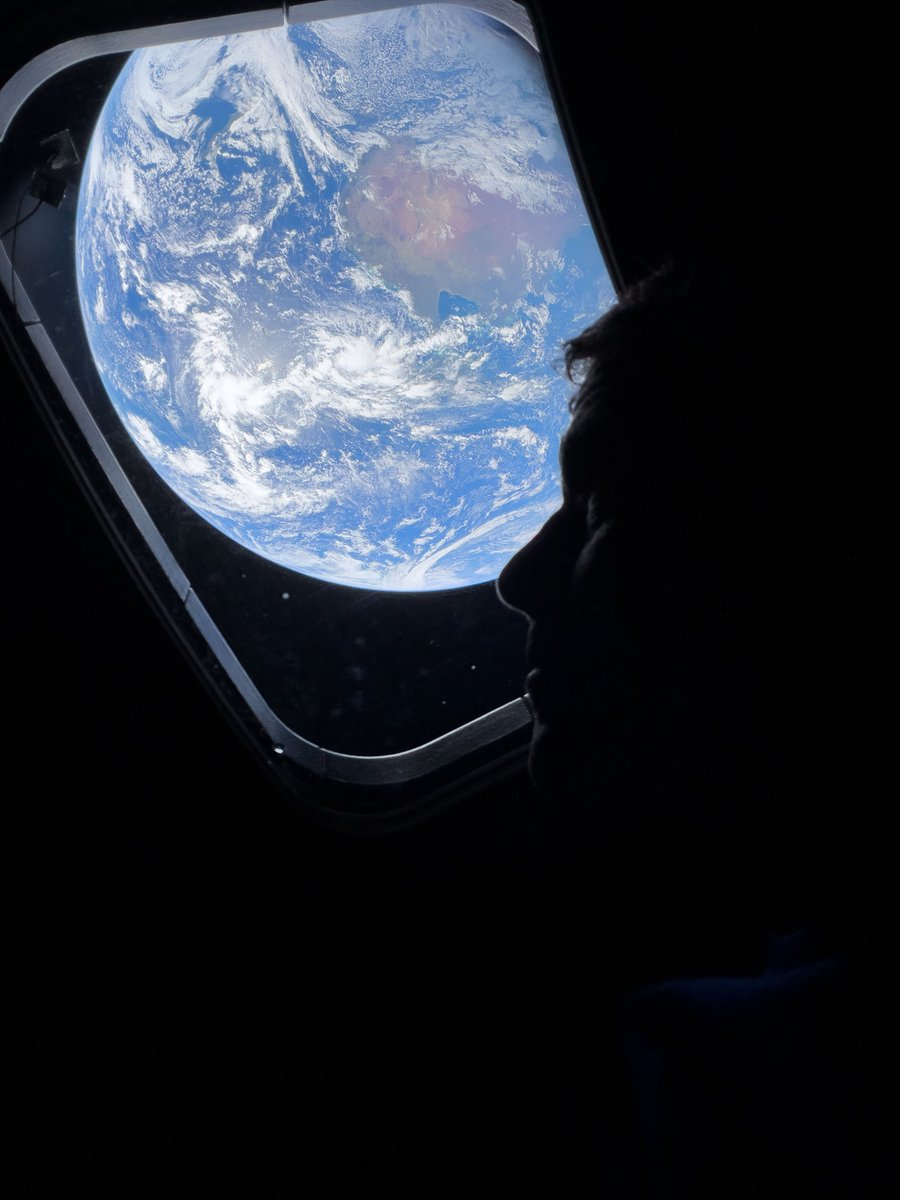
आर्टेमिस II चा चमू चंद्राकडे रवाना झाला आहे, अपोलो कार्यक्रमानंतर ५ दशकांहून अधिक काळानंतरची ही पहिली मानवी चंद्र मोहीम आहे.
#ArtemisII मोहिमेतील अंतराळवीरांनी पृथ्वीची नवीन चित्तथरारक छायाचित्रे शेअर केली आहेत. #NASA #MoonMission #LunarMission #SpaceExploration #ApolloProgram
1
58