
29 Jun 2023
This is why we started #hackaas, @AstroHackWeek, #gaiasprint.
To quote @Tiana_Athriel: “Have you noticed that the coffee breaks are the best parts of scientific meetings? What if we had a meeting that was entirely coffee break?”
2
467


16 Oct 2022
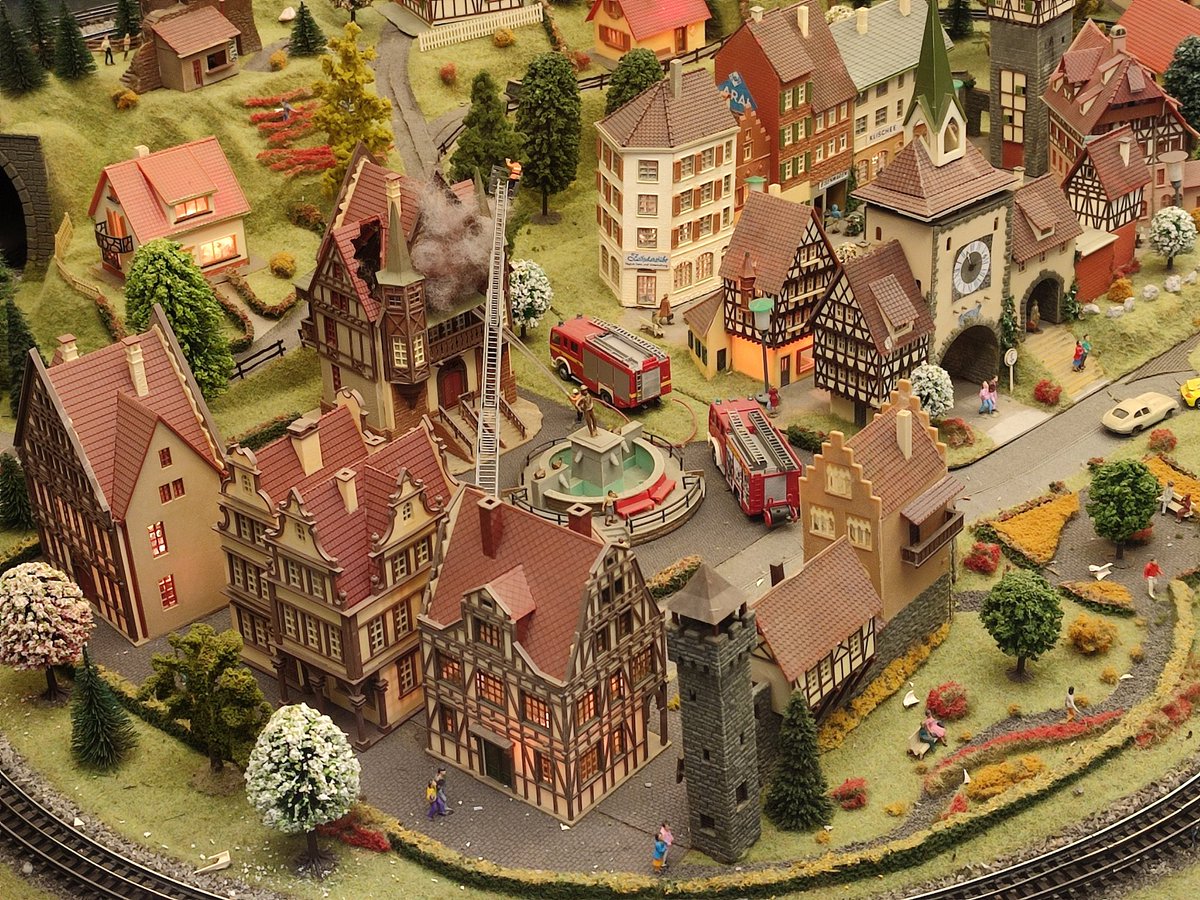
Heidelberg: let's put a cute diorama of our town in the train station!
Also Heidelberg: make it *on fire*
Hello #astrohackweek, let's build something awesome
1

16 Oct 2022
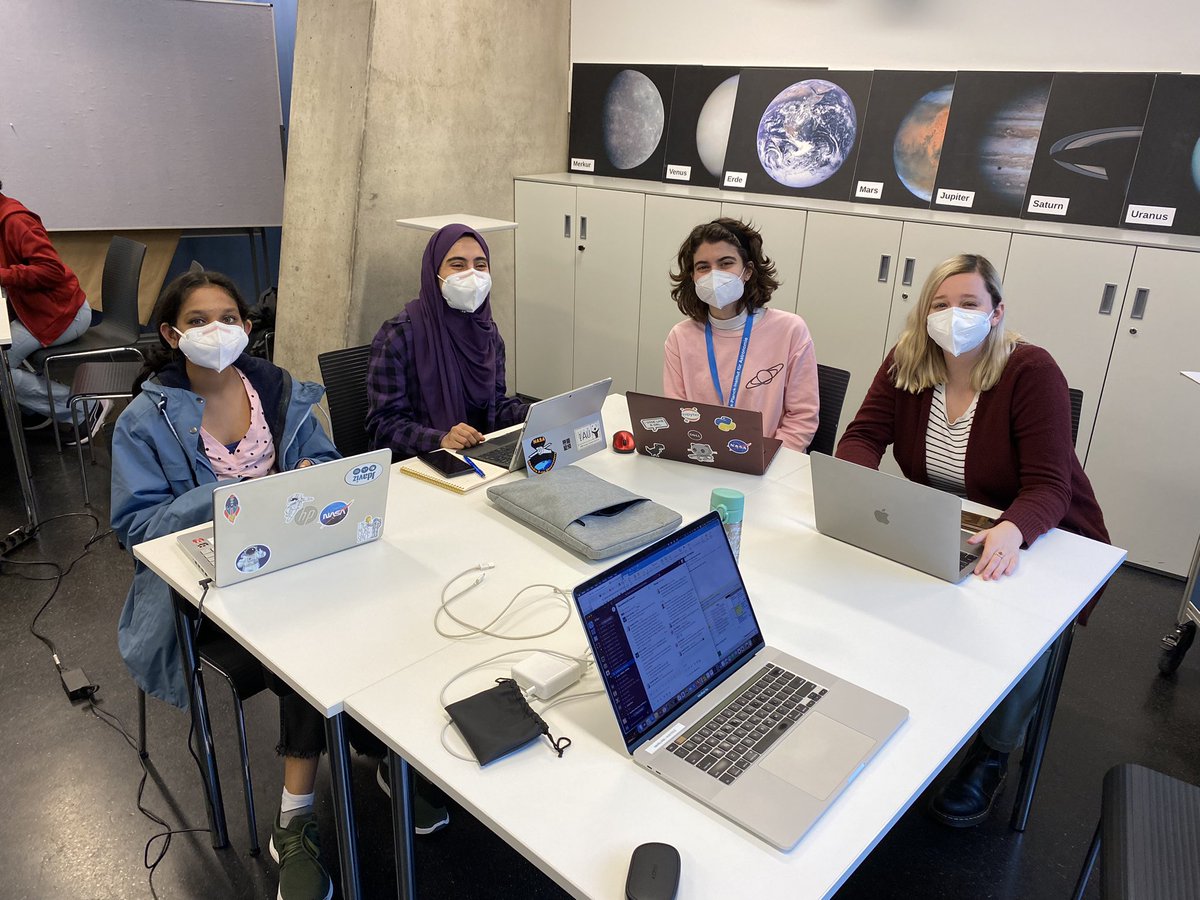
Arrived in Heidelberg for AstroHackWeek 2022! After a virtual workshop and a year of hiatus, I am excited to try out a hybrid format this year!
21

1 Jun 2022
Applications for #AstroHackWeek 2022 are open until THIS FRIDAY - June 3rd! We invite researchers of all backgrounds and career stages, interested in astronomical data analysis, to come and work on fun projects with us! Details application here: astrohackweek.org/2022/
2
2

17 May 2022
I'm so happy to spread the news that #AstroHackWeek is ON this year.
It will be in Heidelberg, Germany, between 17-21 October. Applications are currently open, details on the website: astrohackweek.org/2022/
Come and join to learn and do astronomical data science projects.
3
7

5 May 2022
Interested in learning how to work with large astronomical data set – and then apply your skills, hackathon-style, to interesting problems? Then you might want to apply for AstroHackWeek, which takes place at @HdAstro this October: astrohackweek.org/2022/
4
6
8 Dec 2021
I really love how #hackthehackathon brings together the organizers of many of my favourite events from domain specific #astrohackweek to the RSE focused Collaboration Workshops of @SoftwareSaved along with people researching hackdays. I can't wait what the hackday brings tomorrow
8 Dec 2021

Now: Neil Chue Hong from the Software Sustainability Institute is talking about collaboration workshops for ideation and how to move them online: How to make them invigorating, energizing, informal, social, educational and entertaining?
2

23 Oct 2021
This. It might be awkward at first, but you really need to schedule time and officially supported ways to allow for discussions. Having to send emails to the speaker is not the same, it is not organic and it is two-way.
2
23 Oct 2021
I ended up missing a lot of the talks because of life constraints and had no way of initiating a follow-up discussion with some speakers. I really hope our generation learns from this and improves what workshops look like. 3/3
2
23 Oct 2021
What we have learnt will be helpful for upcoming in-person or hybrid events, too. This week I attended a hybrid workshop. No accommodations were made for things like people not being able to unplug from their lives (administration, teaching, family). 2/3
2
23 Oct 2021
Yes, they taught me that online workshops can be great if you design them around the limitations, strengths and constraints of online events rather than just taking the template of an in-person workshop. 1/2
2

22 Oct 2021
Absolutely, people appreciated the fact that they had time to discuss!
1
1
22 Feb 2021
We are working on AstroHackWeek, which will be a fully online edition, similarly to last year. The details are not yet fixed; stay tuned for announcements.
1
4

22 Feb 2021
Nothing concrete that I know of. Schedules are all whack from 2020, but you're right there should be!
2
28 Jan 2021
Me, at #AstroHackWeek: why is nobody reading this comprehensive document I lovingly crafted?
Me, at AAS: ... oh! I get it now!
🙈

Yeah! Fav. physical venue was U Washington's e-Science library for @AstroHackWeek, though I suspect you're thinking virtual? If so, Dropbox Paper (formerly Hackpad) fills a niche, Google Docs/Colab and GitHub are maybe more universal. @devpost may be useful for organizing.
1

29 Oct 2020
Just uploaded: WWT Director @pkgw's webinar on web-based data visualization from @AstroHackWeek 2020! Follow along in your own Python notebook thanks to the @mybinderteam cloud service!
youtube.com/watch?v=gkbLcvyV…
1
4
4

19 Sep 2020
We're moving back to weekly posts on the @FlatironCCA Astro Data Group blog from different group members (finally you don't have to just hear from me every week!) and @katestoreyfish is starting us off with the project she worked on at #AstroHackWeek: astrodata.nyc/posts/2020-09-…
9

6 Sep 2020
OK, last update for our #AstroHackWeek hack, I promise! I fixed some footprint display issues for K2 and similar missions. The data was matching before, but now the Bokeh plots look nice. Yay! 😁
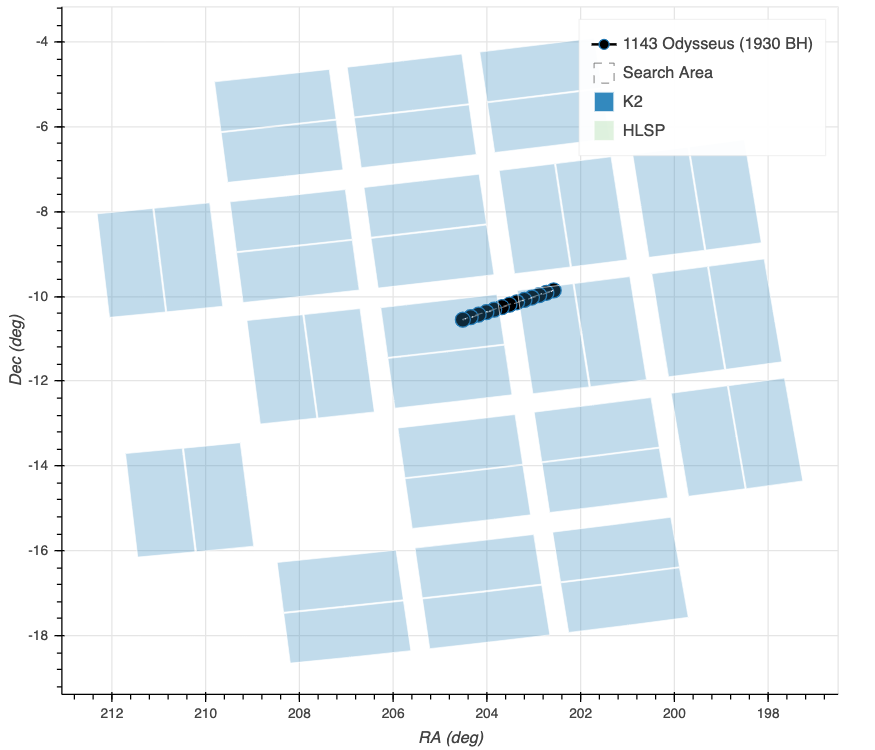
ALT plot of K2 field of view with an asteroid track
2
10