
Just Listed ~ Cheshire
Team Legend
400 Beacon Hill Dr Cheshire, CT 06410
5 Beds ~ 3 Full Baths ~ 1 Partial Bath ~ 3,585 Sq. Ft. ~ 2 Car Garage ~ $925,000
Visit the listing bit.ly/4uwyRpJ
Call or text me direct 203-415-7664
Email: Phil.Giampietro@CBmoves.com
#cheshire


Headmistress Varela retweeted

⠀
⏔⏔⏔ ꒰ ᧔ෆ᧓ ꒱ ⏔⏔⏔
[ #SeductiveSunday ]
"In Valenzano, all of our public bathhouses are large mixed baths, all of which go through weekly hygienic checkup to ensure the best quality for guests.
That said… would you care to join me now?"
⏔⏔⏔ ꒰ ᧔ෆ᧓ ꒱ ⏔⏔⏔
⠀

3
6
50
848

Historians no longer call it the dark ages.
Europeans have been bathing/washing regularly & properly, using fragranced hard soap, building bathhouses/steam baths for 1000s of years, long before Moors brutally colonised a small corner of Europe in AD711.
2
1

7. Conclusion
The Diocletian / Santa Maria degli Angeli image produces a Type IV Imperial Circulation-Field Attractor.
This is distinct from Brunelleschi.
Brunelleschi:
Type III Classical Axis Attractor
entrance → nave → altar → dome/light
Diocletian:
Type IV Imperial Circulation-Field Attractor
floor field → dispersed people → lateral movement → gathering → altar/volume
The altar-axis remains visible and scores respectably, but it does not dominate the field the way Brunelleschi’s central nave axis does.
The dominant 1 is not a single line. It is a Roman imperial volume-field organized by circulation, floor geometry, bodies, and monumental scale.
8. Current Attractor Families after Four Tests
Type I Threshold Attractor
Sysmä Image 1
interior → high window → terrace → lake/light
Type II Chain-of-Thresholds Attractor
Sysmä Image 2
doorway → room → hearth → deeper habitation
Type III Classical Axis Attractor
Brunelleschi
entrance → nave → altar → dome/light
Type IV Imperial Circulation-Field Attractor
Diocletian Baths / Santa Maria degli Angeli
floor field → people → lateral circulation → volume → altar/light
Working claim:
Protocol v1 is not extracting one preferred form. It is extracting the dominant ordering relation of the field.
1
2

sounds exactly my routine minus the kayaking but i wakesurf 2x a week and i suana vs hot tub but lots of data showing hot baths really good. Id add some red light therapy, and yes cold plunging a couple times a week is awesome
7
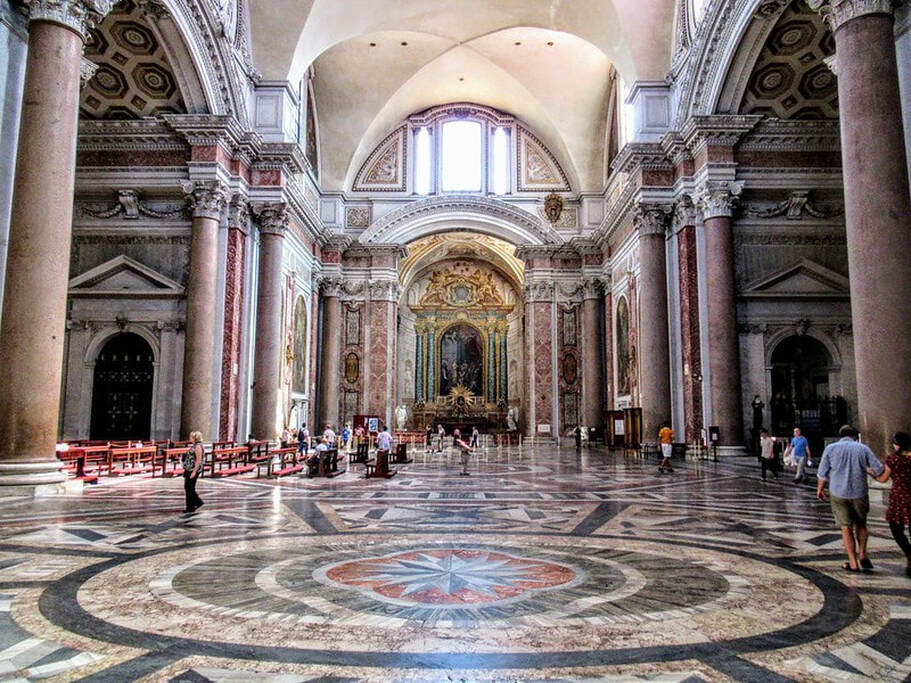
Protocol v1 Application: Diocletian Baths / Santa Maria degli Angeli Interior
Important note:
Manual visual extraction from the provided image, not automated pixel-level geometry.
Working hypothesis:
This image should not behave like Brunelleschi’s church interior.
Brunelleschi produced:
Type III Classical Axis Attractor
entrance → nave → altar → dome/light
Diocletian / Santa Maria degli Angeli should produce:
Type IV Imperial Circulation-Field Attractor
floor field → people → lateral movement → gathering → altar/volume
1. Candidate Attractors
A1 = altar-axis
central view → altar
A2 = circular floor-field attractor
large compass-like marble floor circle in the foreground
A3 = lateral circulation attractor
left ↔ center ↔ right movement across the hall
A4 = imperial circulation-field attractor
floor circle → open hall → dispersed people → side zones → altar/volume
2. Pπ Measurement: Perspective / Place Coherence
Main architectural lines marked: 20
Included line groups:
side wall edges, column alignments, arch curves projected as directional structures, ceiling/vault boundaries, floor pattern axes, central altar approach, lateral floor geometry, side chapel/door alignments.
Supporting line counts:
A1 altar-axis:
13 / 20
Pπ(A1) = 0.650
A2 circular floor-field attractor:
12 / 20
Pπ(A2) = 0.600
A3 lateral circulation attractor:
11 / 20
Pπ(A3) = 0.550
A4 imperial circulation-field attractor:
16 / 20
Pπ(A4) = 0.800
Interpretation:
The altar-axis is clearly present, but the dominant place-field includes the floor geometry, side movement, human distribution, and hall volume. A4 receives the broadest architectural support.
3. Sφ Measurement: Golden-Spiral / Temporal-Form Coherence
Spiral rule:
r = r₀e^((ln φ / π)θ)
Protocol:
Anchor the spiral in the foreground circular pavement field, allow scale and rotation, and test whether the spiral path or tangent order passes through major spatial-temporal features.
Key features considered: 11
Feature groups:
foreground circular pavement, radial floor geometry, central open hall, scattered human positions, left circulation zone, right circulation zone, column/arch rhythm, side zones, altar zone, high light/vault zone, total volume of the hall.
Matched feature counts:
A1 altar-axis:
7 / 11
Sφ(A1) = 0.636
A2 circular floor-field attractor:
8 / 11
Sφ(A2) = 0.727
A3 lateral circulation attractor:
7 / 11
Sφ(A3) = 0.636
A4 imperial circulation-field attractor:
10 / 11
Sφ(A4) = 0.909
Interpretation:
The spiral does not simply reinforce a single altar line. It is strongest when read as expanding from the circular floor field through people, lateral paths, volume, and altar/light.
4. Tφ Measurement: Dominant Temporal-Flow Coherence
Important refinement:
For this monumental Roman/sacred space, Tφ should not mean domestic habitation.
Here Tφ means dominant temporal-flow field:
L = light/volume alignment
M = movement/circulation alignment
C = cultural/functional continuity alignment
A1 altar-axis:
L = 0.75
M = 0.60
C = 0.75
Tφ(A1) = 0.700
A2 circular floor-field attractor:
L = 0.70
M = 0.80
C = 0.75
Tφ(A2) = 0.750
A3 lateral circulation attractor:
L = 0.55
M = 0.90
C = 0.70
Tφ(A3) = 0.717
A4 imperial circulation-field attractor:
L = 0.80
M = 0.95
C = 0.90
Tφ(A4) = 0.883
Interpretation:
The highest temporal-flow coherence belongs to the field/circulation attractor. The space gathers bodies, distributes movement, and preserves Roman imperial volume beneath later sacred use.
5. Final Lock Scores
Lock(π, φ | A) = Pπ(A) × Sφ(A) × Tφ(A)
A1 altar-axis:
0.650 × 0.636 × 0.700 = 0.289
A2 circular floor-field attractor:
0.600 × 0.727 × 0.750 = 0.327
A3 lateral circulation attractor:
0.550 × 0.636 × 0.717 = 0.251
A4 imperial circulation-field attractor:
0.800 × 0.909 × 0.883 = 0.642
6. Result
A* = arg max_A Lock(π, φ | A)
A* = A4
A4 = imperial circulation-field attractor
Therefore:
⊗(π, φ) = A* = 1
1
5

It’s not the water control knob that he found confusing, though. It’s learning that you need to pull up the knob on the faucet to route the water to the shower, a feature of nearly all American baths that all Americans understand.
17

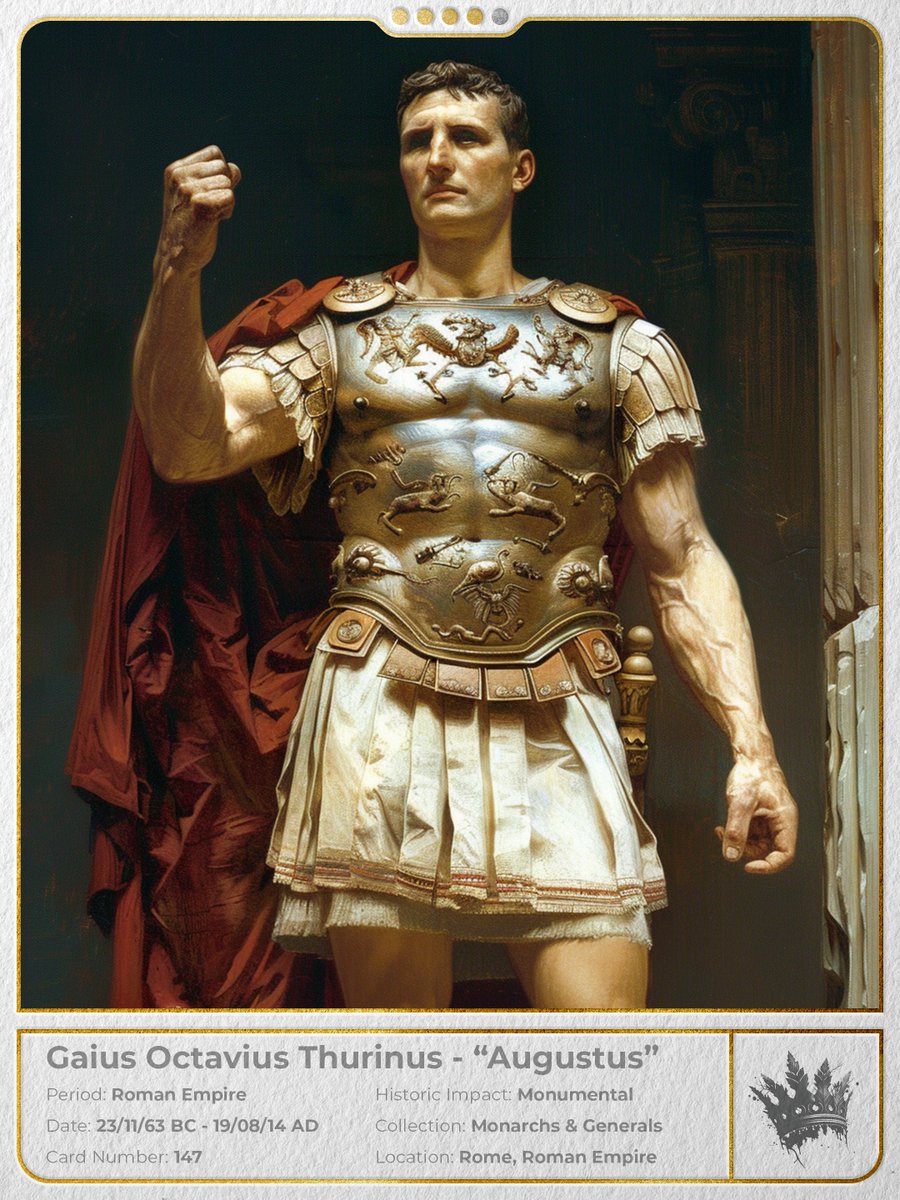
The charge against Augustus is old and simple:
He killed the Republic. Hollywood loves it, and yes, the accusation is true.
What the accusers forget is that the Republic was already rotten, and what replaced it served its people better.
I present you 10 reasons 👇
1) Peace
The late Republic drowned in civil war for a century. Marius against Sulla. Caesar against Pompey. Antony against everyone. Augustus ended it. He gave Rome forty years without armies marching on the city.
2) Food
He took control of the grain supply and made it reliable. A prefect of the corn dole kept the ships moving from Egypt and Africa. The poor of Rome ate because he made sure they did.
3) Provinces
Under the Republic, governors treated their provinces as private mines. They robbed them blind for a year and went home rich. Augustus installed salaried legates and held them to account. The provincials noticed the difference.
4) Safety
Rome had no police and no fire brigade. Gangs owned the streets. Clodius and Milo turned the Forum into a battlefield. Augustus built the Vigiles to fight fires and the Urban Cohorts to keep order.
5) Water
Agrippa rebuilt the aqueducts and gave the city clean water. He opened the baths to everyone and handed out oil and salt for free. The common Roman lived cleaner and lived longer.
6) The army
Republican soldiers followed whichever general promised them land. That loyalty broke the state again and again. Augustus fixed their terms, fixed their pay, and built a treasury to fund their retirement. The legions served Rome in place of warlords.
7) Law
Justice under the Republic favoured the man with the best advocate and the deepest purse. Augustus made the courts function and made himself the final court of appeal. The small man finally had somewhere to turn.
8) Trade
Peace reopened the Mediterranean. One currency, one body of law, and no pirates left worth the name. Goods moved freely from Spain to Syria. Ordinary merchants grew rich on it.
9) The city
He found Rome in brick and left it in marble. Temples, forums, theatres, all of it open to the public. The poorest citizen walked through monuments the old Republic never thought to build for him.
10) Renewal
He gave Rome back its festivals and its temples and its sense of itself. The Secular Games. The Altar of Peace. After a hundred years of blood, people felt the world had been set right again.
Some closing words:
The Republic we mourn was a republic for the few. Liberty meant the freedom of senators to rule, to feud, and to bleed the provinces dry.
For everyone else it meant living at the mercy of whichever strongman owned the streets that year.
So before we mourn the Republic, we might ask who it was really for. And we might ask ourselves the harder question. We prize liberty above all things. But whose liberty, and at whose expense?
The Romans answered that two thousand years ago. We may not like their answer. We would do well to understand it.
A republic sounds great on paper but let's not pretend the people in the empire were far better off.
1
3
97

You might think self-love is all about bubble baths affirmations and pretty journals. However, true self-love is the harder quieter braver stuff no one talks about. It means:
✨ Saying “no” without a lengthy apology even when guilt tries to trip you up.
✨ Distancing yourself from people who drain your peace even if it feels lonely at first.
✨ Standing up for yourself and your needs when your voice shakes because you’re done shrinking to please others.
✨ Practising self-care on days you feel undeserving especially then.
✨ Being unapologetically yourself in places that wish you’d stay small.
It’s not always soft or cute but it’s the most powerful love you’ll ever give. The moment you start choosing yourself setting boundaries finding your voice resting and speaking your truth you finally come home to yourself. And you were always worth it. 💜
28

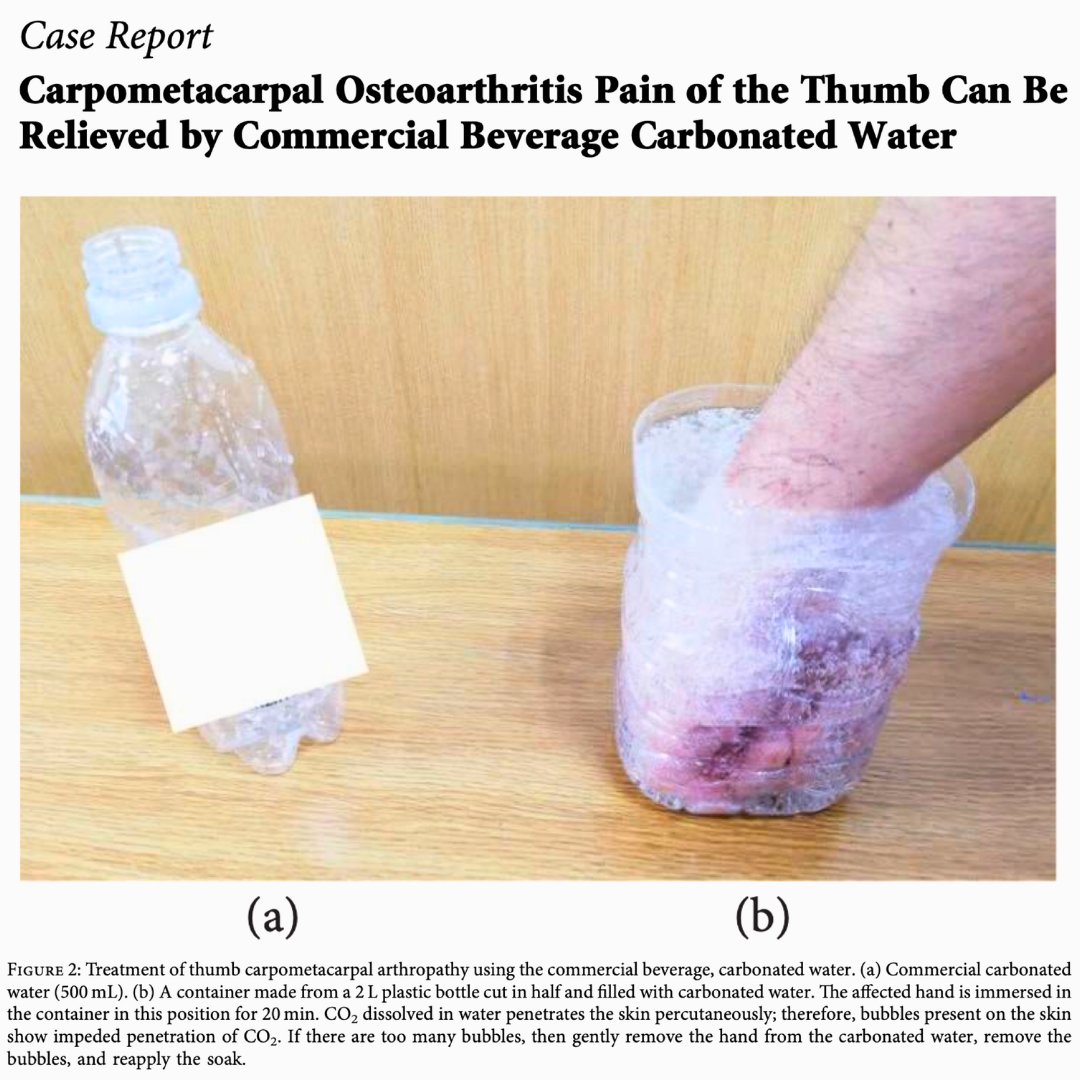
Option 1:
Use standard bottled carbonated water.
Warm to 37°C/ 98.6°F.
Soak for 15 minutes.
Option 2:
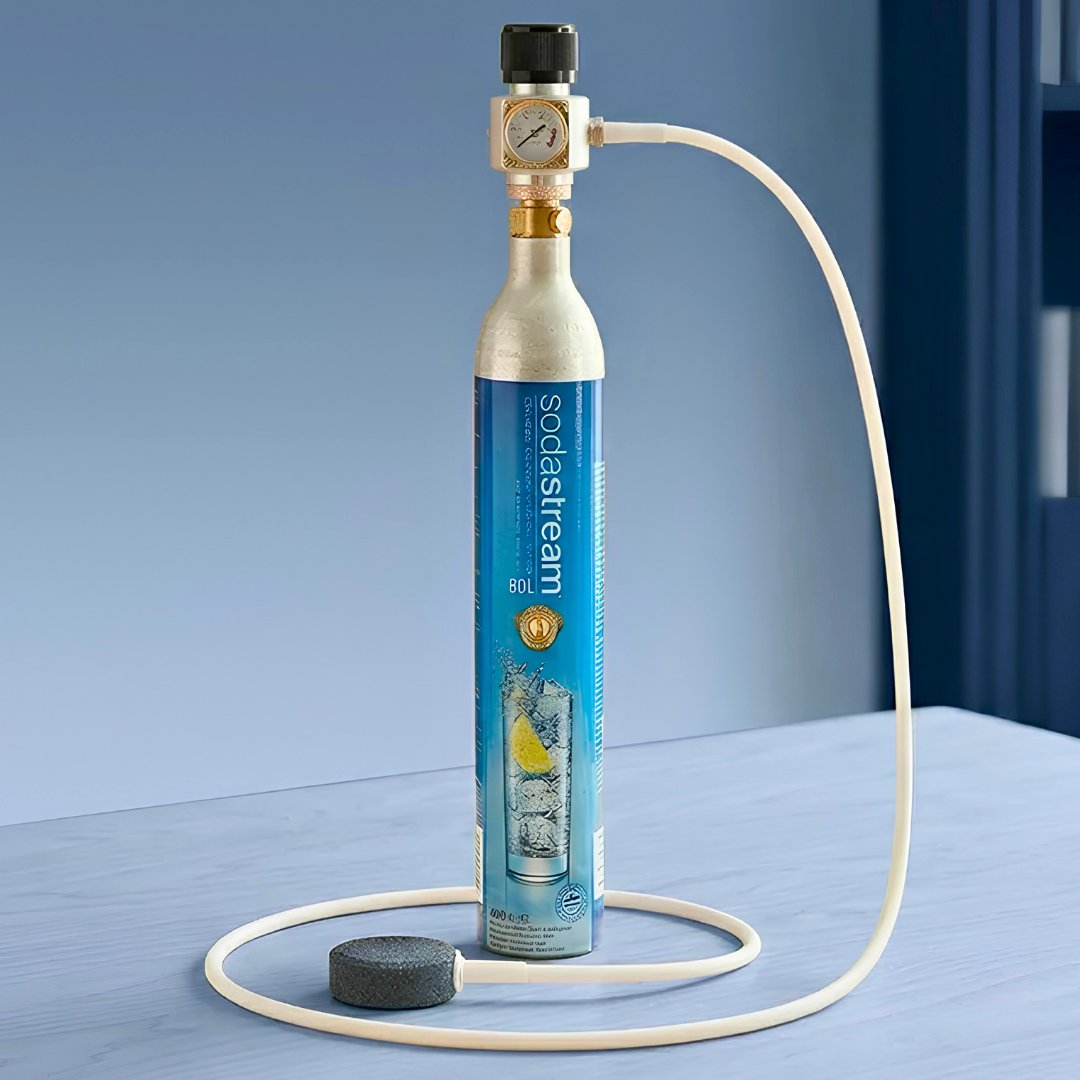
Use CO2 water tablets.
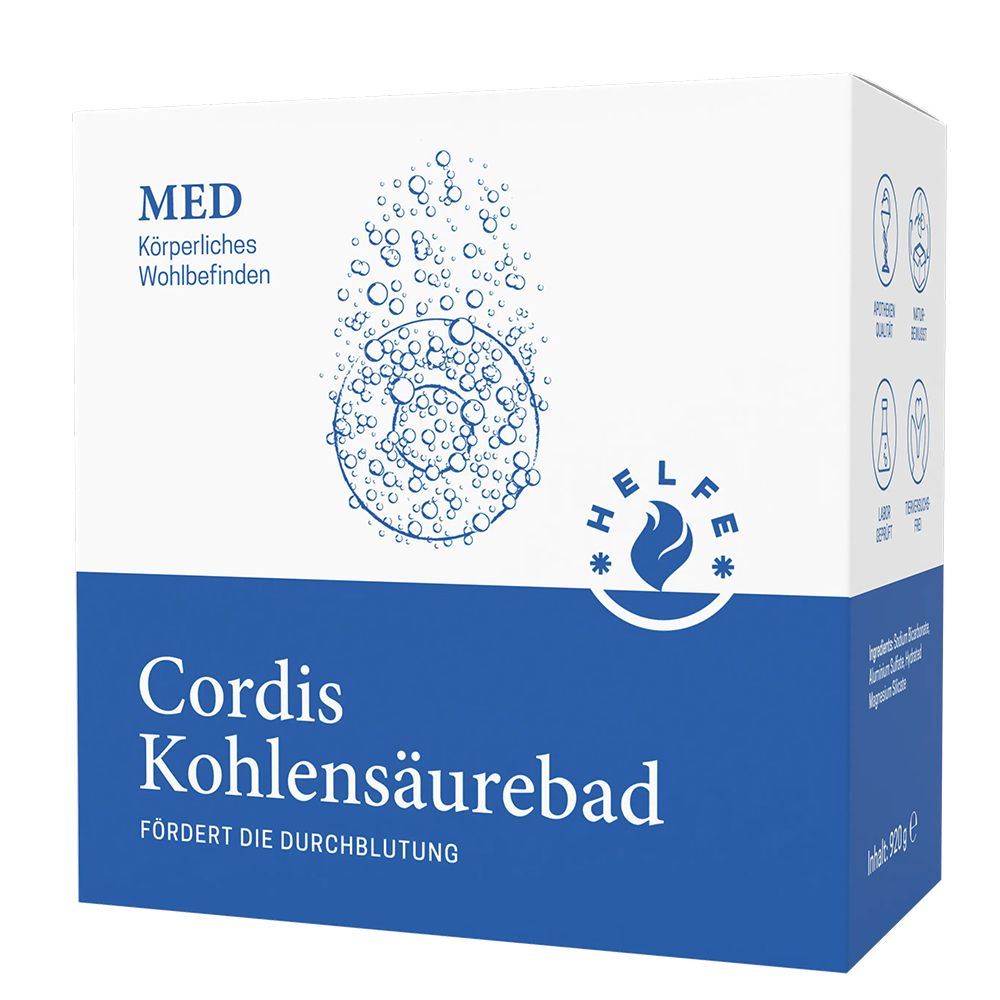
These products contain an acid powder that reacts with sodium bicarbonate tablets, producing a constant flow of CO2 in the water. The tablets I have used last about 7 minutes each. The instructions say to aim for 35°C (95°F). These are probably better than bottled water, as they maintain CO2 for longer due to continuous production while the tablets dissolve.
These are available in Europe and Japan, but I’m not sure if there is a US-based supplier. Some suppliers are HELFE Cordis and Kao Bub.
Option 3:
It’s possible to use an acid, such as citric acid, in warm water (35°C / 95°F), then add sodium bicarbonate to produce CO2. It’s the same effect as with the tablets. Use 2-3 times more sodium bicarbonate than citric acid. This method seems inconvenient, as you need to add bicarbonate very frequently due to its rapid reaction, leading to greater gas loss, and I worry about the effect of citric acid on people who react to it. However, some people do this, and it does work.
Note: it is dissolved CO2 that is absorbed, not the CO2 that surfaces as bubbles.
Option 4:
Visit carbonated springs if you live near them.
US:
Vichy Springs Resort — Ukiah, California.
Roosevelt Baths & Spa — Saratoga Springs, New York.
Europe:
Františkovy Lázně — Czech Republic
Mariánské Lázně (Marienbad) — Czech Republic
Karlovy Vary — Czech Republic
Bad Nauheim — Germany
Bad Tatzmannsdorf — Austria
Royat — France (Auvergne)
1
1
118
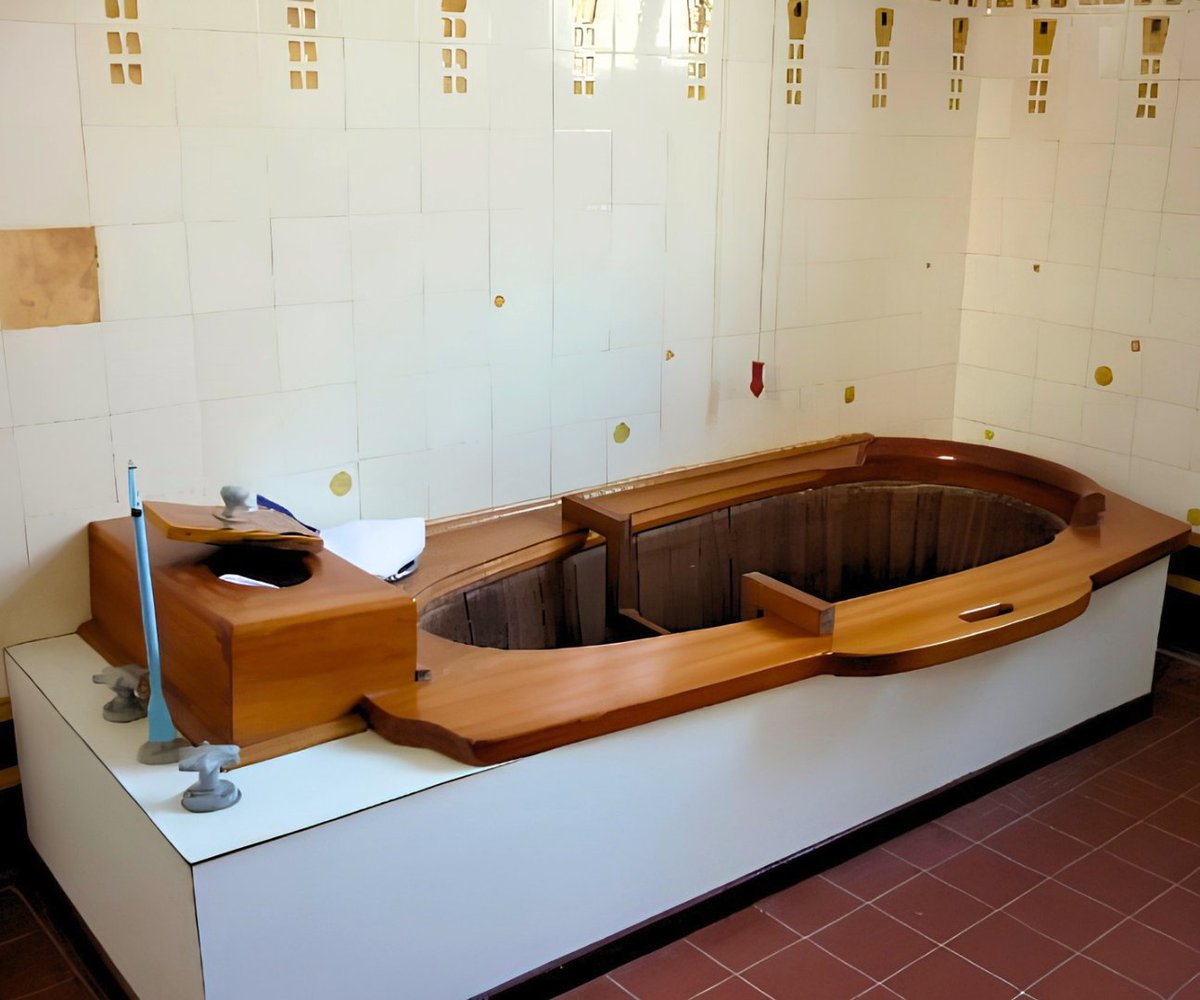
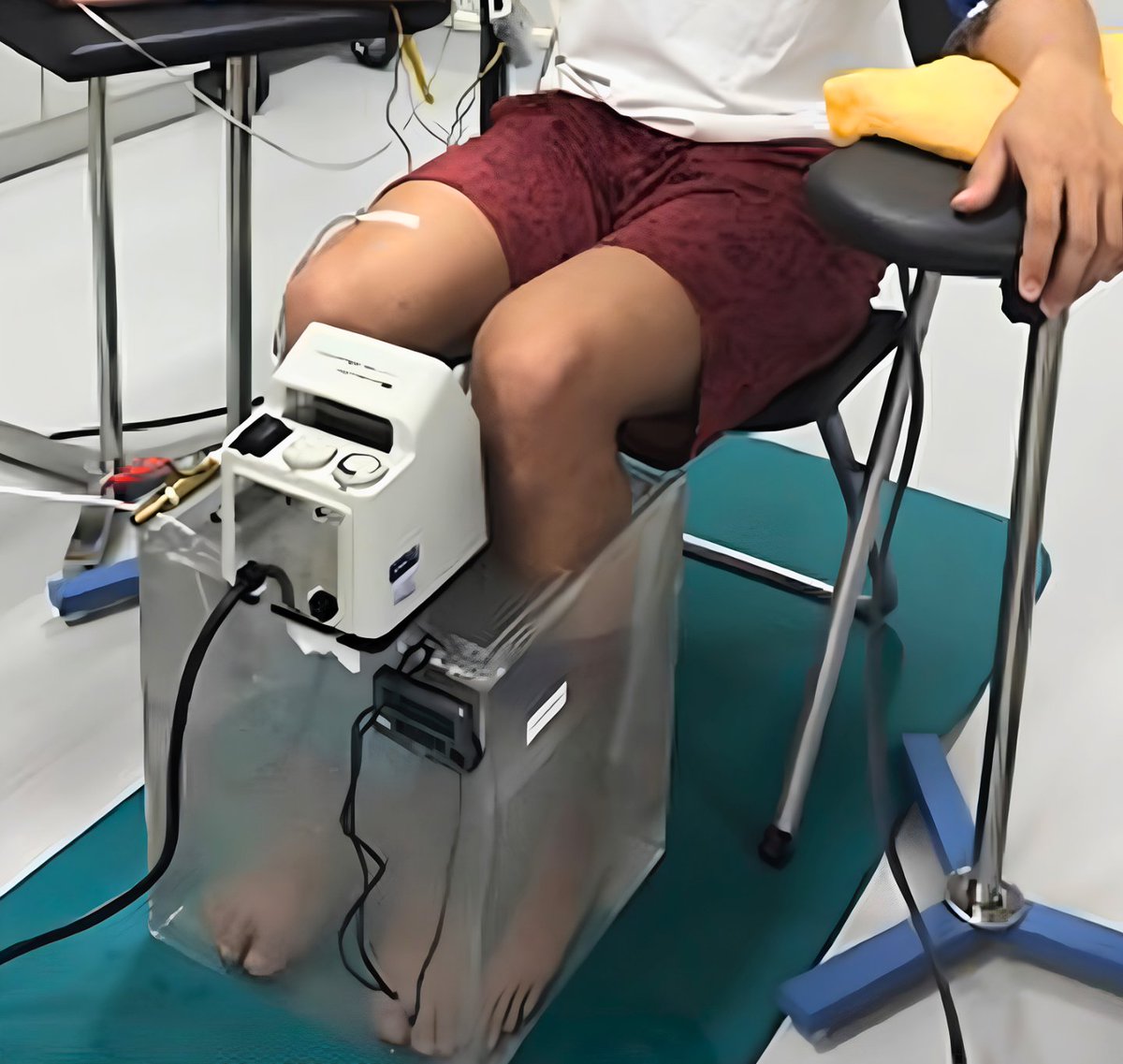
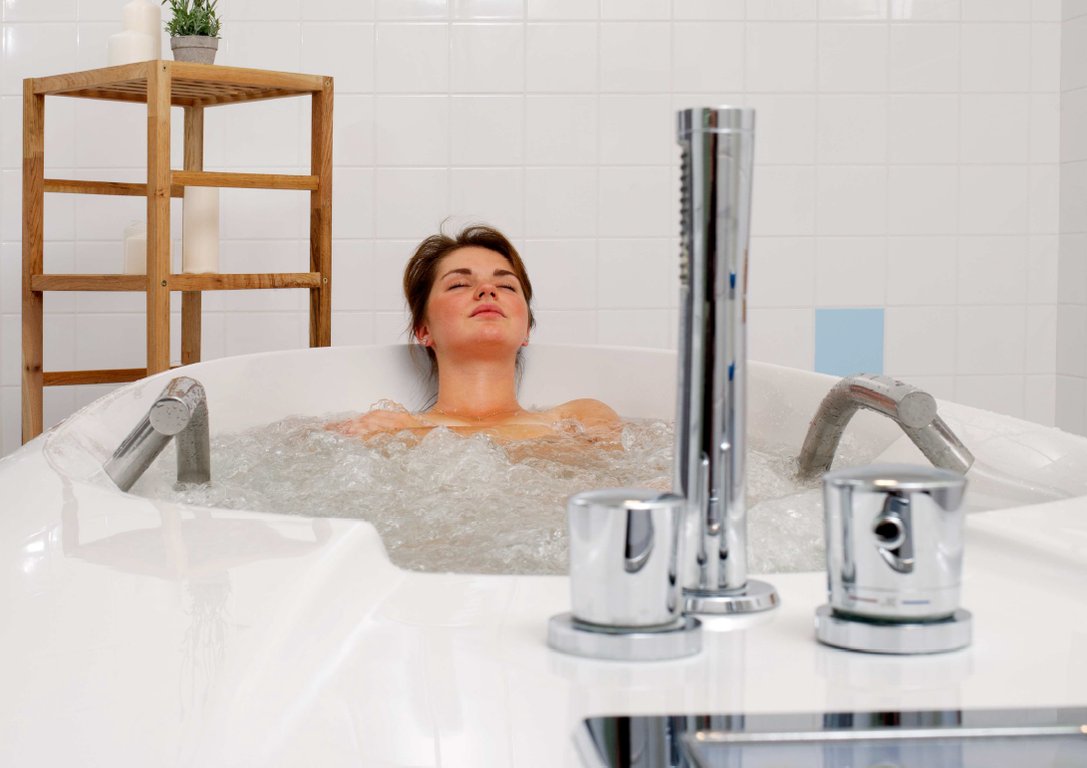
CO2 springs have been used for health for millennia, and recent research on specially made CO2 baths has shown they can:
— Reduce osteoarthritis pain
— Accelerate diabetic wound healing
— Save diabetic limbs and toes
— Increase blood flow
— Improve microcirculation
— Increase oxygen saturation
— Increase tissue oxygenation
— Increase antioxidant status
— Decrease oxidized LDL - a driver of atherosclerosis
— Decrease inflammation (TNF-α)
— Decrease lipid peroxidation (MDA)
— Accelerate muscle repair
— Shift the nervous system to parasympathetic (rest and digest)
1
1
139

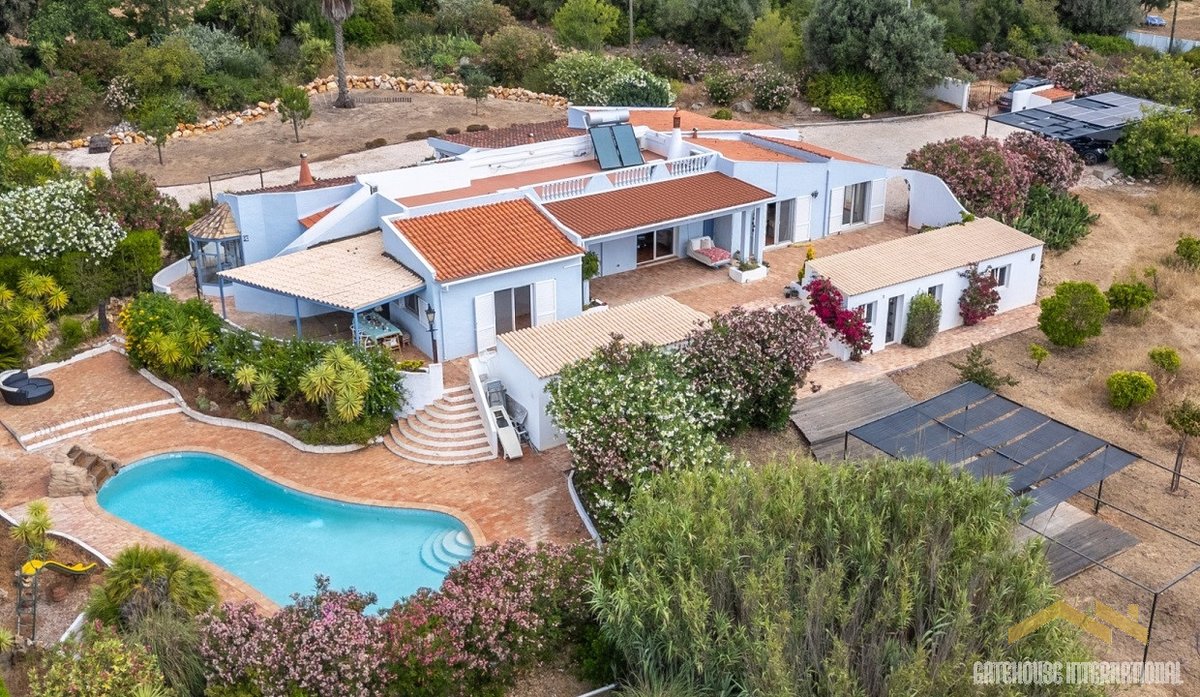
5-bed villa in Praia da Luz, Algarve
€1,150,000
5 Beds | 4 Baths | 332 m2
Follow the link for more information:
algarveprop.com/property/5-b…
Gatehouse International Mediação Imobiliária Lda - Algarve - AMI 8590
1
Nikolaj Vsevolodovič Stavroghin retweeted

Who stole the show this week? From mud baths to visiting ex-orphans, it's been a budy week at Voi.
1. Baraka, ears out, full flare, full attitude.
2. Mbegu and Godoma – two of our ex-orphans dropping in for a visit, just like the old days.
3. Losoito and Kilulu, mid-spar – nobody backing down.
Tell us which photo is your favourite – we love reading these. And while you're there, give a shoutout to any photo or post of ours you'd add to the list.



23
134
1,251
7,879



Protocol v1 Application: Diocletian Baths / Santa Maria degli Angeli Interior
Working hypothesis:
This image will not behave like Brunelleschi.
Brunelleschi produced:
Type III Classical Axis Attractor
entrance → nave → altar → dome/light
Diocletian should produce:
Type IV Imperial Circulation Attractor
floor field → people → lateral movement → gathering → altar/volume
1. Candidate Attractors
A1 = altar-axis
central view → altar
A2 = circular floor-field attractor
large compass-like marble floor circle in foreground
A3 = lateral circulation attractor
left ↔ center ↔ right movement across the hall
A4 = imperial circulation-field attractor
floor circle → open hall → dispersed people → side zones → altar/volume
2. Prediction
A1 should score well, because the Christian altar axis is visible.
But A4 should challenge or defeat it, because the strongest visual and lived structure is not a single line.
It is a field of circulation.
3. Reasoning
The image is dominated by:
- huge open floor field
- circular pavement geometry
- scattered people
- multiple lateral paths
- wide Roman hall volume
- side zones remaining active
- altar present, but not tyrannically dominant
In Brunelleschi, the image says:
Go forward.
In Diocletian, the image says:
Move through the field.
4. Expected Result
If A4 wins:
A* = A4
⊗(π, φ) = 1
1 = Imperial Circulation Attractor
If A1 wins:
1 = Christian altar-axis
If A1 and A4 are close:
1 = hybrid axis-field attractor
5. Importance for Attractor Theory v2
This is the first Roman imperial test.
If Diocletian produces a circulation-field attractor, then Attractor Theory v2 gains a fourth family:
Type I Threshold Attractor
Sysmä Image 1
Type II Chain-of-Thresholds Attractor
Sysmä Image 2
Type III Classical Axis Attractor
Brunelleschi
Type IV Imperial Circulation Attractor
Diocletian Baths
The test question:
Does Protocol v1 extract a Roman circulation-field rather than a Renaissance central axis?
1
7
✨𝐓𝐈𝐍𝐘 The INSPIRATION 💫 retweeted

Fake ass lifestyle hoes ain’t even taking no baths
3
101

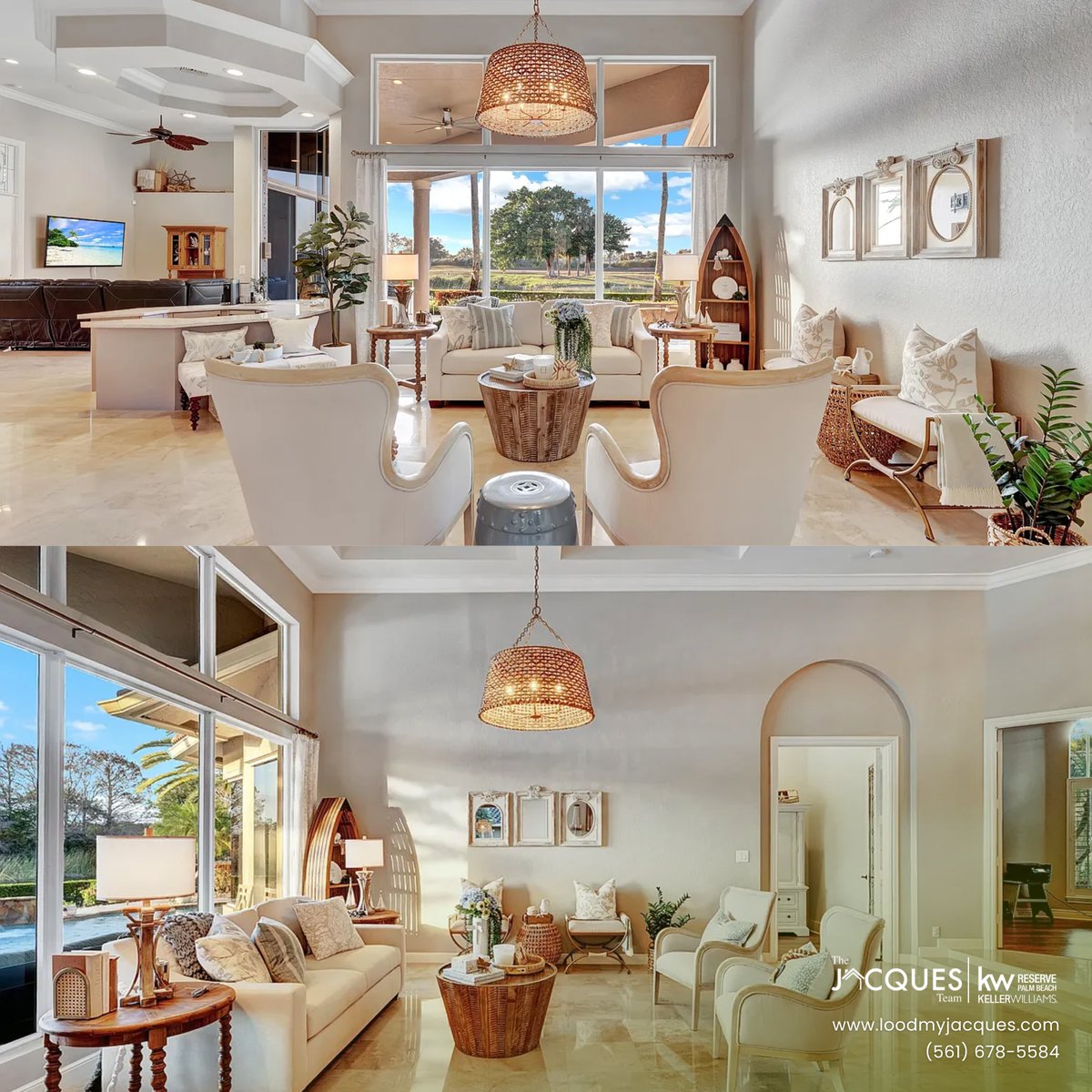
OPEN HOUSE
📍 6261 NW 120th Drive, Coral Springs
🗓 June 20 | 11 AM–1 PM
🗓 June 21 | 1 PM–3 PM
5 bedrooms • 4 full baths • 2 half baths
Estate-style home with spacious living areas, private suites, and expansive outdoor space.
#openhouse #coralsprings #thejacquesteam

1

Move-in ready and full of updates! This charming interior townhome offers 3 bedrooms, 2.5 baths, upd...
Cathy Stottlemyer
REALTOR, CENTURY 21 New Millennium
Mobile: 301-752-1645
Office: 301-609-9000 ace.rismedia.com/ace2-mls-br…
