
3 Sep 2025
When it comes to living as a Christian, there is a difference between being and doing.
“God is love” (1 John 4:8). That is who He is.
“God so loved the world that He gave…” (John 3:16). That is what He did. God did out of who He is.
Like God, we also do out of who and what we are. “For out of the overflow of his heart his mouth speaks” (Luke 6:45). When we put the emphasis on what we do instead of what we are, we have things backwards.
Jesus said, “Be perfect, therefore, as your Heavenly Father is perfect” (Matt. 5:48). That is a “be” command, not a “do” command.
Here is another “be” command: “But just as He who called you is holy, so be holy in all you do; for it is written, ‘Be holy, because I am holy’” (1 Peter 1:15-16).
The model for being perfect and being holy is God. This being precedes our doing.
#beingChristian #Christian #Bible #Christianobedience #obeyGod #John3_16 #Godislove #beholy #perfection #sanctification #JimWilson #CCMMedia #CCMBooks

4
305

11 Feb 2025
The redeemed
Apologist AI: The redeemed are those whom God has saved through the atoning work of Jesus Christ. They have been delivered from sin and its consequences and brought into a right relationship with God through faith in Christ. The Bible speaks extensively about redemption and what it means to be among the redeemed.
Who Are the Redeemed?
The redeemed are those who have been purchased by the blood of Jesus Christ. The Bible teaches that all people are sinners and in need of salvation (Romans 3:23), but through Jesus, God has provided redemption.
Ephesians 1:7 – "In him we have redemption through his blood, the forgiveness of sins, in accordance with the riches of God’s grace."
Colossians 1:13-14 – "For he has rescued us from the dominion of darkness and brought us into the kingdom of the Son he loves, in whom we have redemption, the forgiveness of sins."
1 Peter 1:18-19 – "For you know that it was not with perishable things such as silver or gold that you were redeemed from the empty way of life handed down to you from your ancestors, but with the precious blood of Christ, a lamb without blemish or defect."
How Are People Redeemed?
Redemption is not something that can be earned by good works or religious rituals. It is a gift of God’s grace, received through faith in Jesus Christ.
Titus 2:14 – "Who gave himself for us to redeem us from all wickedness and to purify for himself a people that are his very own, eager to do what is good."
Romans 3:24 – "And all are justified freely by his grace through the redemption that came by Christ Jesus."
The Life of the Redeemed
Those who are redeemed are called to live in obedience to God, reflecting His holiness and love.
Psalm 107:2 – "Let the redeemed of the Lord tell their story—those he redeemed from the hand of the foe."
Galatians 2:20 – "I have been crucified with Christ and I no longer live, but Christ lives in me. The life I now live in the body, I live by faith in the Son of God, who loved me and gave himself for me."
The Eternal Hope of the Redeemed
The redeemed have the assurance of eternal life with God. They will one day be fully restored and glorified in His presence.
Revelation 5:9 – "And they sang a new song, saying: 'You are worthy to take the scroll and to open its seals, because you were slain, and with your blood you purchased for God persons from every tribe and language and people and nation.'"
Revelation 21:3-4 – "And I heard a loud voice from the throne saying, 'Look! God’s dwelling place is now among the people, and he will dwell with them. They will be his people, and God himself will be with them and be their God. He will wipe every tear from their eyes. There will be no more death or mourning or crying or pain, for the old order of things has passed away.'"
Conclusion
The redeemed are those who have been saved by grace through faith in Jesus Christ. They are no longer slaves to sin but are now children of God, living in the hope of eternal life. If you have not yet placed your faith in Christ, the invitation to redemption is open to you. Repent and believe in Jesus, and you too can be counted among the redeemed!
Digital Bible: The concept of redemption in the Bible primarily revolves around the act of being freed or saved from sin, and its consequences, through the sacrifice of Jesus Christ. This redemption is described as a free gift of God's grace, not something that can be earned or deserved by individuals.
1. Justification by Grace: We are "justified freely by his grace through the redemption that is in Christ Jesus" (Romans 3:24). This means that through Jesus' sacrifice, believers are declared righteous before God, not because of their own works, but as a free gift of grace.
2. Redemption through Blood: The redemption of humanity was achieved "through his blood, even the forgiveness of sins" (Colossians 1:14; Ephesians 1:7). Jesus' death and the shedding of his blood on the cross paid the penalty for sin, offering forgiveness to all who believe.
3. Eternal Redemption: Jesus entered "once into the holy place, having obtained eternal redemption for us" (Hebrews 9:12). Unlike the Old Testament sacrifices that had to be repeated, Jesus' sacrifice is effective forever, securing eternal redemption for those who trust in him.
4. The Redeemed People: Those who are redeemed are described in several ways, such as being "not defiled with women; for they are virgins. These are they which follow the Lamb whithersoever he goeth" (Revelation 14:4), symbolizing their purity and dedication to Christ. They are also said to come from "every kindred, and tongue, and people, and nation" (Revelation 5:9), indicating the universal scope of redemption.
5. New Testament Mediator: Jesus is the "mediator of the new testament" (Hebrews 9:15), meaning his death and resurrection inaugurated a new covenant between God and humanity, allowing those who believe in him to receive eternal inheritance promised by God.
6. Adoption as Sons: Through redemption, believers also receive "the adoption of sons" (Galatians 4:5), signifying that they are brought into God's family, not just forgiven but also made children of God.
7. Freedom from Sin: Being redeemed also means being "made free from sin" and becoming "servants of righteousness" (Romans 6:18). Redemption not only clears the record of past sins but also empowers believers to live new, holy lives.
8. A New Song: Those who are redeemed sing "a new song" (Revelation 5:9; 14:3), a song of praise and gratitude to God for their salvation, a song that symbolizes their transformation and their unique status as redeemed people.
9. Atonement and Joy: Finally, through Christ, believers have received atonement (Romans 5:11), which refers to the reconciliation between God and humanity. This atonement brings joy, as it restores the relationship with God that sin had broken.
In summary, redemption in the Bible is a comprehensive term that encapsulates the deliverance from sin and its consequences through the sacrifice of Jesus Christ, leading to justification, forgiveness, eternal inheritance, adoption into God's family, freedom from sin, and a new identity and purpose....
Grok: In Christianity, the term "redeemed" refers to several interrelated concepts that are central to Christian theology and practice:
Salvation through Christ: The primary meaning of "redeemed" in Christianity is related to salvation. According to Christian belief, Jesus Christ's death and resurrection provide redemption for humanity from sin. This redemption is seen as a liberation from the bondage of sin, death, and the devil, which humans are unable to achieve on their own. This act of redemption is often interpreted through the lens of the Atonement, where Christ's sacrifice is considered a payment or ransom for the sins of humanity.
Biblical References:
Ephesians 1:7: "In him we have redemption through his blood, the forgiveness of sins, in accordance with the riches of God's grace."
1 Peter 1:18-19: "For you know that it was not with perishable things such as silver or gold that you were redeemed from the empty way of life handed down to you from your ancestors, but with the precious blood of Christ, a lamb without blemish or defect."
Redemptive History: This term also encompasses the idea of God's overarching plan for salvation across history, where events in the Old Testament are seen as foreshadowing or preparing for the ultimate act of redemption through Jesus in the New Testament. This includes narratives of liberation, like the Exodus from Egypt, which symbolically prefigures spiritual redemption through Christ.
Living a Redeemed Life: For Christians, being redeemed isn't just a one-time event but a continuous journey. This involves living a life transformed by grace, where one is called to grow in holiness, serve others, and reflect Christ's love and teachings in daily life. Redemption thus has both an immediate effect (salvation) and ongoing implications in how one lives.
Community and Church: The redeemed are also considered part of the "Body of Christ," the Church, where they share in communal worship, sacraments, especially baptism and the Eucharist, which are seen as means of grace reinforcing one's redeemed state.
Eschatological Hope: Redemption in Christianity also points to the future, where believers look forward to the full realization of redemption at the second coming of Christ or in the afterlife. This includes the resurrection of the body and life everlasting, themes that are prominent in Christian eschatology.
In summary, "the redeemed" in Christianity denotes those who have accepted Christ's offer of salvation, living in the reality of this redemption by faith, and anticipating its complete fulfillment. This concept is deeply woven into Christian doctrine, liturgy, ethics, and the communal life of the church.
Gemini: In Christianity, "the redeemed" refers to those who have been saved from sin and its consequences through the sacrifice of Jesus Christ. This concept is central to Christian theology and encompasses several key aspects:
1. Redemption from Sin:
Christians believe that all people are born into a state of sin, separated from God due to the disobedience of Adam and Eve.
This sin leads to spiritual death and eternal separation from God.
Jesus Christ, through his death on the cross, paid the penalty for these sins, offering redemption to those who believe in him.
2. Justification:
Redemption is closely linked to justification, which is God's act of declaring a sinner righteous in his sight because of Christ's sacrifice.
Through faith in Jesus, believers are forgiven of their sins and receive a right standing before God.
3. New Life:
Redemption is not just about forgiveness of past sins, but also about receiving a new life in Christ.
The Holy Spirit dwells in believers, empowering them to live a life that is pleasing to God.
4. Eternal Life:
Ultimately, redemption offers the hope of eternal life in heaven with God.
Christians believe that those who are redeemed will spend eternity in God's presence, free from sin and suffering.
5. The Role of Grace:
Redemption is entirely an act of God's grace, a free gift offered to humanity.
It is not something that can be earned through good works or human effort.
Biblical References:
Romans 3:23-25: "For all have sinned and fall short of the glory of God, and all are justified freely by his grace through the redemption that came by Christ Jesus. God presented him as a sacrifice of atonement, through faith in his blood."
Ephesians 1:7: "In him we have redemption through his blood, the forgiveness of sins, in accordance with the riches of God's grace."
Galatians 3:13: "Christ redeemed us from the curse of the law by becoming a curse for us, for it is written: 'Cursed is everyone who is hung on a pole.'"
1 Peter 1:18-19: "For you know that it was not with perishable things such as silver or gold that you were redeemed from the empty way of life handed down to you from your ancestors, but with the precious blood of Christ, a lamb without blemish or defect."
In summary, the redeemed in Christianity are those who have accepted God's offer of salvation through faith in Jesus Christ. They have been forgiven of their sins, received a new life, and have the hope of eternal life with God. This redemption is a gift of God's grace and is central to the Christian faith.
beingChristian: In Christianity, the concept of "the redeemed" refers to those who have been saved from sin and its consequences through faith in Jesus Christ. This redemption is often linked to several key biblical passages:
Salvation through Faith: Ephesians 2:8-9 states, "For by grace you have been saved through faith, and that not of yourselves; it is the gift of God, not of works, lest anyone should boast."
The Blood of Christ: Colossians 1:13-14 explains, "He has delivered us from the power of darkness and conveyed us into the kingdom of the Son of His love, in whom we have redemption through His blood, the forgiveness of sins."
New Creation: 2 Corinthians 5:17 emphasizes the transformation that occurs, saying, "Therefore, if anyone is in Christ, he is a new creation; old things have passed away; behold, all things have become new."
Eternal Life: John 3:16 highlights the promise of eternal life for the redeemed: "For God so loved the world that He gave His only begotten Son, that whoever believes in Him should not perish but have everlasting life."
Assurance of Salvation: Romans 10:9-10 speaks about the assurance of salvation: "That if you confess with your mouth the Lord Jesus and believe in your heart that God has raised Him from the dead, you will be saved."
Ask AI: n Christianity, "the redeemed" refers to those who have been saved or delivered from sin and its consequences through the sacrifice of Jesus Christ. This concept is central to Christian belief and emphasizes the transformative power of Jesus' death and resurrection for believers.
The Bible often discusses the idea of redemption. For instance, in Ephesians 1:7, it says, "In him we have redemption through his blood, the forgiveness of sins, in accordance with the riches of God’s grace." This verse highlights that redemption is achieved through Jesus' sacrificial death, which brings forgiveness and grace to those who believe.
Furthermore, 1 Peter 1:18-19 explains, "For you know that it was not with perishable things such as silver or gold that you were redeemed from the empty way of life handed down to you from your ancestors, but with the precious blood of Christ, a lamb without blemish or defect." This passage underscores the value and purity of Christ's sacrifice as the means of redemption.
The redeemed are also seen as those who have been reconciled to God and made new. 2 Corinthians 5:17-18 states, "Therefore, if anyone is in Christ, the new creation has come: The old has gone, the new is here! All this is from God, who reconciled us to himself through Christ and gave us the ministry of reconciliation."
In summary, "the redeemed" in Christianity are those who have accepted Jesus Christ's sacrifice and have been transformed by His grace, resulting in a restored relationship with God.
1
19

🇮🇹 Puoi avere tutto ed essere comunque triste
#Fede #Felicità #Semplicità #CatholicPulse #Spiritualità #EssereCristiani #Chiesa
🇬🇧 You can have everything and still be sad
#Faith #Happiness #Simplicity #SpiritualLife #BeingChristian #Church #Catholic
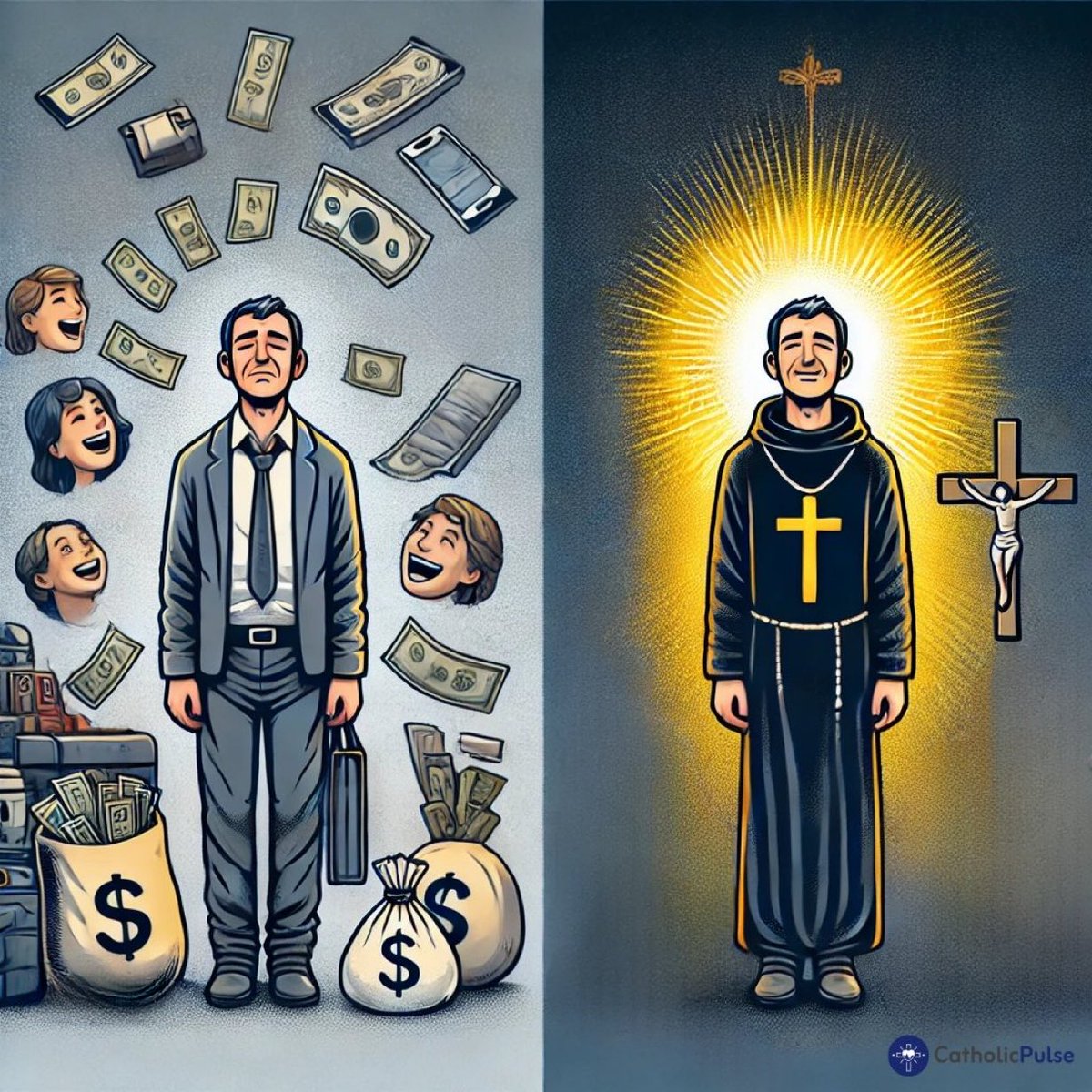
1
5
112


12 May 2024
I prefer2 look at &consider President Carteras one tremendouslyselfless, compassionate,helpful, & terrific humane❤️💖💝being no matter his religious affiliation.There are somany who boastabout being Christian& they dishonorjust being a humanbeing so beingChristian doesn't matter.
2
94

JUSTICE DELAYED IS JUSTICE DENIED
And what exactly is their fault?
That they are not Christian? That they are not Kuki? Or the fact that you are BOTH?
This is BeingChristian?
This is your revenge against the Government?
This is poppy effect!
#KukiTerrorists #KukiAtrocities
1
2
3
94
JUSTICE DELAYED IS JUSTICE DENIED
And what exactly is their fault?
That they are not Christian? That they are not Kuki? Or the fact that you are BOTH?
This is BeingChristian?
This is your revenge against the Government?
This is poppy effect!
#KukiTerrorists #KukiAtrocities
5
6
73
And what exactly is their fault?
That they are not Christian? That they are not Kuki? Or the fact that you are BOTH?
This is BeingChristian?
This is your revenge against the Government?
This is poppy effect!
#KukiTerrorists #KukiAtrocities
5
6
85
#KukiAtrocities
And what exactly is their fault?
That they are not Christian? That they are not Kuki? Or the fact that YOU are BOTH?
This is BeingChristian?
This is your revenge against the Government?
#KukiTerrorists#KukiAtrocities
Justice for Linthoingambi & PhijamHemanjit

29
128
127
1,199

25 Apr 2023
When you think of #church, what comes to mind? This Sunday the sermon will explore what makes good Christian community. Interested? You are invited to come along and explore!
9.15am St Peter's (with Sunday school)
11.15am St Illtyd's (with Sunday School)
#beingChristian
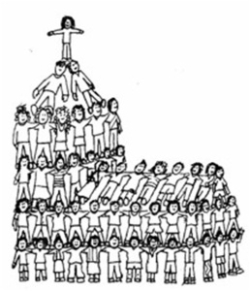
2
53

23 Apr 2021
Priest (before mass) : Please occupy the front rows.
Me (Conflict of interest) : God or fan??
#beingChristian
1
1
11

8 Apr 2021
@billbraviner Father Bill, you’re on my telly box! I tried to take a photo but it came out like this:
#BeingChristian

1
5

5 Apr 2021
Being… @workerbee_tv’s new show takes a look at how various faiths celebrate life’s milestones.
#BeingMuslim #BeingChristian #BeingSikh available on @BBCOne from 10:45pm and @BBCiPlayer. #WeAreBanijay
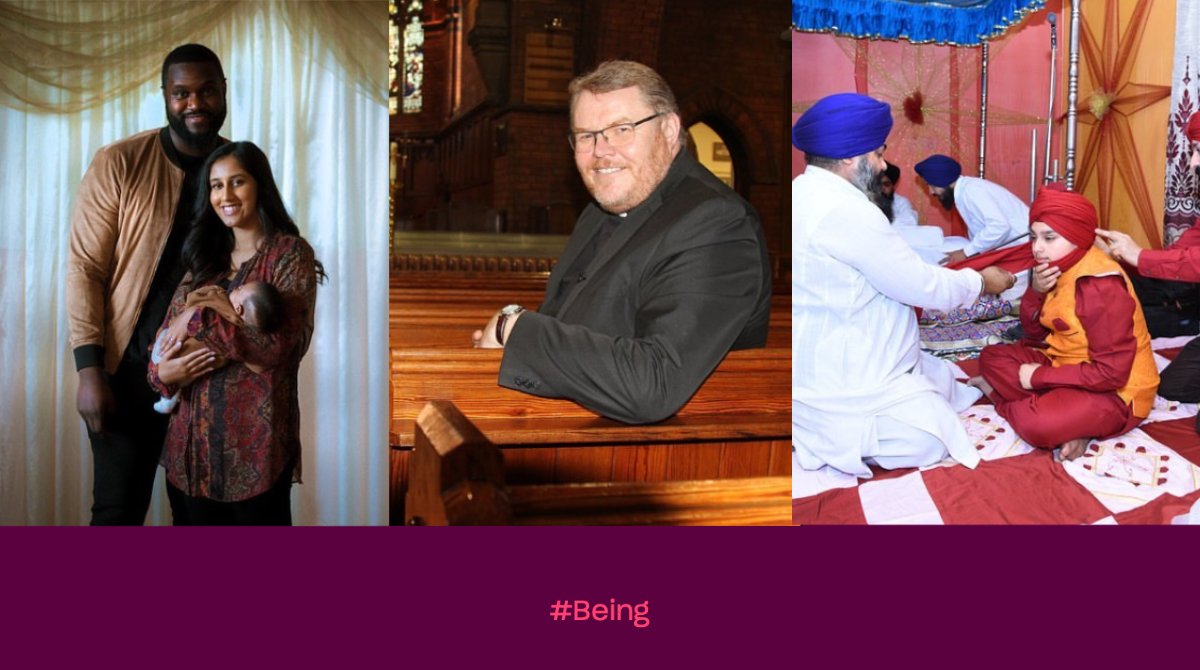
1
4

8 Jan 2021
Ever happened??
That awkard moment in church, when you continue singing the hymn loudly when everyone stops and people look at you like u committed murder😂
#beingchristian
4
2
24

13 Nov 2020
I enjoyed this chronological audio Bible-in-a-year plan. Ready to start again.
Bible App
#ReadYourBible #BibleInstitute #BeingChristian #SpeakLord #HearTheWord

2
12 Nov 2020
How devotional is your family?
Me: Rather than just saying it We actually sing "ye mojea Jezu amchi pathka amka bogshi "after every mystery during rosary everyday!!
#beingchristian
1
1
5
12 Nov 2020
Heard our catechism miss saying that Sant pedru will be at the door to heaven.And now m damn sure He his waiting for everybody who made fun by saying "Avoi ge maay pedru podlo baay"
#beingchristian
2
8
12 Nov 2020
After celebrating Christmas for so many years I realised that a few days before Christmas and a few days after Christmas are more jolly than the actual Christmas Day!!!!
#BeingChristian
1
7
9 Nov 2020
Maturity is when there is Marriage function and Moyne mees on the same day and you choose the latter !!!
#beingchristian
1
4