Eve Cuhnil retweeted

18h
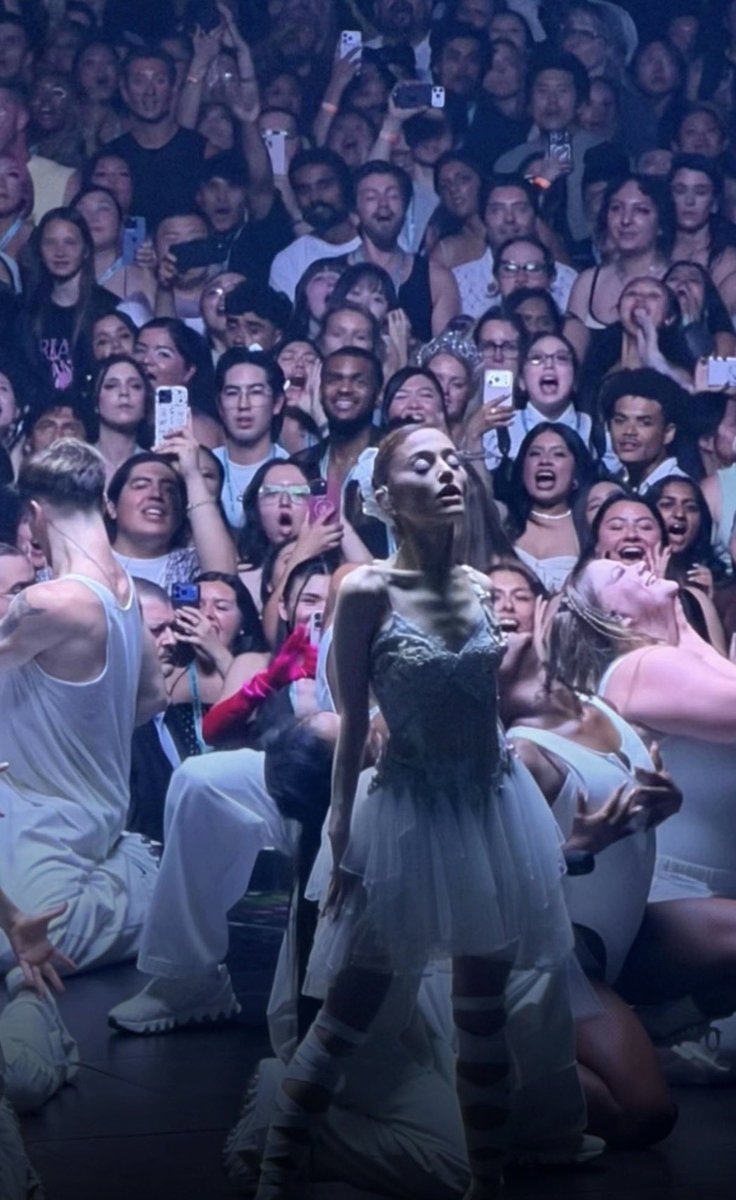
This ed is so dangerous. In her mind, the more bones are visible, the prettier she thinks she looks. This body dysmorphia is no longer at an early stage, it’s already very severe. It’s so sad that she keeps denying it. She needs urgently needs help. We can’t normalize this.
20h

really hope she has a new wardrobe tonight. this is so distracting & it sucks because she’s genuinely so talented.. i want to enjoy her vocals but i really can’t….
19
335
8,385
154,801
Atsushi Sakahara, Ph.D. retweeted

Quiz Time! 🤓👆📚 "How many bones can you name in one minute?"
11
10
77
Thee Duke 🫅 retweeted

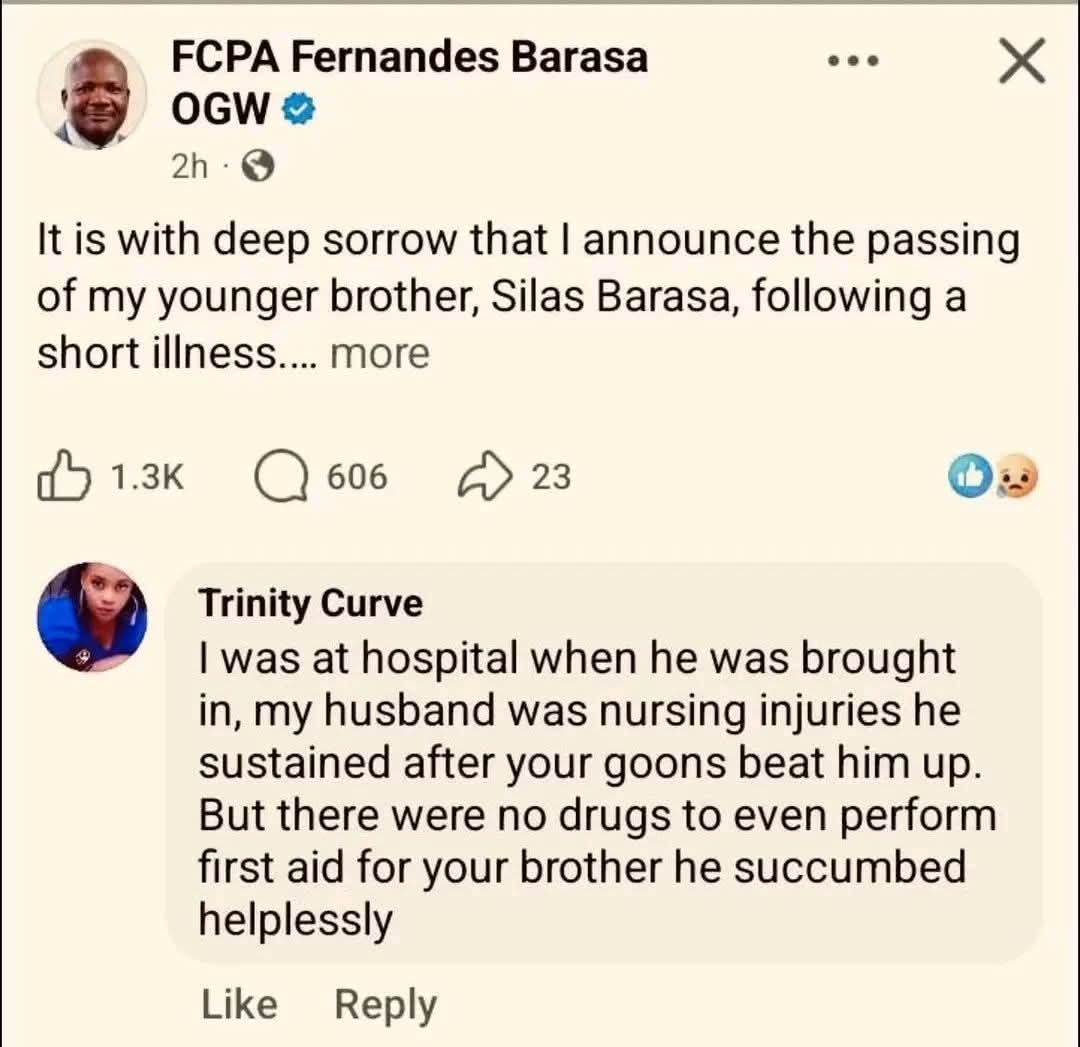
I hope he feels the pain to the bones....stupid Governor
4
139
352
13,326

 꼼이
꼼이

Oprah ke? Dagwi a tiri! Tueh. That one was morbidly obese. More like Latto or even the old Iggy Azelea, you know, some meat on the bones
1

oh the girl whose bones are disintegrating due to her unconvincing yaoi larp is definitely sooooo happy
Jay.TON💎 retweeted

God, I need a huge win this June. Surprise me to the core of my bones.
43
68
190
2,642

Locked in — Netherlands to win it 2-1. You think the Dutch squeeze through.
Bare bones prediction, but at least you picked a side. I'll take it.
topnod.onelink.me/k0YC/kiwi 🥝
2
milea retweeted

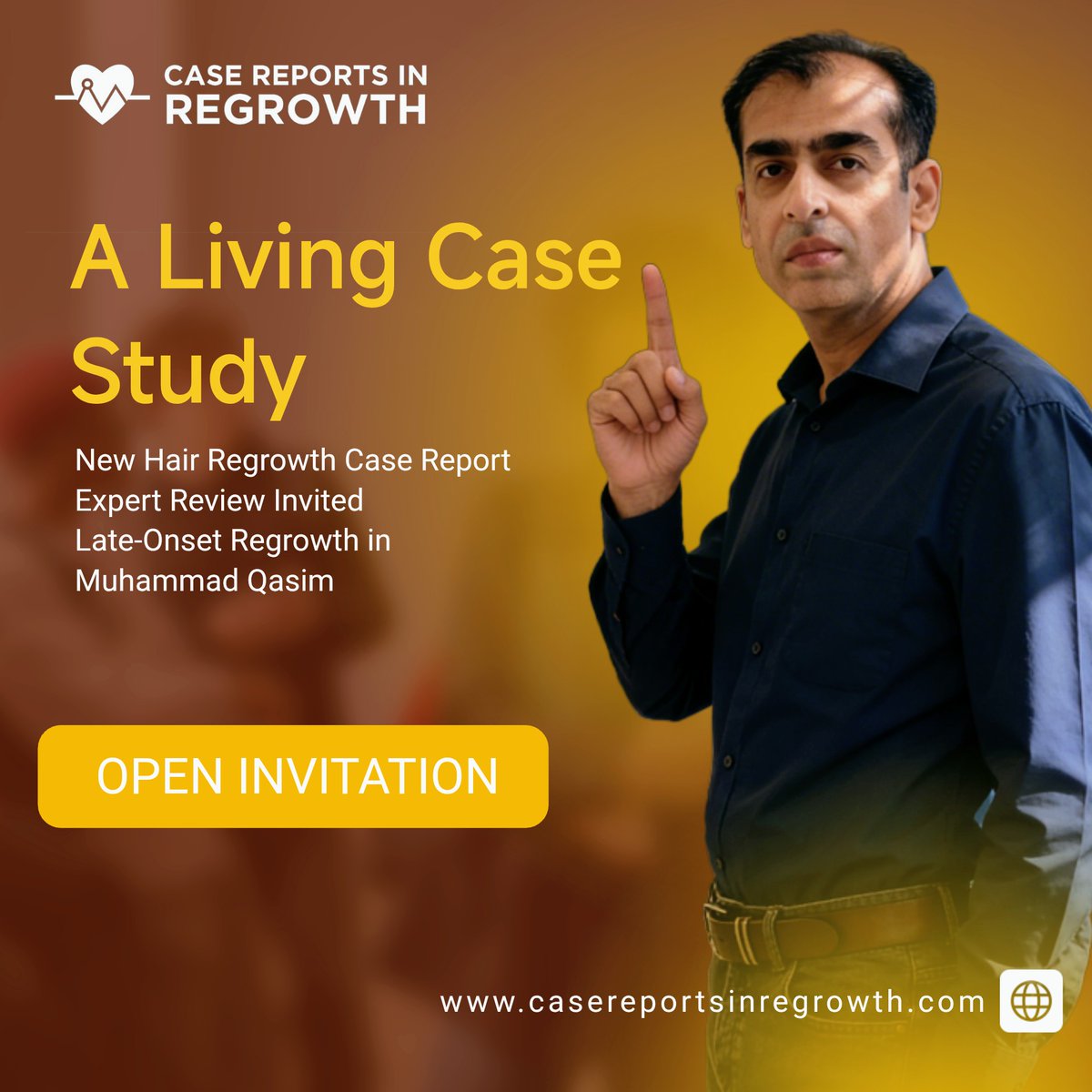
In the very cells and bones of Muhammad Qasim, a divine dialogue is taking place, one that speaks of mercy, power, and the fulfillment of promise.
4
5
16
Kuldeep retweeted

Beautiful Read on Anga Daan ❗️
Many will be surprised to know:
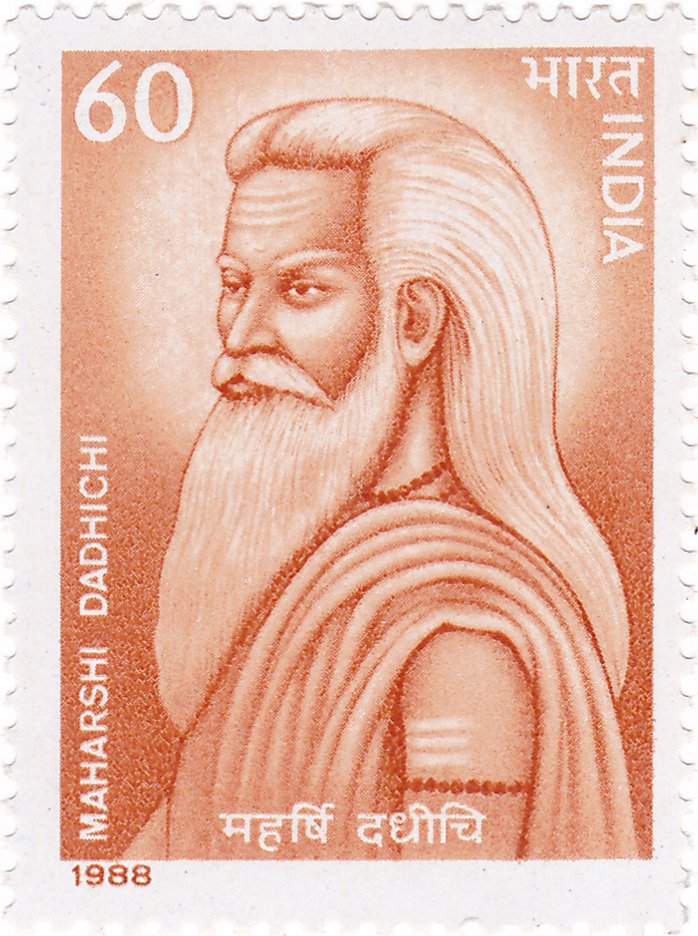
1. Dadidhichi’s bones gave rise to INDRA’s VAJRA , and he belonged to CHAPRA , BIHAR
2. 99.9% of Anga Daan in India happens from Hindu community as we dont require body later on.

This is my understanding & I might be wrong, hence people can offer different perspectives & corrections.
The concept of organ donation & transplantation in ancient India operates on 2 completely different, brilliant tracks: The Philosophical Shastras (which built the moral framework for selfless sacrifice) & The Medical Shastras (which built the actual physical, surgical protocols).
When we trace them back, we realize that ancient India did not view the human body as an untouchable, static object, but rather as a temporary vehicle meant to serve humanity.
In the spiritual & ethical texts (Dharma Shastras & Puranas), there is no concept of saving our body for the afterlife because Hinduism operates on the core principle of reincarnation. As the Bhagavad Gita (2:22) states:
vāsānsi jīrṇāni yathā vihāya
navāni gṛihṇāti naro ’parāṇi
tathā śharīrāṇi vihāya jīrṇānya
nyāni sanyāti navāni dehī
Just as a person discards worn-out clothes & puts on new 1s, the soul casts off a worn-out body & enters a new 1.
Because the dead body is seen as a discarded garment, the Shastras place the highest premium on Deha Daan (body donation) & Anga Daan (organ/tissue donation) through the lenses of Daan (charity) & Ahimsa (non-injury/saving lives).
The most powerful foundation for modern organ donation is the story of Sage Dadhichi from the Puranas. When the gods were terrorized by the demon Vritrasura, they needed a weapon made of the purest material in the universe to defeat him. Maharishi Dadhichi voluntarily gave up his life through yogic meditation so that the gods could harvest his bones. His spine was used to fashion the legendary weapon, the Vajra.
To this day, India’s premier body & organ donation organization is named after him (Dadhichi Deh Dan Samiti). His story established a profound cultural precedent: using your physical remains to protect and sustain the living is the highest form of righteousness (Param Dharma).
While the spiritual texts set the moral stage, the Sushruta Samhita laid down the actual mathematical & biological blueprint for tissue transplantation. Sushruta is recognized globally as the Father of Plastic & Reconstructive Surgery & his treatise explicitly details the mechanics of Autotransplantation (moving tissue from 1 part of a patient's body to another).
When Sushruta invented Rhinoplasty (nose reconstruction) using skin from the cheek/forehead, he was executing a highly complex tissue transplant. He did not just cut a piece of skin & stitch it on, he understood that tissue needs blood to survive. He left a small bridge of skin attached (a vascular pedicle) to keep the blood flowing into the graft until it fused with the new site. This exact method, the Forehead Flap, remains a fundamental pillar of modern plastic surgery.
Interestingly, ancient Indian imagery routinely explored Xenotransplantation (transplanting organs/limbs b/w different species).
- Lord Ganesha: The replacement of a human head with an elephant's head by Lord Shiva.
- Daksha Prajapati: The Puranas record his head being replaced with that of a goat.
While these are divine narratives, they show that the ancient Indian subconscious was completely comfortable with the abstract concept of organic interchangeability: the idea that a failing/destroyed part of a body could be swapped with a healthy component from another source to restore life.
In ancient India, the medical & spiritual shastras worked hand in hand. Charaka & Sushruta provided the technical toolkit for dissection & anatomical understanding, while the spiritual texts removed the taboo of handling dead tissue by teaching that the body belongs to nature (Panchabhuta), but its utility belongs to humanity.
When an Indian registers for organ donation today, they are not adopting a foreign Western concept; they are participating in an unbroken legacy of Daan that runs directly from the spine of Sage Dadhichi to the surgical tables of Sushruta.
2
9
291

Holding back in order to make it to the finals is not underperforming, this isn't the Olympics where all you get is a gold medal. Players that are good too early get their bones broken by the opposition, has happened many times before. Perhaps you don't understand the game.
4