
A (Brief) History of the Rubber Boot
The rubber boot — the Wellington — was named after a man who may not have designed it.
Arthur Wellesley, the Duke of Wellington and victor at Waterloo, reportedly asked his bootmaker to modify his military boots in 1817 — lower, tighter-fitting, suitable for both formal and field use. These leather "Wellingtons" became fashionable. The Duke was famous. His boots became fashionable.
The rubber version came later, after Goodyear's vulcanization made waterproof rubber practical. Rubber Wellingtons — the tall, waterproof boots now associated with mud, farms, and British festivals — were manufactured in Scotland from the 1850s.
Hunter Boot Ltd., founded in 1856 in Edinburgh, made rubber boots for the British military in WWI and WWII. They became civilian footwear afterward. Hunter boots now retail for over $150 and are a status symbol at outdoor music festivals.
A boot named for a general, made rubber by an American chemist, manufactured in Scotland, and worn as fashion at Glastonbury. The supply chain of a named object is almost always stranger than the name.
30

Because I won't say I'm against "authority" I'm against authoritarianism. You can give someone authority without giving them the power to dominate you in any way. The authority of the bootmaker passage is a classic example of this
1
17


Jun 13
1909. Point McLeay Mission, South Australia.
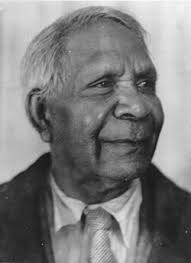
David Unaipon was a Ngarrindjeri inventor, writer, preacher, and self taught mechanic who studied machines from inside a mission settlement. He designed an improved handpiece for sheep shearing, a small mechanical answer to one of Australia's central rural industries. The idea was taken into use, but the money and credit did not follow him.
He was born on September 28, 1872, at Point McLeay Mission on the lower Murray in South Australia. His father, James Ngunaitponi, was an evangelist. His mother, Nymbulda, was a Yaraldi speaker. David was the fourth of nine children and entered the mission school at seven.
The mission gave lessons, rules, scripture, and limits.
At thirteen, he left Point McLeay to work as a servant for C B Young, who encouraged his reading in philosophy, science, and music. Unaipon later returned to the mission, played the organ, learned bootmaking, and read scientific works whenever he could get them. He became absorbed by motion, force, and the dream of machines that could keep moving.
The books were scarce. The hunger was not.
By the late 1890s, he had gone to Adelaide looking for work, but race blocked him from trades that matched his skill. He worked for a bootmaker, then returned to Point McLeay as a bookkeeper in the mission store. The bench, the tool, and the drawing page stayed with him.
Sheep shearing gave him a precise problem.
Mechanical handpieces could seize under the stress of work. Unaipon studied the motion of the tool and designed a modified handpiece that converted rotary motion into a straighter cutting movement. The aim was practical: reduce strain, improve action, and make the machine less likely to jam while cutting wool.
It was not an abstract invention. It belonged to the shed.
In 1909, he obtained protection for the shearing idea with help from Herbert Basedow, a South Australian doctor and former official connected to Aboriginal affairs. Later accounts describe it as a provisional patent rather than a fully secured patent. AIATSIS records that Unaipon could not afford to get the invention fully protected. The design was later adopted.
He received no financial reward.
A 1910 newspaper report acknowledged him as the inventor, but that was not enough to hold the work to his name. He went on to make patent applications for other inventions, including a centrifugal motor, a multi radial wheel, and a mechanical propulsion device. The Australian Dictionary of Biography records that those later patents lapsed.
He kept inventing in a country built to deny Aboriginal ownership.
Unaipon also became a public speaker and an early Aboriginal author. In the 1920s, he collected and wrote versions of Aboriginal stories. His manuscript was later published in 1930 under the name of William Ramsay Smith, without acknowledgment. The book did not appear under Unaipon's name until decades after his death.
The theft was not limited to metal.
He travelled for the Aborigines' Friends' Association, preached, lectured, and spoke before inquiries on Aboriginal affairs. He was often refused accommodation because of his race. In old age, he returned to Point McLeay and continued working on inventions. He died at Tailem Bend Hospital on February 7, 1967.
His face later appeared on the Australian fifty dollar note.
Unaipon's shearing handpiece became part of the record of Australian mechanical invention, and his writing became part of the foundation of Aboriginal literature in English.
He drew machines and stories into existence, and both were taken from him before they were returned.
30

It makes sense to defer to the authority of the bootmaker in tributary and petty commodity modes of production. In a fully capitalised society? It obviously does not. You see how the hierarchy and violence are not identical.
1
24
Engels is responding to a completely incoherent text from Bakunin. Bakunin says he is not against all authority, then says he defers to the authority of the bootmaker. Proving he did not understand the law of value at all.
2
93
deferring to the authority of the bootmaker was already superannuated in Marx's time. It makes no sense under developed capitalistic conditions of production. This is the authority that Bakunin valourises.
1
100
nilesh potbhare retweeted

Jun 10
Had the best time performing and trying on some of my favorite boots at Lucchese Bootmaker🤠
1
2
18
647

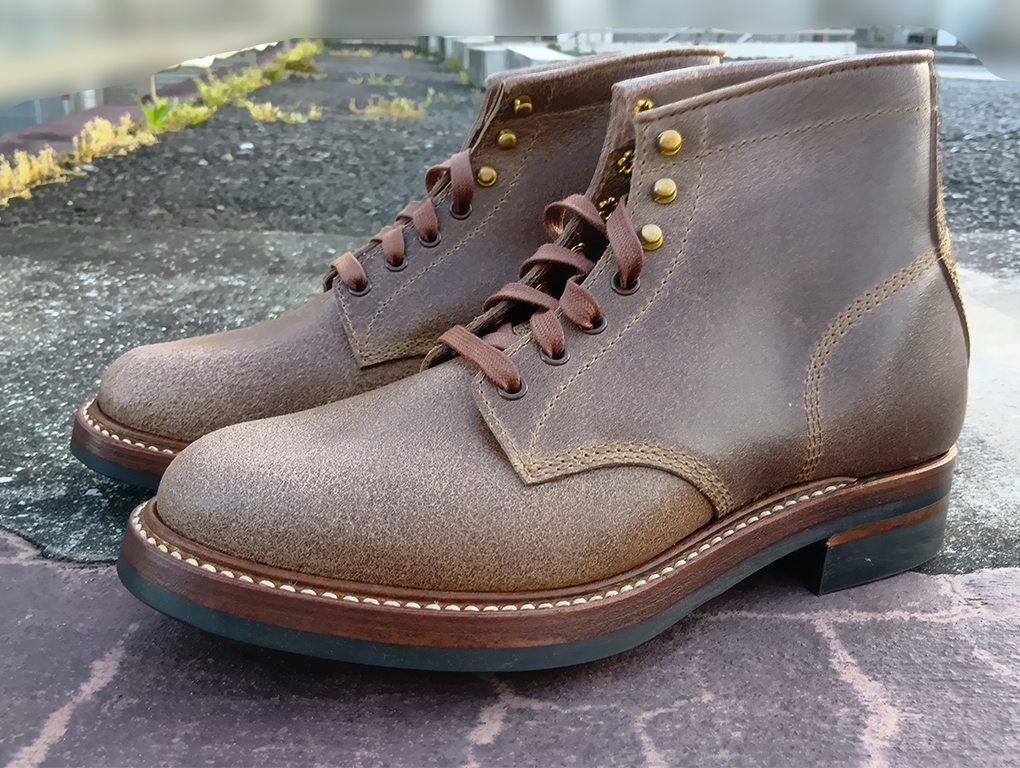
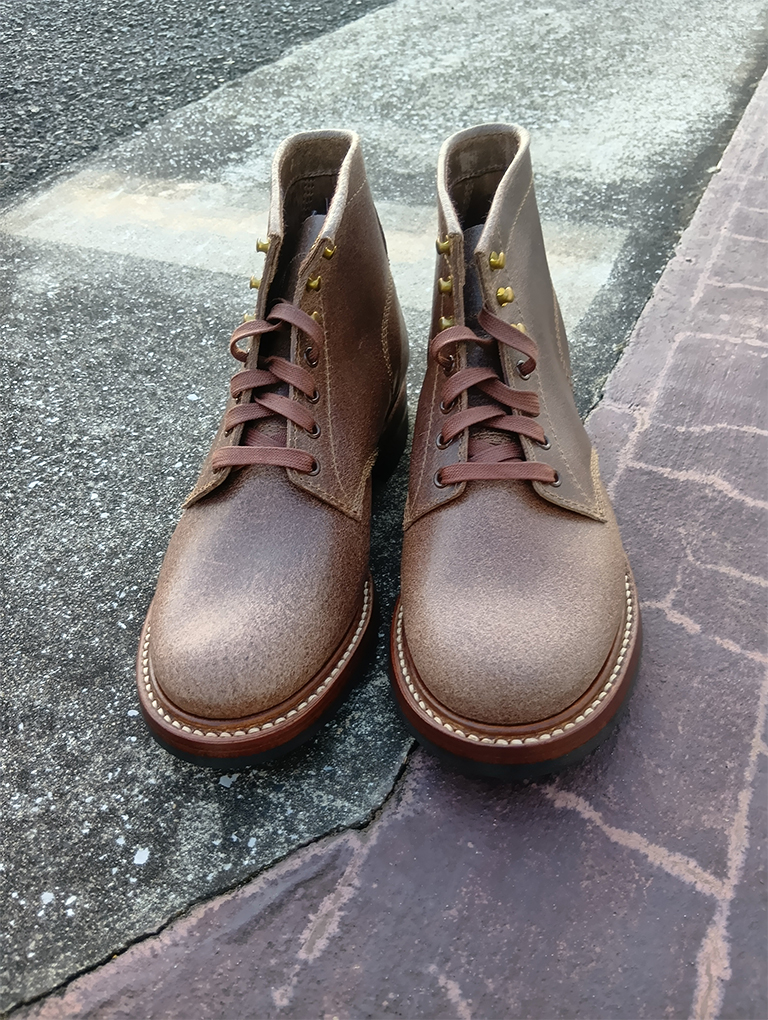
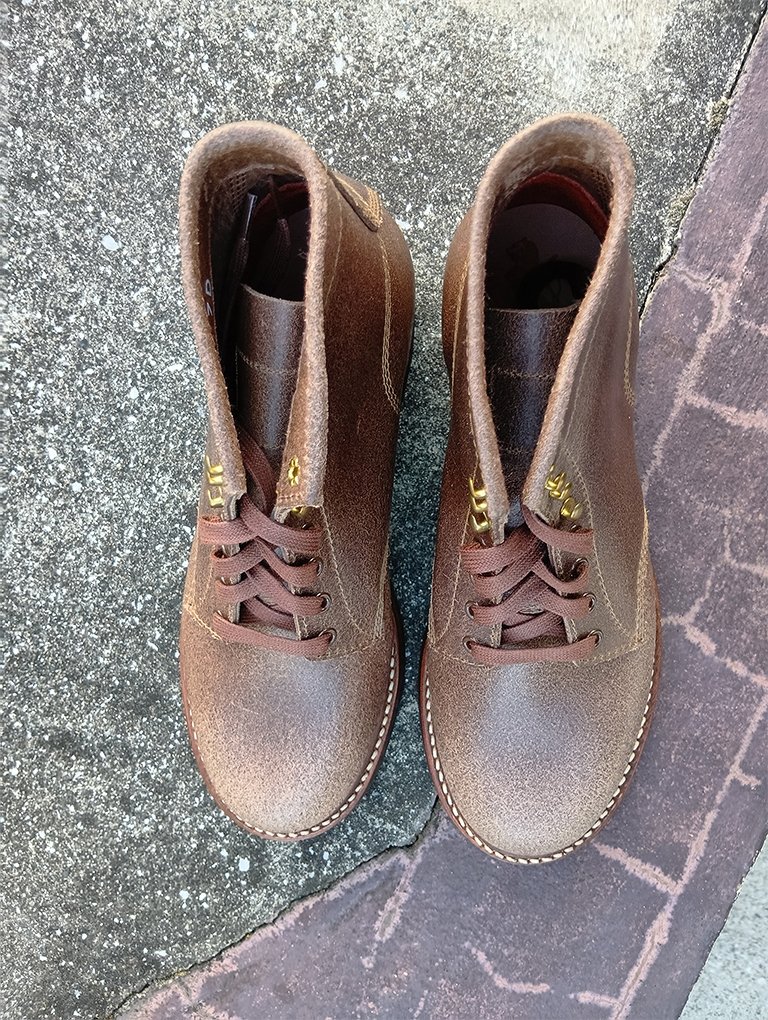

Imperial Force (A.I.F.) as a 21 year old, single Bootmaker, from Toodyay, Western Australia. Private Reginald Stamp, Service number 1539, embarked from Freemantle, Western Australia on HMAT Itonus (A50) on 22 Feb 1915. (Private Reginald Stamp embarked from England
/5
1
1
15

Women Who Rock: Berluti Master Bootmaker Paula Perier-Latour on Why Empowerment Begins With Listening trib.al/pbtIvHl
76

Jun 9
I had this misconception too but it turns out that if you actually read about anarchism you find out anarchists do believe in forms of authority it just has to be based on expertise... crazy I know
"In the matter of boots I defer to the authority of the bootmaker"

"Anarchists say authoritarianism is real, but do they not see the authoritarianism of the doctor over the patient?" No, you fucking idiot, because if they are anarchists, they are clearly pointing to a political character of "hierarchy", that is itself bound to class society.
5
113

Jun 9
Some recent photos of my boots because why not. Oak Street bootmaker. Grant Stone. TLB Mallorca. Crockett and Jones
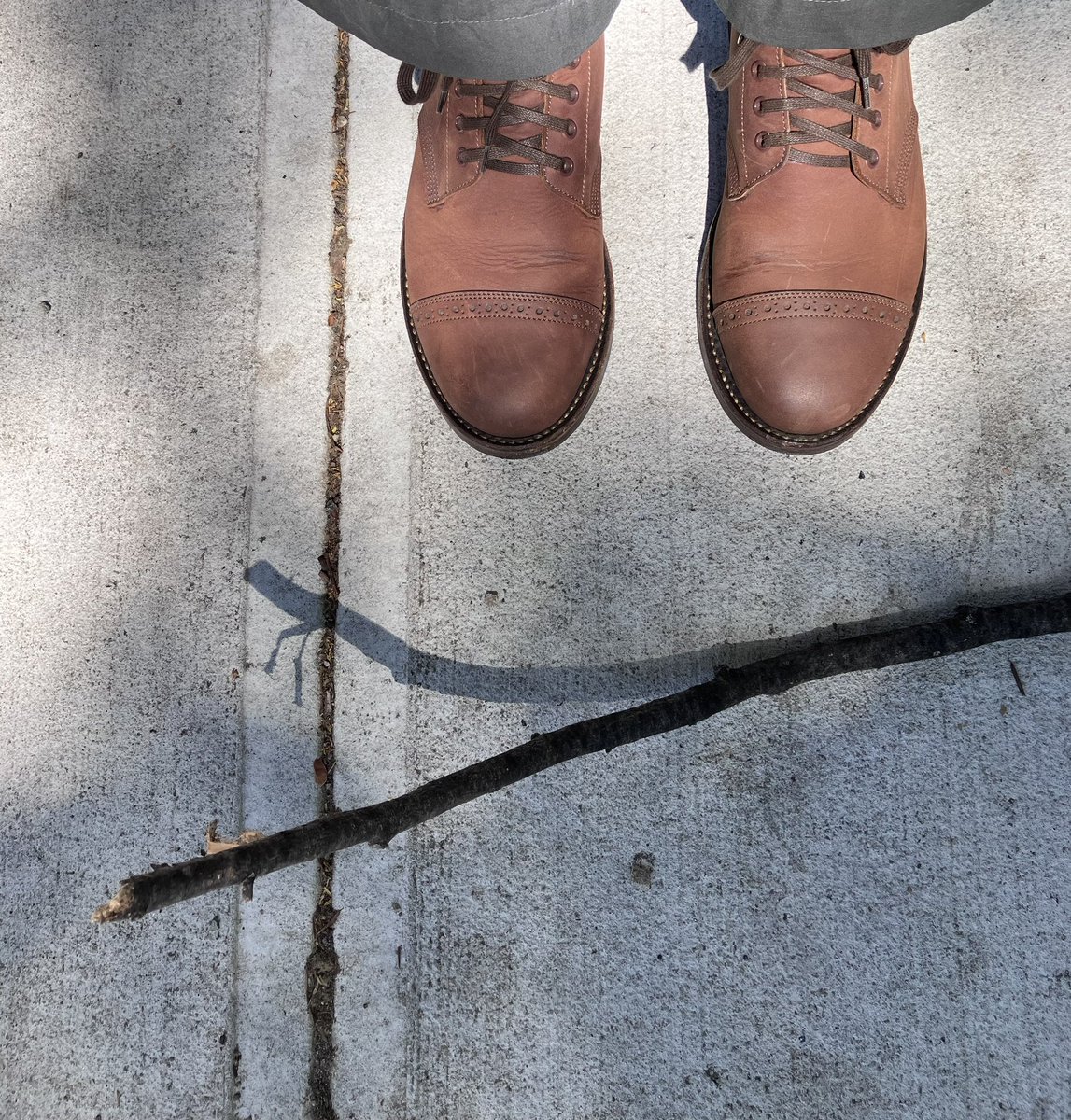
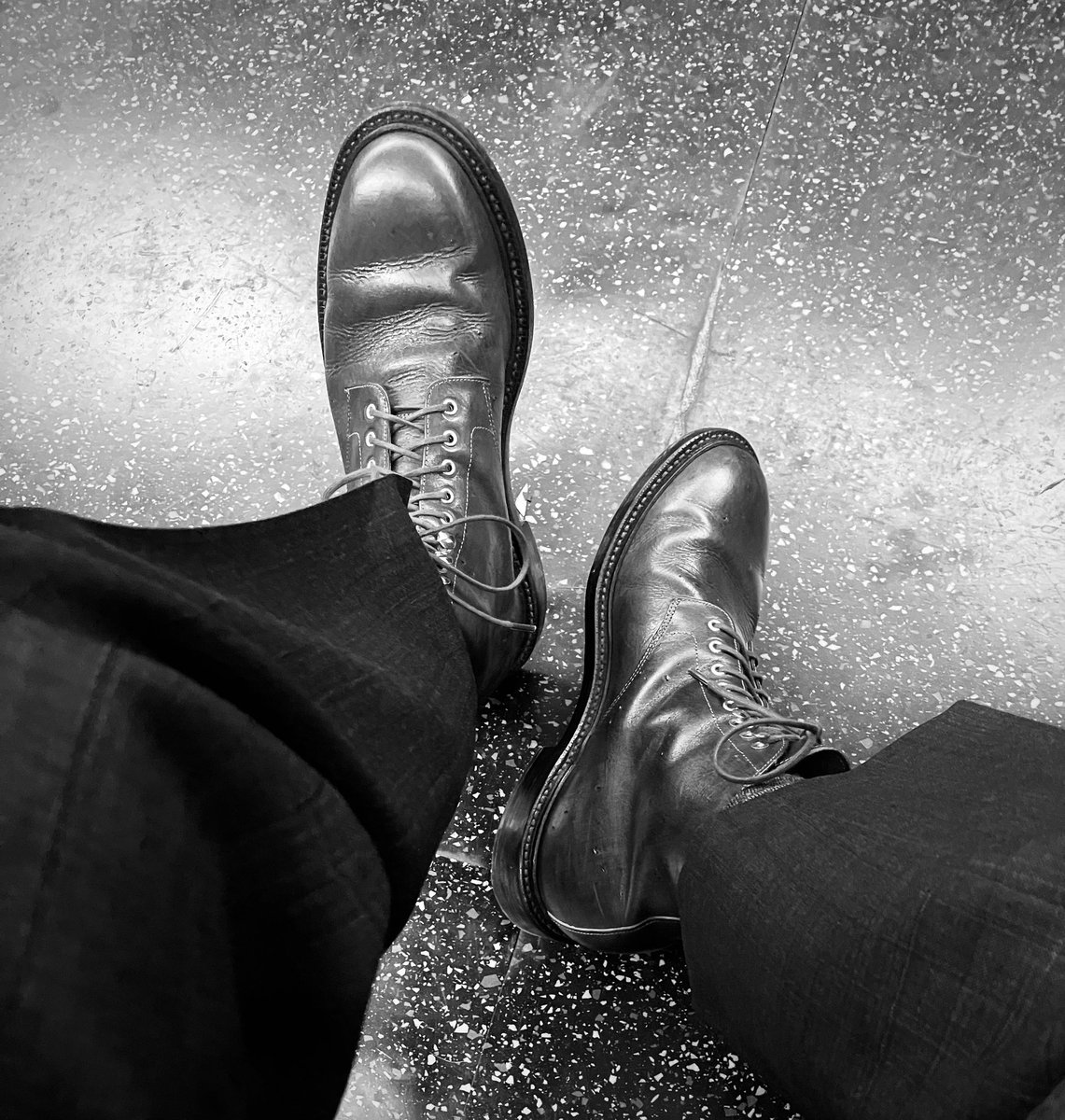
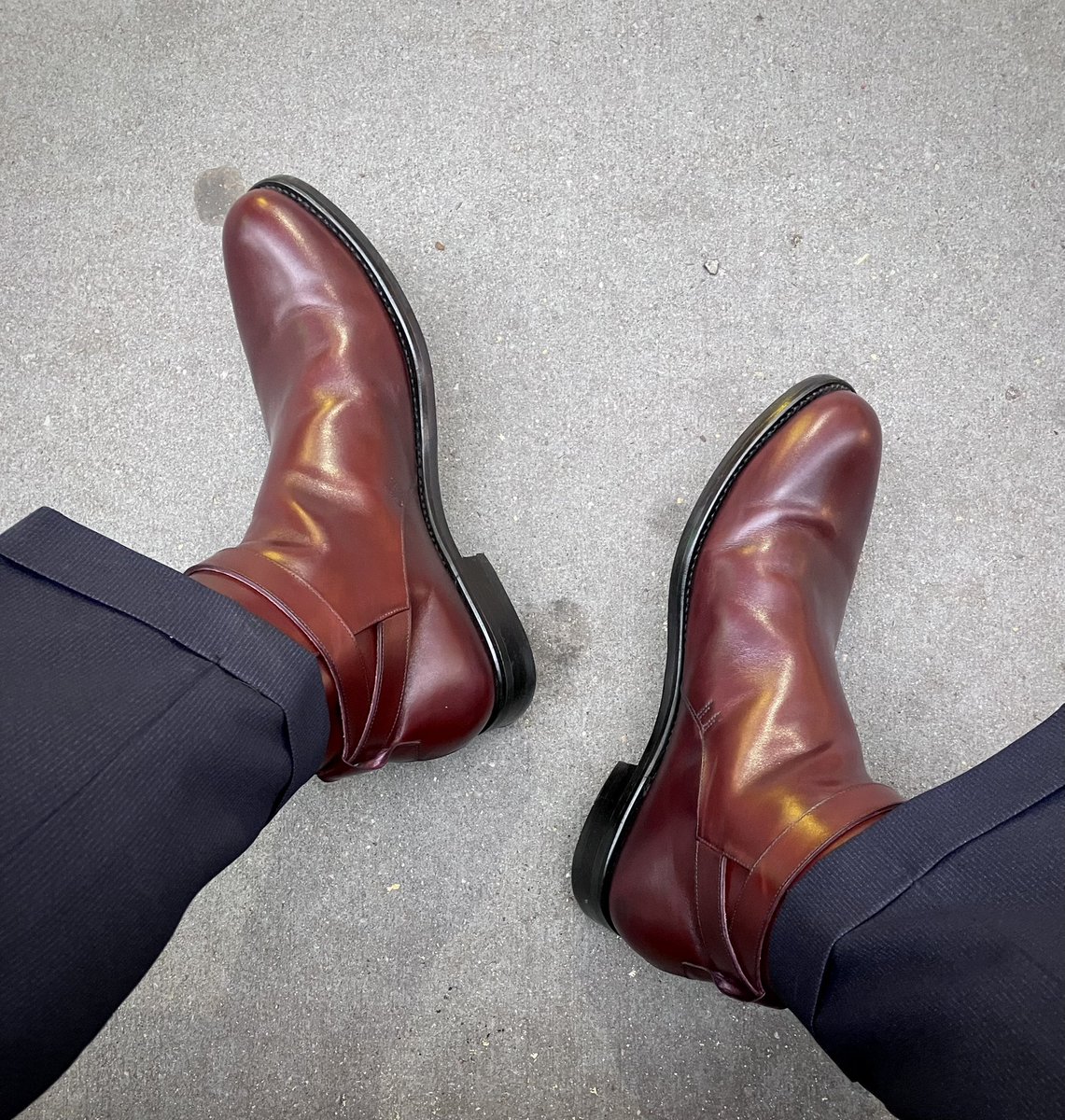
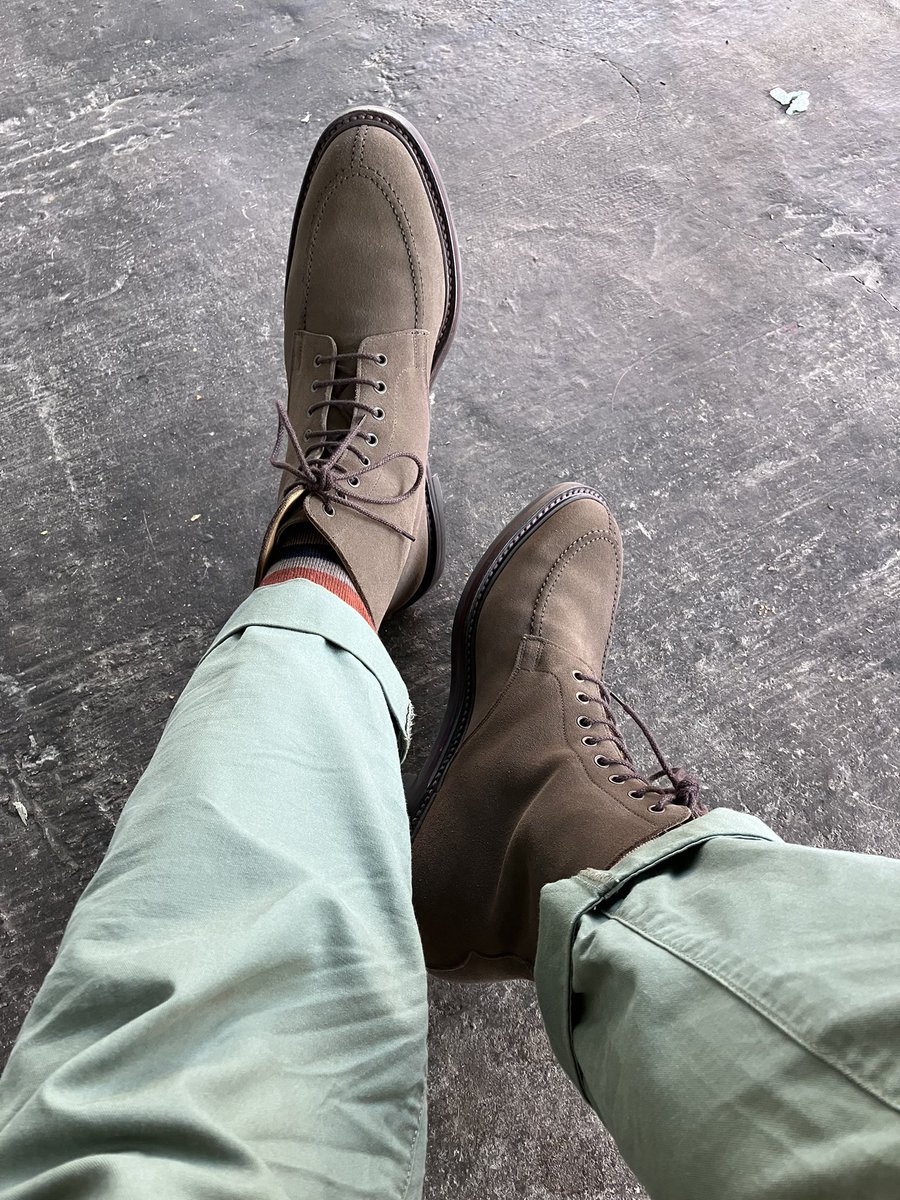
17

Fits tmrw
RRL Herringbone Pants
French Linen Shirt
Baseball cap
Roverhound vegtan leather belt
Sagara bootmaker officer shoes


79

Jun 7
🤣Reminds me of the Desantis boots. Lol. Here's what the experts said about those:
"The toe spring — a technical shoemaking term for how the toes curl up — is also much more pronounced than normal, says Ebner, suggesting to the bootmaker that DeSantis’ toes are too far back in the boot and there’s nothing inside to hold them down."
2
62
Sagara Bootmaker - Officer Shoes - Arborwax Blackrust

2
101

I did not shed years of my life at Union Pool to hear stomp clap = hipster, this is like saying Redwings is an artisnal bootmaker, like calling Ayn Rand indie lit

look, i'm not humorless so i can get behind jokes looking back on the hipster era just as much as the next girl who spent too much money at american apparel. But people have GOT to stop associating that scene with stomp clap lumineers shit. it's inaccurate!
2
34
2,979

1 or 3 June 1904 | A Polish Jew, Izrael Spirytus, was born in Radom. A bootmaker.
In #Auschwitz from 6 June 1942.
No. 37587
He perished in the camp on 26 June 1942.
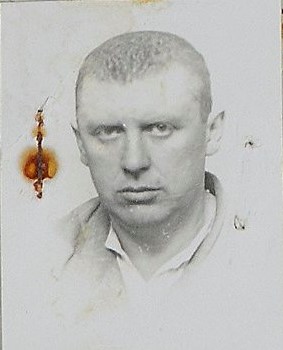
ALT Black and white passport-style photo of a man with short hair, staring directly at the camera, wearing a light-colored shirt. The image has visible damage, including stains and holes.
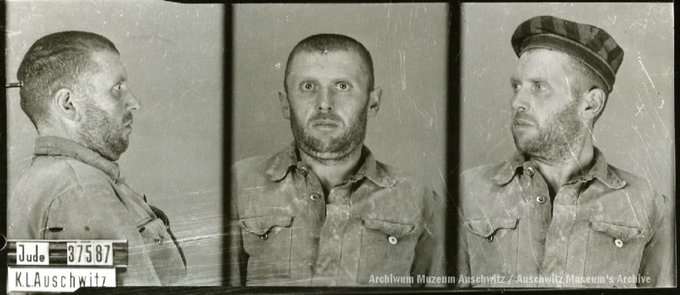
ALT A mugshot registration photograph from Auschwitz. A man with a shaved head wearing a striped uniform photographed in three positions (profile and front with bare head and a photo with a slightly turned head with a hat on). The prisoner number is visible on a marking board on the left.
20
151
965
18,771