
Jun 11
"Orion Interface"
Built with AI using #ChatGPT,Codex-stylecodingworkflows,localAItools,customautomationscripts,browsertesting,a 🚀
#vibecoding #builtwithAI #app
checkmyvibecode.com/p/orion-…
1
16

One prompt in Lovable. A full waitlist landing page, live in minutes.
The question that decides everything: does it actually work for a real user?
That's the job Kane CLI does. In this run, it:
→ Opened the published app in a real Chrome browser.
→ Typed an email and clicked Join Waitlist.
→ Confirmed the success message appeared.
→ Returned pass, with a video and a step trace.
This is what agent-native verification looks like. Your coding agent ships the feature. Kane CLI confirms it works in the browser, the way a user would see it.
Code is fast. Verification used to be slow. Not anymore.
The agent builds it.
⬇️Install Now
𝚗𝚙𝚖 𝚒𝚗𝚜𝚝𝚊𝚕𝚕 -𝚐 @𝚝𝚎𝚜𝚝𝚖𝚞𝚊𝚒/𝚔𝚊𝚗𝚎-𝚌𝚕𝚒
OR
𝚋𝚛𝚎𝚠 𝚒𝚗𝚜𝚝𝚊𝚕𝚕 𝙻𝚊𝚖𝚋𝚍𝚊𝚃𝚎𝚜𝚝/𝚔𝚊𝚗𝚎/𝚔𝚊𝚗𝚎-𝚌𝚕𝚒
#VibeCoding #AI #BrowserTesting #DevTools #Lovable #KaneCLI #TestMuAI
1
6
8
247

Jun 3
5 Top Cross-browser Testing Services tricksroad.com/2020/12/top-c… #crossbrowsertesting #browsertesting #browserling #browserstack #lambdatest #browsershots #softwaretesting
2
22
Feb 24
Browserling Cross-browser Testing Service – Complete Review topdesignmag.com/browserling… #crossbrowsertesting #webtesting #softwaretesting #testing #browser #browsers #browsertesting
1
2
10
Feb 10
Why Web Designers Should Resort to Cross-Browser Testing tech.co/news/web-designers-r… #crossbrowsertesting #browsertesting #testing #browser #browsers #browserling #web #webdev #webtesting

2
21
Jan 9
5 Top Cross-browser Testing Services tricksroad.com/2020/12/top-c… #crossbrowsertesting #browsertesting #browserling #browserstack #lambdatest #browsershots #softwaretesting
2
15

25 Nov 2025
Is there a browser testing service that supports emotional support cookies? 🍪😢 #CrumbleOn
Source: topdealsnet.com/blog/best-br…
#DevOps #WebTesting #PerformanceTesting #LeanTesting #browsertesting #browser
3
5
25
15 Nov 2025
Cross Browser Testing with Browserling toolsqa.com/browserling/cros… via @ToolsQA #browsers #chrome #firefox #safari #internetexplorer #ie #edge #desktoptesting #mobiletesting #crossbrowsertesting #browsertesting #testing #websitetesting #crossbrowser #browserling @browserling
3
36

2 Oct 2025
Why Web Designers Should Resort to Cross-Browser Testing tech.co/news/web-designers-r… #crossbrowsertesting #browsertesting #testing #browser #browsers #web #webdev #webtesting #browserling
@browserling

2
31
24 Sep 2025
Top 5 Cross-Browser Testing Tools technofaq.org/posts/2021/01/… #toptools #browsertesting #browsertest #crossbrowser #crossbrowsertest #crossbrowsertesting #browserling #smartbear #browsershots #browserstack #saucelabs #browser #browsers #pkrumins
1
3
38
18 Sep 2025
Cross-browser Test Your Web Projects with Browserling nixfaq.org/2020/12/cross-bro… #crossbrowsertesting #browsertesting #webtesting #browsertest #crossbrowsertest #web #webdev @pkrumins
1
22
10 Sep 2025
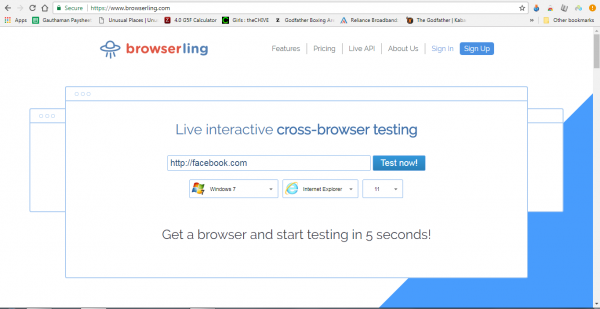
Browserling is a cross-browser online testing tool & emulator reviews.thewindowsclub.com/b… #crossbrowsertesting #browsertesting #webtesting #softwaretesting #browser #browsers #testing #browserling #webdev #web #pkrumins
2
35
10 Sep 2025
Browserling offers screenshot testing on its cloud-based cross-browser testing platform: toolsqa.com/browserling/scre… #crossbrowsertesting #browsertesting #screenshot #screenshots #toolsqa #browserling @pkrumins
2
35
9 Sep 2025
Try Cross-browser Testing! (For Free!)
catonmat.net/try-cross-brows…
#crossbrowsertesting #webtesting #softwaretesting #testing #browser #browsers #browsertesting #browserling @pkrumins
1
33
4 Sep 2025
Browserling - A Multi-purpose tool for Web Developers tricksroad.com/2016/11/brows… #webdev #webdevelopment #webdeveloper #crossbrowsertesting #webtesting #browsertesting #browser #browsers #pkrumins
3
50
8 May 2025
Who wins in the browser race: capybara on Chrome or tortoise on Ethernet? 🐢🦸
Source: devhubby.com/thread/how-to-r…
#BrowserTesting #Capybara #Coding #TestAutomation #capybara #browser

1
6
38

15 Jan 2025
Web devs, how do you test MVP compatibility? 🌟 Which browsers (Chrome, Safari, Edge) and devices (iPhone, Android, tablets, desktops) make your testing checklist? Don't forget those screen sizes!
Let’s share strategies! 🛠️📊
#buildinginpublic
#BrowserTesting #ResponsiveDesign
1
6
380

5 Jun 2024
Our latest blog, How to Scale Browser Testing with #AutomatedTesting, by Turbo Li, Sr. Customer Success Engineer, #HeadSpin, can help you select the right tools and understand how to scale your #browsertesting through #automation.
1
5
149

11 Apr 2024
Step up your #webautomation with @robotframework's #BrowserLibrary! 🌐 Dive into our podcast episode as @AaltoTatu unveils how combining #Playwright with #RobotFramework simplifies #browsertesting. 👉 testguild.com/podcast/automa… #RobotFramework #testguildpodcast
1
2
182

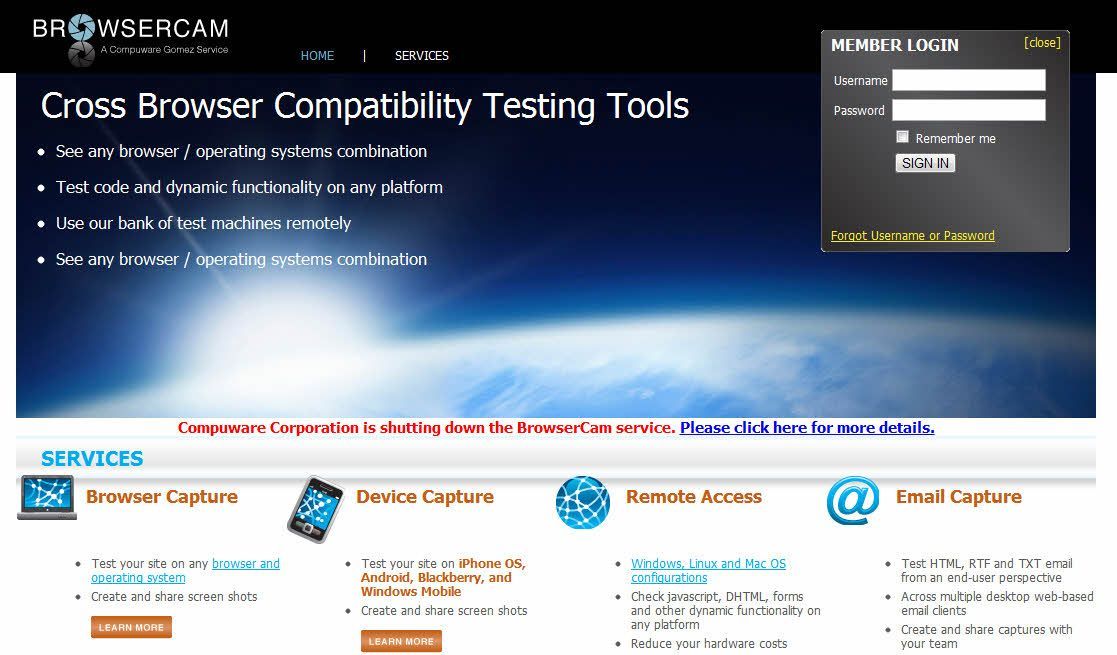
#ThrowbackThursday the very first Testing Tool added to our directory was...BrowserCam! Unfortunately BrowserCam is no longer around and closed in 2013, anyone remember using it? buff.ly/46ya2xs #BrowserCam #browsertesting
5
28