Filter
Exclude
Time range
-
Near
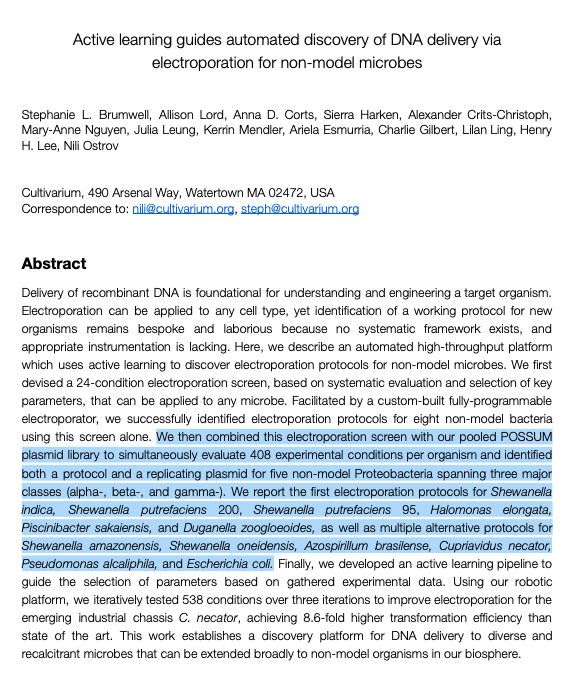
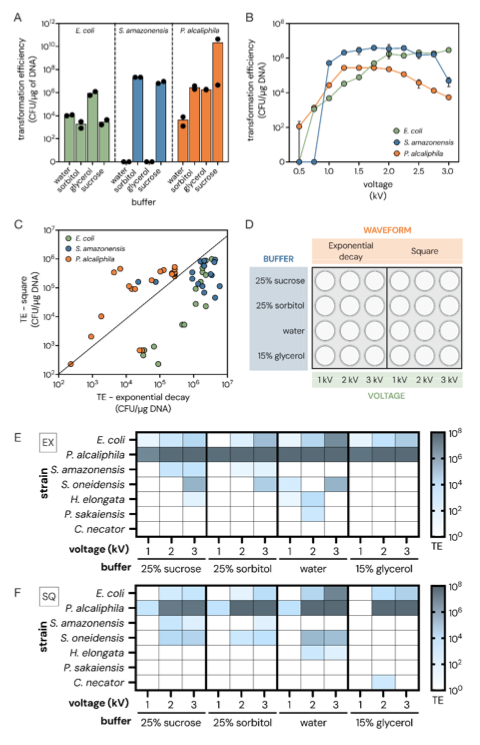
There are many fundamental bottlenecks that slow biology research down. Many of them are so basic that we rarely talk about them. One example is DNA delivery. Even if we can build a gene circuit, for example, we often can't get it into MOST organisms! For a recent preprint, Cultivarium (a FRO I've written about previously) built a custom electroporation robot that can explore many parameters to figure out which settings are best suited for transforming various types of cells. Electroporation is a technique wherein cells are literally shocked with electricity. This pulse of electricity punches holes in the cell membrane, thus allowing nearby DNA to float inside. One major benefit of electroporation is that it can be used on LOTS of different types of organisms, from bacteria to archaea and eukaryotes. The robot that Cultivarium made can test wash buffers, plasmids, organisms, voltages, and much more to find settings that actually work for a given new, non-model microbe. And using this custom device, they "report the first electroporation protocols...for eight non-model bacteria." Here are some things I learned that were surprising: > "The wash buffer used to prepare cells for electroporation had a significant effect on [transformation efficiency.]" Sometimes, remarkably so; "for each strain, one buffer showed at least 100-fold higher [transformation efficiencies] over other tested buffers." > The voltage applied to the cells is also super important. "Voltages greater than 1 kV had a variable effect, resulting in up to 1000-fold improvement in some species." > After finding settings that are *good enough* to transform a particular microbe, these researchers integrated an active learning pipeline to "iteratively improve...conditions to drive toward optimal parameters..." Using their robot, they tested 538 conditions over three cycles of experiments to improve the transformation protocol for a non-model microbe, called Cupriavidus necator. They were very quickly able to increase the transformation efficiency by 8.6-fold, just by tweaking wash buffers and voltages and other parameters! Anyway, I love these efforts to improve super fundamental aspects of biology research. They are highly underrated, and hopefully we'll soon see similar efforts for: - Making proteins much cheaper to produce in small volumes. - Cloning times - Predictive models for whether or not a given protein will be expressed in a given organism. (In the image below, you can see how different settings massively impact transformation efficiencies. There is also a plate layout at the bottom, showing how multiple celltypes were electroporated at various voltages and in different buffers.)
7
45
230
15,275
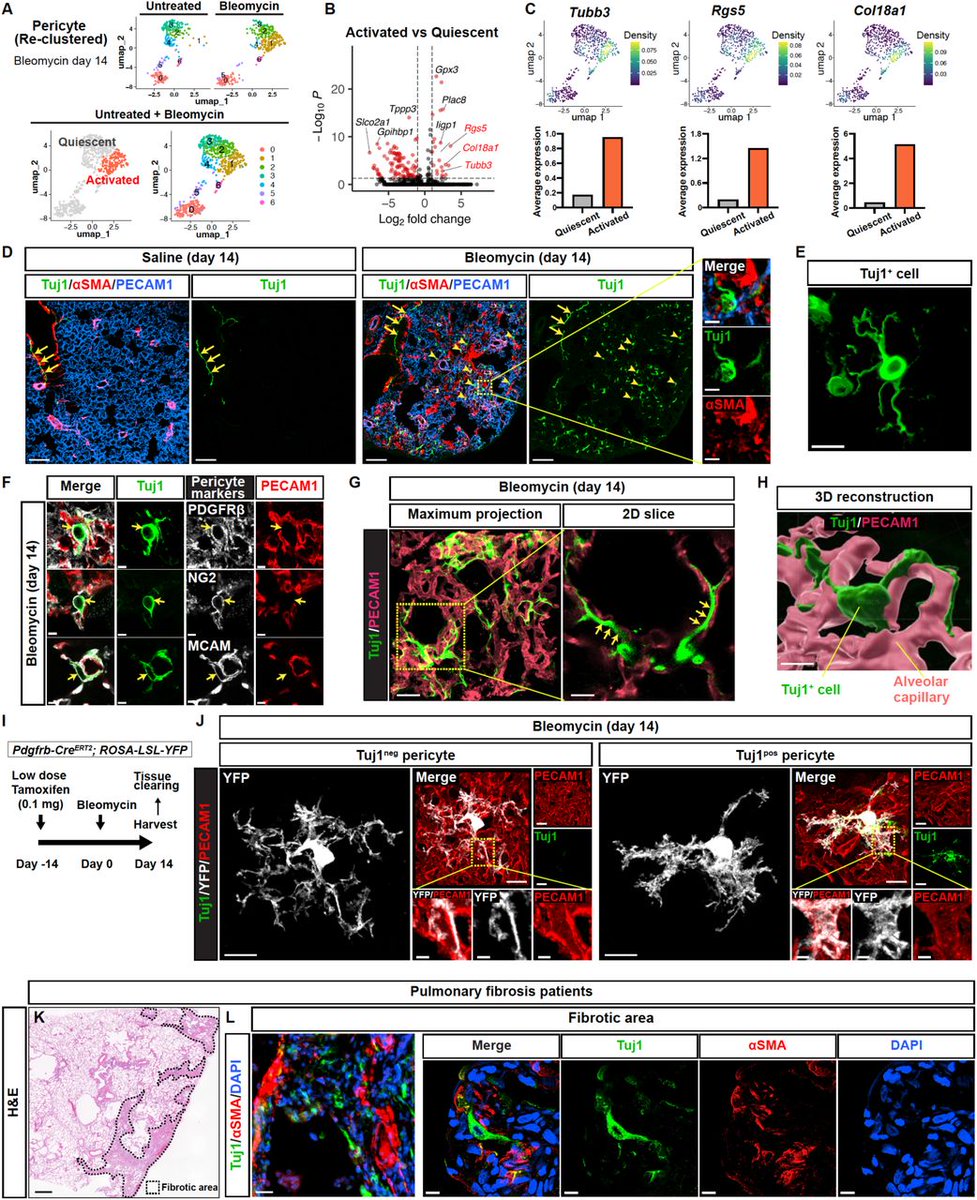
Some cool new preprints on @ResearchHub this week with a focus on cellular reprogramming, plasticity, and genetic engineering. Also, with a focus on different celltypes including neurons, microglia, pericytes etc! Check them out - and if you're an expert in any of these areas, write a review and earn $150 👇
2
19
102
6,891
Modern life has a puzzling “vanishing physiognomies” problem — some Types of Guy (and Girl) just aren’t around anymore. It’s too quick a shift to be genetic. But it could be hormonal I kind of suspect “more autism in the water supply.”@crimkadid was reviewing demographics of arm-wrestling championships and it’s about what you’d expect in the ex-soviet block; the young (~30yo) dominate. But there’s been a strange half-standard-deviation drop in grip strength in the West within that cohort; the top arm-wrestlers here are surprisingly old, from the cohort just prior to the autism epidemic (~45yo) Uriah’s take: “I might start repeating something like this as a mantra: the most important thing in the world no one knows is that children born after the onset of the autism epidemic are mentally and (the focus of these tweets) physically fucked up.” He went on to note that autopsy studies show autistic brains literally have more neurons; 67% in the case of one study. His conclusion is that *autism is a growth disorder* where one grows much more of certain celltypes than normal. And that basically everyone born since 1980 in the West has at least a touch of this growth disorder x.com/crimkadid/status/13125… This was the starting point for my piece Autism as a Disorder of Dimensionality. I suggested this implies modern nervous systems are “overparametrized” — cram more neurons & synapses into a nervous system than it’s evolved for, and you get a really interesting bundle of upsides *and* downsides that match the physiological drift we’ve seen from the Millenials onward. Basically, if we take a 70B sparse pre-trained model and cram 120B parameters into it (the normie:autist ratio of neurons; # of synapses shows an even larger difference), that system is going to be way more flexible / capable of learning new things *and* lots of things will also break A lot of this will show up in how people move, feel, and think. In the case of arm wrestling, thicker nervous systems may lead to weaker muscle coherence. In aggregate, it’s going to change politics & trends. It may also simply remove certain ‘Types of Guy/Girl’ from the physiognomy pool. The Ray Peat crowd thinks of estrogen as both a stress hormone released during stress/injuries and a hormone that drives uncontrolled growth. There are a lot of new environmental insults since 1980 that undoubtedly spike estrogen during critical developmental windows; it’s possible the autism epidemic is as simple as “give babies 70 vaccinations, this spikes “uncontrolled growth” during critical windows and leads to ‘thicker’ nervous systems; some end up autistic, the majority that make it through get odd mixes of flexibility-superpowers and reliability-deficits.” The vasocomputation angle is that people with overparametrized nervous systems will start life with a lot more tension than normal, to hold themselves into a functional shape (hardware defaults are broken, gotta emulate patterns in software); over time their wiring will grow & prune into this shape (like a bonsai tree) and they might get even more benefit from releasing tension. Anyway, pictures from different eras definitely have different physiognomies. I wonder if a very large lever here is patterns of estrogen spikes during infancy. And what the physiognomies of the future will be.

17 May 2025
Non-stop losing my mind over this video. I know they're actors but I don't think they are *that* good. I don't recall anyone being this light, this unselfconscious. I've been around dancers now (not actors) and normies and everyone is so aware of cameras. I feel smth was lost.
15
19
248
22,799
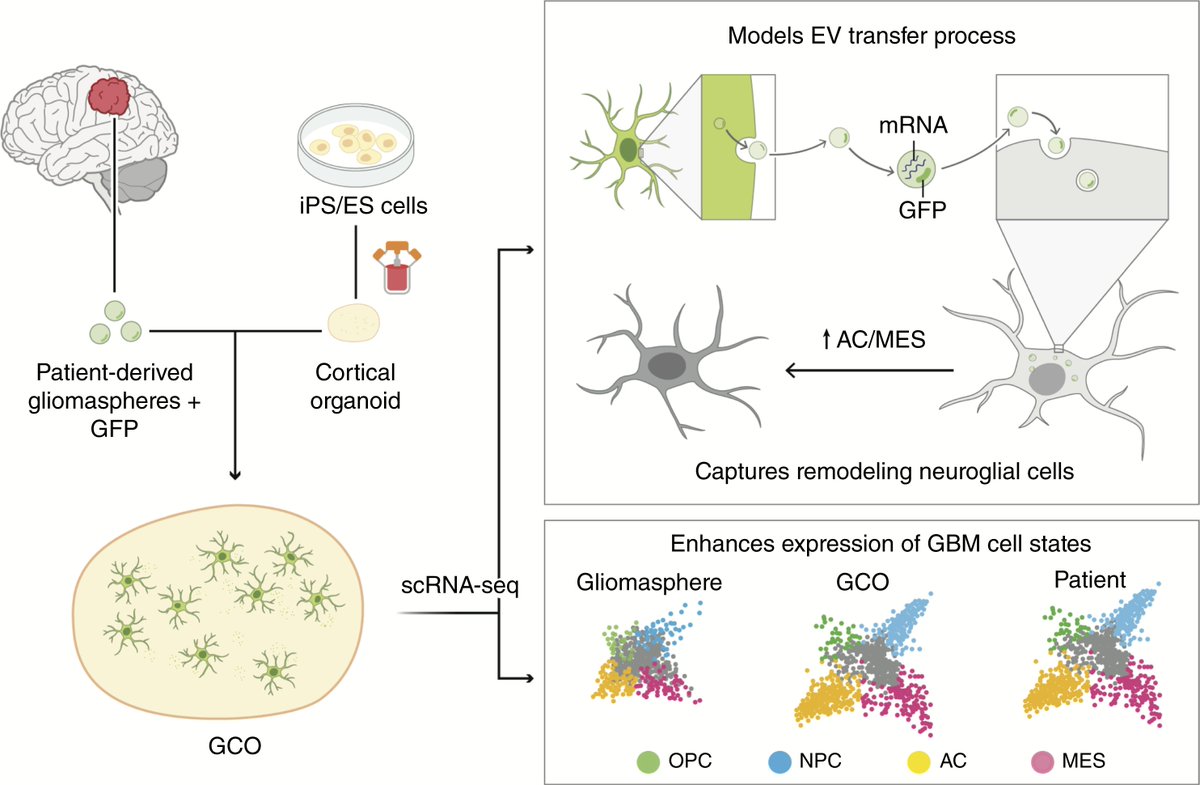
#Glioblastoma #Cortical #Organoids Recapitulate Cell-State Heterogeneity and Intercellular Transfer: long-term cultured human cortical organoids composed of major neuroglial cell types from the cerebral cortex #precisionOncology #PDO scRNAseq revealing widespread #transfer of endogenous #malignant #transcripts from malignant cells to nonmalignant cells in the organoid microenvironment - toward defined malignant #GBM cell states and #astroglia celltypes and mediated in part by #extracellularVesicles aacrjournals.org/cancerdisco…
1
4
298
24 Jan 2025
The project has revealed there are thousands of cell types, not just ~200 as previously thought. Some of these new cell types appear to be involved in diseases like inflammatory bowel disease and cystic fibrosis. 🔍 #CellTypes #CellMapping
1
1
7
36
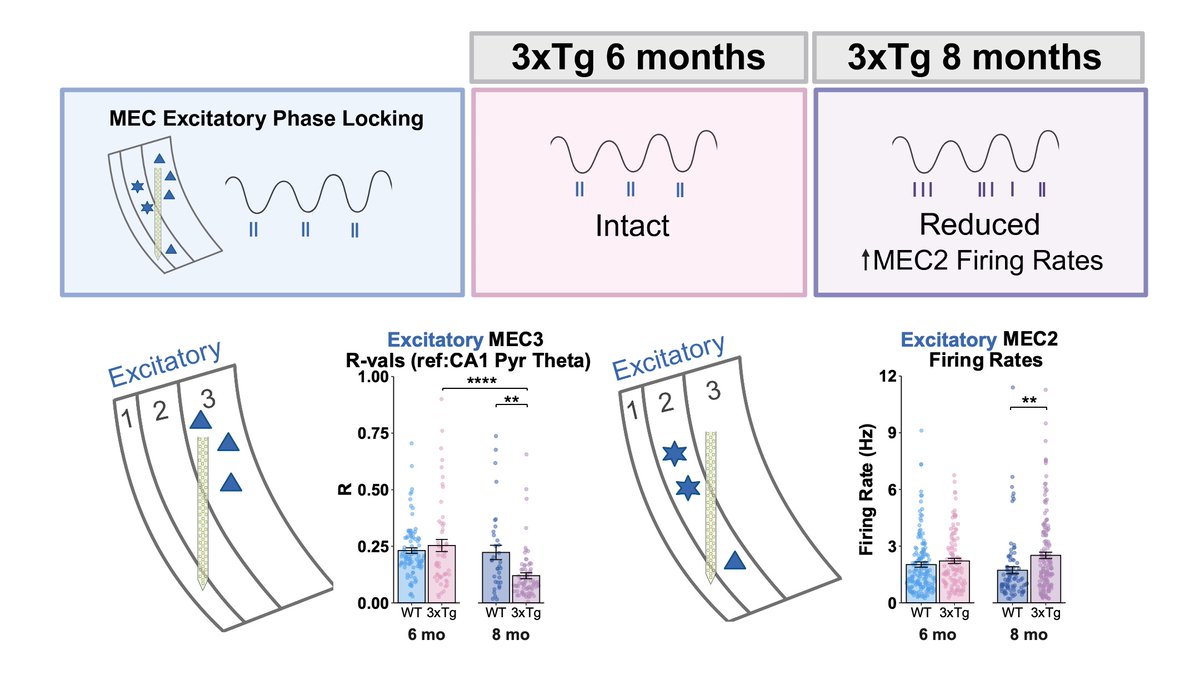
We also found disruptions in neuronal firing patterns, including: ⬇️ theta phase locking in MEC3 excitatory neurons ⬆️ firing rates in MEC2 excitatory neurons (in line w/ past work showing hyperexcitability in vitro) Read the preprint for more on other regions/celltypes! (4/6)
1
1
5
285
14 Nov 2024
Replying to @MirunaPopescu13
nice use indeed 👏😆I love D2-40, it stains a lot of celltypes 😁
2
53
Perineuronal nets should not be conflated with PV functions. (I) PNNs found on many cell types and PNNs in different celltypes have different effects on behavior & network properties (@Serenadudette preprint), ii) Record from PV INs to avoid conflation.
Perineuronal nets on CA2 pyramidal cells and parvalbumin-expressing cells differentially regulate hippocampal dependent memory biorxiv.org/cgi/content/shor… #biorxiv_neursci
2
12
2,619
Replying to @dr_andrealove
Most cancer celltypes are poor at ketolysis due to mitochrondrial dysfunction, but not all types. So, for some types of cancer a keto diet does work as other cells, even those in the brain can adapt to ketones. Your message is incomplete or inaccurate.
10
1,058
With PBMCs we know that single nuclei doesn’t capture all of the states we see in single cell (e.g. it’s much easier to identify CD4 T cells in single cell). Do we know how true this is in other tissues? I’d love to see papers on sc vs sn cell states in non-immune celltypes :)
5
4
16
2,924
Hey Tom , the group of Rik van der Kant at the U of Amsterdam just published their first paper on the NeuroLipid Atlas to study the consequences of apoE4 carriership for different celltypes in human brain ..findings are spectacular ; both microglial cells and astrocytes of apoE4
4
17
7,073
Unveiling the intricate dance of genes in time and space! This study explores how temporal chromatin remodeling orchestrates neural diversity in the developing spinal cord 🧬🧠. Important to our question (#amimalorigins) too, because we need to know more about the potential alternative ways that animals use to generate different cell type across space and time. Congrats @briscoejames @joadelas et al. !#Neuroscience #Genetics #multicellularity #celltypes
Our latest: The cis regulatory logic of temporal & spatial patterning of the vertebrate neural tube Thread from @joadelas biorxiv.org/content/10.1101/…
1
6
2,100
@mathieuthab 👍🏻 Enjoy the state-of-the-art science enabled by next-generation tools & valuable open science resources in great company! Thanks very much @AllenInstitute for the exciting opportunity! #cellTypes #systemsneuroscience #OpenScience #BrainScience #TeamScience #youngPI
🧠🗣️ Today is the first day of the « Describe your neurons like the Allen Institute » workshop. Thank you @AllenInstitute for making this possible! @lindaktna @Pharmabiotic @AnatNeuroUCC @UCCResearch
3
116
so distance in itself is meaningless, but then why do different celltypes cluster together? there must be some structure in the data that is preserved in the UMAP plots, right? Does cell density in UMAP convey biological meaning? I remember denseMAP but I never really used it
2
3
855
Replying to @vitaliikl
Hi Vitalii, the model is unsupervised wrt to celltypes for many reasons to avoid biases that it could induce, those niches could still exist with one dominant cell-type but I feel people can do that posthoc
1
1
118