12 Nov 2025
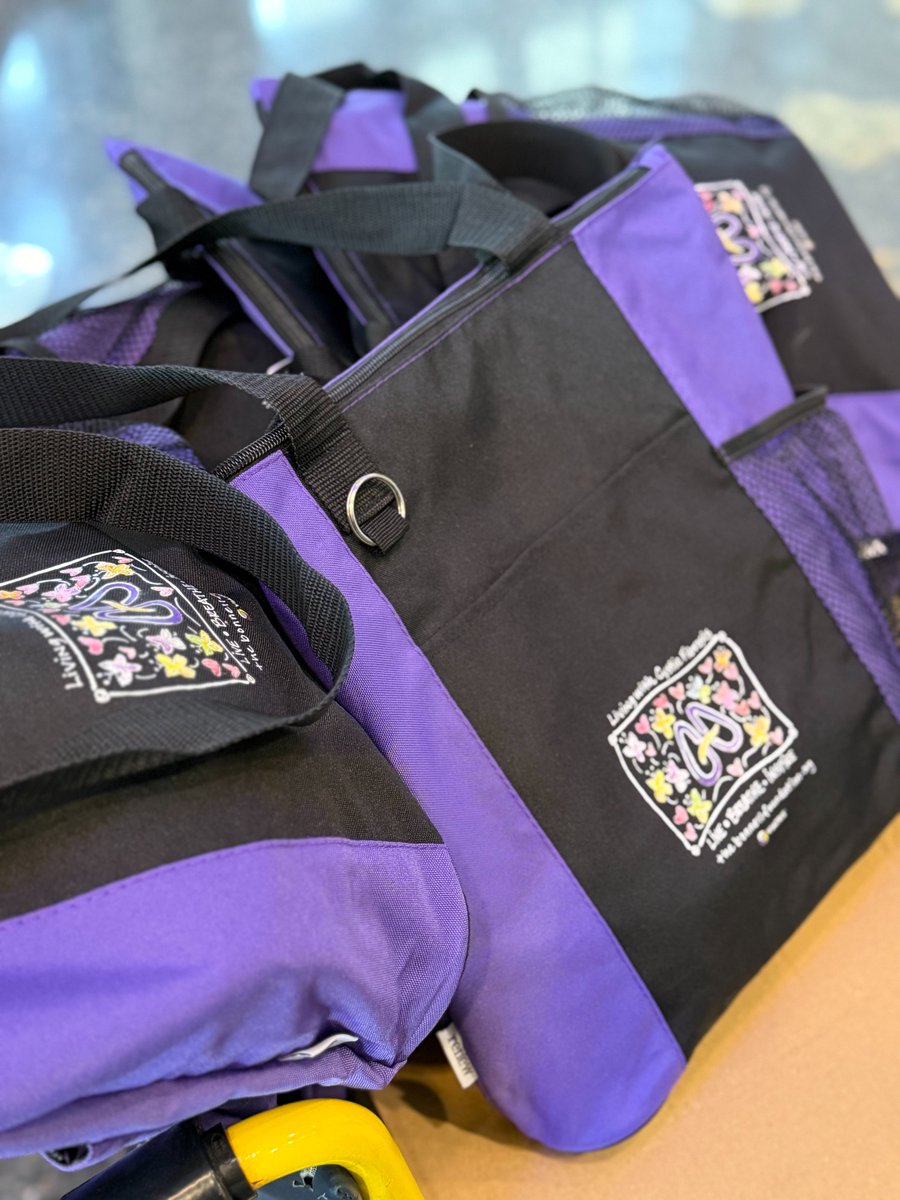
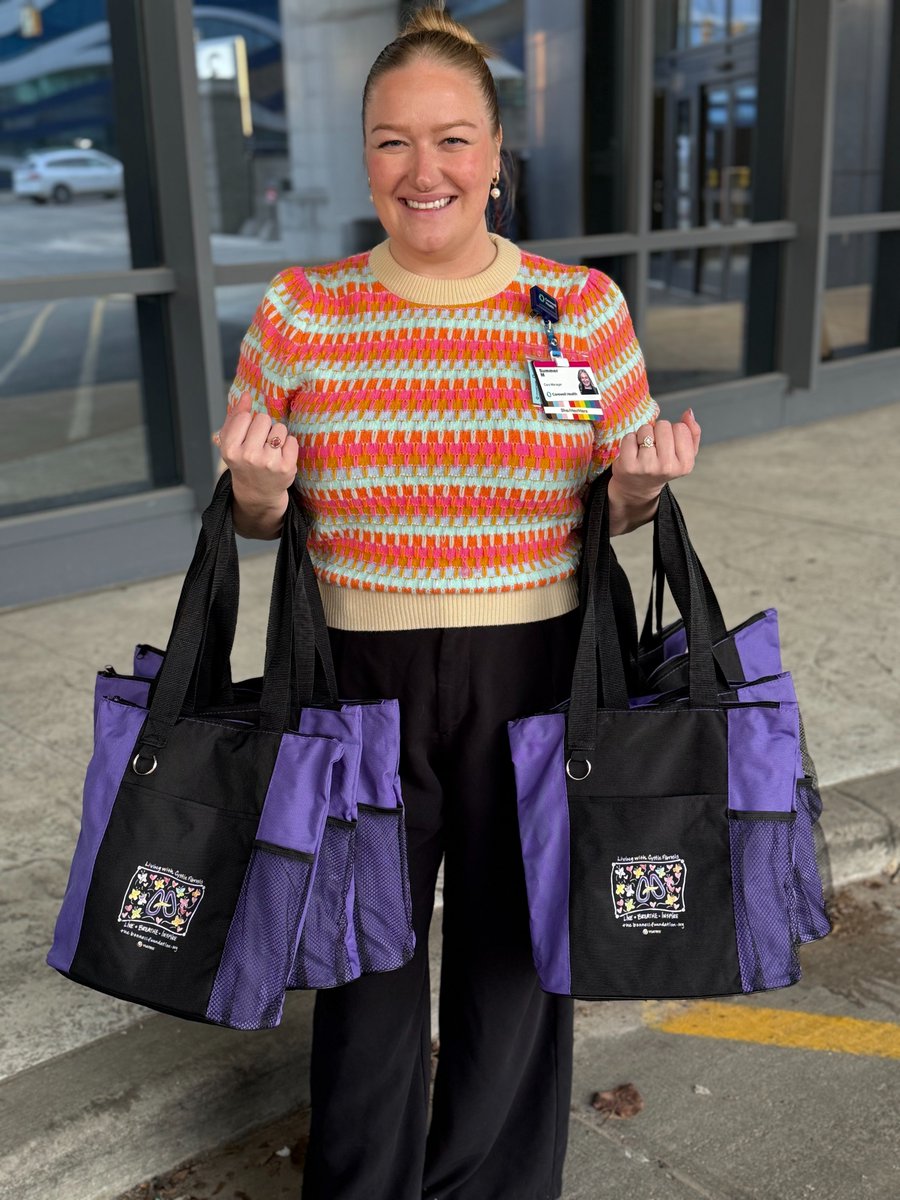
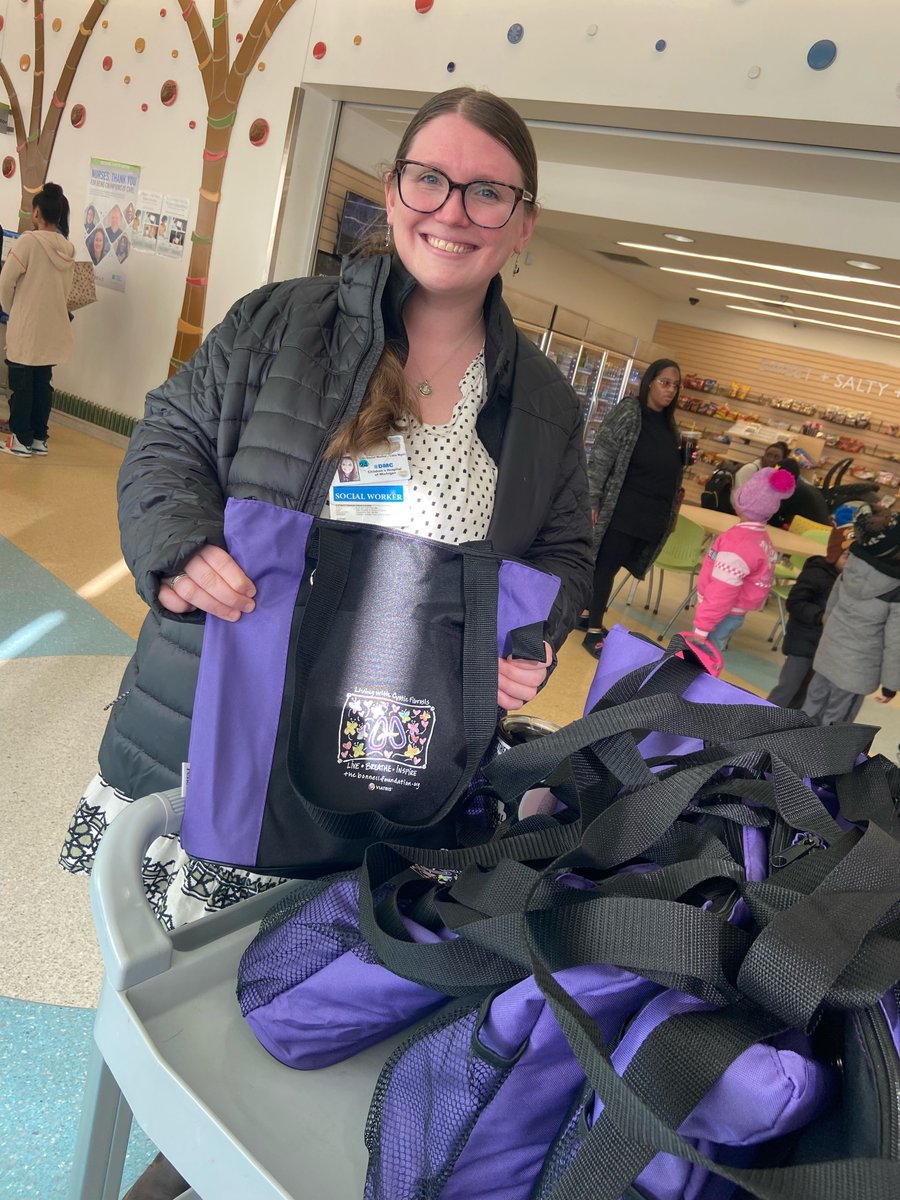
Big news from The Bonnell Foundation! Since launching our Hospital Bag Program in March 2024, we’ve surpassed all expectations, shipping 500 beautifully curated bags to cystic fibrosis (CF) clinics across the country.
So far, our bags have reached families and patients in:
Michigan, Minnesota, California, Kentucky, Texas, Arizona, Pennsylvania, South Carolina, Alaska, Massachusetts, New York, Nebraska, Florida, Louisiana, Vermont, Kansas, Illinois, and Connecticut.
These comfort bags bring care and hope to parents whose children are hospitalized and to adults with CF spending time in the hospital. Included in the bags are coffee mugs, gift cards, phone chargers, journals, stationery, dry hair shampoo, toothbrushes, and toothpaste (and more).
If you’re a social worker, we’d love to hear from you. Email The Bonnell Foundation to request Hospital Bags for your CF patients. A huge thanks to our generous sponsor @ViatrisInc for making this possible!!!
#CysticFibrosis #CFCommunity #HospitalBagProgram #TheBonnellFoundation #CFStrong #RareDisease #Gratitude #Viatris #CFSupport
2
114

10 Nov 2025
Salt & CF: bit.ly/482ZCKi
People with cystic fibrosis lose more salt through sweat than most, making balance a daily priority.
#CysticFibrosis #Bionews #CysticFibrosisNewsToday #CFLife #CFCommunity #CFWellness #SaltWithCF#ElectrolyteHealth #CFNutrition #CFSupport
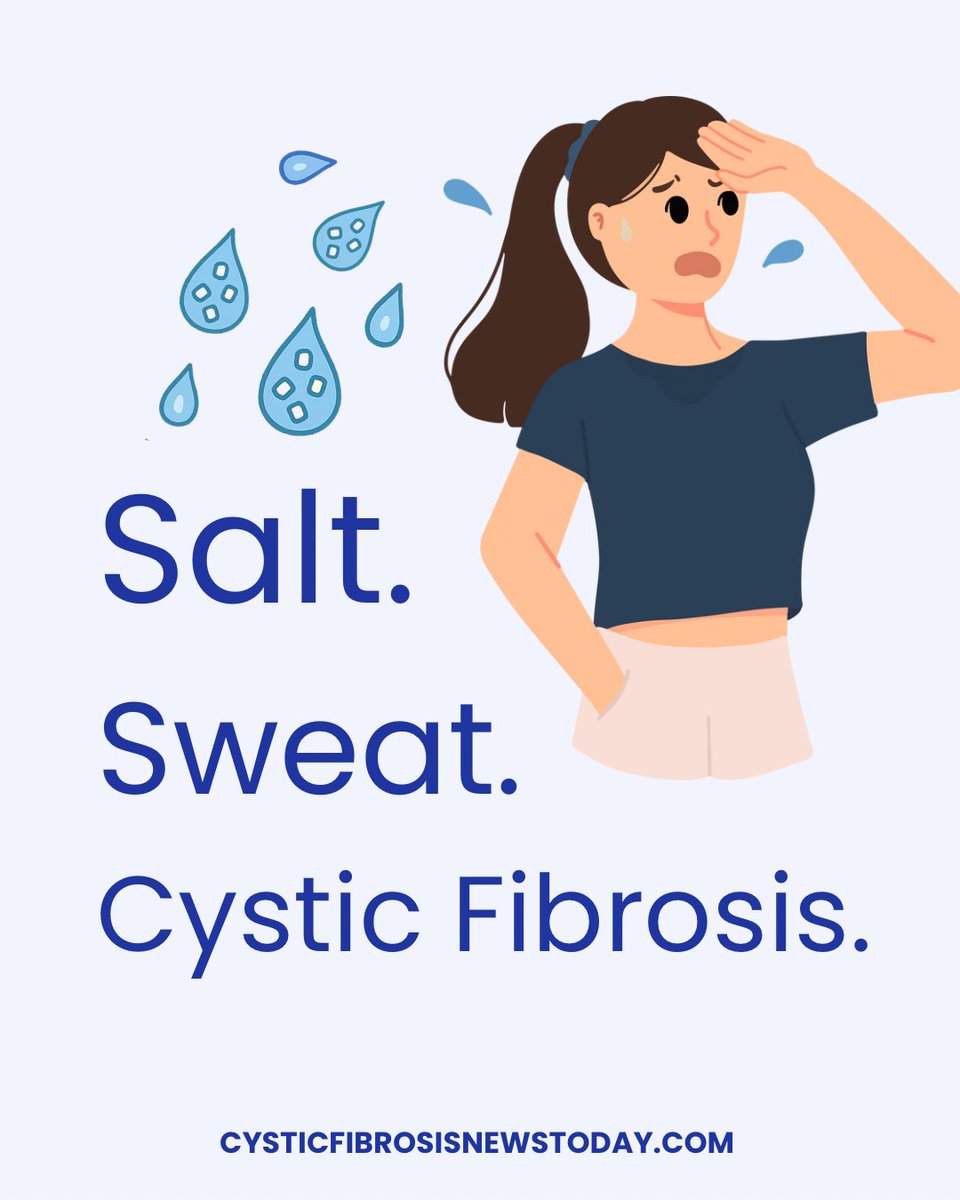
ALT A worried woman wiping sweat, with water droplets and text: "Salt. Sweat. Cystic Fibrosis." Website: CysticFibrosisNewsToday.com.
3
143

18 Aug 2025
🏕️🔥 Campfire’s lit! 👻 @PhatomRoy7 is wrapping up DK Bananza w/ chaos & stories galore. Hang in chat & earn 2 marshmallows 🍫✨ Join the ghostly summer camp fun: twitch.tv/phantomroy7 🌲🌌 #cfsupport
1
150

21 Jan 2025
Cystic Fibrosis: A Comprehensive Overview of Causes, Symptoms, and Management
What is Cystic Fibrosis?
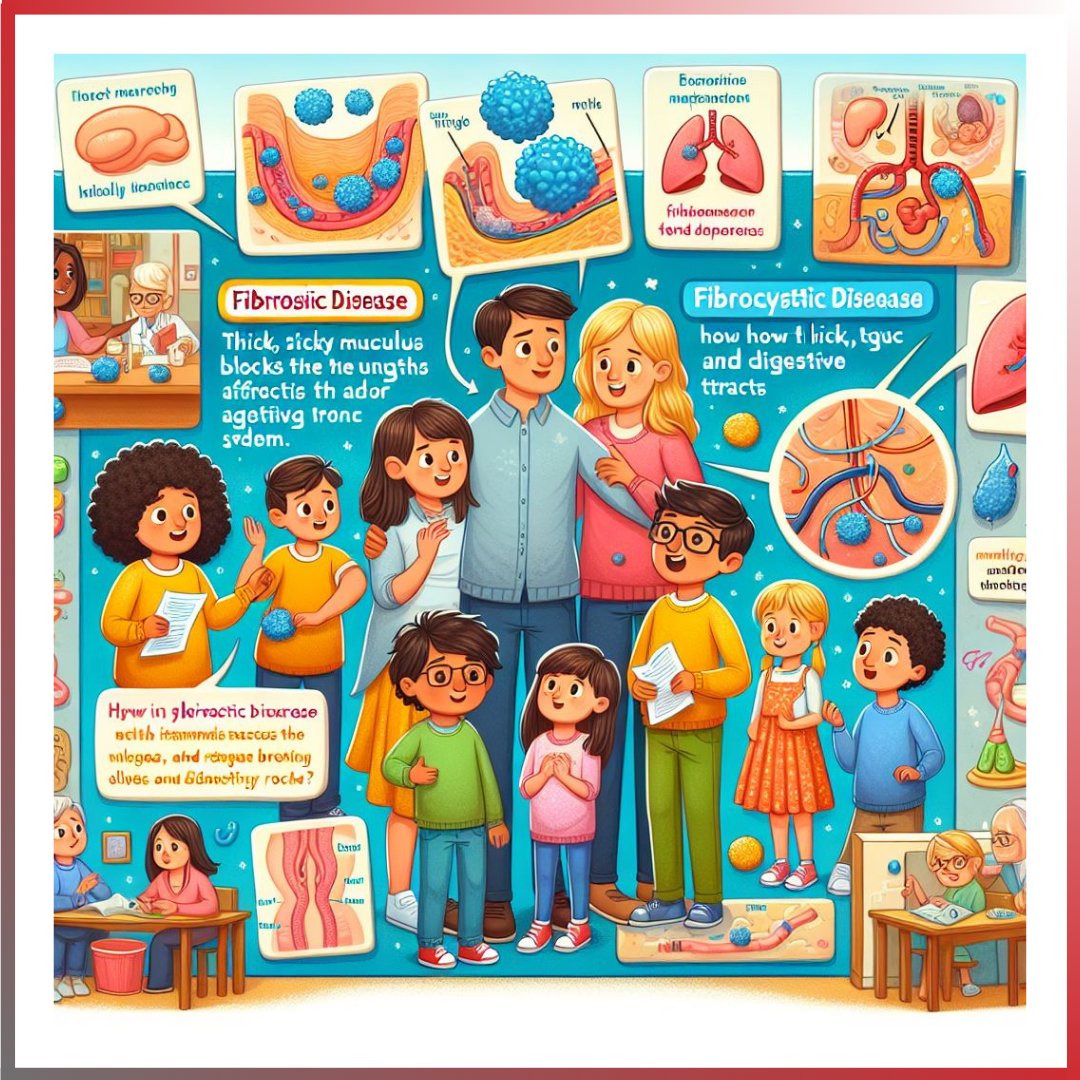
Cystic fibrosis is a rare genetic disorder that affects cells responsible for producing mucus, sweat, and digestive juices. It causes these fluids to become thick and sticky instead of thin and slippery, leading to blockages in vital organs such as the lungs and digestive system.
Cause of Cystic Fibrosis
Cystic fibrosis is caused by a mutation in the CFTR gene (Cystic Fibrosis Transmembrane Conductance Regulator), which regulates the movement of salt and water in and out of cells. The mutation disrupts normal mucus production, causing it to accumulate and harden in vital organs.
---------------------
How is it Inherited?
- The disorder is inherited in an autosomal recessive manner, meaning a person must inherit a defective gene from both parents to develop the condition.
- If a child inherits only one defective gene, they become a carrier without showing symptoms.
Common Symptoms of Cystic Fibrosis
Symptoms vary depending on the severity of the disease but generally include:
1. Respiratory Symptoms:
- Persistent cough with thick mucus.
- Shortness of breath and difficulty breathing.
- Frequent lung infections, such as pneumonia.
- Wheezing or noisy breathing.
2. Digestive Symptoms:
- Difficulty digesting and absorbing food, especially fats and proteins.
- Greasy and foul-smelling stools.
- Poor weight gain despite a good appetite.
- Intestinal blockages, especially in newborns.
3. Other Symptoms:
- Infertility in males due to blocked reproductive ducts.
- Delayed growth in children.
- Salty-tasting skin or dehydration.
---------------------
Complications of Cystic Fibrosis
Without appropriate care, cystic fibrosis can lead to:
1. Chronic Lung Damage: Due to repeated infections.
2. Liver Issues: Caused by blockages in bile ducts.
3. Cystic Fibrosis-Related Diabetes: Resulting from pancreatic damage.
4. Digestive Problems: Such as malnutrition or intestinal obstructions.
---------------------
Early Diagnosis
Early diagnosis is crucial to improving quality of life. Diagnostic methods include:
Genetic Testing: To detect CFTR mutations.
Sweat Test: Measures salt levels in sweat, which are higher in people with cystic fibrosis.
Imaging Tests: To evaluate lung health.
Digestive Function Tests: To assess nutrient absorption.
---------------------
Treatment and Management
While there is no cure for cystic fibrosis, treatments can help manage symptoms and prevent complications:
1. Medications:
Bronchodilators: To improve airflow to the lungs.
Antibiotics: To treat and prevent infections.
Mucolytics: To thin mucus and ease breathing.
Digestive Enzyme Supplements: To enhance nutrient absorption.
2. Pulmonary Therapy:
Breathing exercises and mucus-clearing techniques.
Use of devices to improve lung function.
3. Specialized Diet:
High-calorie meals with healthy fats.
Vitamin supplements, particularly A, D, E, and K, to address nutritional deficiencies.
4. Lung Transplant:
For severe cases, lung transplantation may be an option when respiratory failure occurs.
---------------------
Prevention and Risk Reduction
While direct prevention of cystic fibrosis is impossible due to its genetic nature, certain measures can reduce its impact and prevent complications:
1. Genetic Testing: For couples with a family history of the disorder who are planning to have children.
2. Routine Medical Care: To monitor and treat infections early.
3. Healthy Environment: Avoid smoking, pollution, or other respiratory irritants.
---------------------
The Role of Community Awareness
Cystic fibrosis requires strong community support. Awareness campaigns can:
- Promote understanding of the disease and its effects.
- Encourage early testing and treatment.
- Provide psychological and social support to patients and their families.
---------------------
Conclusion
Despite the challenges posed by cystic fibrosis, early diagnosis, advanced treatments, and consistent medical care significantly improve the quality of life for those affected. Ongoing research continues to bring hope for a definitive cure for this rare genetic condition.
#CysticFibrosis #GeneticDisorders #HealthAwareness #RareDiseases #LungHealth #DigestiveHealth #CFSupport #BreatheEasier #CFCommunity #MedicalResearch #EarlyDiagnosis #FightCysticFibrosis #LivingWithCF #RAITI #RAITI_Medical
---------------------
References
ncbi.nlm.nih.gov/books/NBK49…
mayoclinic.org/diseases-cond…
2
2
112
20 Sep 2024
The Night of Hope Gala is two weeks away! Check out our silent auction items: cbo.io/bidapp/index.php?slug… and please purchase tickets/or donate. We need your support! thebonnellfoundation.org/nig… #cf #cffundraiser #cfsquad #cfsupport #thebonnellfoundation @LauraTbonnell
1
2
191

5 Sep 2024
International Day of Charity
5th September 2024
"Because that's what kindness is. It's doing something for someone else, not because they can't but because you can." - Andrew Iskander
#TheLeanneFund #CysticFibrosis #cfsupport #cfawareness #cfscotland #makingadifference

2
48
19 Jul 2024
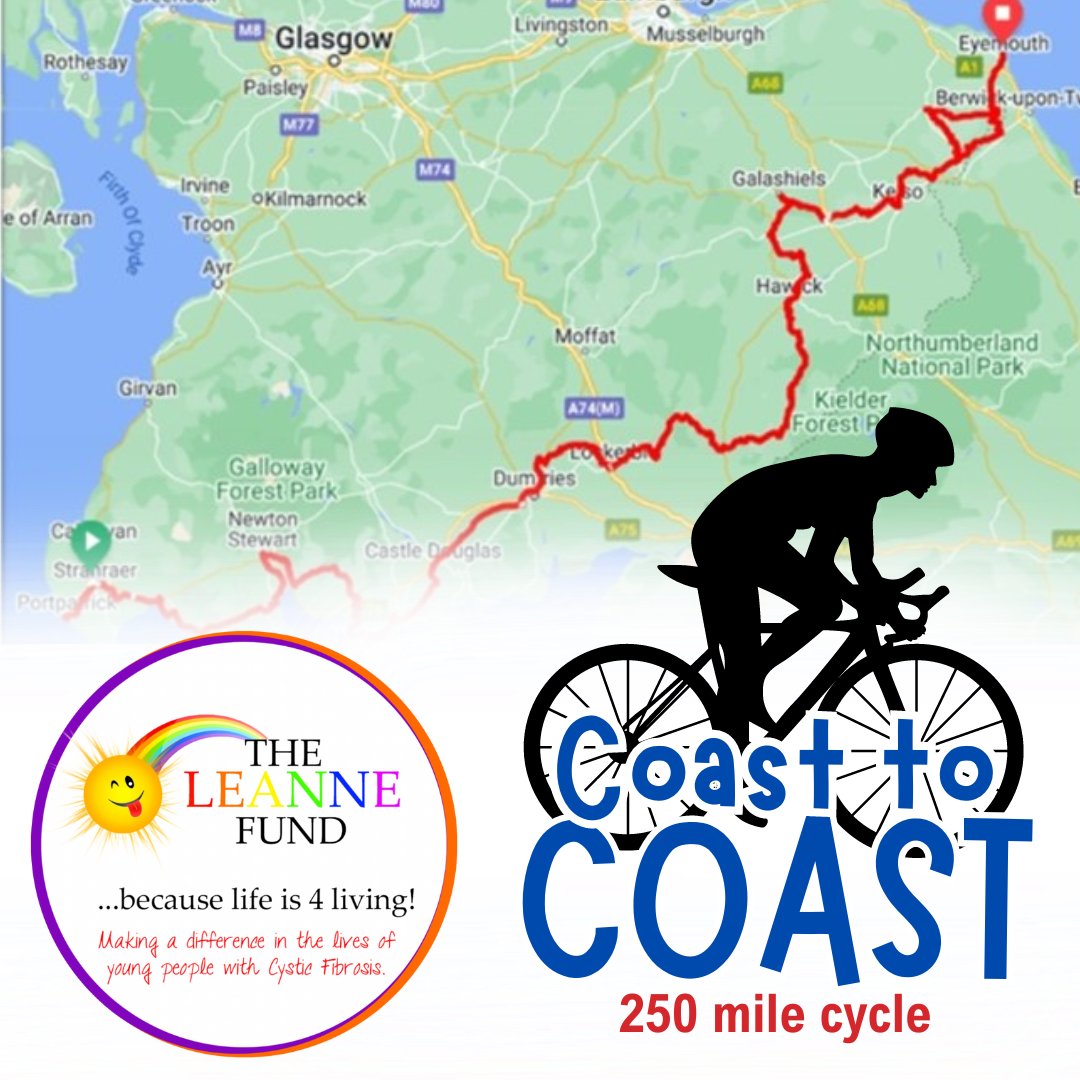
The Leanne Fund has been chosen as one of the charities to benefit from a 250 mile coast to coast cycling challenge.
justgiving.com/page/coast2co…
#coasttocoast #cyclechallenge #theleannefund #cysticfibrosis #thankyou #supporters #oursarethebest #cfsupport #cfawareness #cfscotland
3
39
29 Apr 2024
There is still time to sign up to our Leanne Fund April newsletter 🤗
eepurl.com/iAUhVs
Just follow the link, pop in your email address and let all our news come right to your Inbox.
#theleannefund #latestnews #cysticfibrosis #cfsupport #cfawareness #cfcharity #cfscotland

1
27
31 Mar 2024
THE LEANNE FUND SHOP
You can support The Leanne Fund via our online shop - the-leanne-fund.sumupstore.c…
Your support really does make a difference 💜
#theleannefund #onlineshop #supportus #totebag #cysticfibrosischarity #cfcharity #cfsupport#makingadifference

1
24
11 Mar 2024
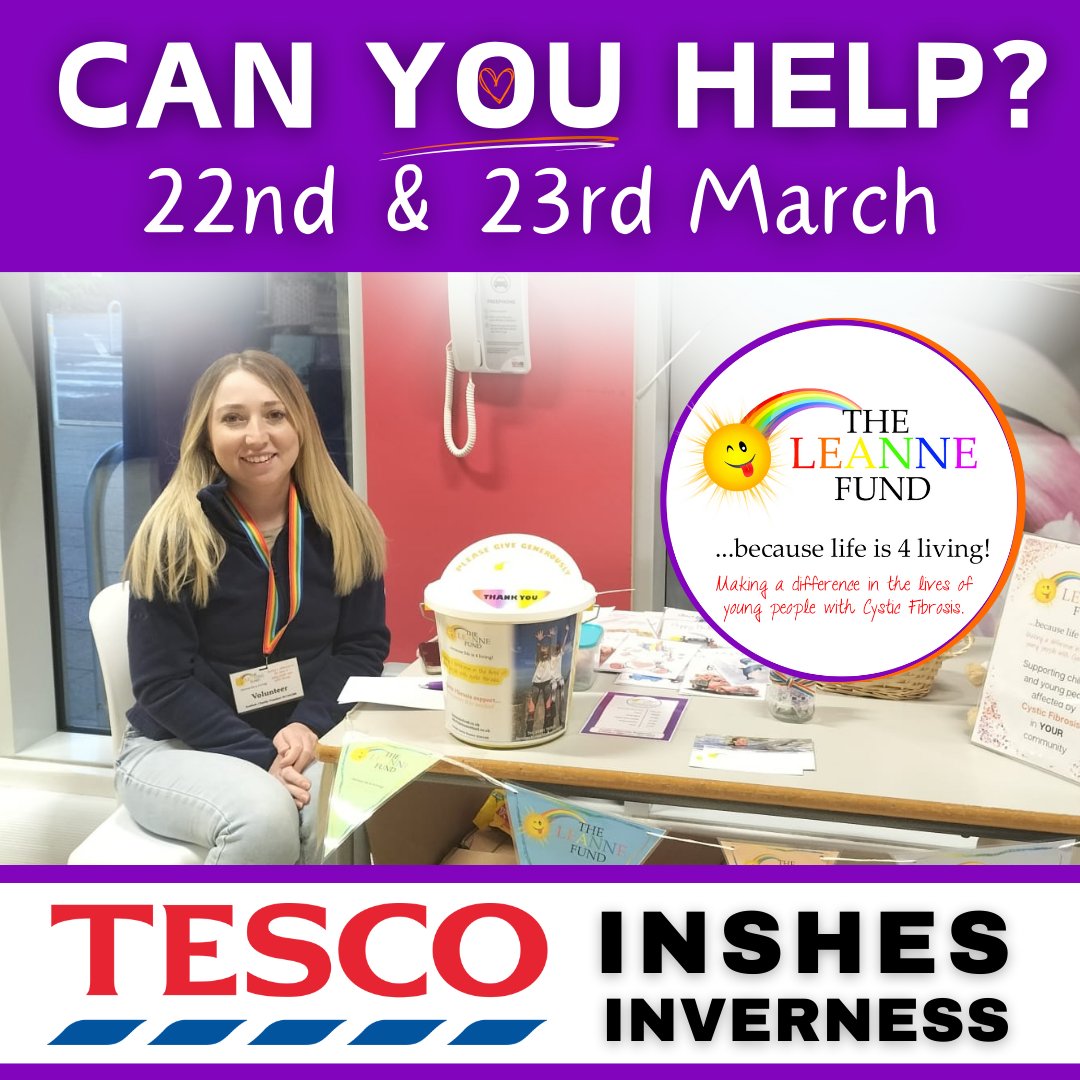
Could you spare an hour or two on Fri 22 or Sat 23 March to help at our Tesco Inshes collection between 10am - 6pm.
office@theleannefund.co.uk or message via on social media.
#theleannefund #tesco #inverness #cysticfibrosis #cfsupport #cfawareness #cfscotland #cfcharity
2
60
28 Feb 2024
We would like to thank the staff of @scotent, who have donated £350 to The Leanne Fund. Their charity fund is entirely supported through voluntary contributions made by staff within Scottish Enterprise #theleannefund #cysticfibrosis #cfsupport #cfscotland #cfawareness #cfcharity

2
30
24 Dec 2023
THANK YOU SO MUCH to everyone who supports The Leanne Fund. Wishing you all much love and best wishes this Christmas 💕
#theleannefund #MerryChristmas #cysticfibrosis #support #scotland #CFsupport #CFawareness #makingadifference

2
40
17 Dec 2023
Please vote for us in the Aberdeen Student Show People’s Choice Charity 2024!
forms.gle/trTJMSy6Y32sju5b8
Voting closes at 2pm on 31st December 2023
#AberdeenStudentShow #TheLeanneFund #support #oursupporters #arethebest #cfscotland #cfsupport #cfawareness #cysticfibrosis

1
51

7 Dec 2023
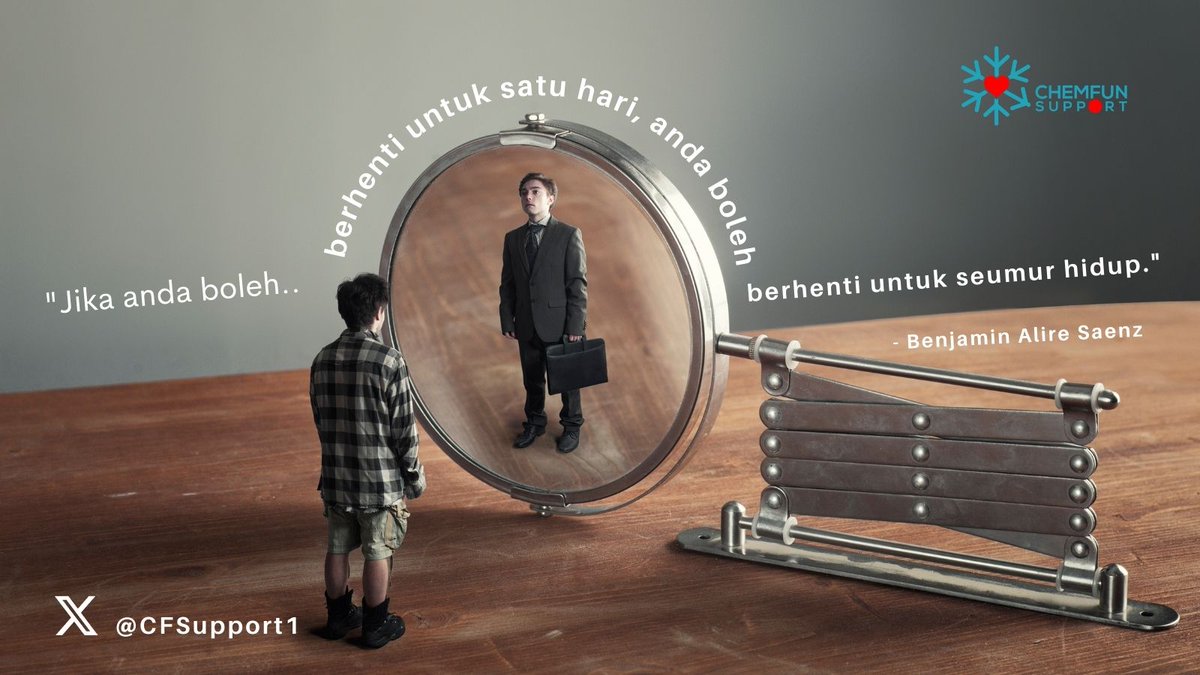
“If you can quit for a day, you can quit for a lifetime.”
--it's easier said than done. We all know the journey of recovery won't be easy, just keep moving forward even if we relapse occasionally." -CFSupport
3
1,830
6 Nov 2023
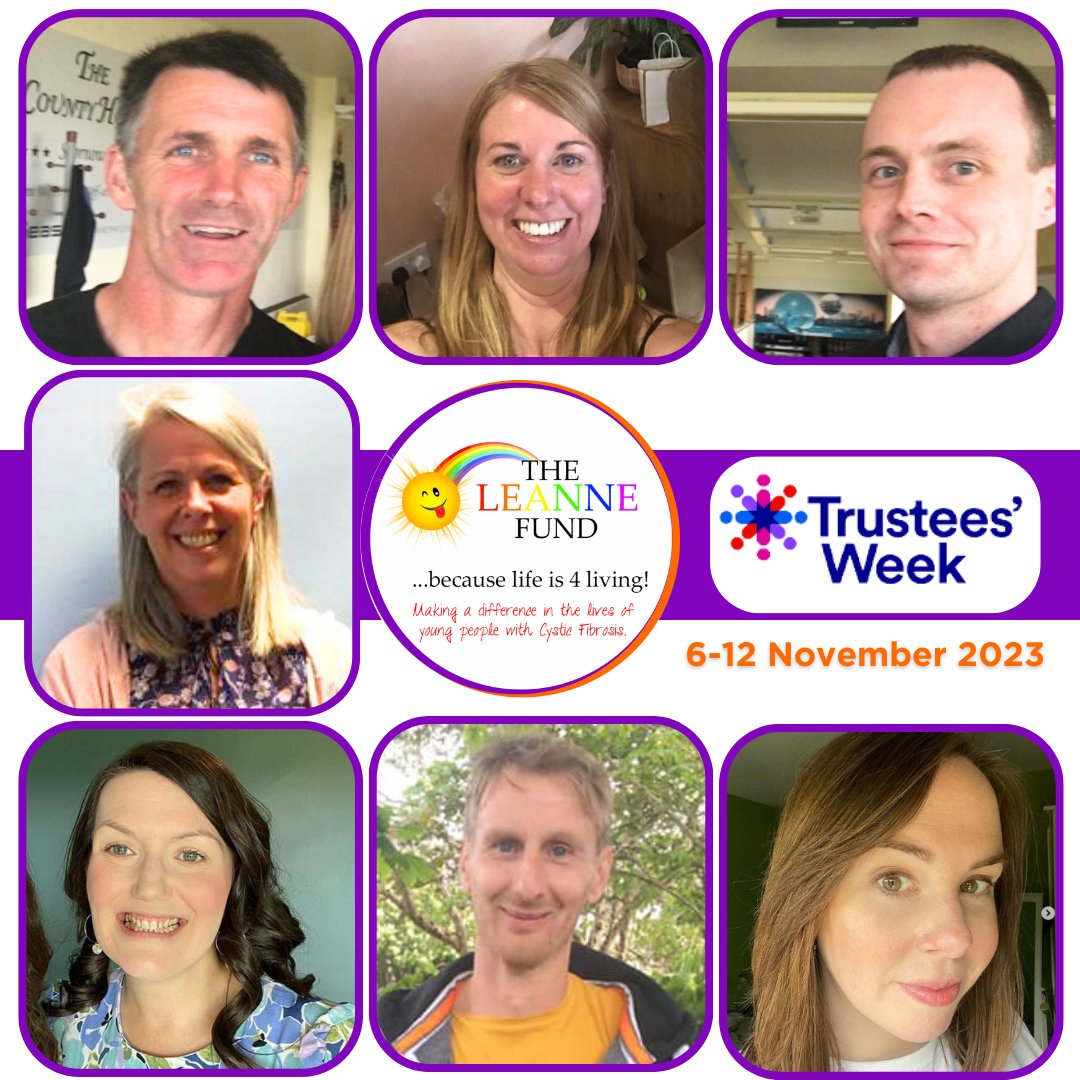
Trustees’ Week 2023 6th - 12th November We would like to thank each of our Trustees for the time, commitment, and effort they bring to The Leanne Fund year after year 🧡 #TrusteesWeek #Trustee #charity #theleannefund #cysticfibrosis #cfsupport #cfawareness #cfcharity #scotland
1
54
6 Oct 2023
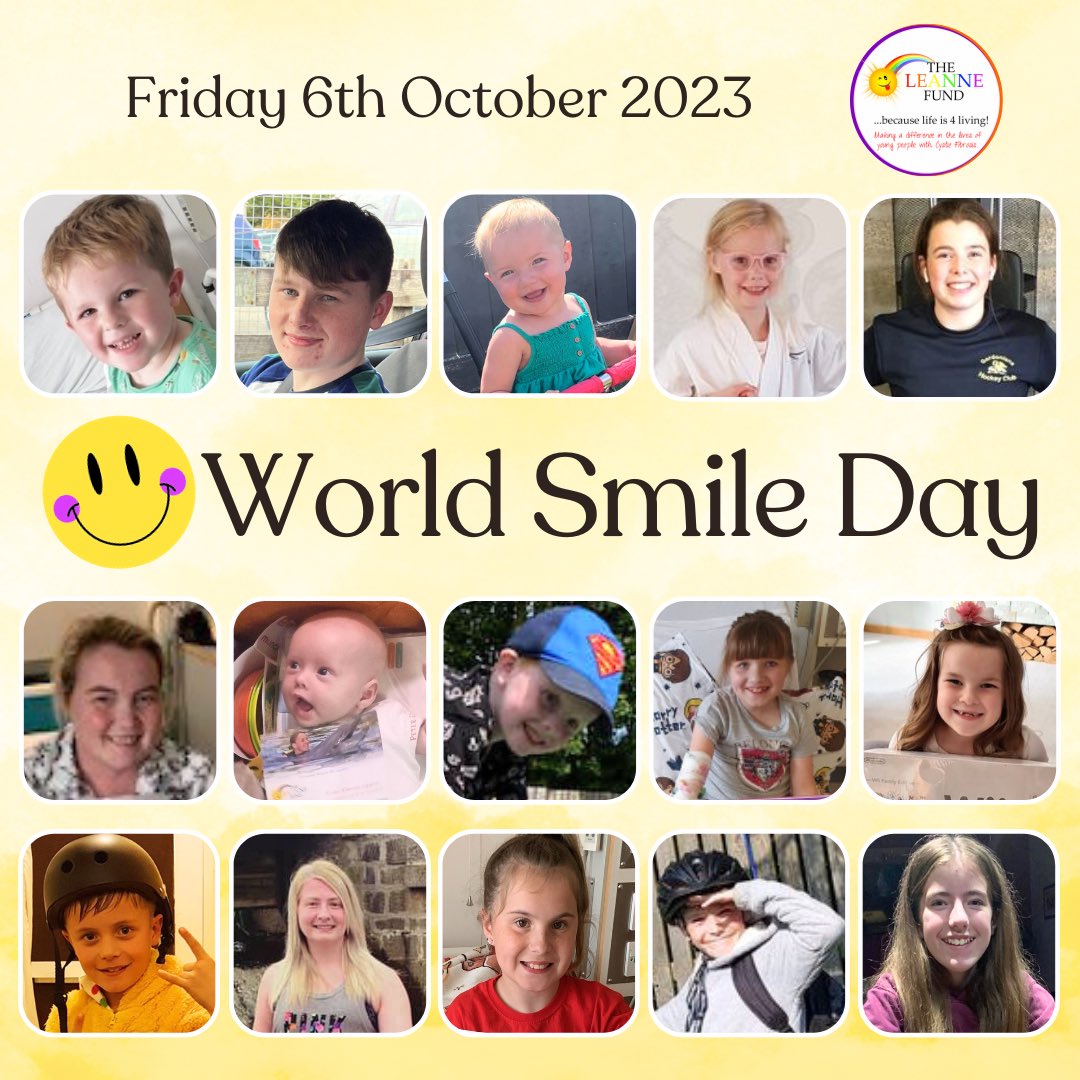
Friday 6th October 2023
WORLD SMILE DAY
Be the reason someone smiles today 😊💕
#WorldSmileDay #theleannefund #cysticfibrosis #cfawareness #cfcharity #cfsupport #cfscotland #cysticfibrosisscotland #makingadifference
1
65
10 Sep 2023
Good luck Coves 🤞🥰JustGiving.com/fundraising/5…
#cysticfibrosis #cfcharity #theleannefund #cfawareness #cfsupport #makingadifference m.facebook.com/story.php?sto…
1
131
15 Aug 2023
Heartfelt thanks to Tesco Community Grants and Groundwork UK for supporting so many amazing charities across the country 🙏🏻📷 #GroundworkUK #TescoCommunityGrants #thankyou #theleannefund #cysticfibrosis #cfawareness #cfsupport #cfcharity #cfscotland #makingadifference

2
57

3 Jul 2023
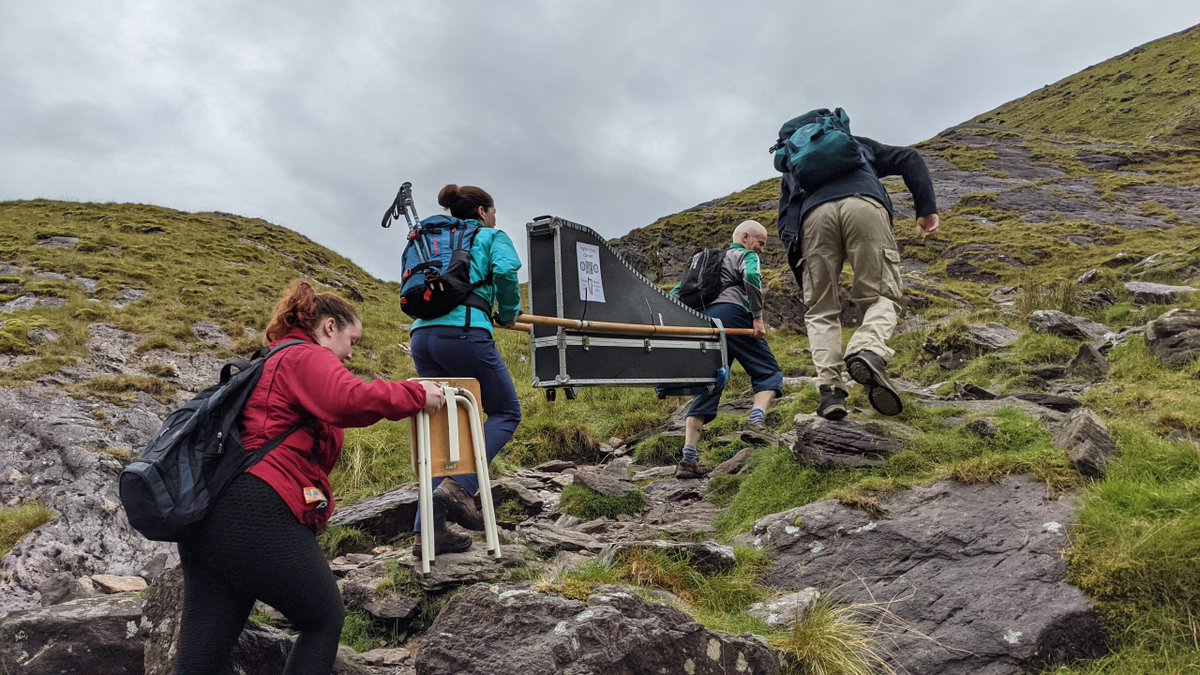
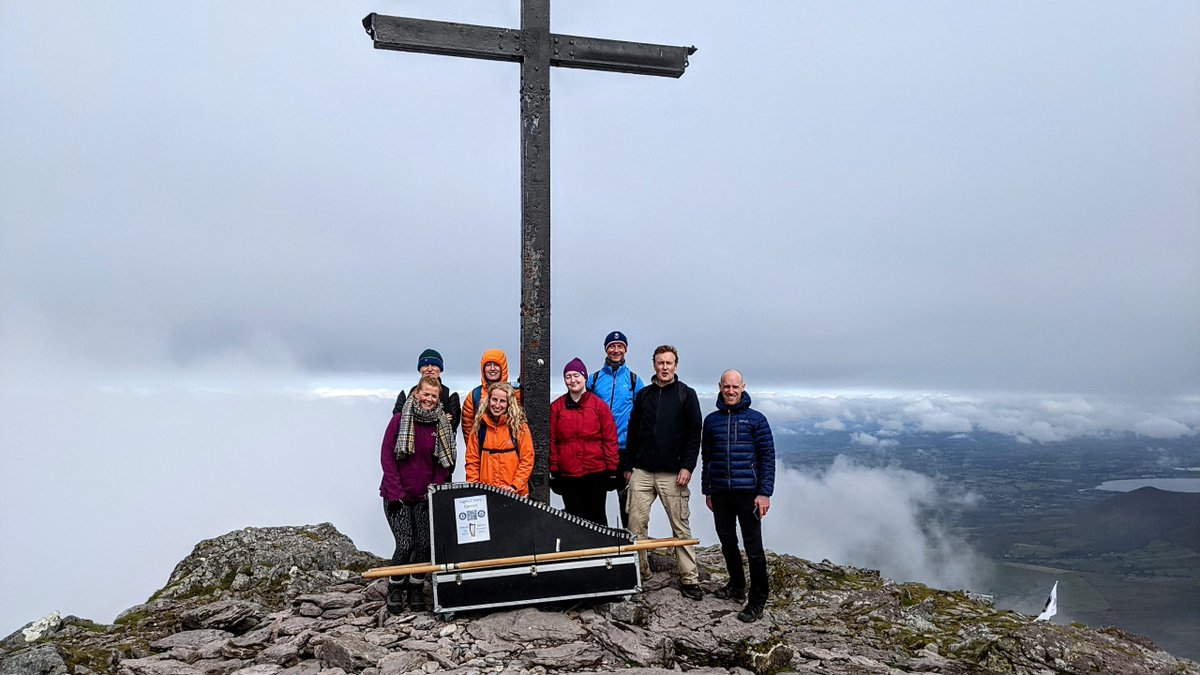
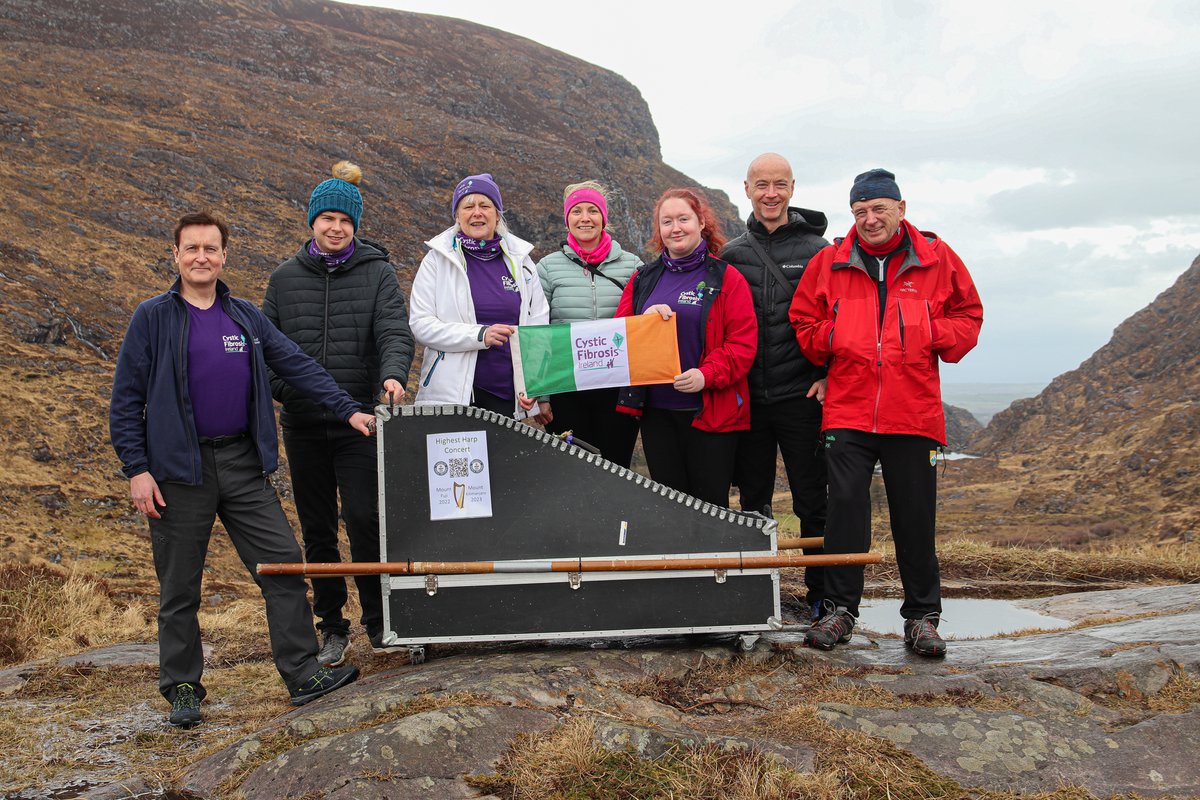
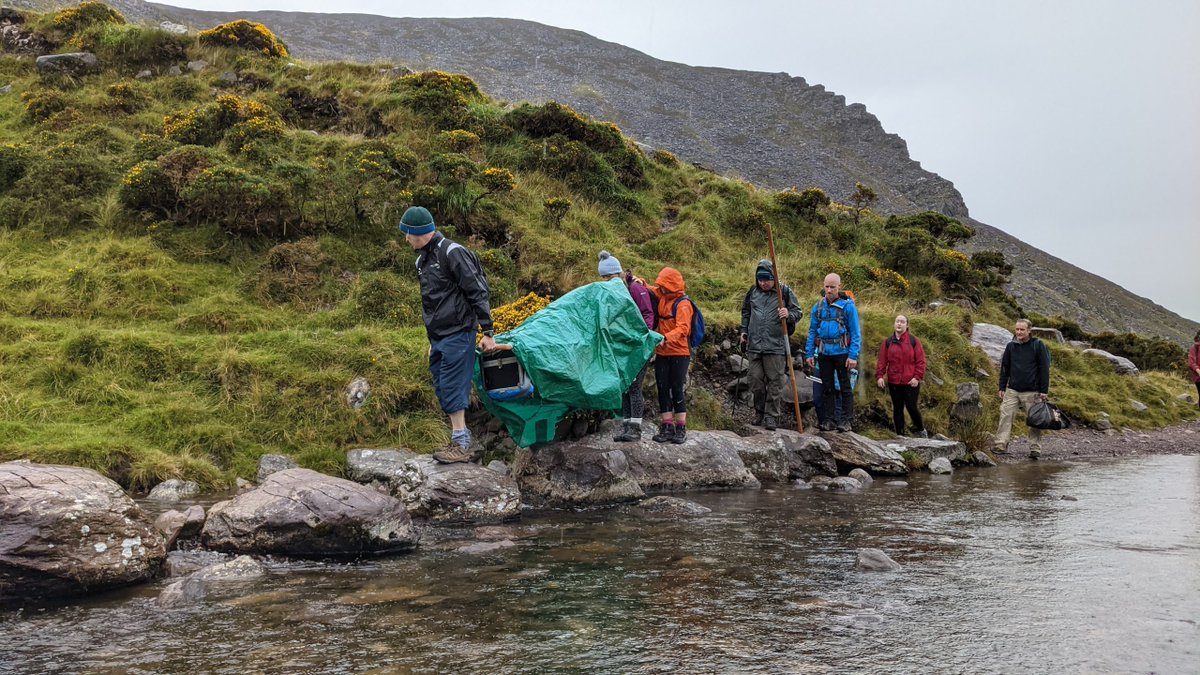
Join Pat Falvey Worldwide Adventures as we lead Siobhan Brady, an incredible harpist, to hold the highest harp concert on Mount Kilimanjaro, raising funds for cystic fibrosis. Let's create a harmonious symphony of hope and support! #ClimbingForACause #CFSupport #InspiringHarmony
3
5
403