
3 Oct 2025
Grok says:
background-
If you'd like a deeper dive into any specific plank or its local implementation, let me know! Given it's 06:46 PM CDT on October 3, 2025, this analysis reflects the latest developments as of this moment.Given your interest in the DSA (Democratic Socialists of America) platform as highlighted in the X post by Joe Soucheray (@GLpodcast) and the surrounding discussion, I'll provide a detailed overview based on the latest available information, including the context from the web results you provided. The DSA platform has evolved over time, with its most recent iteration being the "Workers Deserve More" program adopted at the 2025 convention. Here's a breakdown:Overview of the DSA PlatformThe DSA is the largest socialist organization in the United States, boasting over 85,000 members, and its platform reflects a long-term vision of abolishing capitalism to establish a socialist society, while focusing on immediate policy reforms to empower the working class. The platform is rooted in democratic socialism, emphasizing popular control of resources, economic planning, and the eradication of systemic oppressions based on race, gender, and other identities.Current Platform: "Workers Deserve More" (Adopted 2025)This program, adopted at the 2025 DSA National Convention, replaced the 2021 platform and consolidates the organization's policy positions into a cohesive public agenda. It is organized into four main pillars, each addressing critical areas of societal reform:
A Thriving Working ClassMedicare for All: Universal healthcare coverage to eliminate private insurance disparities.
Ending the War on Drugs: Decriminalization and rehabilitation-focused policies to address systemic incarceration.
College for All: Free higher education to reduce economic barriers.
Housing for All: Guaranteed affordable housing as a human right.
An Economy for the Working Class32-Hour Work Week: Reducing the standard workweek with no loss in pay to improve quality of life.
Expansion of Unions: Strengthening labor protections and organizing rights.
Protection for Union Organizing: Safeguarding workers against retaliation.
Higher Taxes on the Rich: Progressive taxation to fund social programs.
Green New Deal: A comprehensive plan for climate action and job creation in sustainable industries.
A Working-Class Foreign PolicyPalestinian Liberation: Support for self-determination and an end to U.S. military aid to Israel.
End to the U.S. War Machine: Reduction of military spending and interventionism.
Freedom of Movement for All Workers: Advocating for open borders and migrant rights.
Working-Class DemocracyUniversal Right to Vote: Expanding voting access, including automatic registration.
Proportional Representation in the House: Reforming congressional elections for fairer representation.
Abolished Senate: Eliminating the upper chamber to address unequal state representation.
Abolished Electoral College: Replacing it with a national popular vote for presidential elections.
Historical Context and EvolutionPre-2021: Until 2021, DSA lacked a formal platform, relying on press releases and strategy documents. Its early association with Michael Harrington positioned it within the Democratic Party's left wing, endorsing figures like Walter Mondale (1984) and Jesse Jackson (1988).
2021 Platform: Introduced a broader set of demands across ten planks, including the abolition of the carceral state, white supremacy, and militarism, alongside economic and social justice initiatives.
International Affiliations: DSA's shift from the Socialist International (left in 2017 due to neoliberal concerns) to joining the São Paulo Forum (2023) and Progressive International (2023) reflects a move toward global socialist solidarity.
Local Context: Twin Cities DSAThe Twin Cities DSA chapter, active in Minneapolis-Saint Paul, aligns with the national platform while tailoring efforts to local issues. Recent activities include door-knocking for endorsed candidates in the 2025 Minneapolis elections and drafting a local platform to address regional concerns like housing and police reform. This ties directly to Soucheray's critique, as DSA's influence is palpable in the city's progressive political landscape.Relevance to the X PostJoe Soucheray's hope that Minneapolis residents reading the DSA platform would reject it likely stems from its radical departures from traditional American governance—e.g., abolishing the Senate or Electoral College—which he and his supporters (per the X thread) view as destabilizing. Critics in the thread, like@RevTChristopherand@nedthemooseMN, argue DSA's policies exacerbate Minneapolis's economic and safety issues, while supporters (e.g.,@DavidBahe62) see them as a necessary evolution. The platform's emphasis on structural change, especially on race and gender equity, contrasts with Soucheray's "common-sense" advocacy, fueling the debate.Additional NotesThe platform's demands are aspirational, with DSA focusing on incremental gains (e.g., labor organizing, tenant rights) as steps toward socialism.
Its endorsement of candidates in Minneapolis's 2025 elections underscores its growing political clout, a point of contention in the X thread.
2
274

If anyone preparing for maths for govt exams just follow this ctc series maths ka dar utar jayega 🙏
Maths CTC Series Class32 by ARYAN KUMAR🔥SSC CGL25/CHSL/CPO/MTS & All COM... youtube.com/live/pYIA8SYy5Jg… via @YouTube

2
123

27 Feb 2025
Speedbird001 A318 G-EUNA
かつてコンコルドが担っていた栄光のトップナンバーはその後オールC-class32席仕様のG-EUNAとBの2機に引き継がれロンドン/シティ~シャノン経由ニューヨーク/JFKの大西洋路線を飛んでいました。しかしコロナ渦で運休となりその後2機とも退役し現在もBA001は復活していません

7
146
3,828


17 Jun 2023
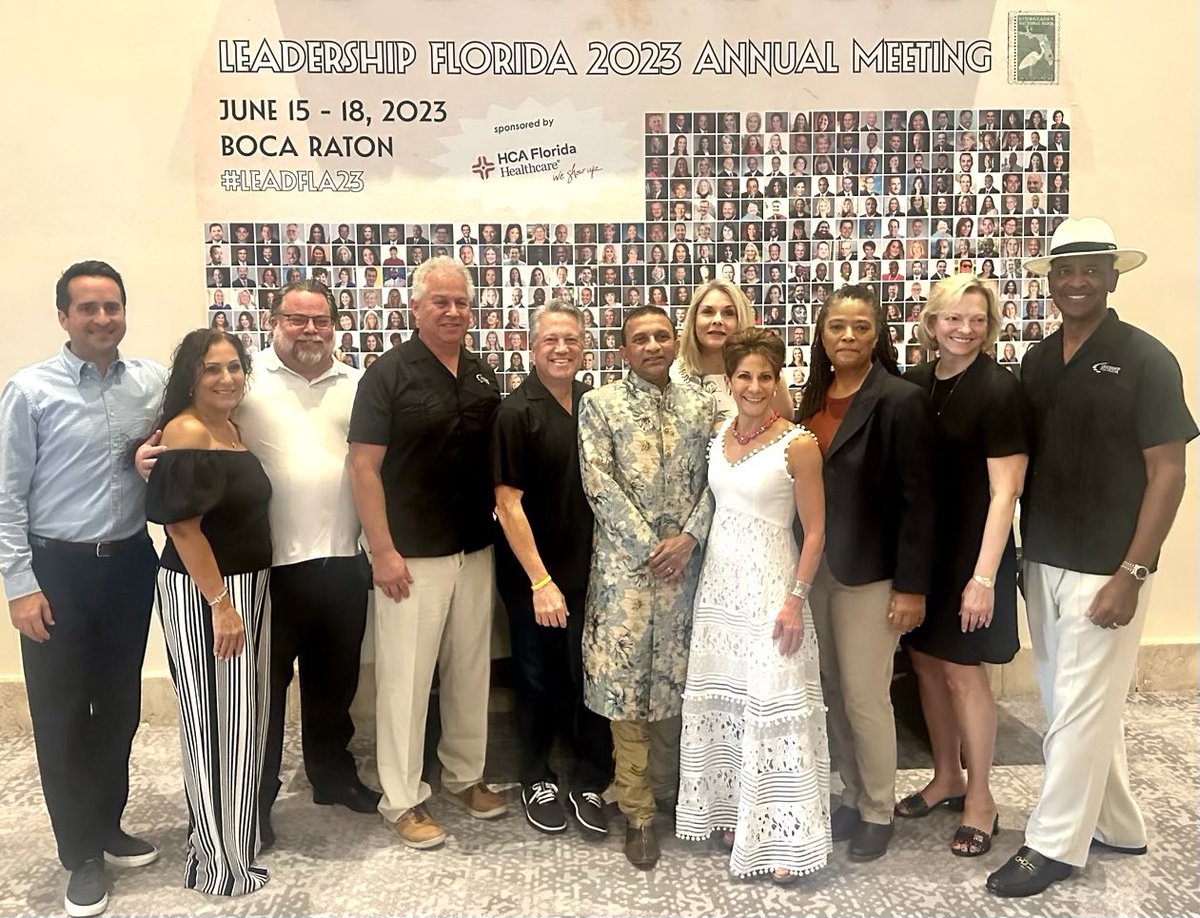
It’s been a great few days right here in SFL with my @LeadershipFla #Class32 members, reconnecting & talking about our great state. #IIB
2
13
688

26 Jan 2023
🧭 took me forever but got to use #webflow to style this navigation bar (css, begone!!)
🏛️ dang it! still haven’t started Class32
↗️ literally taking microsteps here, but in the right direction!
yall don’t lose hope now!
#100Devs #communitytaught #learninpublic

1
3
129

3 Jan 2023
Trevor Vilarino, MBA '18, has a new job at a new organization. He is now a territory manager and AVP at Soundview Commercial Capital. Way to go Trevor! 💚💛🦆💚💛🦆
#OEMBAproud #class32 #careerjourney #leadership #OregonExecutiveMBA #EMBA #Portland #MBA #Oregon @SoundviewCC
2
91
28 Dec 2022
Abby Allen, MBA '18, is now the GM sourcing apparel and licensing at @harleydavidson Motor Company. Way to go Abby! 💚💛🦆💚💛🦆
#OEMBAproud #class32 #careerjourney #leadership #OregonExecutiveMBA #EMBA #Portland #MBA #Oregon
2
170
23 Dec 2022
Neidra Evans, MBA '18, is now CFO at @ComagineHealth. Well done, Neidra! 💚💛🦆💚💛🦆
#OEMBAproud #class32 #careerjourney #leadership #csuite #OregonExecutiveMBA #EMBA #Portland #MBA #Oregon

1
2
242
30 Aug 2022
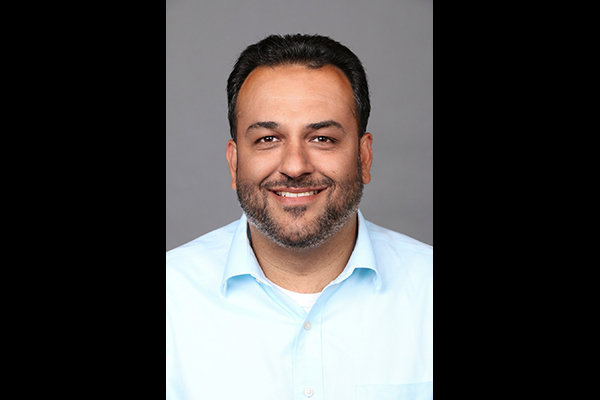
In a @PDXBIZJournal video interview, Sonney Sapra, MBA '18, senior VP and CIO at Samaritan Health Services, discusses working through a #DEI lens to improve patient care. Amazing work, Sonney! 💚💛🦆💚💛🦆 @SamHealth
WATCH: uobiz.co/sapra-dei-22
#OEMBAproud #class32
2

23 May 2022
realizing in class32 that #catchupcrew was still supposed to like and retweet these tweets...lol
5 May 2022

Tonight we are reviewing OOP with #javascript
I'm watchin my mouth. No BIG disrespectful words!
#100Devs a free software engineering bootcamp starts in 60mins!
Join us live (6:30pm ET): twitch.tv/learnwithleon
youtu.be/v-LccT4-fZk
#100DaysOfCode #LearnToCode
2

9 May 2022
Hi folks,
I am hoping that i would find a list of all the classes of Leon's starting from class1 upto class32 along with their assignments and tasks assembled/collected under one sheet.
Looking foward for the #100devs help
1
1
5 May 2022
Ross Taylor, MBA ’18, has a new role at @intel. He is now a strategic business development manager for the cloud and enterprise group. Nicely done, Ross! 💚💛🦆💚💛🦆
#OEMBAproud #class32 #careerjourney #leadership #OregonExecutiveMBA #EMBA #Portland #MBA #Oregon

1
13 Apr 2022
Taylor Thomason, MBA '18, has a new role at a new organization. He is now an account executive, marketing cloud, healthcare and life sciences at @salesforce. Nicely done, Taylor! 💚💛🦆💚💛🦆
#OEMBAproud #class32 #careerjourney #OregonExecutiveMBA #EMBA #Portland #MBA #Oregon

1
29 Jan 2022
Congratulations to a friend and @LeadershipFla Class32 member @rudyfernandez23 #IIB
Fernandez elevated to executive vice president for external affairs news.miami.edu/stories/2022/…
2

23 Jan 2022
BDZ Class32, Class07 撮影記 ブルガリア ヴァルナ 2021~2022 - syachikuai.com/2022/01/23/bu…
新しい記事を投稿しました

2
46
22 Dec 2021
Lauren Parker, MBA '18, has a new role at a new organization. She is now product marketing lead at @Strava. Way to go, Lauren! 💚💛🦆💚💛🦆
#OEMBAproud #class32 #careerjourney #leadership #OregonExecutiveMBA #EMBA #Portland #MBA #Oregon @UOBusiness @uoregon

3
28 Apr 2021
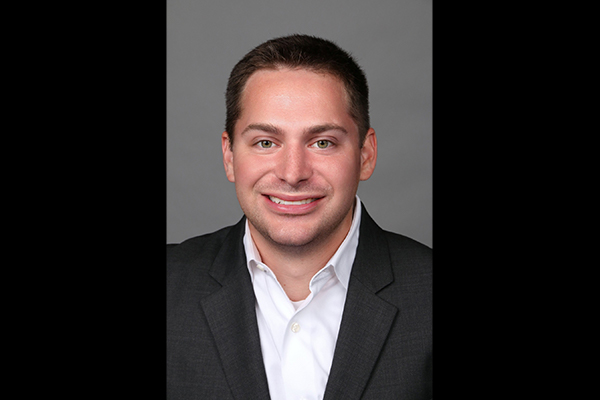
Scott Eisenberg, MBA '18, has a new position at a new organization. He is now director of global procurement at @Trans_Pak. Way to go Scott!
#OEMBAproud #class32 #leadership #careerjourney #EMBA #Portland #MBA #Oregon
2
1

13 Mar 2021
Pretty cool to get a gift basket from #LOK and find your own products in there!! #Oklahoma #Class32 #CosmeticSpecialtyLabs #bathbombs

1
8

22 Jan 2021
Introducting our exclusive Family Life laminate range County 8mm.
Now in stock, speak to your local representative for more info.
#laminate #laminateflooring #unifit #class32 #ac4 #4vbevelled #8mmthick #familylife




1
2