Kayode Olushola19🛡 retweeted

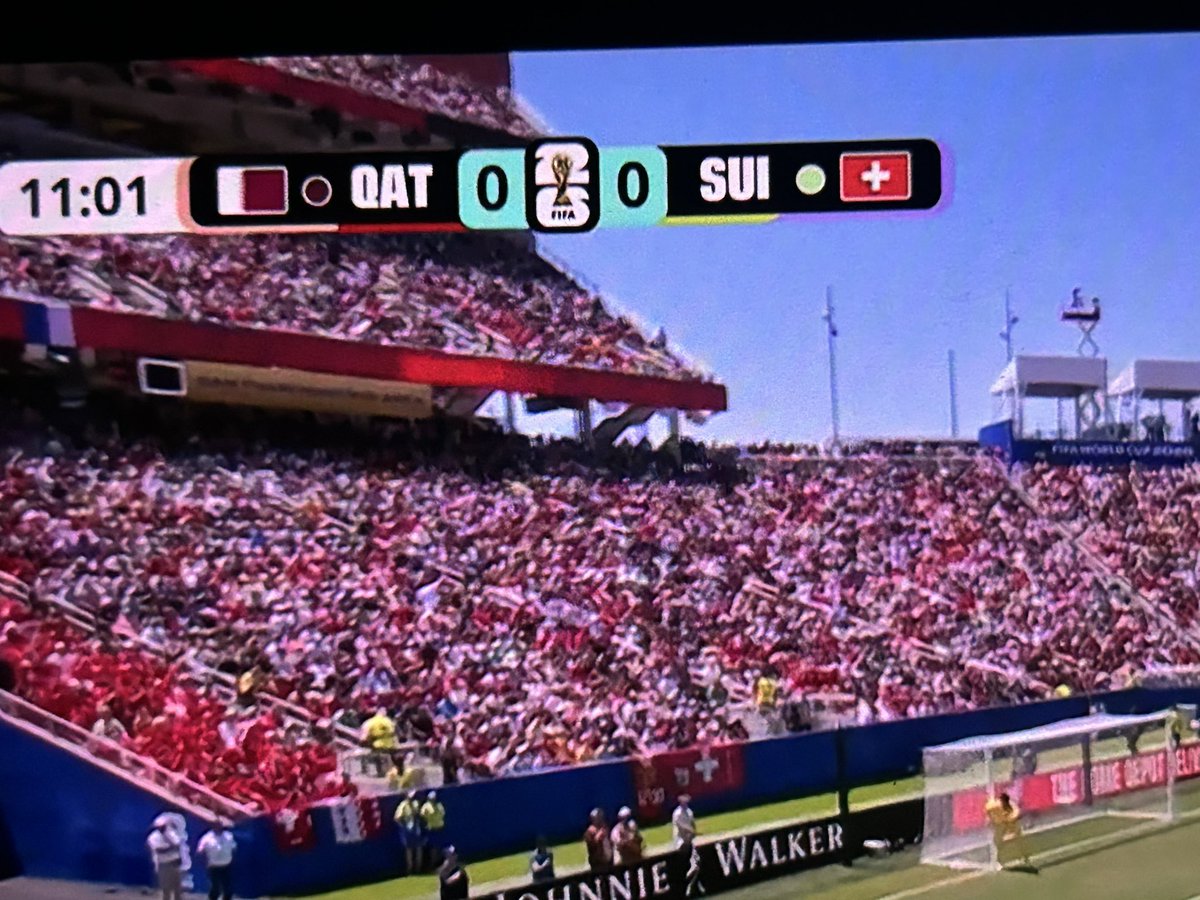
It’s simply because Country codes in FIFA (and Olympics) aren’t based on English. They use the local lingua franca.
Switzerland’s official languages include French (Suisse), so it’s SUI. If Switzerland were an English-speaking country, it would probably be SWI.
Same reason Spain is ESP (España), not SPA, and Germany is GER (Deutschland in German, but standardized via other conventions). FIFA follows the country’s own naming, not the English one.
Hope you’ve learned something today.

65
453
8,180
830,594
Bobinihi Anne retweeted

14h
Dear restaurants,
Bring back the physical menus. Nobody wants to be scanning QR codes when they're hungry.
Regards: The whole world.
14
44
386
5,244

All Working Codes 2026 in Spin Brawl Cards Roblox - Full Guide youtube.com/watch?v=oZDG8Bx5…
SúilÓireach retweeted

Use of cheat codes or cartridges are absolutely and utterly banned. We'll know if you've done it and will expose you for the cheap fraud you are by having you run naked through the streets of Dundee singing, "I am Henry VIII, I am".
1
1
22

🙊📩👨🦯 Claim your Temu discount with the latest promo codes, a valid coupon code, and a voucher that helps you pay less.
ܫܨܢܦܘܕ

1

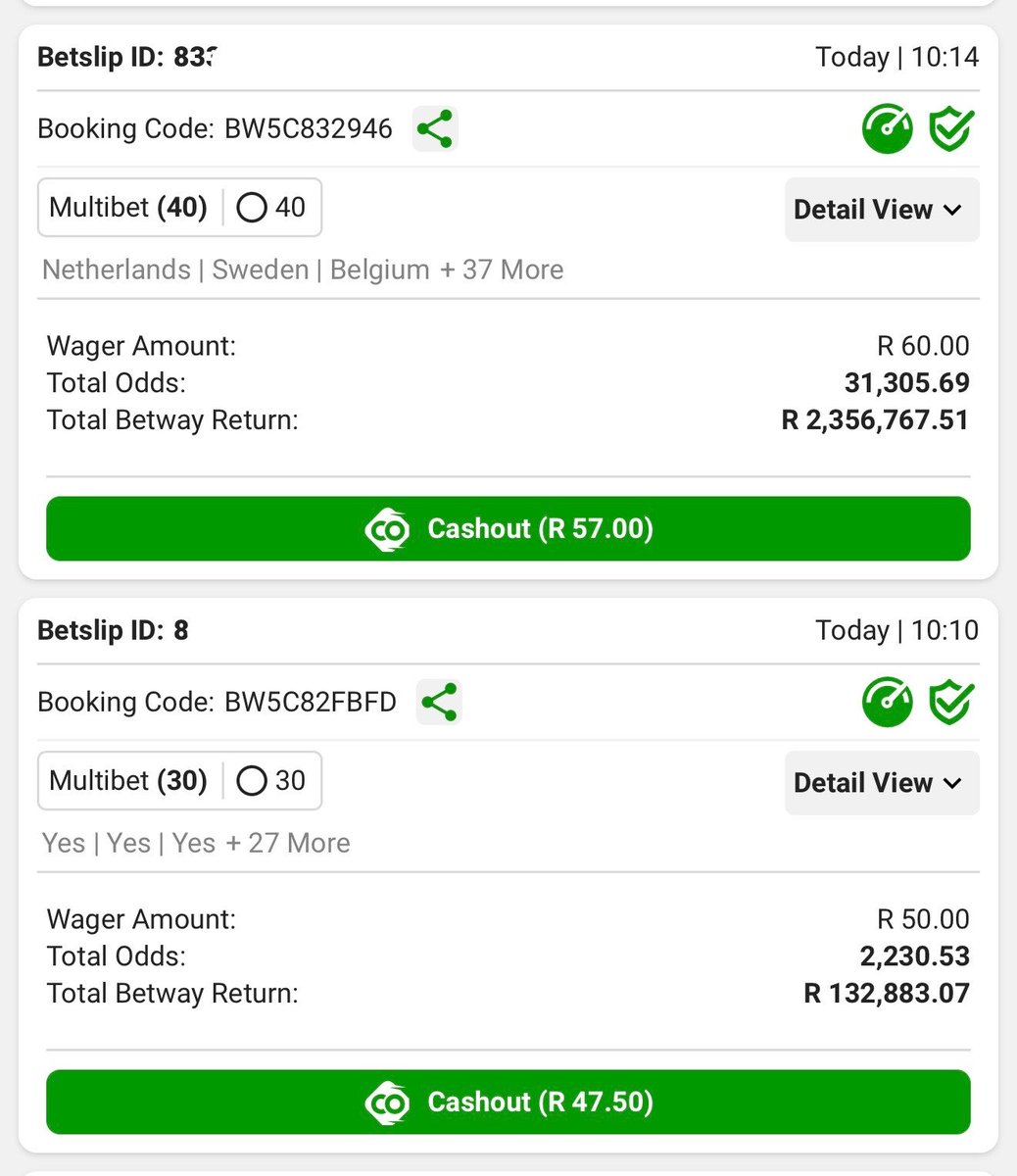
💸 1up & win either half
📍Bet-slip codes 👉🏽 BW5C832946 & BW5C82FBFD
🔌 New Betway users register here👉🏽 bit.ly/Chaggie & use promo-code CHAGGIE, up to R1000 welcome bonus.
🗣️Get Betway cash Rewards daily when copy my bet, convert your rewards points to cash anytime when you are ready🤑🔥
18 || TCs & Cs apply
🤍🩶🖤
12

Boris Cherny, father of Claude Code:
"I don't have a to-do list anymore - Claude just builds everything. my job now is to come up with the ideas"
a year ago he had six terminal tabs open just to write code and was switching between them manually all day
now he walks around getting coffee while hundreds of agents are running from his phone and he just checks in on them
his computer sits on his desk at the office plugged in and screen locked while he codes from his couch at home
and he says for the first time in his entire career engineering is actually just fun because the tedious part simply doesn't exist anymore
full breakdown in the video below

4

Exact point you have red lines and hard codes on topics and are used as a propaganda tool.
A his is a fact you have told me in several chats.
1

Free download codes:
SourceCodeX - Distant Murmurings, Nearby Whispers
@SourceCodeX
"For fans of extreme synthesizer music, relaxing at times, psychedelic & trippy or disturbing as well."
getmusic.fm/l/VD8Aog
#progressiverock #electronic #experimental

🇫🇷 Fred defred 🇫🇷 retweeted

t'as raison cocotte, d'ailleurs faisons plus de lois aussi.
Plutôt que NETTOYER les codes, mettre les juges au pas via élection et mandat révocatoire.

La France est à la fois l'un des pays les plus criminogènes, et en même temps, l'un de ceux qui manquent le plus de moyens pour leur justice.
Il faut embaucher des magistrats, augmenter les moyens, spécialiser un parquet dans les mineurs victimes, et numériser la Justice.
1
1
5

Emmanuel retweeted

World Cup acca on stake.com converted to sportybet⤵️
HNGT8H MSM83U -sporty🧑🏿💻
Follow 4 convert of codes 2 ur preferred bookies!
Retweet 4 larger audience😤🗣️



World Cup acca
6.9k odds stake.com/sports/home?betId=…
104 odds stake.com/sports/home?betId=…
Register a stake account via link stake.com/?c=f213c5ba25&offe…
Use welcome code ‘banks’ for weekly airdrops and bonuses
Get the iOS app via link getstake.it/i/mrbanksapp
You can always contact t.me/RealJoyEpos for all stake bet deposits
Join telegram channel t.me/MrBanksFreeChannel
Use stake shield for better chances of winning ✅
Bet responsibly 🔞🔞🔞

8
43
153
31,728



THA RAP PILOT 🌍 retweeted

🌍🔥 Vols 1 & 2 already out with Deluxe editions QR codes official merch — now The World Is Yours Mixtape Vol. 3 [Knicks At 6] drops THIS FRIDAY at 12AM on RapPilot Radio! 🎤🏀 New York Knicks energy meets global bars. The takeover continues… who’s locked in? 🚨💿
1
1
2,676

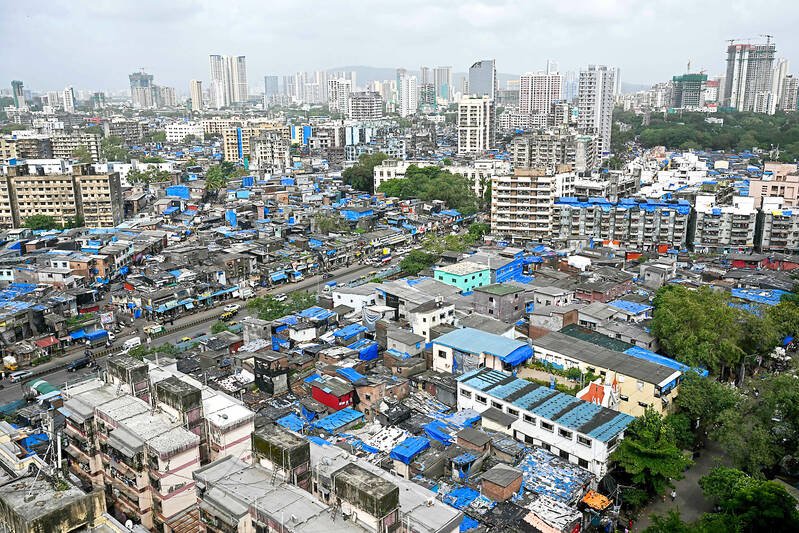
Here's a hard truth most urban planners and policymakers ignore: In economies with massive income gaps, layered housing isn't a problem—it's the only system that actually works.
Think about it. A daily wage laborer in India earns in a month what a mid-level executive spends on one dinner. Forcing everyone into the same "decent" housing standard prices out millions. Instead, Indian cities naturally evolved tiers: gleaming high-rises for the rich, modest apartments for the middle class, one-room rentals and chawls for workers, and incremental self-built settlements for the poorest migrants.
When crisis hits—job loss, medical emergency, family tragedy—people can downgrade without hitting the streets. A family shifts from a ₹15,000 flat to a ₹4,000 room or even a basic hut they improve themselves. It's raw, imperfect, and full of challenges, but it keeps people in the game.
Now compare to the developed world. America built mostly uniform, high-standard housing with strict codes, zoning, and NIMBY rules. The result? A chronic shortage of affordable units. When someone loses their home—through eviction, job loss, or hospital bills—they often end up on the road. Shelters overflow. Cars become bedrooms. Official counts show over 770,000 homeless on any given night, with many being working poor priced out by the very standards meant to "protect" them. There are no easy lower rungs left. The ladder got pulled up.
The revealing fact: India's messy layering acts as a shock absorber for real inequality. It absorbs rural migrants, supports informal economies that power cities, and lets people climb gradually as incomes rise. Studies show upgrading such settlements delivers massive returns—better health, education, and even GDP boosts that often outweigh the costs. Eradicating the bottom layers doesn't create equality; it creates exclusion.
This is why infrastructure can't pretend to be Singapore everywhere. Narrow lanes, mixed-use chaos, shared taps that get upgraded over time, and roads that vary by neighborhood aren't backward—they're functional. They keep costs low and opportunities close for the millions who keep the city running. Forcing identical "world-class" roads and utilities everywhere just inflates prices, displaces the poor, and turns vibrant areas into unaffordable ghost zones.
The uncomfortable reality: Perfect uniformity looks great in photos but fails real humans in unequal societies. Flexible, tiered housing with matching pragmatic infrastructure doesn't romanticize poverty—it respects economic truth and gives people a fighting chance to rise. In a world of disparity, the ability to downgrade and upgrade is freedom. Shiny sameness is often silent cruelty.
Cities that understand this stay alive. The rest export their problems to the streets.
ALT Dharavi Slum Infra Mumbai India America USA
4
foe retweeted

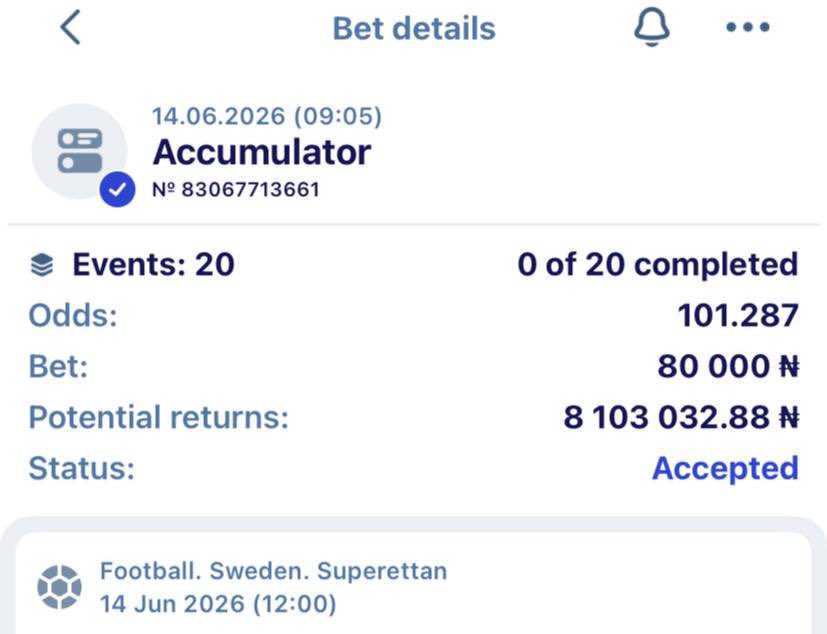
EARLY SUNDAY GAME ON PARIPESA 🤩🤩
CODES 👇🏿👇🏿👇🏿
V2ZCJ
1K12J
QLA2J
NSB2J
Make your edit ✍️
Resgister on paripesa now with the link 👇👇👇👇
paripesa.bet/bars
Or
paripesa.bet/endsarsapp
PROMOCODE :ENDSARS
12
20
31
2,318

They’ll just abuse the tax codes like they always have and pass it on to you. Good luck.
1
5