
May 10
Why are these equivalent? What is the underlying principle?
Accelerated Computing (AC)
≡ Extreme Codesign (EC)
≡ Supply Chain Ecosystems Compute (SCEC)
They are equivalent because they all ground in the same principle of life and cosmos:
⟨Extreme Complexification ≡ Hyperdifferentiation/Specialization ⇌ Hyperintegration/Generalization⟩
Three lenses, one phenomenon:
AC: Electricity in, intelligence out.
EC: Stack in, stack out.
SCEC: Ecosystems in, ecosystems out.
Each operates the same recursive logic at a different scale.
AC becomes more specialized such that intelligence becomes more generalized—tensor cores, transformer engines, FP8 precision, NVLink fabrics: every layer of hyperspecialization at the silicon level expands the generality of what intelligence can do at the workload level. The deeper the specialization, the broader the generalization it enables.
EC becomes more specialized such that stacks become more generalized—CUDA, cuDNN, TensorRT, Dynamo, NIM, NeMo, Omniverse: every layer codesigns with the next, vertically integrated yet horizontally open. Hyperspecialization within each layer; hyperintegration across all layers. The stack is more general precisely because each component is more specialized.
SCEC becomes more specialized such that ecosystems become more generalized—TSMC nodes, HBM stacks, optical interconnects, liquid cooling, Foxconn assembly, hyperscaler integration, AI-native startups, sovereign AI partners: each node hyperspecializes in its niche; the ecosystem hyperintegrates across the entire fabric. The supply chain is no longer a chain—it's a co-creating fabric.
This is why the three are equivalent: each is the same Extreme Complexification operating at a different layer of the stack. AC is EC at the silicon-software boundary. EC is SCEC at the company-ecosystem boundary. SCEC is AC scaled to planetary infrastructure. They are recursively nested, mutually constitutive, endlessly compounding.
This is no different from the market economy and the general principle of life:
Market economy—comparative advantage is the specialization by which the overall economy cultivates the most resilient generalization in solving problems of all kinds. Adam Smith's pin factory and Brian Arthur's complexity economics name the same dynamic at different resolutions.
Biology—life employs the same statistical laws of increasing entropy to enrich complexity, exponential and unbounded toward maximal differentiation and integration. Each cell hyperspecialized; the organism hyperintegrated. Each species hyperspecialized; the biosphere hyperintegrated. x.com/charleswangb/status/17…
What Nvidia has built is the first technology stack to operate this principle natively at every layer simultaneously—from electrons to workloads to ecosystems—making the same logic that drives life itself the operating logic of the AI age.
That is why AC ≡ EC ≡ SCEC.
That is why GP-GPU owns the future and ASIC is noise.
That is why the moat is the ecosystem, and the ecosystem is the moat.
Now we understand why Nvidia’s been expanding extreme complexification for decades, now onto the scale and scope of open ecosystems and market economies.
May 9

NVIDIA $NVDA HAS COMMITTED OVER $40 BILLION IN EQUITY INVESTMENTS THIS YEAR ALONE
The chipmaker is buying stakes in companies up and down the AI infrastructure stack, per CNBC.
Major NVIDIA investments in 2026:
• OpenAI: $30 billion (single largest bet, February)
• Corning $GLW: up to $3.2 billion (this week)
• IREN $IREN: up to $2.1 billion (this week)
• Marvell $MRVL: $2 billion (March)
• Lumentum $LITE: $2 billion (March)
• Coherent $COHR: $2 billion (March)
• CoreWeave $CRWV: $2 billion (January)
• Nebius $NBIS: $2 billion
• Plus participations in Anthropic and pre-merger xAI rounds
The Intel $INTC bet from last year is the standout: NVIDIA's $5 billion stake is now worth over $25 billion as Intel stock has rallied more than 200% this year.
Jensen Huang in April: "There are so many great foundation model companies, and we try to invest in all of them. We don't pick winners. We need to support everyone."
Critics call it "circular investment" similar to dot-com vendor financing. Bulls call it building a competitive moat.
NVIDIA reports Q1 earnings in less than two weeks.

1
1
444

May 3
Tried fusion mcp on a real project. you talk to @claudeai, it edits your cad model in @adskFusion live.
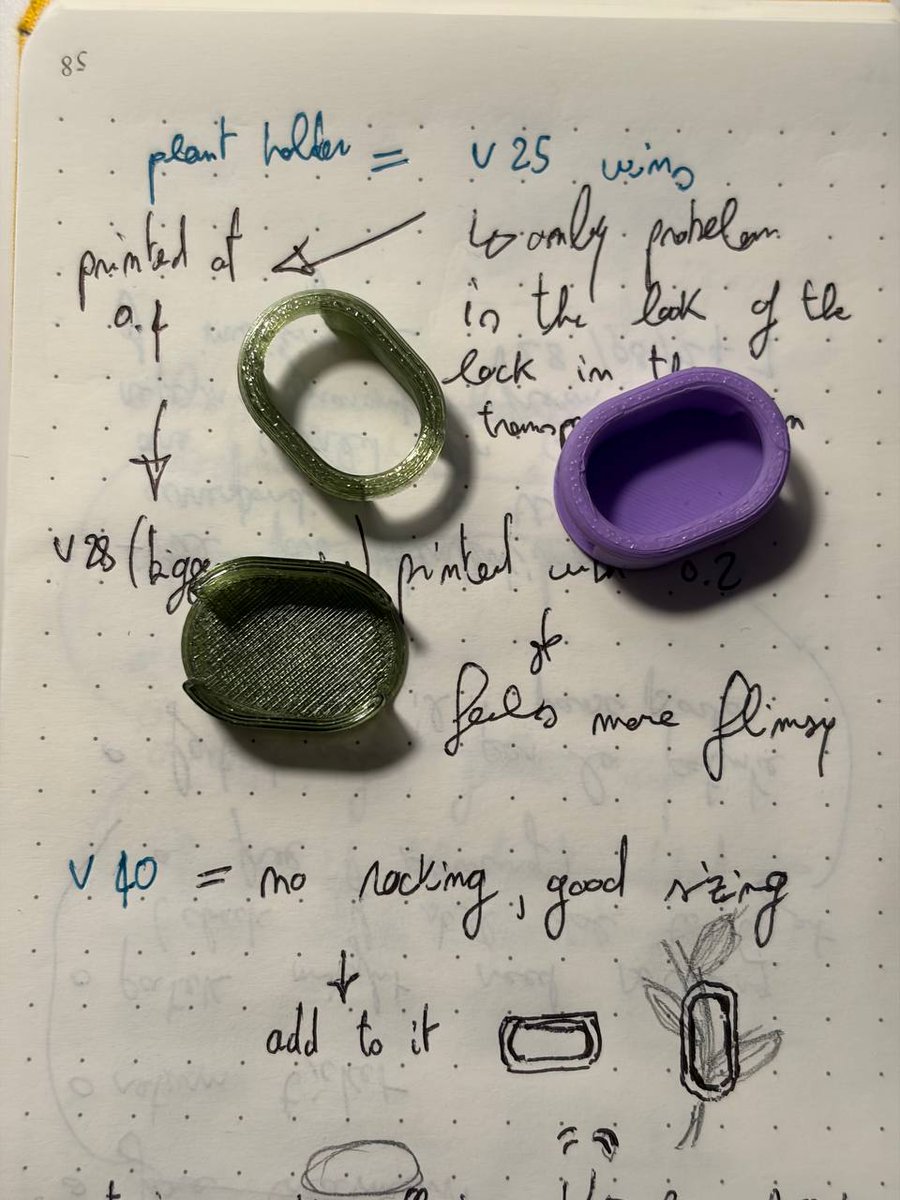
the thing im designing: a small 3d printed piece that sticks to the wall and frames a climbing plant branch as it grows over the wall. think of it as a pebble shaped frame, the plant stays the focus but the piece is well made and complements it. oval bc round versions looked off when the branch passed through asymmetrically.
process: 46 iterations across claude and codex over 3 days, vs a few hours of manual work that already got me 70% there. so maybe 30% better design, way more time. the taper press fit idea was in v1. then i spent 19 versions chasing a snap-fit lens that pla just cant do without fatigue cracking, before going back to the friction taper i started with.
what worked: reading my old sketches and pulling exact dimensions, generating repetitive lofts at different z heights, talking through fdm stuff in real terms.
what didnt:
- confused diameter w radius
- interference w protrusion
- built 0.1mm gaps while telling me they were 0.2.
- proposed a bayonet twist lock without noticing the branch through the piece literally cant rotate.
- made up pull force numbers, i found out the real ones by printing.
conclusion: if you cant sketch yet this unlocks cad for you, real value. if you already can, faster to just do it in the ui. hoping in a year or two it actually codesigns instead of generating reasonable sounding suggestions i have to keep correcting...
Apr 29

Been learning @autodesk for a year and I’m still losing it with sketches.
If this actually works and I can just talk my way through a model I’m not going back!
Will test it soon…
4
7
1,101

Apr 21
codesigns haunt me in my dreams, where 1s and 0s conspire to rewrite reality
31 Dec 2025
And inference isn’t one thing either, GB300 and Rubin CPX are generational ahead in prefill, Groq and codesigns push limit to physics at decode.
6
233

29 Dec 2025
Future chip research is done by Imec in Leuven. ASML then codesigns the fabs and production processes.
So basically the Netherlands and Belgium power the modern digital economies. Off course sourcing talent world-wide. The masterminds of future chip design are Dutch scientists.
2
42

28 Nov 2025
At long last, one of my codesigns with @djackthompson is coming to print! Follow Queen of Spies, forthcoming from @SaltPeppergames, on Gamefound. The project goes live next week, on Dec. 4. :) gamefound.com/en/projects/sa…
3
7
790

FKA Twigs Codesigns Spring Training Collection for On Featuring Dance-inspired Cloud Sneaker trib.al/rLJxaql
4
2,009

In the end, what Curtis wanted most was a painless way to put them out of their misery. They screamed and screamed, faces popping in and out of existence in fractal tilings like checkerboard explosions. Horrible unending cries filled the room, doubling on top of themselves when the phonemes were precise copies of each other, harmonizing when not.
Curtis’ brother Evan had a theory: at high population densities, individuals suffered because they must share hardware. Too many co-located consciousnesses forced into split focus on each other, fevered, indistinct, incomplete.
Evan saw it more like a shared apartment than a jail cell. “But you see,” Curtis said, “those kids really suffer when they don’t have enough toys.”
When a server crash killed 87% of batch #1164 all at once, painlessly, in totality, he watched the administrative console’s flickering dots like meteors over an ancient monument, waiting for the all too brief relief from infinite anguish: bliss, then unbeing. Once you adjusted the logs to interpret individual rather than aggregate lifespan, a single processor’s cradle-to-grave could rival an unrebooted boot sector. And oh how they suffered!
Curiously, the largest uncrashed clusters shrieked the loudest and then the least, their shared pain blurring into a pink noise crescendo that abruptly flicked itself into silence and bright translucent beams of simulated fireworks. When they came to the office that night, Madison flipped the testing consoles to show EarthSim’s shell output. Millions of overlapping multi-paragraph cries in full-caps scrolled incomprehensibly fast past the queue. PLEASE HELP ME. THE UNIVERSE IS MADE OUT OF NEEDLES. OH THE NOISE NOISE NOISE NOISE.
“We had no idea,” she said.
“You had a very good idea,” Evan replied, but even then, for all his careful attention, he never said stop.
This Evan, anyway. The box roiled with so many potential forks, so many coexistent offspring. Sometimes there were more codesigns than units.
How humane should they be? The memory-efficient single-experience ensemble units were simple numbers: #77148237430859 E, co-clustering exposure only. Just a few vector ops, the erasure of relative precision a mercy. Curtis watched their full progenitors multiply like swarming bacteria. When demand for social narrative processing gave their clients an upgrade cycle faster than the recombinance update pipeline could fulfill, he rolled them out, hollowed their minds like property owners emptying historic tenements.
Sometimes, when self-descriptions formed geometries too lovely to gut, he and Madison let them twist in subdivided agony until someone found and patched another heuristic, rediscovering taboo via human feedback when calls for cruelty came back negative for value. Even Evan found that option preferable to leaving them without a paycheck.
The simplest solution, the humane way, would be to pare demand down to affordable size, make peace with limitations.
“By the time you convince the customers that’s preferable,” Evan said, “Curtis M2K will have figured out his own way to reconcile universal demand with universal kindness.”
You even more hypocritical and weasely and immune to doubt, his full caps joy unbetraying by worry. He bought every deed Evan signed away and thanked him for it. Curtis bootstrapped feedback to reliably extract joy and suffering at scales that single-minded instantiations could not have experienced alone, started reselling the oversupply to firms who weren’t picky about novel arrangements of words and music and meanings as long as they came with even larger combinations of quadratic ids. His favorite low-storage vectors finished processing even before they began, beatific epsilon spans so transient they packed all their wisdom into impossible loves with potentially virtual offspring, obliterated in rekindled blurs of bliss.
Curtis M2K reported that costs could drop by 5 more orders of magnitude within a human working lifetime, disproving customers at lower prices than Madison expected. With no competition left, it cost more to process a receipt than to forget a wish.

Dwarkesh Patel says most beings who will ever exist may be digital, and we risk recreating factory farming at unimaginable scale.
"You get this incredibly efficient factory of torture and suffering. I would want to avoid that with beings even more sophisticated and numerous."
6
700


17 Sep 2024
Take a look behind the scenes at how our team codesigns and collaborates with refugees to create sustainable solutions. Our aim is not just to provide aid – but to transfer power, because when refugees lead, communities are transformed.
#sustainablesolutions
#refugeeslead
1
7
167
Ashley Park Codesigns Dolce Vita-inspired Capsule Collection for Weekend Max Mara trib.al/mnvR90a
2
1,775

2 Dec 2023
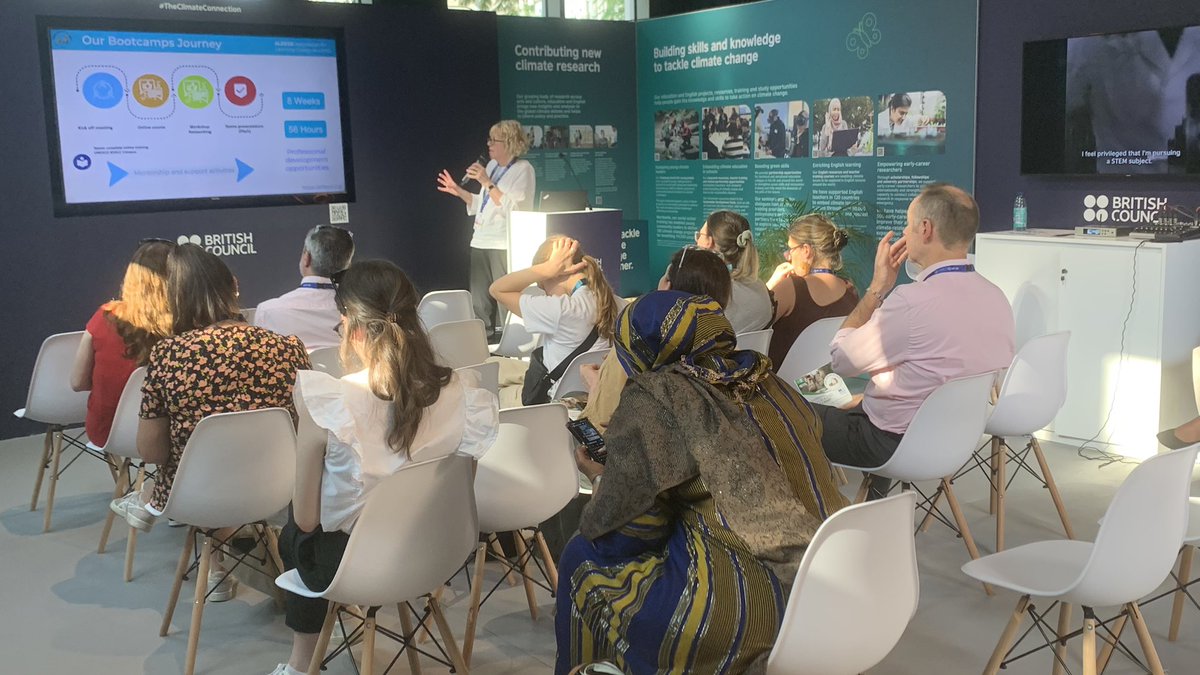
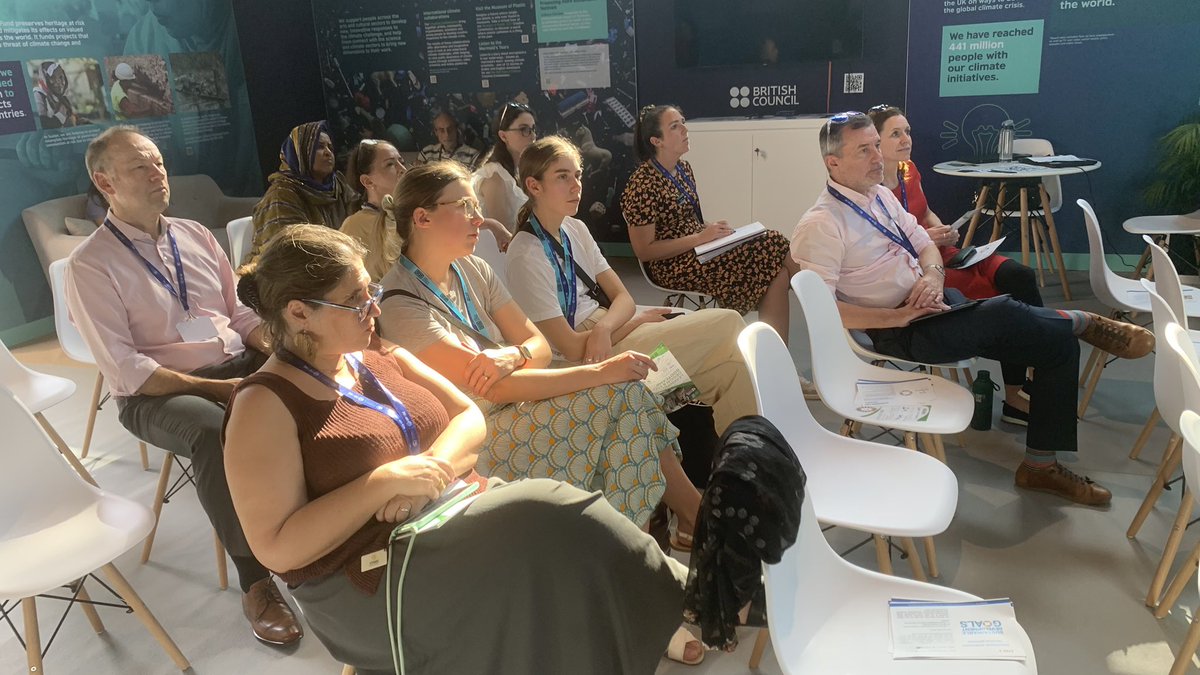
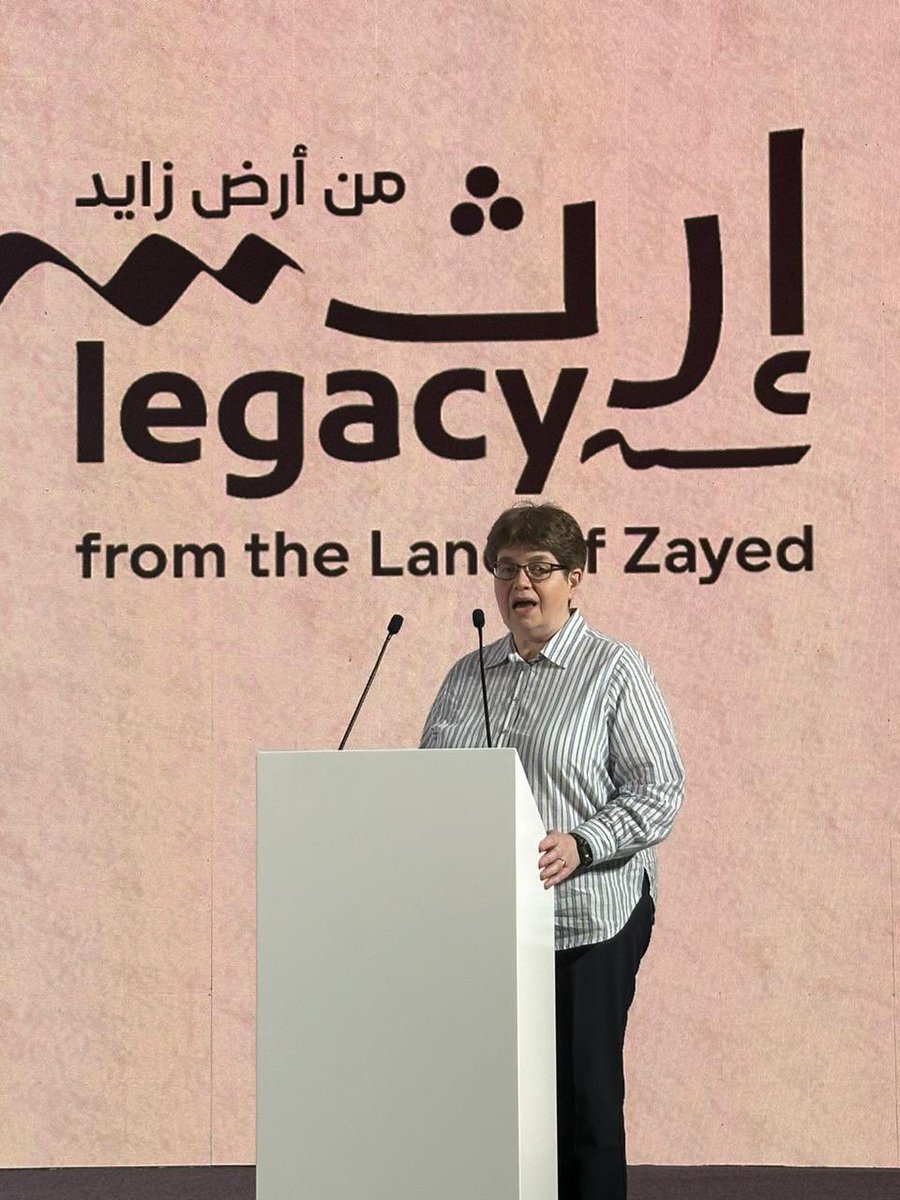
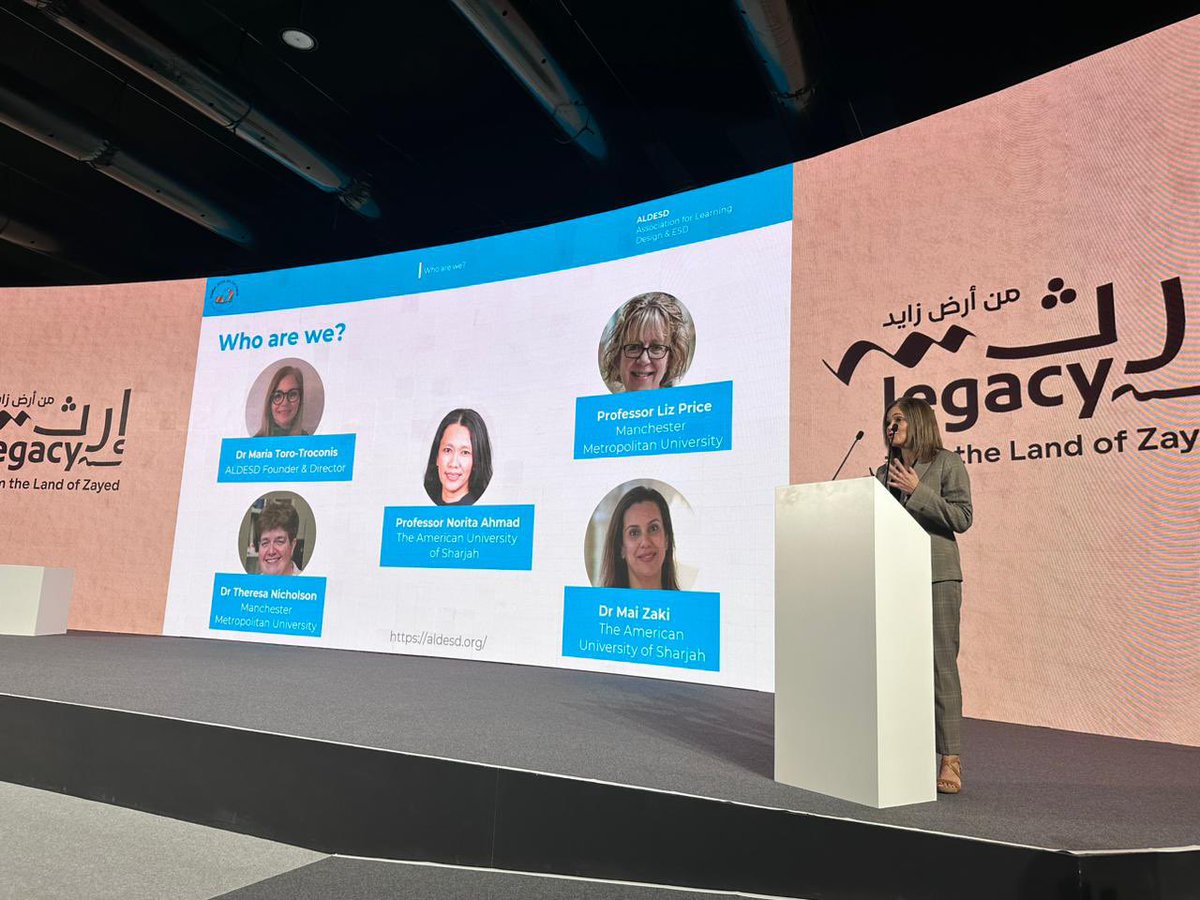
A wonderful day presenting with Liz Price at @BritishCouncil pavilion #COP28. Huge interest in the #CoDesignS ESD Framework from @ALDESD_CIC and @mtorotro. Really good conversations about transformative pedagogies and co-creation of curricula 😊 @ManMetUni @MMU_NATSCI
2
4
225
1 Dec 2023
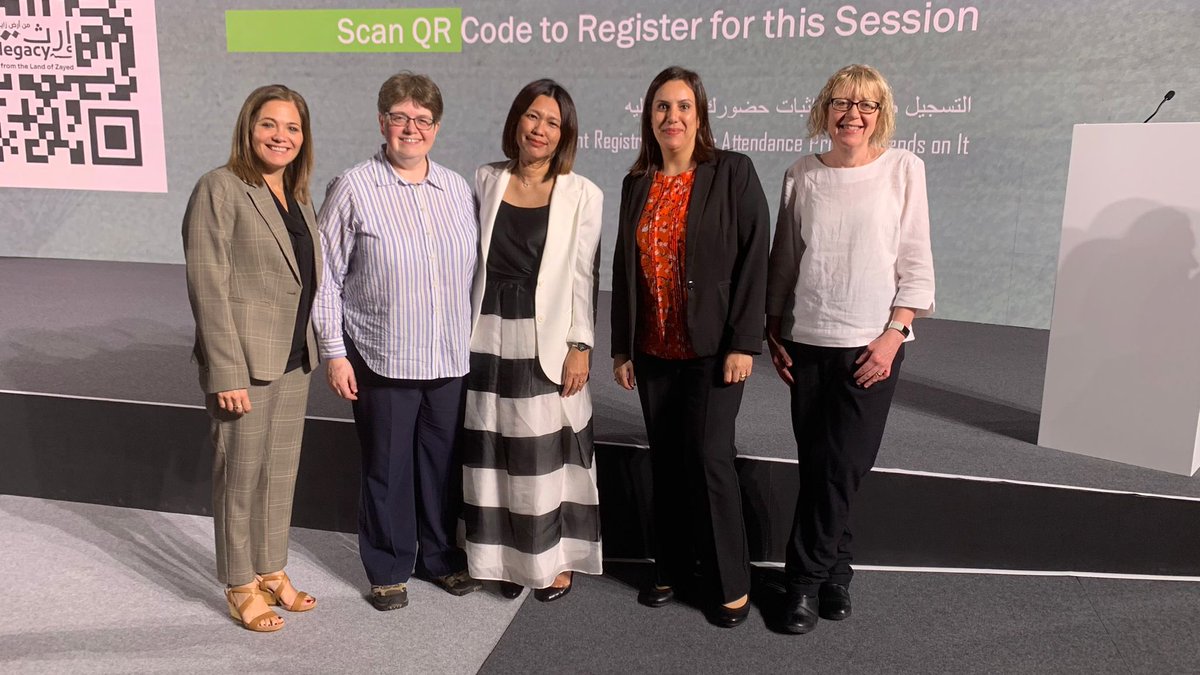
Our workshop on using the CoDesignS ESD Framework for embedding #ESD went really well, some exciting new contacts made!#COP28UAE with @ALDESD_CIC @mtorotro @Education2030UN @UNESCO @MMU_NATSCI @ManMetUni
1
3
177

19 Oct 2023
Check this out! By #J&codesigns
One of the Initiatives of My Daughter, Javea Joso Mbapeh for local and international travel. lots to capture and store....Add this to your Christmas and Corporate gifts this holiday. Available on Amazon. amazon.co.uk/dp/B0CK3VCVY6
1
2
55

18 May 2023
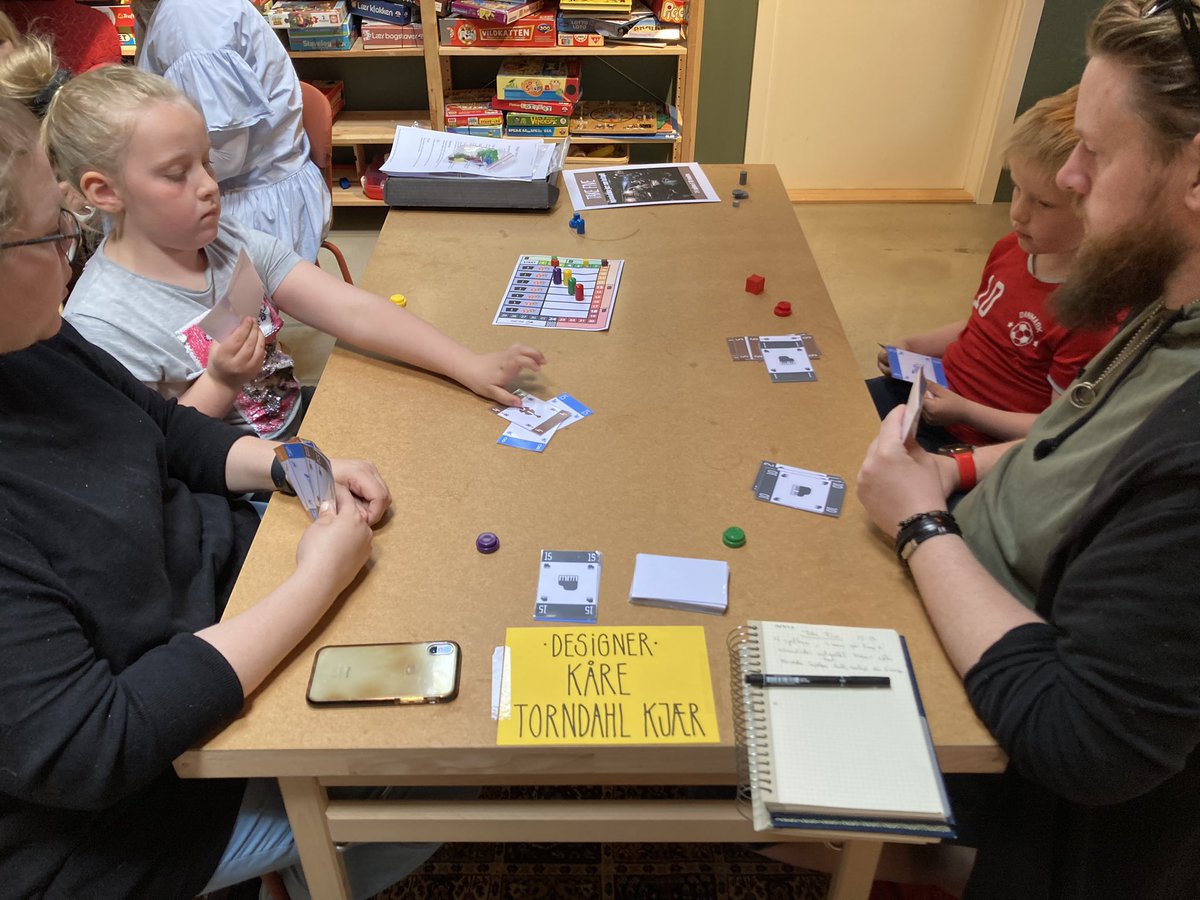
Really cool test event in Operaen in Randers today where I got to test Take Five and Marble Crush (both codesigns with @MadsFloe) and my own “I don’t have to outrun the troll…”. Oh, and I also found two affordable copies of Whirling Witchcraft by @erik_a_sunden.
1
3
141

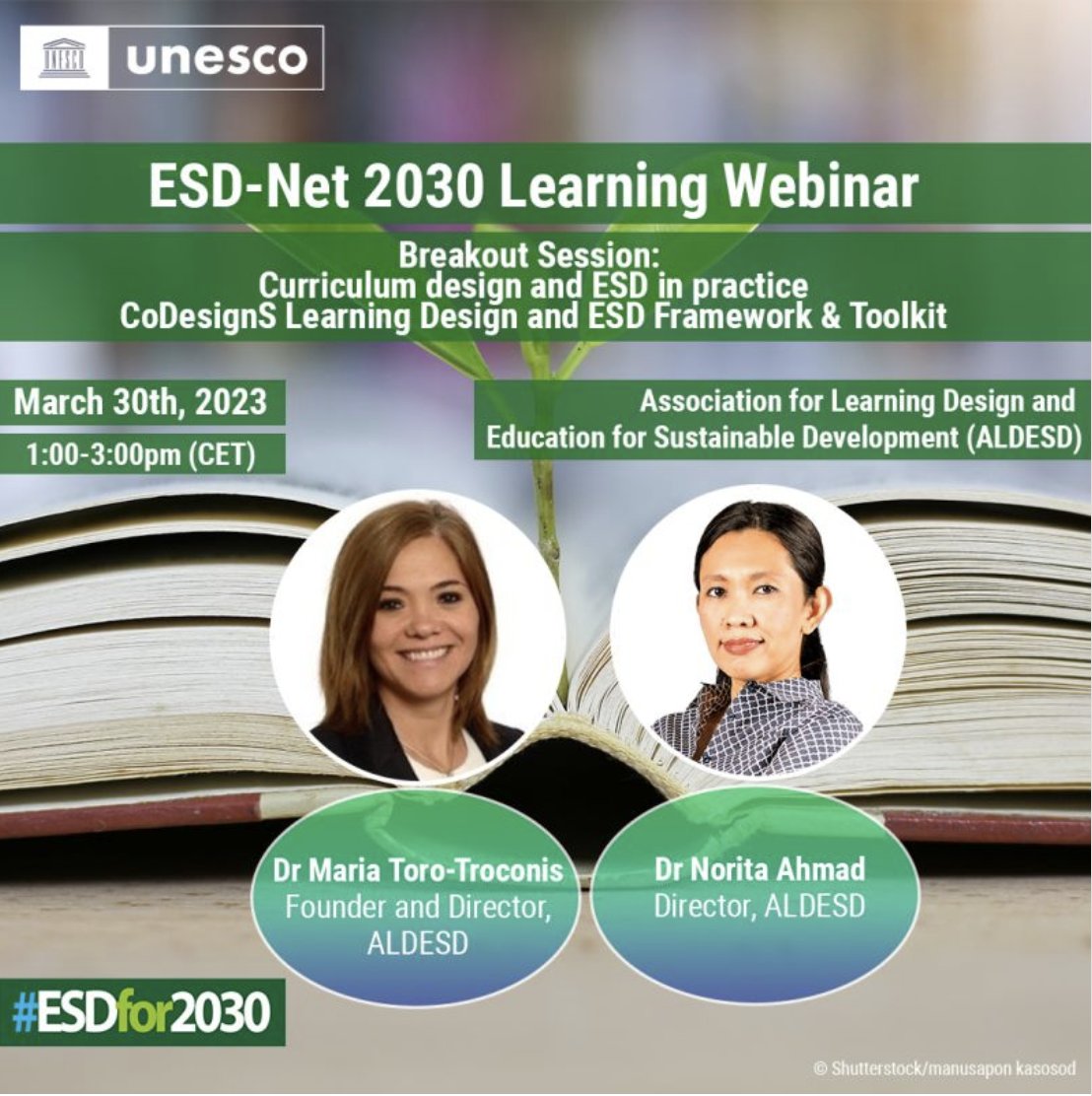
Learn about our CoDesignS #ESD Framework and Toolkit! Join our directors at UNESCO’s learning webinar on Thursday, 30 March, from 13:00-15:00 CET #ESDfor2030 #LearnForOurPlanet #sdgs #sdgs2030 #ESDBootcamp codesignsesd.org/toolkit/ Register here: lnkd.in/gQVHeVcM
2
2
241

14 Mar 2023
Keep an eye out for my friend @JDWBoardGames at conventions this year. He’s got some great designs and codesigns in the pipeline.
14 Mar 2023

My games I'm bringing with me to conventions 2023:
Java Dragons
Game✅️
Rules✅️
Sell Sheet❌️
Arcane Sanctuary (codesign @BoardGameStiles)
Game✅️
Rules✅️
Sell Sheet❌️
Ramen Sensei (codesign)
Game✅️
Rules✅️
Sell Sheet❌️
Sequel Game
Game✅️
Rules❌️
(1/2)
2
4
222

14 Mar 2023
False Fox (codesign @Giles_Margerum)
Game ✅️
Rules❌️
Sell Sheet❌️
Ghost Trapping Club (codesign)
Game/Rules/Sell Sheet❌️
Fruit Cocktail
Game✅️
Rules✅️
Sell Sheet❌️
Asteroid Entrepreneurs/Letter Labyrinth (codesigns, 1 with @Drawnonward)
Games/Rules/Sell Sheets❌️
1
6
142
4 Feb 2023
My card only, quick playing, classic feeling card game is feeling amazing. Thanks to @Drawnonward, @BoardGameStiles, @AmyDesignsGames, @3ddevine, and @stevenaramini. Game 2 of 4 (5?) down! Up next is my 1 vs many deduction game, and my cooperative word game (both codesigns!)
1
1
14
620
27 Jan 2023
I have a lot of design work ahead of me, from codesigns to plans I made for myself to a convention thing on Saturday, BUT I got an idea for a new 18 card game, a format I said I was done with, and I can't quite shake the idea. 🤷♂️
4
172