
Feb 10
💔 3 Years. Just Like That.
I was with her for three years. We built everything together late-night calls, future plans, “Shaadi kab?” jokes, and promises like “forever means forever.” I trusted her blindly. If someone asked me, “Bro, what if she leaves?” I would just laugh, because in my mind she was permanent.Until one random Tuesday.
I found out she was already building something else with someone else. There was no warning. No slow fade. Just one message: “You’re a good person. But…” And that was it. Three years gone in one sentence.I was broken. I kept asking myself where it went wrong, what I missed, why I didn’t see it coming. And then I realized something important I was focused on the output, but I never understood the underlying structure.
And that’s today’s topic: why populate() works in JavaScript (MongoDB Mongoose).In MongoDB, data is often stored using references. For example, a Post document might store the author as just an ObjectId instead of the full user data. It looks connected, but it’s only a reference. When you use
Post.find().populate("author"),
Mongoose fetches the post, looks at the author ObjectId, checks the ref: "User" defined in the schema, queries the User collection, and replaces that ID with the full user document.
It works because the schema clearly defines the relationship using:
author: {
type: mongoose.Schema.Types.ObjectId,
ref: "User"
}
That ref is the key. Without it, populate() has no idea where to look. It would just see an ID nothing more. And that’s the lesson. In relationships and in coding, if you don’t understand the references, you’ll only see IDs, not the full picture.
Don’t chase people. Chase understanding. Understand how data links. Understand how systems work. Understand why things break. Because when you truly understand the structure, nothing surprises you. If this hit you, remember: don’t get attached to the result understand the schema.
#CodingLessons #MongoDB #JavaScript
1
2
206

28 Dec 2025
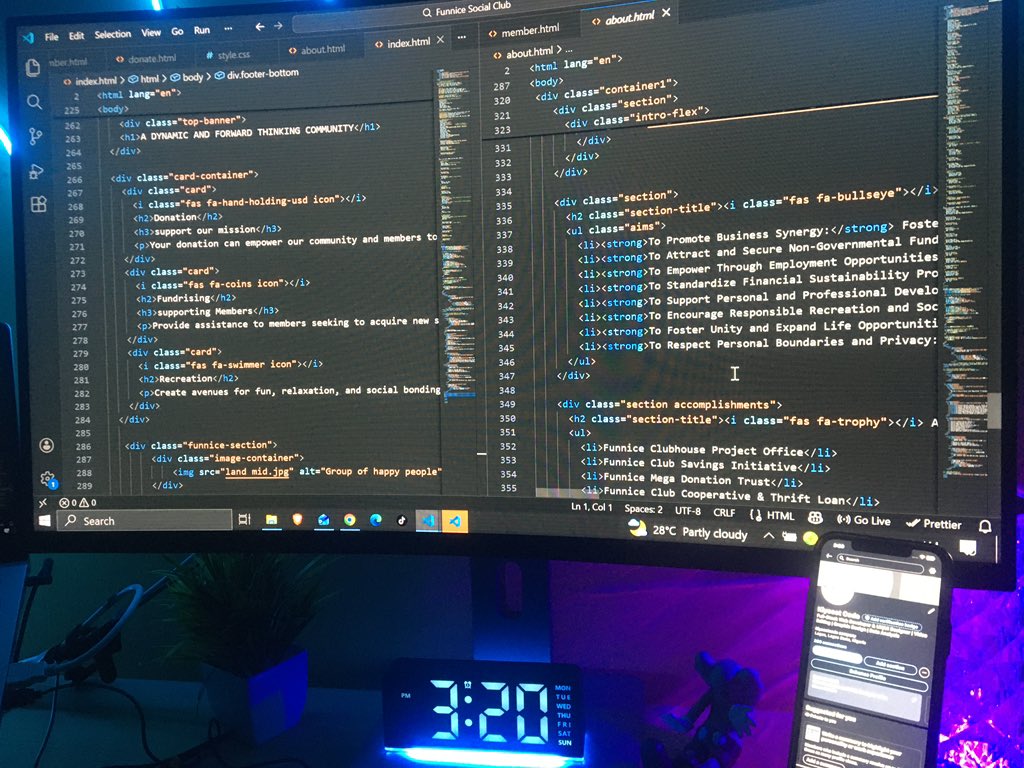
What coding mistakes are you still making today that you’re determined not to repeat next year? 👀💻
#DevLife #CodingLessons
2
5
75

15 May 2025
Today I learned something new: yfinance uses a MultiIndex structure by default for its DataFrames! Took me ~1 hour to debug a pesky KeyError. Funny how simple basics can steal your time. #Python #CodingLessons #yfinance
5
379

28 Dec 2024
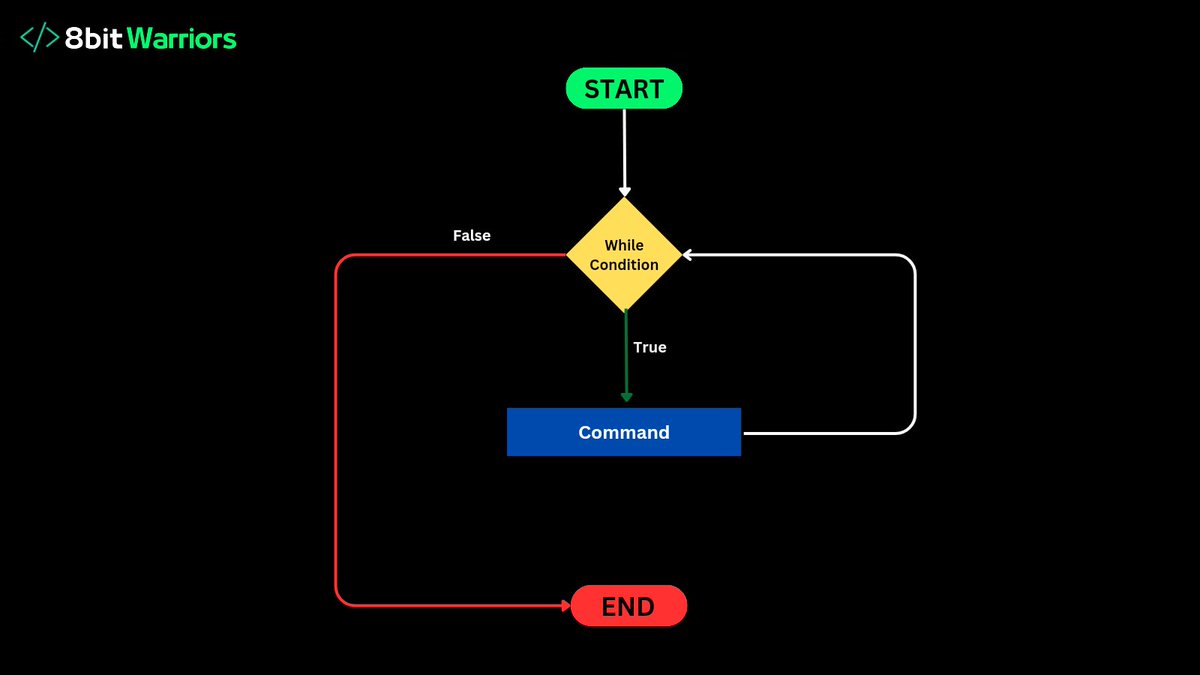
Life’s While-Loop: Keep Moving Forward..
In programming, a while-loop repeats until a condition is met.
Life’s the same, keep working on your dreams while the goal isn't achieved.
The lesson?
Persistence is key!
#LifeInCode #8bitWarriors #CodingLessons
1
4
42

22 Oct 2024
Coding Tutorial Coming Tomorrow…Don’t Miss it!
Learn to code by having fun making the games you love.
Join us at wanderbuilds.com
#coding #learntocode #codeonphone #mobilegames #code #programmer #viral #reel #codingfun #p5js #javascript #codinglessons #codingtutorials
3
37

27 Aug 2024
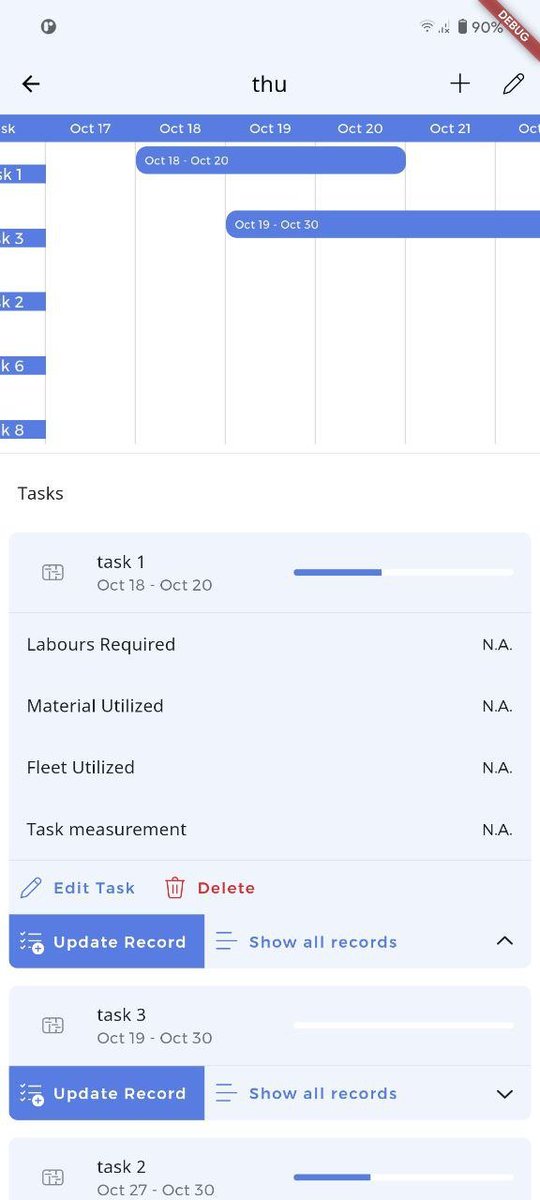
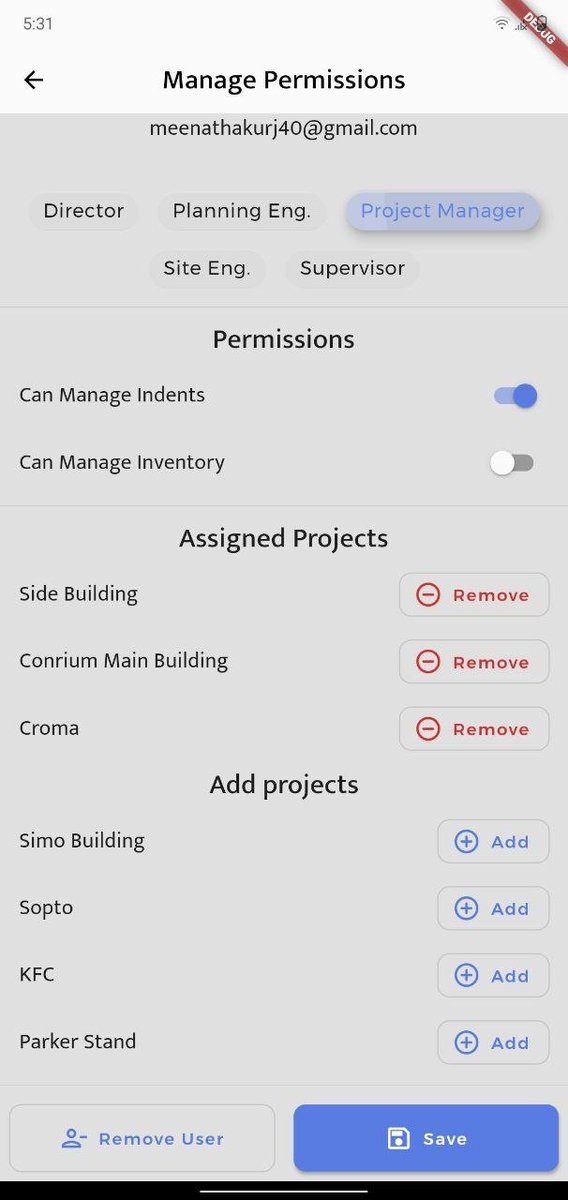
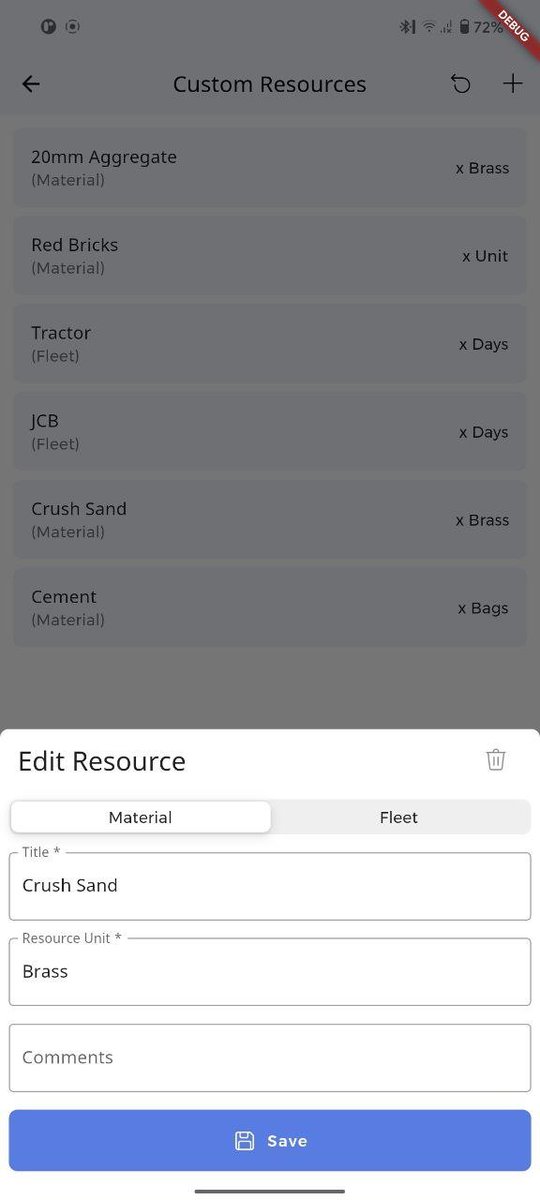
🚨 Lost months of work due to a git push --force. Months of work for my construction management app? Gone. Don’t make the same mistake—back up everything! 💻🔧
Attached: Screenshots on work gone.
#CodingLessons #ConstructionTech #DevLife
1
2
51

1 Aug 2024
Just spent hours debugging an unhandled promise rejection in my code!
Lesson learned: Always add catch blocks to handle potential errors in async code!
#UnhandledPromiseRejection #Debugging #NodeJS #JavaScript #CodingLessons
4
143

8 Jul 2024
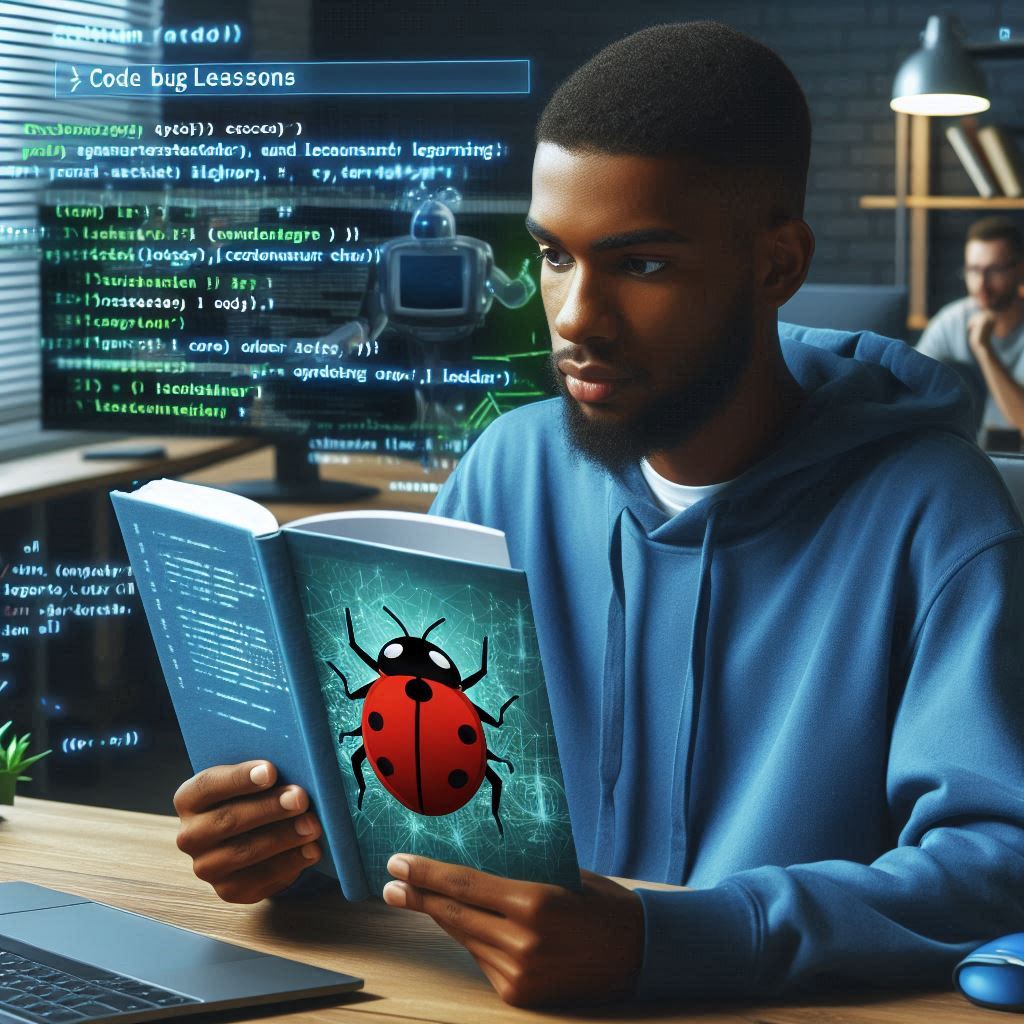
En la programación, cada error es una lección. ¡Aprende y sigue adelante! 📚💪 #codingLessons #programacion #codigo #programando con #josecodetech mas en -> youtube.com/@josecodetech
1
1
30

11 Jun 2024
The second video is done - youtu.be/mLuQ4FrLcdo
Which microphone do you use for better sound?
#JavaScript #Coding #WebDevelopment #LearnToCode #Programming #JavaScriptTutorial #WebDesign #FrontendDevelopment #CodingLessons #TechEducation
1
1
86

22 Oct 2023
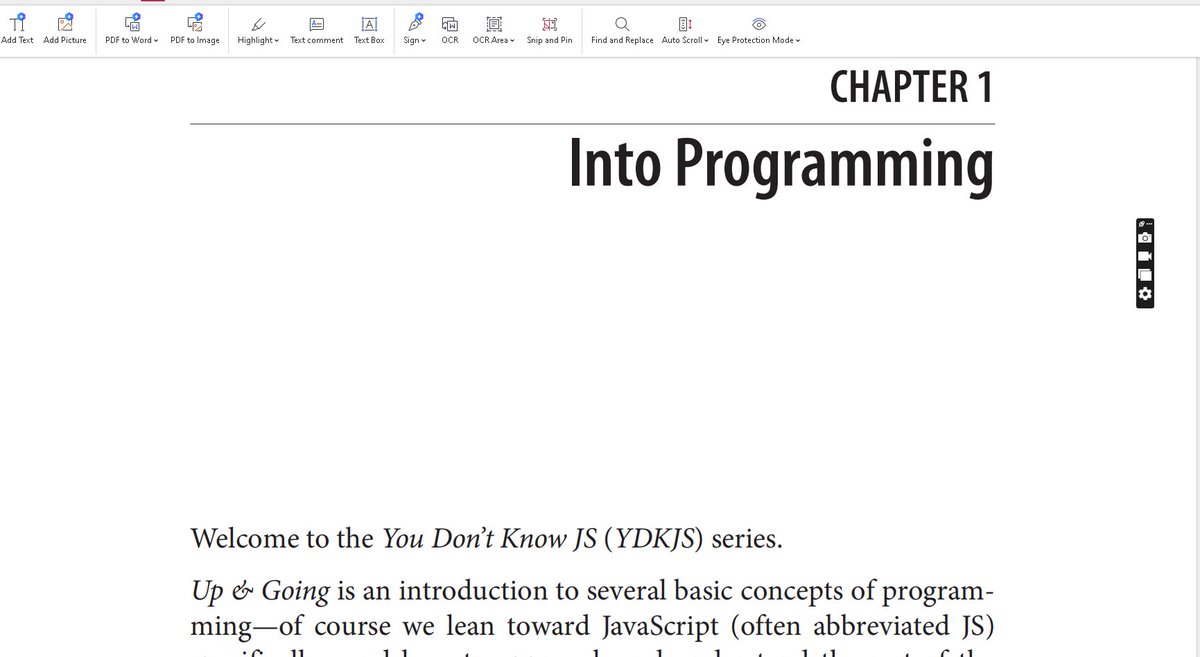
Finally cracked open this JavaScript book, I'm excited to share the valuable lessons I will be learning and the cool projects I'll be building. Pls subscribe hashnode.com/@TechBabe
#JavaScript #HashNodes #CodingLessons 💻 #webdevelopment #technicalwriting

1
4
131

20 Oct 2023
Once pushed a major update without proper testing, only to roll it back due to bugs. Lesson learned: Never underestimate the power of thorough testing before deployment. #DevLife #CodingLessons
3
55

28 Sep 2023
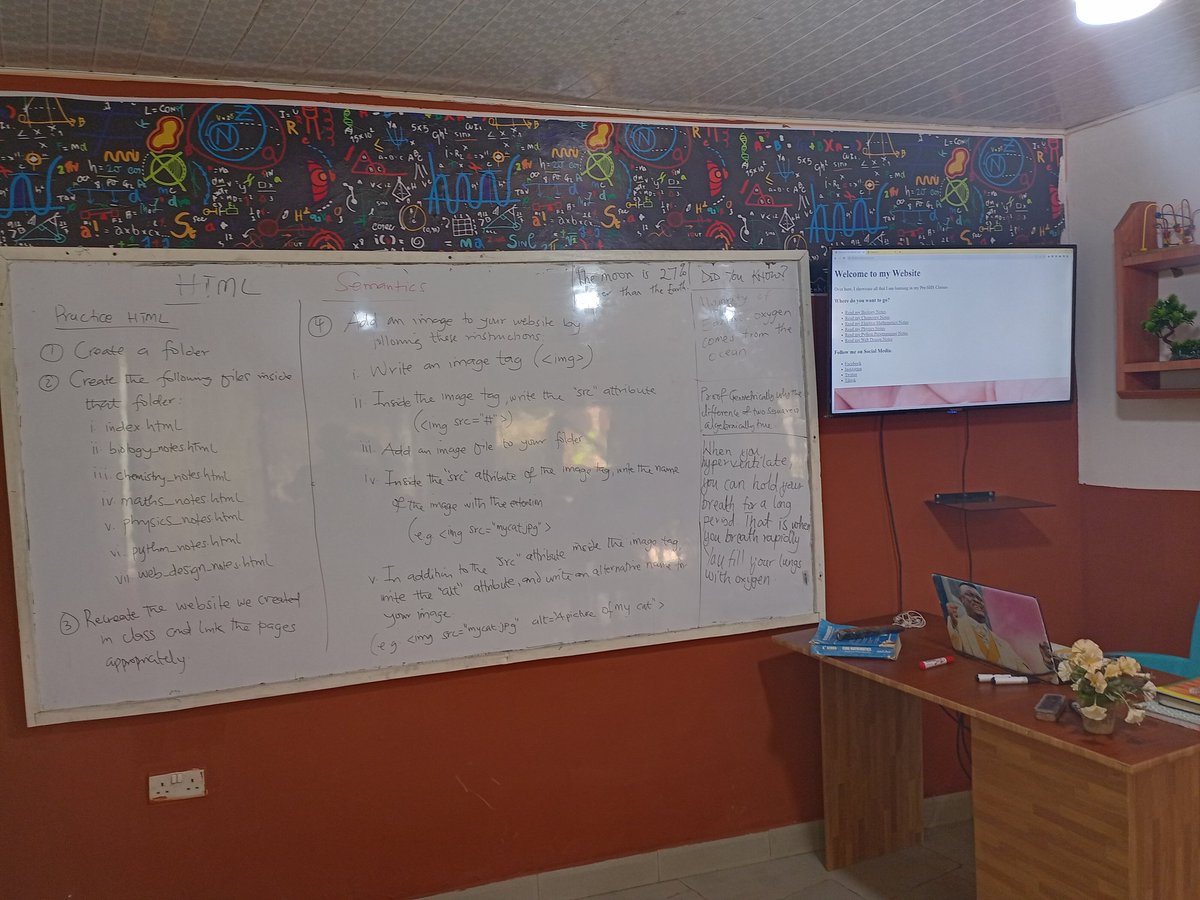
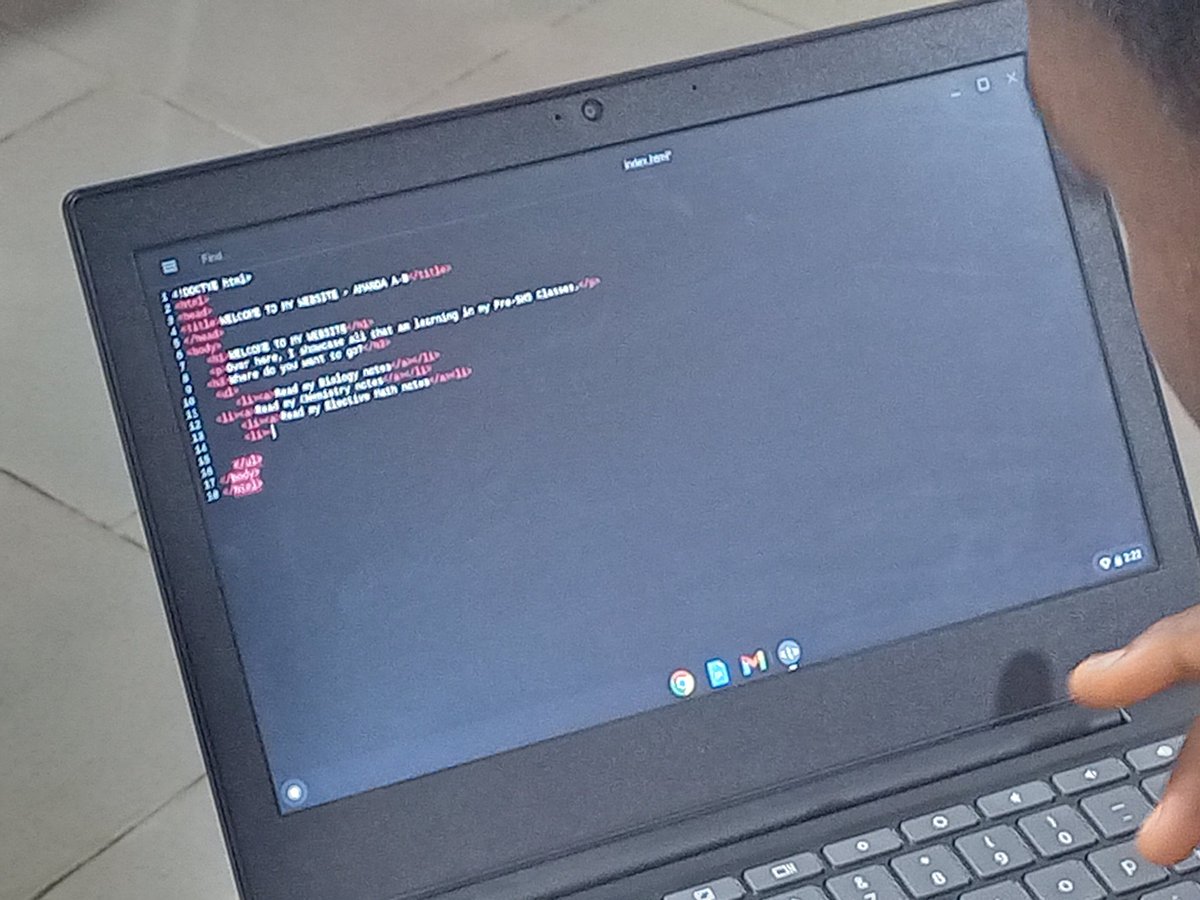
🚀We had an incredible week! Teaming up with JHS grads at Prism Brooks Learning Centre's Pre-SHS Boot camp, we introduced them to HTML. The result? Their first HTML websites! 🌐👩💻💡 #Tech4ChangeGH #CodingChampions #FutureTechLeaders #STEMBootCamp #CodingForKids
#CodingLessons
4
18

13 Sep 2023
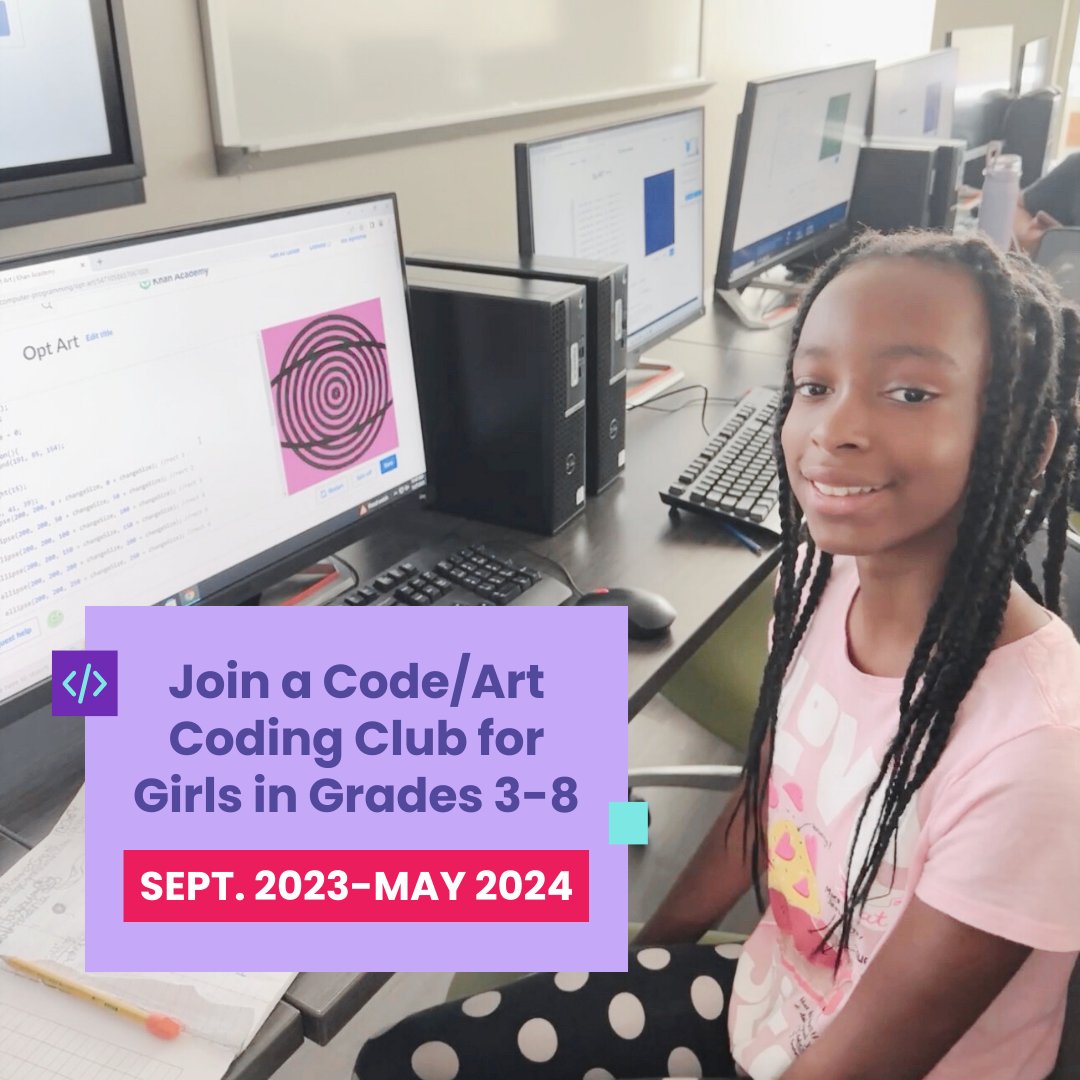
Our Code/Art Clubs are gearing up for an exciting start next week 🎉. Parents, don't miss out on the chance to enroll your daughter for the 2023-2024 school year. Our #clubs commence on Weds., Sept. 20th, and run until May. #stemeducation #codinglessons
code-art.com/sign-up
2
4
101

19 Aug 2023
Kodlamada öğrenilenler, Rust dilinde 'lifetime' boyunca unutulmaz. 🕰️🦀 #Rust #Rustlang #CodingLessons
1
5
1,673
29 Jul 2023
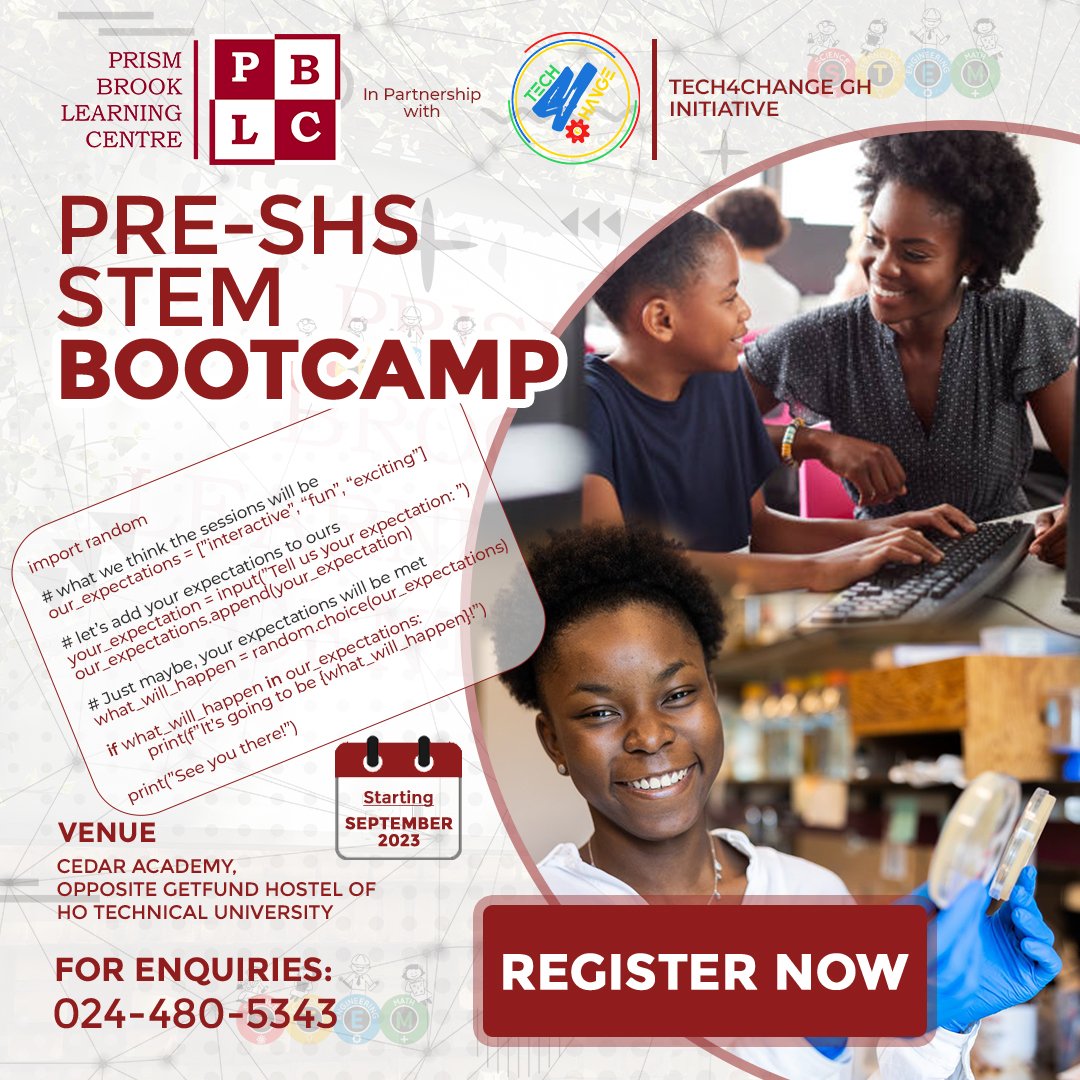
🚀 Exciting News! 🚀 Tech4Change GH Initiative is teaming up with Prism Brook Learning Center to empower young minds during the Pre-SHS STEM Boot camp! 🚀🌟 Enroll your child today! #Tech4ChangeGH #STEMBootCamp #CodingForKids
#CodingLessons #TechSkills #FutureLeaders
1
3
42

22 May 2023
Give your students a head start in the digital world! Our lessons teach the foundations of #TinkerCAD, Code Blocks, and more, empowering them to create mind-blowing 3D models. Let's embark on an exciting coding journey together! #stemlearning #CodingLessons #TinkerCAD #3ddesign

1
3
133

30 Jan 2023
Are you having trouble incorporating #CodingLessons beyond #STEMClasses? Learn why coding is a perfect fit for the #EnglishLanguageArts classroom with these tips from Jason Innes of @KinderLabRobot at @DA_magazine!
hubs.li/Q01zbYWf0
1
1
52

As a total programming noob, all you need is to choose a field (web,mobile,desktop) choose a stack (frontend,backend,fullstack) learn the basics & start a project. You'll most likely change one of these along the way but principles remain the same. Just start
1/365 #codinglessons
1
2

30 Jun 2022
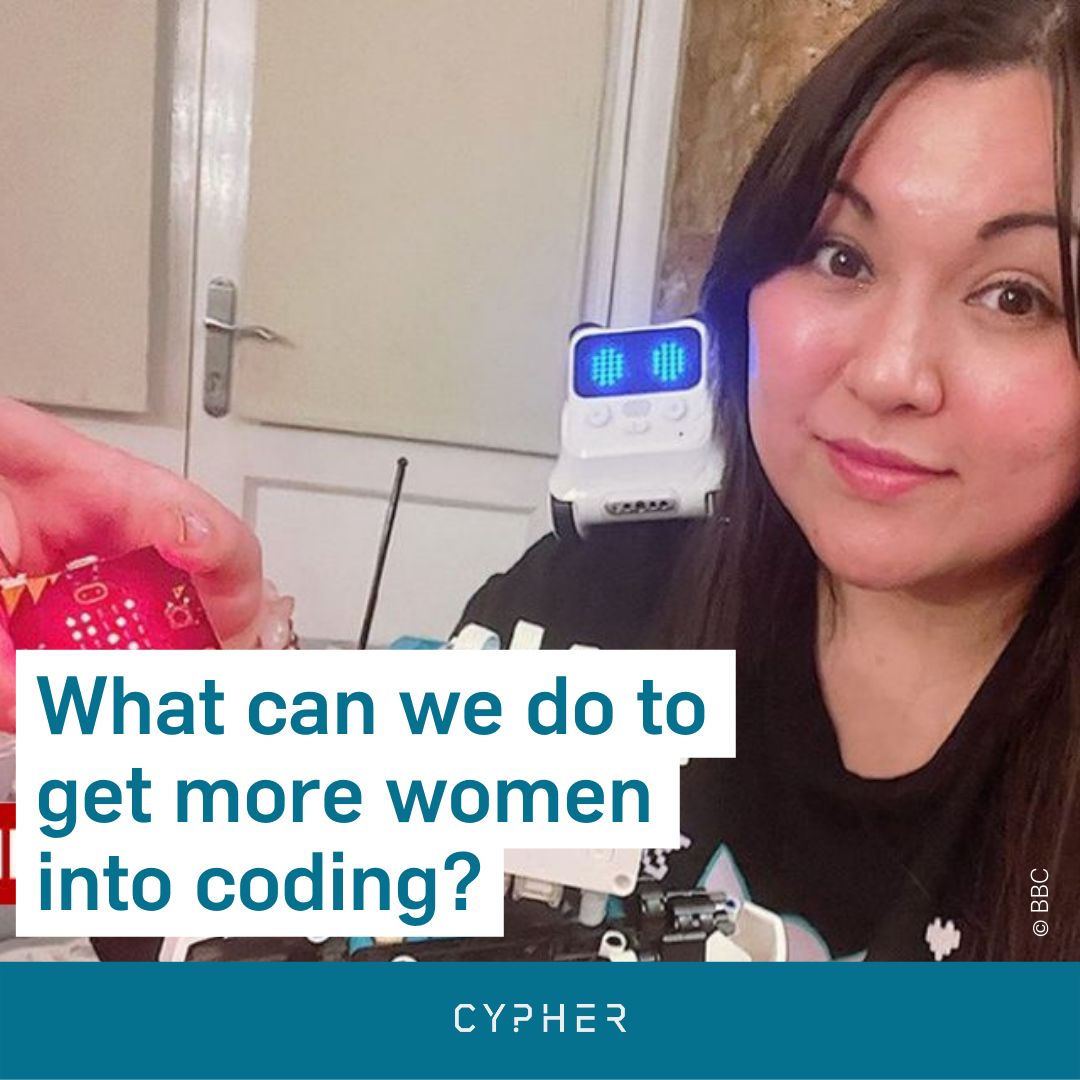
Check out this awesome article from BBC News that features our Founder and CEO Elizabeth Tweedale. They ask a very important question: "What can we do to get more women into coding"?
#TechGirl #FemaleFounder #WomeninTech #CodingLessonsforKids #CodingLessons #Startups
2

21 Apr 2022
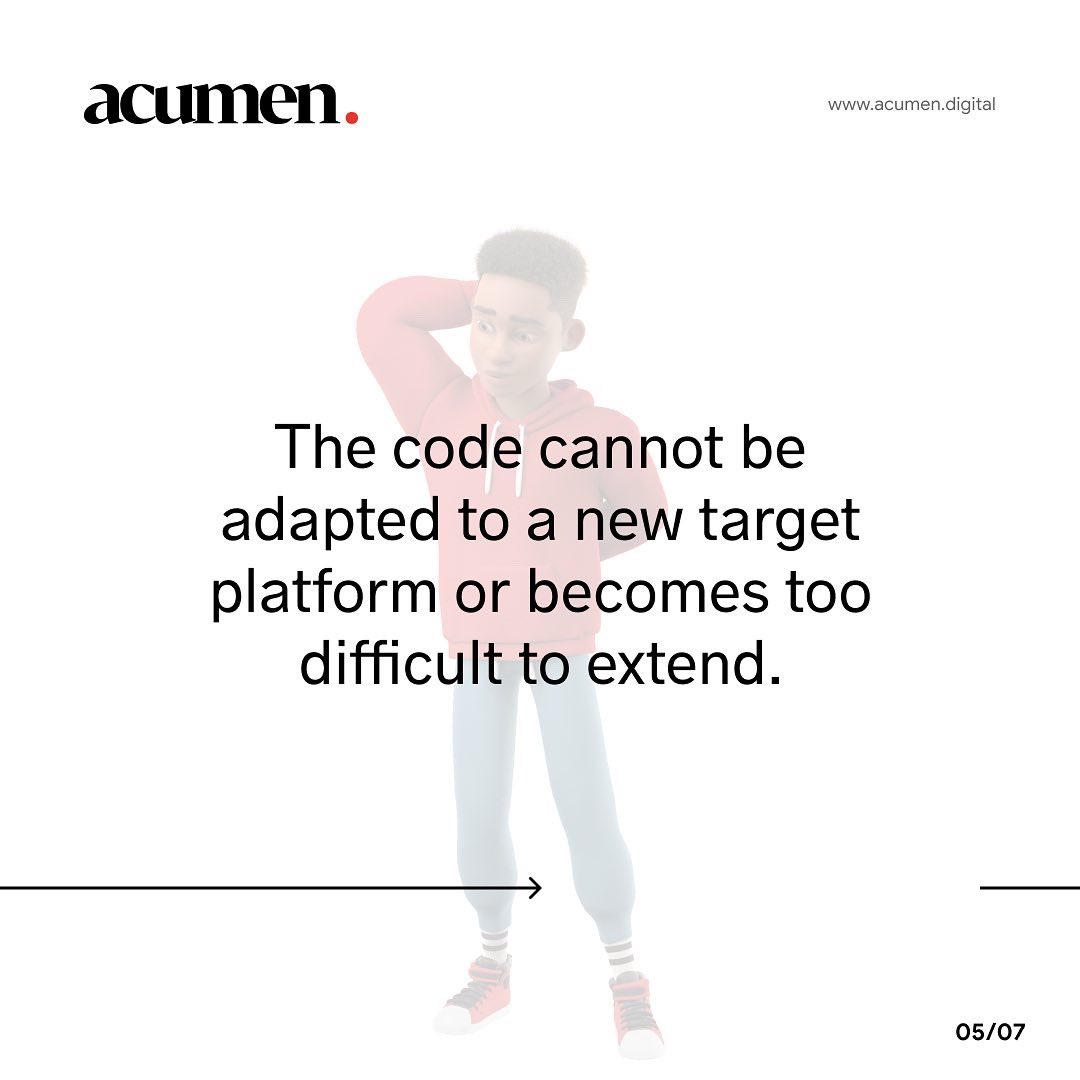
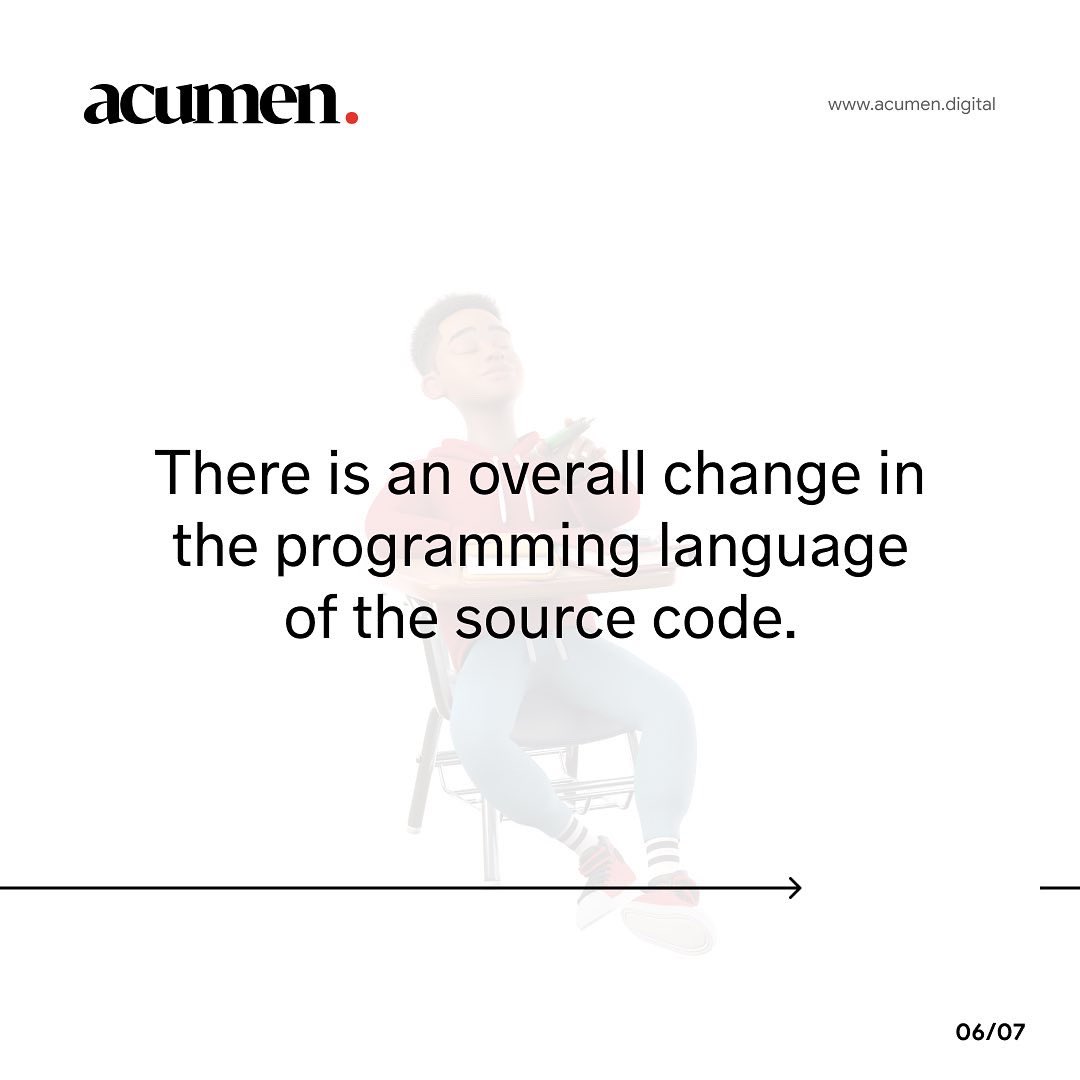
More scenarios where a rewrite is necessary. #stressawarenessmonth #coding #codinglife #codinglessons #softwareengineering #programming #softwaredeveloper #acumen #acumendigital
3
1