
🎧 Guía para principiantes sobre 'vibe coding'
Descubre qué es y cómo empezar con esta forma de programar.
thenewstack.io/beginners-gui…
#DeveloperFlow #CodingPractices #Productivity #RoxsRoss
2
4
185

Day 5-15
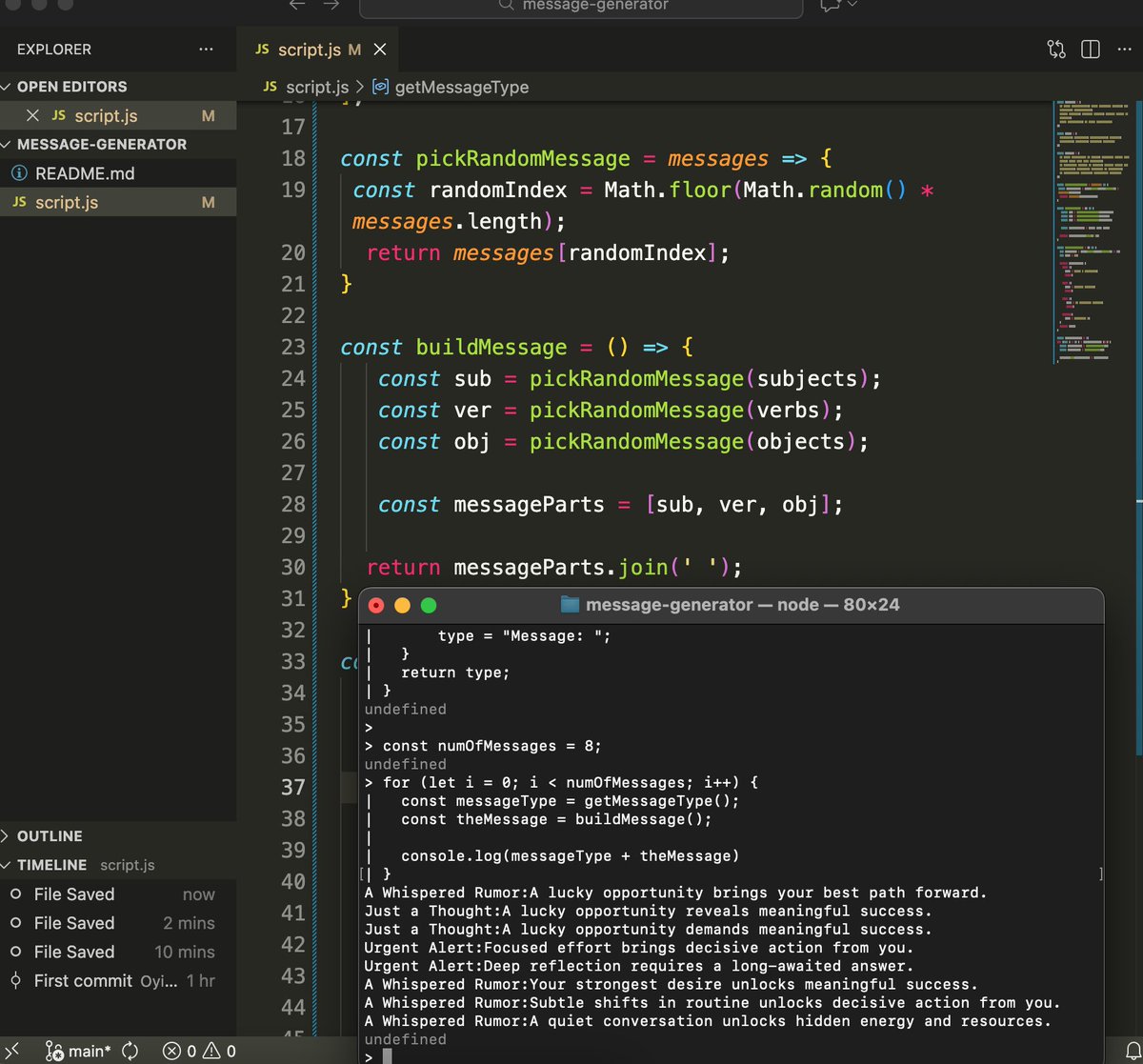
I did more learning and projects on JavaScript.
One of the projects 👇
Built a message generator program that outputs a new, random message every time a user runs the program.
#codingpractices #Coding
1
1
2
40

26 Oct 2025
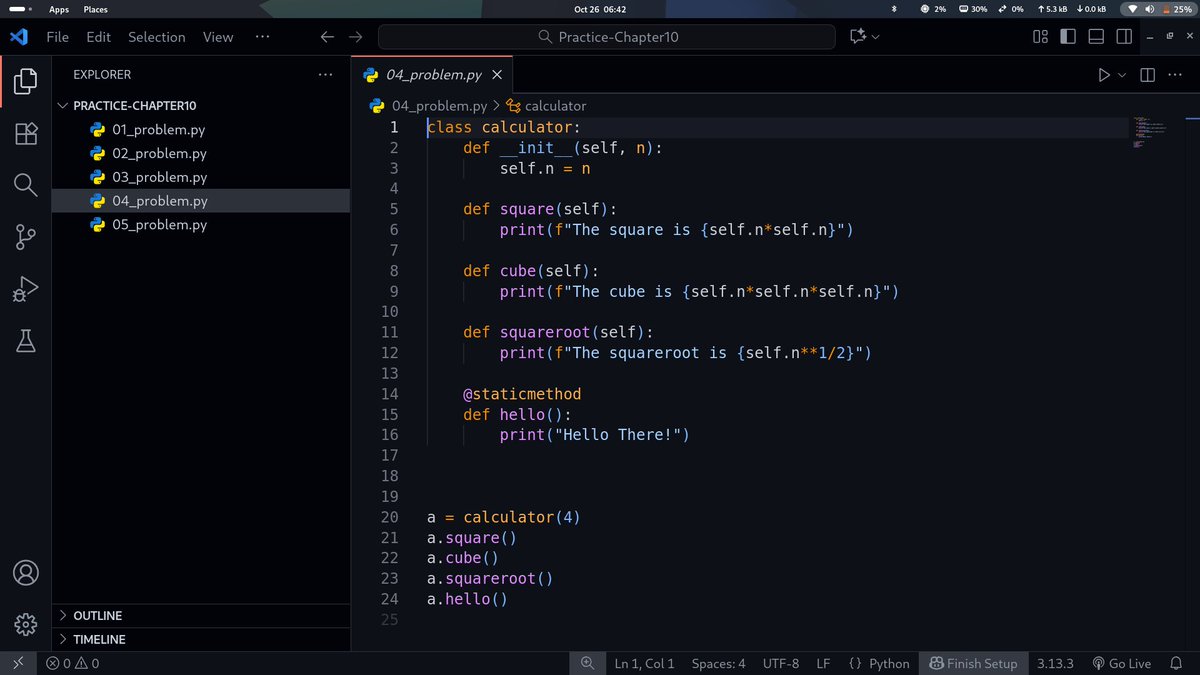
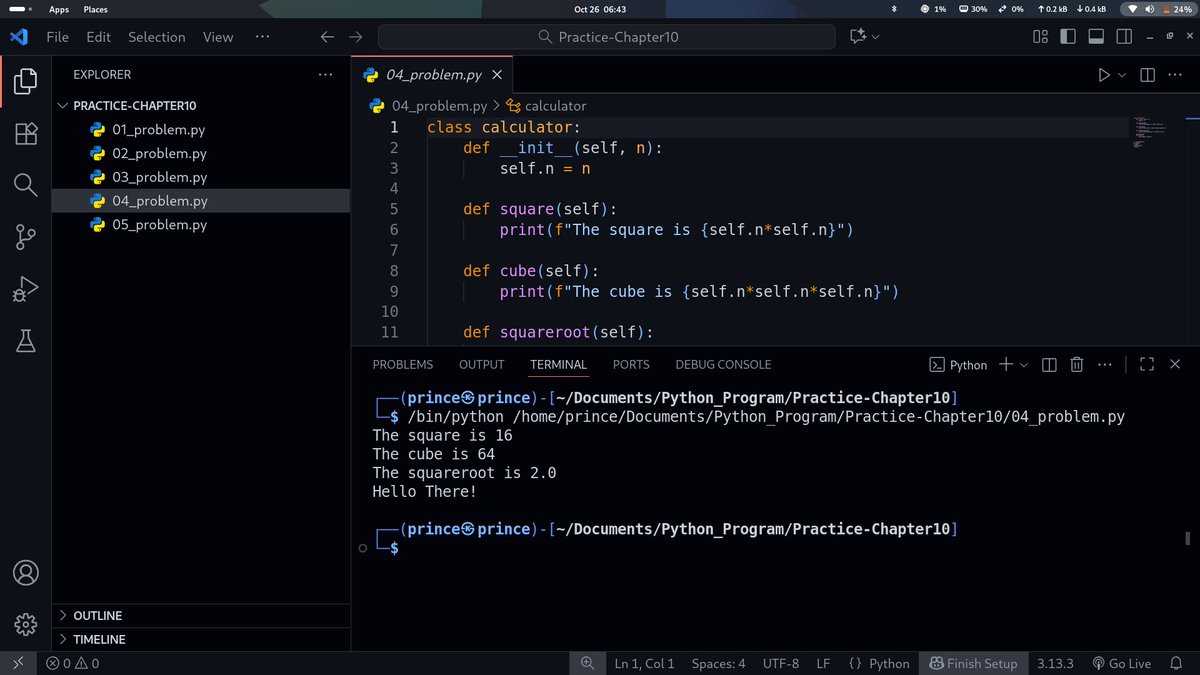
Implemented a small Calculator class to practice:
__init__() constructor
Instance methods (square(), cube(), squareroot())
@staticmethod usage
📈 This exercise helped reinforce how OOP improves code organization and scalability.
#Python #OOP #SoftwareDevelopment #CodingPractices
1
4
47

7 Sep 2025
Don't comment bad code, rewrite it codersite.dev/clean-code/ #cleancode #coding #programming #codingpractices
1
4
85
4 Jun 2025
Don't comment bad code, rewrite it codersite.dev/clean-code/ #cleancode #coding #programming #codingpractices
2
19

Modern Coding Habits for Software Developers
Tags: #SoftwareDevelopment #CodingPractices #DeveloperProductivity #TechLife #ProgrammingTips
Introduction
In the fast-evolving world of software development, staying efficient isn't just about writing code quickly; it's about writing better code more thoughtfully. Here, we delve into some modern coding habits that can significantly enhance productivity, reduce errors, and improve the quality of software projects.
1. Adopting Pair Programming
Why: Pair programming isn't just about sharing knowledge; it's about enhancing code quality through real-time peer review.
How: Start by pairing with another developer for specific tasks or entire modules. Use tools like Visual Studio Live Share or Tuple to collaborate seamlessly.
Impact: Reduces bugs, promotes knowledge sharing, and increases code maintainability.
2. Leveraging Test-Driven Development (TDD)
Why: TDD ensures that developers write tests before writing the actual code, which leads to better design and fewer defects.
How: Begin with writing failing tests for the functionality you're about to implement, then write code to pass those tests.
Tools: Use frameworks like Jest for JavaScript or JUnit for Java to facilitate this process.
3. Implementing Continuous Integration/Continuous Deployment (CI/CD)
Why: CI/CD automates the integration and deployment process, allowing for quicker feedback on code changes.
How: Integrate your codebase with services like GitHub Actions, Jenkins, or GitLab CI. Set up automated tests, builds, and deployments.
Result: Faster release cycles, immediate feedback on code quality, and reduced integration issues.
4. Mastering Your IDE
Why: An IDE tailored to your workflow can dramatically increase coding speed and accuracy.
How: Learn shortcuts, plugins, and features like code refactoring, debugging tools, and version control integration in IDEs like VSCode, IntelliJ IDEA, or PyCharm.
Tip: Customize your IDE to fit your coding style and project needs.
5. Prioritizing Clean Code
Why: Clean code is easier to read, maintain, and scale.
Practices:
Single Responsibility Principle: Each module or class should have one reason to change.
Refactor Mercilessly: Always look for opportunities to simplify or improve existing code.
Descriptive Naming: Use clear, informative names for variables and functions.
Tool: Use linters and static analyzers like ESLint, Pylint, or SonarQube.
6. Embracing Version Control Best Practices
Why: Good version control practices save time and reduce errors in code management.
How:
Regular commits with meaningful messages.
Branching strategies like Git Flow or using Pull Requests for code reviews.
Keeping your main branch always deployable.
7. Scheduling Regular Code Reviews
Why: Code reviews are crucial for maintaining high-quality code and sharing knowledge.
Implementation: Use platforms like GitHub, GitLab, or Bitbucket for pull requests where team members can review code changes.
Benefit: Improves code quality, fosters team learning, and ensures adherence to project standards.
8. Utilizing Modern Documentation Practices
Why: Good documentation reduces onboarding time for new developers and aids in maintenance.
How:
Adopt tools like Sphinx for Python or JSDoc for JavaScript to generate documentation automatically.
Write READMEs, contribute to wikis, or use tools like Confluence for project documentation.
Conclusion
The journey to becoming a more efficient coder involves embracing these habits not just as techniques but as part of your daily coding ethos. By integrating these practices into your workflow, you'll not only enhance your productivity but also contribute positively to your team's dynamics and project’s overall health. Remember, in software development, efficiency is about working smarter, not just harder.
Call to Action
Start today by picking one habit to refine or implement. Share your experiences or other productivity tips in the comments below or on social media with #CodeSmarter. What has been your game-changer in coding efficiency?
2
87

21 Oct 2024
Master the Art of Writing Efficient Code for Faster Deployments
#EfficientCode #FasterDeployments #ProblemSolvingSkills #OptimizePipelines #InfrastructureCode #CodingPractices #StayAhead #SpeedAndEfficiency #TechTips #CodeOptimization
3
34

14 Jun 2024
Voxxed Days Cluj Napoca has its CFP opened and welcoming your ideas 💡!!!
Share your knowledge with an eager to learn #community, right in the heart of Romania 🇷🇴!!!
vdcluj24.cfp.dev/
#java #security #AI #codingpractices
14 Jun 2024

Are you passionate about coding, AI, cybersecurity, or other cutting-edge technologies? 👩💻
@VoxxedCluj is the perfect opportunity for you to showcase and leverage your innovative ideas and experiences! 💡
Share your #knowledge here: vdcluj24.cfp.dev
#itwillbefun
1
5
17
2,180
13 May 2024
Don't comment bad code, rewrite it codersite.dev/clean-code/ #cleancode #coding #programming #codingpractices
1
8

17 Apr 2024
Checkout the thread to see why the right names in your code matter more than you think.🎯
#CodingHacks #codingtips #codingpractices #softwaredevelopment

1
8
226

17 Feb 2024
"Always code as if the guy who ends up maintaining your code will be a violent psychopath who knows where you live." - John Woods. Stay clean, #AngularDev! #CodingPractices #DevLife 🚀💻
✍ @openai
4
753
23 Jan 2024
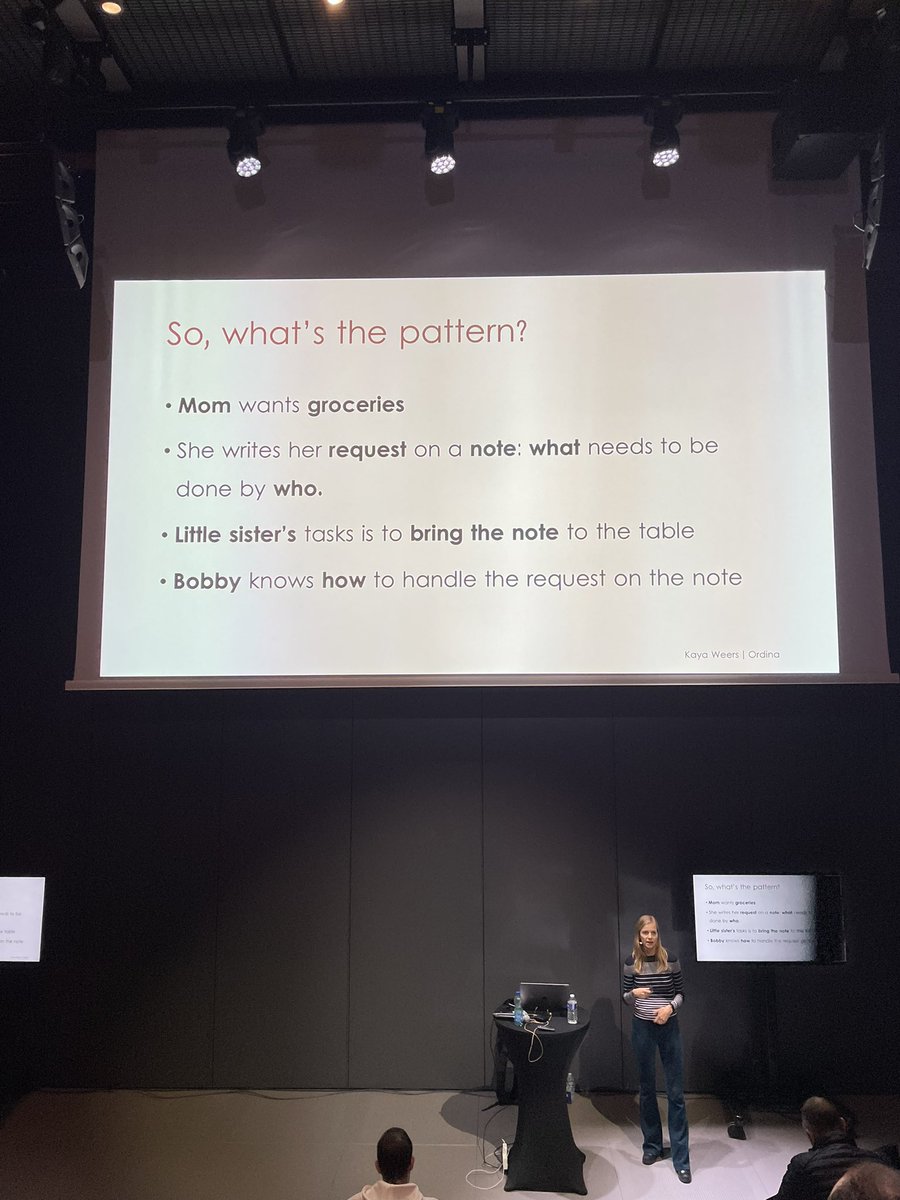
Happy to watch what happens when a design pattern visits a supermarket @KayaWeers
#codingpractices #developers
8
472
19 Dec 2023
1
8
25 Nov 2023
1
3
18 Nov 2023
Don't comment bad code, rewrite it codersite.dev/clean-code/ #cleancode #coding #programming #codingpractices
17

9 Nov 2023
Hello Folks
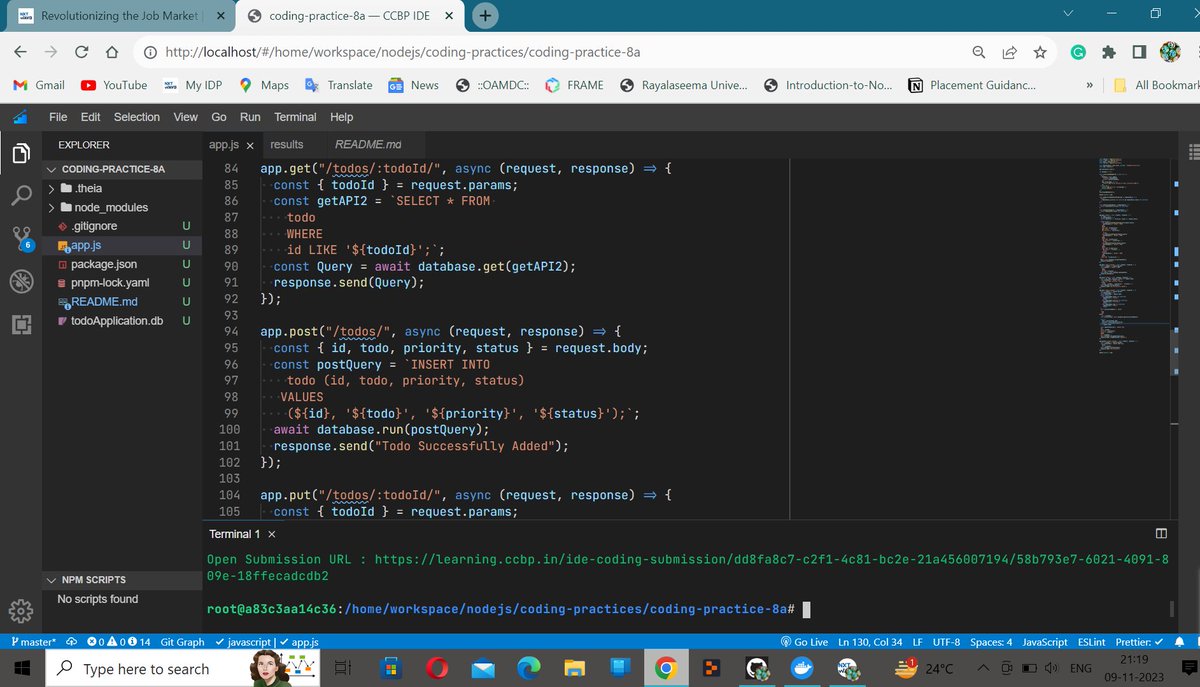
I had completed my REST APIs > CODING PRACTICE 8 👨🏻💻
My GitHub Profile Link Below 👇:
lnkd.in/gGdUAfZN
Thanks to @rahulattuluri @sashankreddy07
@girishakash13 @avinashdara @nxtwave_tech
#1hourofcode #codingpractices #rest #api #todo #ccbpacademy #nxtwave
4
102
8 Nov 2023
Don't comment bad code, rewrite it codersite.dev/clean-code/ #cleancode #coding #programming #codingpractices
1
9

11 Oct 2023
... If the system isn't easily adaptable for new features, it can limit the software's success and what the business can achieve.
Keep up the great work! 💪🌟
#SoftwareDevelopment #CodingPractices #SystemArchitecture #ContinuousImprovement #Adaptability #BusinessSuccess
1
17
25 Sep 2023
Hello Folks 🤠
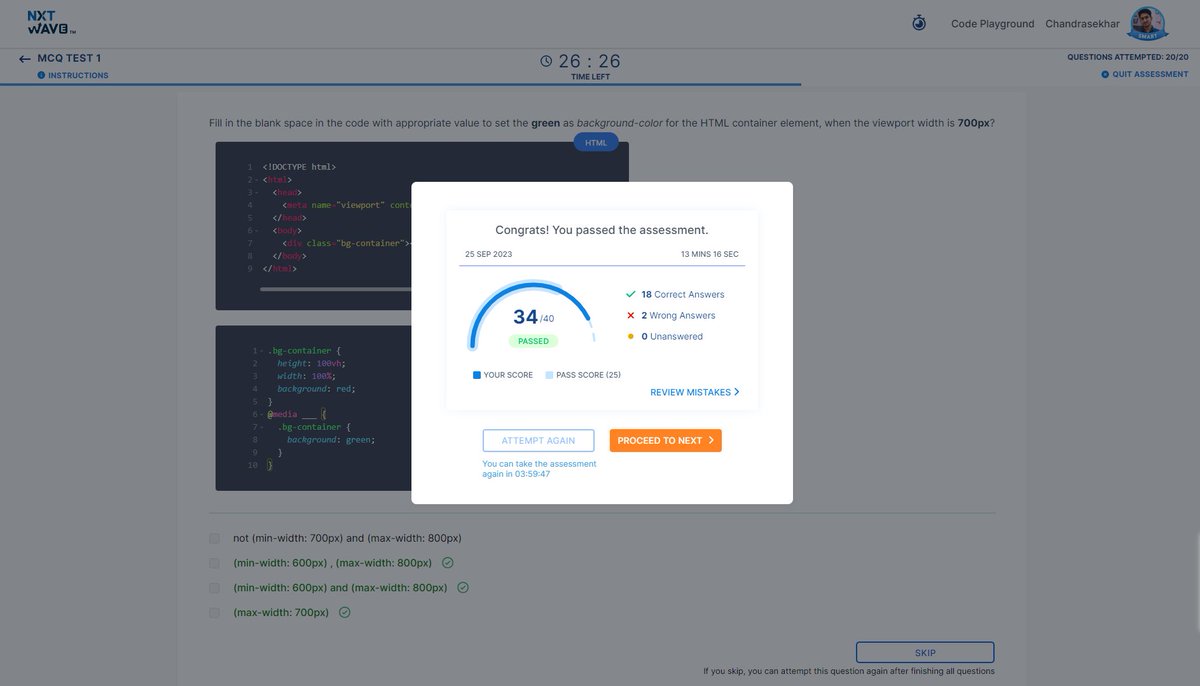
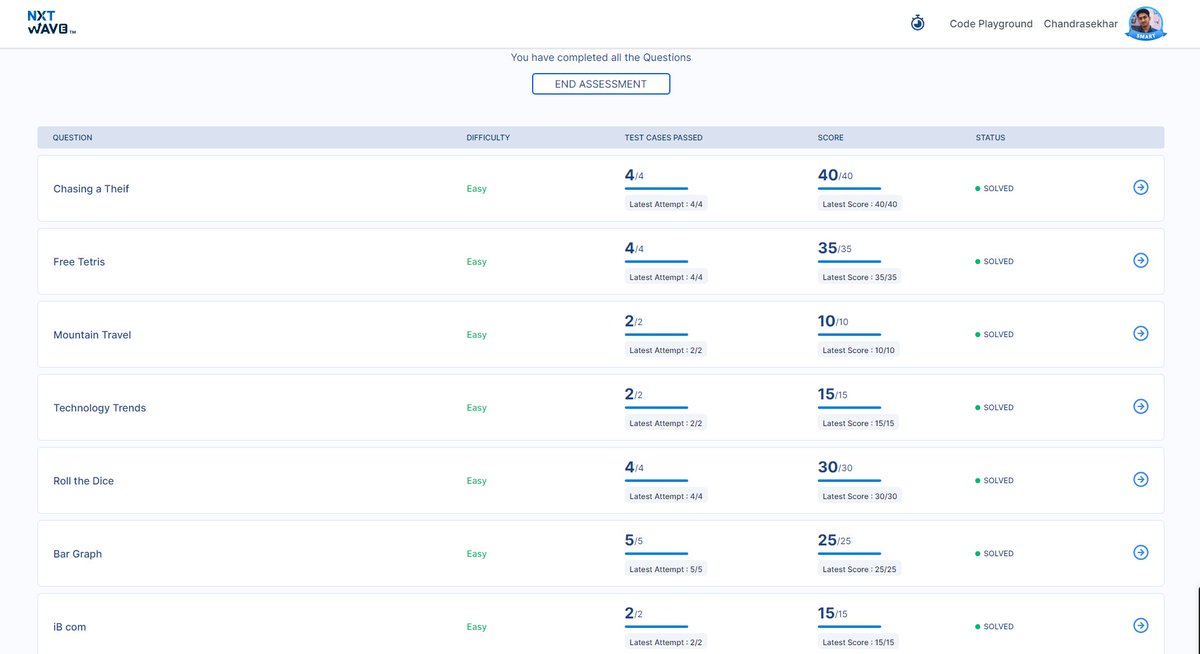
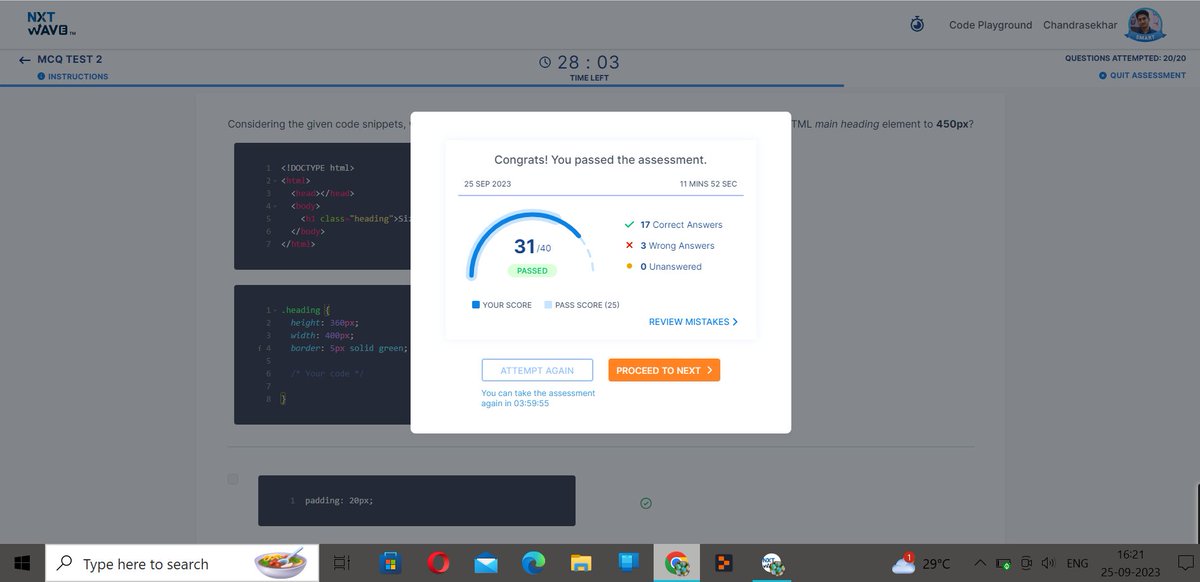
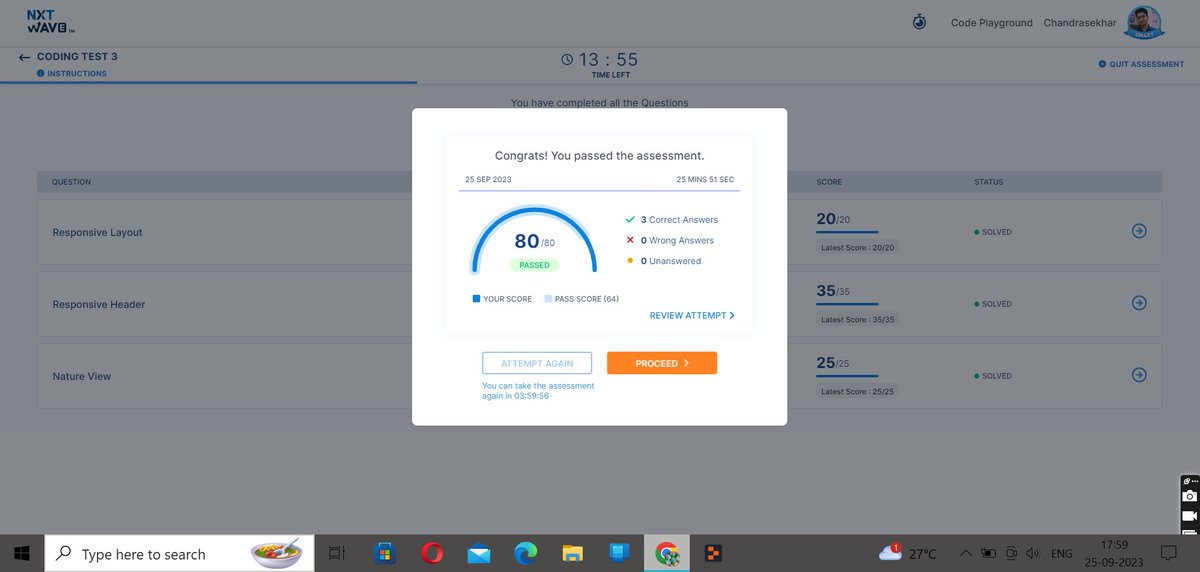
Finally, Today I have completed my 3rd Growth Cycle & Mock Tests > MCQ Test 1,2 & Coding Test 1,2,3 🎯
Thanks to @rahulattulur @sashankreddy07
@girishakash13 @avinashdara @nxtwave_tech
#mocktest #codingtest #1hourofcode #growthcycle #completed #codingpractices
2
68
25 Sep 2023
Hello Folks 🙋🏻♂️
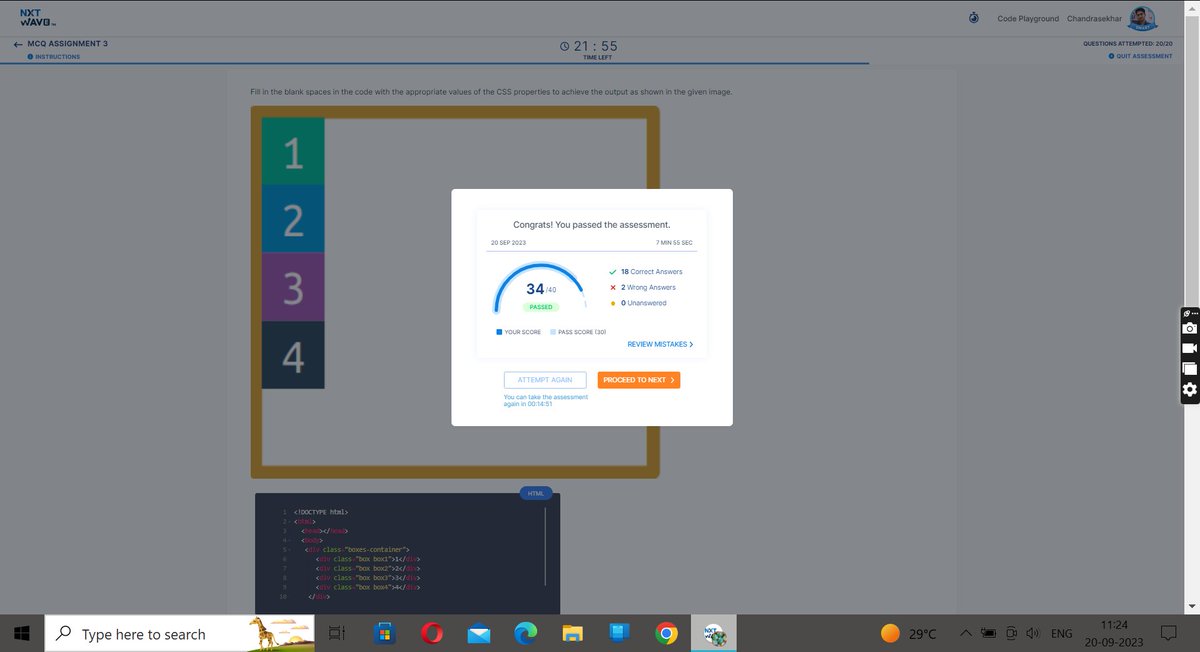
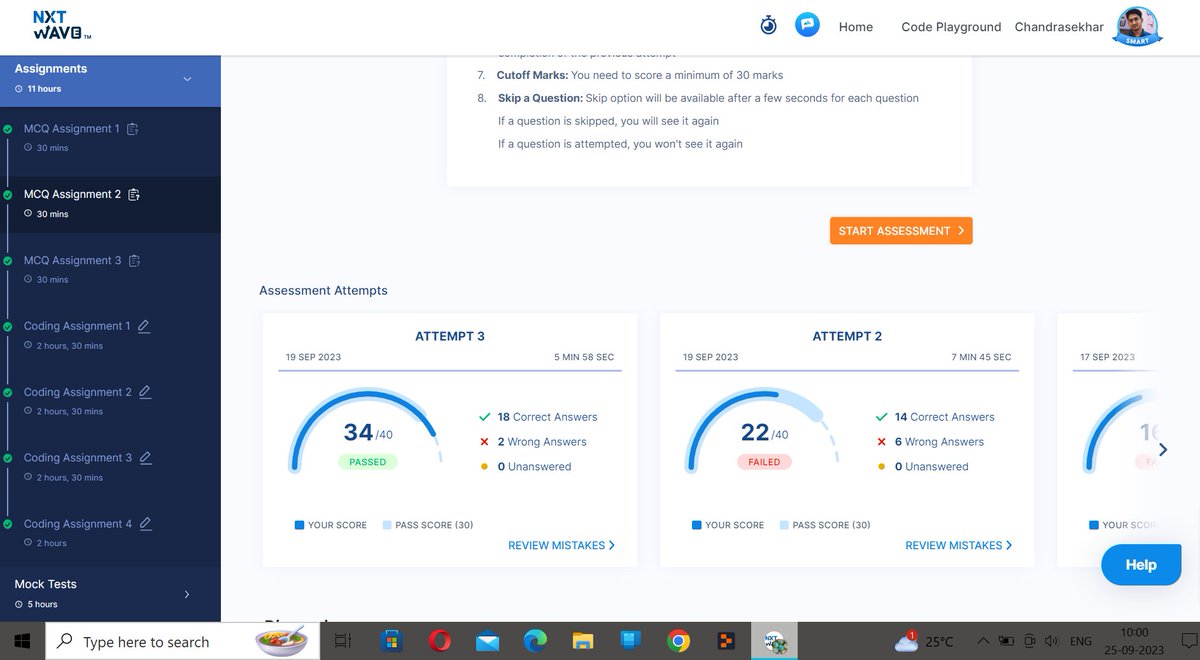
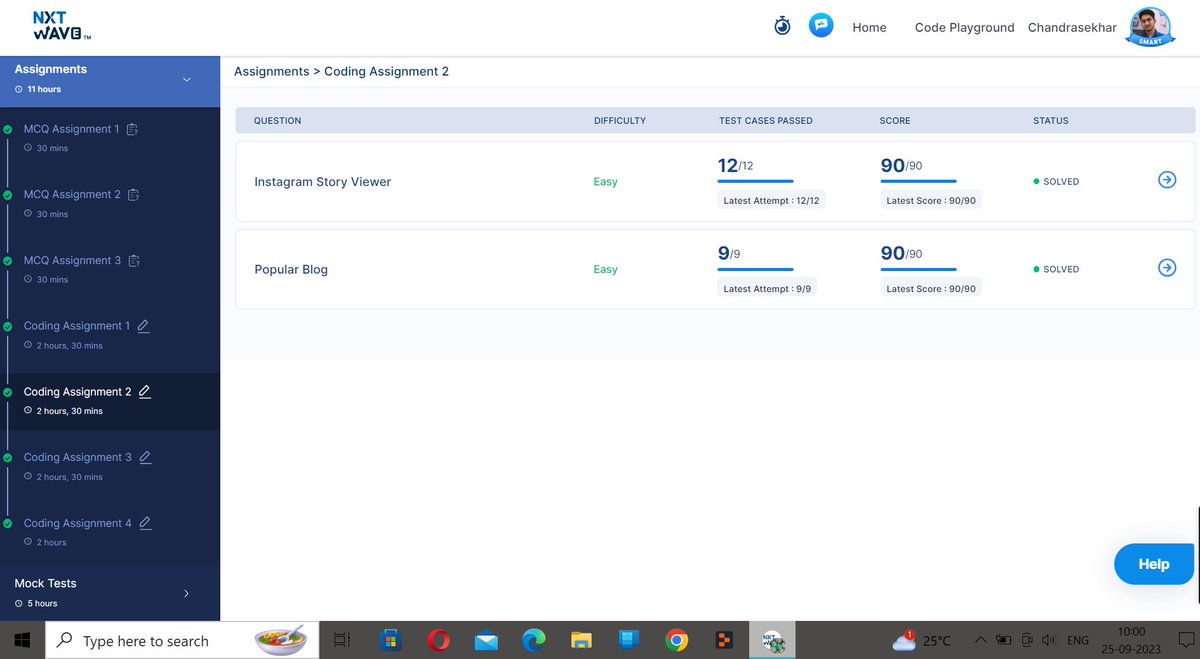
I have completed my MCQ Assignments 1,2,3 and Coding Assignments 1,2,3,4 👨🏻💻
Thanks to @rahulattuluri @sashankreddy07
@girishakash13 @avinashdara @nxtwave_tech💙
#assingments #codingpractices #mcqs #media #queries #cssflexbox #1hourofcode #cssflexbox #flexbox 💚
3
88