
🚨 👇🏼👇🏼Partenariat CAFI-Pays du bassin du Congo Rachel Kyte @rkyte365, Envoyée spéciale pour le Climat (Royaume-Uni), a rappelé les fondations de cet engagement crucial :
🤝 Un partenariat d’égaux : Une relation de confiance solide pour co-construire des solutions de financement durables et adaptées.
📈 Un suivi en temps réel : L'importance de mettre en place un système de surveillance agile afin de mesurer l’impact direct des projets sur le terrain et d'ajuster le tir sans attendre.
💡 Passer à l'action : Identifier ce qui fonctionne, corriger les trajectoires et déployer les réussites à l'échelle de toute la région.
✅A suivre absolument.👌👌 @fonaredd @UKinDRC @CAFISecretariat @et @UNOPS @comifac @ASoudanNonault
3
67

May 4
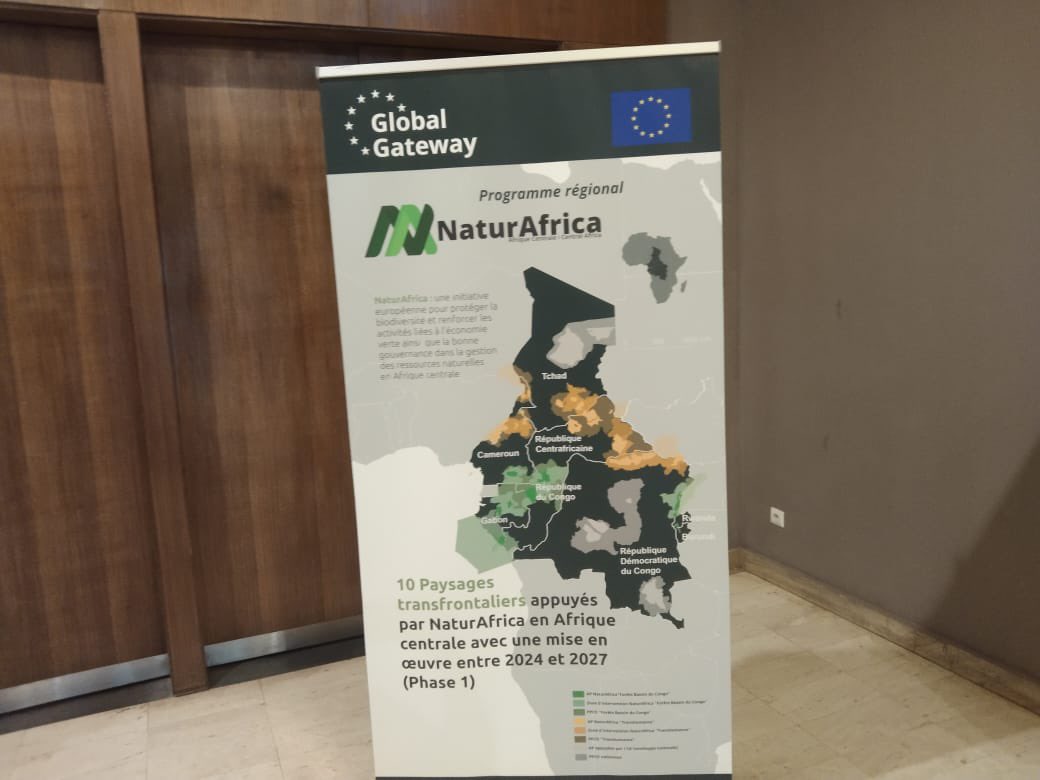
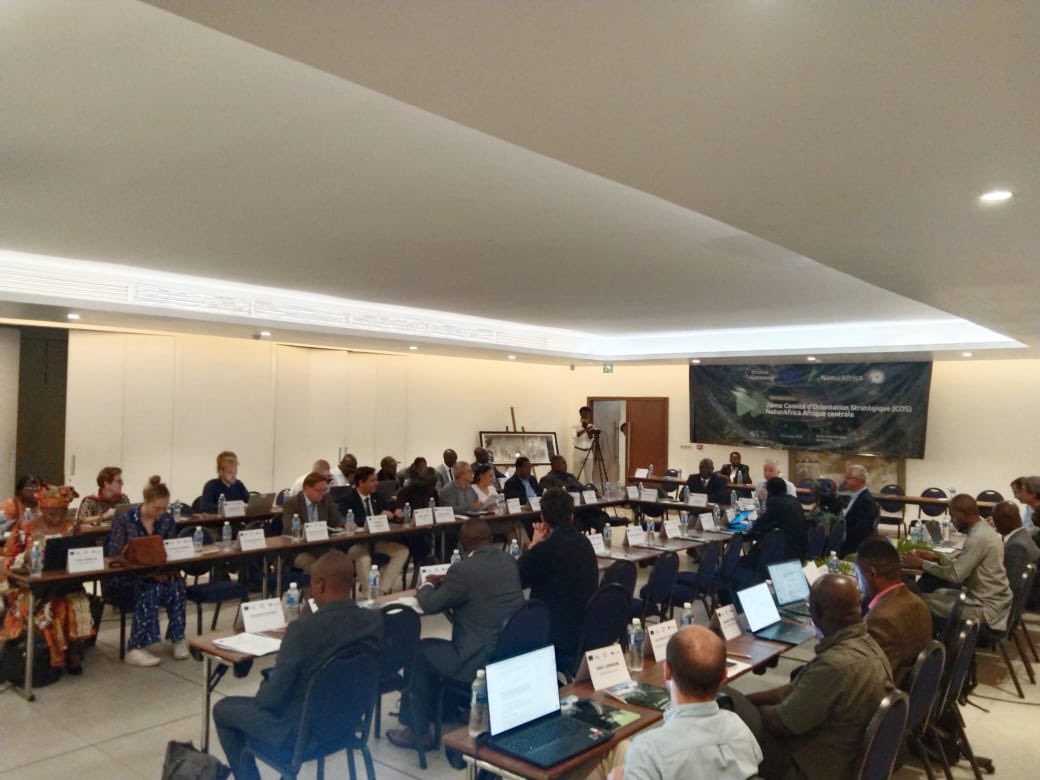
#RDC-UE: tout est fin prêt lundi, à Kinshasa, capitale de la République démocratique du Congo ( RDC), pour l'ouverture de la 2ème réunion du "Comité d’orientation stratégique (COS) NaturAfrica Afrique centrale", regroupant les représentants de l’Union européenne (UE) et de la Comifac (Commission des forêts d’Afrique Centrale).
"A l'issue de cette rencontre organiséé du 4 au 6 mai, les acteurs de la conservation et du développement durable en Afrique centrale vont lancer une dynamique commune autour des paysages prioritaires soutenus par l’UE", a-t-on lu dans la note d'information remise à la presse.
Découvrez d'autres informations sur notre site Web: acp.cd
1
1
3
369

Unnütze KI. Schade um den kostbaren Strom in Elon's Rechenzentrum. Schönen Tag noch!
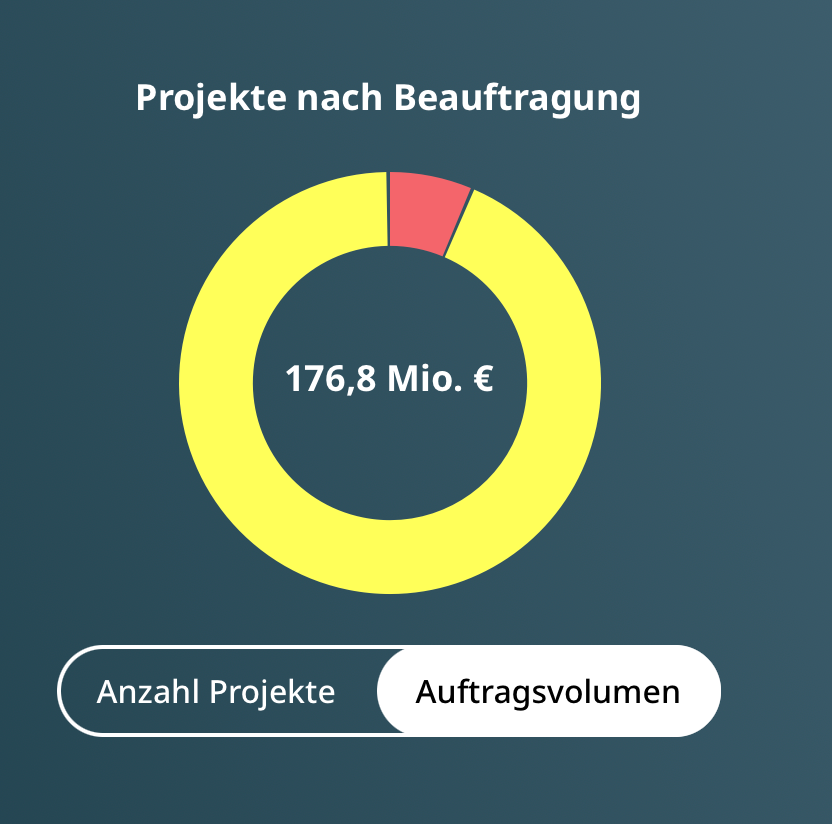
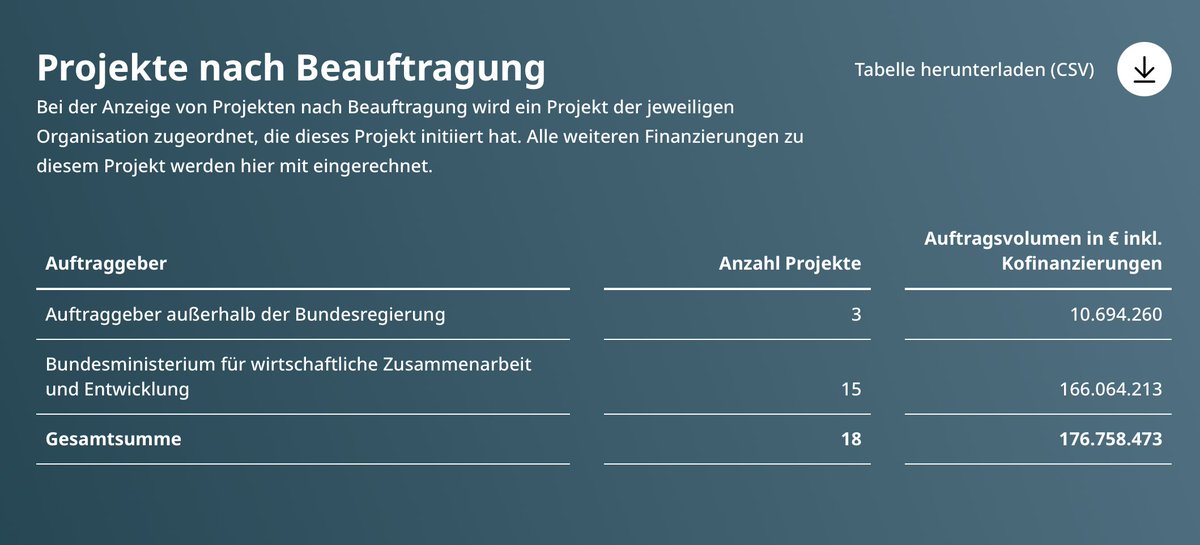
€176,8 Millionen für Kamerun ‼️
Ein Ziel der Entwicklungszusammenarbeit ist es, die kamerunischen Tropenwälder und Schutzgebiete im Einklang mit den Lebensräumen von Mensch und Tier zu erhalten, was dazu beiträgt, Zoonosen wie COVID-19 zu verhindern. 🤡
Die GIZ fördert einen nachhaltigen Umgang mit Ressourcen und den Schutz der Biodiversität in Kamerun und den Mitgliedsstaaten der Zentralafrikanischen Waldkommission (COMIFAC).
3
7
33
1,791
Forêt : Dans un tournant décisif pour la préservation du bassin du Congo, la République Démocratique du Congo (RDC) s’apprête à assurer la co-facilitation du Partenariat pour les Forêts du Bassin du Congo (PFBC) pour les deux prochaines années.
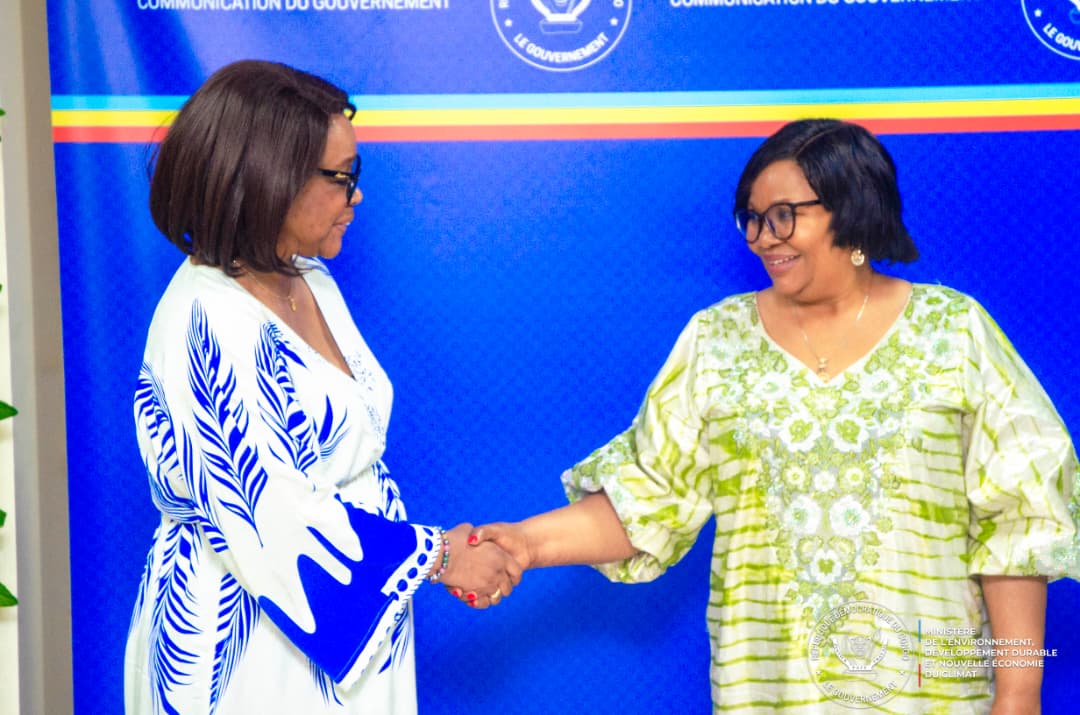
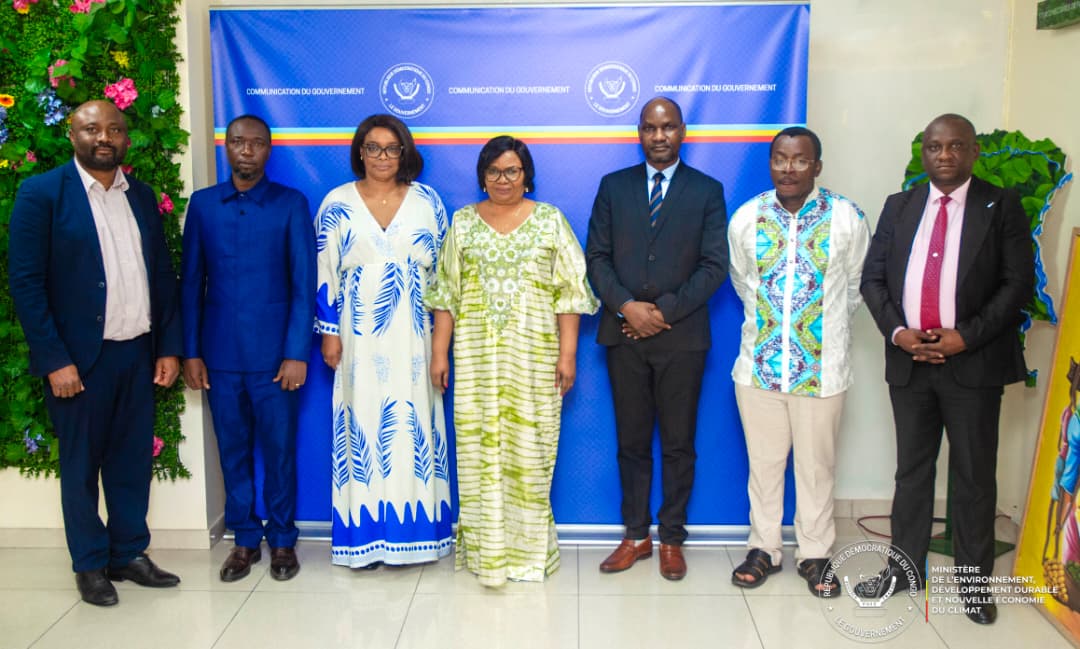
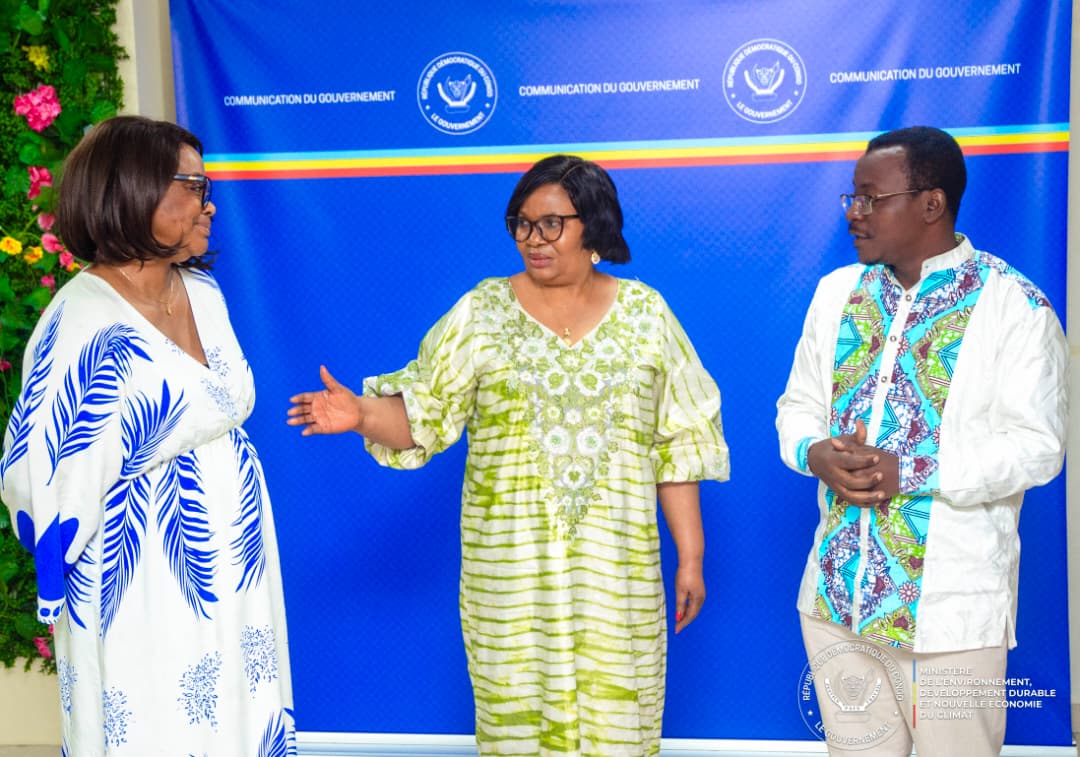
Ce jeudi 12 mars, la Ministre de l’Environnement, du Développement durable et Nouvelle économie du climat, la Professeure Marie Nyange Ndambo, a reçu la délégation de la co-facilitation sortante franco-gabonaise, conduite par l’Ambassadrice Aurélie Flore Koumba Pambo. Cette rencontre marque le début de la transition vers le nouveau mandat de la RDC.
Les grands chantiers du mandat congolais
L'Ambassadrice sortante a profité de cet entretien pour dresser un état des lieux des actions passées et soumettre plusieurs recommandations stratégiques à la partie congolaise :
· Organisation de la 21ème réunion des parties : Prévue courant 2026, cette rencontre visera à intégrer les recommandations globales dans la feuille de route de la RDC.
· Institutionnalisation du PFBC : Un plaidoyer a été lancé pour ancrer durablement la structure du partenariat durant ce mandat.
· Sommet de la COMIFAC : L'organisation à Kinshasa du 3ème sommet des chefs d'États de la Commission des Forêts d'Afrique Centrale (COMIFAC).
Un engagement au sommet
La Professeure Marie Nyange Ndambo a salué le travail accompli par le tandem franco-gabonais et a promis une implication personnelle forte pour garantir le succès de cette mission. Pour assurer une continuité efficace, la Ministre a sollicité une note technique détaillée de la part de ses prédécesseurs.
« La RDC assumera cette co-facilitation aux côtés d'un pays du Nord dont l'identité sera révélée prochainement. »
La passation officielle de flambeau est attendue dans les jours à venir lors d'une réunion du Conseil directeur, confirmant le rôle central de Kinshasa dans la diplomatie environnementale mondiale. @comifac @cbfp_pfbc
2
4
243

Feb 17
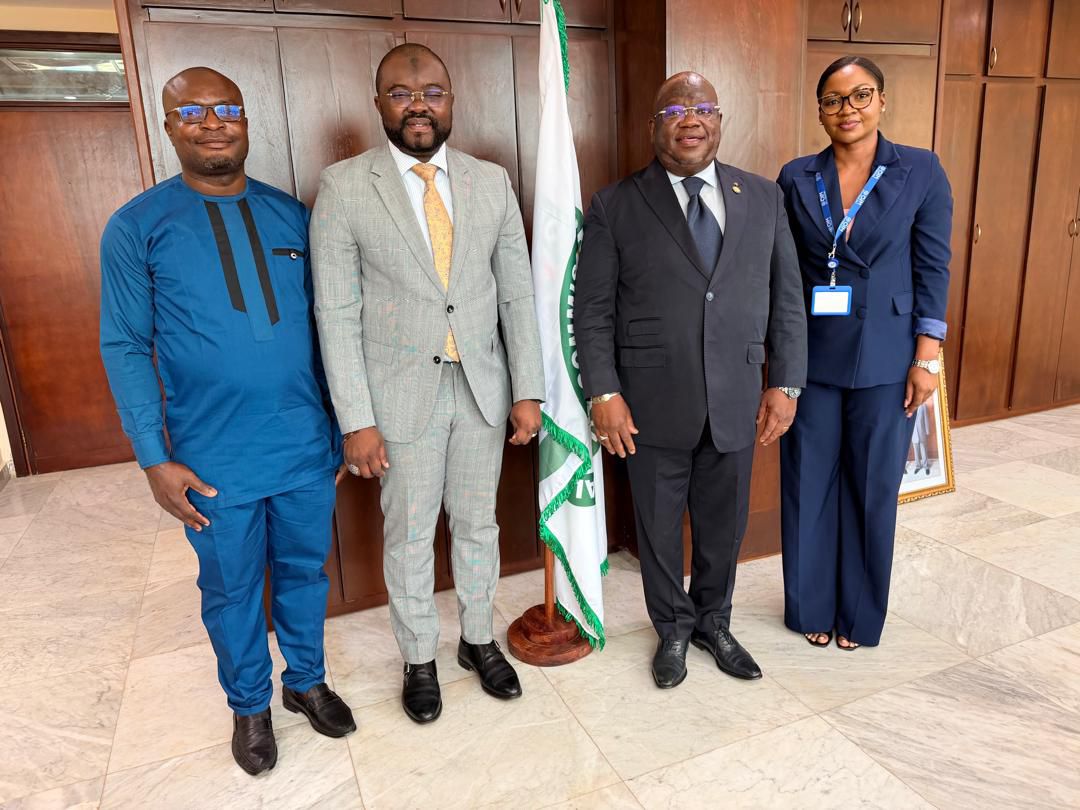
@OIMCameroun held a productive exchange with the Executive Secretary of @comifac on people‑centred forest governance, with a focus on Indigenous Peoples, local communities, and populations affected by displacement.
@UMBorgerservice
#Migration #ClimateAction
1
4
70

10 Dec 2025
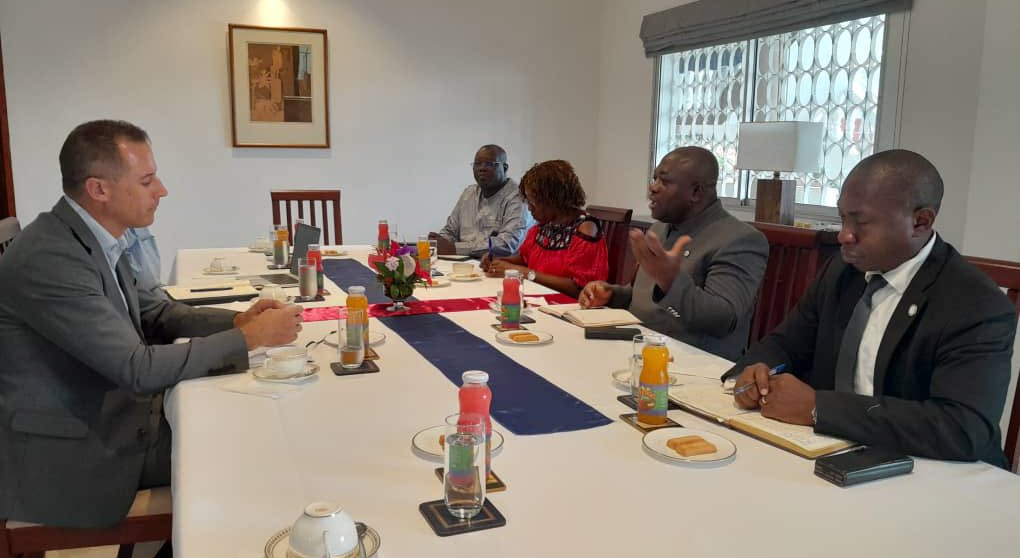
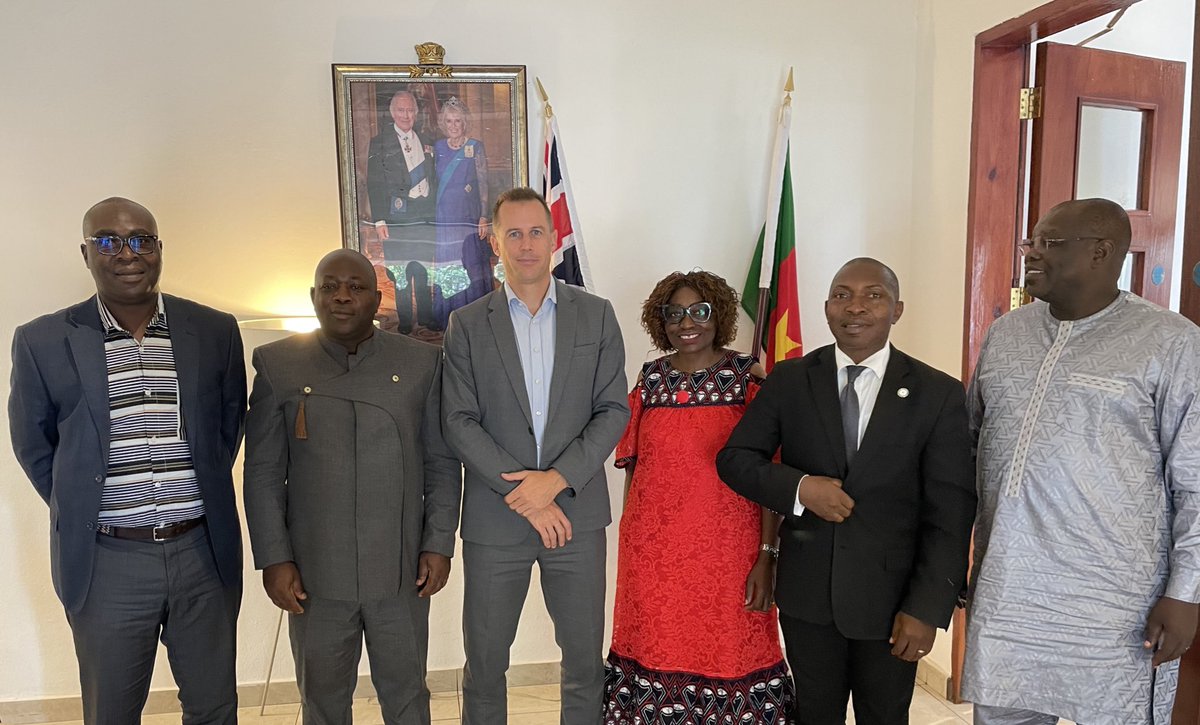
Rencontre productif avec le COMIFAC pour discuter des priorités croisées au sujet du climat, en vue de la future implementation du Plan de convergence revisée.
Productive meeting with COMIFAC to discuss climate priorities within the framework of the revised Convergence Plan.
2
7
284
3 Oct 2025
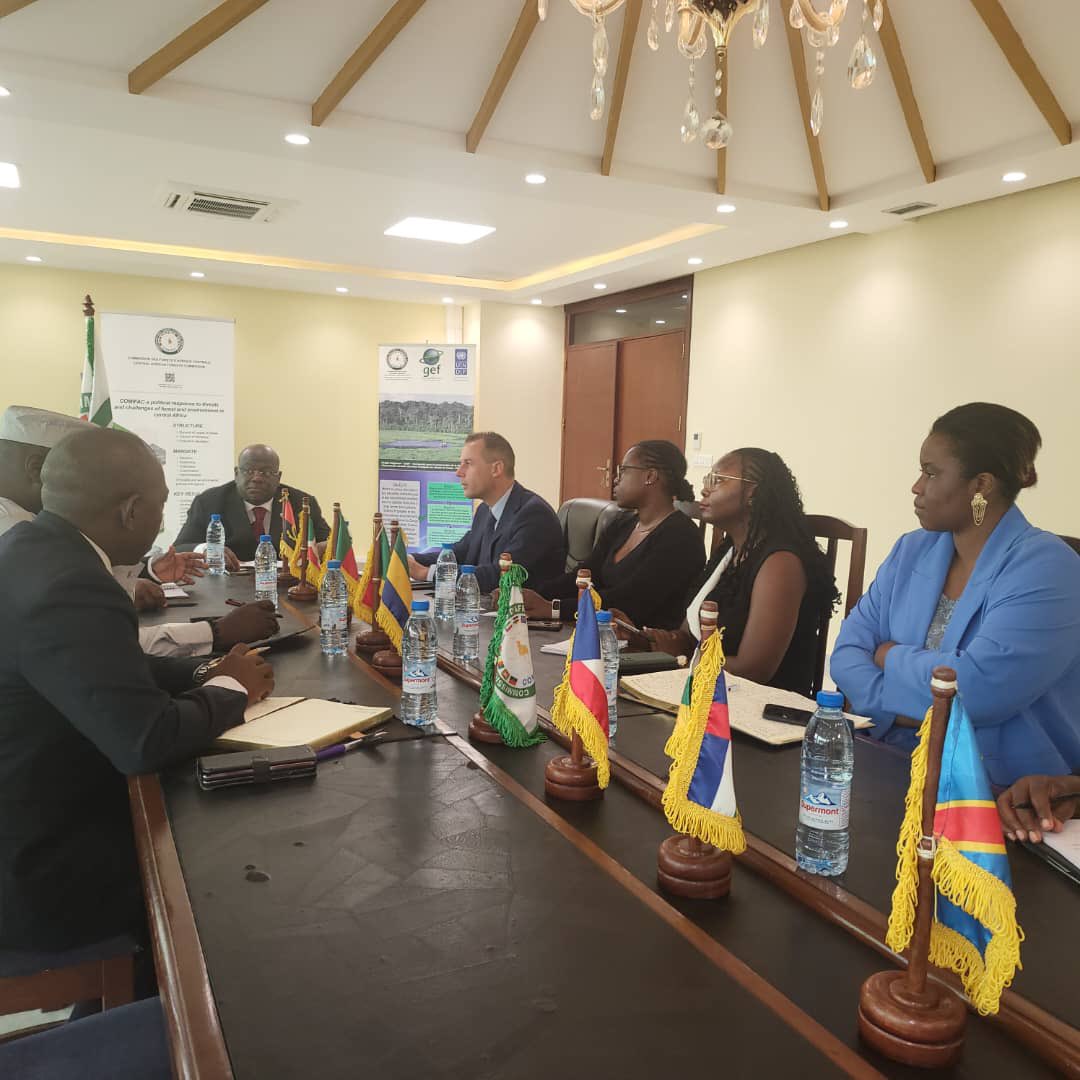
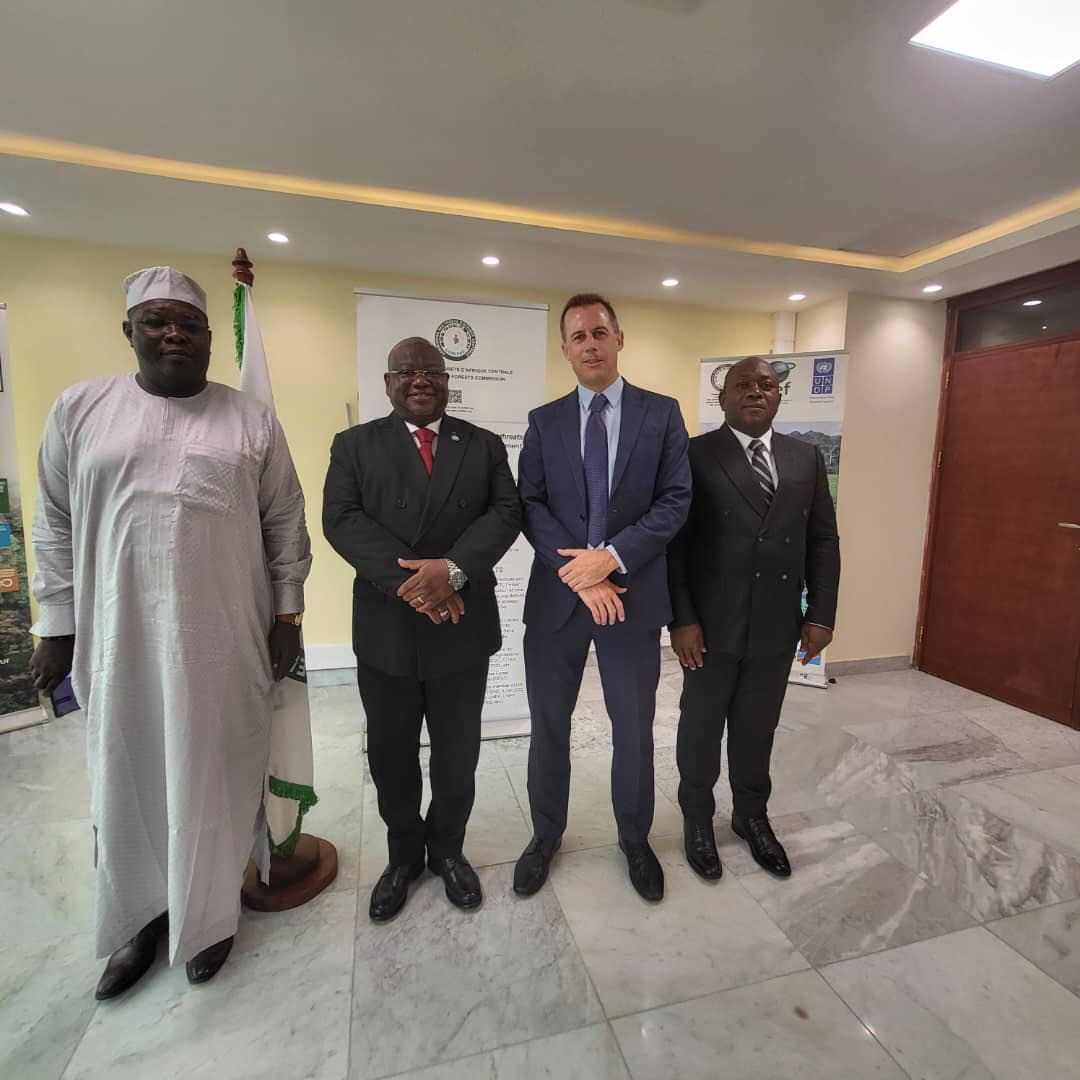
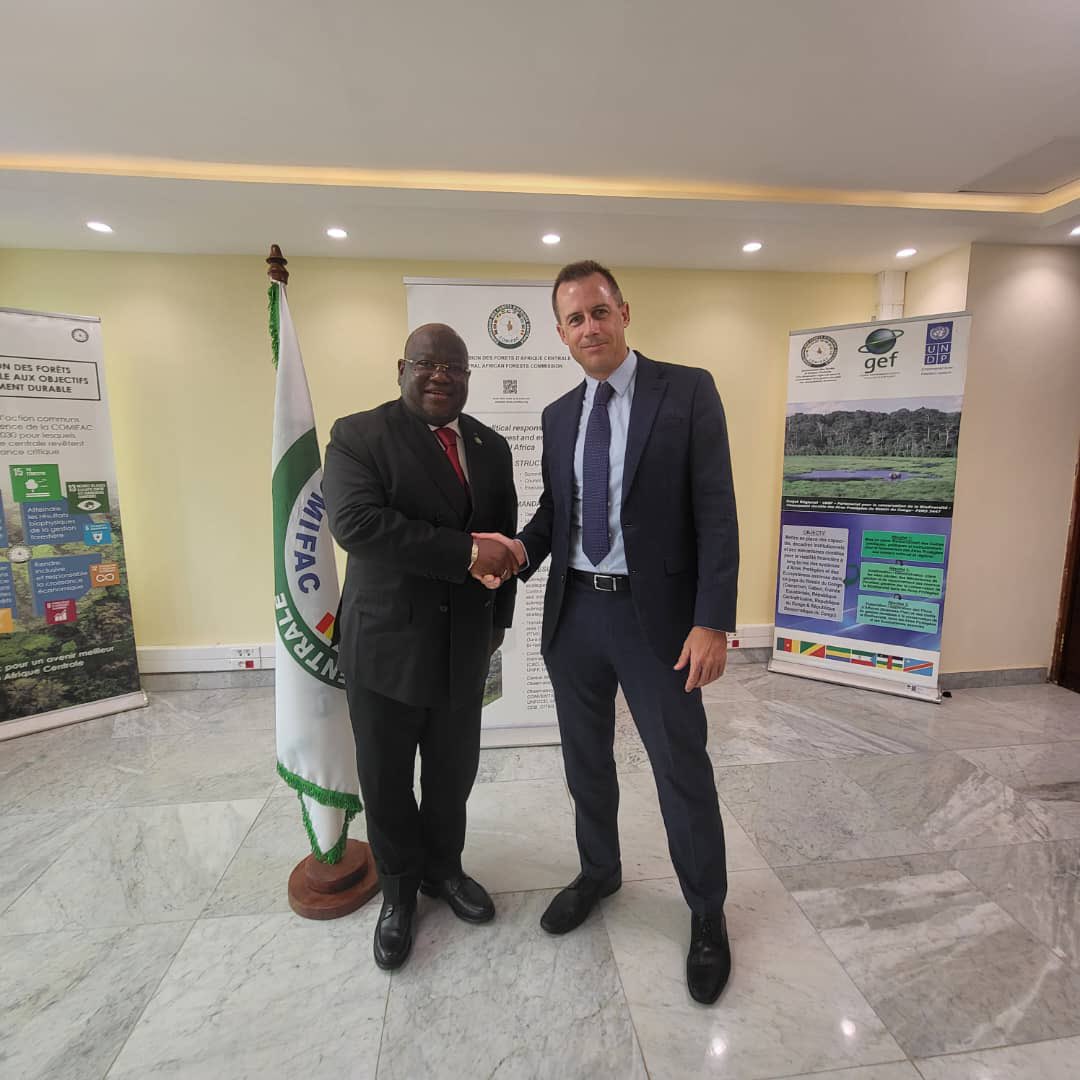
COMIFAC plays a key role in preserving the Congo Basin Forest. Very productive conversation about our common interests.
2 Oct 2025

Preserving the Congo Basin forests requires bold action. At the heart of today’s discussions: overcoming challenges to sustain interest, attract climate finance, and develop innovative support mechanisms.
#CongoBasin #ClimateAction #COP30 #NatureFinance
1
4
333

10 Sep 2025
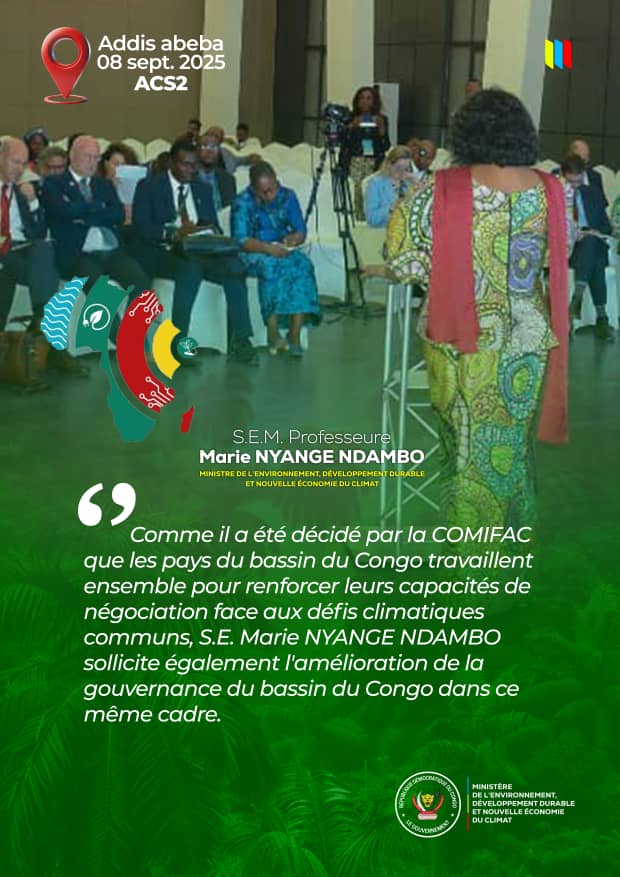
#ACS2 | S.E. Ministre Marie NYANGE NDAMBO: " Comme il a été décidé par la COMIFAC que les pays du bassin du Congo travaillent ensemble pour renforcer leurs de négociations face aux défis climatiques communs, S.E Marie Nyange sollicite également l'amélioration de la gouvernance ..
4
8
232

10 Sep 2025
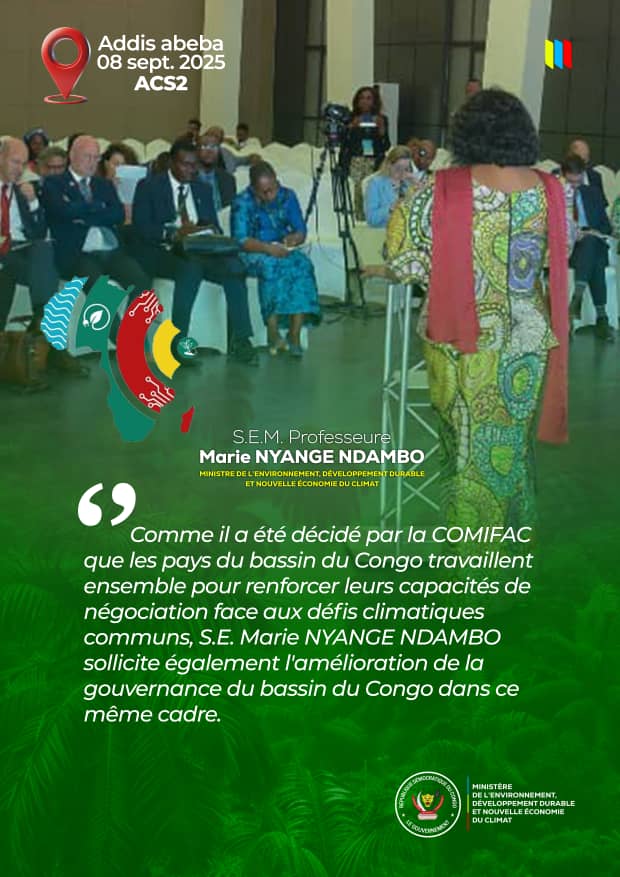
#DRC "Comme il a été décidé par la COMIFAC que les pays du bassin du Congo travaillent ensemble pour renforcer leurs capacités de négociation face aux défis climatiques communs, S.E. Marie NYANGE sollicite l'amélioration de la gouvernance du bassin du Congo dans ce même cadre."
10 Sep 2025

#DRC ❤️🩹
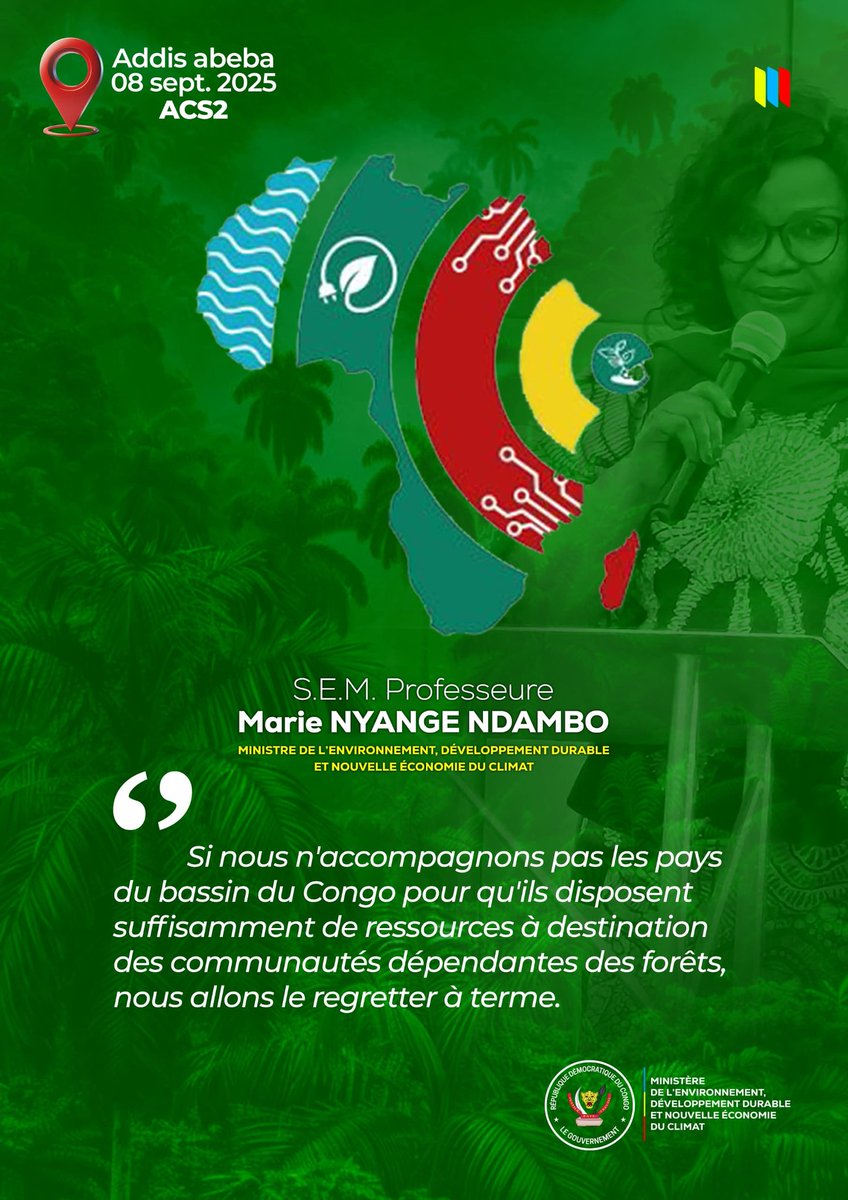
S.E. Ministre Marie NYANGE NDAMBO: "Si nous n'accompagnons pas les pays du bassin du Congo pour qu'ils disposent de suffisamment de ressources à destination des communautés dépendantes des forêts, nous allons le regretter à terme"
9
10
926

10 Sep 2025
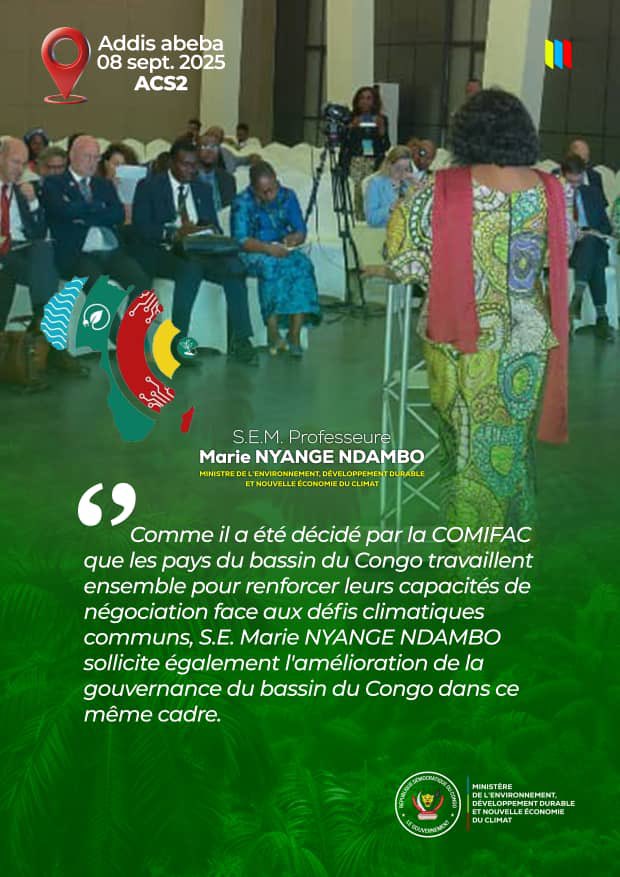
Comme il a été décidé par la COMIFAC que les pays du bassin du Congo travaillent ensemble pour renforcer leurs capacités de négociation face aux défis climatiques communs, S.E. Marie NYANGE NDAMBO
sollicite également l'amélioration de la gouvernance du bassin du Congo dans ce même cadre.
5
10
529

10 Sep 2025
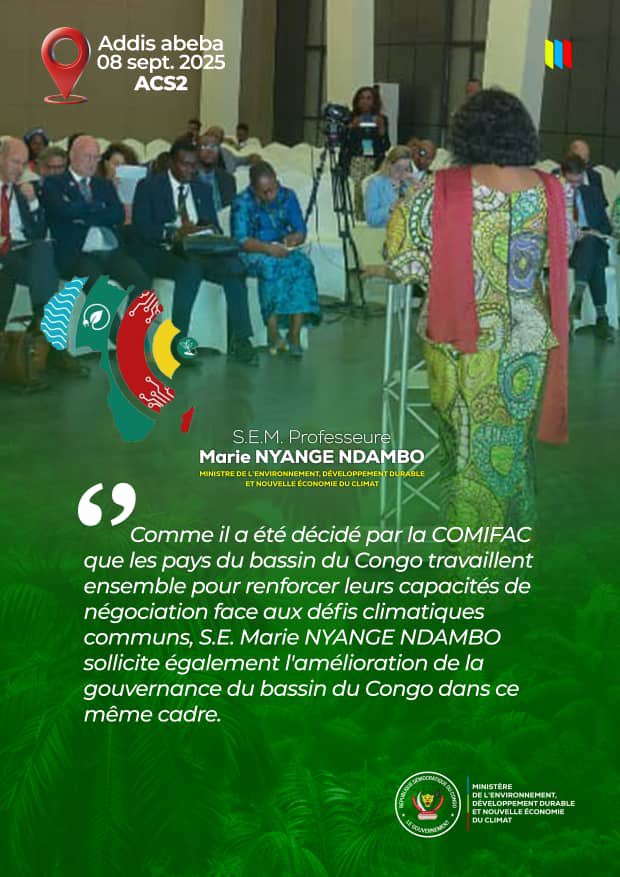
#ACS2 | Comme il a été décidé par la COMIFAC que les pays du bassin du Congo travaillent ensemble pour renforcer leurs capacités de négociation face aux défis climatiques communs, S.E. Marie NYANGE sollicite l'amélioration de la gouvernance du bassin du Congo dans ce même cadre.
5
7
366

10 Sep 2025
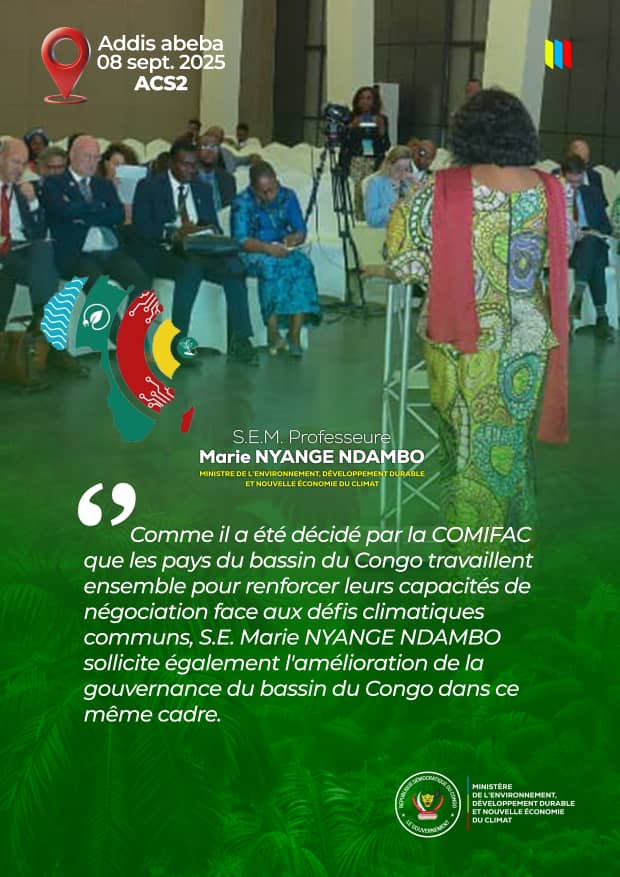
#ACS2 | Comme il a été décidé par la COMIFAC que les pays du bassin du Congo travaillent ensemble pour renforcer leurs capacités de négociation face aux défis climatiques communs, S.E. Marie NYANGE sollicite l'amélioration de la gouvernance du bassin du Congo dans ce même cadre.
4
101

10 Sep 2025
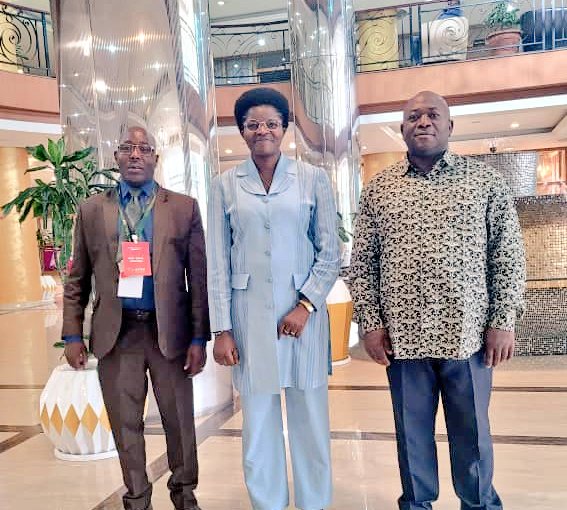
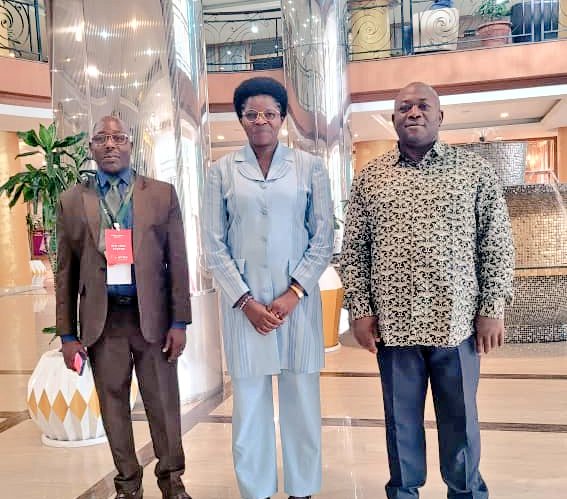
Lancement du cadre régional pour les services climatiques Lors du deuxième sommet Africain Sur le Climat ds le cadre de l'#IGAD. Et dans le cadre de la COMIFAC,SE Madame la Ministre Calinie MBARUSHIMANA, a reçu en Audience Mr Chouaibou Secrétaire Excécutif-Adjoint de la COMIFAC.
10
26
3,271

24 Aug 2025
Key partners involved: COMIFAC, IFDD, UNEP Africa, with strong backing from the Government of Cameroon.
🌳 COMIFAC’s regional expertise on forest governance is central for Congo Basin biodiversity.
@bsdkrs
1
2
32

13 Aug 2025
4. Societal Perspective
•Fairness: Avoid overburdening vulnerable rural populations during the transition.
•Social Cohesion: Distributing benefits equitably among communities can reduce conflict and build trust.
•Cultural Sensitivity: Extension programs should respect and integrate local agricultural knowledge.
•Public Acceptance: Legal mandates should be accompanied by participatory planning to secure broad support.
5. Ethical Perspective
•Ethical Justification: Forest conservation aligns with stewardship and intergenerational responsibility principles.
•Equity and Justice: Prioritize marginalized farmers in subsidy and training programs.
•Moral Hazard: Design incentives to prevent perverse effects, such as land clearance for subsidy eligibility.
•Long-Term Stewardship: Embed measurable reforestation and soil health targets into legislation.
6. International Perspective
•Treaty Compliance: Align national laws with the Paris Agreement, CBD, and SDGs.
•Comparative Practice: Learn from legislative models in the Amazon Basin and Southeast Asia.
•Diplomatic Impact: Demonstrated legislative progress can enhance climate diplomacy leverage.
•Global Competitiveness: Position Congo Basin commodities as sustainably certified products in global markets.
7. Technological Perspective
•Scientific Validity: Base policy design on ecological assessments and peer-reviewed research.
•Innovation Readiness: Enable adoption of climate-smart agriculture technologies through legal frameworks.
•Risk Management: Integrate early warning systems for fires and land degradation.
•Digital Integration: Mandate use of remote sensing for compliance monitoring and reporting.
8. Stakeholder Perspective
•Practicality: Ensure legislative provisions are realistic for on-the-ground implementation.
•Consultation Outcomes: Incorporate input from farmer associations, NGOs, and traditional leaders into drafting processes.
•Stakeholder Satisfaction: Balance the needs of local communities, conservation actors, and agribusiness.
•Accountability: Establish statutory mechanisms for independent oversight and grievance resolution.
⸻
Summary of Issues:
•Lack of integrated legislation combining environmental conservation and agricultural development.
•Land tenure insecurity discouraging long-term sustainable land management.
•Insufficient infrastructure and market access for sustainable products.
•Overlapping institutional mandates causing administrative inefficiency.
•Inconsistent funding undermining program sustainability.
•Low public awareness and limited community participation in policy processes.
⸻
Presentation of Policy and Legislative Options:
1.Sustainable Agriculture and Forest Protection Act:
Define prohibited and permissible practices, create enforcement provisions, and mandate conservation-linked subsidies.
2. Land Tenure Reform Law:
Formalize and protect community and customary rights, integrate into national registries.
3.Incentive Framework Statute:
Tax incentives, input subsidies, and carbon credit participation for sustainable producers.
4.Rural Infrastructure Development Law:
Mandate public investment in roads, storage, and processing facilities for sustainable products.
5.Regional Conservation Protocol:
Legally binding COMIFAC agreement to prevent cross-border deforestation displacement.
6.Climate Finance Integration Act:
Establish legal mechanisms to channel REDD and Green Climate Fund resources into national budgets.
1
5
6
29

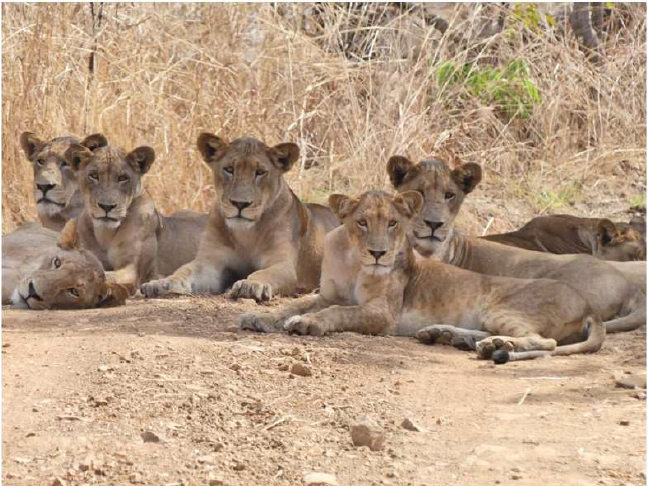
Le parc national de Sena Oura🌍, au cœur du BSB Yamoussa, protège la biodiversité 🐘🦁 en Afrique 🇹🇩🤝🇨🇲. Soutenu par l'Allemagne via la COMIFAC, le lion est revenu en 2023 après 20 ans – un vrai succès pour la conservation. #HalloAfrique #biodiversité #Coopération #KfW
1
6
377

29 Jul 2025
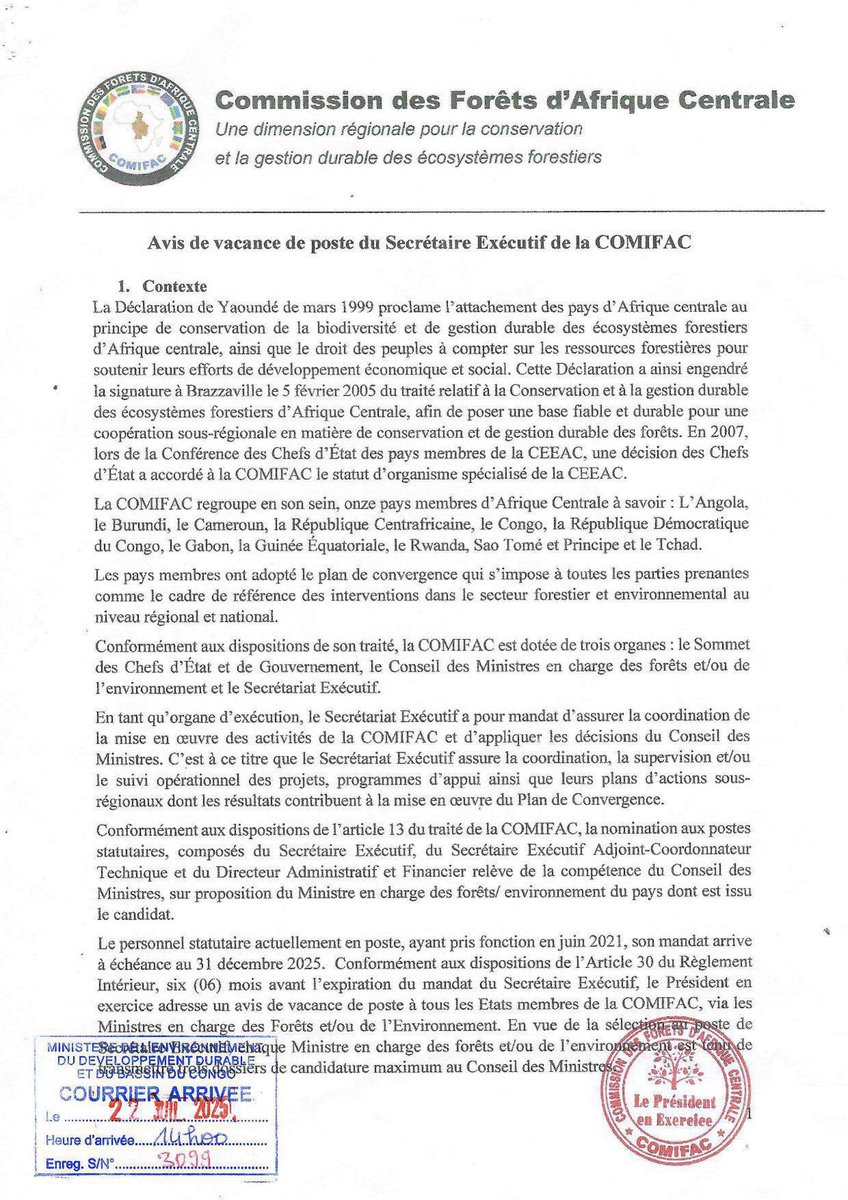
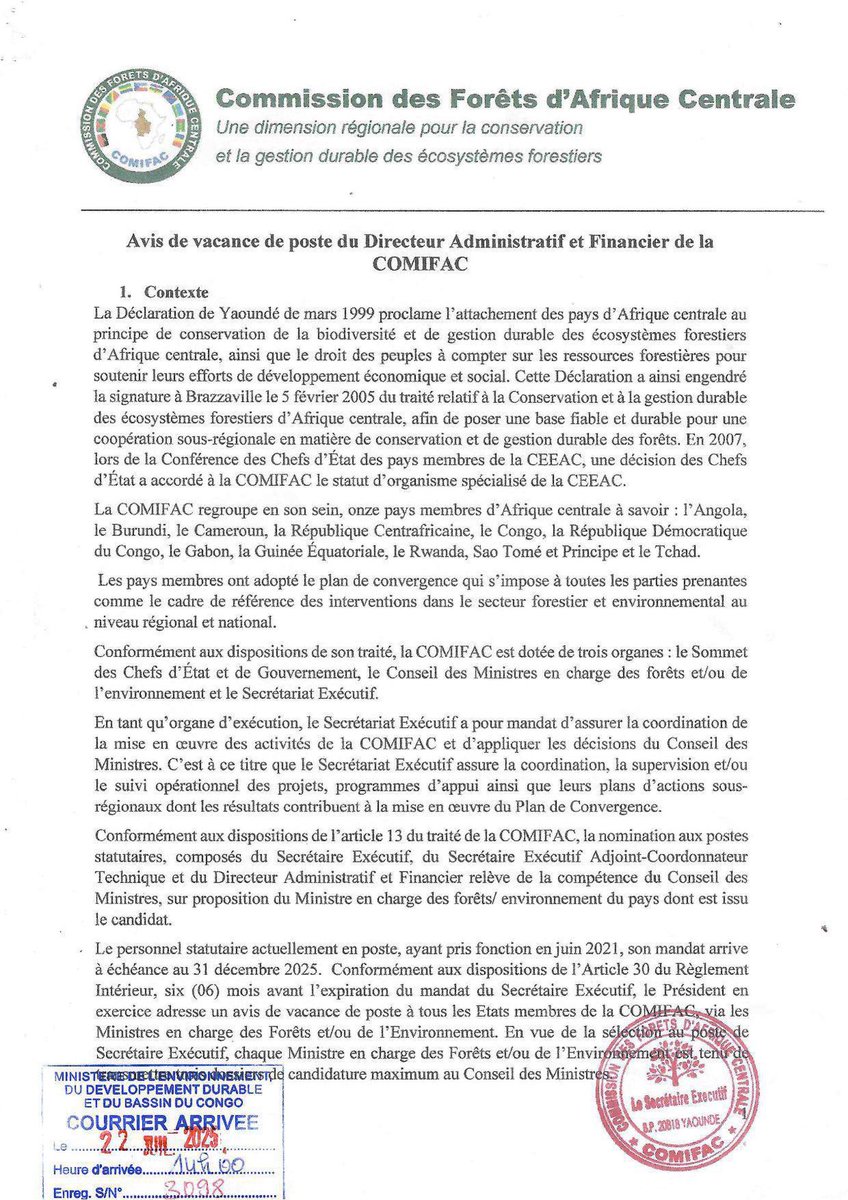
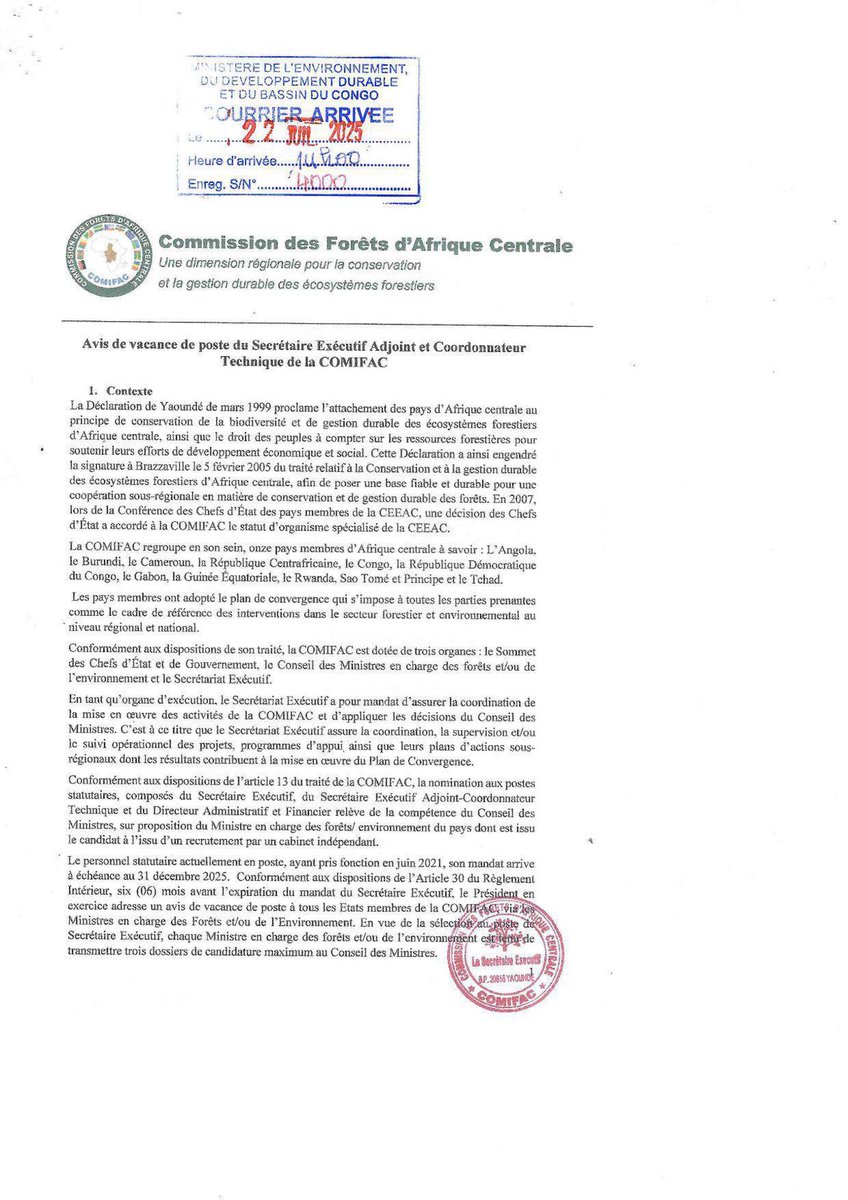
COMIFAC : Avis de vacance de postes.
Appel à candidature pour les postes de :
1. Secrétaire exécutif de la COMIFAC
2. Secrétaire exécutif adjoint et Coordonnateur technique de la COMIFAC
3. Directeur administratif et financier de la COMIFAC
Toutes les informations sur lefondsbleu.africa/comifac-a…
#opportunités
4
4
211

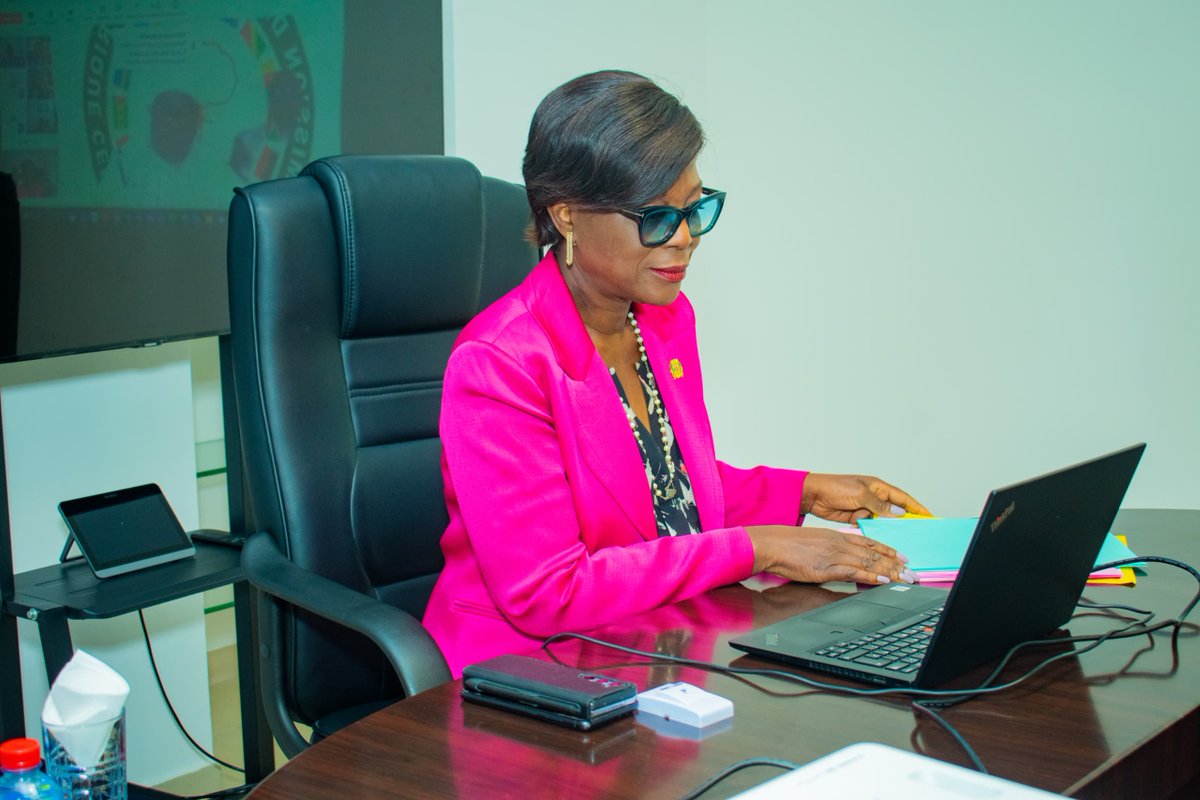
COMIFAC : Session extraordinaire des ministres par visioconférence.
Sujet : Conservation des écosystèmes forestiers, gestion durable des ressources et lutte contre le changement climatique.
⬇️
developpement-durable.gouv.c…
@ASoudanNonault
2
3
126

17 Jul 2025
Proposition de structuration géostratégique du Bureau Transfrontalier en 5 cellules opérationnelles :
1. Cellule #RIFTALBERTIN (🇺🇬-🇷🇼-🇧🇮 → extension 🇰🇪)
> Focus: Sécurisation des écosystèmes volcaniques corridor énergétique est-africain.
> Enjeu clé : Contrôle des flux hydriques (Nil/Congo) et minerais stratégiques (Coltan/Or).
2. Cellule #BassinUELE (🇨🇫-🇸🇸)
> Focus : Surveillance biosphère soudano-congolaise (pétrole, braconnage transfrontalier).
> Point critique : Couloir de transhumance armée (LRA, milices pastorales).
3. Cellule #COPPERBELT (🇿🇲-🇦🇴 → extension 🇿🇼)
> Focus : Traçabilité minière (Cuivre/COBALT) pollution aquatique (bassin du Zambèze).
> Lever: Joint-venture avec Southern African Power Pool (#SAPP).
4. Cellule #TANGANYIKA (🇹🇿)
> Focus : Pêches illégales sécurisation du corridor maritime Mombasa-Lubumbashi.
> Outils : Système d'alerte précoce via le *Lake Tanganyika Authority .
5. Cellule #MALEBO (🇨🇬 → extension 🇬🇦-🇨🇲)
> Focus : Bassin du Congo-Ubangui-Sangha exploitation offshore (forêts marines, hydrocarbures).
> Noyau dur : Programme #CEEAC "Sangha Transboundary Resilience" #CICOS.
Coordination Nationale :
> - Hub central à Kinshasa synchronisant les flux de données.
> - Lien structurel avec les mécanismes : Bassin du Congo (COMIFAC), ICGLR, COMESA et SADC.
Cette #dispersion cellulaire épouse les fractures géo-économiques tout en transformant les frontières en écosystèmes de sécurité collective — où chaque conflit local est désormais affaire de stabilité continentale.
4
10
27
2,245

11 Jul 2025
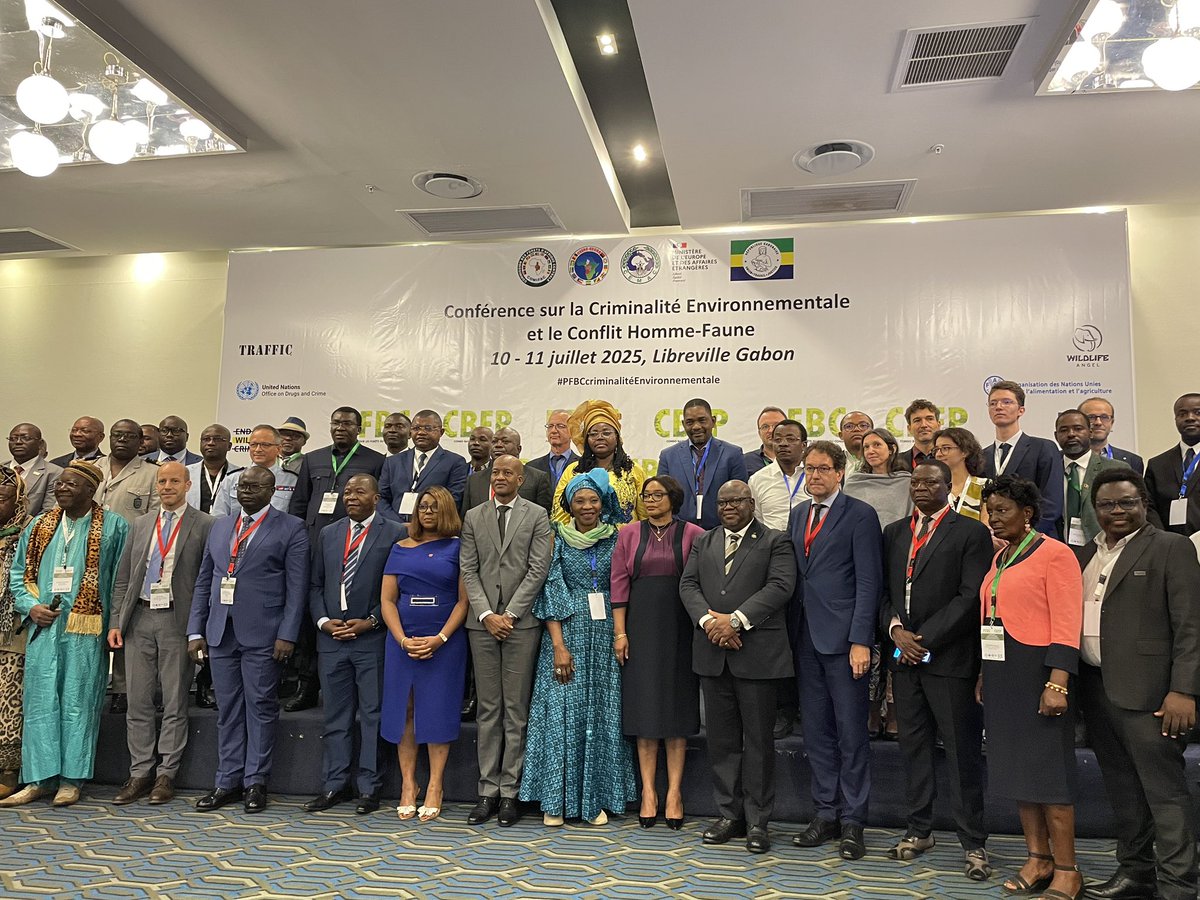
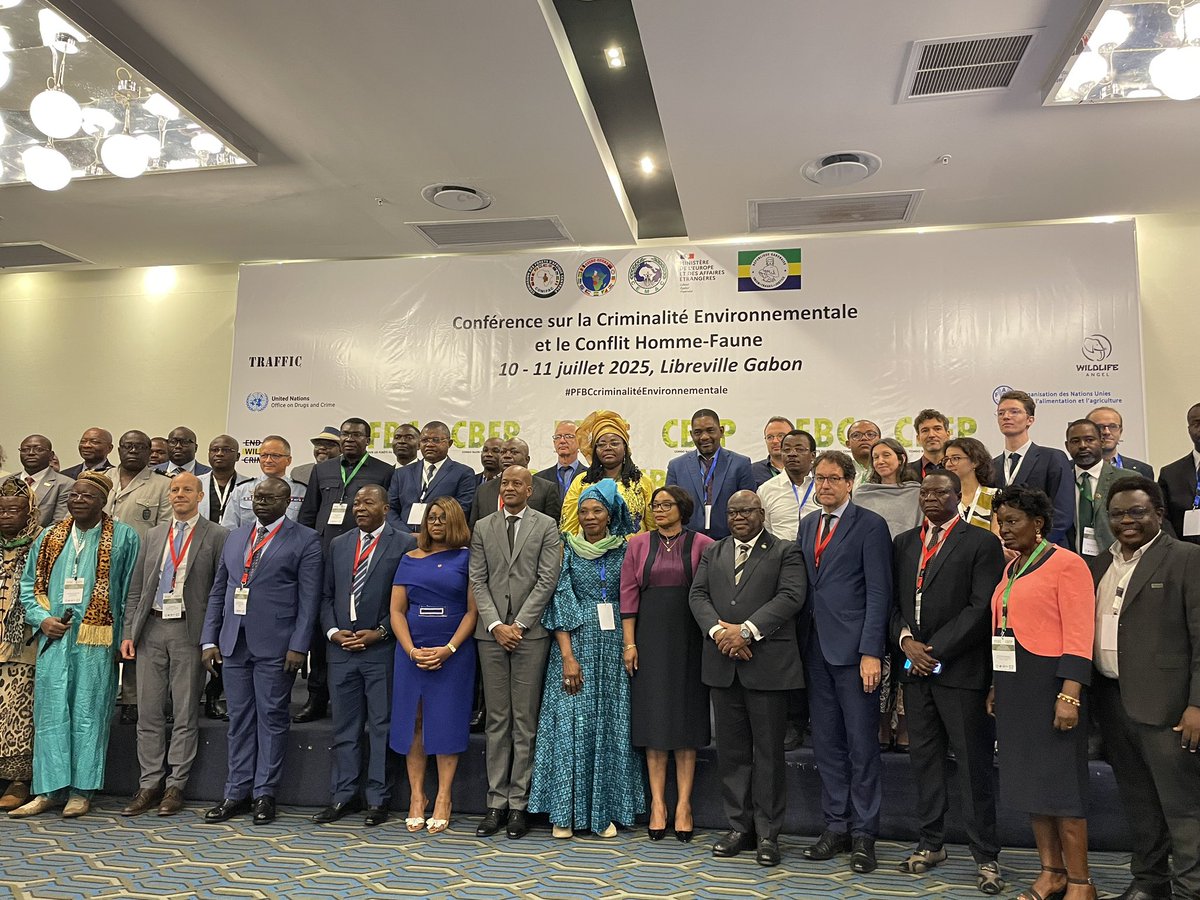
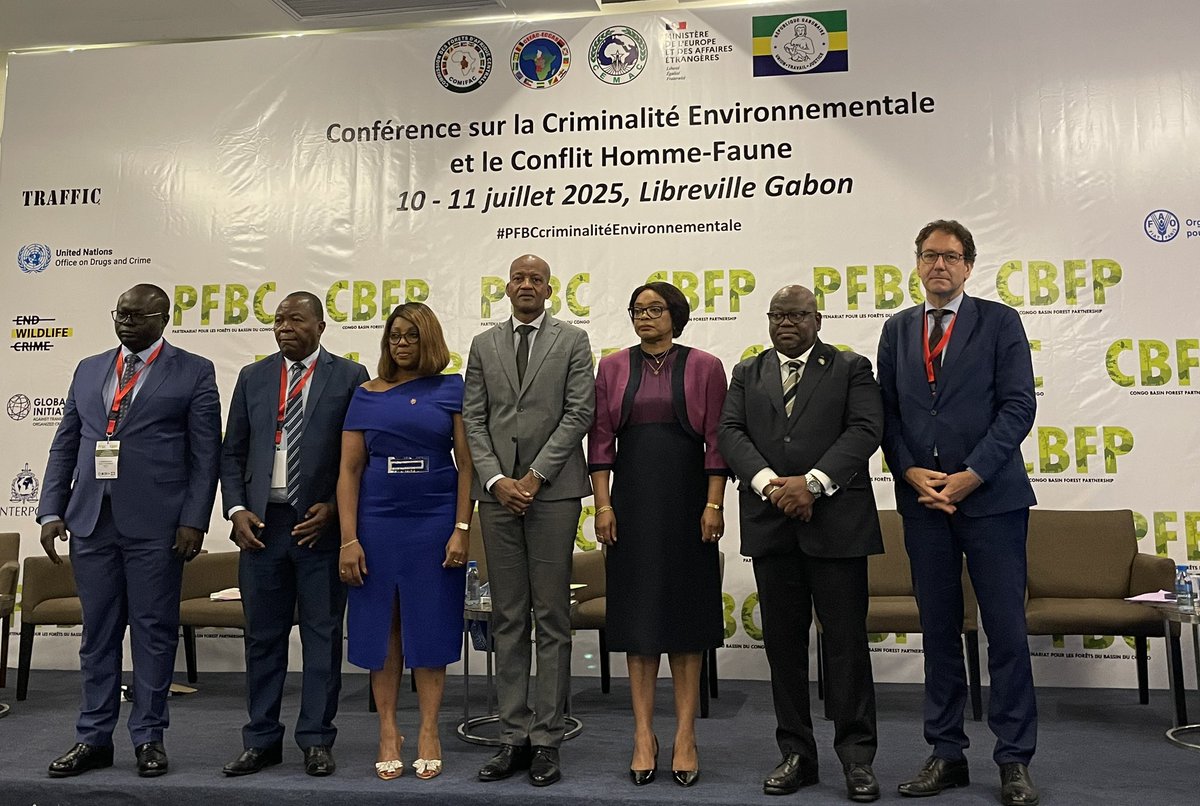
Libreville, 10 juillet : ouverture de la Conférence sur la criminalité environnementale et le conflit homme-faune. 🇬🇦🇫🇷 Coorganisée par le Gabon et la France avec le PFBC, COMIFAC & CEEAC, elle réunit acteurs régionaux & internationaux 🌱🌍
4
7
489