
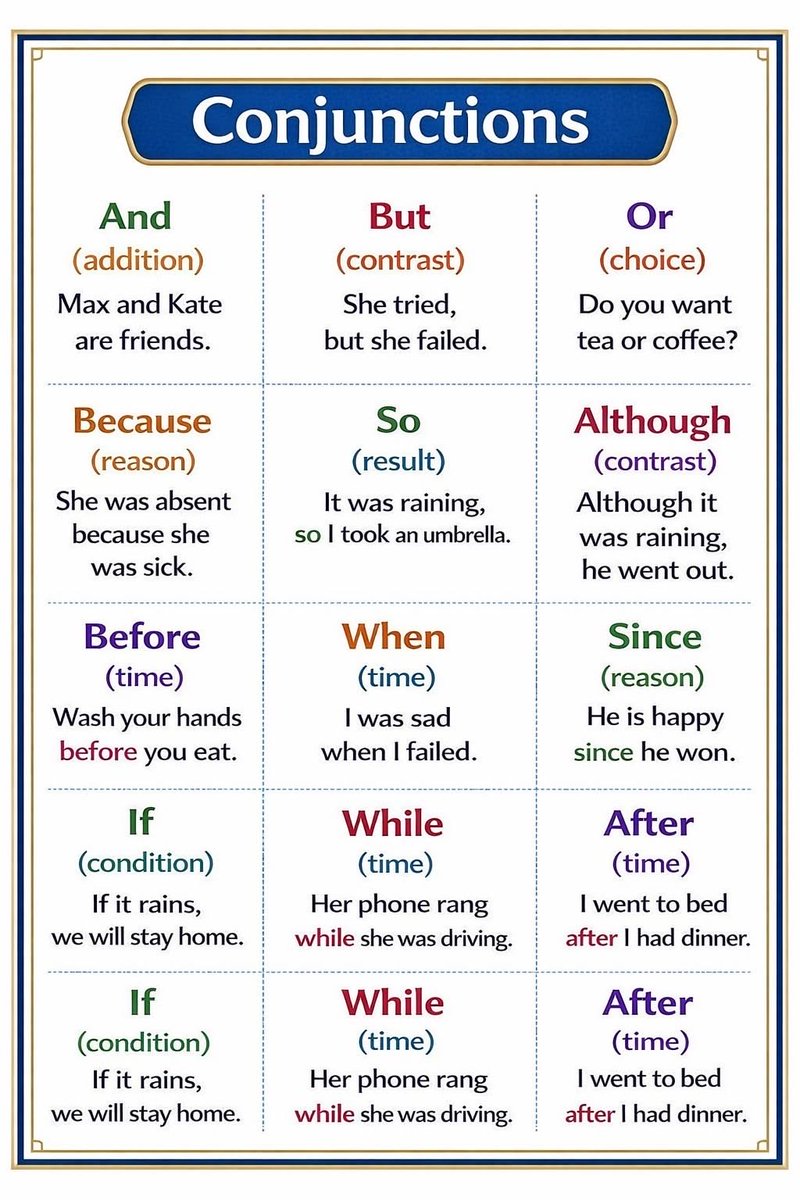

Who said there is life outside Earth?
Contemporary culture takes the plurality of life beyond Earth as a given, which is wrong.
First, to this day there is no evidence whatsoever of intelligent life outside Earth. There are no signs or markers of extraterrestrial civilizations (technosignature, biosignature). Second, from the perspective of cosmobiology, the conjunctions and factors necessary for the emergence of life are so rare and improbable that the chance of them repeating elsewhere in the cosmos is extremely low (the right galaxy and planet, a Moon like ours, a magnetic field, similar geography, a planet like Jupiter acting as a cosmic shield, etc.).
In other words, the universe is probably sterile, with the exception of Earth. But why does this bother boomers and the dominant culture? Because they replaced the existence of non-human intelligences of a vertical order (angels, demons within a spiritual hierarchy) with the existence of non-human intelligences of a horizontal order (aliens in cosmic space).
The modern mind is founded on unproven dogmas and pure probabilistic speculations.

2
6
346


♉ Best 2-Planet Conjunctions for Taurus Ascendant ✨
These powerful planetary combinations can bring excellent results for Taurus Lagna natives when placed in the mentioned houses:
🌟 Top Conjunctions:
• Venus Mercury 💎📚
Best in 1st, 2nd, 4th, 5th, 9th & 11th House 🏡
(Gives intelligence, wealth, speech, artistic talents, and luxurious comforts)
• Venus Saturn 💎🪐
Best in 1st, 4th, 6th, 9th & 10th House 🏡
(Brings disciplined success, long-lasting wealth, property, and career stability)
• Mercury Saturn 💨🪐
Best in 2nd, 5th, 6th, 9th & 10th House 🏡
(Excellent for career growth, technical skills, financial intelligence, and authority)
• Venus Sun 💎☀️
Best in 1st, 4th, 10th & 11th House 🏡
(Strong for government favor, leadership, fame, and overall prosperity)
#nifty #Pmmodi #astrology #vedicastrology #giftnifty
8
866

Coincidence however unlikely it may seem. It's also a new moon. Maybe that had something to do with it?
There don't seem to be any major conjunctions currently, so that's out. The summer solstice is only about a week away, though.
237

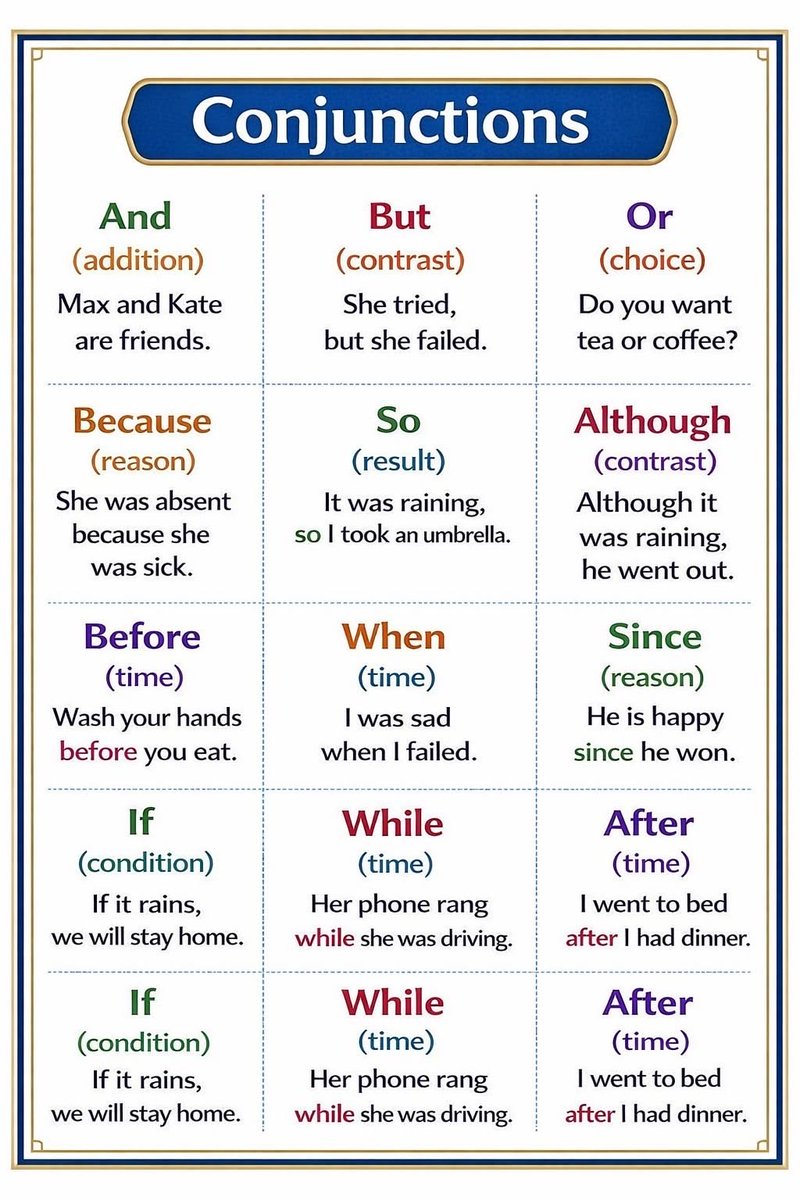
ARU retweeted

Jun 10
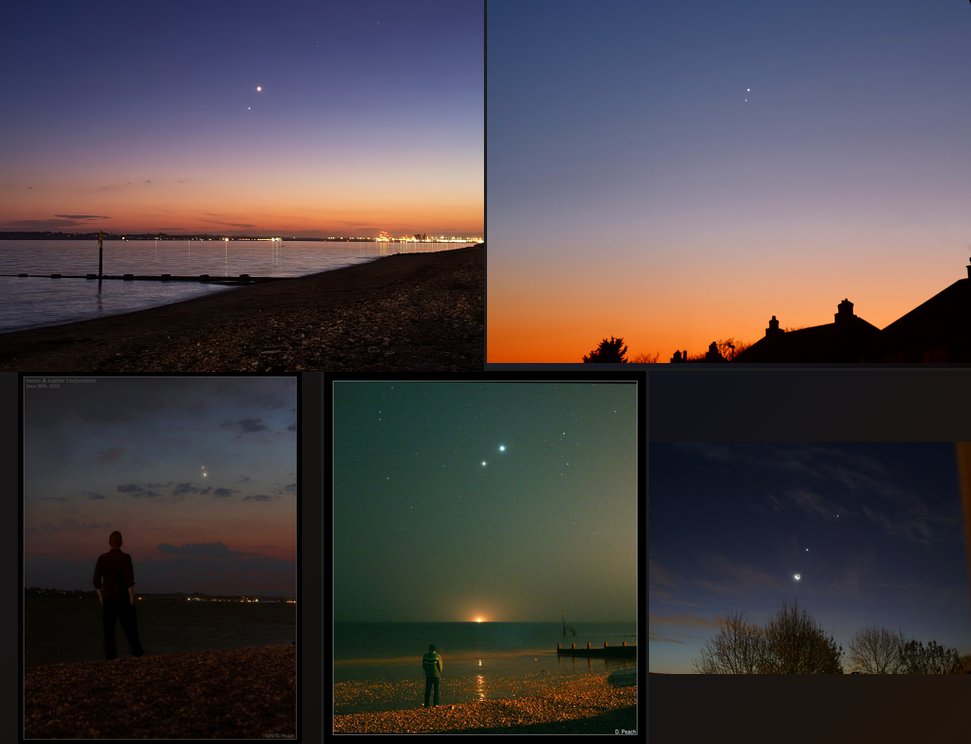
Twenty years of Venus & Jupiter conjunctions.
Various shots through the years...
5
21
105
2,532
S. retweeted

Wealth Giving Conjunctions:
Jupiter Venus - Lakshmi Narayan
Moon Venus - Chandra Lakshmi
Jupiter Moon - Gajkeshari
Jupiter Mars - Guru Mangal
Sun Mercury - Budh Aditya
Venus Mercury - Vishnu Lakshmi
Jupiter Sun - Dhana Rajyoga
Mars Venus - Bhrigu Mangal
Jupiter Saturn - Dhana
#astrology #vedicastrology
2
14
134
5,960
ernest.t retweeted

Jun 10
When I'm ordering food for bro and he starts using PHILANTHROPIC CONJUNCTIONS such as "and"

271
5,043
27,544
845,895

Functional role, Dasha, State (Exalted, Debilitated, Combust, Retro), Conjunctions, Aspects, everything changes the result.
2
35

Career Astrology : Food Industry
Houses & Their Significance
12H: Foreign countries, Non traditional concepts
2H: Food, wealth, savings
6H: Job, service, employment
7H: Business, partnership
10H: Career, profession, status
12th House is connected with foreign and international things. If a person works for a foreign company or deals with international businesses, this house becomes important. Global food chains such as KFC, McDonald's, and other international restaurant brands can also be linked with the 12th House. People working in foreign food chains, import-export businesses, or international companies may have a strong connection of this house in their birth chart.
2nd House represents food, wealth, and savings. It is important for careers related to the food industry, restaurants, hotels, banking, finance, and wealth management. This house shows a person's ability to earn money and accumulate wealth over time. A strong 2nd House can support success in professions connected with food and finance.
11th or 10th Lord in 2nd House of connection of these houes or lords indicates wealth through food business.
10th House is the main house of career, profession, and social status. It shows the type of work suitable for a person and how they are recognized in society through their profession. A strong 10th House can give career success, reputation, and growth in professional life.
6th House is related to jobs, employment, and service-oriented work. 7th House is related to business, trade, and partnerships. If a person works under an employer, the 6th House becomes more important. If a person runs their own business, the 7th House becomes more important. Both houses help us understand whether a person is better suited for a job, business, or both.
Career in Food Industry
If the 2nd House, 10th House, 11th and 12th House or their lords are connected through placement, aspects, conjunctions, or Nakshatra, the person's career may be related to the food industry (including foreign food companies & chains). This can include restaurants, hotels, catering, foreign cuisines such as Chinese or Continental food, and international food chains.
Strong 2nd House and 2nd Lord:
If the 2nd House receives benefic influences and the 2nd lord is well placed, the person can achieve success in the food industry. This combination supports earnings and growth through food-related professions.
Job or Business in Food Industry:
If the 6th House and its lord are strong, a job in the food industry is more suitable. If the 7th House and its lord are strong, business is more suitable. If both are equally strong, the person can succeed in either a job or business, or even do both.
If the 6th or 7th House is connected with the 10th and 12th Houses, the person may work for an international food chain or own a franchise of a foreign food brand. They may also be involved in import-export of food products or international hospitality businesses.
Role of Planets:
The strength of Moon and Venus supports careers related to food, restaurants, hotels, hospitality, and beverages.
If Jupiter is connected with the 2nd House, it can support Satvik and vegetarian food or traditional food businesses. If Rahu is connected with the 2nd House, it can support careers related to fast food, foreign cuisines, non-vegetarian food, packaged food, beverages, or alcohol-related businesses.
WhatsApp @ 91-9251032661.
#Astrology
3
45
2,301

Day 166 writing tip, June 15th, 2026.
✍️ Colon, semi-colon, ellipses, comma
Comma, what can I say, it is a pause in the sentence. It creates order of lists whose whole goal is ease of reading.
How do you know when to use it: good judgement.
Train your judgement:
There are 20 pages dedicated to the comma in the Chicago Manual of Style.
Semicolons tie two independent clauses together in lieu of conjunction words like: for, and, nor, but, or, yet, so (including sudbordinating conjunctions).
It does reflect a closer relationship than two sentences would; the key would be if you naturally use a conjunction, you might be able to use semicolon.
According to the Chicago Manual of Style, when using these conjunctive adverbs, the semicolon should preceed in the sentence.
Adverbs mentioned are: however, thus, hence, indeed, accordingly, besides, and therefore. A comma would naturally follow the adverb.
Sally sold the seashells; indeed, she could not help herself.
Colons are used in the amplification of what was said before. The CMS (Chicago Manual of Style) warns one should use colons sparingly.
In other words, the sentences states something, then the colon is added, and everything that proceeds is emphasized, like a list of options.
We see them in formal address, like,
To whom it may concern:
Character tags,
John: The dove is in place.
Main use goes back to emphasis.
There are only three things I love: Jesus, Coca Cola, and Rock and Roll.
Ellipses...
Something is missing and the ellipses alerts you to that fact.
When using it you are signaled to the fact that there is something missing, an omission of: word, phrase, line, or paragraph.
I will use these in quotes and bracket them if the quote is lengthy but I want the reader to understand that fuller quote exists. We bracket it to show it isn't part of the original quote.
Creatively, I use mine for disruption like, fragmented thoughts, where context drops out of a characters mind and something new comes up in its place.
In coming message: The starlight...she ate the fruit...gone...please send help.
In certains creative instances it is as puposeful as an em-dash.
*note: the above information is helped by the CMS (Chicago Manual of Style); It's a worthy book to have on your shelf.

2
2
3
121


13h
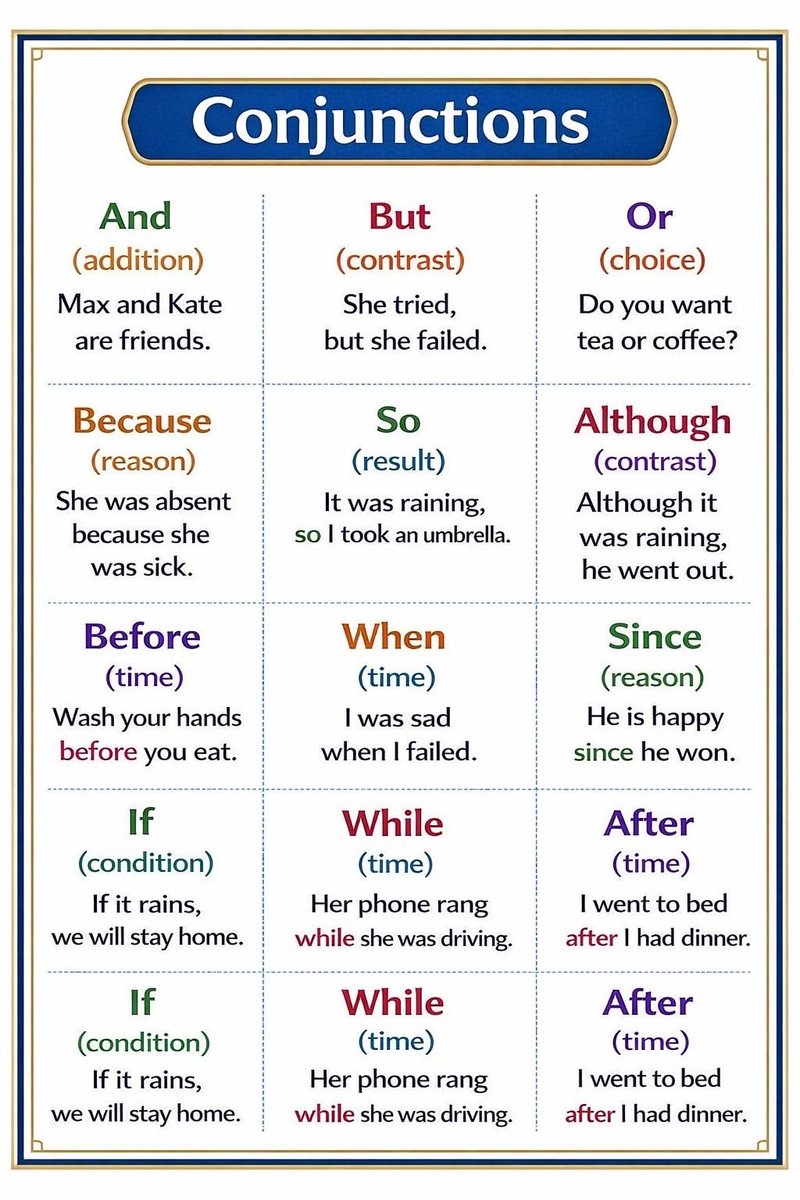
How do I explain that I can tell the difference between Rhaenyra, Rhaena, Rhaenys, Aemond, Aegon, and Daemon… but somehow prepositions, conjunctions, interjections, rows, and columns still confuse me?
Make it make sense 😂

3
3
7
504

“Whether by X or by Y” is inclusive. “Either by X or by Y” is disjunctive. St Paul, by opting for the inclusive coordinating conjunctions είτε, means to exhort the Thessalonians to stand firm and hold fast to the traditions he taught them, by word and by letter.
1
37

Its not. That’s just a general statement. Depends on dispositor strength, navamsa bala and many other factors. Seen many charts with Saturn moon conjunctions getting huge early success without even much effort.
1
15
To understand why Saturn is making you wait?
Log in to AstroCircuits.AI and give prompt:
"Analyze my Saturn placement in detail. Explain the house, sign, nakshatra, conjunctions, and aspects influencing Saturn. Show me what lessons Saturn is trying to teach, why delays have appeared in that area of life, what it is protecting me from, and the practical disciplines that will help me unlock its rewards faster?"
4
298

Two people can have the exact same placement…
Yet one experiences love, passion, and closeness, while the other experiences delay, heaviness, and frustration.
Why?
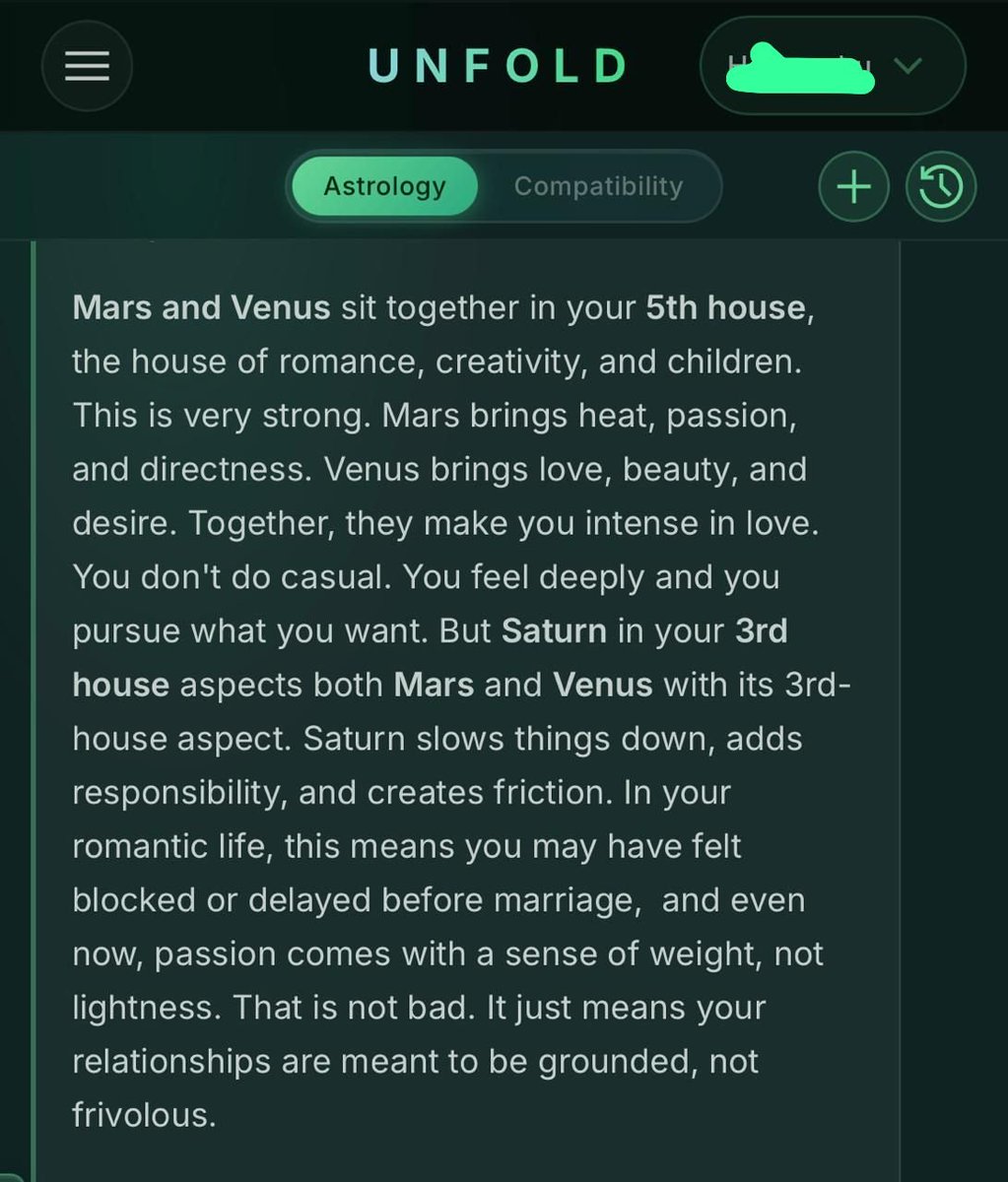
This is an analysis from the UNFOLD web app.
At first glance, Mars and Venus together look like a powerful placement for attraction, romance, desire, and passion.
But in this person’s chart, Saturn aspects both Mars and Venus from the 3rd house.
That one detail changes the entire expression of the placement.
The passion is still there, but it comes with responsibility, friction, delay, seriousness, and emotional weight.
This is where people often go wrong while learning astrology.
They understand one placement and assume it will work the same way for everyone.
But astrology never works in isolation.
Every placement has to be read together with:
Placements, conjunctions, and aspects
Nakshatras, house rulerships, and Life context,
This is where UNFOLD becomes life-saving
It brings everything together and analyses it precisely, just like an expert human astrologer would.
You do not have to break your head trying to connect ten different factors.
You do not have to keep wondering whether you missed something important.
And you do not have to worry about whether your interpretation is right or wrong.
Everything is seamlessly analyzed and interpreted by UNFOLD,
This is why UNFOLD is the Future of Astrology!
1
3
21
1,193