seismictc retweeted

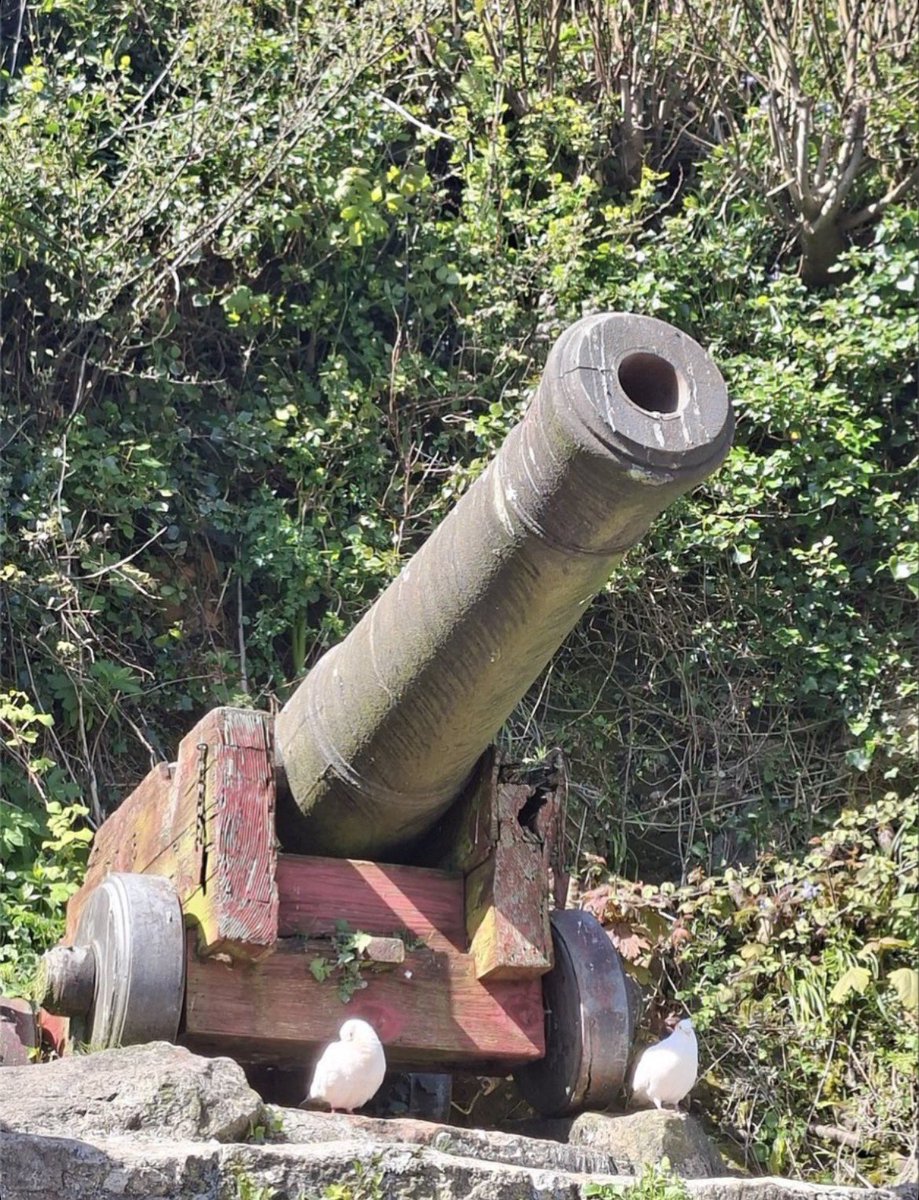
We have a new cannon!
A massive thank you again to @littlejem17 for sending in this beauty from Charlestown in Cornwall, England! 🏴 📍
6 days until the PL fixtures are out 😊
🔴⚪️🔴⚪️🔴⚪️🔴⚪️🔴⚪️🔴⚪️
#CannonNumber887 #afc @Arsenal #Gooners #COYG
3
3
26
553

.Politicians haven't had our interests at heart for years! You forget that this country was led into progress by business, creative people that didn't need the money! Anthony Ashley-Cooper, 7th Earl of Shaftesbury: Widely known as the "Poor Man’s Earl", this prominent politician dedicated his life to the welfare of the working classes. He championed the Factory Acts (1847 and 1850) limiting working hours, the Coal Mines Act (1842), and was the long-standing president of the Ragged School Union, providing free education for impoverished children.Angela Georgina Burdett-Coutts: Often referred to by contemporaries as the "Queen of the Poor", she was the wealthiest woman in England and a major political benefactor. Working closely with politicians and Charles Dickens, she heavily subsidized housing projects, the endowment of colonial bishoprics, and famine relief in Ireland.Joseph Rowntree: A prominent Quaker, industrialist, and political philanthropist who dedicated his fortune to the root causes of poverty. He established the Joseph Rowntree Foundation to conduct social research and implement housing and welfare advancements.William Ewart Gladstone: Serving as Prime Minister four times, he combined a stern fiscal policy with intense personal philanthropy. He spent a large portion of his private wealth on the "rescue and rehabilitation" of London’s prostitutes, wandering the streets at night to counsel women and help them find shelter and employment.John Passmore Edwards: An influential editor, newspaper proprietor, and Liberal MP. Guided by the belief that funding public infrastructure helps the poor, he utilized his wealth to build and donate dozens of hospitals, libraries, schools, and convalescent homes across London and Cornwal
53
Exactly!Politicians haven't had our interests at heart for years! You forget that this country was led into progress by business, creative people that didn't need the money! Anthony Ashley-Cooper, 7th Earl of Shaftesbury: Widely known as the "Poor Man’s Earl", this prominent politician dedicated his life to the welfare of the working classes. He championed the Factory Acts (1847 and 1850) limiting working hours, the Coal Mines Act (1842), and was the long-standing president of the Ragged School Union, providing free education for impoverished children.Angela Georgina Burdett-Coutts: Often referred to by contemporaries as the "Queen of the Poor", she was the wealthiest woman in England and a major political benefactor. Working closely with politicians and Charles Dickens, she heavily subsidized housing projects, the endowment of colonial bishoprics, and famine relief in Ireland.Joseph Rowntree: A prominent Quaker, industrialist, and political philanthropist who dedicated his fortune to the root causes of poverty. He established the Joseph Rowntree Foundation to conduct social research and implement housing and welfare advancements.William Ewart Gladstone: Serving as Prime Minister four times, he combined a stern fiscal policy with intense personal philanthropy. He spent a large portion of his private wealth on the "rescue and rehabilitation" of London’s prostitutes, wandering the streets at night to counsel women and help them find shelter and employment.John Passmore Edwards: An influential editor, newspaper proprietor, and Liberal MP. Guided by the belief that funding public infrastructure helps the poor, he utilized his wealth to build and donate dozens of hospitals, libraries, schools, and convalescent homes across London and Cornwal
1
57
Exactly!Politicians haven't had our interests at heart for years! You forget that this country was led into progress by business, creative people that didn't need the money! Anthony Ashley-Cooper, 7th Earl of Shaftesbury: Widely known as the "Poor Man’s Earl", this prominent politician dedicated his life to the welfare of the working classes. He championed the Factory Acts (1847 and 1850) limiting working hours, the Coal Mines Act (1842), and was the long-standing president of the Ragged School Union, providing free education for impoverished children.Angela Georgina Burdett-Coutts: Often referred to by contemporaries as the "Queen of the Poor", she was the wealthiest woman in England and a major political benefactor. Working closely with politicians and Charles Dickens, she heavily subsidized housing projects, the endowment of colonial bishoprics, and famine relief in Ireland.Joseph Rowntree: A prominent Quaker, industrialist, and political philanthropist who dedicated his fortune to the root causes of poverty. He established the Joseph Rowntree Foundation to conduct social research and implement housing and welfare advancements.William Ewart Gladstone: Serving as Prime Minister four times, he combined a stern fiscal policy with intense personal philanthropy. He spent a large portion of his private wealth on the "rescue and rehabilitation" of London’s prostitutes, wandering the streets at night to counsel women and help them find shelter and employment.John Passmore Edwards: An influential editor, newspaper proprietor, and Liberal MP. Guided by the belief that funding public infrastructure helps the poor, he utilized his wealth to build and donate dozens of hospitals, libraries, schools, and convalescent homes across London and Cornwal
58
Exactly!Politicians haven't had our interests at heart for years! You forget that this country was led into progress by business, creative people that didn't need the money! Anthony Ashley-Cooper, 7th Earl of Shaftesbury: Widely known as the "Poor Man’s Earl", this prominent politician dedicated his life to the welfare of the working classes. He championed the Factory Acts (1847 and 1850) limiting working hours, the Coal Mines Act (1842), and was the long-standing president of the Ragged School Union, providing free education for impoverished children.Angela Georgina Burdett-Coutts: Often referred to by contemporaries as the "Queen of the Poor", she was the wealthiest woman in England and a major political benefactor. Working closely with politicians and Charles Dickens, she heavily subsidized housing projects, the endowment of colonial bishoprics, and famine relief in Ireland.Joseph Rowntree: A prominent Quaker, industrialist, and political philanthropist who dedicated his fortune to the root causes of poverty. He established the Joseph Rowntree Foundation to conduct social research and implement housing and welfare advancements.William Ewart Gladstone: Serving as Prime Minister four times, he combined a stern fiscal policy with intense personal philanthropy. He spent a large portion of his private wealth on the "rescue and rehabilitation" of London’s prostitutes, wandering the streets at night to counsel women and help them find shelter and employment.John Passmore Edwards: An influential editor, newspaper proprietor, and Liberal MP. Guided by the belief that funding public infrastructure helps the poor, he utilized his wealth to build and donate dozens of hospitals, libraries, schools, and convalescent homes across London and Cornwal
2
85
Exactly!Politicians haven't had our interests at heart for years! You forget that this country was led into progress by business, creative people that didn't need the money! Anthony Ashley-Cooper, 7th Earl of Shaftesbury: Widely known as the "Poor Man’s Earl", this prominent politician dedicated his life to the welfare of the working classes. He championed the Factory Acts (1847 and 1850) limiting working hours, the Coal Mines Act (1842), and was the long-standing president of the Ragged School Union, providing free education for impoverished children.Angela Georgina Burdett-Coutts: Often referred to by contemporaries as the "Queen of the Poor", she was the wealthiest woman in England and a major political benefactor. Working closely with politicians and Charles Dickens, she heavily subsidized housing projects, the endowment of colonial bishoprics, and famine relief in Ireland.Joseph Rowntree: A prominent Quaker, industrialist, and political philanthropist who dedicated his fortune to the root causes of poverty. He established the Joseph Rowntree Foundation to conduct social research and implement housing and welfare advancements.William Ewart Gladstone: Serving as Prime Minister four times, he combined a stern fiscal policy with intense personal philanthropy. He spent a large portion of his private wealth on the "rescue and rehabilitation" of London’s prostitutes, wandering the streets at night to counsel women and help them find shelter and employment.John Passmore Edwards: An influential editor, newspaper proprietor, and Liberal MP. Guided by the belief that funding public infrastructure helps the poor, he utilized his wealth to build and donate dozens of hospitals, libraries, schools, and convalescent homes across London and Cornwal
1
60
Exactly.Politicians haven't had our interests at heart for years! You forget that this country was led into progress by business, creative people that didn't need the money! Anthony Ashley-Cooper, 7th Earl of Shaftesbury: Widely known as the "Poor Man’s Earl", this prominent politician dedicated his life to the welfare of the working classes. He championed the Factory Acts (1847 and 1850) limiting working hours, the Coal Mines Act (1842), and was the long-standing president of the Ragged School Union, providing free education for impoverished children.Angela Georgina Burdett-Coutts: Often referred to by contemporaries as the "Queen of the Poor", she was the wealthiest woman in England and a major political benefactor. Working closely with politicians and Charles Dickens, she heavily subsidized housing projects, the endowment of colonial bishoprics, and famine relief in Ireland.Joseph Rowntree: A prominent Quaker, industrialist, and political philanthropist who dedicated his fortune to the root causes of poverty. He established the Joseph Rowntree Foundation to conduct social research and implement housing and welfare advancements.William Ewart Gladstone: Serving as Prime Minister four times, he combined a stern fiscal policy with intense personal philanthropy. He spent a large portion of his private wealth on the "rescue and rehabilitation" of London’s prostitutes, wandering the streets at night to counsel women and help them find shelter and employment.John Passmore Edwards: An influential editor, newspaper proprietor, and Liberal MP. Guided by the belief that funding public infrastructure helps the poor, he utilized his wealth to build and donate dozens of hospitals, libraries, schools, and convalescent homes across London and Cornwal
1
116
Politicians haven't had our interests at heart for years! You forget that this country was led into progress by business, creative people that didn't need the money! Anthony Ashley-Cooper, 7th Earl of Shaftesbury: Widely known as the "Poor Man’s Earl", this prominent politician dedicated his life to the welfare of the working classes. He championed the Factory Acts (1847 and 1850) limiting working hours, the Coal Mines Act (1842), and was the long-standing president of the Ragged School Union, providing free education for impoverished children.Angela Georgina Burdett-Coutts: Often referred to by contemporaries as the "Queen of the Poor", she was the wealthiest woman in England and a major political benefactor. Working closely with politicians and Charles Dickens, she heavily subsidized housing projects, the endowment of colonial bishoprics, and famine relief in Ireland.Joseph Rowntree: A prominent Quaker, industrialist, and political philanthropist who dedicated his fortune to the root causes of poverty. He established the Joseph Rowntree Foundation to conduct social research and implement housing and welfare advancements.William Ewart Gladstone: Serving as Prime Minister four times, he combined a stern fiscal policy with intense personal philanthropy. He spent a large portion of his private wealth on the "rescue and rehabilitation" of London’s prostitutes, wandering the streets at night to counsel women and help them find shelter and employment.John Passmore Edwards: An influential editor, newspaper proprietor, and Liberal MP. Guided by the belief that funding public infrastructure helps the poor, he utilized his wealth to build and donate dozens of hospitals, libraries, schools, and convalescent homes across London and Cornwal
48

Tiana G retweeted

Jun 10
Sad reality-I do not want to be in a Jamaican hospital uwi, kph, Spanish town. Cornwal you might not make it out alive.
1
6
437
Kevin Marriott retweeted

Very sad to hear this news, I only played in a couple of games for Dave ( 1 being a Cornwall Senior Cup Semi Final ) I remember being a 15 year old kid who was frightened of him. He build an incredible team at Falmouth Town. My thoughts go out to Dave’s family. RIP
2
8
1,836

Jun 9
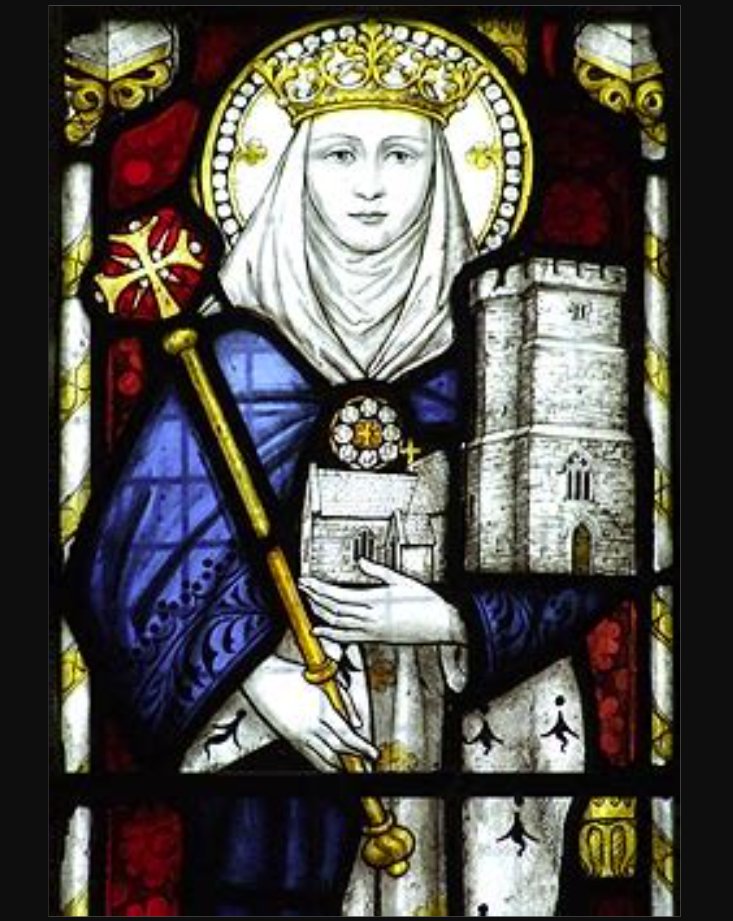
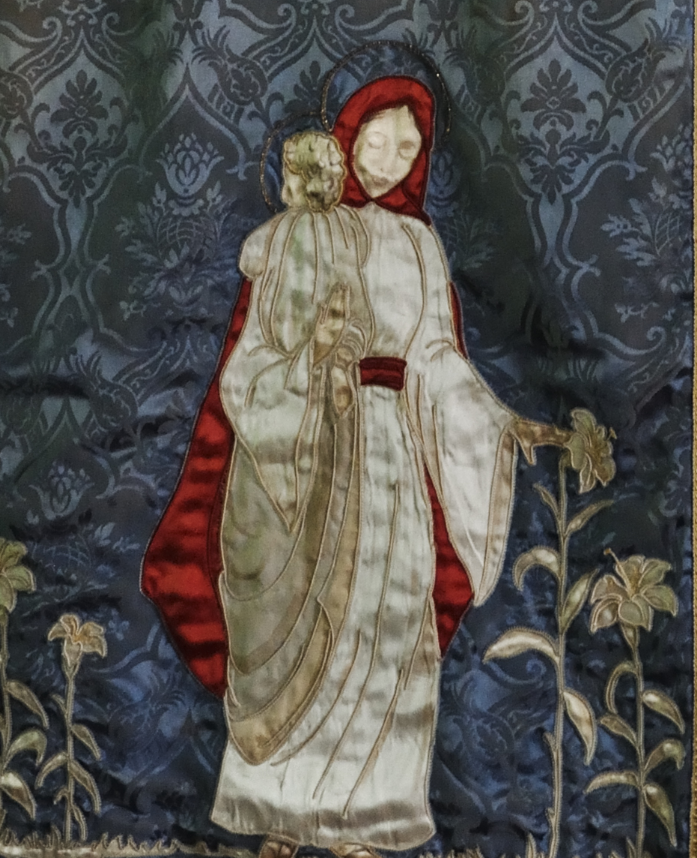
Today is the feast day of St Madryn, a 5c Celtic saint who gave her name to 3 ⛪️ churches:
⛪️ Forrabury and Minster, Cornwall (banner 👇)
⛪️ Tintagel, Cornwal (stained glass window 👇)
⛪️ Trawsfynydd, Wales.
en.wikipedia.org/wiki/Saint_…
📷 David Nash Ford and Sawyer-mcdonell
1
5
16
831

They had to cancel Royal Cornwal Shiw today.
Horrific weather today.
1
155

Jun 5
✝️ 4 Juin
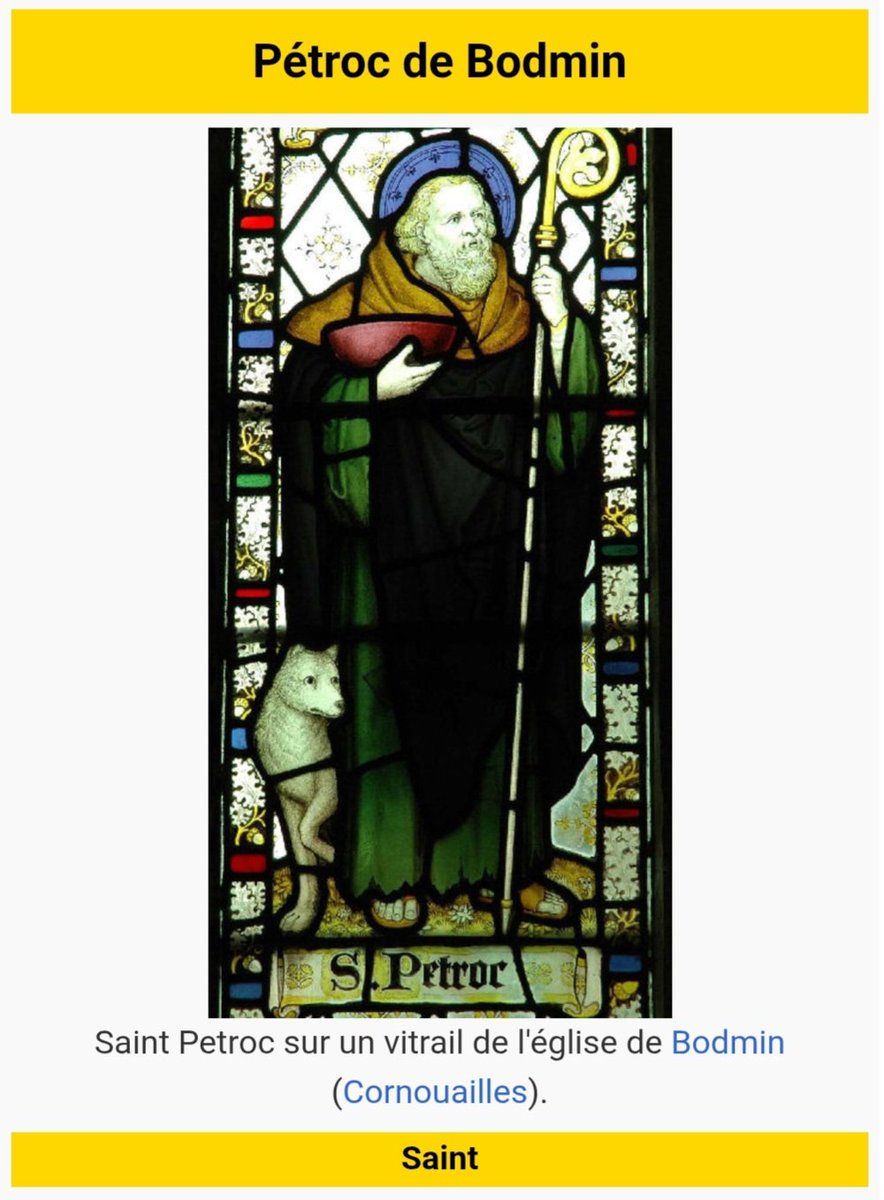
Pétroc de Bodmin (né vers 594) ou « Perrec », « Perreux », « Perrog », « Petroc » ou « Petrock », moine de Padstow au Pays de Galles, ainsi que ses disciples, les saints Dégan, Medan et Croidan.
Saint Pétroc de Bodmin (Ve ou VIe siècle) est un saint moine celtique. Il est né au Pays de Galles et a reçu sa formation monastique en Irlande.
Il s'établit ensuite dans la péninsule formée par le Devon et les Cornouailles britanniques et le Somerset.
Selon calendrier breton, sa fête est le 4 juin.
Il est l'oncle de saint Cadou.
Il aurait vécu vers l'an 600 dans un recoin isolé de la forêt du Cranou, au milieu des animaux des bois. Alban Butler et Charles Butler indique sans précision qu'il serait mort le 4 juin 564.
Selon une légende galloise, il était le plus jeune fils du chef du clan Glywys Cernyw de Glywysing (aujourd'hui Glamorgan).
Il a donné son nom à Llanbedrog, un village de la péninsule de Lleyn. «Llan» est un vieux mot gallois qui signifie clôture et qui a été utilisé pour désigner la terre sacrée sur laquelle étaient construites les églises (voir les enclôts paroissiaux en Bretagne armoricaine).
Il a étudié en Irlande où il eut Saint Kevin pour disciple.
Il a ensuite été envoyé en mission en Cornouailles britannique (Cornwal) où il a établi les monastères de Padstow et Bodmin. Padstow, qui s'appelait auparavant Laffenac ou Loderic a été nommé par son nom Padrockstowe (Endroit de Perreux) devenu par contraction Padstow.
Il semble que saint Pétroc y a résidé longtemps.
Il a ensuite été enterré à Bodmin et c'est là qu'il fut vénéré.
La légende affirme qu'à l'âge de trente ans il est allé au pèlerinage à Rome en passant par la Bretagne, où il est honoré sous le nom de « Perreux », « Pezrec » ou « Pérec ». En 1177, un Breton a volé ses reliques à Bodmin et les a données à l'abbaye de Saint-Méen.
Mais Henri II a pu les restituer à ses propriétaires légitimes.
Elles sont maintenant dans une chasse exposée à la vénération du public dans l'église Saint-Pétroc de Bodmin. 🙏
1
1
4
93