
I am totally fine with major governments using it because they have the resources to ship pallets of cash if needed for darkops stuff. For example, 12b in cash was loaded onto pallets and transported to Iraq to be given to the government there in 2003 and 2004.
The average person benefits more than the government from Monero because the average person is not allowed to withdraw that much cash, cash can be confiscated by police at any time for any reason (see Nevada vs. Lara).
Many said Bitcoin could never reach major adoption because the government would stop it. Monero is in the same boat, except the feds of many countries actually pushed and sued to have Monero delisted, despite that, it recently hit new all time highs and p2p services, an ebay with Monero payment service, and several retail/grocery stores accept monero as payment.
Monero can be privately and trustlessly atomically swapped for Bitcoin, in a way that makes it almost impossible to tell that the bitcoin was used to make an atomic swap for Monero, allowing Monero to be spent for any goods and service thar accept bitcoin.
They try to stop it, but it keeps growing and can't be stopped. The Streisand Effect is heavily in play here.
Privacy is a human right. Consequentialism is a retarded system of ethics that doesn't make any sense, but explaining why is like two undergrad ethics courses, so I cannot break that down at the moment.
I am still of the thought that a world without digital financial privacy actually has worse consequences than a world with it, but as I said, Consequentialism is retarded as an ethics structure anyways.
Privacy allows terrible things to happen, no doubt. Rape, extortion, human trafficking, prostitution, child porn markets, dark weapons markets, hit men markets, etc. will all increase because of private digital financial assets; it is a sad part of Monero existing, but the human right to privacy has always increased these horrible things before The Wired existed, and yet very obviously society has determined privacy is a fundamental right, illustrated most easily by nearly every single having the concept of a bedroom with windows that can be covered and a door that can be locked.
2
6
317

Bu kadın yalancı değil, ispatlı tescilli bir darkops elemanı. Darkops elemanlarına ajan demek onları küçümsemek olur. Mesela başka bir darkops elemanı da Çillerdir.
May 29

Kurultayda telefon dağıtıldı yalanını söyleyen Nuray başaran adlı şahıs bu seferde Namık Tan‘ın butlan kararından sonra ABD Ankara büyükelçisi Tom Barack‘tan yardım istediği yalanını ortaya attı. Namık Tan, bahsedilen tarihte ağır bir göz ameliyatı geçirdim
2
25
1,622

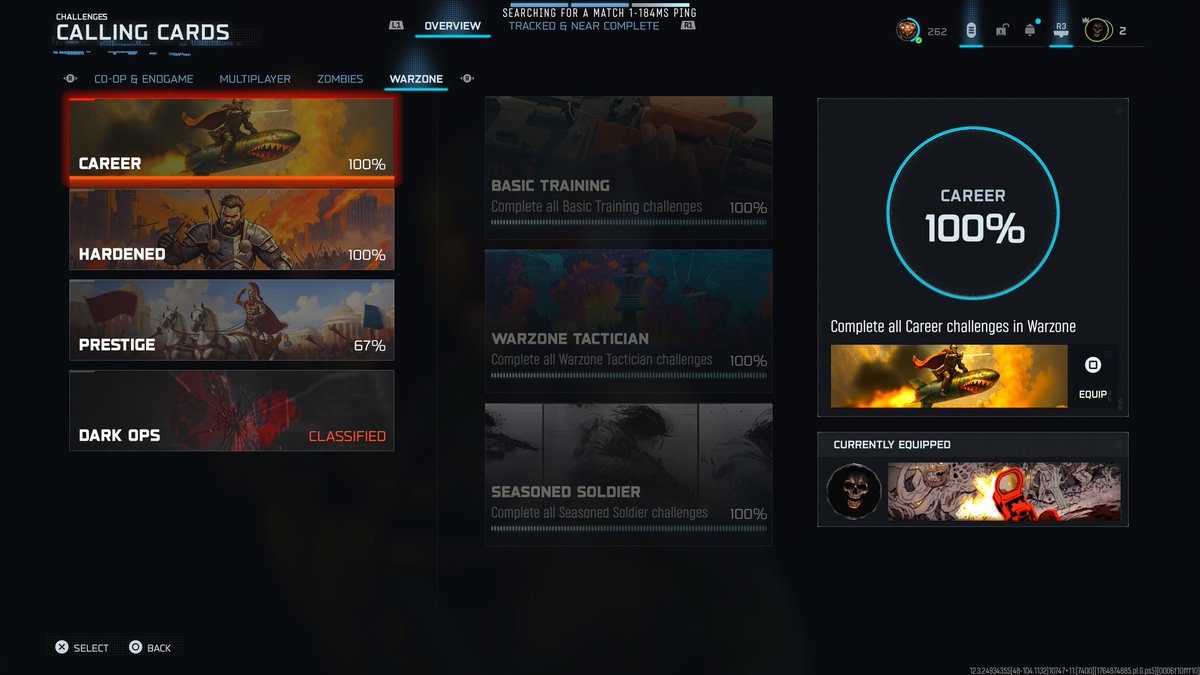
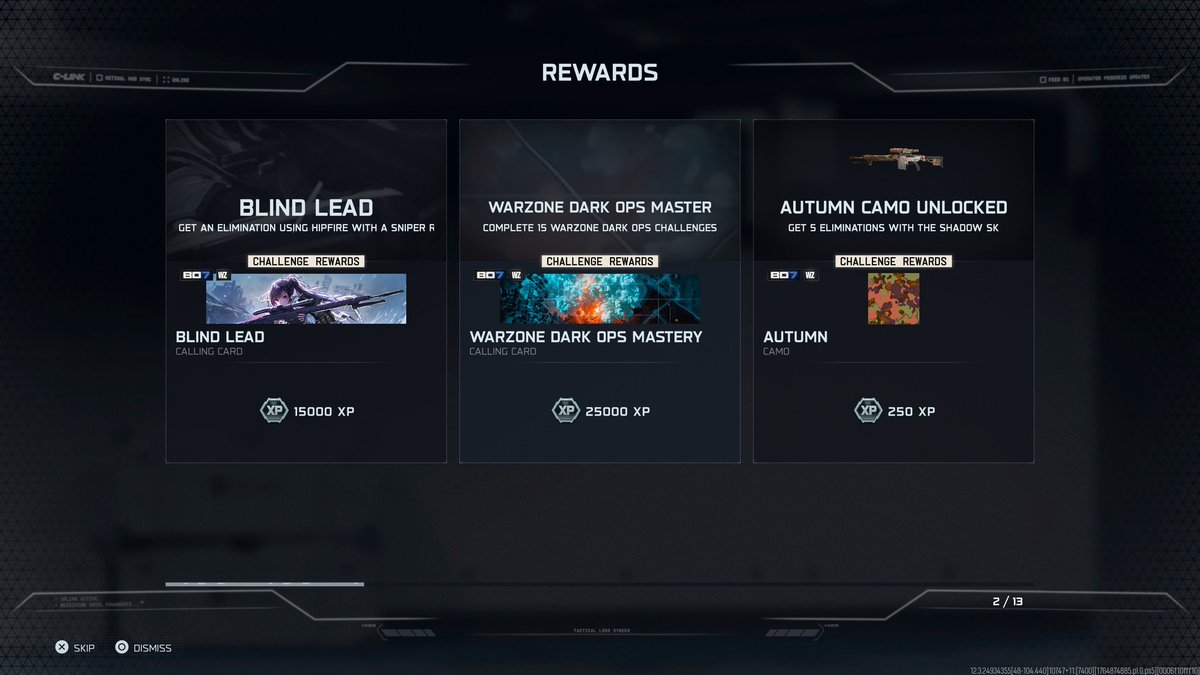
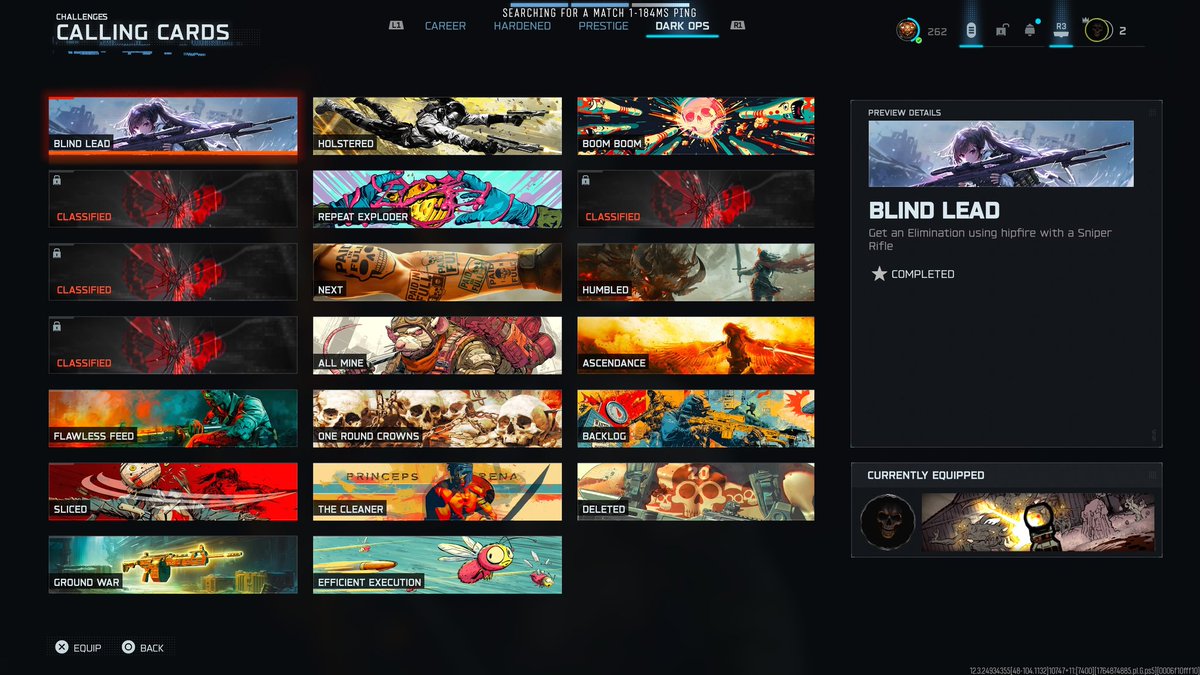
Done all Black ops Royal challenges, expect these 2,done them twice but it doesn't count, Glitched I assume
#gaming - #games - #gamer - #fps - #shooter #CallofDuty - #cod - #blackops - #BlackOps7 #bo7 - #challenge - #challenges - #Grind - #Warzone - #darkops - #blackopsroyal
2
126
THIS WAS MY LUCKIEST THROWING KNIFE KILL IN WZ (BO ROYAL) LMAO! 😂✨
#gaming - #games - #gamer - #fps - #shooter #CallofDuty - #cod - #blackops - #BlackOps7 #bo7 - #challenge - #challenges - #Grind - #Warzone - #darkops - #blackopsroyal - #knife - #throwingknife - #clip
2
129

Mar 12
🚨 Iran just basically said: “Cut our lights → we cut yours too… and hunt your troops in the dark.” 😳
⚡ Gulf power grids already hit
🌍 UAE, Kuwait, Saudi energy under fire
🕯️ Darkness is war’s new weapon
#MiddleEast #EnergyWar #GlobalAlert #DarkOps
3
4
206

Mar 12
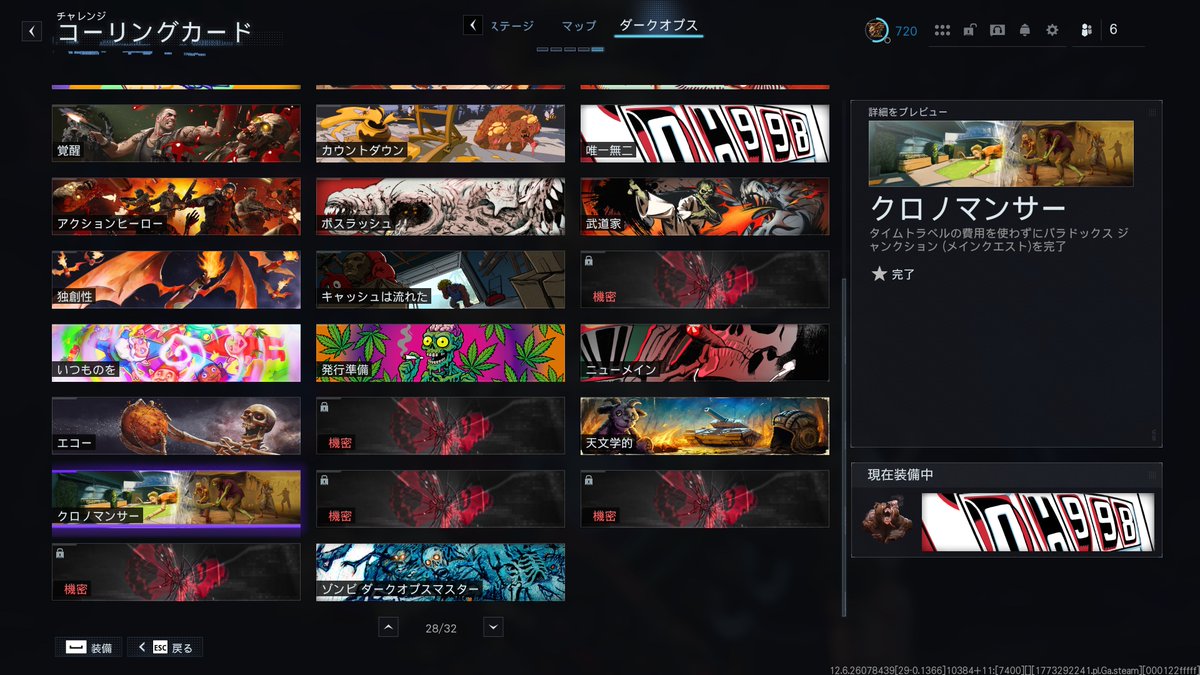
New darkops!
「Chronomancer」
Complete the main quest without using time travel funds.
@MargwaNetwork @ZoneXbez
2
130

Feb 5
For me i really like bo7 alr got the Zombie camo and mr 100% calling card in Zombies and almost all darkops 4 left
2
176

Has a very DarkOps look to it...like Chunn or Kel went in and paid a visit.
2
32

14 Dec 2025
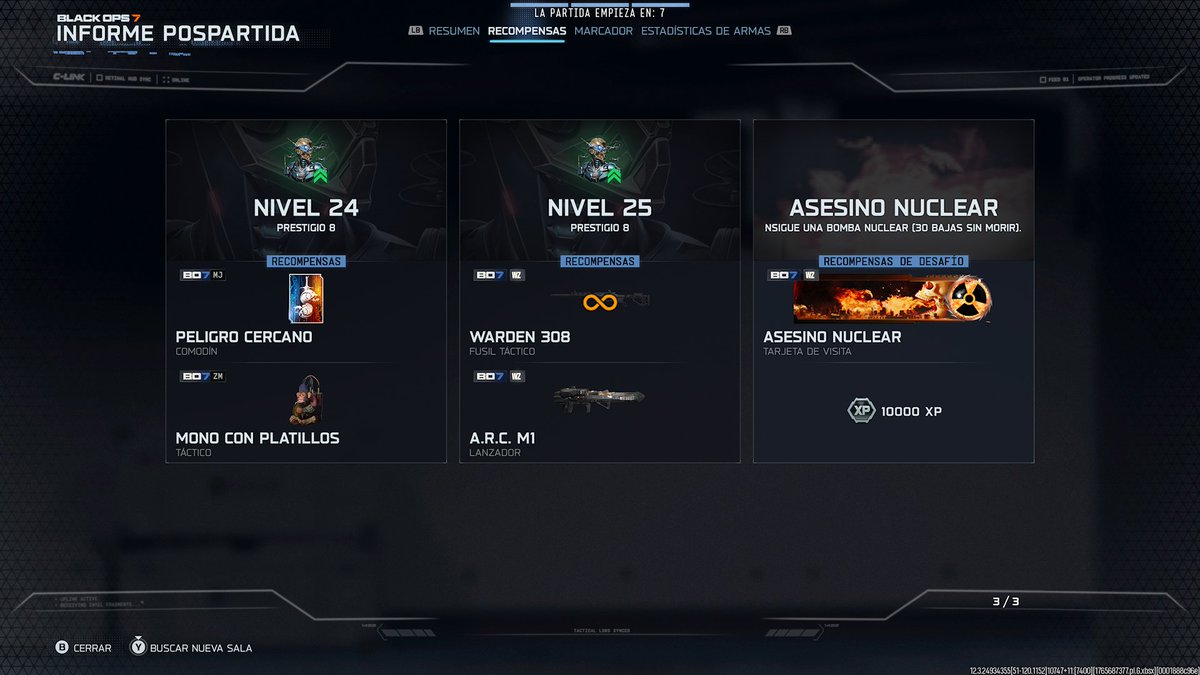
Chavales!! Os dejo por aqui mi primera Nuclear en Black Ops 7!!☢️🔥🔥 Estaba super nervioso!! Pero por fin la tenemos😍💪🏽💯🔥🚀🔝 #BlackOps7 #Nuclear #CallofDuty #DarkOps #Multijugador #XboxSeriesX
2
243


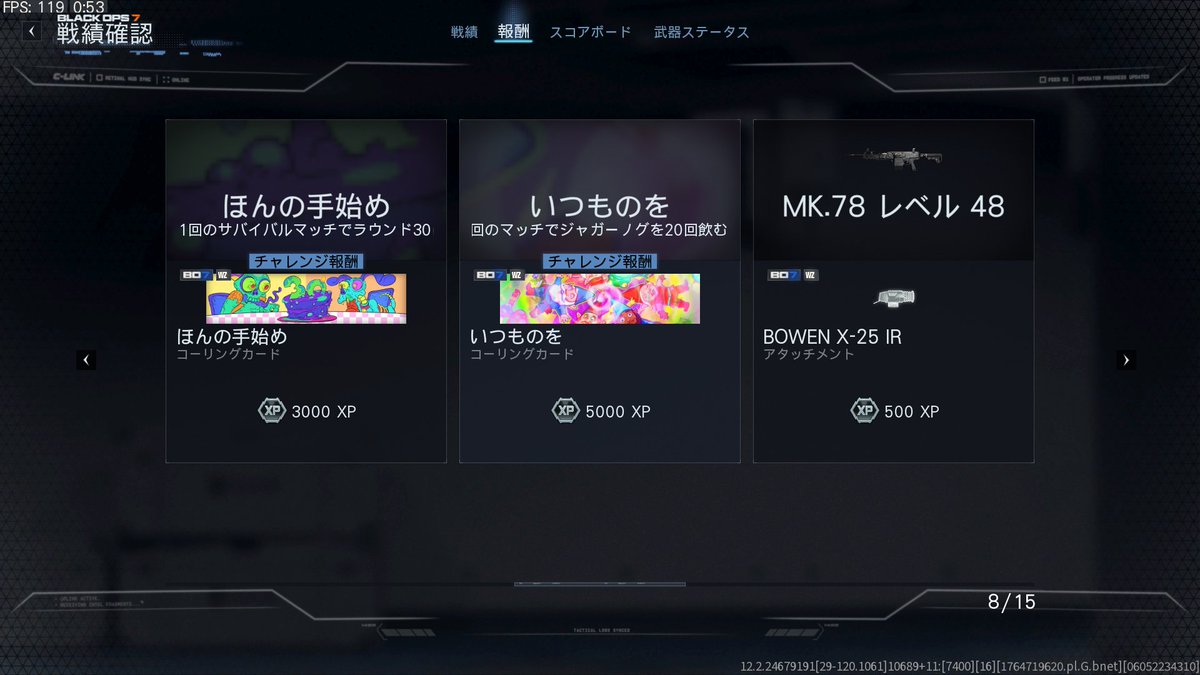

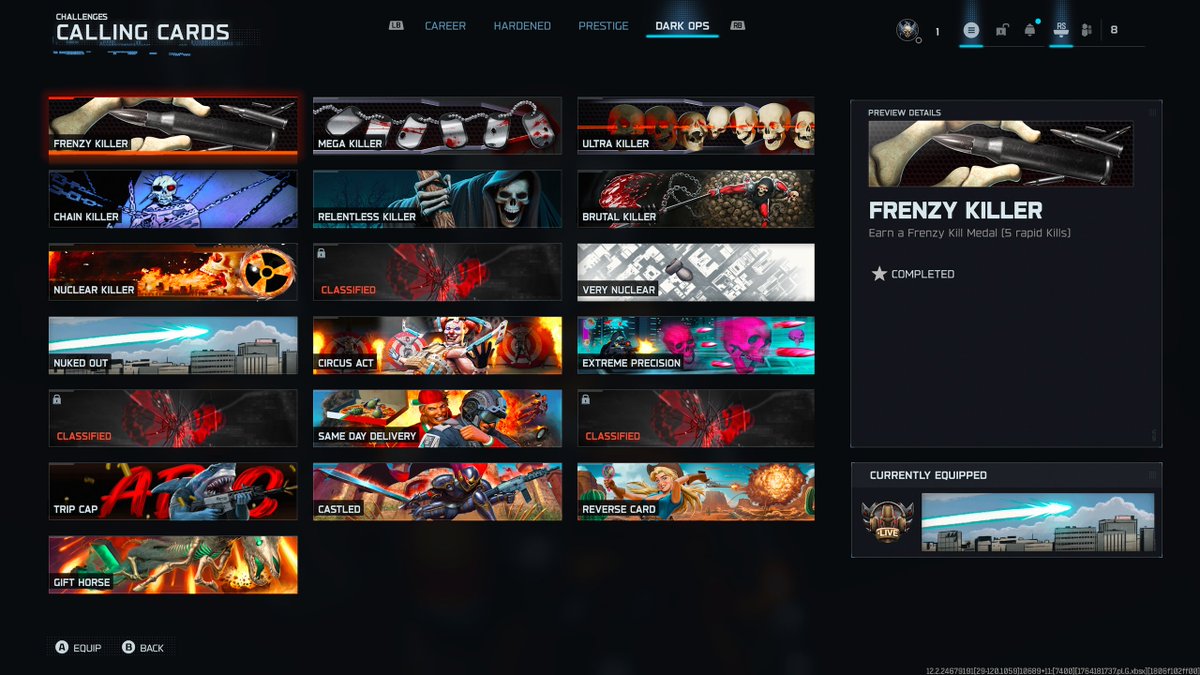

16 Nov 2025
بطاقة DARKOPS للزومبي باسم :
"ANOTHER ROUND"
وعشان تجيبها توصل راوند "💯" في الزومبي
#BlackOps7
3
1
15
3,157

16 Nov 2025
🇮🇳 SHADOWS & STEEL
Unseen. Unheard. Unstopped.
“Your sanctuary is your imagination.” Indian Army
In the dark where threats hide, precision walks without sound.
Some missions don’t seek headlines they secure them.
#ShadowsAndSteel #DarkOps #SilentWatch #NationFirst #DutyNeverSleeps

1
2
337

14 Nov 2025
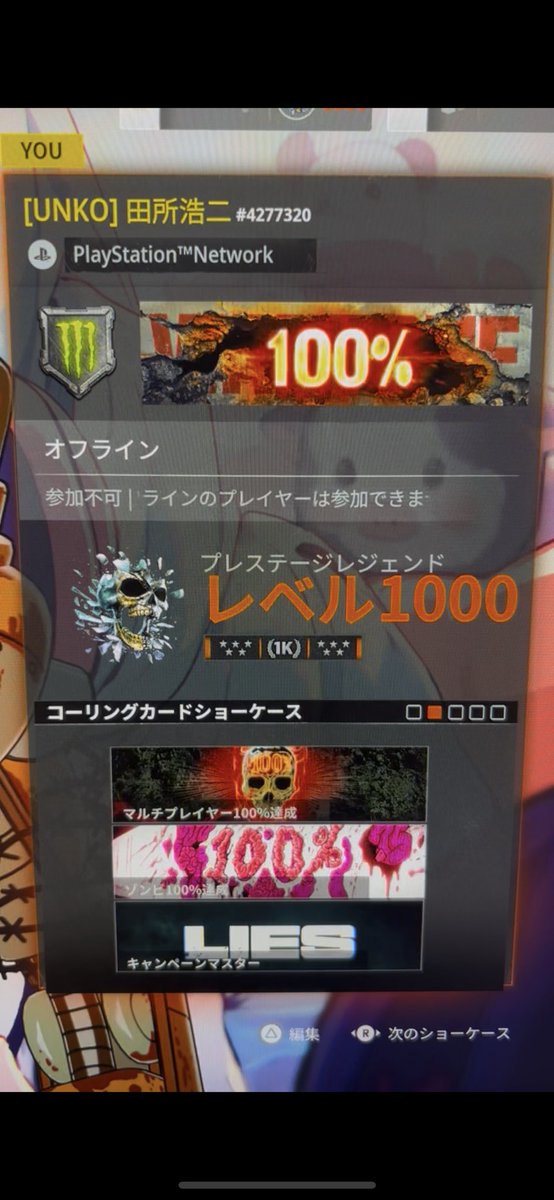
bo6のマルチ、ゾンビ、キャンペーン、WARZONEが100%になりました(ダークオプス含む)
これで、シタデル早期、ランクと課金以外コーリングカードはコンプリート
満足です
#CoD #Callofduty #BO6 #CoDBO6 #BlackOps6 #darkops #bo7 #BO7 #CoDBO7 #BlackOps7
2
2,236


12 Oct 2025
Hmmmmmm. Well, after googling Group 935, I think I can loosely see the connections you've noticed. What I read made me think of all the darkOps that have unfolded since WWI ...so I do get your interesting point.
All (((they))) needed was to move forward armed with impunity to bring us to the shitshows we're faced with today. Based thinker 😉
2
129

4 Oct 2025
2
614


1 Oct 2025
We need funding to developer LoRa and mesh networks beyond the grasp of US darkops
1
3
81