
Nope, That does not explain the situation according to the Russian government's own reporting system:
"Dachas explain only some of it, but not the core of the official government statistics.The X post you referenced is accurate on the definition: a dacha is typically a secondary (often seasonal) summer house or garden plot cottage in a rural or suburban area, used for weekends, vacations, and gardening. Many traditional or basic dachas lack modern indoor plumbing and use pit-style outhouses — this is well-documented in Russian cultural descriptions.petersfoodadven…
petersfoodadventures.com
However, Rosstat (Russia’s official statistics agency) surveys on housing amenities — the source of the “millions without indoor plumbing/toilets” figures — focus on permanent primary residences (apartments and houses where people live year-round), not secondary dachas. Housing stock statistics generally exclude temporary or seasonal structures like dachas.themoscowtimes.com
Key official data2018 Rosstat survey (60,000 households nationwide): 22.6% of households lacked a centralized sewage system. Of those, 16.8% used pipes leading to pit toilets, and 5.8% had no sewage system at all. Indoor plumbing access was around 77.4%. Rural areas were far worse (~2/3 of rural households lacked indoor toilets). Urban areas were much better (~9% lacking centralized sewage).
themoscowtimes.com
2024 Rosstat data (more recent figures cited from official sources): 91.8% of households now have a toilet inside the apartment or house. Only 7.8% use external/common/courtyard toilets, and 0.4% have none. For wastewater disposal: 77.1% centralized sewer, with others using septic systems, cesspools, or none.
reddit.com
These numbers represent millions of people, concentrated in rural and remote areas. The gap has narrowed over time but remains significant, especially outside major cities.Why the distinction mattersDachas add to the reality that many Russians (especially urbanites) encounter outhouses seasonally — millions visit dachas annually. But they are secondary properties. People who use them usually have a primary home with better (or at least different) facilities.
The bulk of the Rosstat “households without indoor sanitation” figures comes from permanent rural village housing, not dachas. Factors include Russia’s vast territory, historical underinvestment in rural infrastructure, depopulation of villages, and the high cost of extending modern utilities to remote areas.
In short: Dachas provide a partial cultural and practical explanation for the prevalence of outhouses, and the government data does confirm real shortcomings in sanitation access. But they do not fully account for the official statistics on primary housing, which are driven mainly by conditions in permanent rural residences. The situation has improved according to later Rosstat figures, though rural-urban disparities persist.
1
33

「cervelo R2」@noreeno71977様よりご依頼のイラスト納品しました。
セクシーボディの挑発R2ちゃん。dimension-data2018ジャージをビキニにアレンジしました。R2とEOS3の相性良いですねー!カッコいい! ゚ワ゚)b=b
#cervelo #Rolf


16
261
1,116

5 Mar 2019
Řekli jsme si, že uděláme radost těm z vás, kteří se nás ptali na videozáznamy z #Eshopista. Akci o technologických trendech otevřel @h_onza z @dataweps. Co prozradila loňská data o možné budoucnosti #ecommerce? #data2018
youtube.com/watch?v=WIdbp5LF…
1
4

4 Jan 2019
Data kepenuhan bikin kewalahan? Simpan data lebih aman dengan harga yang ringan di sini! Temukan aneka data storage mulai dari hard drive, flashdisk, hingga kartu memori dengan diskon 5% hingga Rp50.000 dengan mengunakan kode DATA2018. Yuk cek buff.ly/2QnQMf4


30 Oct 2018
3 points of focus at the root of the #PMA18: outdated IT infrastructure, data accountability & the workforce. Hear more about how the Administration is moving towards its goals of mission, service & stewardship in @Weichert45's #Data2018 keynote: bit.ly/2PvvbVJ #opendata

2

28 Oct 2018
Data2018: May St. Francis of Assisi join your precious girl, on her last journey! I went thru what you’re going thru w/both my yorkies & my prayers are with you & her! God bless...
1
2

26 Oct 2018
Australia's preferred Consumer data supplier.
#Bigdata #DigitalMarketing #B2C #B2B #Data2018 #fintech #Financial #INFORMATION #AUTOMATION #onlinebusiness #business #AI #DL #ML
26 Oct 2018

Need help finding new customers across Australia? Having trouble verifying Aussie consumer data information? get in touch with us today for an automated solution.
#marketing #data #sales #automation #b2c #api #onlinetools #consumerinsight #verificationandvalidation
3
2
24 Oct 2018
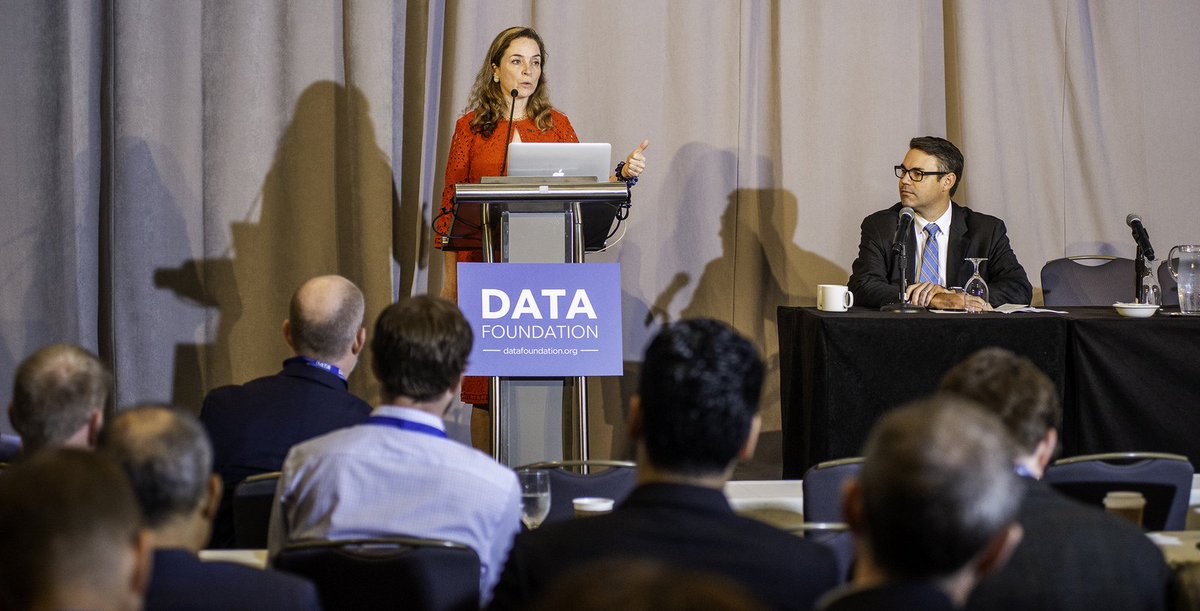
#ICYMI, @Weichert45 said her team is making "real progress" on fulfilling #PMA18, pulling people from the evidence, management & risk compliance oversight communities at #Data2018. Read more on what they're doing to fully utilize govt data: govexec.com/management/2018/… via @GovExec
17 Oct 2018
“Just having conversations & elevating data as a strategic CAP goal has driven cross-agency sharing & has driven very helpful conversations about how we can leverage the data we already have.” -@SuzetteKent45 at #Data2018. Read on: federaltimes.com/it-networks… via @FederalTimes

2
3

16 Oct 2018
Check it out! Katie Kirstein attended the Data Transparency 2018 Conference last week for one of her clients, GrantSolutions. Her team created an interactive game that brought attendees to their booth while players asked questions the work that they do. Great work! #data2018

1
4

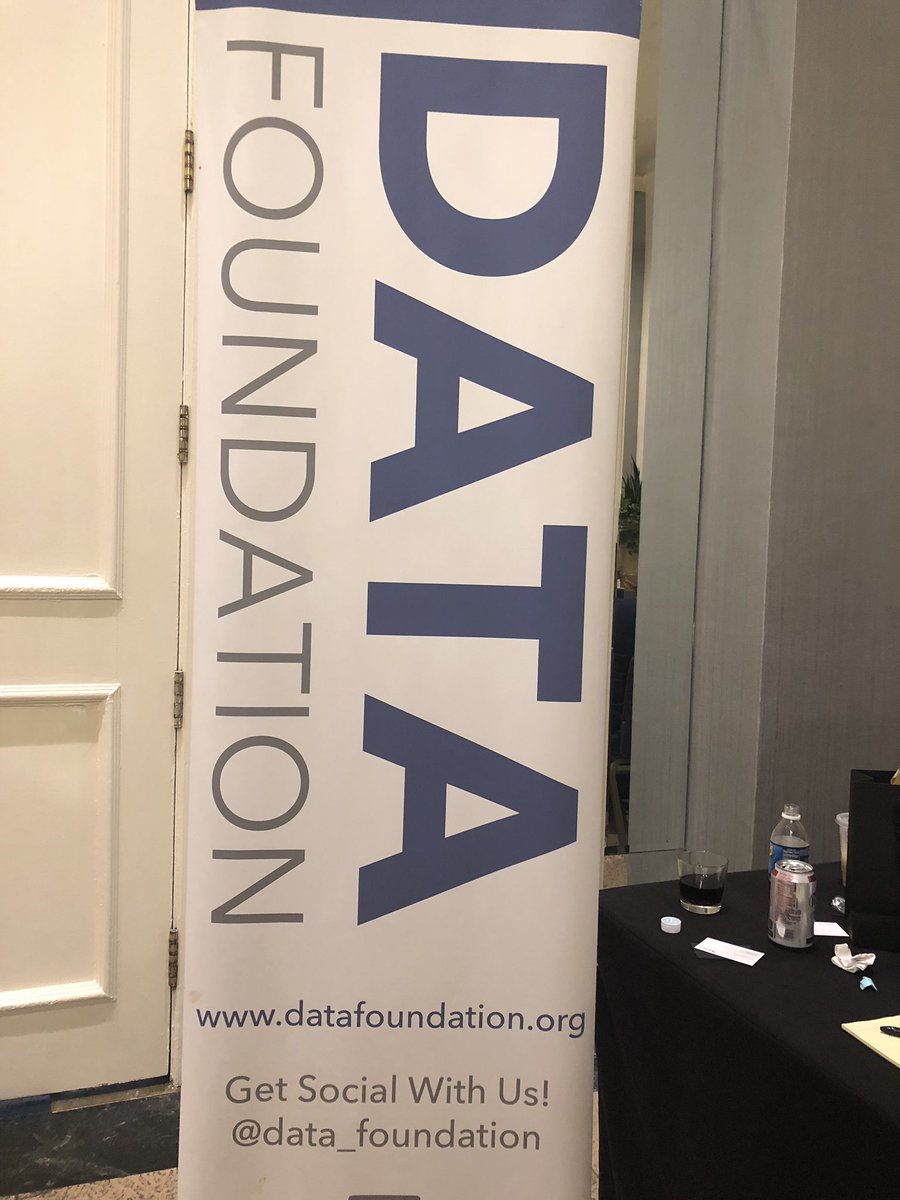
We had a great time at @data_foundation’s #Data2018 conference exploring and discussing how #opendata is being standardized, shared and used to improve transparency and efficiency within our gov't.

1
5


15 Oct 2018
"The President's Management Agenda has three pillars: data, IT modernization and workforce reform. And workforce challenges...are frequently a roadblock to progress on the other two pillars." Read more on @Weichert45's #Data2018 remarks here: fcw.com/articles/2018/10/10/… via @FCWnow

2
3

15 Oct 2018
At #Data2018, Robin Doyle of @jpmorgan spoke about how universal data standards can transform regulatory compliance. Check out her Coalition guest blog where she issues a call to action for data standardization in the U.S. bit.ly/2PFX9Lu #opendata @data_foundation
2
2

12 Oct 2018
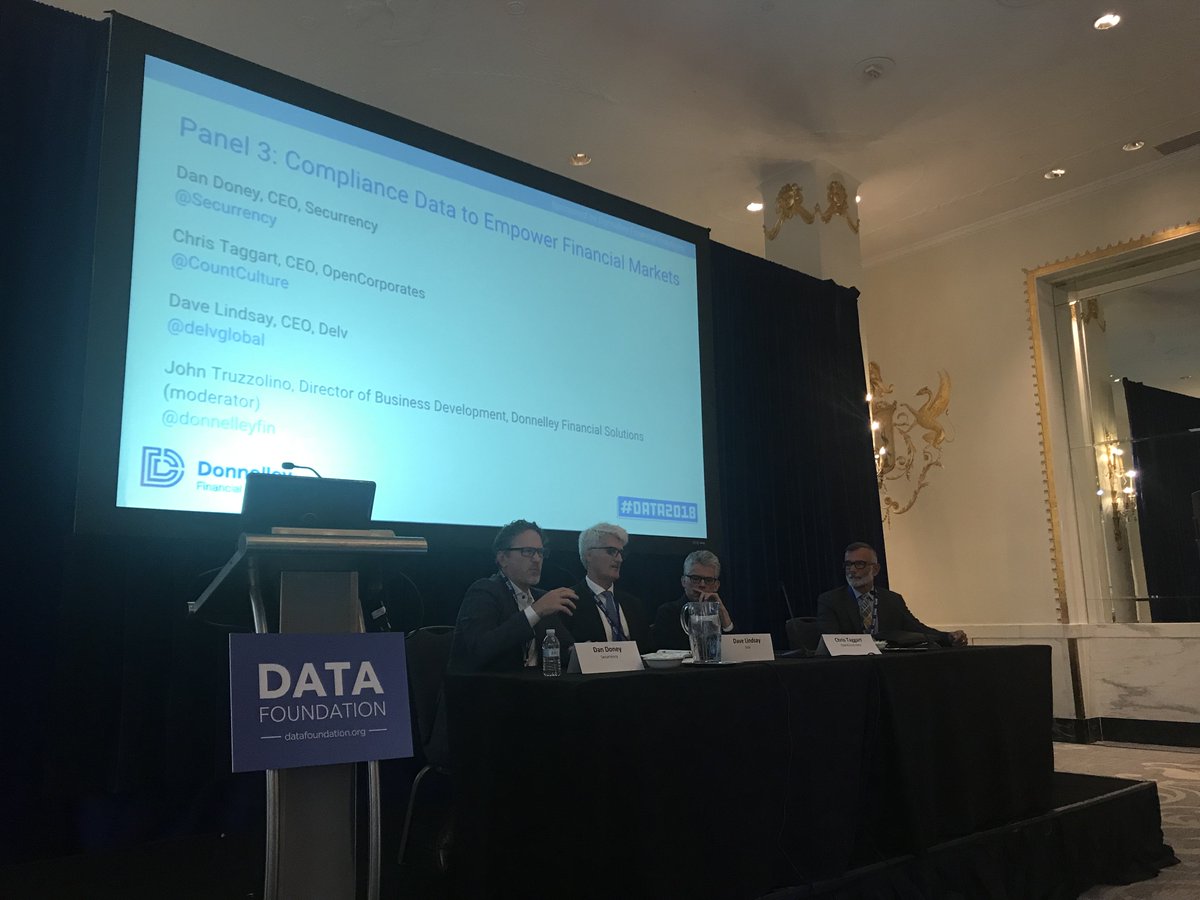
We're still reminiscing about #Data2018 by @data_foundation! Great event with remarkable keynote speakers! Thank you, @CountCulture, @d_j_lindsay , as well as @DataCoalition , @GLEIF, @Securrency, @OpenCorporates, @donnelleyfin. More exciting events coming soon!
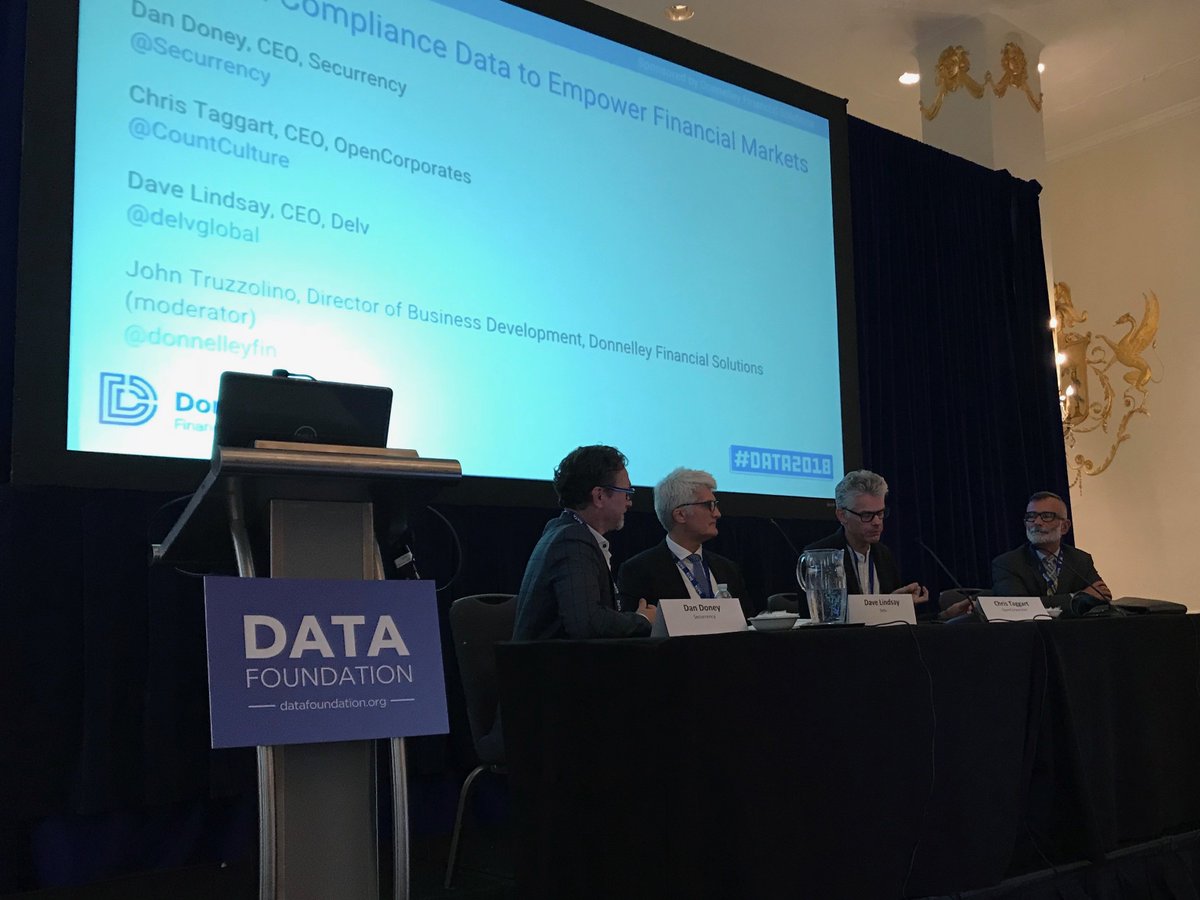
1
2
11 Oct 2018
To all those who attended #Data2018, our fantastic sponsors (@Workiva, @BoozAllen, @GTPublicSector & more), exhibitors, and speakers: THANK YOU! For more #opendata news & programing updates from the Data Foundation, be sure to subscribe to our newsletter: bit.ly/2CEomva

1
3

10 Oct 2018
Fantastic event by @DataCoalition today on how the public and private sectors are using data to improve the future. Great presentation by @USTreasury, as well as remarks from @SuzetteKent45 and @Weichert45. #data2018
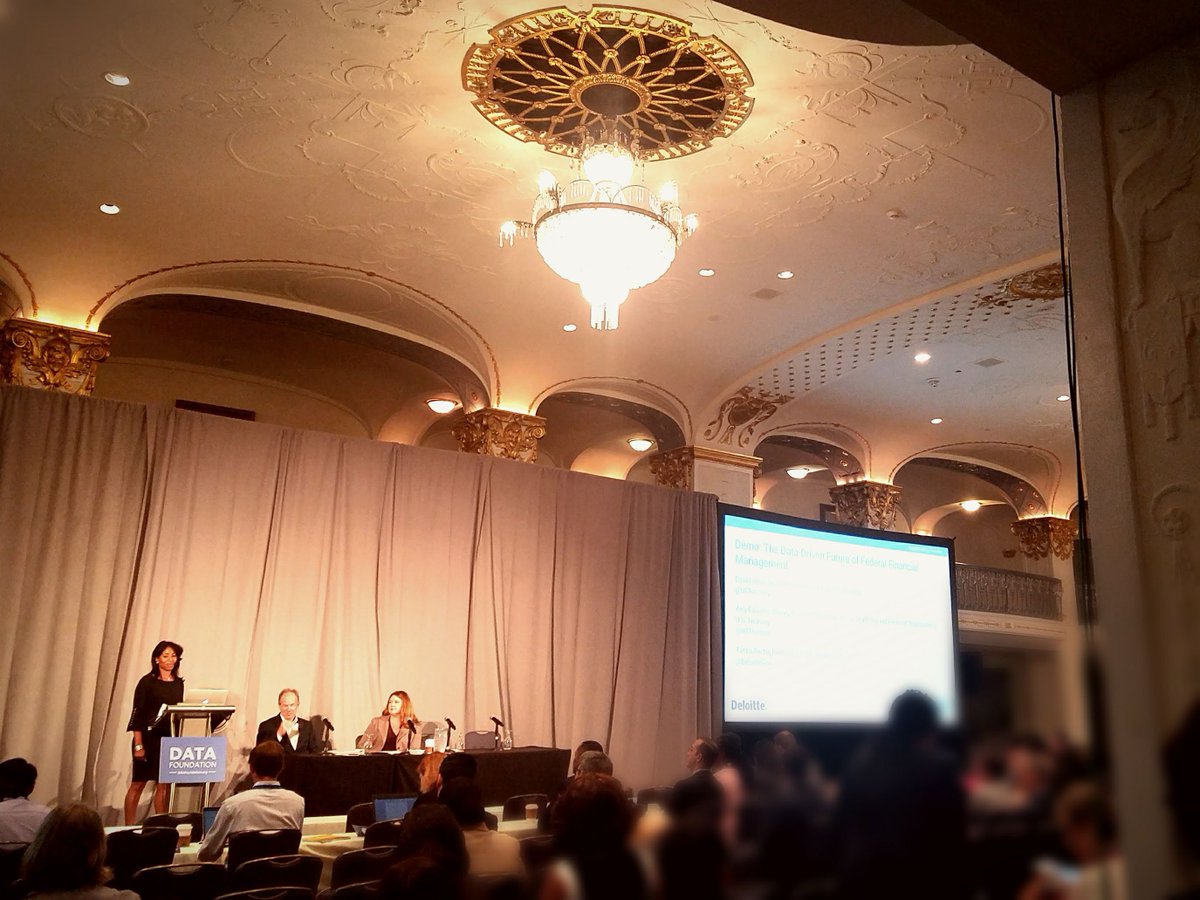
3
5

10 Oct 2018
At #Data2018 Jim Winner of @Infogroup, Michael Dalton of @BLS_gov, and Donald Haughton of @USDOL discuss federal use of private-sector #data including use cases, quantity, and challenges such as privacy. @Data_Foundation
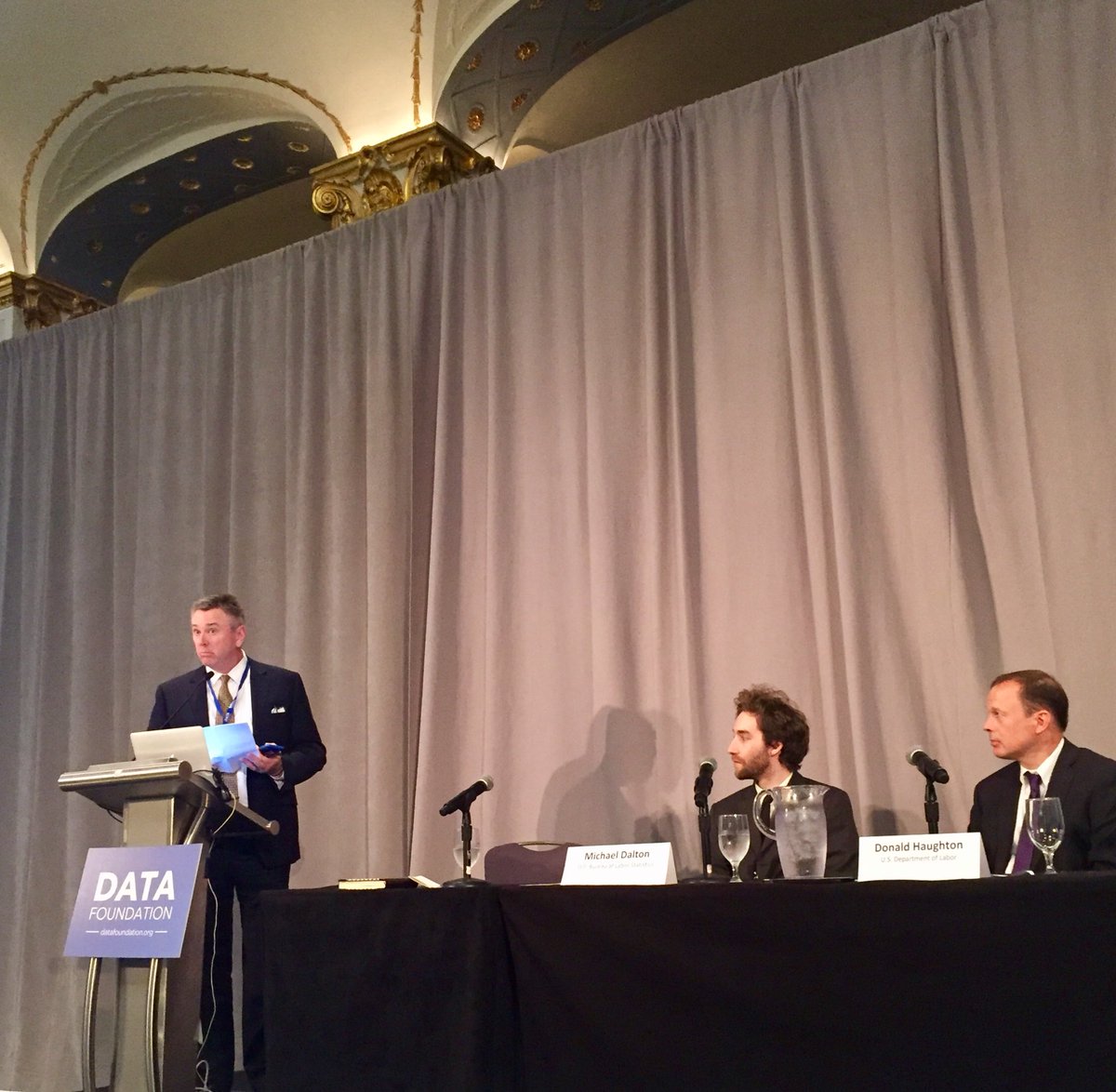
2

10 Oct 2018
"La mitad de los profesionales de marketing utiliza data para mejorar la experiencia de usuario de sus clientes" @jorgeplanello @the_hub_of #Tradespotting #Data2018
1

10 Oct 2018
Heads up health DATA geeks! Check out #data2018 @Data_foundation @DKasim @TickStream @drnic1 @DrBonnie360 @RasuShrestha @lsaldanamd @MandiBPro
4