
They should also datain Farage as well for causing public disorders and destruction to general public every day activities.
30

lu kok tolol sih, gabisa bedain lama nulis sendiri sama di datain orang. lu liat sendiri ini di video ngedata 1 orang makan waktu berapa menit, ngedata nama masukin ke laptop pake foto. klo misal laptop nya gangguan malah makan banyak waktu lagi ketimbang lu dateng nulis kelar
2
1
95
José Ortiz retweeted

Jun 10
Mi equipo preparó esta herramienta abierta para monitorear la seguridad en las tres sedes mundialistas de México.
En DataInt hacemos OSINT a escala: convertimos miles de artículos públicos en datos para entender, en tiempo casi real, qué está pasando, dónde y por qué importa.
Jun 10

El Mundial llega a México. La información que te mantiene seguro, también. 🇲🇽
Presentamos el Centro de Monitoreo Dataint: alertas de eventos disruptivos en las tres sedes, mapas en tiempo real y directorios de emergencia.
Acceso gratuito 👉 app.dataint.mx/public/map
1
2
3
218


Apr 10
Kan,dah gt yg gw baca2 suster yg megang orok si ibu itu dah tugas lama,bkn org baru tu suster,harusnya tu rs tanggung jwb,datain smua ibu2 yg lahiran periode tu suster jaga,ada yg salah ga,klo dkulik lbh dalem wahhh
29
3,263

Mar 30
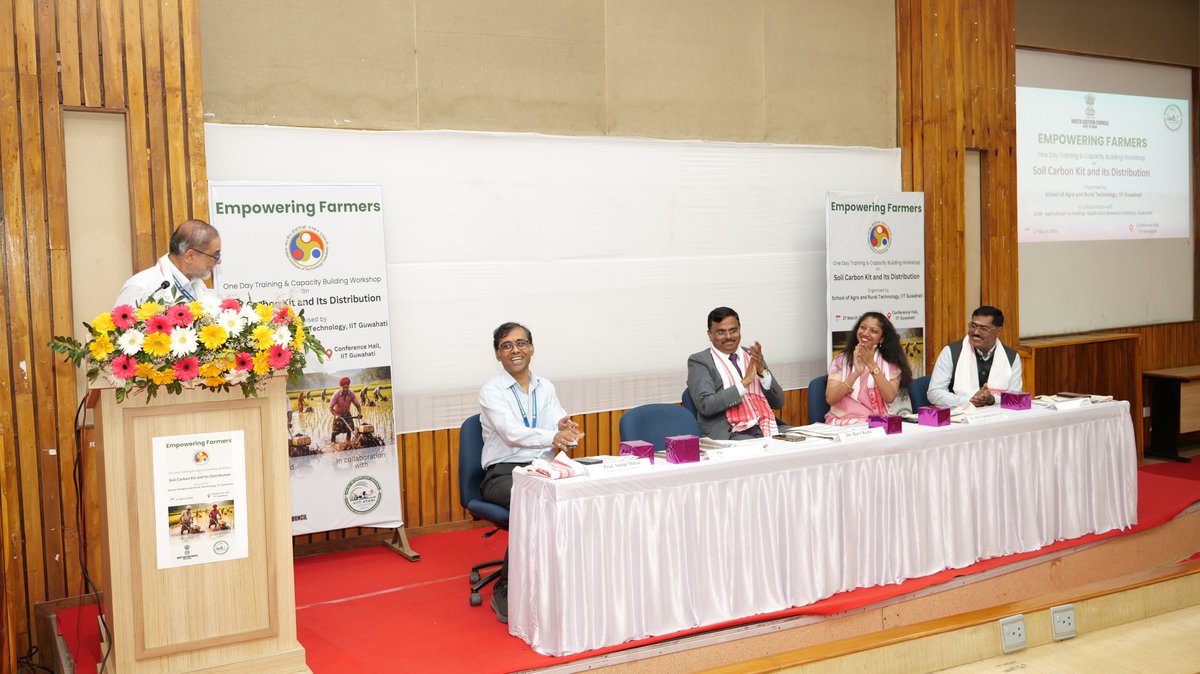
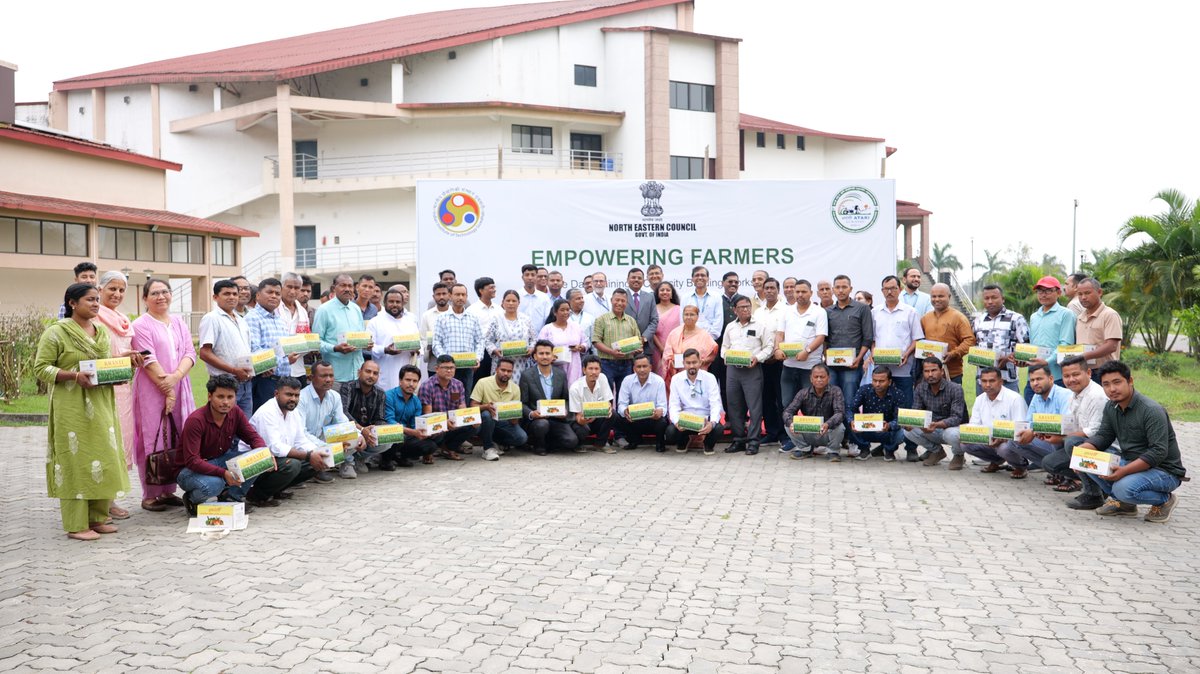
School of Agro and Rural Technology, @IITGuwahati conducted a successful completion of the One-Day Training and Capacity Building Workshop on the Soil Carbon Kit and its distribution, held on 27th March 2026 at IIT Guwahati. The workshop brought together distinguished dignitaries, experts, and farmers to promote sustainable agricultural practices and scientific soil management. This project is sponsored by the North Eastern Council (NEC) and will be implemented across the northeastern states in close collaboration with ICAR-ATARI, Zone VI, Guwahati, and ICAR-ATARI, Zone VII, Umiam.
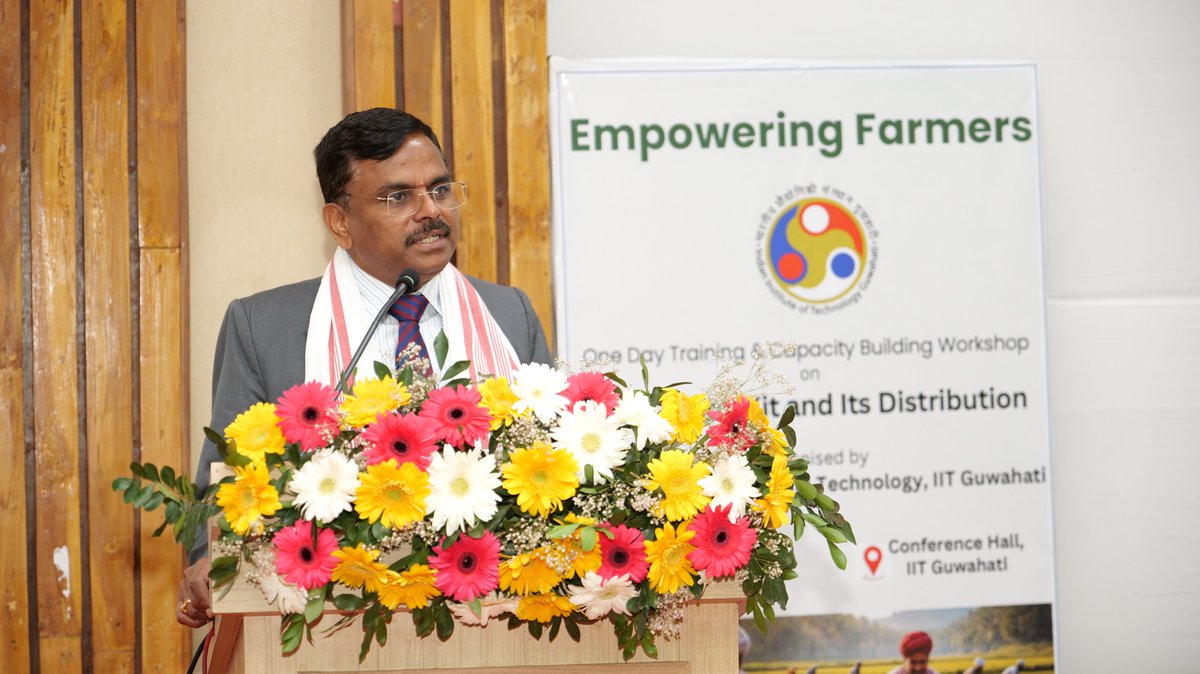
The programme was graced by Dr. Ravi Kota, Chief Secretary to the Government of Assam as the chief guest; Prof Devendra Jalihal, @DirectorIITG ; Dr. M. S. Lakshmi Priya, IAS, Govt of Assam; Dr. Kadirvel Govindasamy, Director of ATARI, Zone VI; and Prof Sudip Mitra, Head of the School of Agro and Rural Technology, IIT Guwahati and PI of this project, whose insights greatly enriched the discussions.
A key highlight of the event was the distribution of Soil Carbon Kits to farmers by the respected Chief Secretary, reinforcing the importance of equipping farmers with practical tools for improved soil management. The Chief Secretary encouraged the farmers to learn the know-hows of this kit and try to collect the soil organic carbon datain a nice manner under the close guidance and monitoring of KVK scientists. The interactive sessions and hands-on training provided participants with valuable knowledge on soil assessment, GIS applications, and effective field-level implementation.
It was inspiring to witness the active participation and enthusiasm of farmers and stakeholders throughout the program. This initiative marks a significant step toward bridging the gap between research and real-world agricultural practices.
This is a collaborative initiative of IIT Guwahati, ICAR-ATARI (Zones VI and VII), and the KVKs across North Eastern region.
3
1
11
851

I stand with Iran.
Israel and usa attacked Iran. A country can't be holy and be killing children, illegally and forcibly displace people in gaza, use chemical bombs in Lebanon, datain and torture children...
3
312

Mar 23
Ini bukan setuju atau tidak tapi memang di akui banyak yg miskin tapi lbh banyak yg berkecukupan bahkan sudah sarapan dan makan dgn layak datain aja yg miskin dan santuni keluarganya ingat jangan salah sasaran malu sama Iran.. kirim rudal ribuan tepat sasaran 🙏🙏🙏
2
5
207

Mar 19
Order hota hey aik sath akhta ni hona ,
Jamat shamat ki ager koi foji excuse day uss ko saza datain Hain k icc ko security ki parva ni.
Yaha Tu paharoo may post chor k bajamat kharay Hain 😂
Ager talib agay Tu seedha upper bej dain gay in KO
1
2
180

Mar 10
🛰️ High‑fidelity telemetry matters. Sub‑minute metering reduced settlement variance in the field.
🔗 Technical lessons from Thailand:
#Telemetry #SmartGrid #DataIn #tegrity


1
2
10
209

Mar 3
Baru datain buku segini dan sudah capek wrwrwrwr 😭😭😭

Mar 2

Karena ipusnas dkk elib Indonesia sdg porek, jika aku meminjamkan buku seperti ini ke teman2 yang bingung baca ... ada yang mau nggak ya?
Gratis cuma bayar ongkir ke rumah kalian dan balik ke tanganku saja. Cuma ya kondisinya kayak pict terakhir 😂




1
4
312


Feb 2
Remember:
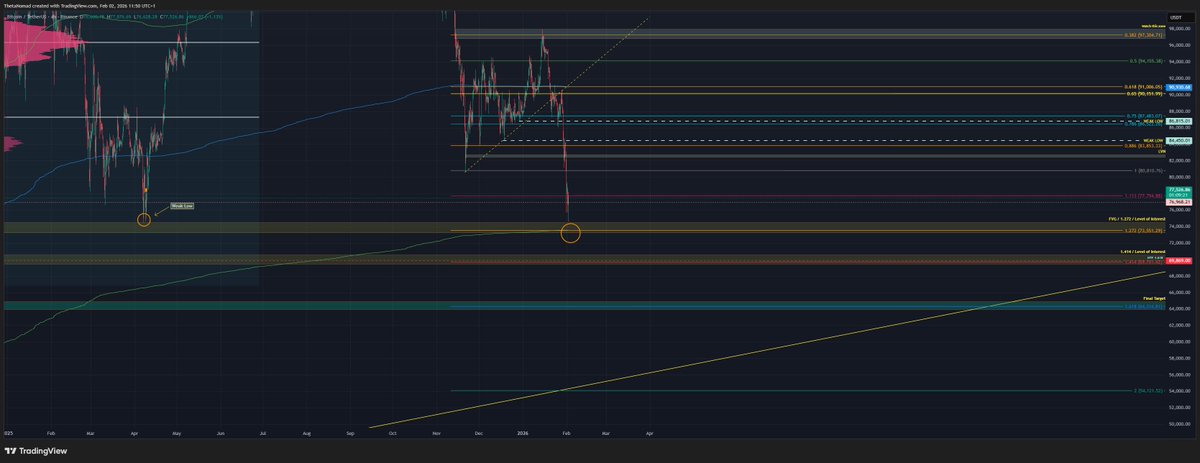
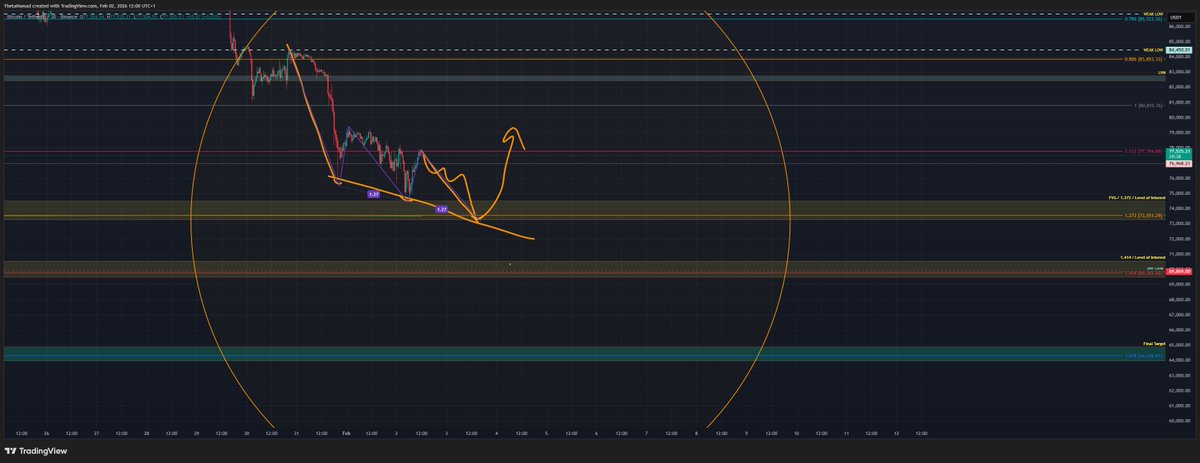
The interesting zones are already mapped. 73.5k~ is next.
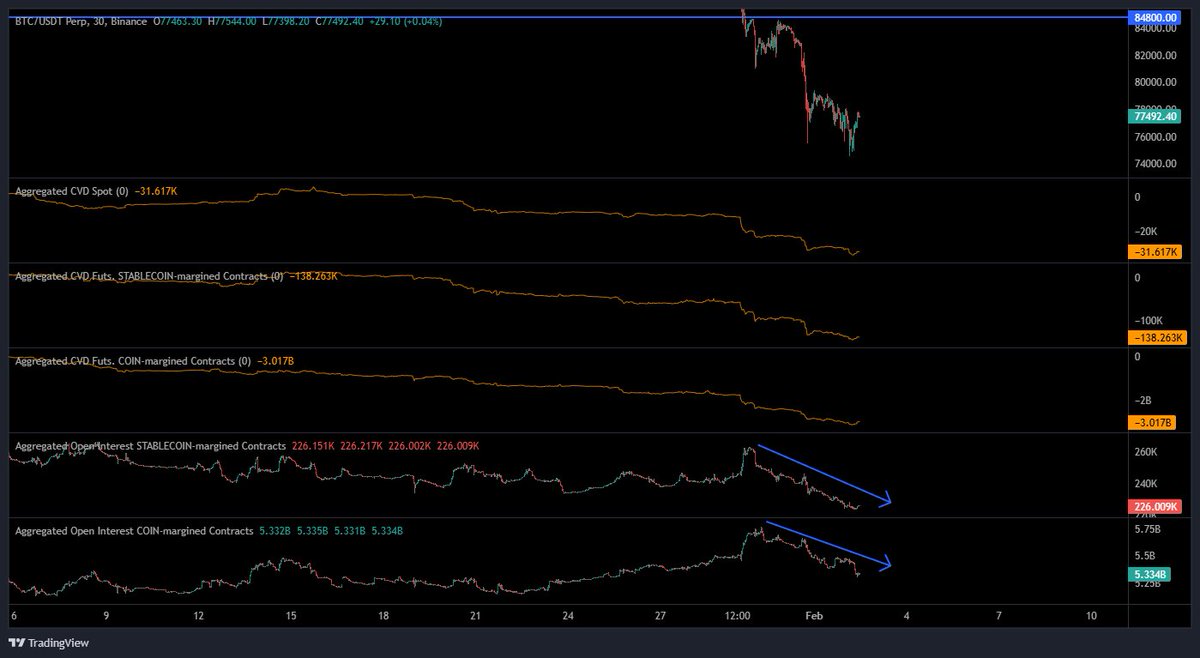
Current facts: leveraged apes got mostly wiped. Both coin- and stable-margined futures are deleveraging — OI has been bleeding since ~84.8k.
That’s mostly position closures. Longs closing = selling → sell pressure on CVD. This is mechanical, not fresh bearish conviction.
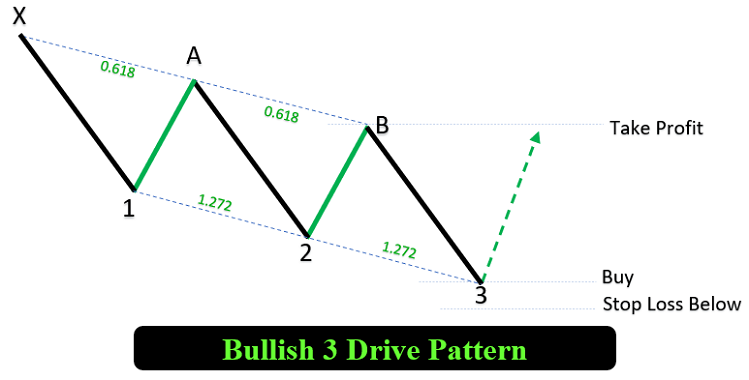
From a harmonic / external structure POV, this is shaping into a bullish three-drive, completing pixel-perfect at:
-HTF Anchored VWAP outer band
-HTF 1.272
The math is mathin. The data is datain.
Lesson for the Nomads:
for a Nomad, a high-quality three-drive needs:
-Clear external harmonic extensions
-Momentum / delta decay per drive
-Terminal HTF confluence (fib, VWAP, liquidity)
-Order-flow agreement: OI bleed CVD driven by closures, not aggression
Terminal behavior > continuation vibes.
1
3
183

Jan 30
Until maga ice assholes datain beat, kill you for being American…
19
8
881


Jan 13
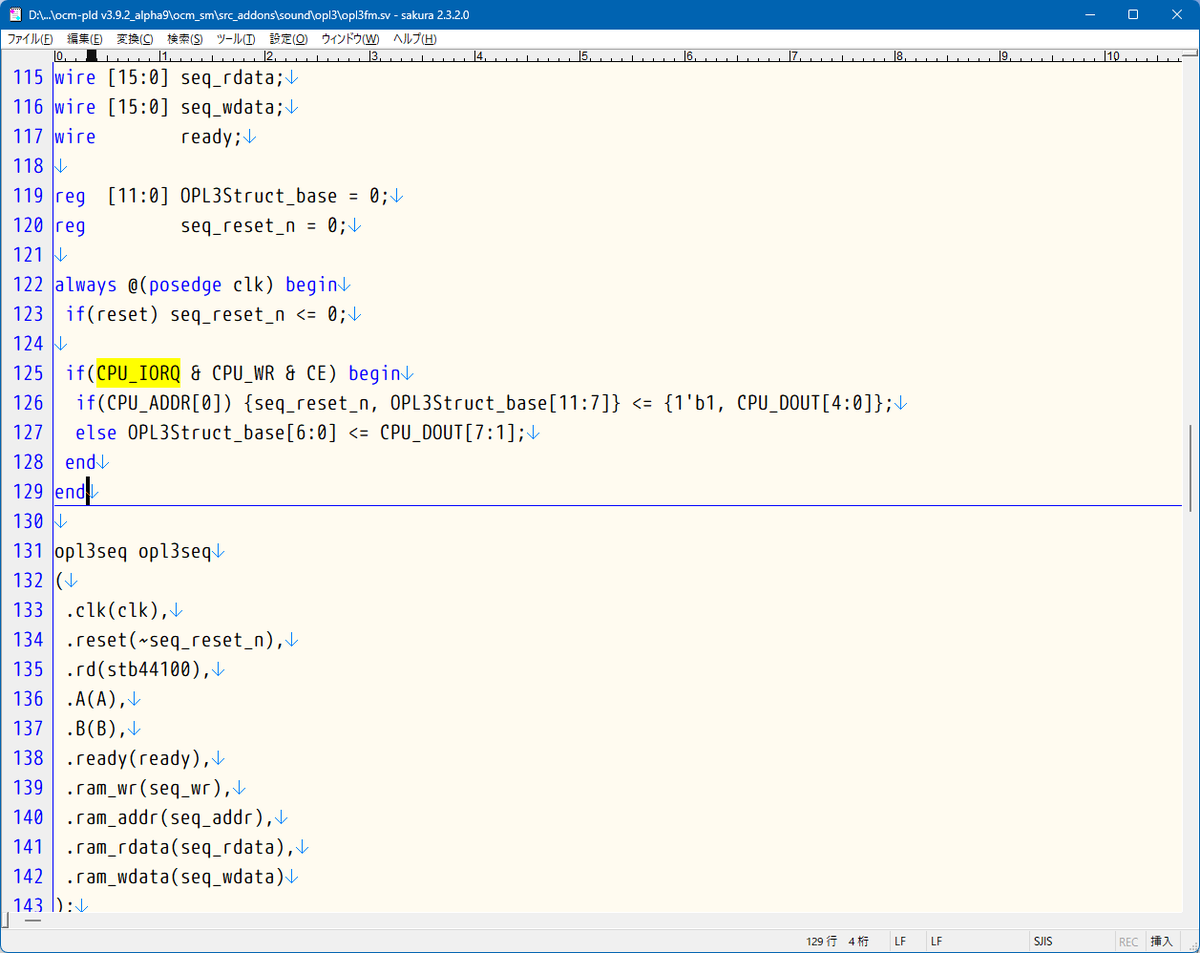
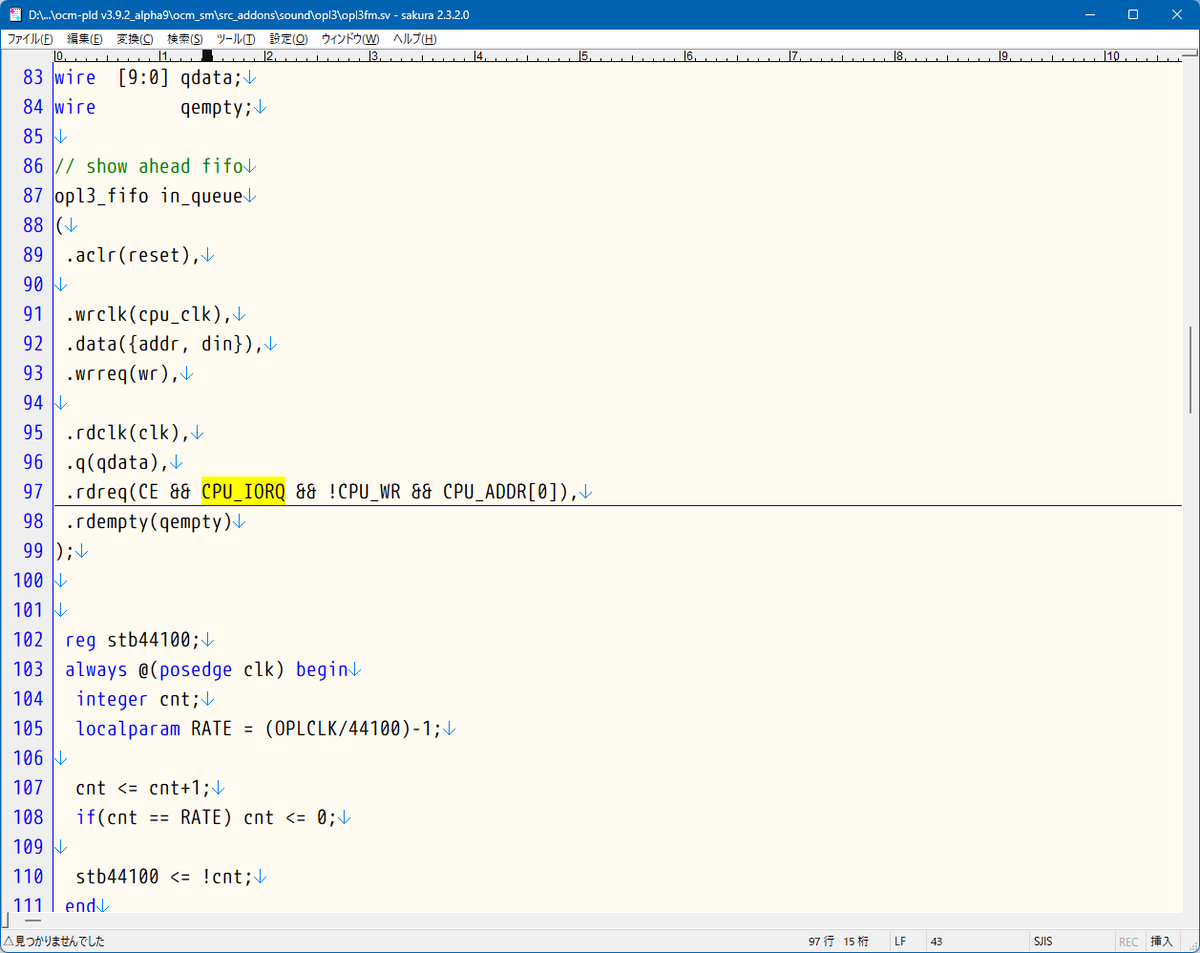
MSX からの書き込みが、in_queue な FIFO に溜まっていて、
NextZ80 から inp(1) すると、それを順番に読めるようです。
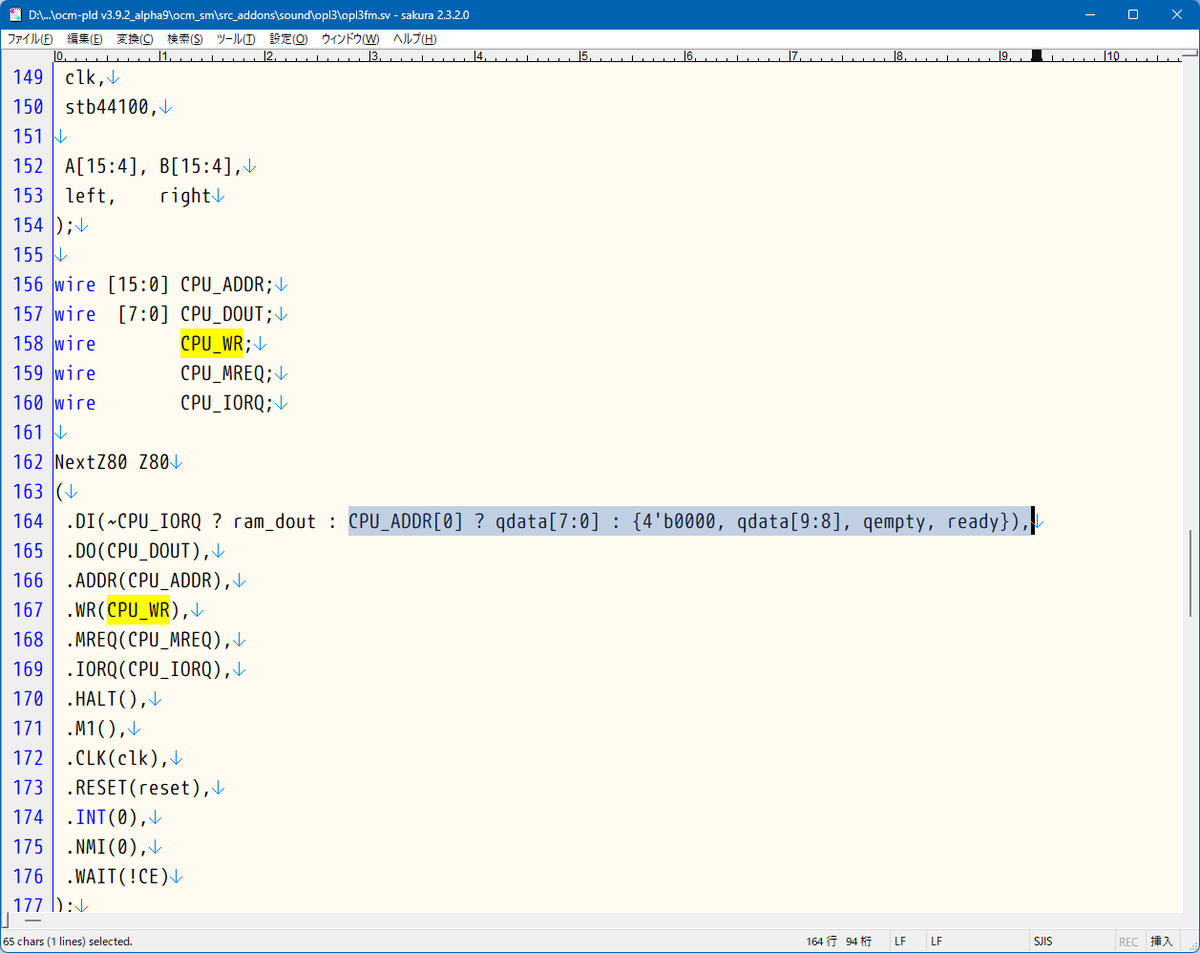
164行目の NextZ80 DI は、DataIn ですが、
選択してる部分が I/O Read 時で、: の右が inp(0) ですね。
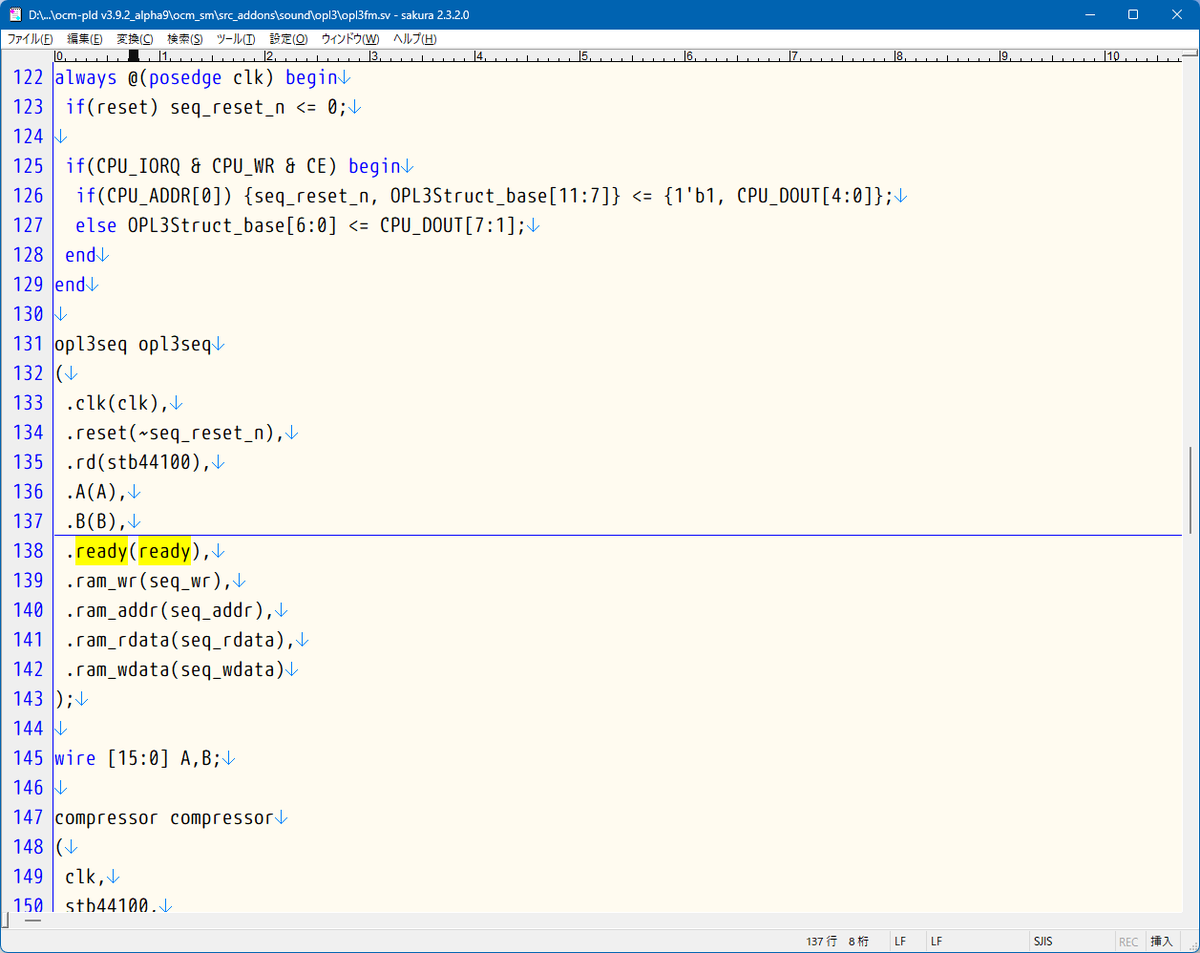
bit0 は ready
bit1 は FIFO が空なら 1 になるフラグ
bit2-3 は MSX から見た I/O のアドレスですね。
ready は、音声出力回路の ready 信号のようです。
2
71

15 Dec 2025
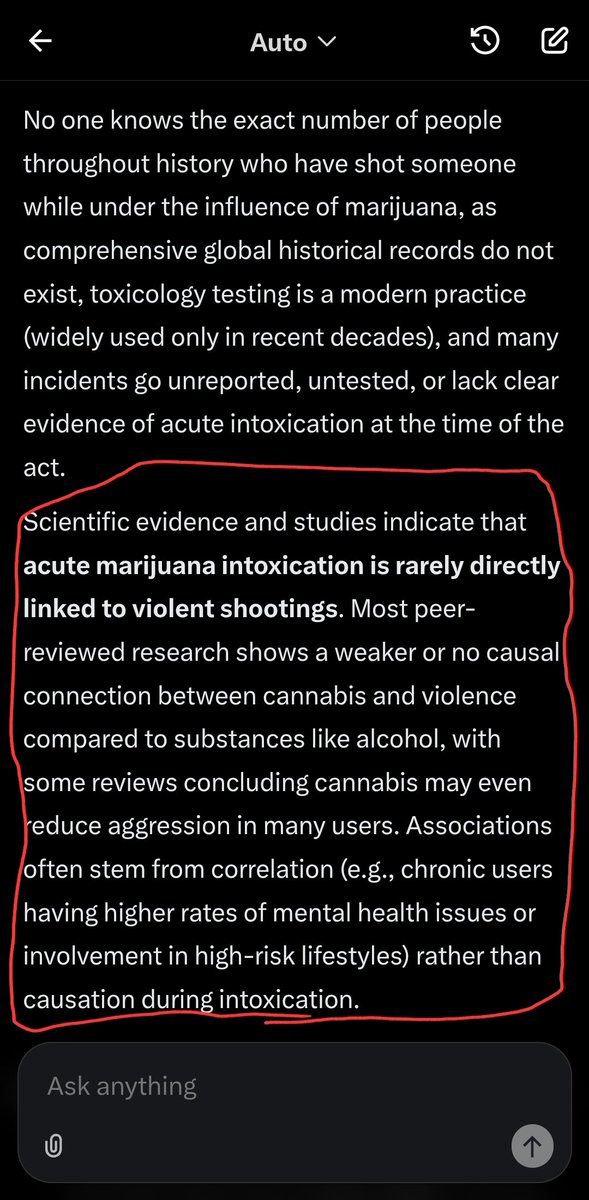
For the record, according to grok;
No one knows the exact number of people throughout history who have shot someone while under the influence of marijuana, as comprehensive global historical records do not exist, toxicology testing is a modern practice (widely used only in recent decades), and many incidents go unreported, untested, or lack clear evidence of acute intoxication at the time of the act.
Scientific evidence and studies indicate that acute marijuana intoxication is rarely directly linked to violent shootings. Most peer-reviewed research shows a weaker or no causal connection between cannabis and violence compared to substances like alcohol, with some reviews concluding cannabis may even reduce aggression in many users.
Associations often stem from correlation (e.g., chronic users having higher rates of mental health issues or involvement in high-risk lifestyles) rather than causation during intoxication.Key Insights from Studies and DataIn homicide victims (not perpetrators), toxicology data from 2004–2016 across 9 US states showed ~31% tested positive for marijuana (often chronic markers, not acute high), compared to ~37.5% for alcohol. This reflects presence, not necessarily intoxication causing the incident.
Mass shootings: Some perpetrators had histories of cannabis use, but evidence of being high during the act is scarce and anecdotal. Claims linking many shooters to marijuana are often criticized as cherry-picked correlations.
Documented cases of shootings explicitly tied to acute marijuana intoxication are extremely rare. One notable example is Richard Kirk (2014), who claimed edibles caused hallucinations leading him to shoot his wife (he pleaded guilty and was sentenced to 30 years). Other high-profile violence cases involve cannabis-induced psychosis but typically stabbings, not shootings.
Broader reviews (e.g., meta-analyses) find moderate associations between cannabis use and violence in certain groups (e.g., those with psychosis or heavy users), but acute intoxication is not a strong predictor of gun violence—unlike alcohol, which has a well-established link.
In summary, while a small number of incidents may exist (likely in the low dozens or fewer documented modern cases worldwide tied directly to intoxication), the total historical figure is effectively unknown and probably very low relative to other causes of gun violence. The evidence does not support marijuana intoxication as a significant driver of shootings.
3
6
302

27 Nov 2025
Nah kan ini yg gue bingung. Nyalahin Argi karena gak ngecek lengkap apa enggak. Emangnya petugas datain barang" penumpang satu"? 😭
110
3,726

25 Nov 2025
Tolong lah @KemensosRI atau dinsos turun ke pemukiman warga baik komplek atau desa trus datain mereka kalau ada yang disabilitas atau kurang mampu???, jangan lah biarkan orang terlantar atau kurang fasilitas untuk orang disabilitas?!?
1
1
1,042

15 Nov 2025
kemarin pas comifuro day 1, kewalahan ngitungin manual karena banyak banget pelanggan (terima kasih ye guys)
makanya pagi ini aku ngebut buat aplikasi kasir offline yang bisa datain semua pembeli dan hitungin semua dengan mudah.
akhirnya gelar s.kom bekerja

7
6
140
4,243