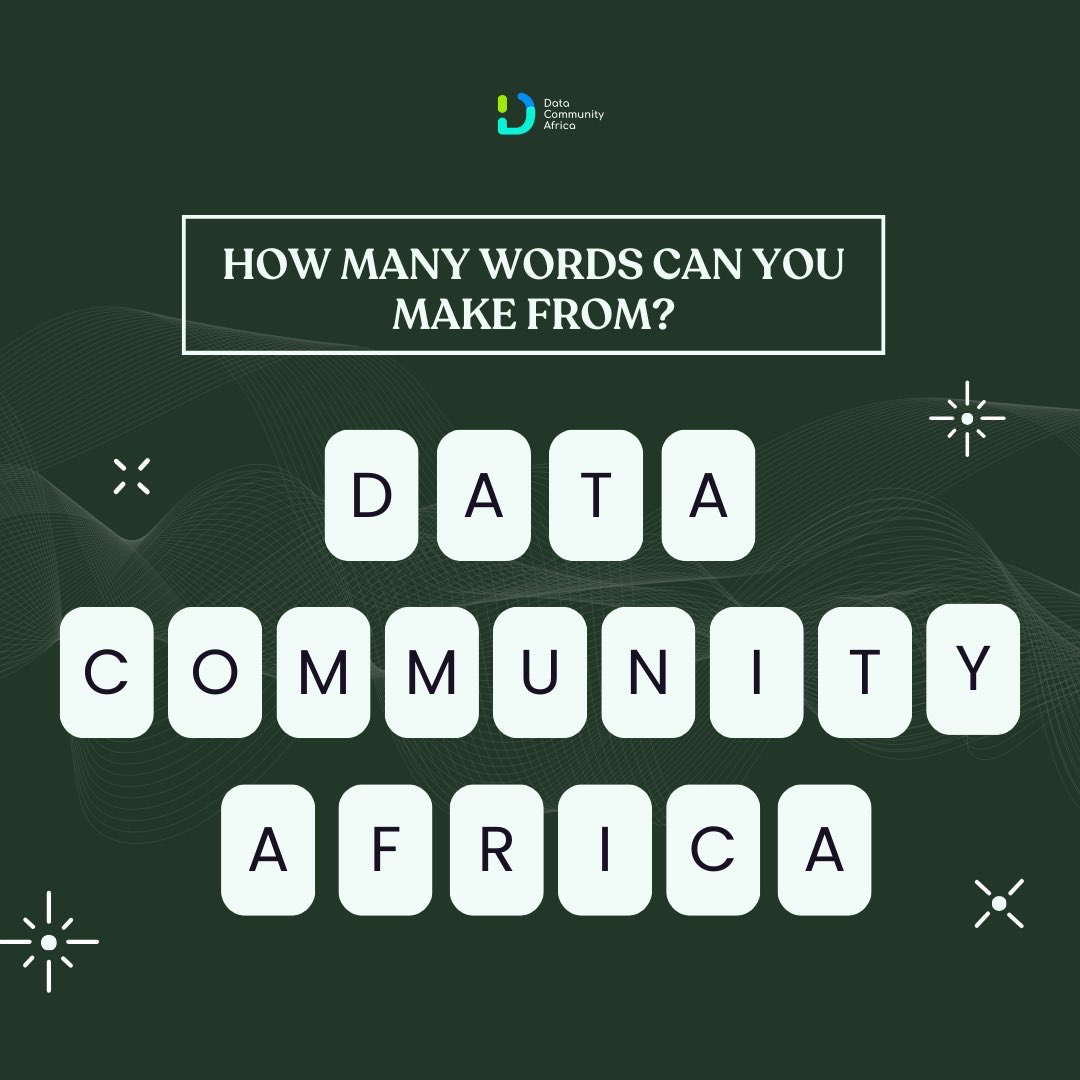
How many data-related words can you find using these letters?
We’ve found 20 already 👀
Drop yours in the comments 👇
#DCAFridayGames #DataCommunityAfrica #DataGames #DataFun #LearnInCommunity #FridayFun #DataPeople
1
1
22
925

13 Aug 2024
Mini-version of Datafun in Racket
github.com/rntz/datafun/blob…
Discussions: discu.eu/q/github.com/rntz/d…
#programming #racket #scheme
5
462

7 Aug 2024
My preference is to separate functions-as-procedures from finite-functions-as-tables using a type system (Datafun does this, except it has finite sets not finite functions). We have great impl strategies for the former from the PL world; for the latter, from the DB world.
3
50

9 Jun 2024
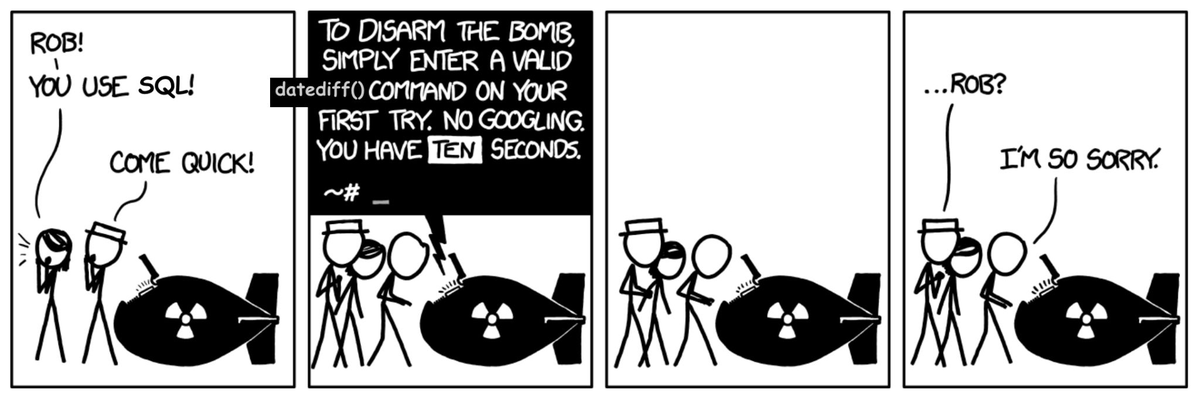
Need a good laugh while learning about Pandas dataframe sorting? DevHubby's got you covered! Check out the comical guide here: devhubby.com/thread/how-to-s… #DataFun #GeekHumor
3
7

6 Apr 2024
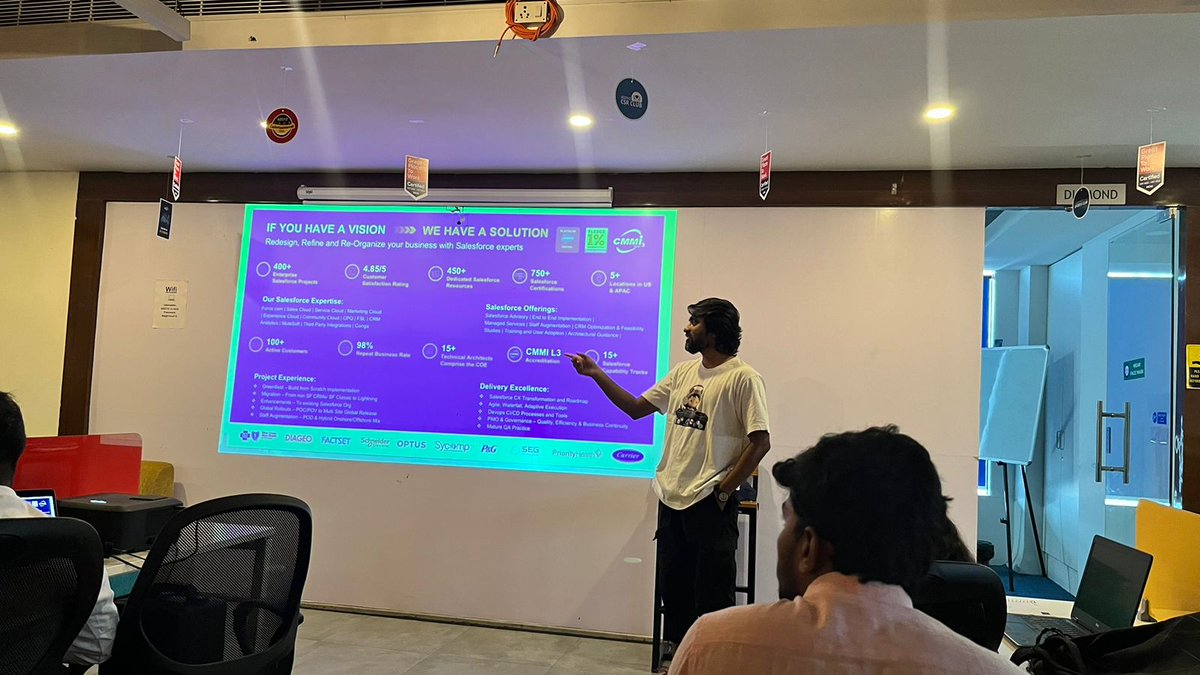
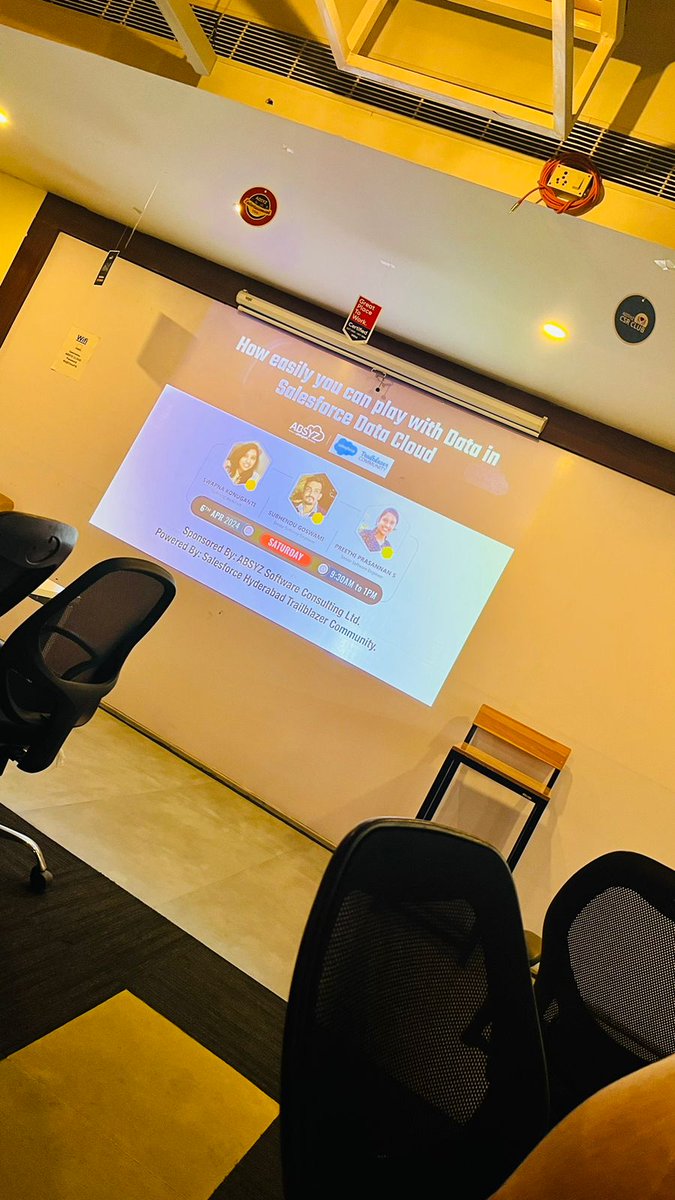
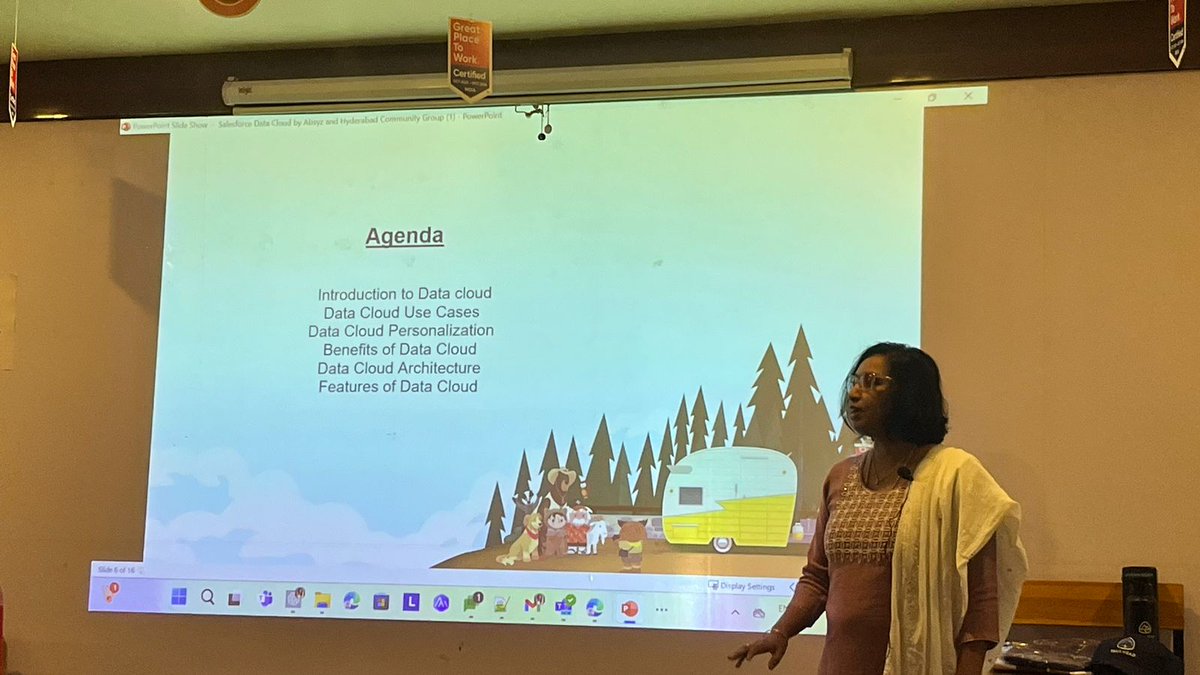
Rocking the #DataCloudWorkshop & learning how to play with data in Salesforce like a pro! Huge thanks to @HydSFDG, @HyderabadWit, @hydmcug, @HydNonProfitUG & @HydArchitects for hosting! #SalesforceDataCloud #DataFun
3
3
76
13 Mar 2024
Datafun likewise doesn't (in general) have a proof-/model-theoretic interpretation that I know of, but I'm pretty confident that chaotic iteration is valid (because of monotonicity).
1
3
157

5 Jan 2024
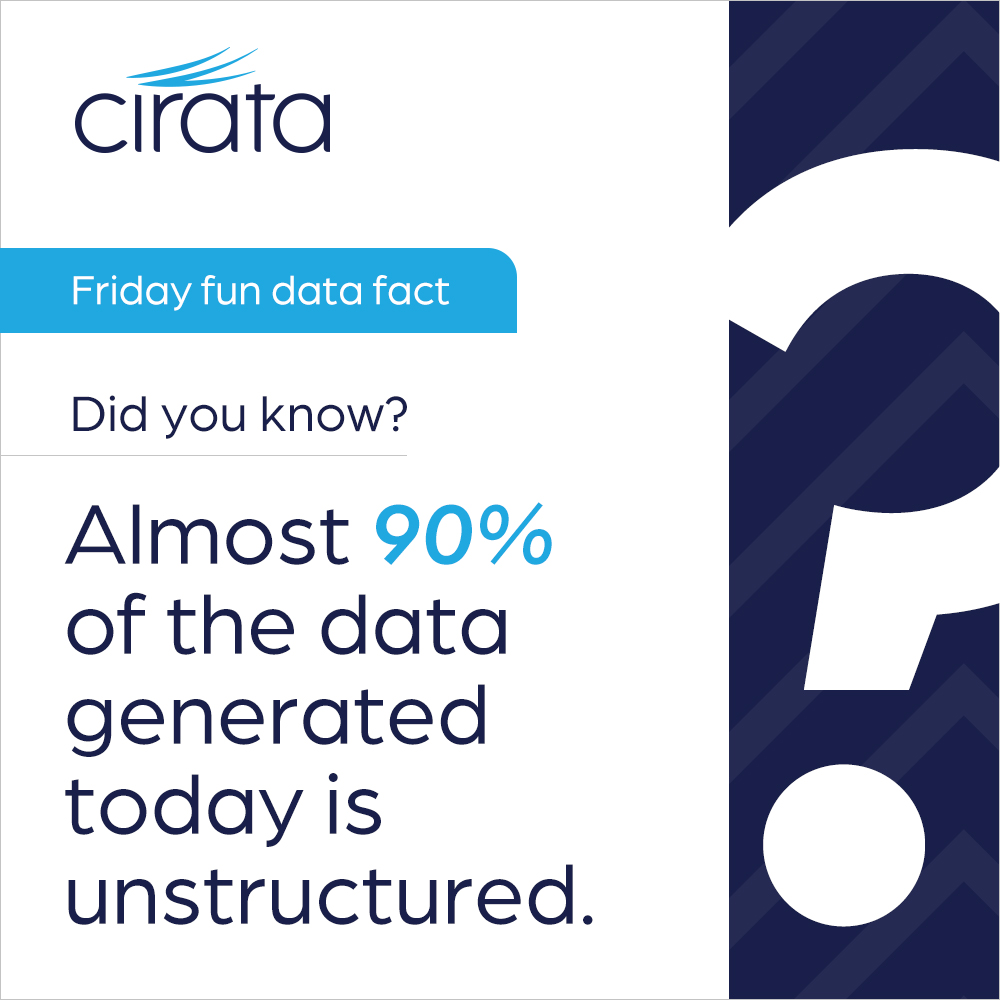
Happy Friday! How about a Fun Data Fact today?
cirata.com/products/data-mig…
#DataFacts #TechFriday #DataFun
4
4
560






24 Jun 2023
A common research approach is “PL style foreign algorithm”, eg. logic SMT, functional unification, query dependency tracking. I’ve done this myself: Datafun = functional seminaive iteration.
1
5
617

1 Jun 2023
💡 Ready to dive deeper into data? We're here to guide you! 💡
🔍 Curious? Kickstart your data career with us! 📩
🚀 Explore the thrilling realm of data science. Don't miss the adventure! 🌈✨
#DataFun #QuirkyData #DataAdventures #DataMagic #DataDetective #DataScienceJourney

5
22
204

26 Mar 2023
a low-order version of this already happens in seminaive evaluation for Datafun: types are posets, all change is increasing, change is propagated via 'chain'/chart-like things.
2
27

22 Mar 2023
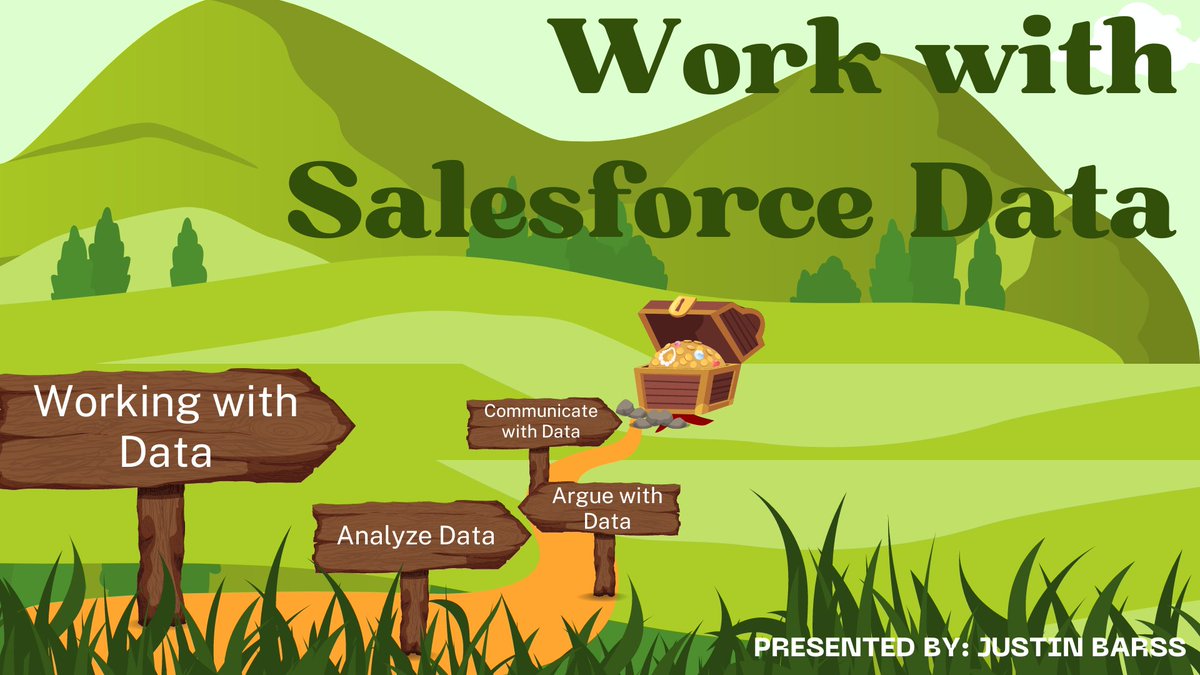
What a turnout for the Salesforce Data workshop! Big thanks to everyone who showed up and made it a blast. Who's down for round 2 of #datafun? Let me know in the comments below!
#salesforce #data #dataliteracy
2
2
238
18 Feb 2023
I think I’ve found a way to translate LVars into Datafun. Requires the set of variables be fixed in advance (no dynamic allocation) and only allows singleton thresholds, though.
Is there a domain-theoretic semantics of ref cells?
2
3
679

28 Jan 2023
Am I right that in Datafun `let x = x in x : t` would terminate (returning the least element of t), but `let x () = x () in x ()` is rejected (because Datafun is total), @arntzenius?
Do you know how a denotational semantics that captures this difference could look like?
1
4
892

23 Jan 2023
Monotonicity checking as a special program verification problem seems kind of interesting. I suppose its similar in some respects to termination. Datafun is a typed approach.
6
894