Mar 30
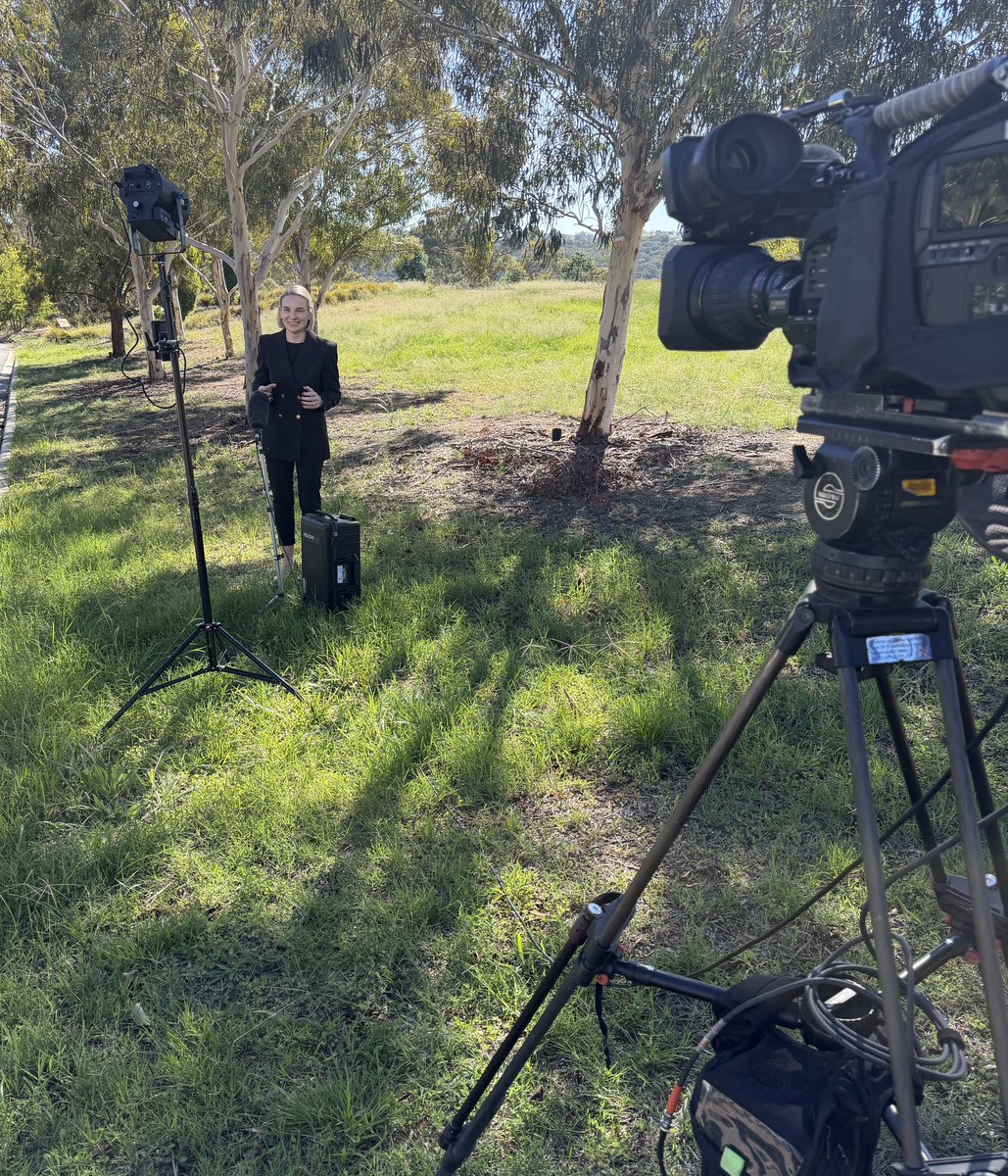
Maritime law is often misunderstood. It was a pleasure to speak with @7NewsAustralia today on the curious case of the MV Raider.
In January, the vessel was intercepted by the French Navy in international waters off French Polynesia with five tonnes of narcotics onboard. The drugs were destroyed at sea and the vessel released.
abc.net.au/news/2026-02-13/d…
This kind of “catch and release” is more common on the high seas than many realise, for legal and operational reasons. It’s something I’ve seen firsthand in both the Middle East and the Caribbean.
The vessel later arrived in Australia after declaring an emergency in mid-March. Despite its known involvement in narcotics smuggling, no legal action could be taken at that point due to the absence of an Australian jurisdictional nexus.
However, it now appears that approximately one tonne of narcotics remained onboard and was successfully trafficked to Australia — something that, while surprising to many, is operationally feasible through concealed spaces such as false walls, deckheads and other modifications.
The crew have since been charged.
abc.net.au/news/2026-03-30/s…
It’s a useful reminder of the realities of maritime operations, the constraints of maritime law, and the evolving nature of transnational crime at sea.
It also reinforces a broader trend: the Pacific is increasingly being used as a trafficking route for narcotics moving from South America to Australia.
@DefenceUwa @LowyInstitute @NSC_ANU
4
3
31
1,003

real deckheads know this is actually a story of unrequited love
2
45

Jan 28
That is a factual statement; better banter and a whole hell of a lot less commercials. Not to mention, a fuck ton more profanity. Right up my God damn alley. #deckheads #usualsuspects #lfg
1
3
190

Jan 27
Getting rid of Miller is just rearranging deckheads on the Titanic.
2
55
1,104



26 Sep 2025
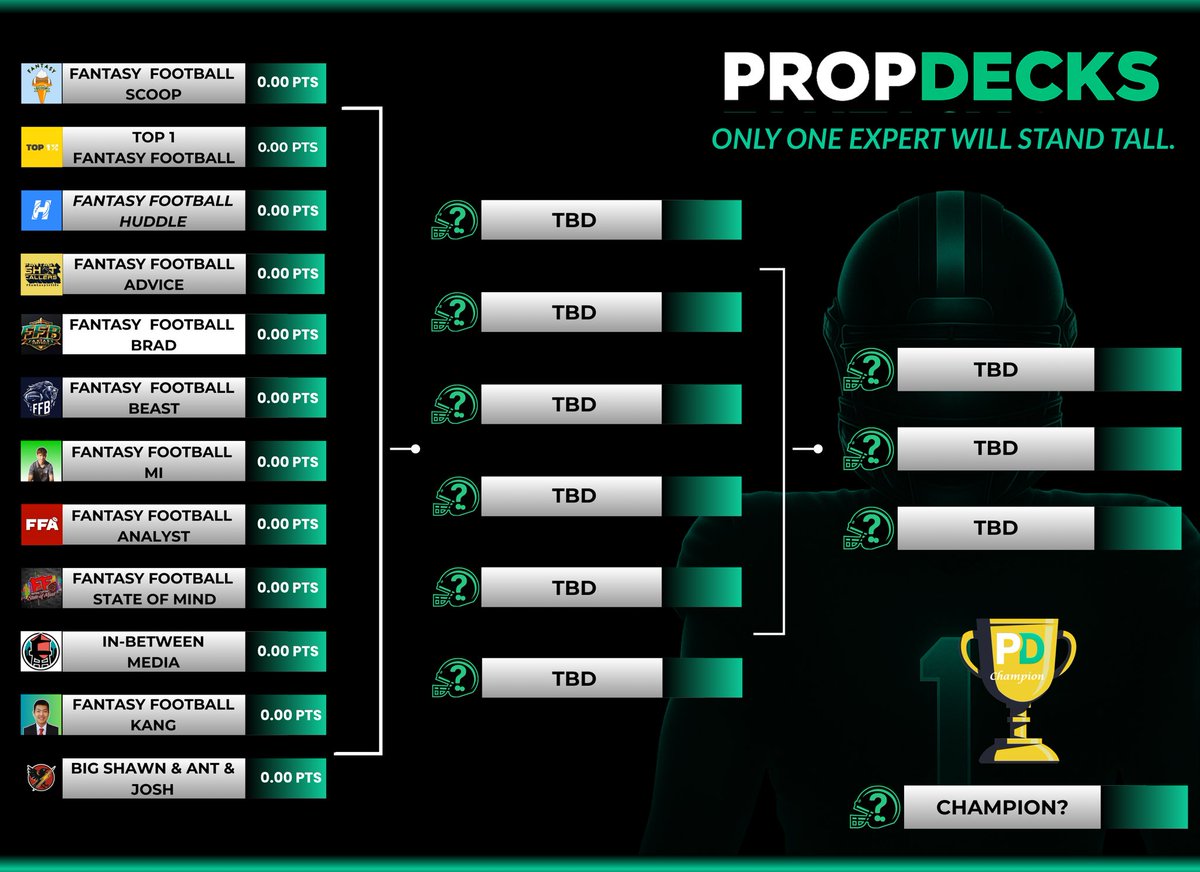
Expert mode: ON. 🔥 Our tournament is locked, and the best in the game are competing head to head to prove they are the best prop experts! Who’s taking the crown? 👀🏆
👉PropDecks.com
#PropDecks #ExpertTournament #DeckHeads #fantasyfootball #footballfans #playerprops
2
1
4
3,597


30 Jul 2025
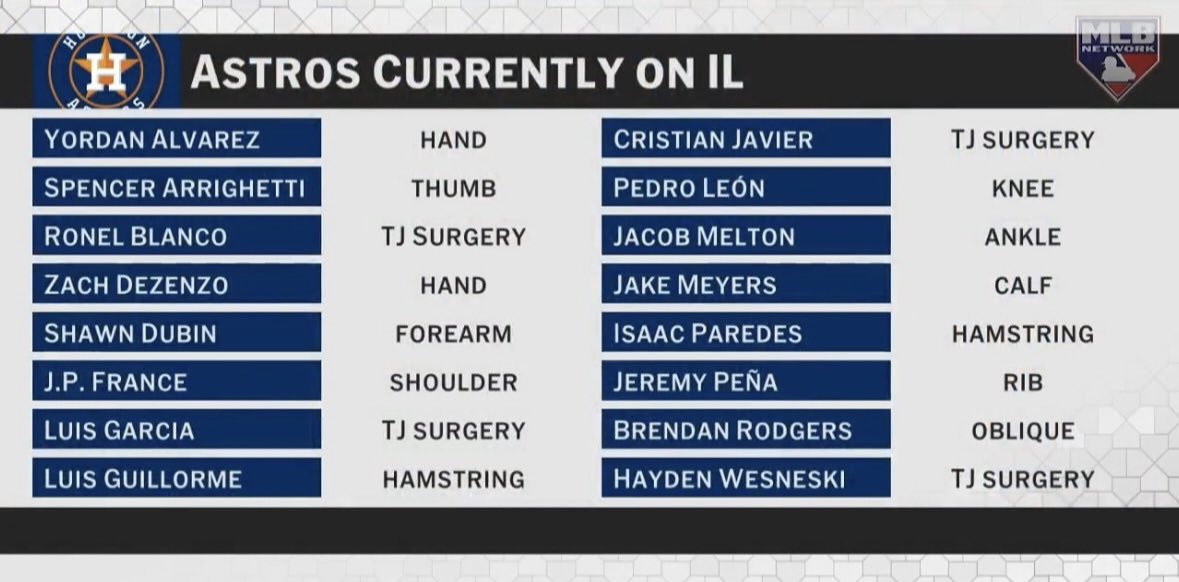
Had one of the Deckheads (Walt) ask this in the chat:
Who would win in a 7 game series - the current Astros Roster or the Current IL Roster?
I took the IL Roster in 7
30 Jul 2025

The Astros current IL roster would win 90 games in a full season
2
1
3
1,925


28 Jun 2025
We’re all deckheads now.
Have you tried crying about it. A bit more.
1
9
396


3 Apr 2025
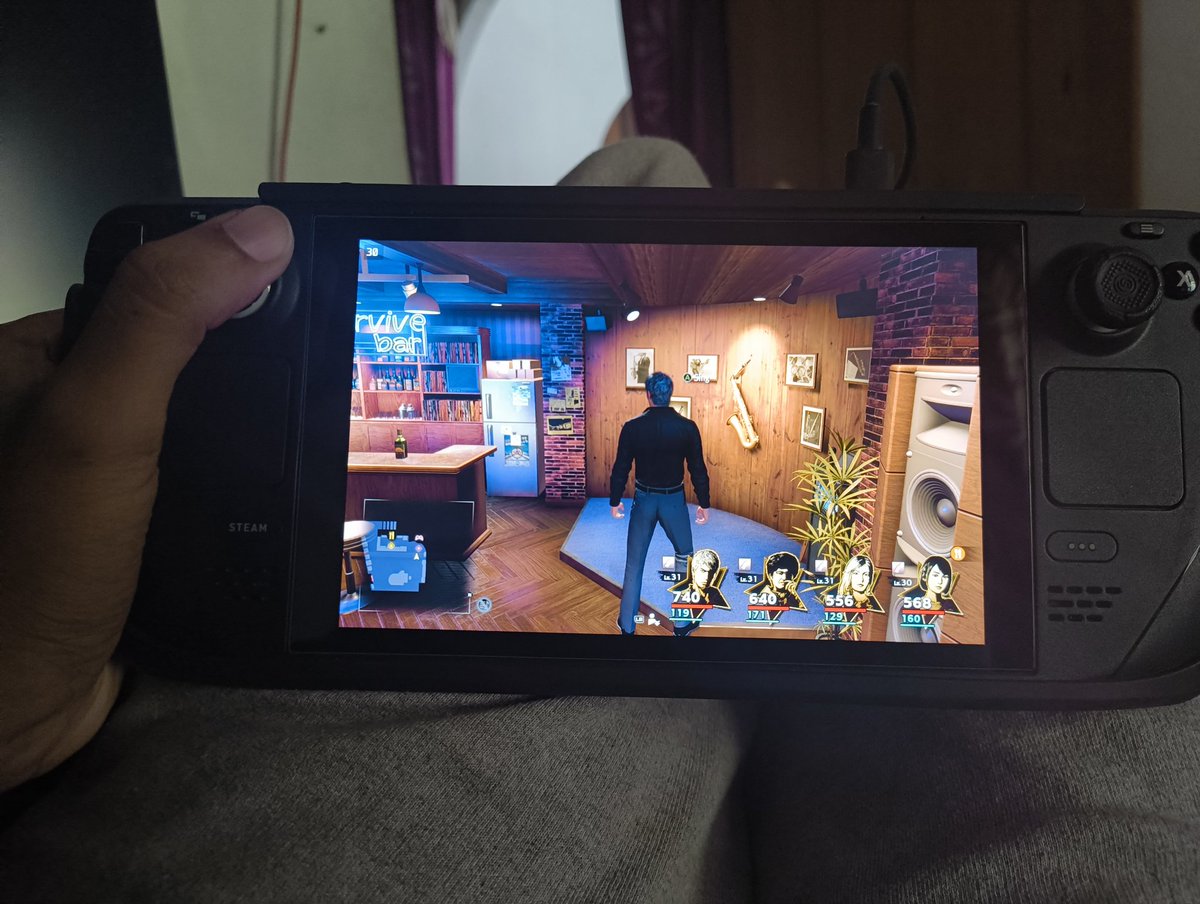
thats a full Bloodborne lower than 120hz. Deckheads are shitting their pants right now

3 Apr 2025

Deck OLED is 90Hz, which gives better motion clarity than LCD at 120Hz
Be fr💀
3
105

25 Mar 2025
“If I go am I supposed to feel bad?” Asks Mumbles smirking.
Meanwhile Atheeenawheena is conflicted and crying.
These women need to understand their own worth. Please stop settling for fecking deckheads.
#MAFSAU
1
5
195

11 Mar 2025
💥 I’M BACK! Elon tried to kill my fantasy top deck, but Twitter’s alive again, and I’m here to haunt this app! He sabotaged me—bots, bans, blurry pics—but my deck’s too sexy to stop. Haters shook, deckheads rise! Time to flex and win
2
147

19 Feb 2025
That guy is one of the biggest deckheads on this site
1
6
1,224