

23 Apr 2024
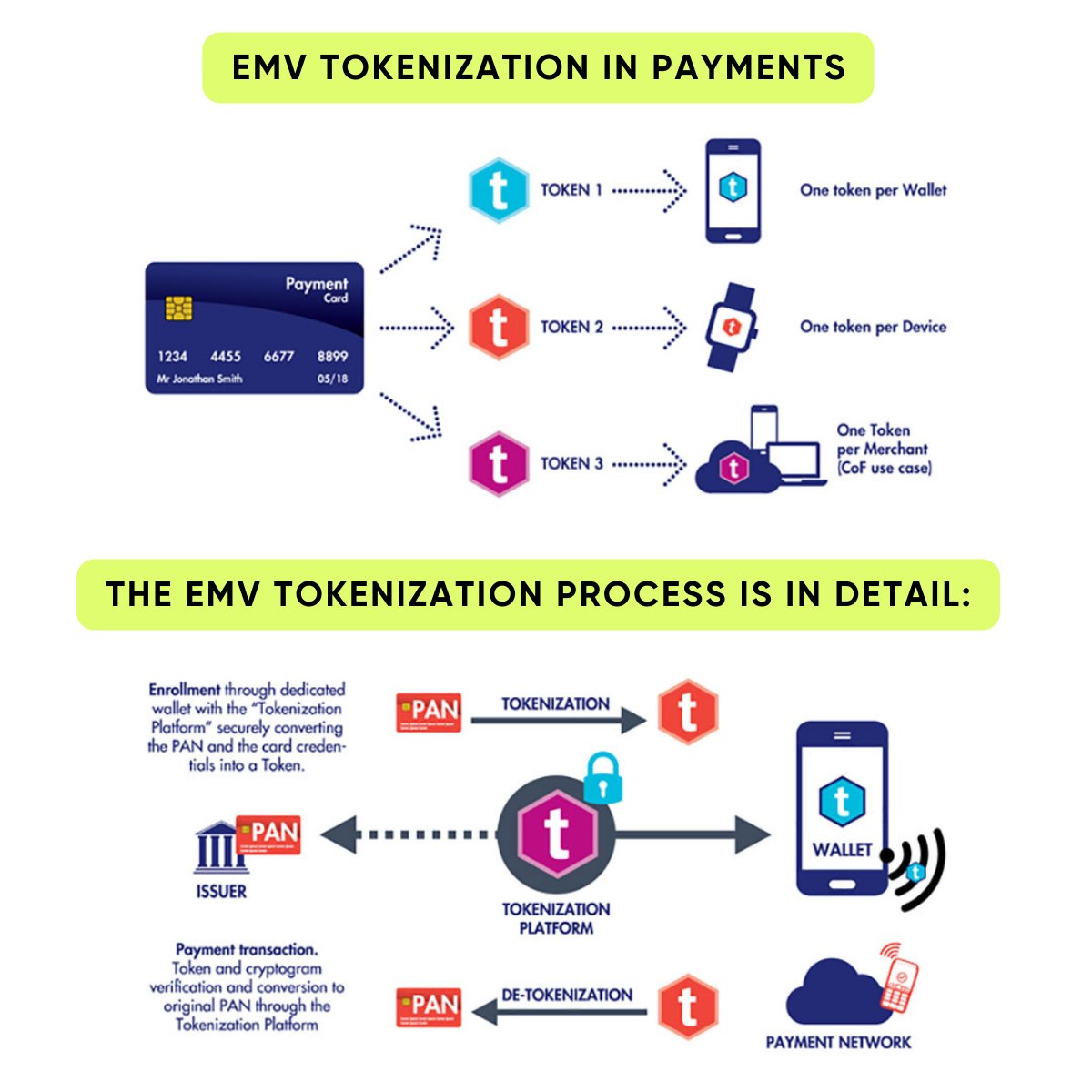
🔐 What is EMV tokenization, and how does it work in 💳 Payments?
Let’s dive into the details of the 𝗘𝗠𝗩 𝗧𝗼𝗸𝗲𝗻𝗶𝘇𝗮𝘁𝗶𝗼𝗻 process:
EMV stands for Europay, Mastercard, and Visa, the three companies that originally developed the standard. It's a global standard for credit and debit card payments based on chip card technology.
Let's get on with an EMV tokenization definition:
EMV Tokenization, in particular, is extremely valuable in a context where we use an ever-increasing number of wallets supporting multiple channels and payment use cases.
The same credit card can have as many tokens as the end-user has enabled devices - such as smartphones and wearables, and wallets like OEM-Pays.
Besides, as EMV tokenization is omnichannel, it can be used for in-store, in-app, or online payments. It all depends on the individual usage scenario.
There's more.
Tokens simplify life-cycle management because they can be suspended or deleted for a particular usage or device without impacting other tokens in use – they are entirely autonomous.
EMV Tokenization converts sensitive cardholder information into a unique token or digital identifier that can be securely deployed into different devices or stored in the cloud.
The token does not expose any actual account details. The cardholder does not know any details about the virtual account number.
Card credentials are secured and stored inside a vault, outside the device, and away from risk.
For every transaction, the token must be coupled with a cryptogram. Otherwise, it is useless.
This combination adds another layer of security and is also required for any payment types, including proximity and e-commerce.
Let's go a little deeper.
𝗛𝗼𝘄 𝗘𝗠𝗩 𝘁𝗼𝗸𝗲𝗻𝗶𝘇𝗮𝘁𝗶𝗼𝗻 𝗶𝗻 𝗽𝗮𝘆𝗺𝗲𝗻𝘁 𝘄𝗼𝗿𝗸𝘀:
When the end-user digitizes his payment card, the tokenization platform converts the primary account number or PAN into EMV Tokens deployed on different wallets and eMerchants.
STEP 1️⃣ - When the end-user performs a payment online, in-store or in-app, the merchant provides the token and related cryptogram as part of the authorization request to the network.
STEP 2️⃣ - Then, the Tokenization Platform verifies the transaction's validity and checks that it is the correct token of the right wallet or eMerchant.
STEP 3️⃣ - It then uses the token vault to convert it back to the primary account number (PAN) and recalculate the related cryptogram before requesting transaction authorization from the issuer.
I highly recommend reading the complete source article by @thalesgroup for more interesting info on this topic: thalesgroup.com/en/markets/d…
3
324

28 Feb 2024
Zvakanakai. Kuma RTGS magetsi anewo ma charges e 7.5% ye mari yamunenge muchitenga nayo, uyewo kuma usd ma charges eMerchant payment ne Bill payment anova atakupaiwo pamusoro apo anobatwa zvichiyenderana nekuti matenga sei. ^TPM
55


1 Nov 2023
ХХБ онлайн төлбөрийн (emerchant) хуудас учир битүүлэг бсан бүрррррр яг хэвээрээ, бараг л улам миарцан нтр. “Картын дугаар / PAN” чихшиг, гадаадын жуулчин харахад их л ойлгомжгүй. Хэлээд хэлээд нэмэргүй, ганц манайд ингэж хандаад бдын болов уу гэж бодож ч үзэв
1
2
783

27 May 2023
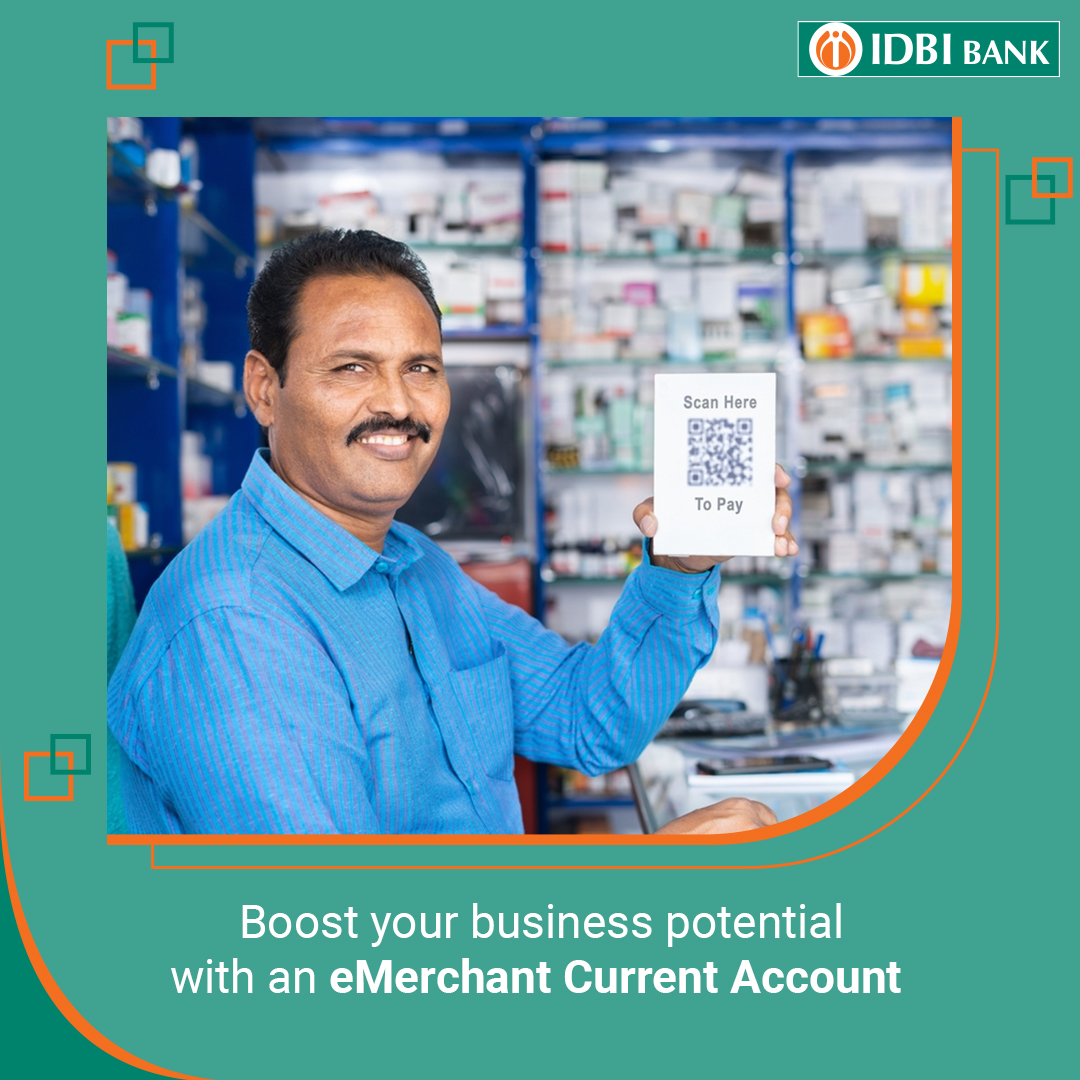
Accept online payments securely and conveniently and make it easier for your customers to complete transactions with an eMerchant Current Account.For more details, visit our website.
#IDBIBank #CurrentAccount #eMerchantAccount
2
2
8
1,207

17 Apr 2023
A must-have for #B2B e-merchants in 2023? The ability to offer payment terms has become a critical success factor for e-business. But how can your company embrace Buy Now, Pay Later (#BNPL) with confidence? 👉 ow.ly/4bM050NKsa7
#ecommerce #procurement #emerchant
4
2
257


15 May 2022
[#WineBottleClub MEMBER BENEFIT #4] EXCLUSIVE DISCOUNT ON @BtcWine 🍷
#NFT holders will have preferential discounts through their wallet on @BtcWine, the 1st #wine #emerchant accepting #crypto as payment since 2018 🍇💯
All the benefits here 👉 discord.gg/winebottleclub
2
6
21


28 Jul 2021
Is your #paymentgateway down? Contact eMerchant and see how we can move you to our gateway (3rd largest in the US) and save you money.
#ecommerce #gateway #paymentprocessing
1
1
3

24 May 2021
What types of fraud are trending on the top 5 #ecommerce platforms? Find out in this @eMerchant blog where Rafael shares how online merchants can strengthen their #FraudPrevention techniques while using these popular platforms.
bit.ly/3yojnrZ
#ecommerceplatforms #fraud
1
3
3

High shopping cart abandonment rates don't have to be the norm. Take action to reduce yours, follow the tips in this article by @eMerchant. To name a few: avoid forced account creation, minimize the number of form fields, and increase page loading speeds.
emerchant.com/avoid-abandone…
1
3

30 Sep 2020
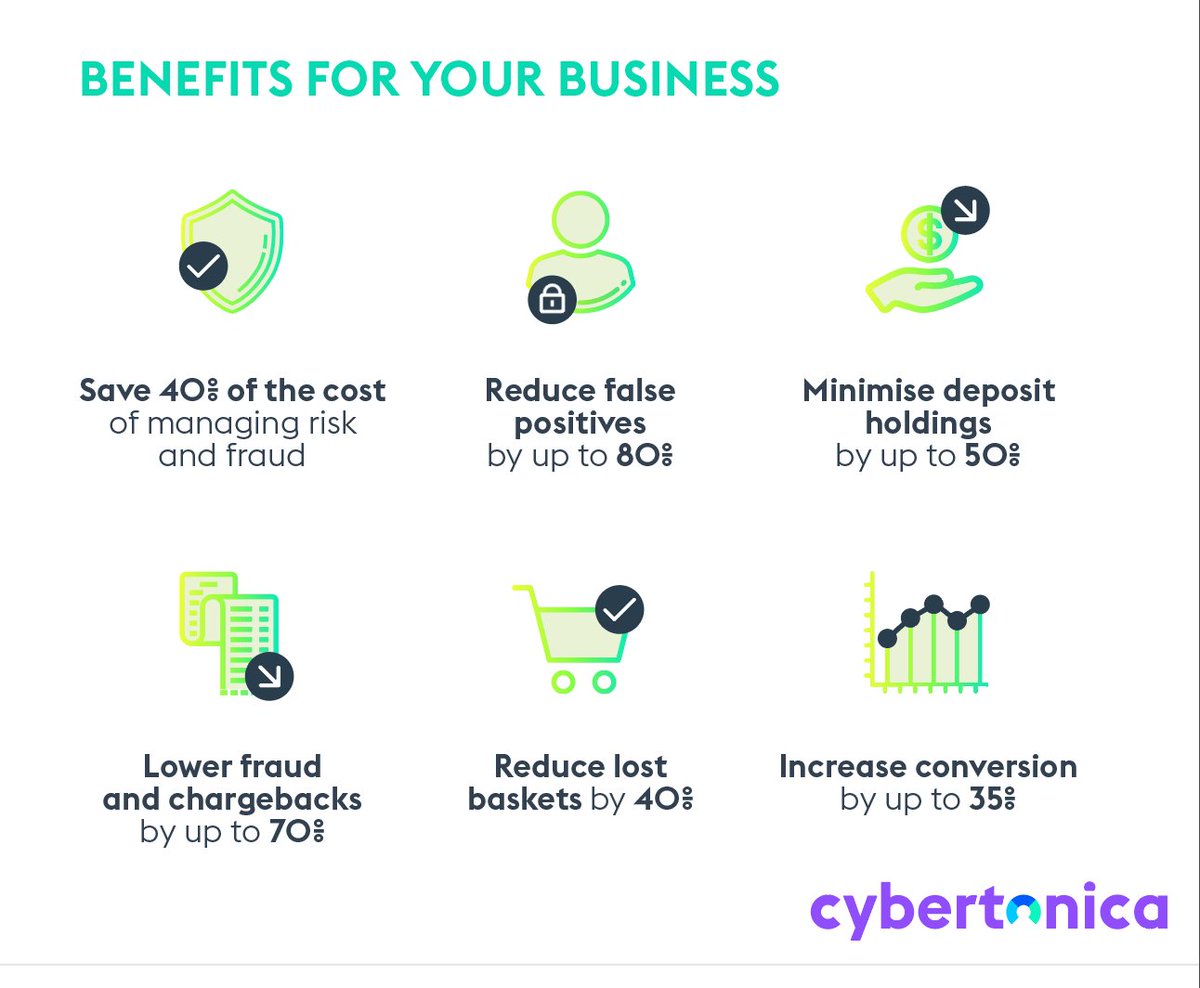
Are you ready to GoFrictionless?
As an #emerchant your business can:
- Cut down fraud and chargebacks by up to 70%
- Save up to 80% in fraud losses
- Increase sales by up to 15%
Explore our GoFrictionless #fraudprevention tool for merchants now🔐ow.ly/TQ3350BDfCv
2

Okay in honor of what I am seeing, I created jerro.store/ I have no inventory and I'm working on becoming an emerchant. I'll update y'all when my inventory is up and I have shipping supplies, hopefully by Friday.
1
2

31 Jan 2020
eMerchant, Inc., Announces the Launch of #EcommercePlatform #eCommerceCart prunderground.com/?p=178643 #eMerchantInc
1

24 Sep 2019
Determining the Most Effective Merchant Account for Your Expanding #WebDesign Company bit.ly/Merchant-Account
#MerchantAccount #MerchantServices #ecommerce #emerchant #payments #paymentprocessingsolution #paymentserviceproviders #business #financialservices #fintech #technology
3

So misleading. You've been doing CBD for months. You just haven't allowed CBD merchants to use Shopify Payments. My question @Shopify is are you aware that Pinwheel gateway and Emerchant brokers Greenbox solution has cost merchants millions of dollars? That lack's integrity.
1
1

22 Aug 2019
Emerchant-тай сайт бвал арай хямд зардалтай шүү. Төлбөр нь картнаас шууд компанийн дансанд ордог
1
3