
So… how is this technically stronger than a mortar bond? Let’s geek out (but make it fun):
- Gravity is the ultimate super-glue. Every stone above presses down harder, turning the entire wall into a compressed fortress. More weight = more friction. The deeper you stack, the tighter it grips. Mortar? It’s rigid and proud… until it cracks.
- Joints that flex instead of fail. Dry-stone walls “dance” during earthquakes, settling, or freeze-thaw cycles. Tiny movements? No problem — the stones just shift and lock back in. Cement mortar is brittle; it snaps like dry spaghetti. Inca polygonal walls in Peru? Survived massive quakes for 500 years while modern buildings crumbled.
- Zero weak links that degrade. Mortar erodes from water, salt, temperature swings, and time. Dry joints? Water drains right through. No trapped moisture rotting the structure from inside. Stones themselves (granite, basalt, limestone) laugh at centuries. Many dry-stone walls are still standing after 1,000–2,000 years with almost zero maintenance.
- Pure mechanical genius. Friction interlocking shapes compressive strength = a bond that gets stronger over time. Modern cement? Strong on day one… then slowly loses the war against nature.
This is why Scottish crofters, Inca builders, and ancient Chinese masons built walls, houses, bridges, and temples that outlive empires.
Prerequisites (because you can’t just slap rocks together like Lego):
- Stone whisperer skills: Master masons who “read” every rock — shape, grain, weight. Each piece is hand-fitted like a custom puzzle. Takes serious patience and practice.
- Quality raw material: Durable, non-porous stones in a mix of sizes/shapes. No crumbly junk.
- Perfect foundation & design: Level, stable base. Slight inward “batter” (lean) for stability. Through-stones that tie the wall together. Good drainage behind it.
- Time & teamwork: Labor-intensive but incredibly rewarding. Modern tools speed it up, but the ancient method still wins on soul.
Precautions (stay safe, legends):
- Heavy lifting = serious respect. Use proper slings, cranes, or teams. One slip and you’re in a real-life game of Jenga with boulders.
- Engineering smarts: For load-bearing homes, retaining walls, or anything tall - consult a structural pro. Not a weekend DIY for critical stuff.
- Site matters: Poor soil? Bad drainage? Nature will test you.
- Seismic zones: Amazingly resilient, but incorporate best practices (tie beams, strategic through-stones).
- Maintenance check-ins: Walk the wall every few years. Shifted stones? Just pop them back - way easier than patching cracked concrete.
The best part? This technique is sustainable AF - zero cement emissions, zero waste, and the stones can be reused forever. Modern architects are literally reviving it for eco-homes and flood-resistant walls.
Ancient builders weren’t “primitive.” They were *geniuses* who worked *with* physics instead of fighting it.
Drop a ♥️ if this just rewired your brain.
Would you live in a dry-stone house? Or have you seen one in real life? Tag a builder or history nerd who needs to see this!
#DryStoneMastery #AncientEngineering #StrongerThanCement #GravityGlue #LostAncientTech #SustainableBuilding #IncaSecrets #StonePuzzle #BuildLikeTheAncients #MindBlownEngineering #EcoConstruction #HistoryMeetsFuture

1
26
2,148

Vu sur le Méta 👀
Comme quoi, il ne faut jamais juger la valeur d’un ouvrage à sa couverture.
On peut faire du beau et du luxueux avec de la terre crue, paille, bois, bambou...
Tout dépend de la vision et de la bonne équipe.
#Architecture #EcoConstruction #DesignDurable
2
2
9
296
Forte chaleur en 🇨🇮, ne laissez pas le soleil vider votre portefeuille
👉🏽 Construisez malin : terre crue, paille, chanvre, chaux
👉🏽 Choisissez des appareils A à A
👉🏽 Ventilez bien vos maisons
👉🏽 Plantez des arbres pour créer une protection naturelle
#Energie #Ecoconstruction
9
82
369
89,522
1/7
C’est gênant qu’en 2025, certains responsables politiques présentent encore des salles de classe en banco, bambou ou bois comme un symbole d’échec. 🙆🏾♂️🤔
Crédit : Mesmin Komoé
#EcoConstruction #Education #Afrique ⬇️
4
2
8
2,552
Une opportunité à saisir pour le secteur de agriculture, qui pourrait vendre ses résidus aux entreprises du BTP, favorisant ainsi une économie circulaire et locale.
Crédit : Maison Créative #Ecoconstruction #TerreCrue #Paille #Chanvre #SABATSARL
2
3
130

25 Oct 2025
గడ్డిపోరలతో నిర్మించే ఏకో ఫ్రెండ్లీ ఇండ్లు..!
#EcoFriendlyHomes #SustainableLiving #StrawHouses #GreenArchitecture #NaturalBuilding #EcoConstruction #OrganicHomes #SustainableTelangana #GoGreen #EcoInnovation #EnvironmentFriendly #EcoDesign #GreenBuilding #NatureInspiredHomes
1
1
30
Plus je lis des articles sur les matériaux de construction alternatifs, plus je suis en colère 😡😡😡 ! Chanvre, paille, bambou, terre… Des solutions durables ignorées
#ConstructionVerte #MatériauxNaturels #EcoConstruction #Chanvre #Paille #Bambou #TerreCrue
2
1
6
190
Découverte d’une villa iconique en style organique sur la Côte d’Azur, œuvre d’Antti Lovag.💪🏾
Imaginez un projet similaire, en 🇨🇮 🇧🇫🇸🇳🇧🇯🇨🇲et construit en terre crue : piscine, espace public, centre culturel... Un modèle durable et local à promouvoir !
#TerreCrue #EcoConstruction
1
5
9
705
L’objectif de l’humain sur Terre 🤔 :
👉🏽 maîtriser la matière pour améliorer la vie.
✅ Ici, un lieu paradisiaque tout en bambou 💪🏾👏🏾.
Et si on se formait pour acquérir cette expertise ?🤔🙆🏾♂️
#Architecture #Bambou #EcoConstruction #DesignNaturel
1
4
27
2,205
Intéressant !
🏡Construire une cabane de 3 pièces perchée dans un arbre🌳, c’est possible Regardons ça ensemble 🙆🏾♂️🙏🏾👀👇🏽👇🏽
#Architecture #EcoConstruction
1
4
8
413
Au #Kenya, la construction en terre crue se développe, symbole d’un retour aux pratiques durables. Ici, un couple y bâtit une maison saine et naturelle, un exemple inspirant à suivre ! Ensemble, valorisons l’architecture vernaculaire. #EcoConstruction #ArchitectureDurable #civ225

🏘️ Et si la solution pour construire moins cher était vieille comme le monde ?
👉🏽 Le #torchis, mélange de #terre, #paille et eau, revient en force.
👉🏽 Écologique, économique, intemporel.
#ConstructionDurable #EcoHabitat #Torchis #InnovationVerte #LowTech
#SABATSARL #TerreCrue
2
12
1,806
1/3⤵️
🏘️ La bauge coffrée : construire en terre crue et fibres végétales avec coffrage.
Une technique bretonne revisitée par #CTRAterre pour bâtir des murs modernes, solides et écologiques.
#SABATSARL #terrecrue #écoconstruction #Paille #Ecoconstruction
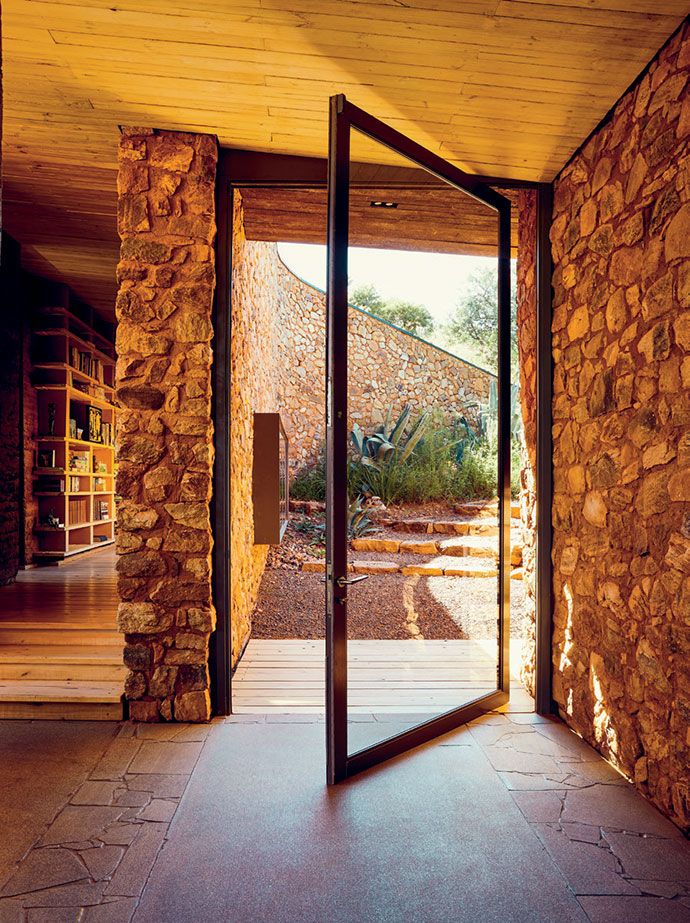
🏘️ Magnifique mur en pierre et mortier de terre crue ! Parfait pour décorer séjour, salle à manger ou chambre. Le mélange pierre/terre crue donne une ambiance chaleureuse et naturelle.
#SABATSARL #matériauxterrecrue #Paille #HabitatDurable #pierre #ÉcoMatériaux
1
2
8
930
2/
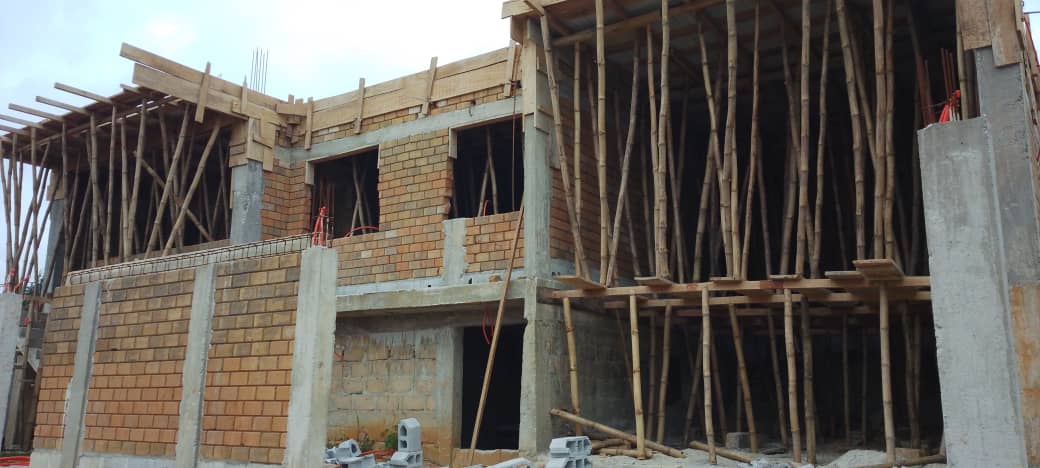
Découvrez en vidéo les premières phases de notre chantier à Bingerville-Gbagba : construction des murs d’allège pour limiter les remontées capillaires, pose des briques de terre, début des élévations et coulage des poteaux.
#SABATSARL #Ecoconstruction #BTC #BingervilleGbagba
Bingerville-Gbagba : gros œuvre terminé à 92 % pour le RDC d’un duplex après trois mois de travaux. Contrôle technique et validation des coffrages achevés, place maintenant au coulage de la dalle. #Chantier #Construction #BingervilleGbagba #SABATSARL #TerreCrue #ÉcoMatériaux
2
3
437

28 Aug 2025
🏗️ Test your knowledge of sustainability: from solar power to LEED standards, eco terms await.
👉 a.co/d/af85lo8
#Crossword #GreenBuilding #Sustainability #EcoConstruction #SmartHomes #PuzzleChallenge
1
2
23

23 Aug 2025
🌍 Construire autrement, penser durable 🌿
Depuis plus de 20 ans, Leslie Drouet façonne des bâtiments… et des regards. Architecte engagée, elle œuvre pour réduire l’impact environnemental de la construction, tout en transmettant sa passion à travers des ateliers créatifs. 📐
Avec l’association, elle transforme le musée en terrain de jeu : maquettes en bois et carton, découvertes ludiques… Les enfants (et les moins jeunes) apprennent à observer l’architecture autrement et à imaginer des espaces à leur image. 🏛️✨
Ce qu’elle aime par-dessus tout ? Créer du lien entre tous les acteurs d’un projet, et voir la petite étincelle dans les yeux de ceux qui comprennent qu’eux aussi peuvent agir sur leur environnement. 💡
#ArchitectureDurable #EcoConstruction #Transmission #CréativitéPartagée #MédiationCulturelle #BoisEtCarton
2
33
Des murs en terre non stabilisée, des pneus usagés…
Comme quoi, avec un peu d’imagination, on peut créer des choses simples, efficaces et pourtant incroyables.
#SABATSARL
#Ecoconstruction
#Paille #TerreCrue
@229Etranges @MUJICASAV @Borris225 @edithbrou
3
6
367
🏘️📍🔥Les choses bougent ! Superbe projet en terre crue signé Jean-Yves Bravo et co à Jacqueville. La preuve : avec la terre, on peut créer du beau et du durable.
#SABATSARL #TerreCrue #Paille #ArchitectureDurable #EcoConstruction
@edithbrou @eben_yao26 @aexotic_225
1
13
39
3,398

11 Aug 2025
Don't just witness history
Desire for Transformation where ordinary becomes extraordinary. Be the history that others will want to be part of.
#EcoBuiltConnect
#CircularEconomy
#SustainableBuilding
#EcoConstruction
#GreenBuilding
#ZeroWasteConstruction
#EcoMaterials

6
1
7
789

2 Aug 2025
Blogue de la Révolution Verte
revolutionverte.fr/2015/11/b…
#marketingagency #MarketingSuccess #marketingtips #RSE #ESG #Terre #ecologie #soutenable #durable #equitable #ethique #societal #logement #habitat #habitation #micromaison #bois #batiment #renovation #ecoconstruction #chanvre
1
2
13

25 Jul 2025
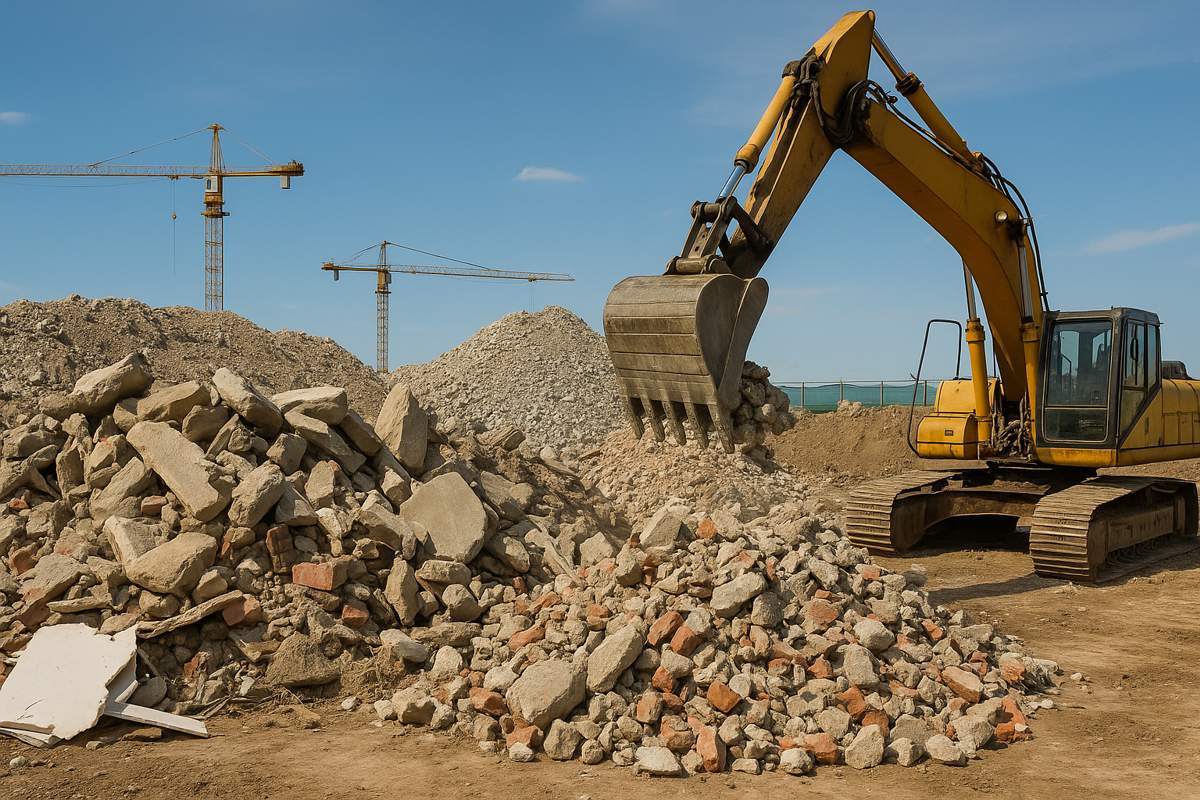
🌍 Waste-Not, Want-Not - Redefining Construction Waste Management 🔄
♻️ Explore how innovative strategies are transforming construction and demolition waste into valuable materials—diverting tonnes from landfills, turning by-products into usable aggregates, and implementing circular business models that cut costs while boosting environmental impact.
🔗 Read the full article on Highways Today:
highways.today/2025/07/22/wa…
#ConstructionNews #HighwaysToday #Construction #CircularEconomy #WasteManagement #SustainableConstruction #ConstructionInnovation #GreenBuilding #ResourceEfficiency #UrbanSustainability #EcoConstruction
5
4
167