
Mar 9
Dry skin on a macroscopic level can appear rough, uneven, flaky, and even cracked or fissured. Symptomatically the skin may feel dry, tight, uncomfortable, painful, or itchy. Individual or environmental factors may also work together to produce dryness.
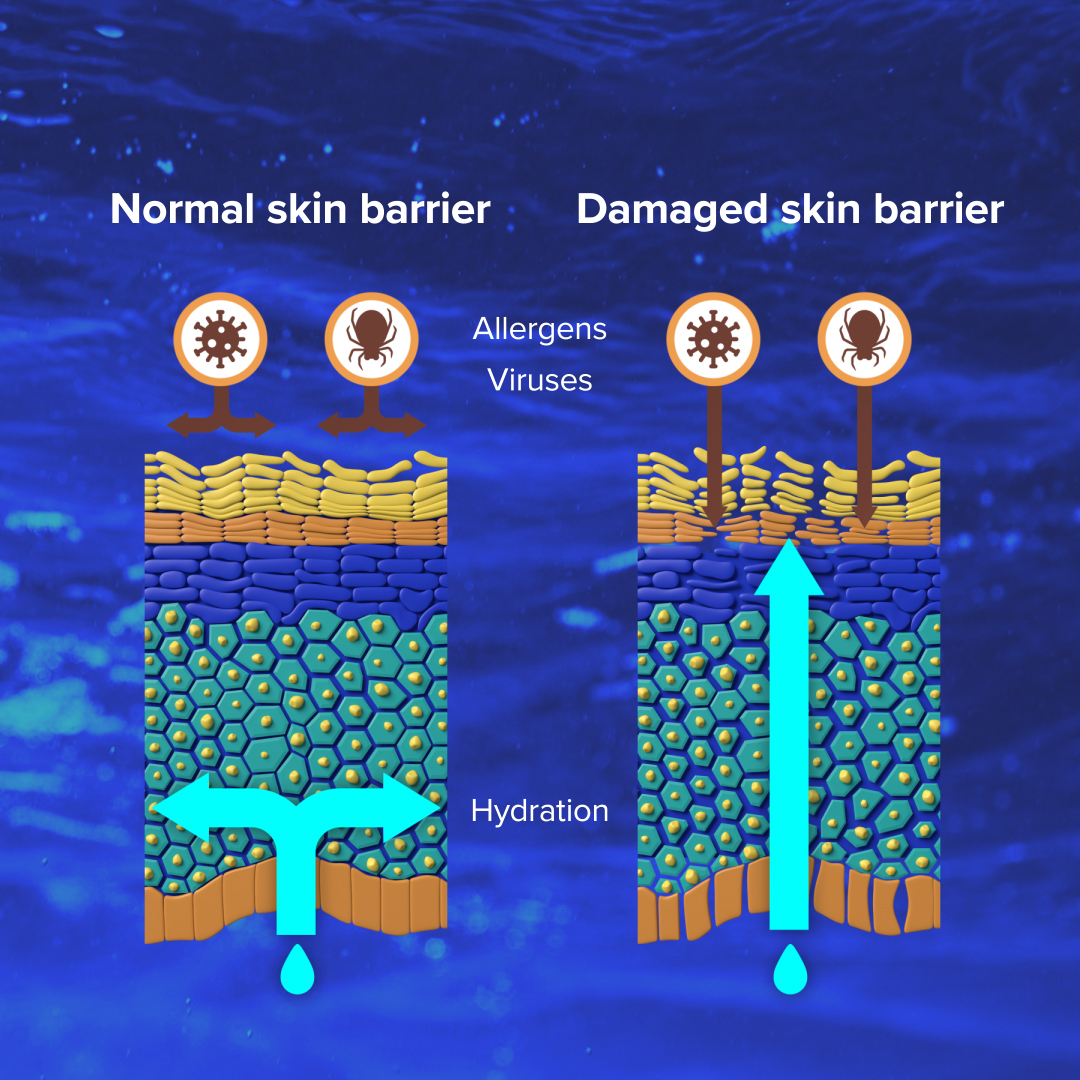
One of the main functions of the epidermis is to prevent water loss and maintain hydration of the skin. Alterations in the barrier can result in increased water loss (known as trans-epidermal water loss, TEWL) and dry skin.
Cosmetically dry skin has been noted to have a weaker barrier quality than normal skin. Disrupted desquamation can lead to lower cohesivity of skin cells. Dry skin has been shown to contain lower natural moisturizing factors. Impaired barrier function will also facilitate the absorption of products being applied to the skin surface resulting in irritant contact dermatitis.
Underlying skin disorders (e.g. atopic dermatitis) and increased age as well as low humidity and temperature, exposure to solvents and some surfactants may contribute to dryness.
Prolonged use of soaps and surfactants can have a negative impact on the skin barrier. They can emulsify lipids and denature proteins found in the skin resulting in increased TEWL and affecting the permeability barrier. Anionic surfactants tend to be the most problematic (e.g. C10-C12 alkyl chains, alkyl sulphates) in contrast to amphoteric surfactants which have a better safety profile. In addition to altering the water and skin surface chemistry, irritants may also potentially alter the natural microbial flora of the skin. Certain bacteria have been linked to higher rates of growth in alkaline pH and may have the ability to displace the normal skin microbiome.
#codexlabs #biohacking #biotechnology #bioscience #skincare #efficacytesting #safetytesting
1
1
153

27 Aug 2024
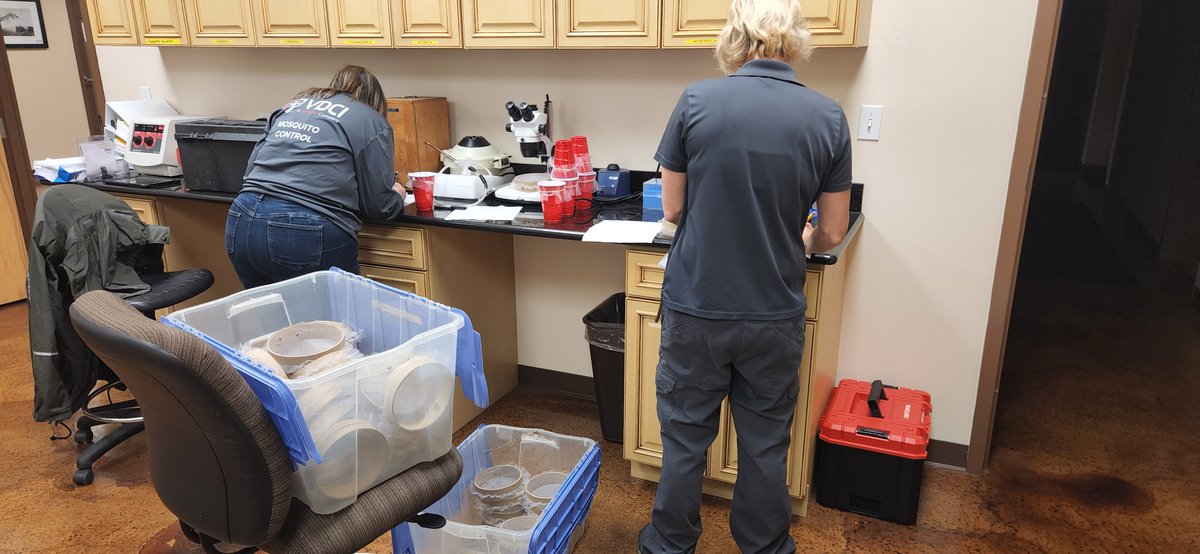
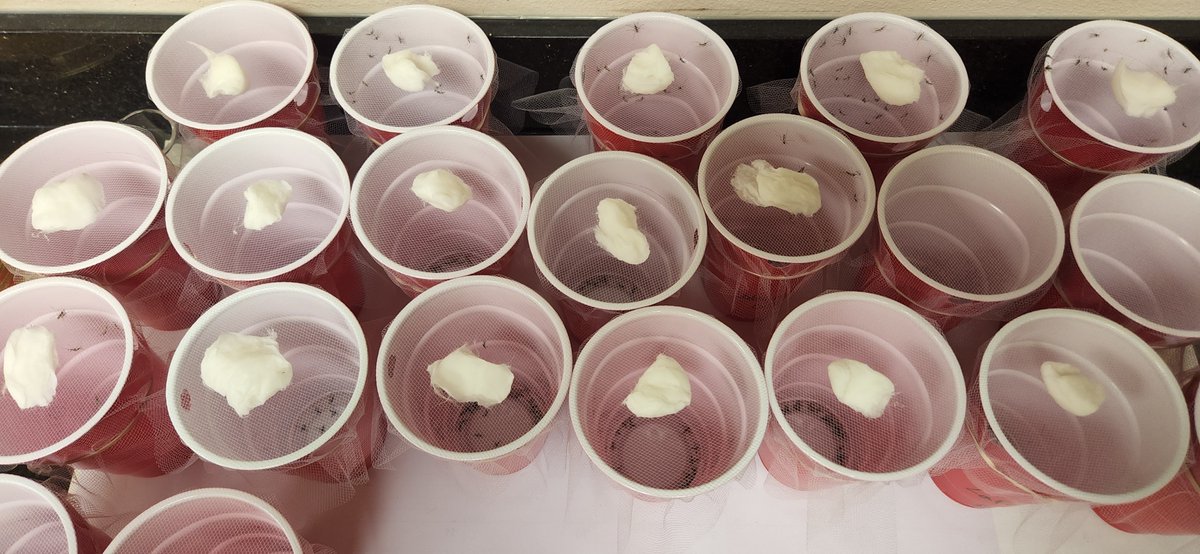
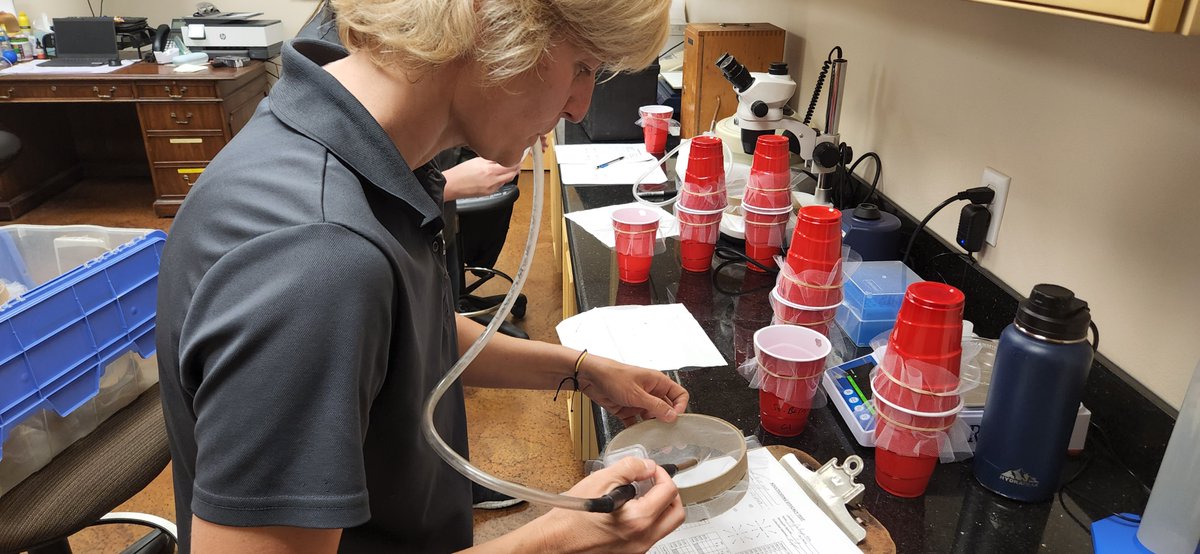
Our Louisiana team recently conducted #efficacytesting to ensure our applications are effectively controlling the local mosquitoes.
Check out the photos below!
#Insecticide #LocalMosquitoControl
1
2
81

1 May 2024
2
22

10 Aug 2022
Welcome to Team MRG Andy Hayter (@malcodemgr), our new Business Development Manager!
His experience and expertise from both the vendor and lab sides of the cybersecurity industry will be invaluable in promoting our testing and malware services.
#cybersecurity #efficacytesting

2
2
24 Sep 2021
Exploits are difficult to detect and hard to test. Some AVs detect exploits but fail to kill the offending process.
Read our latest research blog for further insight.
#av #antivirus #malware #maliciousbinaries #cybersecurity #exploits #efficacytesting
mrg-effitas.com/research/exp…
4
2

26 Feb 2021
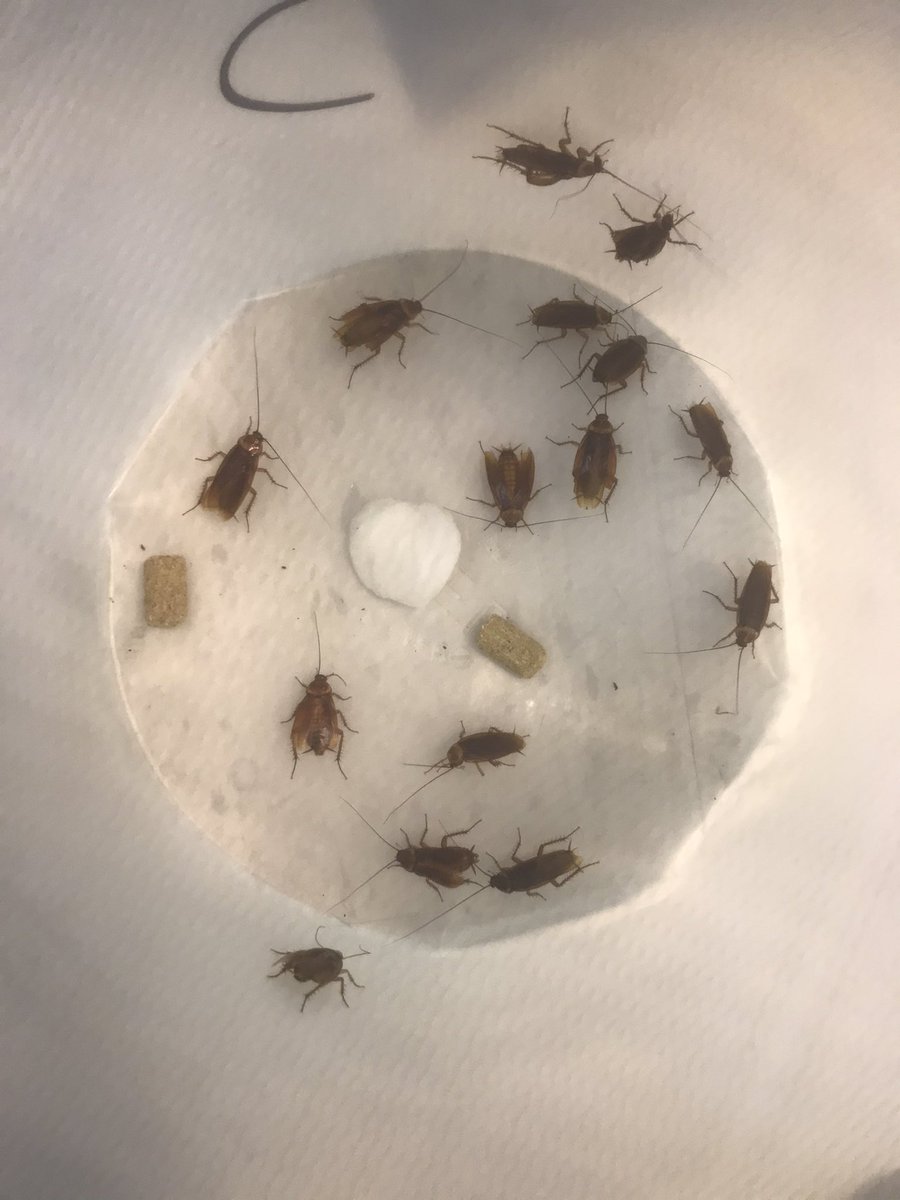
🪳 Millions of roaches, roaches for me
Just a few of the beautiful specimens we are working with today. #EfficacyTesting #Entomology #weworkwithbugs #Rapid #Responsive #Reliable #Baltimore #Maryland
1
1
11 Feb 2021
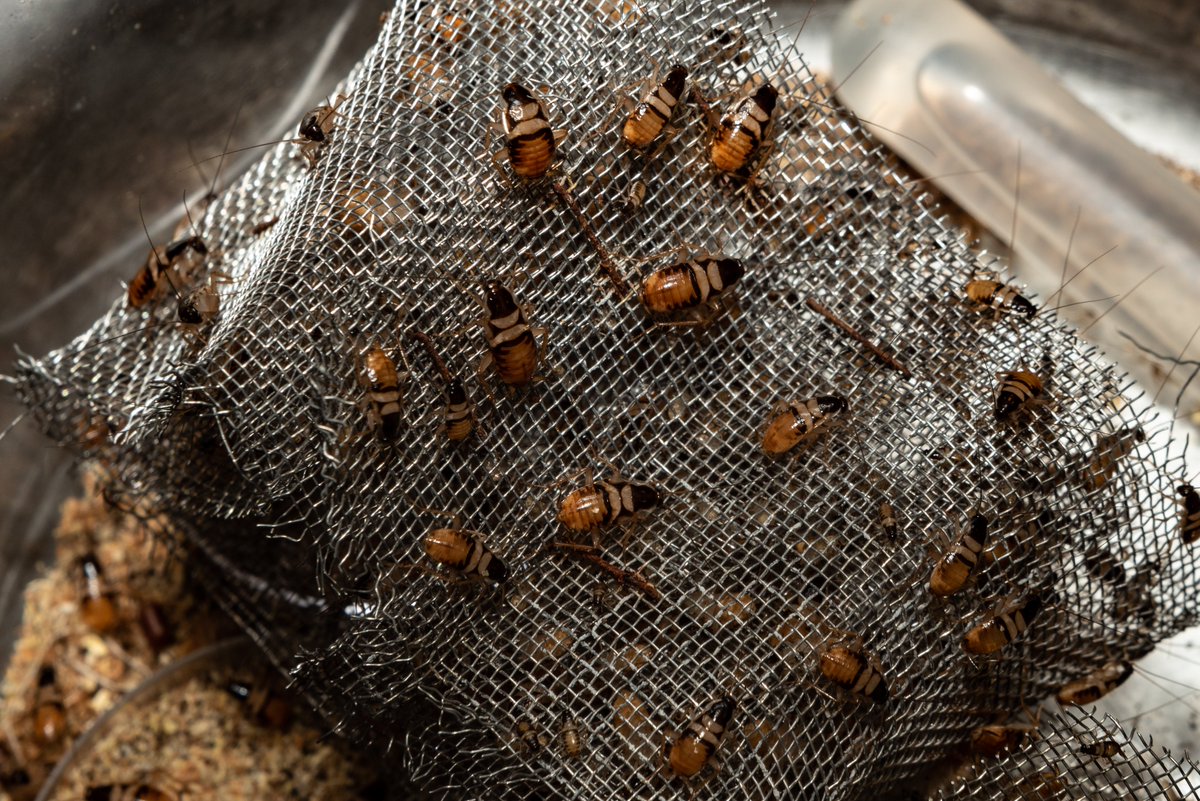
Do you rear colonies of insects? We are looking to expand our bug supplier directory. Contact @i2LresearchUSA to have your business/lab included. #Insects #InsectRearing #Entomology #EfficacyTesting #Rapid #Responsive #Reliable
1
3
26 Jan 2021
Where we are…@i2LResearchUSA is located in Baltimore, Maryland #CharmCity but we provide services to clients all over the US and other countries. #Baltimore #Maryland #Entomology #EfficacyTesting

1

30 Nov 2020
Virucidal efficacy testing is important for assessing products against #virus. Testing can be carried out in a range of models including suspension tests and hard surface carrier tests by @perfectusbiomed. #efficacytesting dlvr.it/RmhL4b

1
3

23 Jul 2020
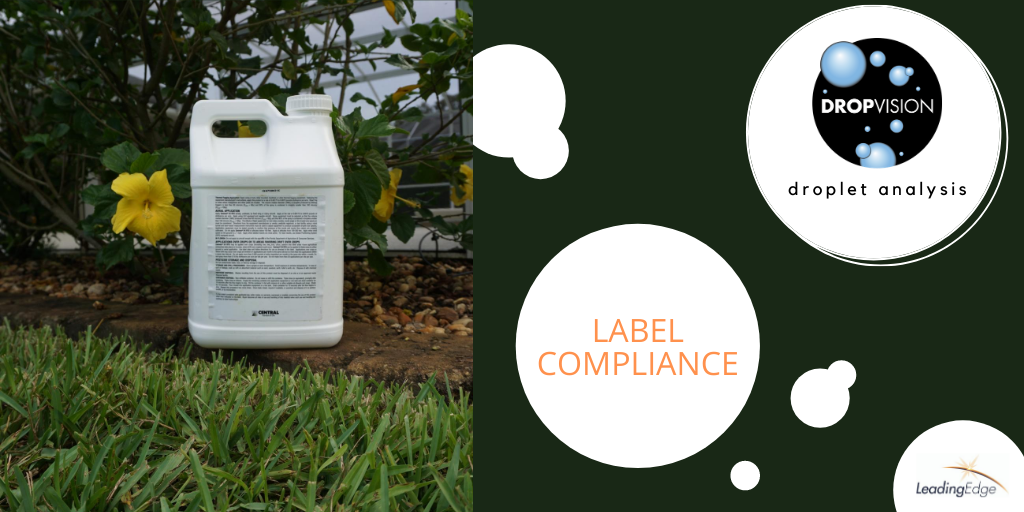
#DropVision: Primary purpose is to provide for efficient and immediate data analysis of a droplet spectrum to ensure #compliance with insecticide labels. Includes aircraft characterization as well as handheld & truck-mounted sprayers #DropletSize #DropletDensity #EfficacyTesting
4
9 Jul 2020
Analyzing droplets? Check out our impinger. The unit was designed by the Leading Edge team based on customer experiences in the field.
#EfficacyTesting #DropletSize #DropVision #GroundApplication #AerialApplication
1
3

13 Jun 2020
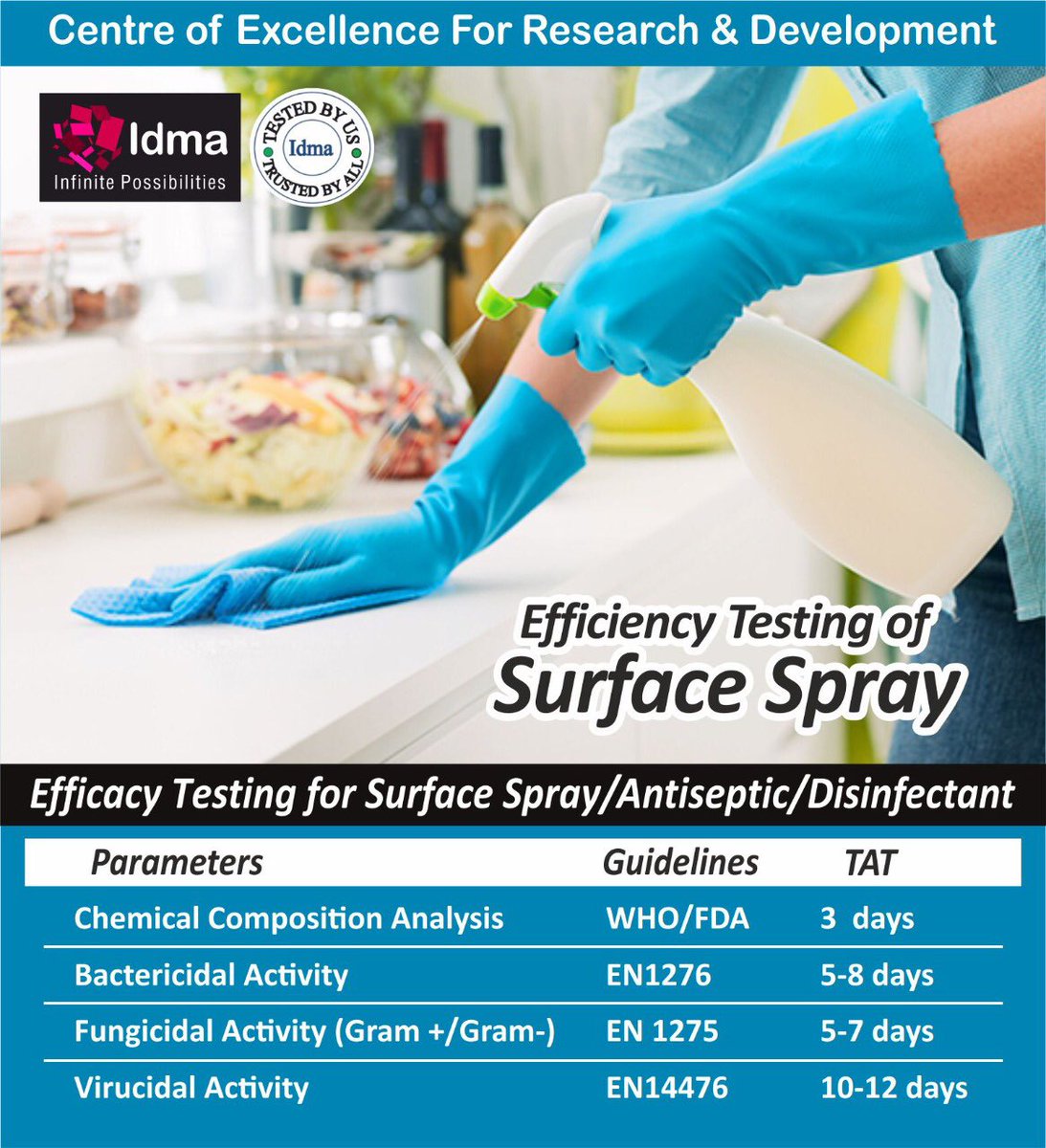
#Idma #Laboratories Ltd undertakes #EfficacyTesting of all types of #Surface #Sanitizers & #Disinfectants at its Centre of Excellence for Testing & Research
#researchanddevelopment #surfacecleaning #surfacesanitizer #germs #bacterias #moulds #viruses #surfacecleaner #goodhygiene
6
6
23 May 2020
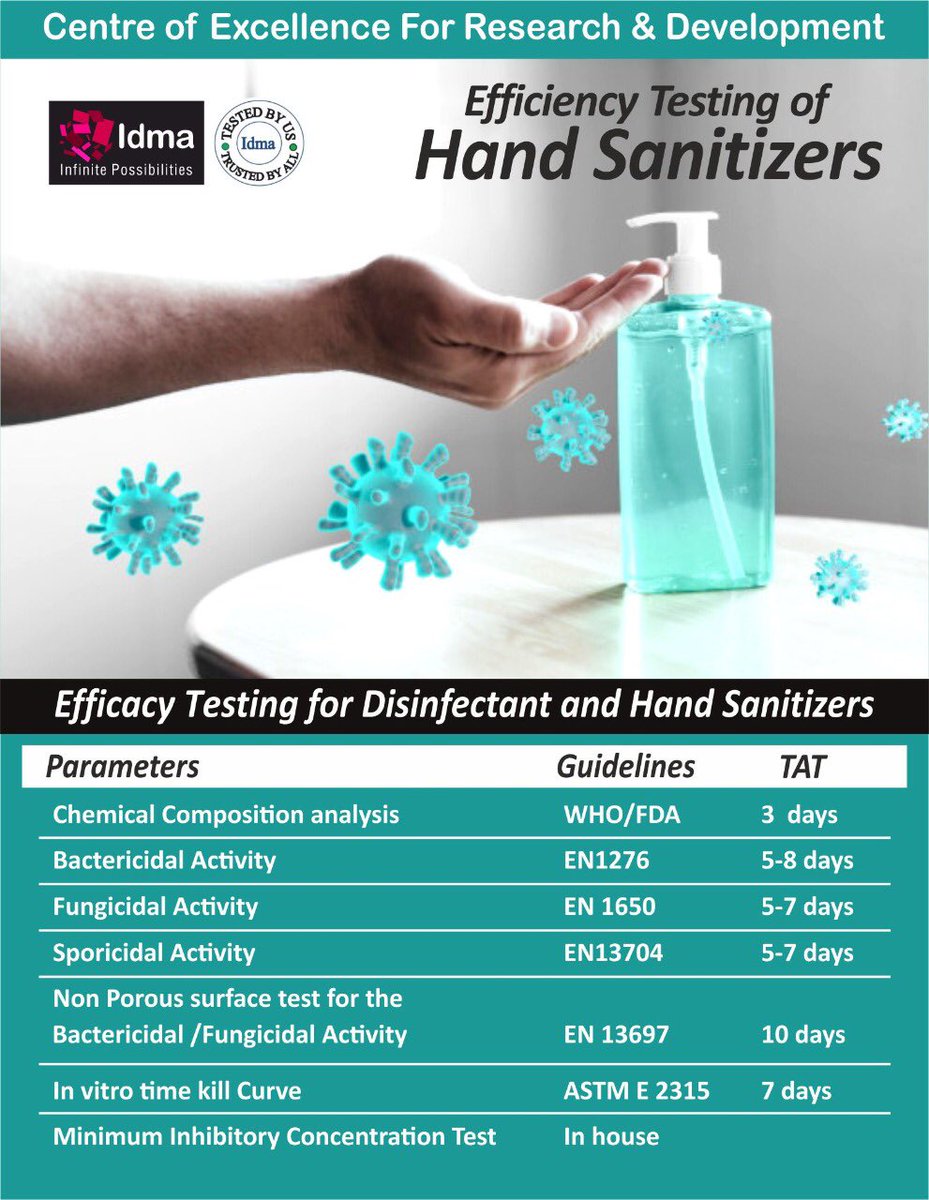
#Idma #Laboratories Ltd. undertakes #EfficacyTesting of all types of #Sanitizers & #Disinfectants at its Centre of Excellence for Testing & Research
#researchanddevelopment #handsanitizer #handsanitizers #germs #bacterias #moulds #viruses #healthylife #goodhygiene
6
6

9 Feb 2018
Don't miss us at the Tri-Conference next week in San Francisco, booth 201. #EfficacyTesting #CRO #TRICON
1
1
2

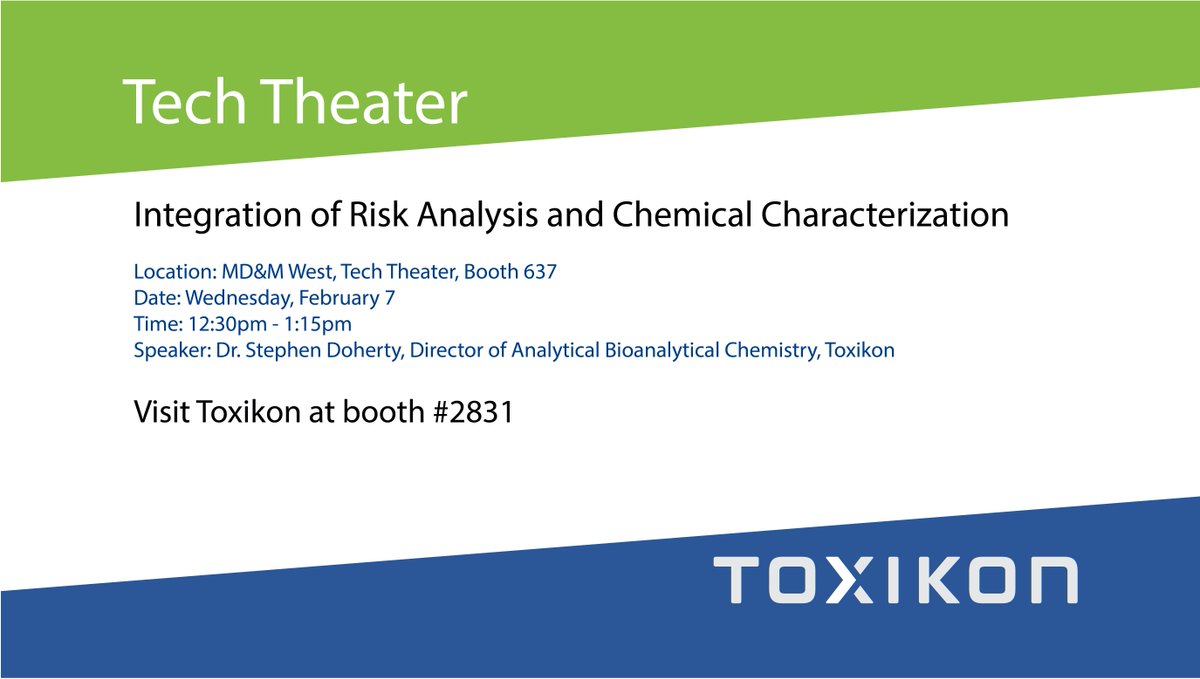
Don’t miss Dr. Doherty’s presentation today! Stop by booth #2831 to meet with our #medicaldevicetesting experts, learn more about how @ToxikonCRO can consult you on your #Preclinical Safety and #EfficacyTesting needs! #AdvMfgExpo
1