
Find an Engineer showcases your expertise and connects you with real enquiries in your local area. As an IStructE member, you can list your practice today and grow your business with confidence. Find out more. ow.ly/8hwC50Z8QJY #StructuralEngineering #EngineeringPractice

1
213

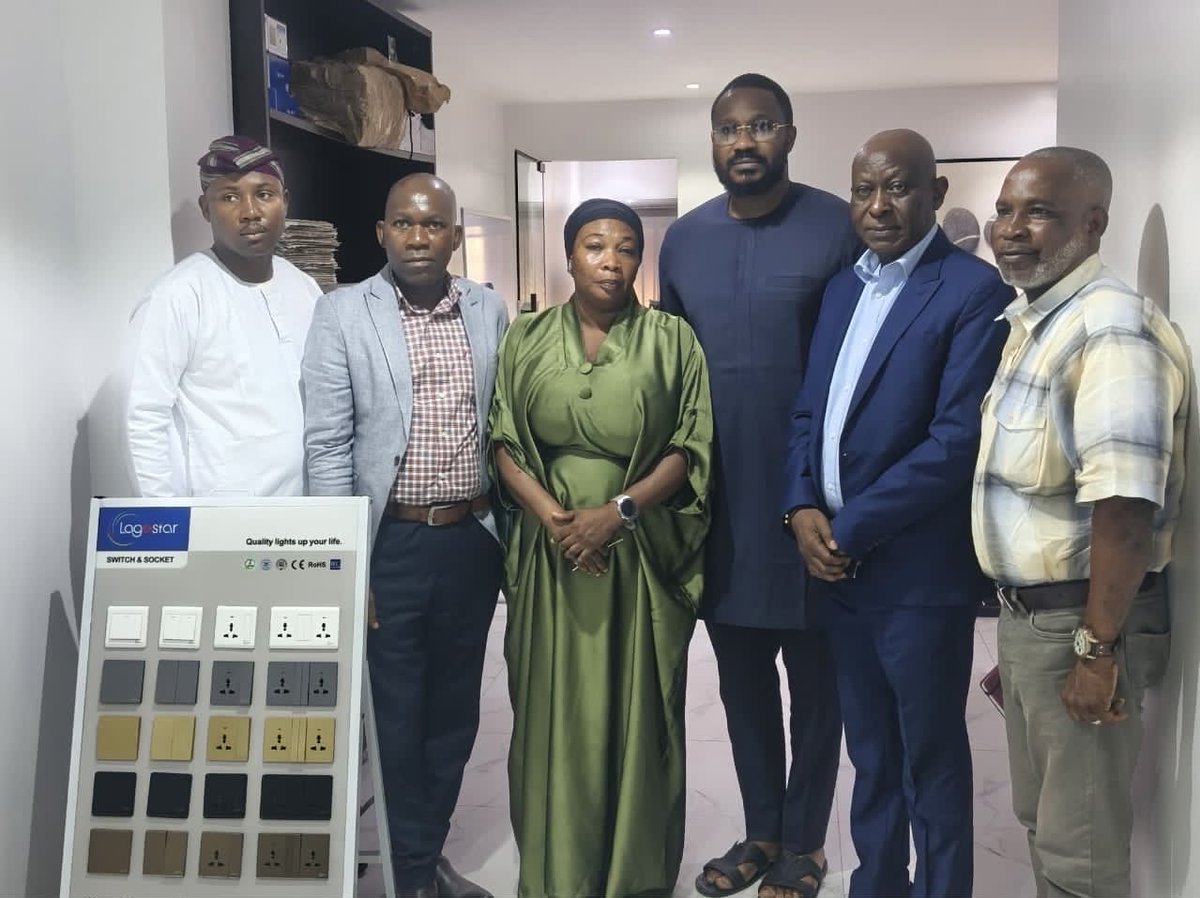
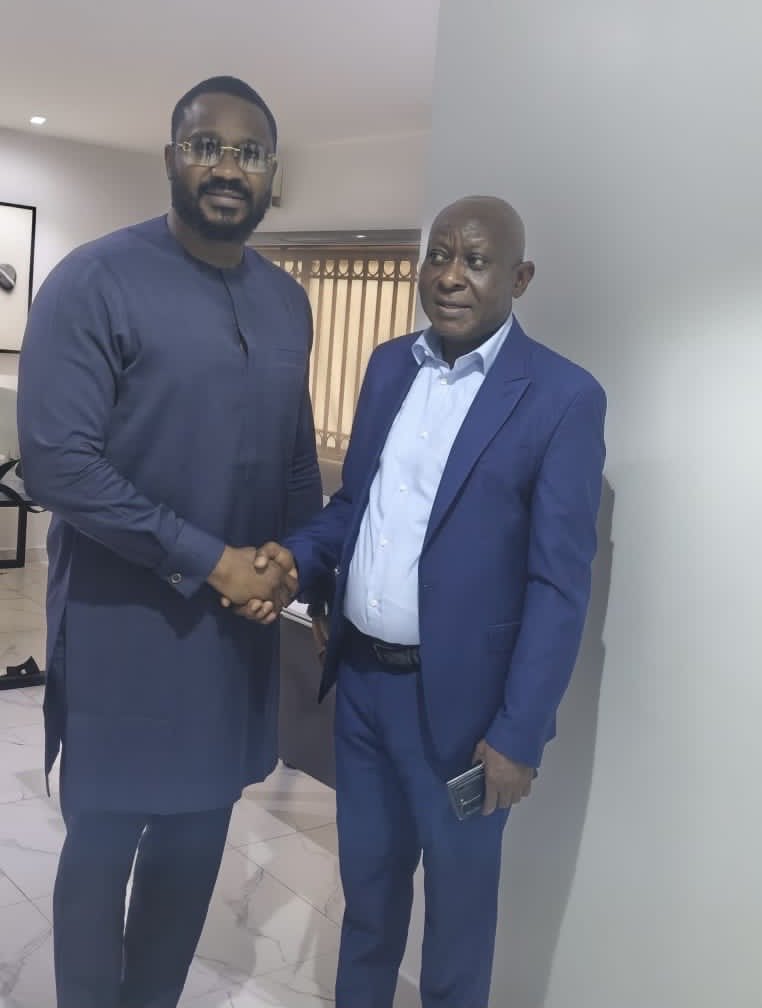
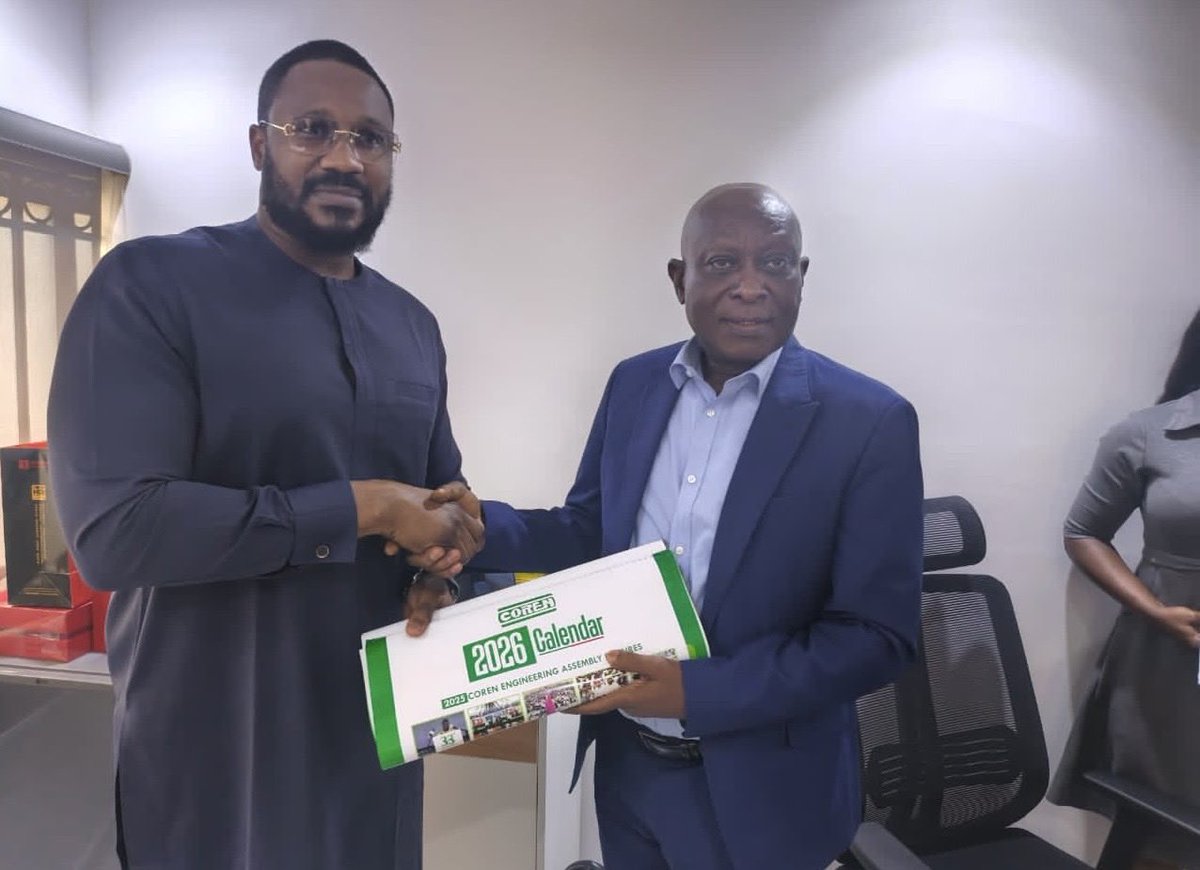
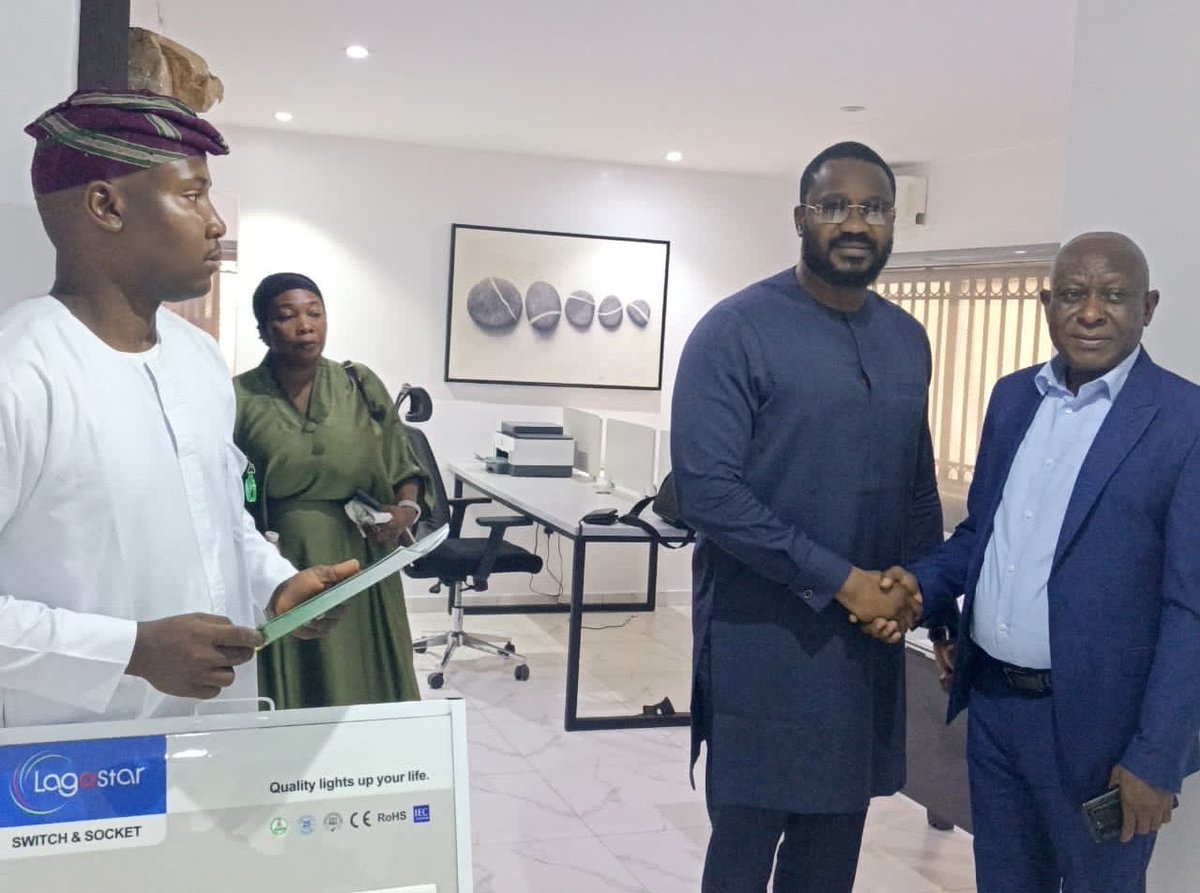
COREN Vice President Leads Delegation on Courtesy Visit to Lagostar Wire and Cable
The Vice President of COREN, Engr. Olaolu Ogunduyile, FNSE, FNIEEE, today, 12th May 2026, led a delegation on a courtesy visit to Lagostar Wire and Cable in Lagos.
The visit formed part of COREN’s ongoing public sensitization drive on its regulatory mandates and efforts to promote the forthcoming 34th COREN Engineering Assembly, scheduled to hold from 13th–15th July 2026 at the Moshood Abiola National Stadium, Abuja.
Discussions also focused on strengthening collaboration with industry stakeholders towards advancing professionalism, compliance, and sustainable engineering practice in Nigeria.
#COREN #34thCORENEngineeringAssembly #EngineeringRegulation #ProfessionalCompliance #EngineeringPractice #Abuja #Lagos
1
1
10
493

May 10
𝖧𝗈𝗐 𝗌𝗂𝗀𝗇𝗂𝖿𝗂𝖼𝖺𝗇𝗍 𝗂𝗌 𝗌𝗎𝗋𝗏𝖾𝗒𝗂𝗇𝗀 𝗂𝗇 𝗉𝗋𝖾𝗏𝖾𝗇𝗍𝗂𝗇𝗀 𝗉𝗋𝗈𝗃𝖾𝖼𝗍 𝖿𝖺𝗂𝗅𝗎𝗋𝖾?
Surveying is often not the most visible part of a project; but it is one of the most critical foundations beneath everything that gets built.
Before construction, excavation, or installation begins, surveying defines where everything should go.
That includes position, alignment, elevation, boundaries, and control. If these are wrong at the start, every activity that follows is built on unstable information.
That is why surveying plays a direct role in preventing project failure.
One of its biggest contributions is accuracy control.
Surveying ensures that designs are correctly transferred to the field. Without this, even a well-designed project can be constructed in the wrong location or at the wrong level.
Surveying also prevents cumulative errors.
Small mistakes in positioning or alignment may not seem serious at first. But as work progresses, they grow. Surveying identifies and corrects these issues early before they develop into major structural or operational problems.
It also supports coordination between teams.
Engineers, contractors, and site workers all depend on survey data to stay aligned with the same reference points. When survey control is strong, communication becomes clearer and decisions become more reliable.
Another key role is verification.
Surveying is used to confirm that completed work matches design specifications. This reduces the risk of hidden defects, misalignment, or incorrect construction going unnoticed.
Surveying also helps manage risk in changing site conditions.
Ground levels shift. Excavation progresses. Structures evolve. Continuous surveying ensures that the project remains within safe and intended limits throughout its lifecycle.
When surveying is weak or ignored, problems often appear later in the project; when correction becomes expensive, time-consuming, or sometimes impossible without major rework.
Here is the deeper truth:
Many project failures do not start during construction.
They start when spatial accuracy is assumed instead of verified.
Surveying does not prevent all challenges in a project; but it prevents avoidable structural and positional errors, which are among the most costly types of failure.
In simple terms, it acts as the project's reality check from beginning to end.
So here's something to think about:
When a project succeeds or fails, are we giving enough importance to the accuracy that guides every stage, or only noticing surveying when something has already gone wrong?
#Surveying #Construction #ProjectManagement #EngineeringPractice #SiteControl

1
3
11
290

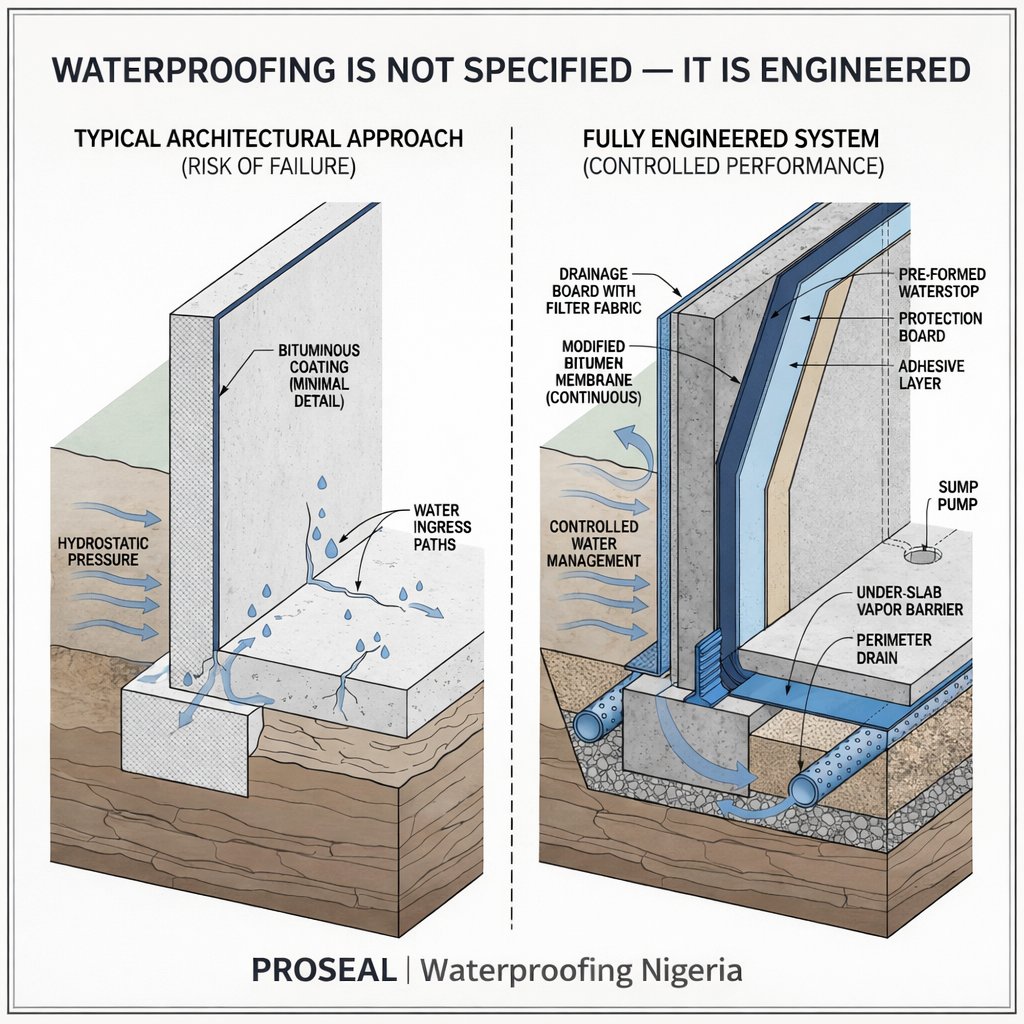
On your projects,
when waterproofing is specified on drawings — is that treated as design completion…
or the starting point for system design?
#WaterproofingNigeria #ConstructionNigeria #BuildingEnvelope #CivilEngineering #Architecture #EngineeringPractice #ConstructionQuality
2
3
119

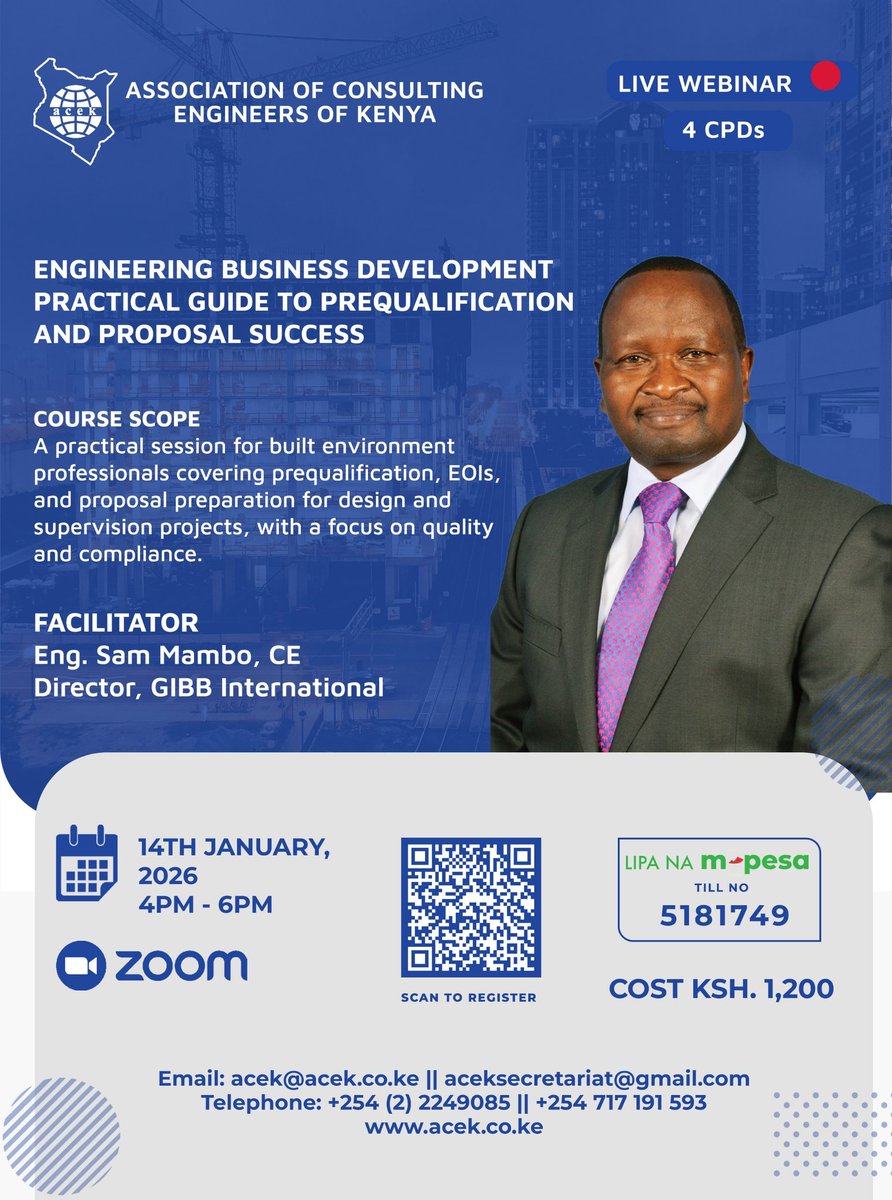
Strengthen your approach to prequalification and proposal preparation as Eng. Sam Mambo, CE, Director at GIBB International, facilitates a practical webinar for built environment professionals.
Join ACEK for a 2-hour session on:
Engineering Business Development: Practical Guide to Prequalification and Proposal Success
📅 Date: 14 January 2026
⏰ Time: 4:00pm – 6:00pm
🎓 EBK Accredited CPD Points: 4
💰 Cost: KES 1,200
📲 M-Pesa Buy Goods & Services
Till Number: 5181749
🔗 Register here:
us02web.zoom.us/meeting/regi…
#ACEK #BuiltEnvironment #EngineeringWebinar #ConsultingEngineers #ProfessionalDevelopment #CPDPoints #EngineeringPractice #CapacityBuilding
@AcekFL_Kenya
@AkinyiAdhoch
@EngineersBoard
@TheIEK
@janemutulili
@oscarwafula
1
3
5
403

18 Dec 2025
Concrete quality is decided during the pour.
Proper vibration removes air, strengthens bonding, and prevents hidden failures.
Fundamentals matter.
#ConcreteWork #StructuralEngineering #ConstructionQuality #EngineeringPractice #QualityControl
3
15

17 Nov 2025
HTTPZ Design Trade-offs and Robustness in Weak Networks
Goal: Distrust any intermediate layer by default;
Identity → Handshake → Key → Session → Access Control: A single link with minimal forks;
First Principle in Weak Networks: Handshakes should be as short as possible, failures should be addressed as early as possible;
Replay Resistance: Introducing one-time tickets and time window verification;
Degradation Resistance: Explicitly rejecting insecure suites and versions;
Key Rotation: Based on session boundaries, forced rotation triggered by anomalies;
Observation: Visualizing handshake/failure metrics;
Noise Reduction: Differentiating between "intermittent network" and "configuration errors" error codes;
Backward Compatibility: Retaining common proxy/gateway paths;
Unresolved Issues: Large timezone drift, unstable time sources on some devices—added to the next iteration list. #ZeroTrust #EngineeringPractice
24
6
539

5 Nov 2025
🧽 Cleaning Concrete Transport Pipes!
#civilengineering #theconstructor #civilengineer #civilconstruction #concretepump #pipelinecleaning #constructionmethods #sitework #engineeringpractice #readyconcrete
Video/Audio Courtesy: @Mechacore-07
DM for credit or removal requests.
1
3
253
31 Oct 2025
💥 Old Wall, Meet Gravity!
#civilengineering #theconstructor #civilengineer #civilconstruction
#demolition #brickwork #constructionmethods #sitework #buildingdemolition #manualwork #engineeringpractice
Image/Audio Courtesy: Unknown
DM for credit or removal requests.
2
2
182

28 Oct 2025
During low-traffic stress testing, we focused on three extreme scenarios:
Cross-region state synchronization spikes
Brief jitter in the evidence path
Asynchronous LRT metadata updates
Corresponding strategies: Peak shaving, valley filling, retries and fallbacks, and idempotent writeback. Turning "occasional" into "controllable." #EngineeringPractice
39
20
4,858

18 Jul 2024
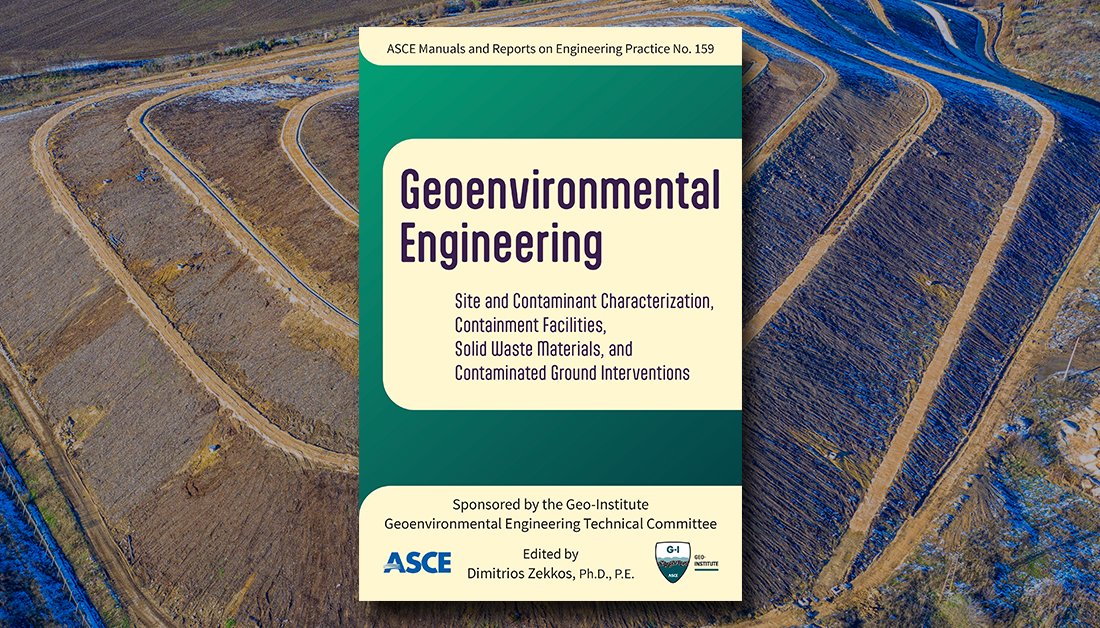
🎉@GeoInstitute's first MOP is Available Now!
Geoenvironmental Engineering: Site Contaminant Characterization, Containment Facilities, Solid Waste Materials, and Contaminated Ground Interventions, MOP 159
sp360.asce.org/PersonifyEbus… #GeoenvironmentalEngineering #EngineeringPractice
ALT Geoenvironmental Engineering: Site Contaminant Characterization, Containment Facilities, Solid Waste Materials, and Contaminated Ground Interventions, MOP 159
5
649

3 May 2022
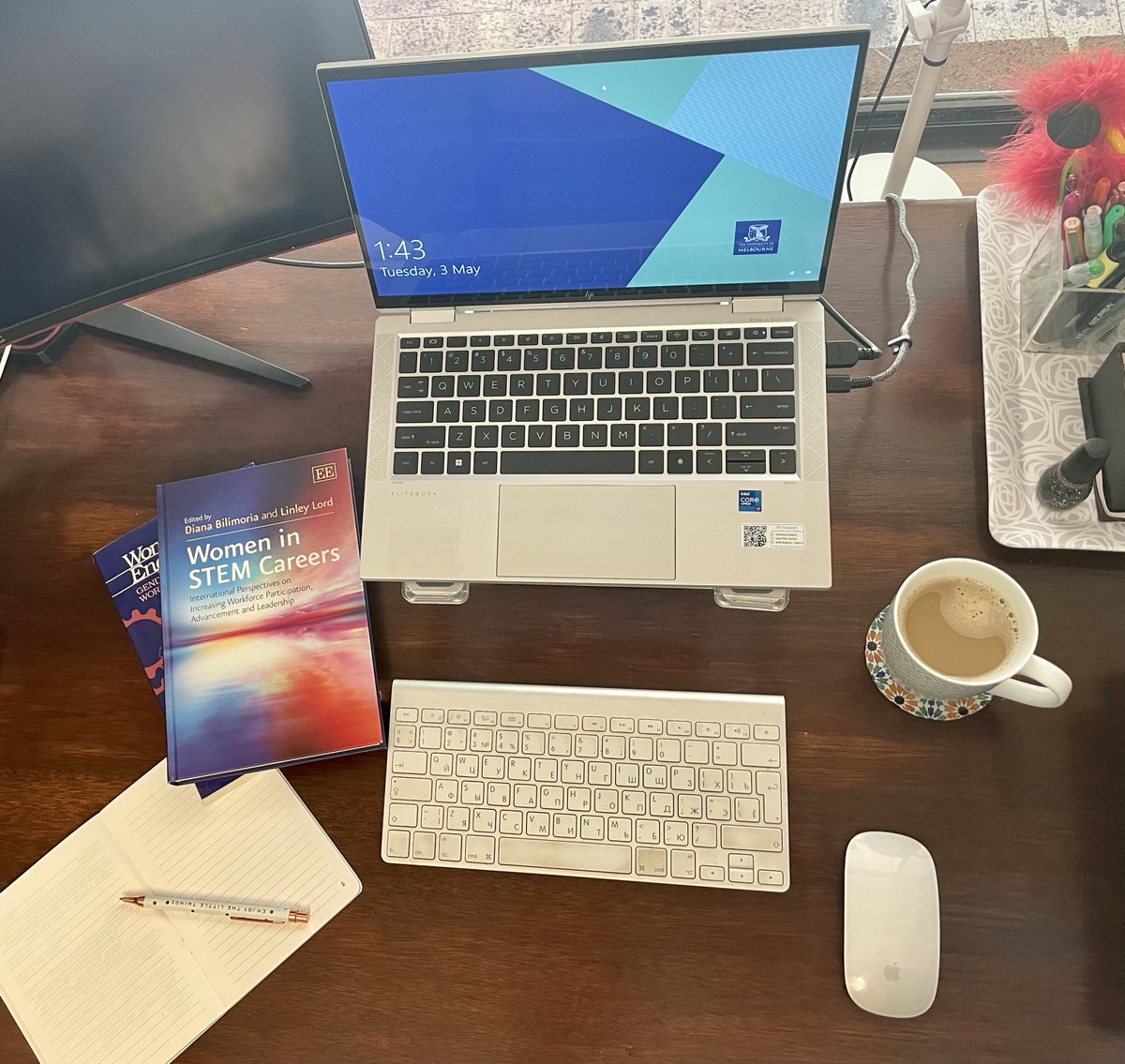
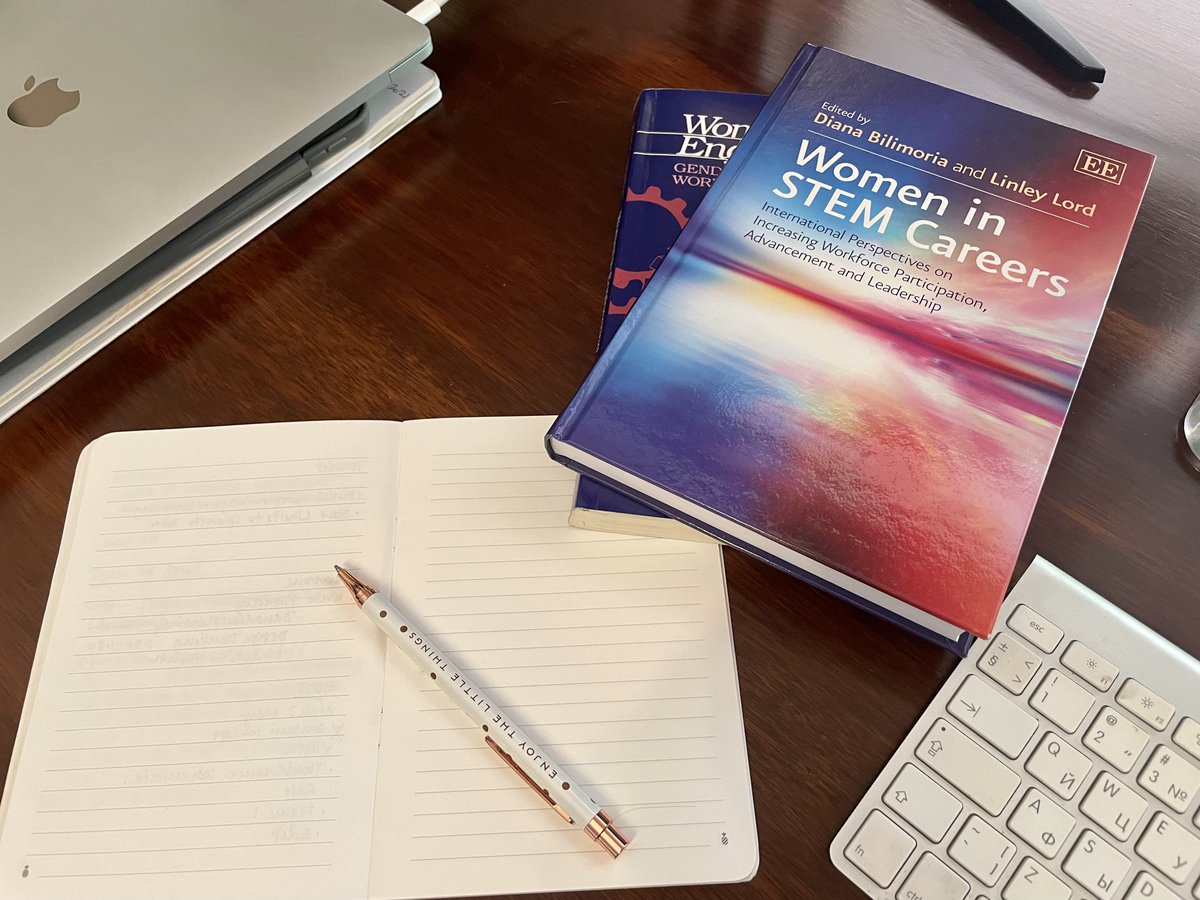
Emerged from the writing vortex today. Clean desk and fresh coffee. Ready to jump into the next project. Revisiting some old favourites to get me in the mood. #autoethnography #academiclife #womeninengineering #engineeringpractice @DianaBilimoria @LinleyLord @sally_male
1
4

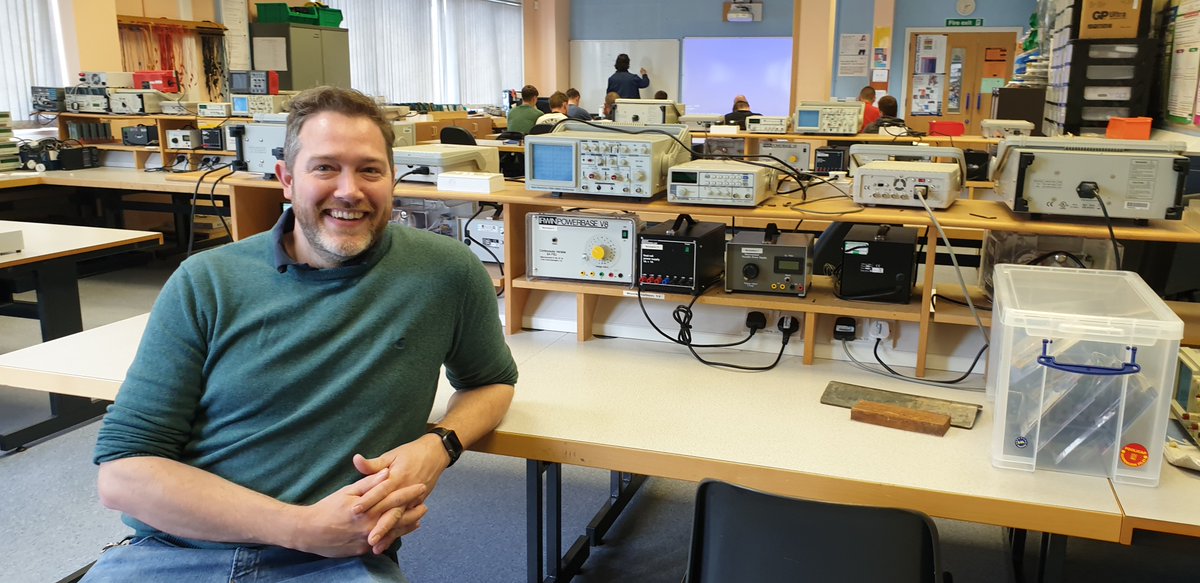
Watch our Instagram highlights to see Jonathon, NC Engineering Systems (SCQF Level 6) student on our Student Takeover! 🌟🙌
Apply for our NC course 👉 bit.ly/ncengineeringpractice
#ChooseMoray #RealSkills #RealJobs #RealPeople #ThinkUHI #Engineering #EngineeringPractice
1
1

20 Mar 2019
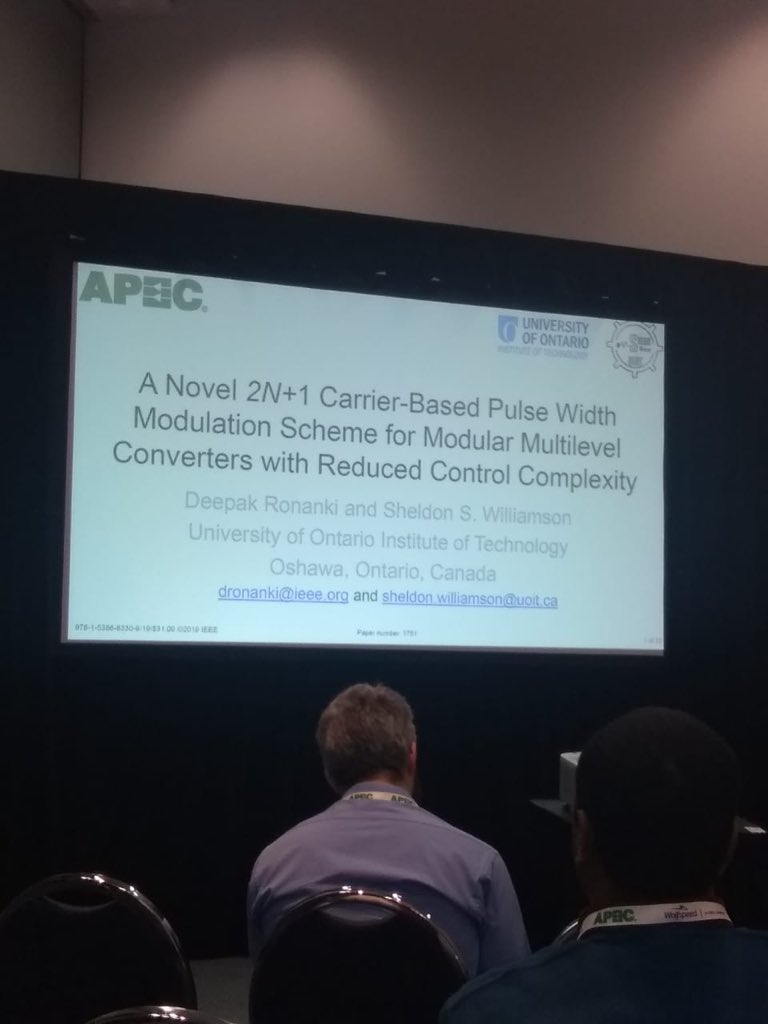
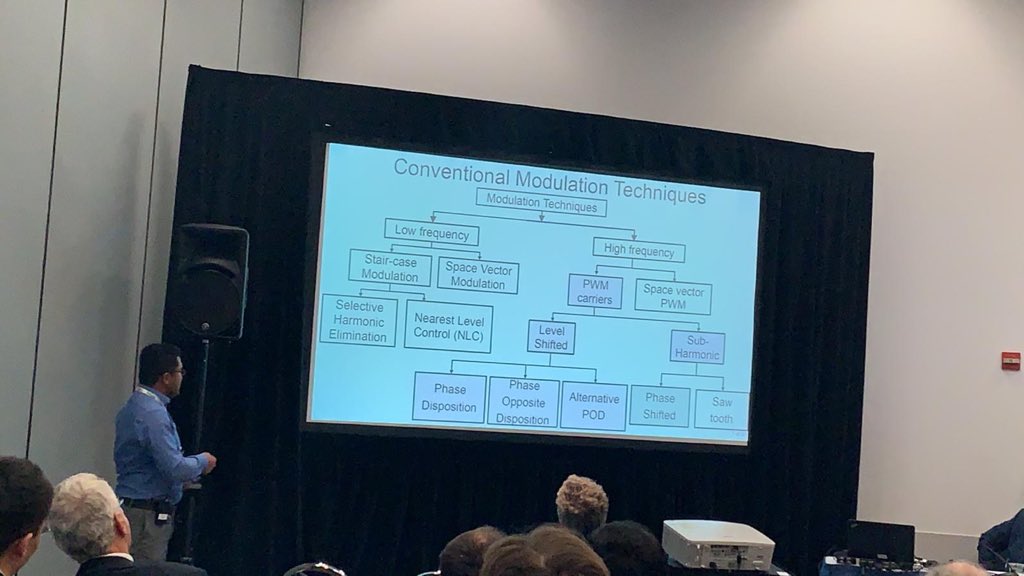
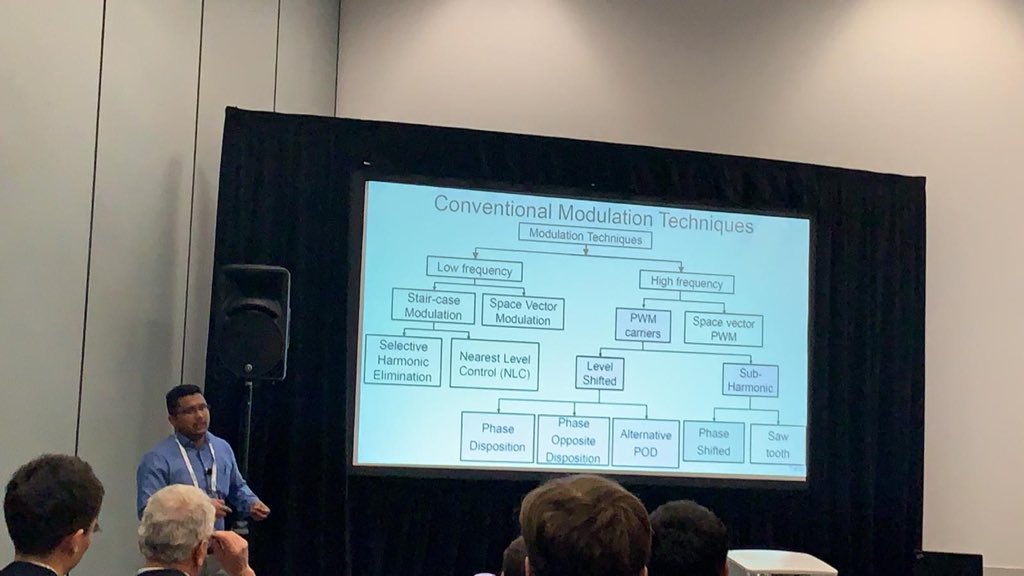
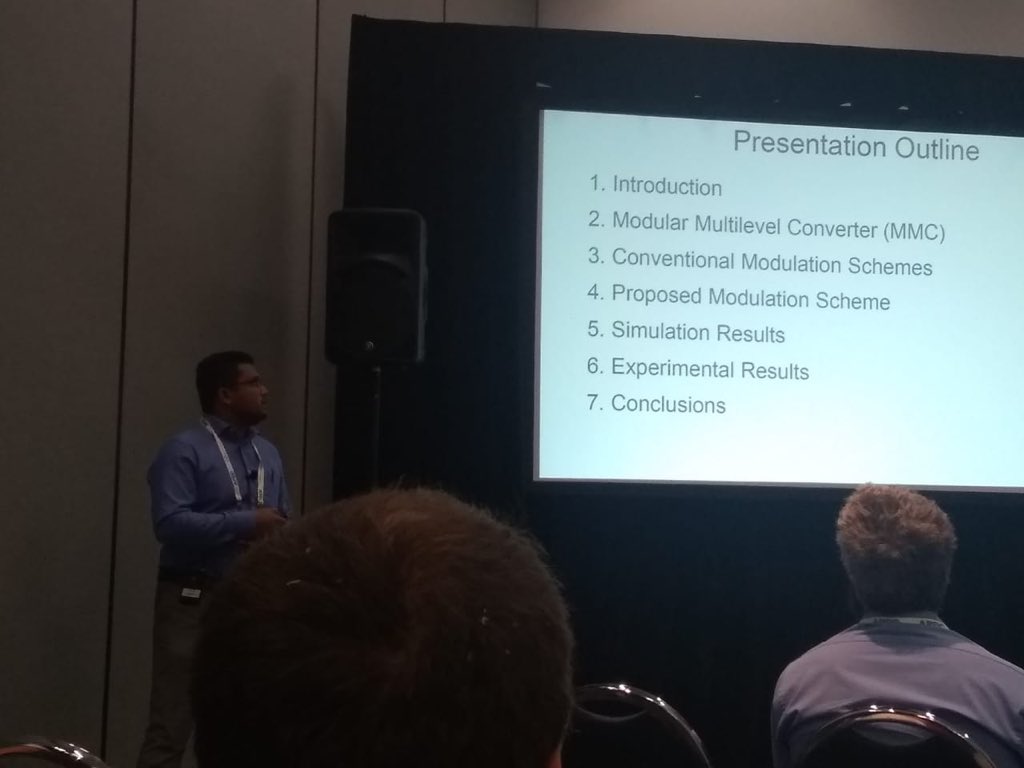
Our @UOIT_STEER group Ph.D. Student, Deepak Ronanki, presenting his paper on high-power converters for #ElectrifiedTransportation at the IEEE @APEC_Conf. Building efficient #EBus powertrains and real-world dyno tests makes for great #EngineeringPractice. #ExperimentalValidation
1
6


13 Oct 2018
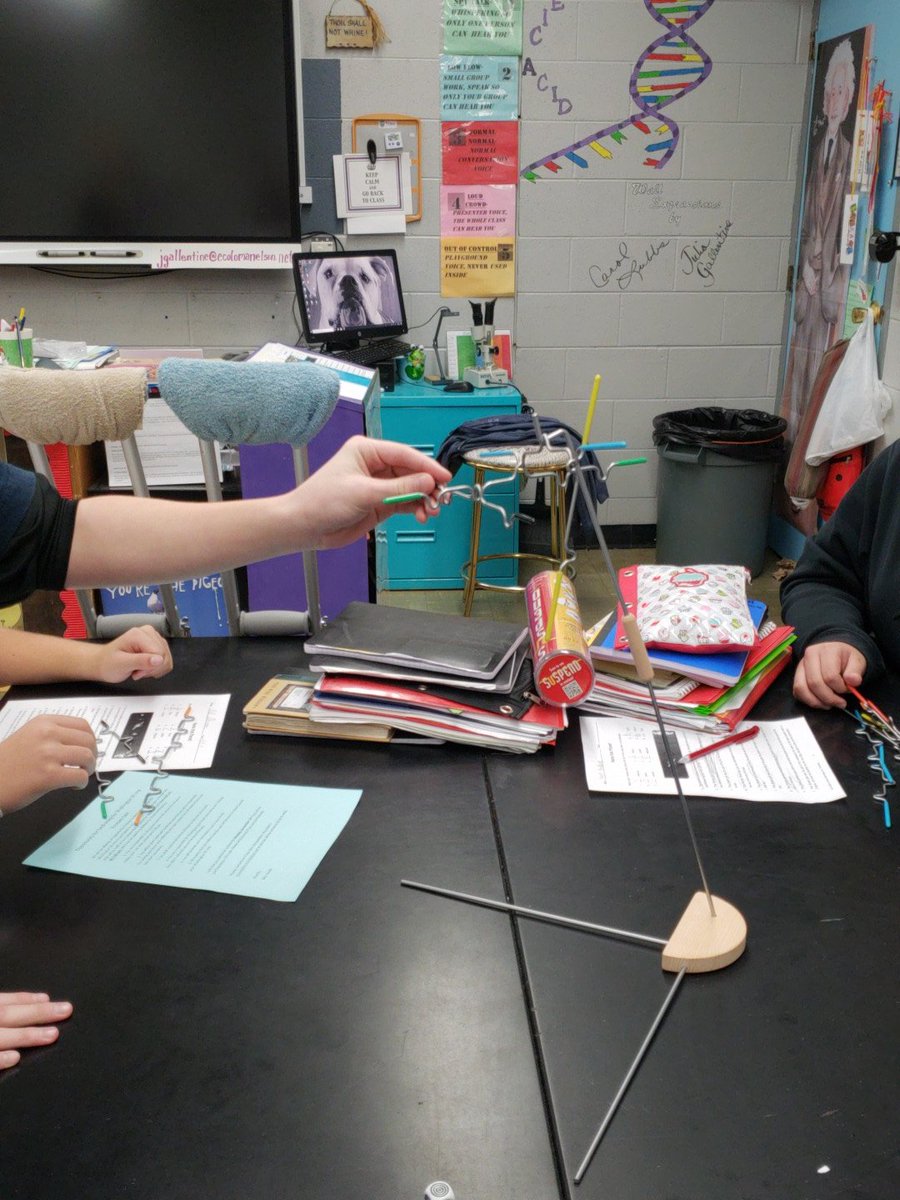
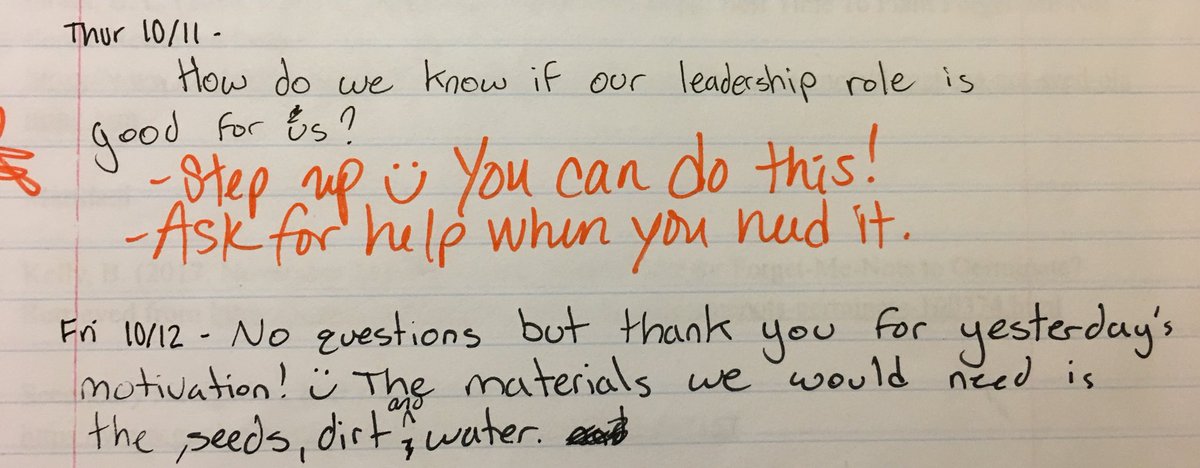
For #SSEP Mission 13 my students communicate questions and needs through daily team logs. I ❤️ being in touch with each team while they are all working on something different. #EngineeringPractice
1

3 Feb 2018
1
4


30 Jun 2016
1
2