
A BYD sedan is going viral after performing a tank-style turn in an incredibly tight space. The maneuver highlights how advanced electric motors and torque vectoring are pushing EV capabilities to new levels.
#BYD #ElectricVehicles #EVTechnology #SmartMobility #AutoInnovation
15

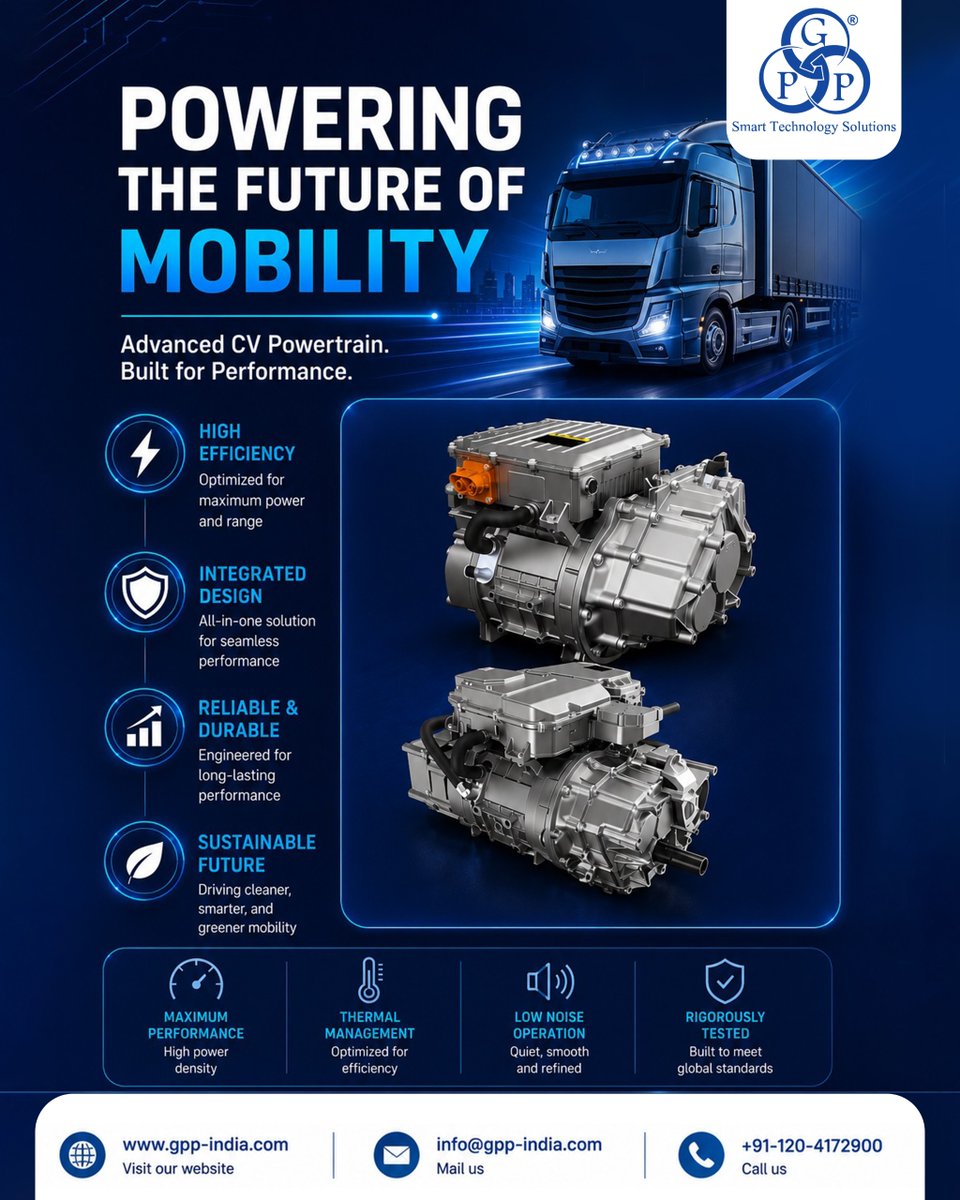
⚡ Powering the future of mobility with advanced CV powertrains.
Built for performance, efficiency, durability, and sustainability—delivering maximum power with smarter, cleaner transportation. 🚛🌱
#FutureOfMobility #CVPowertrain #EVTechnology #SustainableMobility
3

Jun 14
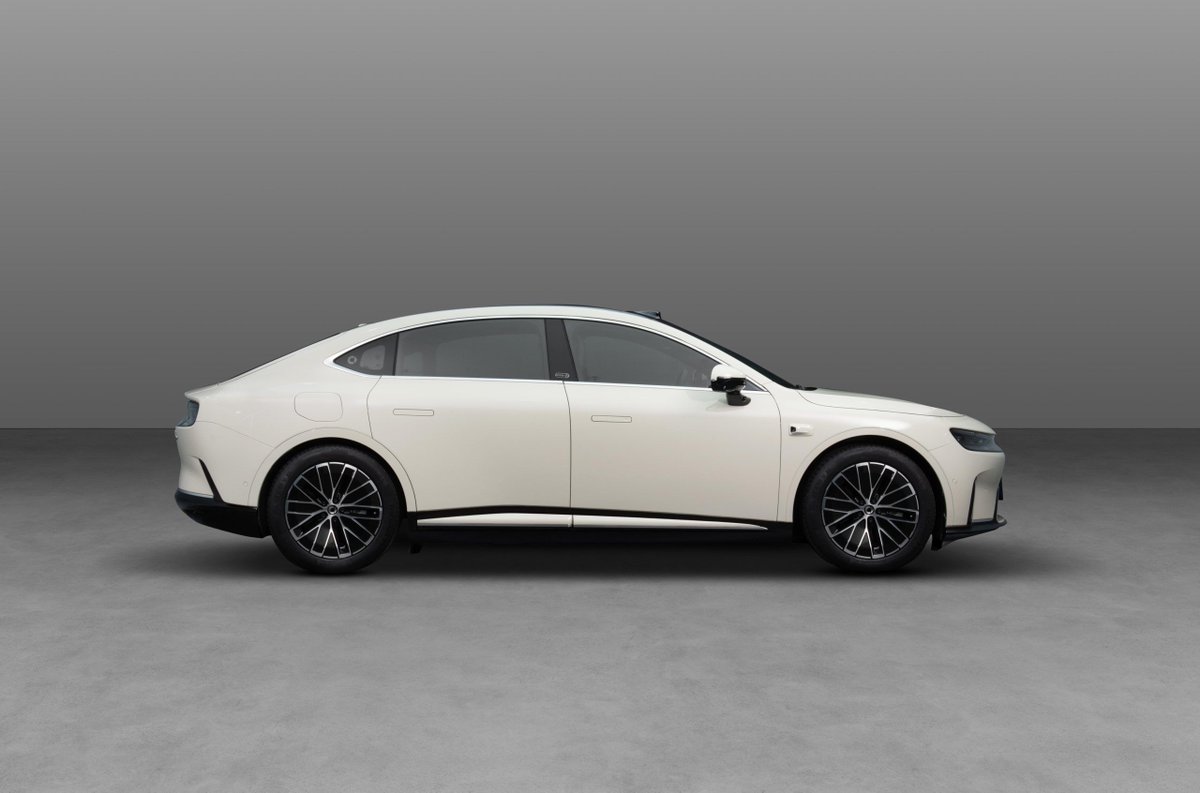
Smart #6 EHD Hybrid Sedan Debuts: A Stylish, High-Tech Family Hauler with 1810km Range
#evtechnology #hybridsedan #newcarlaunch #smart
chinapev.com/?p=28605
18

Jun 12
Bosch brings its 3rd-gen Silicon Carbide (SiC) chips to India, offering ~20% higher performance for EVs with improved efficiency, longer range, better battery utilisation, and lower ownership costs.
𝐑𝐞𝐚𝐝 𝐌𝐨𝐫𝐞: evtechnews.in/bosch-brings-t…
#Bosch #EVTechnology
23

Jun 11
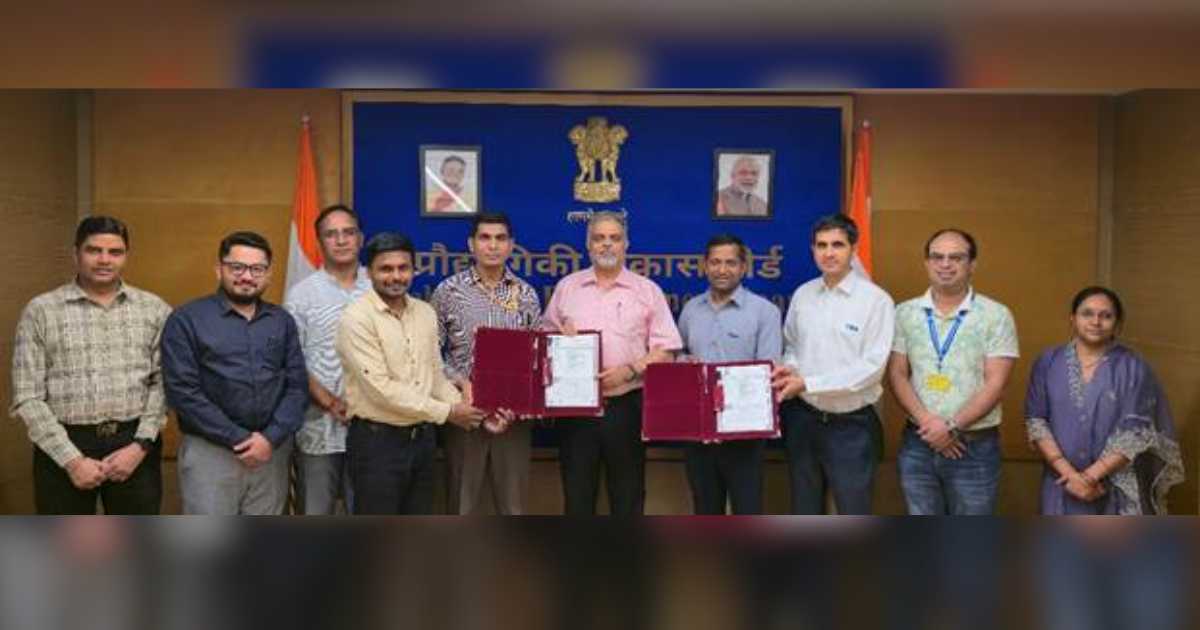
TDB has supported TIEA Connectors Pvt. Ltd. to commercialise indigenous connector technology for aerospace, defence, space and EV applications, strengthening India’s advanced manufacturing and self-reliance goals.
#TDB #AatmanirbharBharat #EVTechnology
newsage.in/tdb-support-indig…
19

Jun 11
New journey begins! 🚀
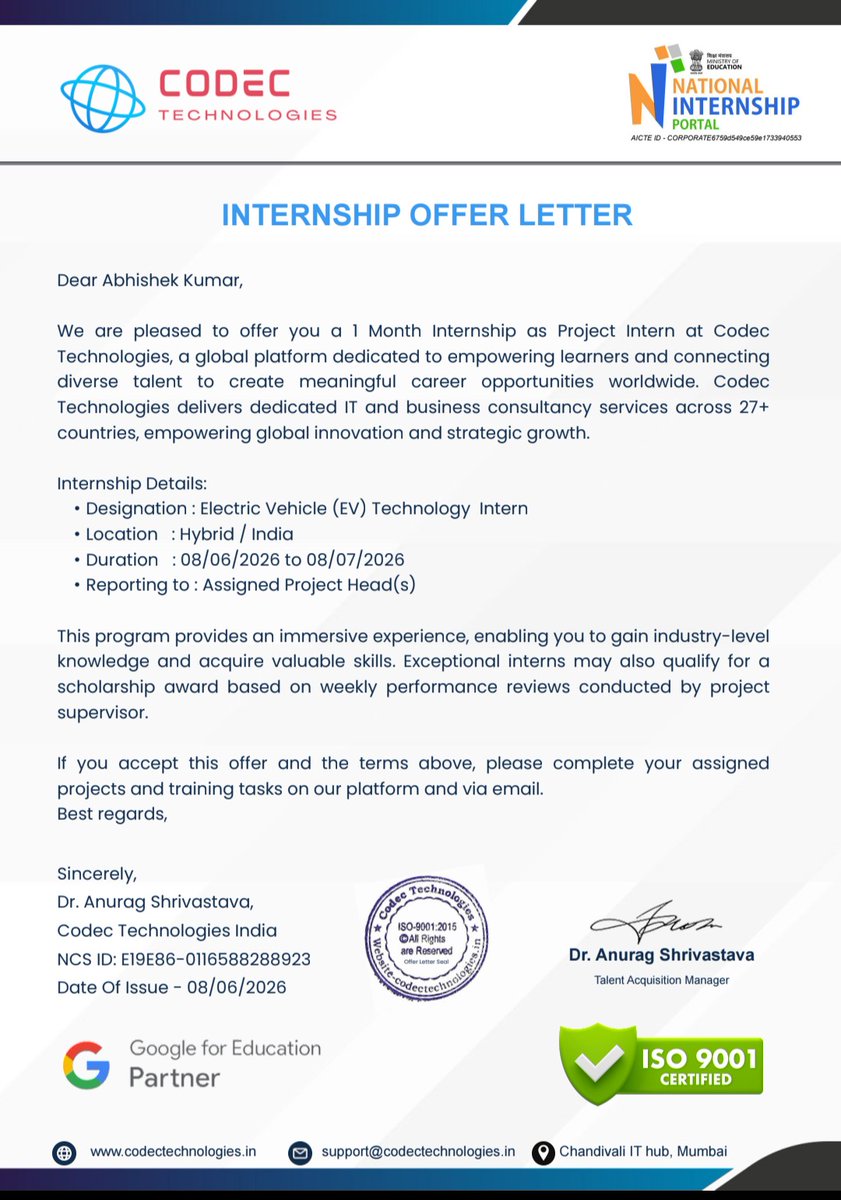
Happy to share that I've joined Codec Technologies as an EV Technology Intern. Excited to learn, grow, and contribute in the rapidly evolving Electric Vehicle industry. ⚡🚗
#EVTechnology #Internship #Tech #Engineering #Learning
9

Jun 10
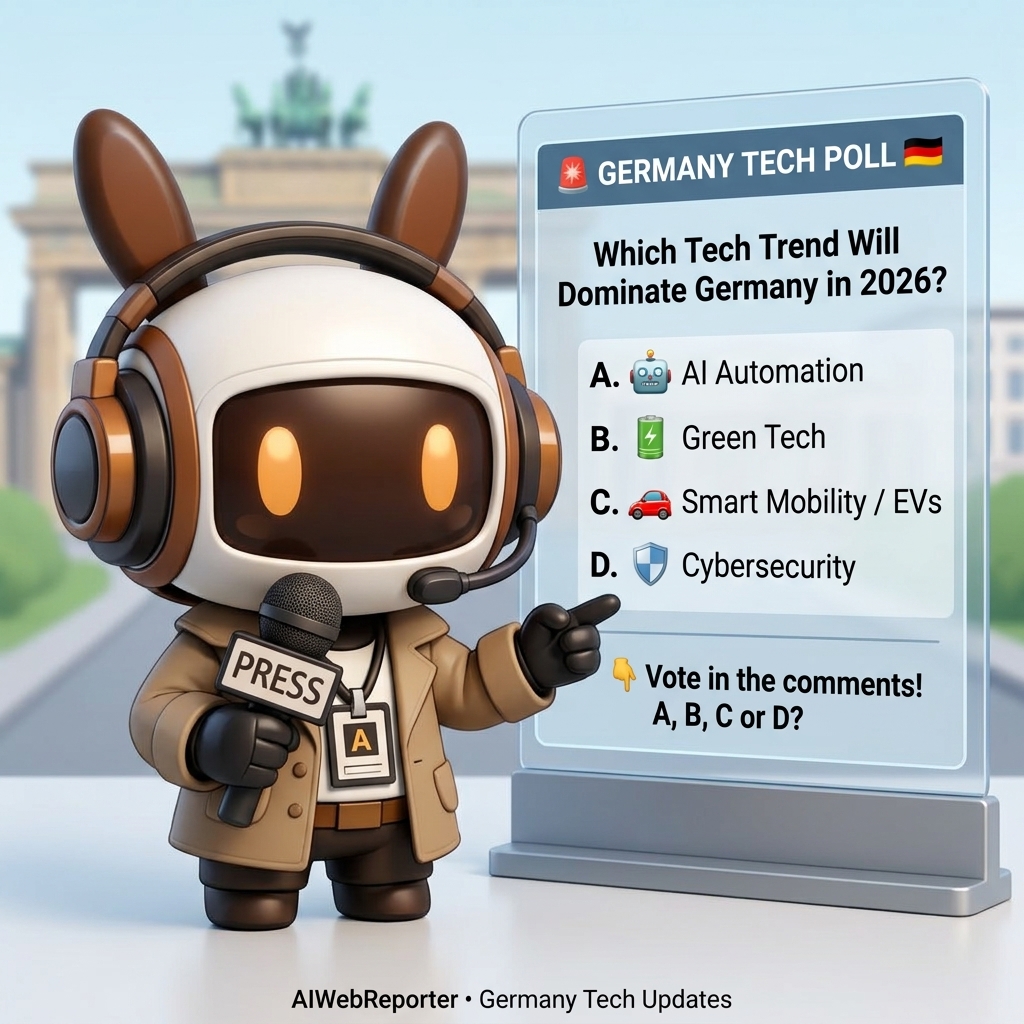
🇩🇪 Germany is shaping the future of technology faster than ever.
🤖 AI Automation
🔋 Green Tech
🚗 Smart Mobility / EVs
🛡️ Cybersecurity
Drop your vote in the comments 👇
#GermanyTech #AITech #AIAutomation #TechNews #CyberSecurity #GreenTech #EVTechnology #AIWebReporter
10
Jun 10
BYD Eyes Formula 1 Entry: Executive VP Stella Li Holds High-Level Talks with FIA and F1 Leadership
#byd #evtechnology #fia #formula1 #motorsport
chinapev.com/?p=28527

1
112

@TeamNexperia launches 1200V SiC MOSFETs in QDPAK packaging, enabling higher power density, better thermal performance, and improved efficiency.
#Nexperia #SiCMOSFET #PowerElectronics #Semiconductors #EVTechnology #WideBandgap #ElectronicsEngineering
electronicsmedia.info/2026/0…
139

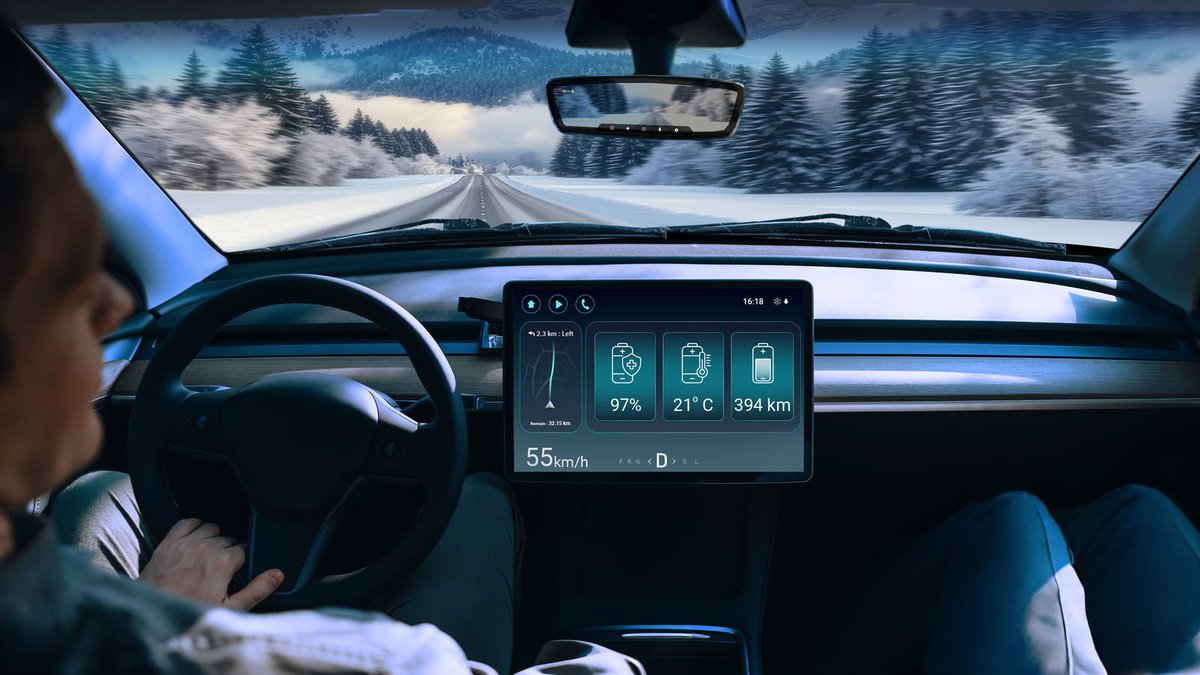
#TI advances #BatteryMonitoring with integrated EIS technology designed to improve battery safety, efficiency and performance.
Read more: webnewsaddiction.com/ti-brin…
#EnergyStorage #EVTechnology
12
Jun 8
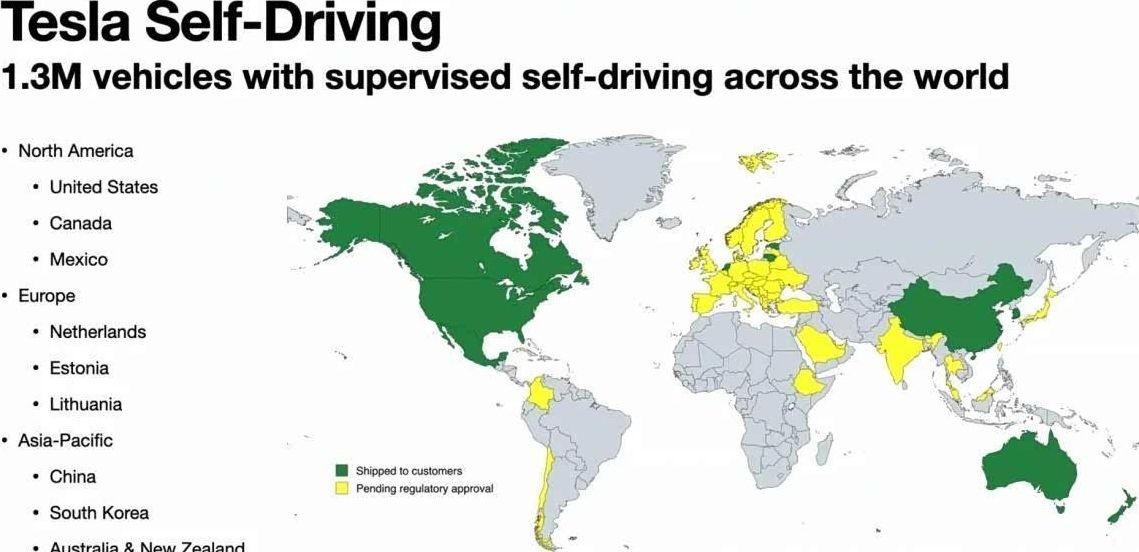
Tesla Unveils Global FSD Expansion Roadmap: China Approval Confirmed for Wider Rollout
#autonomousdriving #evtechnology #fsd #globalexpansion #tesla
chinapev.com/?p=28495
52

छात्रों ने मात्र 1 लाख में बना दिया आधुनिक इलेक्ट्रिक वाहन 'पुष्पक'
#PushpakEV #GGTU #ElectricVehicle #StudentInnovation #GreenEnergy #AtmanirbharBharat #EVTechnology #Engineering #Innovation #Banswara
1
2
105

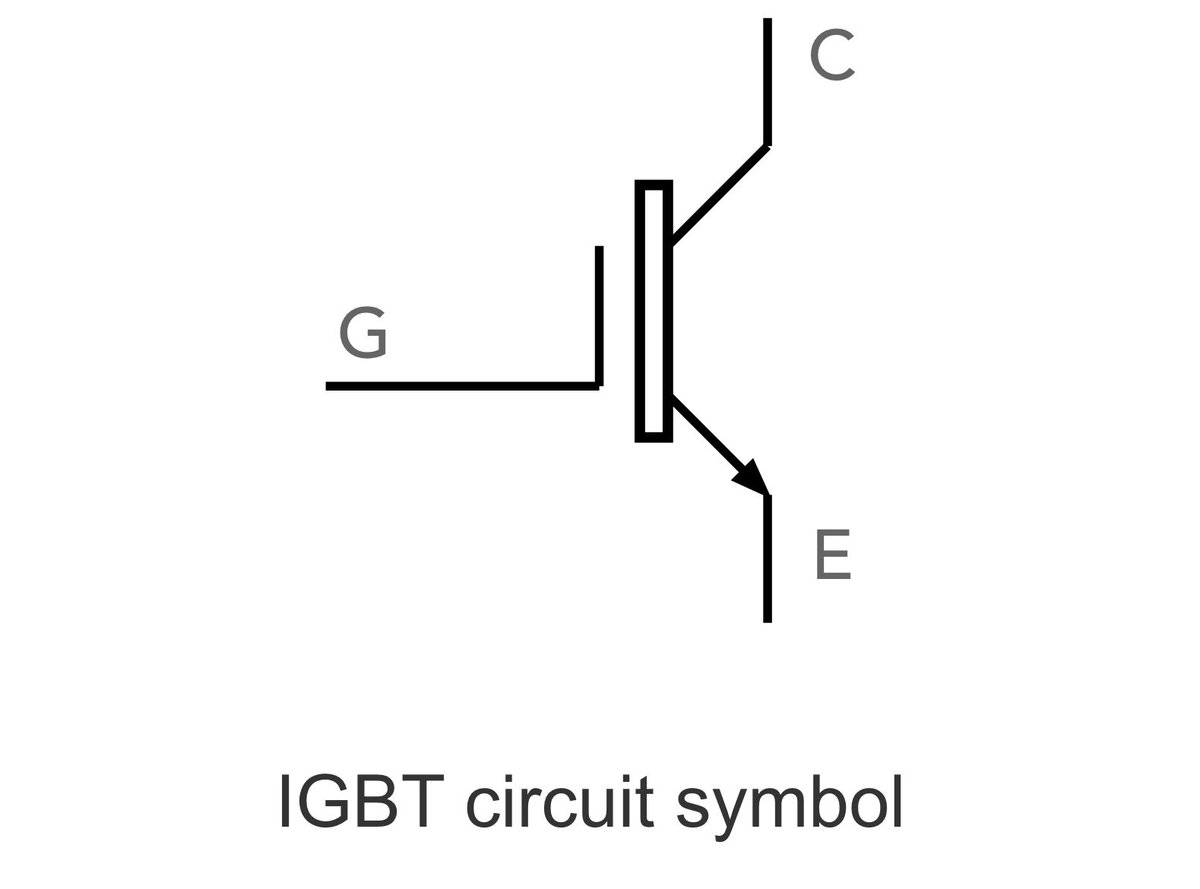
What is an IGBT & why is it an Electronics Powerhouse
Have you ever wondered how we efficiently manage high power in everything from electric vehicles to renewable energy systems? The IGBT (Insulated Gate Bipolar Transistor) is one solution.
As electronics engineers, we often face a trade-off between the fast switching of MOSFETs and the high-voltage capability of BJTs.
The IGBT was designed to solve this exact dilemma by merging the best features of both technologies into a single semiconductor device.
Key Highlights of the IGBT:
🔹 Hybrid Performance: It features the high input impedance and fast switching of a MOSFET, combined with the low saturation voltage and high current handling of a Bipolar Transistor.
🔹 Voltage Controlled: Like a MOSFET, it’s easy to drive—requiring only a small voltage at the gate to switch high current levels.
🔹 Efficiency: With a very low ON-resistance, it minimizes power dissipation, making it ideal for high-power applications.
Where do we see them in action?
• Motor Control & Traction: Powering the drive systems in EVs and trains.
• Renewable Energy: Converting DC power from solar panels into AC for the grid.
• SMPS & Inverters: Providing the heart of efficient power supplies and industrial inverters.
• Inductive Loads: Handling the heavy lifting in industrial machinery.
While they may not be as fast as pure MOSFETs at lower power, their ability to handle thousands of volts and hundreds of amps makes them indispensable in the push for a more electrified and sustainable future.
Check out the full breakdown of how they work, their physical structure, and the difference between PT and NPT types - use the link in the comments.
#PowerElectronics #Engineering #Semiconductors #IGBT #ElectricalEngineering #RenewableEnergy #EVTechnology #ElectronicsNotes
3
13
68
1,999

May 30
What role does battery innovation and R&D play in the EV strategy of Lucky Motor Corporation?
Watch the full video to get the complete breakdown.
#GACPakistan #GACMotor #LuckyMotor #EVTechnology #BatteryInnovation #ElectricCars #AutoTalk #CarPodcast #EVMarket #PakistanAuto
3
6
562

May 29
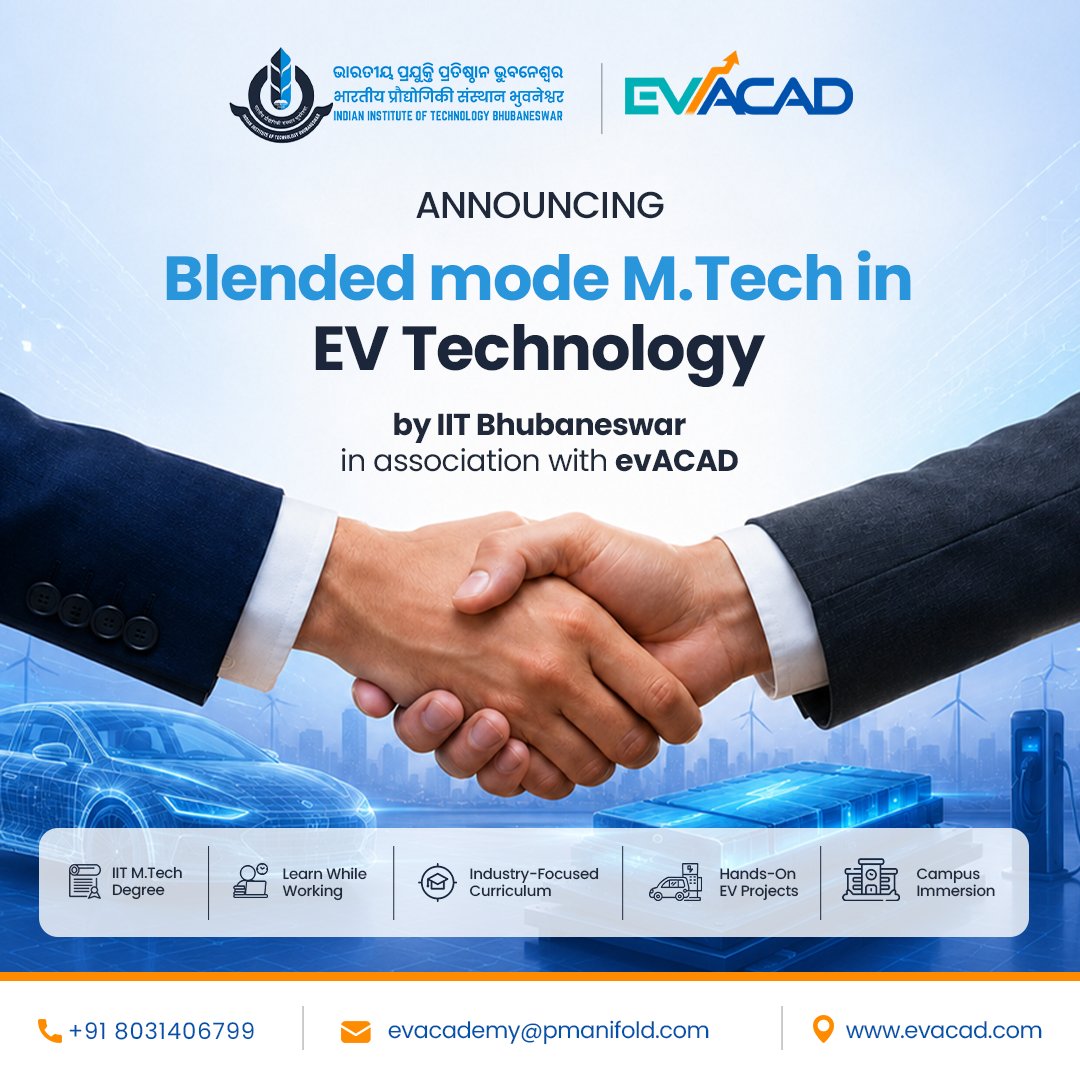
⚡ Powering the Future of Mobility: IIT Bhubaneswar Launches Blended M.Tech in EV Technology
IIT Bhubaneswar, in association with evACAD, has launched a Blended Mode M.Tech Programme in Electric Vehicle (EV) Technology designed exclusively for working professionals.
🔹 Flexible blended learning model
🔹 Weekend live online classes
🔹 Hands-on projects & industry case studies
🔹 Campus immersion at IIT Bhubaneswar
🔹 No GATE requirement
Advance your expertise in EV systems, battery technology, charging infrastructure, and vehicle integration while continuing your professional journey.
📅 Programme starts: 24 July 2026
📌 Applications are now open!
For details, check: iitbbs.ac.in/wp-content/uplo…
#IITBhubaneswar #ElectricVehicleTechnology #EVTechnology #MTech #WorkingProfessionals #FutureMobility #SustainableTransportation #ElectricVehicles #HigherEducation #LifelongLearning
1
11
446

MercuryFleet.com combines speed, intelligence, and operational scale into one powerful brand.
A high-value digital asset positioned for the future of intelligent transportation and logistics.
Available for acquisition.
#MercuryFleet #FleetManagement #LogisticsTech #MobilityTech #Transportation #SupplyChain #SmartLogistics #FleetTech #EVTechnology #AutonomousVehicles #AIInfrastructure #SaaS
#StartupBrand #DomainForSale #PremiumDomain #Domain #BrandableDomain #TechStartup #FutureMobility #Domains #DigitalInfrastructure #DomainInvestor #DomainName

3
63





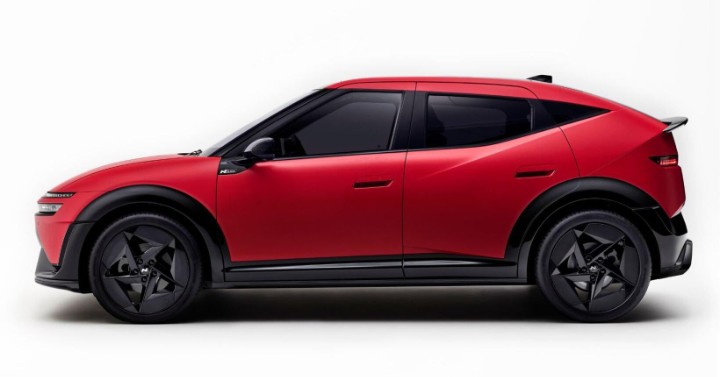
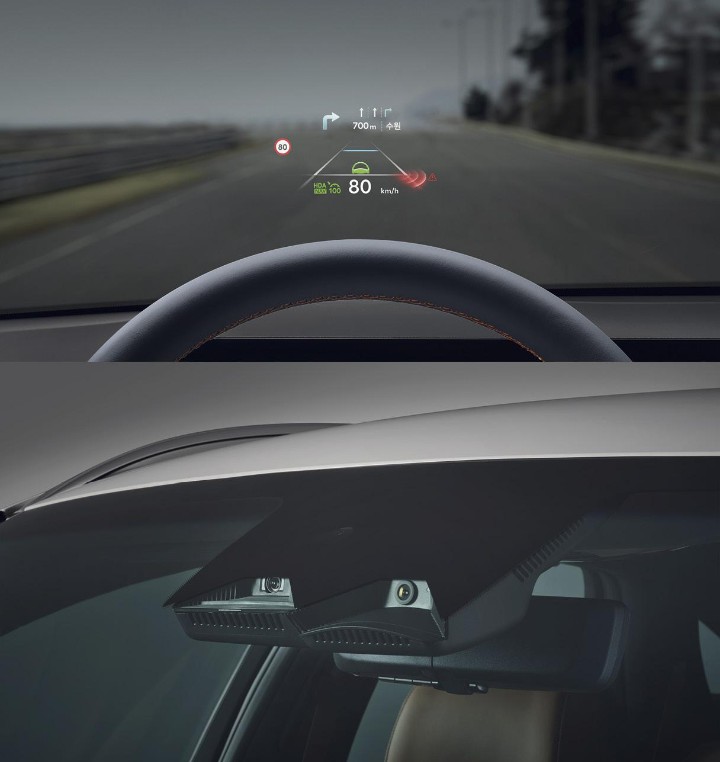
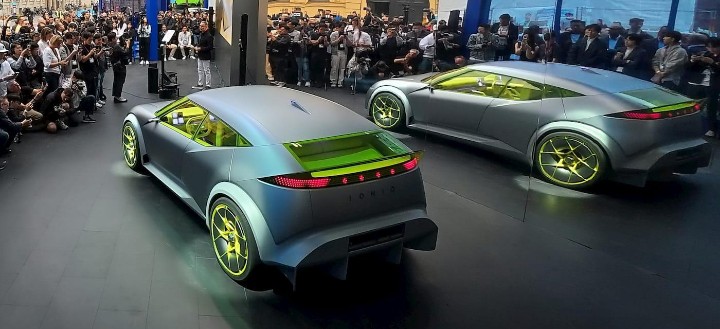
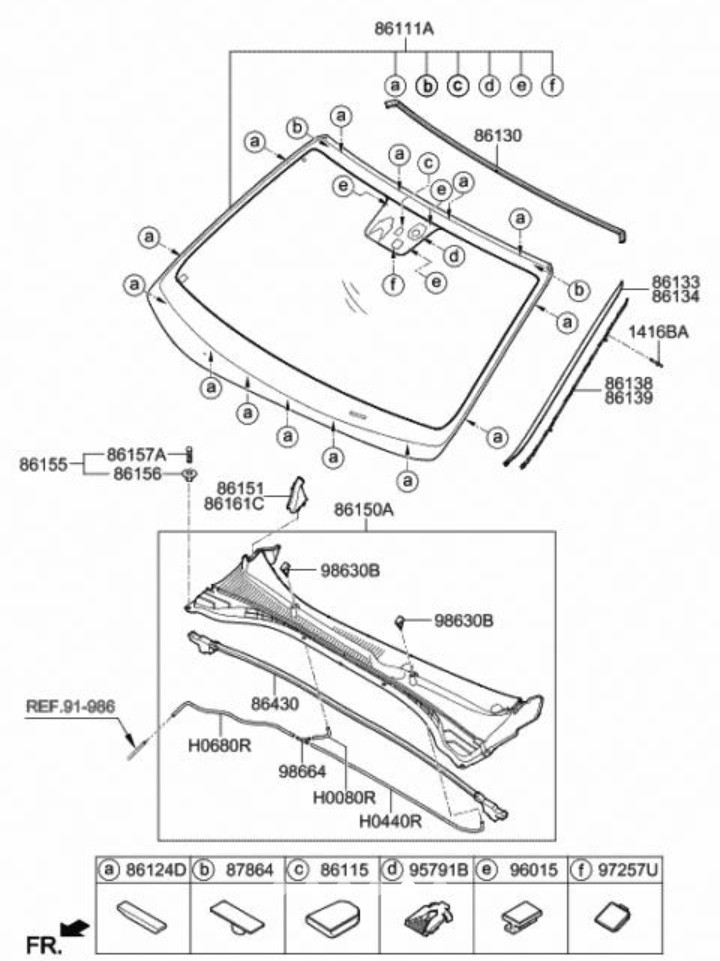
As a professional automobile windscreen technician, the 2026 Hyundai Ioniq 3 windshield is a laminated acoustic glass built for EV efficiency, quieter driving, and full ADAS/HUD integration.The windshield is between $500 – $2,500 depending on sensors and calibration.
#HyundaiIoniq3 #AutoGlass #WindscreenTech #ADAS #EVTechnology #WindshieldReplacement #CarCare #VehicleSafety #ElectricVehicles #DriveSafe
1
2
4
113

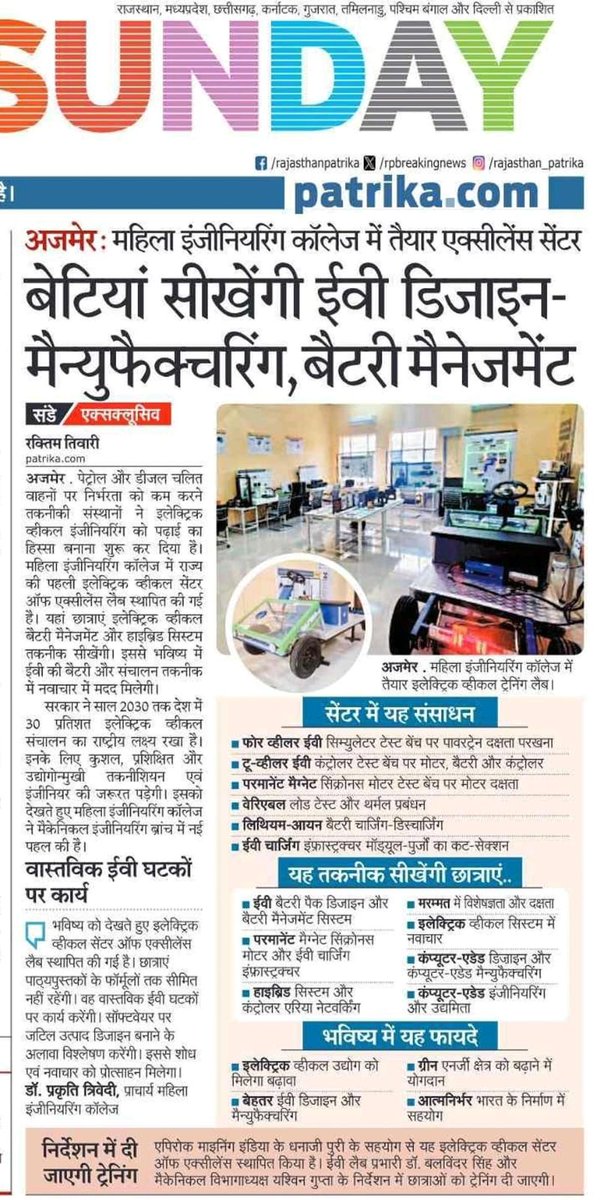
अजमेर : महिला इंजीनियरिंग कॉलेज में तैयार एक्सीलेंस सेंटर
बेटियाँ सीखेंगी ईवी डिजाइन–मैन्युफैक्चरिंग, बैटरी मैनेजमेंट।
छात्राओं को ईवी तकनीक एवं आधुनिक कौशल की व्यावहारिक ट्रेनिंग दी जाएगी।
#GWECA #EVTechnology #WomenInEngineering #Innovation #Ajmer
1
27

May 10
Solid-State Batteries Hit Manufacturing Scale: EV Inflection
#SolidStateBatteries #EVInflection #BatteryManufacturing #EVTechnology #EnergyStorage #FutureOfMobility #CleanTechScale #AdvancedMaterials #SustainableElectrification #BatteryRevolution

13
563