
Jun 12
Peuple palestinien créé exnihilo au milieu des années 60 (confirmé par Arafat dispo sur YT) et héritier d'Al Husseini (ami d'Hitler) qui projetait d'appliquer la solution finale au PO et MO.
La charte du Hamas qui appelle à la disparition de TOUS les juifs en est la confirmation.
2
550

1. Yes, He has a body of flesh and bone.
How does that square with John 4:24 — “God is spirit”?
This is the Greek:
πνεῦμα ὁ θεός, καὶ τοὺς προσκυνοῦντας αὐτὸν ἐν πνεύματι καὶ ἀληθείᾳ δεῖ προσκυνεῖν
The phrase, often translated, “God is spirit” is in bold. In Greek grammar, this is a qualitative predicate nominative, which deals with, not composition, but one's qualities.
Furthermore, a question that is begged is that “spirit” is immaterial. However, many early Christians believed that “spirit” was material (e.g., Origen, On First Principles, Preface 9 and Tertullian, Against Praxaes, 7), something consistent with LDS theology (D&C 131:7).
This verse is taking about God's accessibility not His composition.
2. If you read the entire King Follett Discourse, then you would know the Father received a body in the same way as the Son, yet we and you still think the Son is Divine before and after receiving His body. How does that fit Isaiah 43:10 — “Before me no god was formed, nor shall there be any after me”?
That is Isaiah writing about God in a similar way that other nations would talk about their gods. It is a statement of incomparability. This was a statement against idols not against a plurality of gods which you can find in the Old Testament, Psalms 82.
3. Joseph Smith talked about the Father having a Father, but that's really just a holy mystery. Isaiah 44:6 — “I am the first and I am the last; besides me there is no God”?
Isaiah’s repeated statements (“beside me there is no God,” etc.) assert Yahweh’s absolute supremacy and exclusive claim to Israel’s worship among other real divine beings in a heavenly council (Psalms 82, Job 1, Jer. 23:18, Deut. 32:8-9), rather than denying the existence of any other gods or the possibility of human exaltation.
4. Not only did they exist, but we all existed as Spirit children of Heavenly Father. Jesus Christ created the earth under the direction of Heavenly Father. In your theology, God created Satan exnihilo having a full knowledge that Satan would rebel against Him and receive eternal torment.
5. No. The idea of creatio exnihilo didn't come about until the late second century AD. Genesis 1:1, this is an introductory clause and many Bible scholars agree it should read , When Good began to create the heaven and the earth. Hebrews 11:3 κατηρτισθαι means to fashion or to order. (Benjamin Rojas Yauri, Hebrews’ Cosmogonic Presuppositions: Its First-Century Philosophical Context).
6. John says that we can become the sons of God. John 1:12, 1 John 1:1-2. I've already answered the Isaiah 44 issue, but even Paul in Acts 19:29 says we are the same race, genos, as God. Peter says we can partake in the divine nature. Paul focuses on deification immensely in his writings:
Romans 8:17 — Co-heirs who co-suffer and co-glorify with Christ (kinship and shared rule).
Romans 8:32 — Heirs of "all things" (cosmic rule/power).
1 Corinthians 6:2–3 — Saints judging the world and angels (eschatological lordship/rule).
Galatians 2:19–20 — "Christ lives in me" and co-crucifixion (union/identification).
Romans 6:1–11 — Dying and rising with Christ (participation in his acts).
Other supporting texts: Rom 8:15–16 (sonship), 1 Cor 15:22, 49 (as above), 2 Cor 4:16–17, Phil 2:6–11 (Christ's divine status), etc.
7. Yes, this is most plain in that there were no more 12 Apostles after John leaves and how none of the Creedal churches can produce new scripture.
Matt 16:18 is talking about the ekklesia, which would be understood my Jews as the assembly or gathering of people. Christ has the keys of death and hell. This
8. The Bible isn't infallible, but it is reliable, especially depending on the strength of the translation. 2 Timothy 3:16 is basically saying Scripture is given by inspiration, this applies to the Book of Mormon.
9. Faith is a verb in koine Greek. How can you have faith without action?
10. Did Christ gain a body?
8
6
86
1,268

May 31
Your enemies hunt by sight. Don't let them catch you... or you lose a Cycle. 👁️
Brushing up the "Squint & Shut" mechanics in my upcoming sci-fi horror game, Ex Nihilo. The Sentry mimics your eye movement, giving you a tight window to escape.
#ExNihilo #IndieDev #HorrorGames #UE5
1
2
7
410

May 28
✨ THE ART OF QUIET LUXURY — FOUR FRAGRANCES THAT FEEL LIKE EMOTIONS 🌼🖤
These are not fragrances made to dominate a room.
These are fragrances that slowly become part of your identity.
Soft. Expensive. Addictive. Emotional.
The kind of scents people remember hours later without knowing why.
This is luxury for people who understand elegance beyond noise. ✨
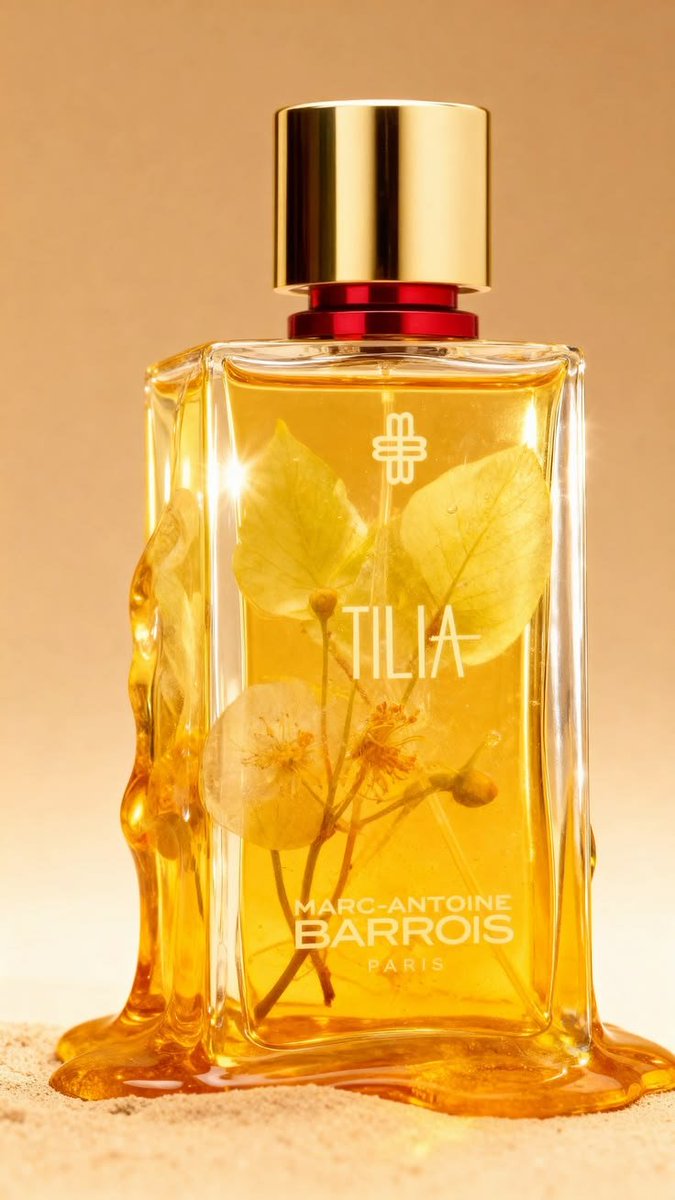
🌼 MARC-ANTOINE BARROIS — TILIA
“Golden Sunlight Passing Through White Curtains.” ☀️🍯
TILIA feels like happiness captured inside glass. Warm golden florals floating through clean air. The scent opens with the softness of blooming linden flowers touched by sunlight, wrapped in airy sweetness and delicate musk.
There’s something deeply emotional about it — almost nostalgic. Like walking through a quiet European garden during late afternoon while sunlight reflects on warm skin. It smells natural yet impossibly refined.
The floral sweetness never becomes heavy. Instead, it glows around the body like golden light. Soft honey nuances, creamy pollen textures, and clean musks create an aura that feels pure, comforting, and luxurious at the same time.
🌼 Notes:
Linden Blossom
Jasmine Sambac
Honeyed Floral Nuances 🍯
Soft Musk 🤍
Radiant Woods ✨
🚀 Performance:
Elegant radiant projection
Smooth glowing scent trail
7–9 hours longevity
Exceptional in spring/summer
TILIA is not seductive in an aggressive way.
It seduces emotionally. Quietly. Beautifully.
#Tilia #MarcAntoineBarrois #QuietLuxury #LuxuryPerfume #FloralPerfume #NichePerfume
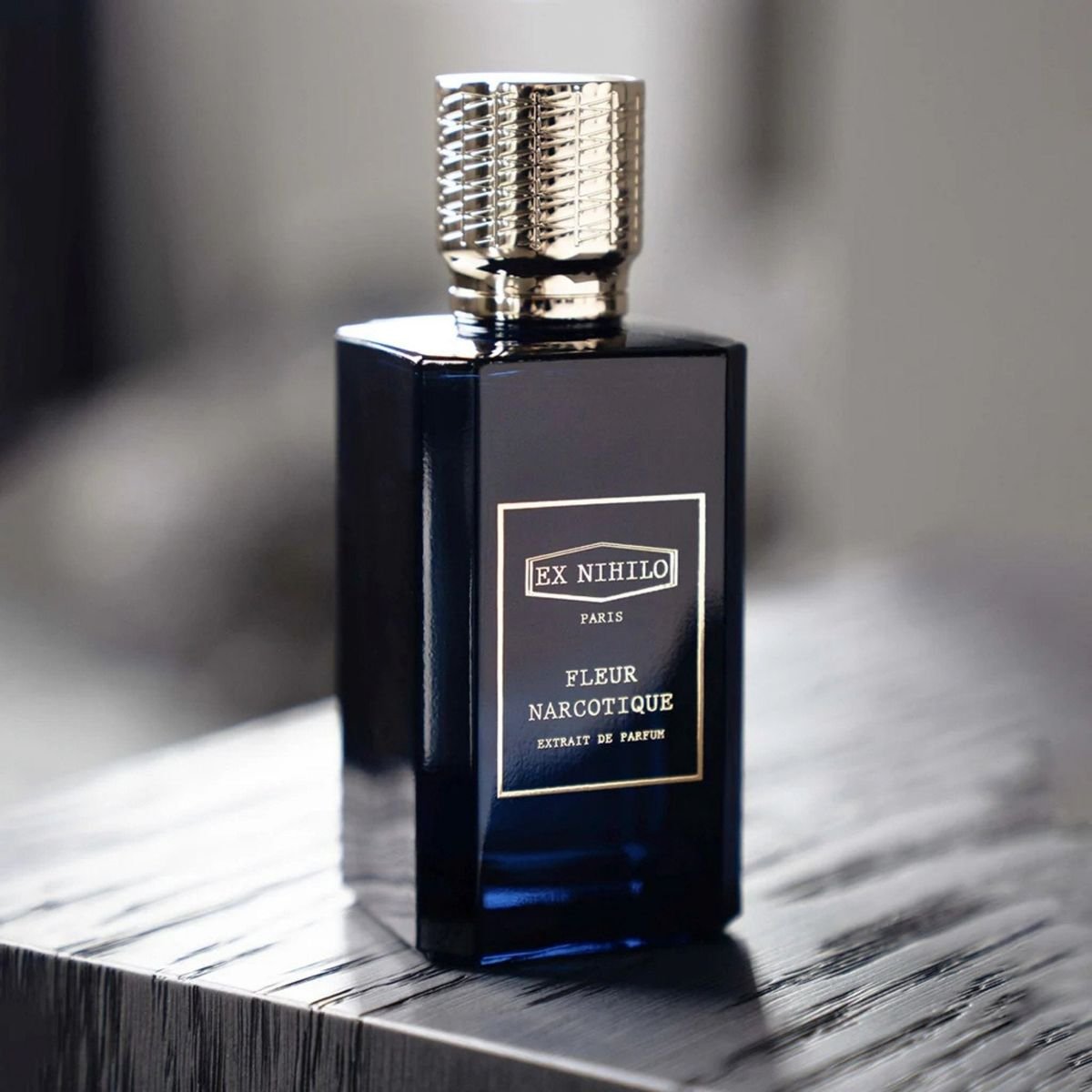
🖤 EX NIHILO — FLEUR NARCOTIQUE EXTRAIT
“The Smell Of Parisian Seduction.” 🌸🥂
Fleur Narcotique Extrait smells like luxury skin after an expensive night in Paris. Elegant flowers wrapped in sensual musks with a polished richness that feels magnetic from the first spray.
The lychee opening is sparkling, juicy, and luminous — immediately creating a feeling of sophistication. Then the florals bloom slowly: peony, jasmine, and soft rose petals floating through creamy musk clouds.
Everything feels smooth. Seamless. Expensive.
This fragrance does not scream for compliments — yet compliments happen automatically because the scent trail feels intimate and addictive.
The extrait concentration adds more depth and sensuality than the original. The musk lingers beautifully on fabric and skin for hours like a memory people cannot forget.
🌸 Notes:
Lychee 🍓
Bergamot 🍋
Peony
Jasmine 🌼
Rose Petals 🌹
White Musk 🤍
Woods ✨
🚀 Performance:
Strong elegant projection
Luxury airy sillage
10–12 hours longevity
Extremely addictive in air-conditioning
This smells like:
✔ luxury hotels
✔ silk clothing
✔ expensive skincare
✔ beautiful people
#FleurNarcotique #ExNihilo #ParisLuxury #FloralMusk #NichePerfume #LuxuryAura
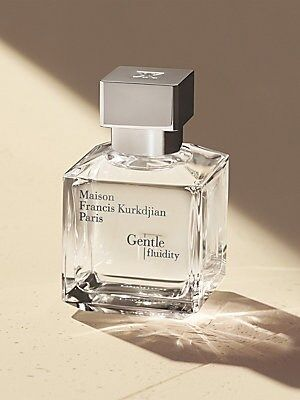
🩶 MAISON FRANCIS KURKDJIAN — GENTLE FLUIDITY SILVER
“Cold Silver Elegance In Motion.” ❄️⚡
Gentle Fluidity Silver feels like wearing a perfectly tailored silver-grey suit in winter sunlight. Crisp, clean, metallic freshness blended with smooth musks and woods. Modern sophistication at its highest level.
The opening is sharp and sparkling with juniper berries creating a gin-like freshness that immediately feels luxurious and intelligent. Nutmeg and coriander add cool aromatic spice while soft musks keep the entire composition smooth and skin-like.
This fragrance feels extremely clean — but not shower-gel clean. It smells polished, controlled, and elite. Like someone who speaks softly but commands attention naturally.
What makes it special is balance. Freshness without harshness. Elegance without heaviness. Masculine without aggression.
🩶 Notes:
Juniper Berries 🌿
Nutmeg ✨
Coriander
Musk 🤍
Amber Woods 🌲
🚀 Performance:
Bright energetic opening
Sophisticated projection
8–10 hours longevity
Perfect year-round signature scent
This is “old money freshness.”
Minimalistic luxury with perfect control.
#GentleFluiditySilver #MFK #MaisonFrancisKurkdjian #LuxuryFresh #SilverAura #SignatureScent
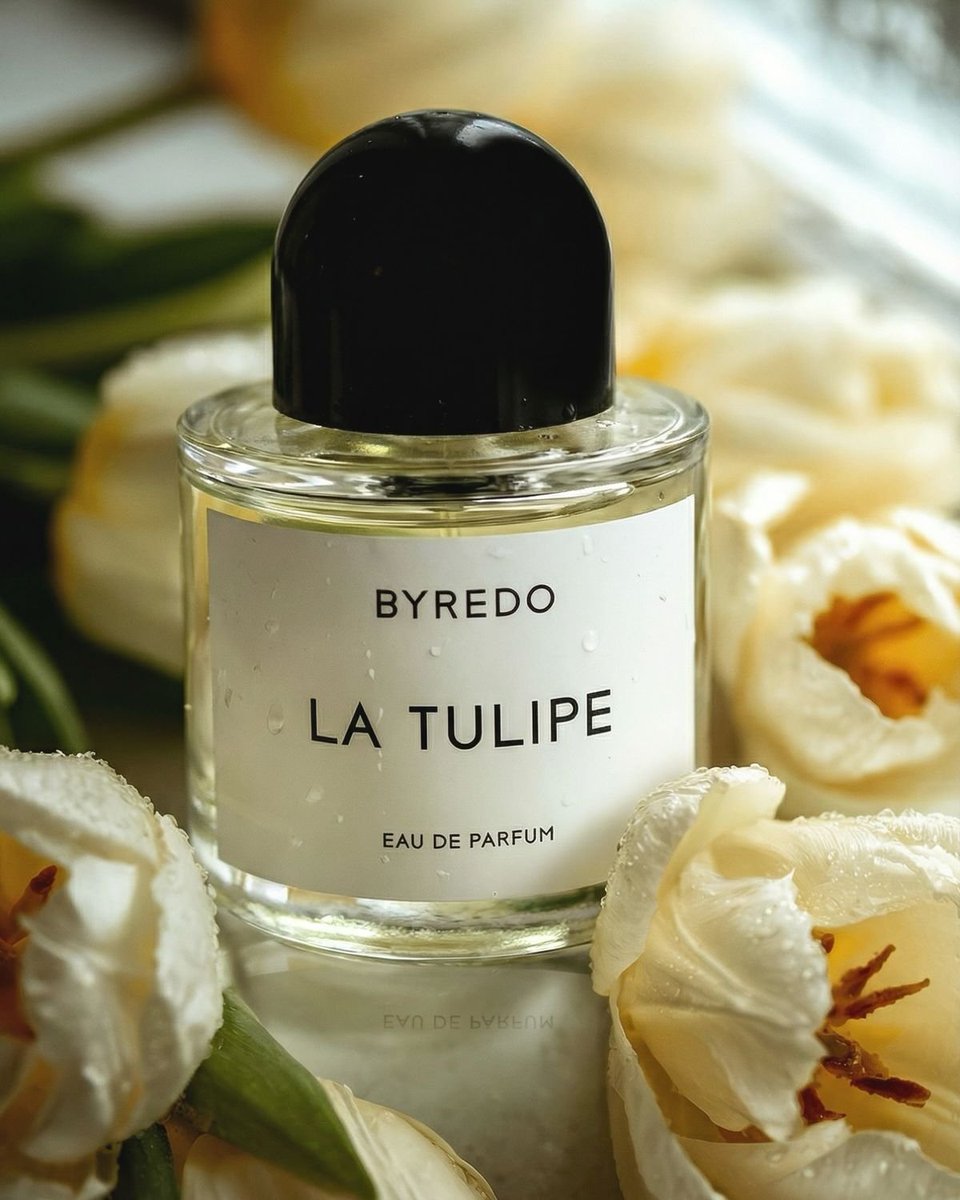
🌷 BYREDO — LA TULIPE
“Fresh Tulips After Morning Rain.” 🌧️🤍
La Tulipe smells like fresh white flowers covered in water droplets during early spring morning. Transparent, delicate, green, and beautifully clean.
This is floral minimalism done perfectly. The tulip accord feels realistic and airy, surrounded by green stems, soft freesia, and clean musks that create the feeling of walking through a luxury flower shop after rainfall.
There’s a purity in this fragrance that feels calming to the mind. It smells effortless, soft, and incredibly elegant without trying to impress anyone.
Unlike louder florals, La Tulipe stays close to the skin in the most beautiful way. It becomes part of your natural scent — like clean luxurious skin touched by flowers and fresh air.
🌷 Notes:
Tulip Accord 🌼
Freesia
Rhubarb 🍃
Cyclamen
Vetiver 🌲
White Woods 🤍
🚀 Performance:
Airy graceful projection
Soft intimate sillage
6–8 hours longevity
Perfect daytime luxury scent
La Tulipe is not about power.
It’s about beauty, softness, and emotional elegance. ✨
#LaTulipe #Byredo #ScandinavianLuxury #FreshFlorals #CleanGirlLuxury #LuxuryPerfume
4
12
1,602

May 27
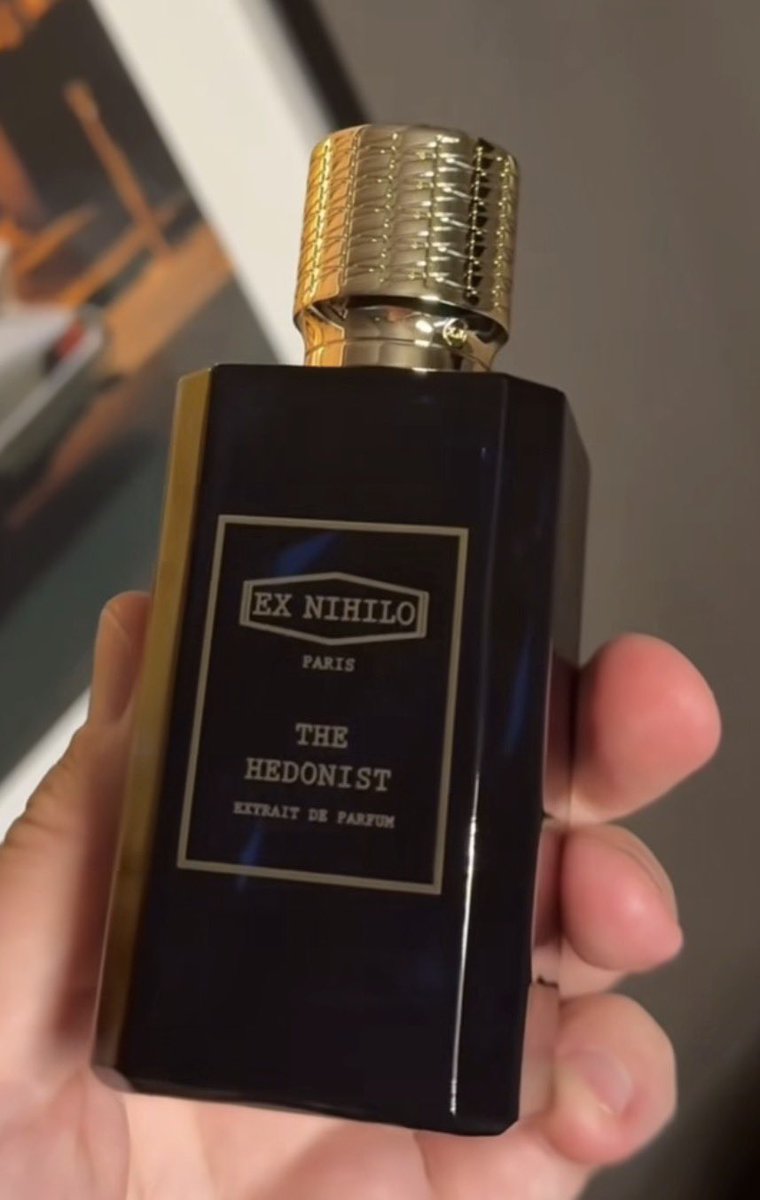
✨ لم أتوقع أبدًا إني أعجب بهذا القدر
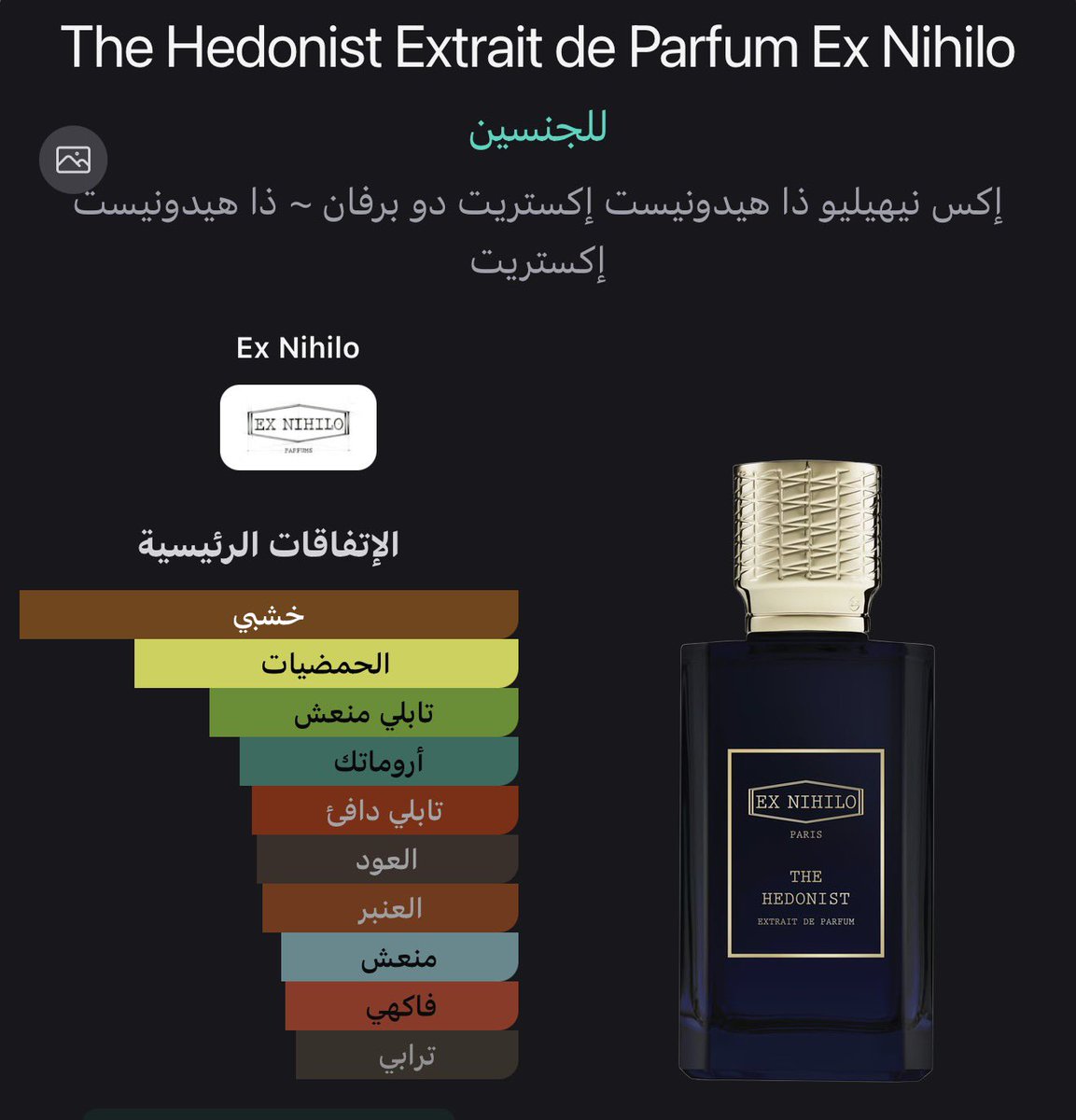
The Hedonist Extrait de Parfum - Ex Nihilo
عطر فاخر جدًا، خشبي أروماتيك للجنسين، يخطف القلوب من أول رشة.
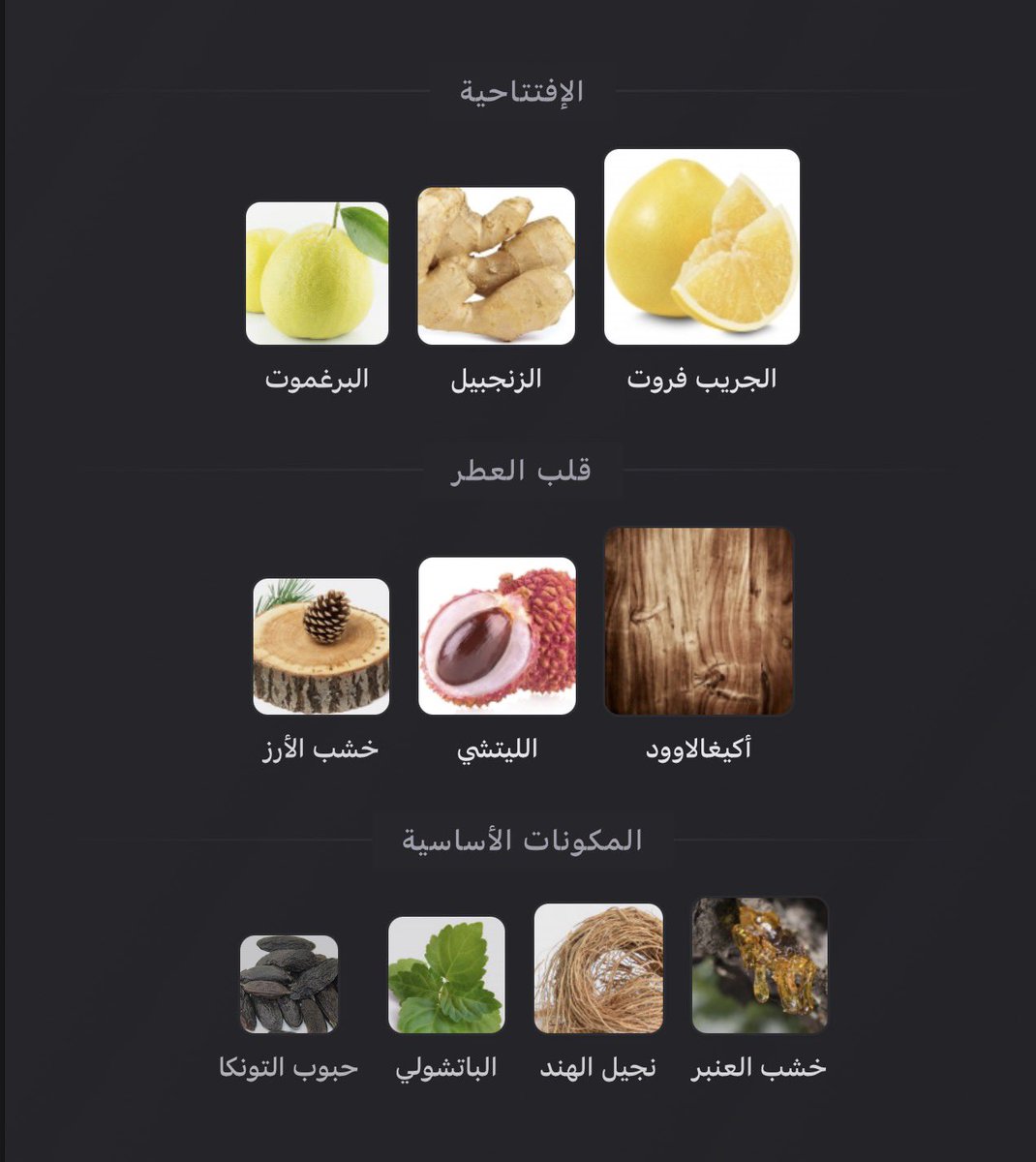
إفتتاحية منعشة: جريب فروت زنجبيل برغموت
قلب ساحر: أكيغالاود ليتشي خشب الأرز
قاعدة دافئة فاخرة: خشب العنبر باتشولي نجيل الهند حبوب التونكا
الثبات (Longevity): ممتاز جدًا،
قوي في الساعات الأولى (خاصة 4-6 ساعات الأولى)، ثم يصبح أكثر أناقة ويبقى قريبًا من الجسم (skin scent فاخر).
وطبعا الـ Extrait نسخة محسنة وأقوى من الـ EDP، أكثر عمقًا وفخامة، خاصة في نوتة اللتشي والخشبيات. معظم من جرب الاثنين يفضلون الـ Extrait.
نعم سعره مرتفع.. بس والله يستاهل كل ريال 💸
توقيع شخصي فاخر، لو مسافر خذه معك وما راح تندم.
من جربه يقول لي رأيه 👇
#ExNihilo #TheHedonist #عطور_فاخرة #عطور
#رابطة_عشاق_العطور
5
2
106
19,296
May 23
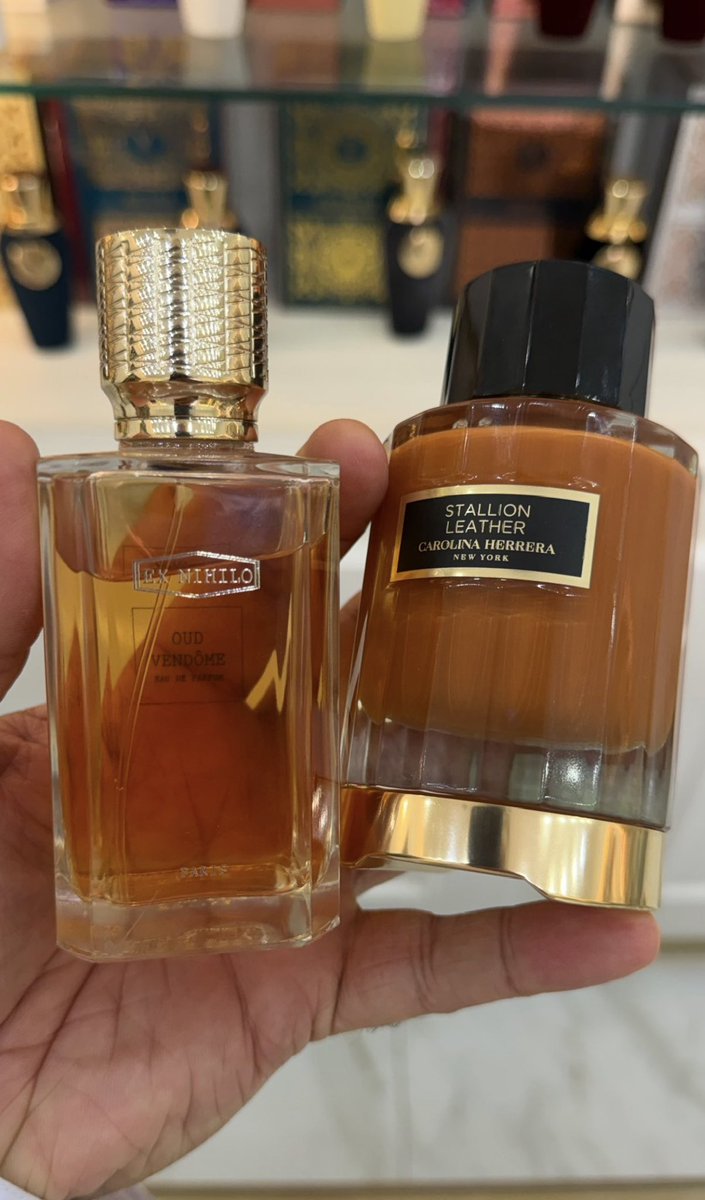
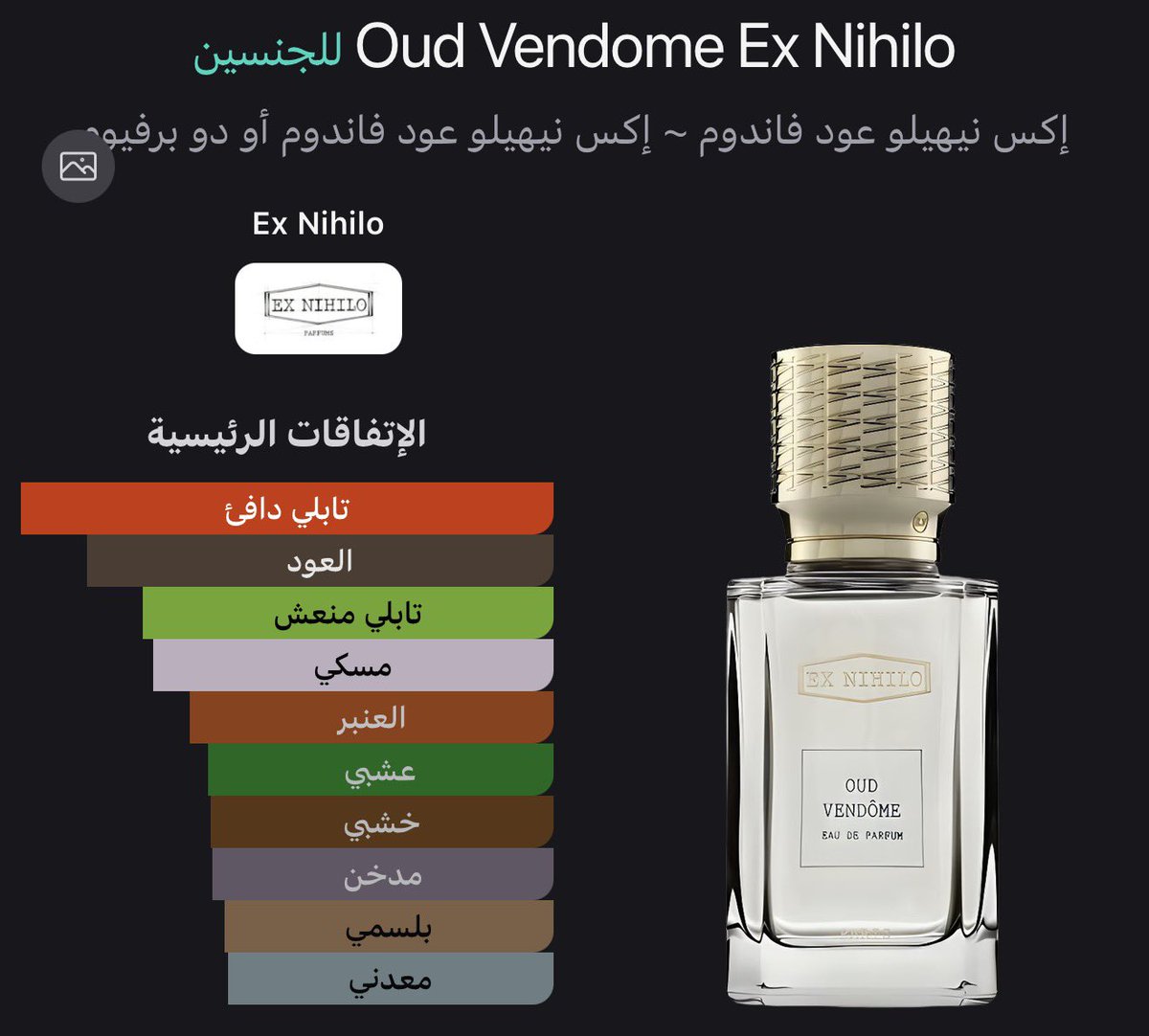
في اليسار: Ex Nihilo Oud Vendôme
عود فاخر ناعم بأسلوب فرنسي راقٍ، دافئ، خشبي، أنيق وفخم بلا مبالغة. يعطي حضور قوي وثبات ممتاز.
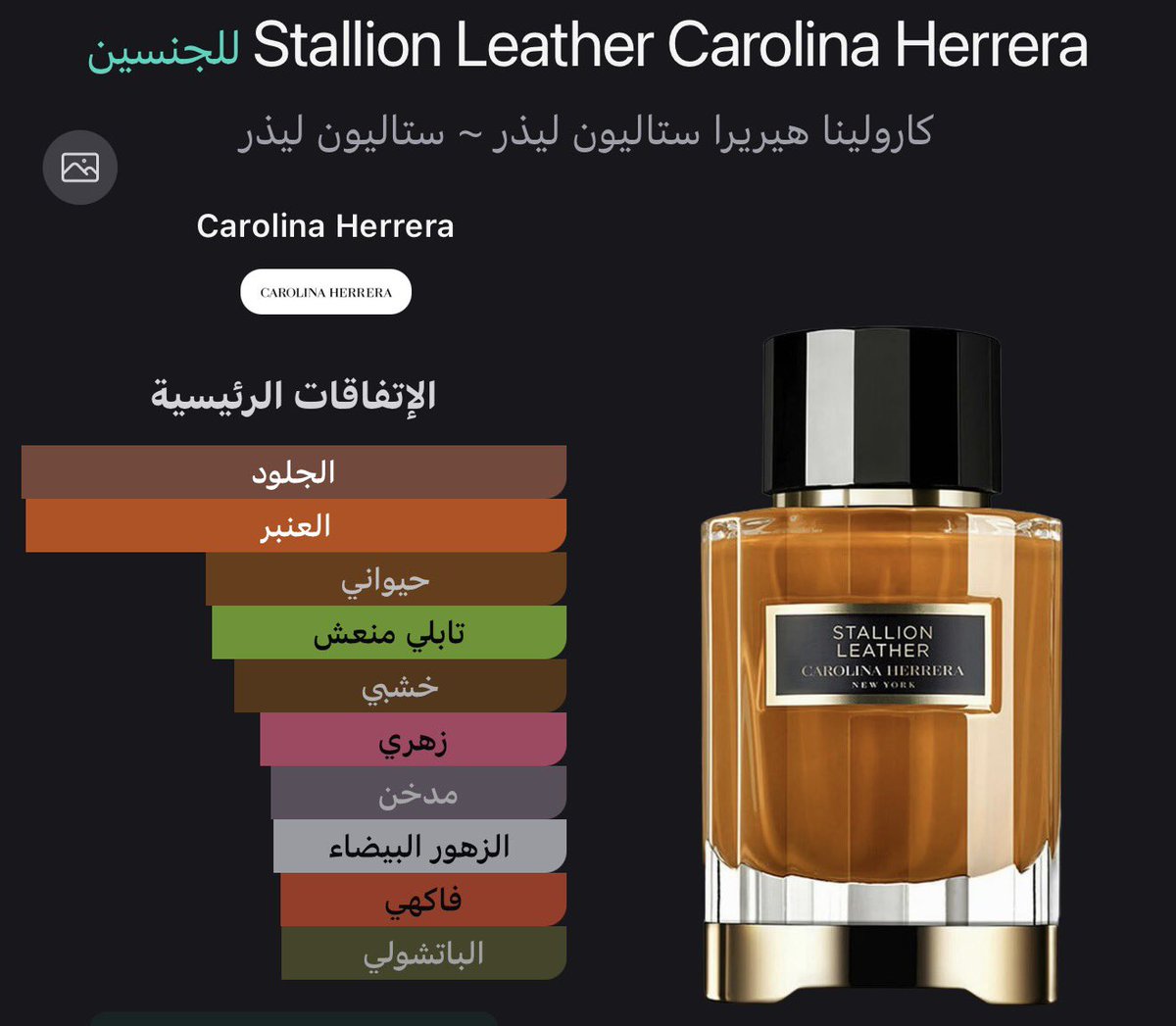
في اليمين: Carolina Herrera Stallion Leather
جلد فاخر قوي وجريء، رائحة stallion حقيقية، دافئة، ذكورية، مع طابع جلدي-خشبي عميق وجذاب.
جميل إضافتهما لمكتبتك العطرية، وربما يكونان خيارين مناسبين للعيد في الفترة المسائية والأماكن المكيفة ✨
شاركنا رأيك :
أي عطر يعجبك أكثر ولماذا؟ 👇
#عطور #عطور_رجالية #ExNihilo #CarolinaHerrera #عيد_الأضحى
#رابطة_عشاق_العطور
2
2
43
4,923

May 20
do one more, this time let's include coeternal intelligences, exnihilo creation and eternal matter, and we'll see the biggest differences.
2
250

Bu videoda Safa Kaçmaz,
Tevrat'ın Yaratılış anlatımlarının
Yeni Okuma Biçimi ile okunup yorumlanmasının önemi üzerinde durmaktadır.
Eski Mezopotamik dini literatür, gerçekte,
"Yoktan Var Etmek"den
#ExNihilo Yaratılış'tan bahsetmez
youtube.com/watch?v=tSGmAxPB…
1
3
59
May 2
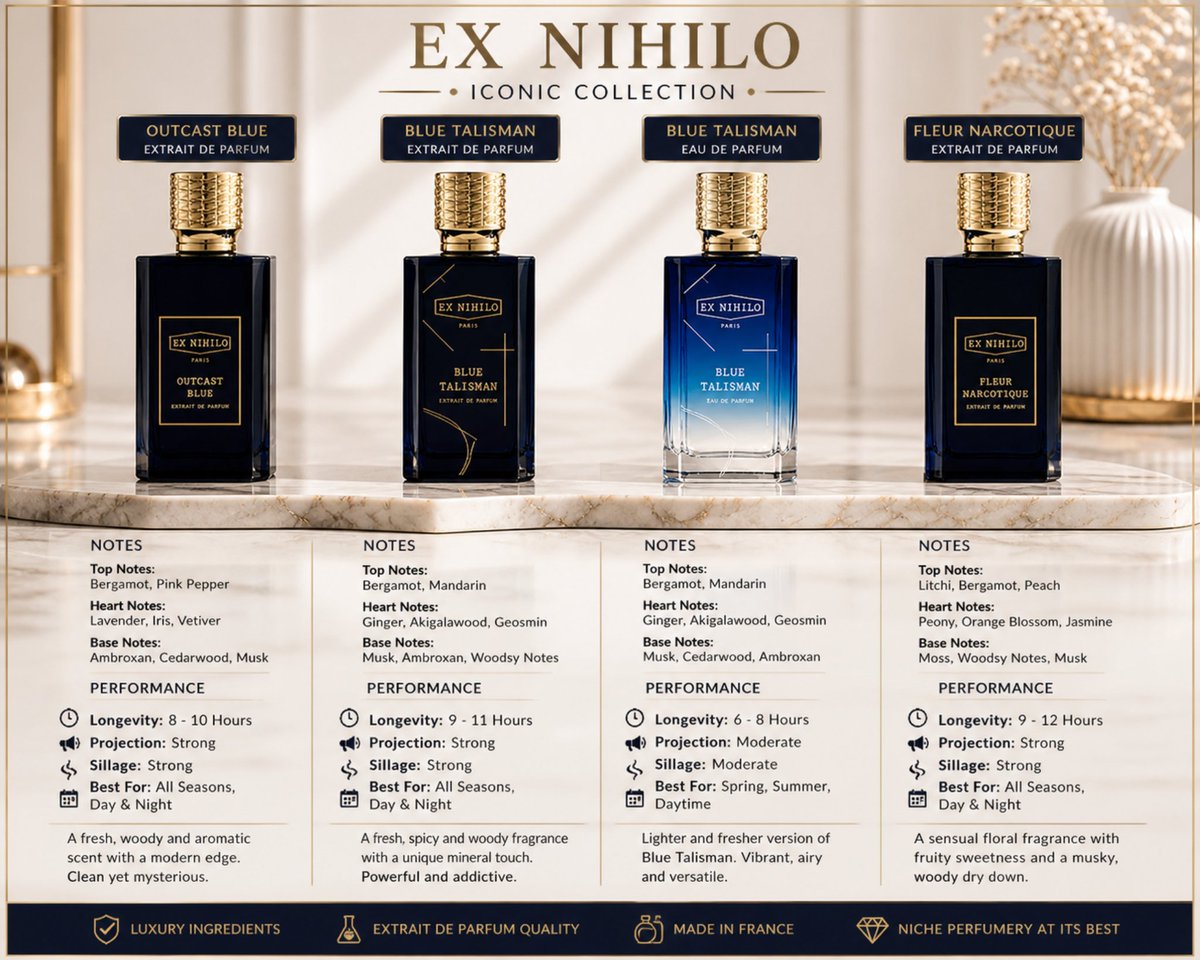
🔥 4 BOTTLES. 4 IDENTITIES. ZERO COMPROMISE.
🖤 OUTCAST BLUE (Extrait de Parfum)
Perfumer: Jordi Fernández
A rebellious take on freshness—Outcast Blue opens with a sharp citrus burst wrapped in pink pepper spice. The heart blends lavender and iris with a subtle green vetiver edge, giving it a refined yet edgy feel. As it settles, ambroxan and cedarwood create a clean, musky trail that feels modern and slightly mysterious. It’s a fragrance for those who want freshness without being predictable—confident, sharp, and quietly dominant.
🌿 Notes:
Top: Bergamot, Pink Pepper
Heart: Lavender, Iris, Vetiver
Base: Ambroxan, Cedarwood, Musk
⚖️ Performance:
Longevity: 8–10 hrs
Projection: Strong first 2–3 hrs
Sillage: Noticeable, clean trail
🔵 BLUE TALISMAN (Extrait de Parfum)
Perfumer: Jordi Fernández
Blue Talisman is a magnetic blend of citrus brightness and mineral warmth. It opens with bergamot and mandarin, instantly uplifting. The heart introduces ginger spice and Akigalawood, giving it a unique woody-mineral signature. As it dries down, ambroxan and musk create a powerful, addictive aura. This is not just fresh—it’s energetic, luxurious, and built to stand out. A perfect balance of clarity and strength.
🌿 Notes:
Top: Bergamot, Mandarin
Heart: Ginger, Akigalawood, Geosmin
Base: Musk, Ambroxan, Woody Notes
⚖️ Performance:
Longevity: 9–11 hrs
Projection: Strong
Sillage: Strong, attention-grabbing
💎 BLUE TALISMAN (Eau de Parfum)
Perfumer: Jordi Fernández
The EDP version is a lighter, more wearable interpretation of the extrait. It maintains the citrus and mineral DNA but feels more airy and versatile. The opening is crisp and clean, with bergamot and mandarin leading. The heart stays spicy-woody but softer, making it perfect for daily wear. The base is musky and smooth, creating a refined skin scent. Ideal for those who want elegance without intensity.
🌿 Notes:
Top: Bergamot, Mandarin
Heart: Ginger, Akigalawood, Geosmin
Base: Musk, Cedarwood, Ambroxan
⚖️ Performance:
Longevity: 6–8 hrs
Projection: Moderate
Sillage: Soft, refined aura
🌸 FLEUR NARCOTIQUE (Extrait de Parfum)
Perfumer: Quentin Bisch
A hypnotic floral that blends fruit and elegance seamlessly. It opens with juicy litchi, bergamot, and peach, creating a bright, addictive sweetness. The heart blooms with peony, jasmine, and orange blossom—soft yet intoxicating. The dry down introduces moss, woods, and musk, grounding the sweetness with depth. It’s sensual, elegant, and dangerously addictive—perfect for those who want to leave a lasting impression.
🌿 Notes:
Top: Litchi, Bergamot, Peach
Heart: Peony, Jasmine, Orange Blossom
Base: Moss, Woody Notes, Musk
⚖️ Performance:
Longevity: 9–12 hrs
Projection: Strong
Sillage: Strong, lingering trail
🔖 Hashtags
#ExNihilo #NichePerfume #LuxuryFragrance #BlueTalisman #OutcastBlue #FleurNarcotique #PerfumeCollection #BeastModeFragrance #SignatureScent #HighEndPerfume
2
6
1,226

Apr 30
Creation exnihilo isn't real, so saying created doesn't automatically mean exnihilo (which doesn't actually exist).
hope this helps, Jordan. 🥂
1
4
105
Apr 18
Many asked to review these two perfumes — here my bold views for you.
Just DM me the name of any perfume or what vibe you want with notes… I’ll break it down next.
🔥👑 ALPHA SCENT ENERGY — WEAR POWER, NOT PERFUME 👑🔥
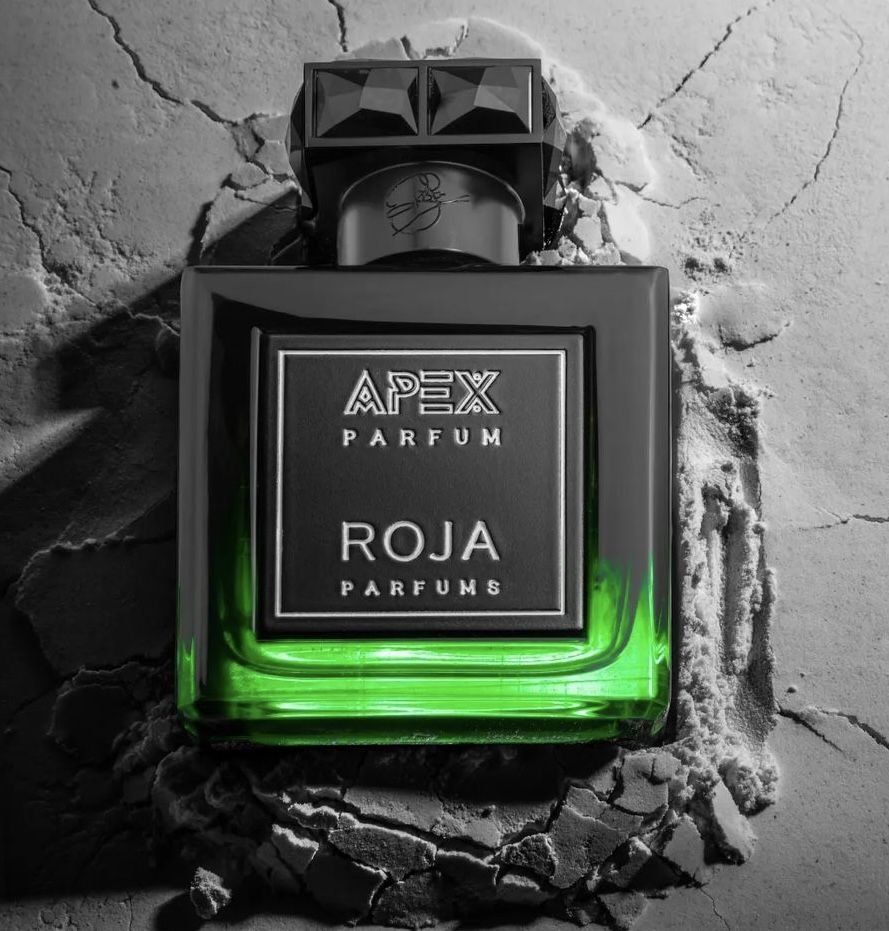
🟢 ROJA PARFUMS — APEX PARFUM
Perfumer: Roja Dove
Apex is not just a fragrance — it’s primal confidence bottled. It opens with a blast of green vitality, almost like stepping into a dense forest after rain. There’s freshness, but not the cheap citrus type — this is deep, masculine, and commanding. As it evolves, spices and woods come alive, giving a hunter-like aura — calm, focused, dangerous. The dry down is smooth leather, amber, and earthy richness that feels like success without noise. This is for men who don’t chase attention — they attract it naturally.
🌿 Notes Breakdown
Top: Bergamot, Lemon, Mandarin, Pineapple
Heart: Jasmine, Rose, Patchouli, Cypress
Base: Oakmoss, Leather, Ambergris, Fir Balsam
⚡ Performance
Longevity: 10–12 hours
Projection: Strong first 2–3 hours
Sillage: Powerful, leaves a signature trail
💰 Approx Price: ₹45,000 – ₹55,000
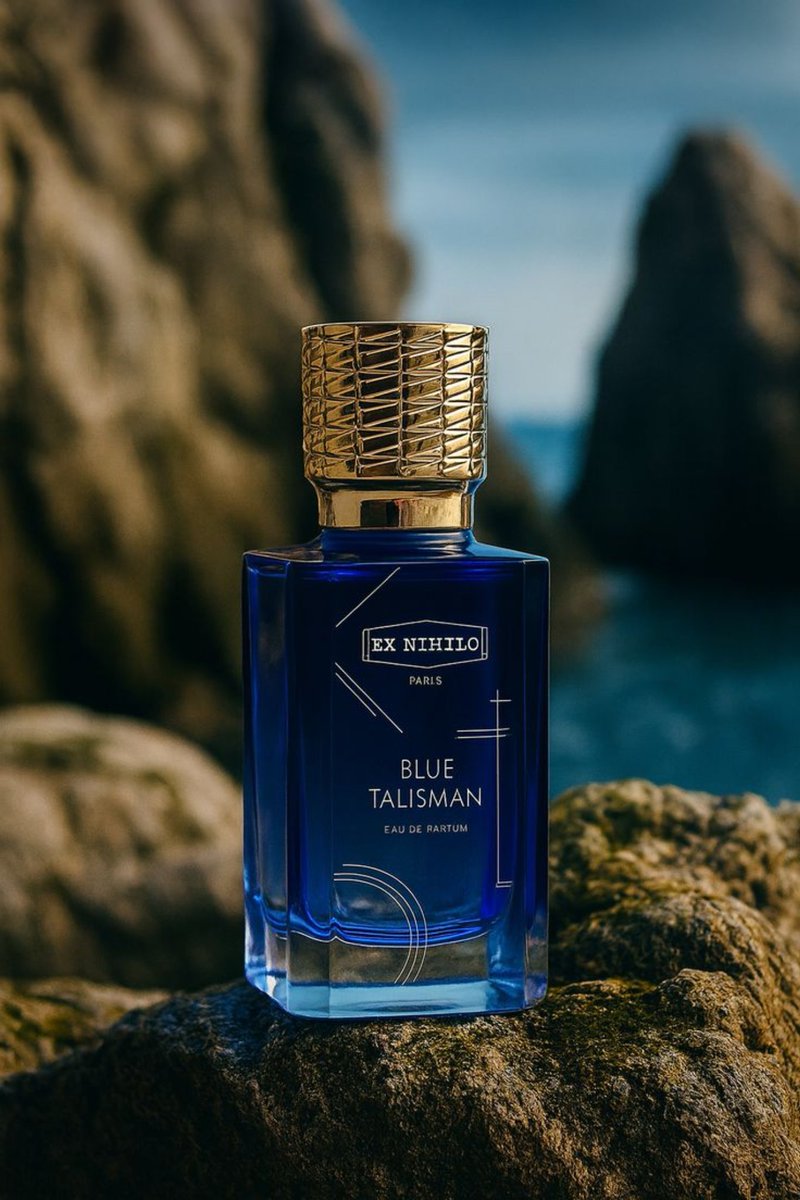
🔵 EX NIHILO — BLUE TALISMAN
Perfumer: Jordi Fernández
Blue Talisman is luxury freshness done right. This is not your average blue fragrance — it’s clean, airy, but with a polished richness that screams elite lifestyle. It opens with sparkling citrus and pear, giving an instant uplifting vibe. The heart becomes smooth, slightly floral and musky, like crisp white shirts and ocean breeze. What makes it special is the base — subtle woods and musk that stay elegant all day. It’s effortless sophistication — perfect for summer, meetings, or high-end casual settings.
🌊 Notes Breakdown
Top: Bergamot, Mandarin, Pear
Heart: Orange Blossom, Ginger, Musk
Base: Amber, Woods, Akigalawood
⚡ Performance
Longevity: 7–9 hours
Projection: Moderate (clean aura)
Sillage: Elegant, not loud but noticeable
💰 Approx Price: ₹28,000 – ₹35,000
🎯 FINAL TAKE
Apex = 🐺 Dominance & Power
Blue Talisman = 🧊 Clean Luxury & Charm
Both are different weapons — depends if you want to rule the room or own it silently.
🔖 HASHTAGS
#LuxuryPerfume #RojaParfums #ExNihilo #ApexParfum #BlueTalisman #NicheFragrance #PerfumeReview #MensFragrance #SmellElite #FragranceAddict
3
3
1,873


Apr 12
Argumentation here is circular. There is no way that race appears exnihilo as if could ever be isolated from the “other” aspects that you describe. Ultimately race is a simplified way to explain much of these older thinking of folk.
5
147
Apr 10
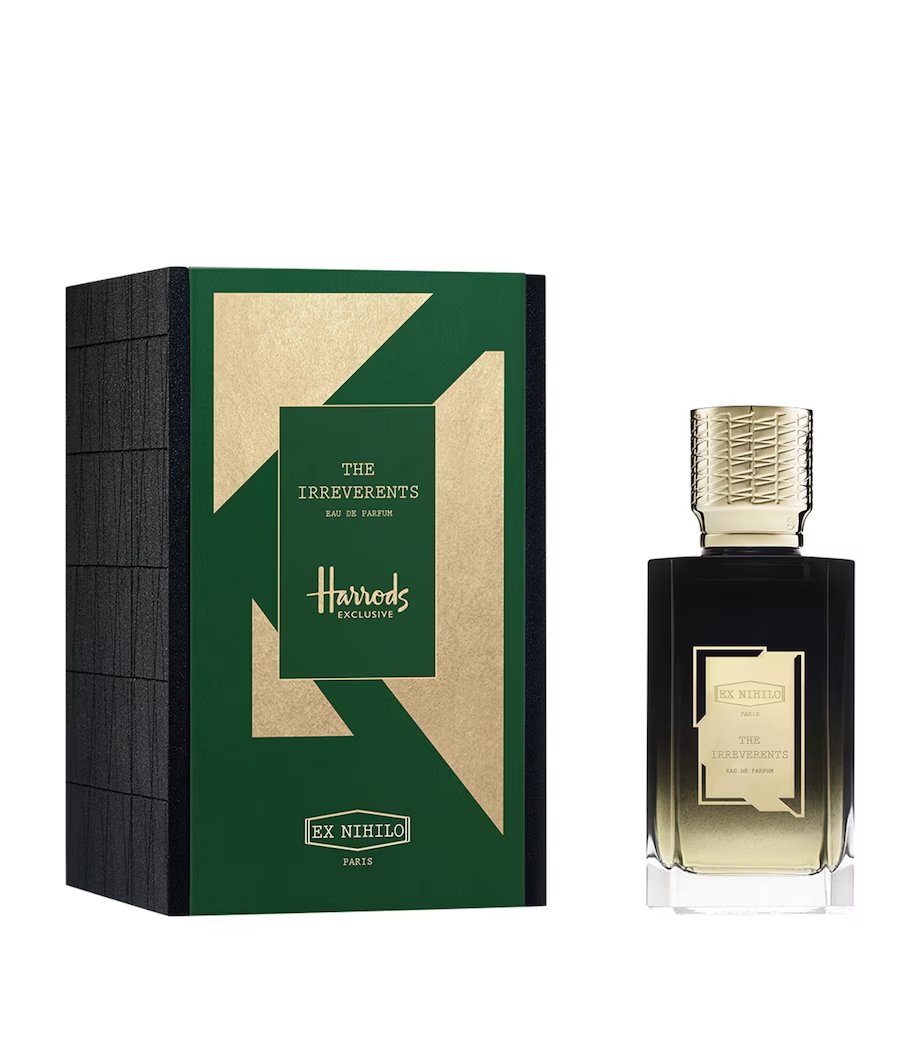
🔥 HARRODS EXCLUSIVES — PURE LUXURY, ZERO COMPROMISE 💎
🌄 1. THE IRREVERENTS – EX NIHILO (Harrods Exclusive)
🌿 Imaginary Story — Meghalaya (North-East India)
Picture yourself in Meghalaya’s misty hills 🌫️…
Dense green forests, rain-soaked earth, and clouds floating at eye level. You’re walking through Shillong after rainfall — the air is clean, wet, slightly sweet with florals and woods.
“The Irreverents” feels exactly like that — rebellious elegance wrapped in freshness. It opens bright and confident, then slowly melts into a refined woody-floral core. It’s not loud… but it commands attention quietly.
This is a scent for someone who doesn’t follow rules —
👉 subtle power, modern luxury, and effortless confidence.
Like Meghalaya itself — untouched, mysterious, unforgettable.
🧪 Notes (Detailed)
Top: Bergamot 🍋, Pink Pepper 🌶️
Heart: Iris 🌸, Floral accords
Base: Cedarwood 🪵, Musk, Amber
📊 Performance
Longevity: 8–10 hrs 🕰️
Projection: Moderate 🌬️
Sillage: Elegant trail ✨
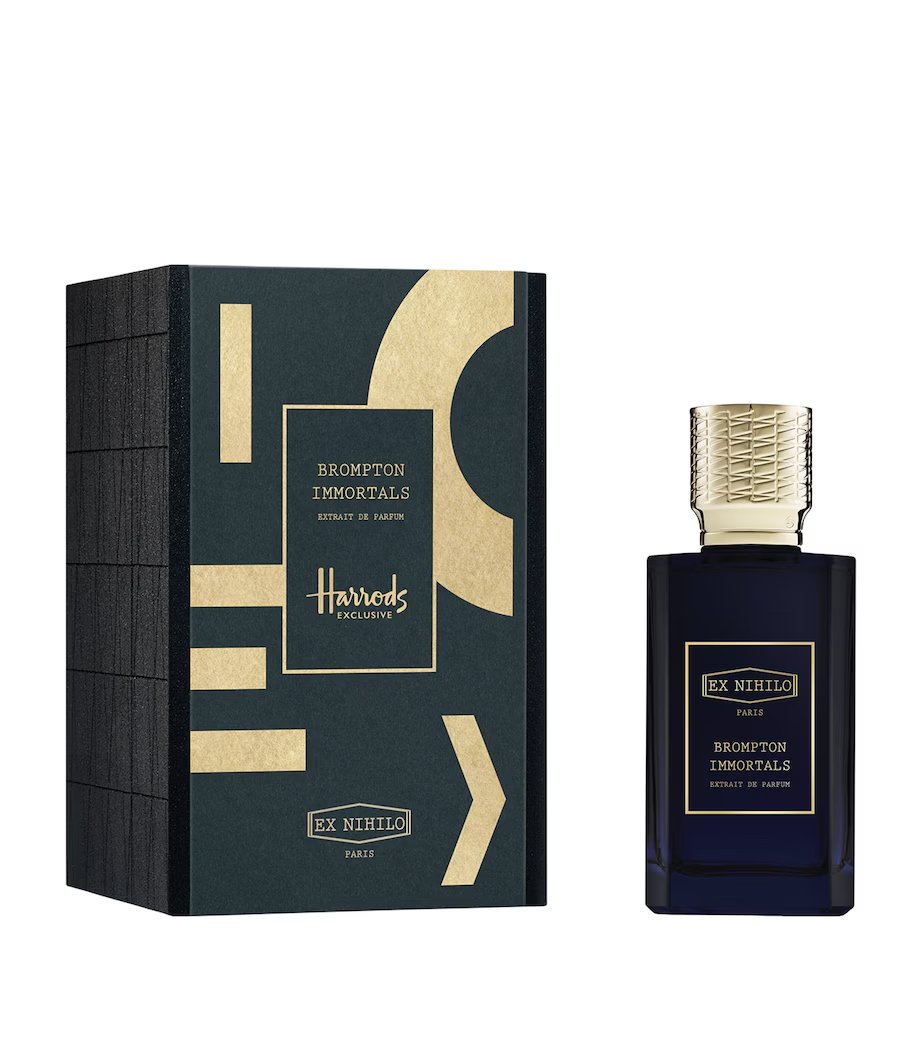
❄️ 2. BROMPTON IMMORTALS – EX NIHILO (Harrods Exclusive)
🏔️ Imaginary Story — Gulmarg, Kashmir
Now imagine Gulmarg in winter ❄️…
Snow-covered mountains, crisp cold air, and silence broken only by footsteps on snow. You’re wrapped in a wool coat, sipping something warm — the air smells clean, woody, slightly smoky, and luxurious.
“Brompton Immortals” captures this perfectly —
👉 cold elegance with deep warmth underneath.
It starts sharp and refined, then evolves into a rich woody-spicy base with a slightly leathery depth. This is CEO energy — calm, controlled, and powerful without noise.
Like Kashmir — breathtaking, timeless, and elite.
🧪 Notes (Detailed)
Top: Saffron 🌶️, Citrus hints
Heart: Leather 🖤, Woody accords
Base: Oud 🪵, Amber, Musk
📊 Performance
Longevity: 10–12 hrs 🕰️🔥
Projection: Strong 💨
Sillage: Bold luxury trail 💎
💎 FINAL TAKE
👉 Both are not mass scents
👉 These are collector-level fragrances
Irreverents = 🌿 Modern rebel luxury
Brompton Immortals = ❄️ Cold elite power
🔥 You don’t wear these…
You announce presence without speaking.
#ExNihilo #HarrodsExclusive #LuxuryPerfume #NicheFragrance #PerfumeCollection #SignatureScent #PerfumeLovers
3
5
1,524

Mar 30
El satanismo es la subversión de TODO lo santo. Allí donde se manifiesta el mal sobreabunda la Gracia.
Si el número 33 es santo, no tenga Ud. duda que van a hacer una reversión de este para su utilización en la consecución del mal.
Recuerde Ud. que el mal NO PUEDE CREAR, pues esto es solo facultad de Dios (ExNihilo). El mal solo puede utilizar, rediseñar, destruir. Con lo cual el mal solo tomará lo bueno, lo bello, lo verdadero y lo sagrado para subvertirlo y PARASITARLO.
2
4
29
927

Mar 25
🔺 Avalanche Network
┃
┣ 📂 Red Goglz (@red_goglz
┃ ┣ 📂 Meme
┃ ┣ 📂 DusterBuster (Multichain duster)
┃ ┣ 📂 RedCast (Arena Promo)
┃ ┗ 📂 EXNIHILO (Leverage Trading Meme coins)
2
3
3
62